Kampot
A sleepy riverside town where world-famous pepper grows, fireflies light the mangroves, and the freshest crab in Southeast Asia costs five dollars.
1 day in Kampot
Only got 24 hours? Here's how to experience the best of Kampot in a single action-packed day.
Kampot Highlights
Pepper Plantation & River
Start with a visit to a Kampot pepper plantation — La Plantation or Sothy's are the most established, offering guided tours ($5–8) that explain why Kampot pepper is considered the world's finest. The terroir-driven flavour profiles of black, white, red, and long pepper are demonstrated through tastings. The plantations are surrounded by beautiful countryside with limestone karst mountains rising dramatically. Kampot pepper has Protected Geographical Indication status — the real deal comes only from this province.
Colonial Town & Old Market
Explore Kampot's charming colonial town centre on foot — French shophouses in various states of elegant decay line the riverside streets. The Old Market has local produce, dried fish, and fresh Kampot pepper at local prices. The Durian Roundabout marks the town centre, and the surrounding streets have independent cafes, art galleries, and bookshops that reflect Kampot's reputation as Cambodia's most laid-back town. Lunch at Epic Arts Cafe — a social enterprise supporting deaf and disabled Cambodians.
Riverside Sunset & Crab Market
Watch the sunset from the riverside promenade — the Kampot River widens here and the sky reflects spectacularly across the water with Bokor Mountain as a backdrop. Then tuk-tuk 15km to the Kep Crab Market for the freshest seafood in Cambodia — blue swimmer crabs grilled or steamed with Kampot green pepper sauce ($5–8 per plate), giant prawns, squid, and fish at open-air riverside restaurants. The pepper crab is legendary and the reason many travelers come to this coast.
3 days in Kampot
A carefully curated route mixing iconic landmarks, hidden gems, street food, culture, and adventure — designed for younger travelers.
Pepper, Colonial Town & Crab Market
Kampot Pepper Plantation
Visit a Kampot pepper plantation for a guided tour and tasting. La Plantation (18km from town, $5 tour) is the largest and most professional, with multilingual guides explaining the growing, harvesting, and drying processes that make Kampot pepper the world's most prized. Taste the difference between black, white, red, and long pepper — each has a distinct flavour profile. The plantation sits in stunning countryside with limestone karst mountains as a backdrop.
Colonial Architecture & Riverside
Wander Kampot's colonial centre on foot. French-era shophouses, a crumbling cinema, and the old Governor's Mansion line the streets near the river. The atmosphere is deeply relaxed — Kampot moves at its own pace. Visit the Old Market for local produce and dried fish. Lunch at Epic Arts Cafe (social enterprise supporting disabled Cambodians, meals $3–5) or Rikitikitavi for river views and Western-Khmer fusion. The town is compact and entirely walkable.
Kep Crab Market Feast
Tuk-tuk 25km to the Kep Crab Market — open-air stalls on stilts over the water where fishermen bring their catch directly to the cooking stations. Blue swimmer crabs with Kampot green pepper sauce ($5–8), steamed giant prawns ($3–5), grilled squid, and stir-fried morning glory with garlic. The seafood is as fresh as it gets and the Kampot pepper elevates every dish. Return to Kampot riverside for a nightcap at a waterfront bar.
Bokor Hill Station & Caves
Bokor Hill Station
Ride or drive up Bokor Mountain (1,080m) — a winding road through jungle leading to the abandoned French colonial hill station at the summit. The ruins of the Bokor Palace Hotel and Casino, built in 1921 and abandoned during the civil war, are hauntingly atmospheric. On clear days the views from the summit stretch across the Gulf of Thailand to Phu Quoc Island in Vietnam. The mountain also has the Wat Sampeau Moi Rong temple and the double-drop Popokvil Waterfall.
Cave Temples of Phnom Chhngok
Descend Bokor and drive to Phnom Chhngok cave temple — a 7th-century Hindu shrine hidden inside a limestone cave reached by a steep staircase through the jungle. A local child often appears as an unofficial guide (tip $1–2). Inside, stalactites frame a small brick shrine that predates Angkor Wat by 500 years. The cave is cool, atmospheric, and rarely visited by tourists. Nearby Phnom Sia has another cave temple with two entrances and Buddhist statues.
River Kayaking & Sunset
Rent a kayak ($3–5/hour) from the guesthouses along the riverfront and paddle upstream as the afternoon light turns golden. The Kampot River is calm, wide, and bordered by mangroves and rice paddies. Fireflies appear along the banks at dusk — some operators offer specific firefly kayaking tours ($8–10) after dark. Return to shore for dinner at Naga House or Rusty Keyhole — two riverside restaurants with excellent Khmer and Western food and Angkor beers for $1.
Salt Fields, Kep & Departure
Salt Fields & Countryside
Ride through the salt fields east of Kampot — during the dry season (November–April), workers harvest sea salt by hand in a process unchanged for centuries. The geometric patterns of the evaporation ponds stretching to the mountains make for striking photography. Continue through the surrounding countryside — pepper plantations, rice paddies, and limestone karsts create a landscape that is among Cambodia's most beautiful and least touristic.
Kep Beach & National Park
Continue to Kep — a former French colonial beach retreat now enjoying a quiet renaissance. The beach is modest but pleasant. Walk the Kep National Park trail (8km loop, 2 hours) through the jungle above town — the trail passes ruined colonial villas being consumed by the forest and offers views across the Gulf of Thailand. At the trailhead, the Kep Butterfly Garden is a small but delightful conservation project. Lunch at Kimly or Crab Market restaurants.
Farewell Kampot Riverside
Return to Kampot for a final riverside evening. Dinner at Oh Neil's — an Irish-Khmer bar with surprisingly good food and the town's social hub. Or Elbow Room for craft pizza and cocktails. Walk the riverfront one last time as the lights of the fishing boats reflect on the water and Bokor Mountain darkens against the sky. Kampot is a place that travelers arrive at for one night and stay for a week — its gentle charm is hard to leave behind.
7 days in Kampot
A full week to go deep — from famous landmarks to local neighbourhoods, day trips, hidden gems, and proper local immersion.
Pepper, Town & Crab Market
Kampot Pepper Plantation
Begin with a pepper plantation tour at La Plantation ($5) — 18km from town in stunning countryside. Learn why Kampot pepper's terroir-driven flavour has Protected Geographical Indication status, making it the world's most prized pepper. Taste black, white, red, and long pepper varieties with dramatically different flavour profiles. The plantation grounds are beautiful with views of limestone karst mountains and well-maintained gardens.
Colonial Town Walking Tour
Explore Kampot's French colonial centre on foot. The shophouses along the river, the old cinema, and the Governor's Mansion tell the story of a faded colonial outpost now finding new life as a creative retreat. Visit the Old Market for produce and dried fish. Lunch at Epic Arts Cafe — a social enterprise supporting deaf and disabled Cambodians with excellent food ($3–5). The Durian Roundabout marks the town centre.
Kep Crab Market
Tuk-tuk to the Kep Crab Market for the freshest seafood in Cambodia. Blue swimmer crabs with Kampot green pepper ($5–8), giant prawns, and grilled squid at waterside stalls. The combination of just-caught crab and world-famous pepper is extraordinary. Return to Kampot for a riverside nightcap. The town is quiet after dark — this is not a party destination but a place to decompress.
Bokor Mountain
Bokor Hill Station Ruins
Ride up Bokor Mountain (1,080m) via the winding paved road through dense jungle. The abandoned French colonial hill station at the summit was built in 1921 and changed hands between French, Japanese, Khmer Issarak, and Khmer Rouge forces. The ruined Bokor Palace Hotel stands atmospherically against the mountain mist. On clear mornings the Gulf of Thailand stretches to Phu Quoc Island. The summit has Wat Sampeau Moi Rong and sweeping panoramic views.
Popokvil Waterfall & Jungle
Continue to Popokvil Waterfall on Bokor Mountain — a double-drop cascade surrounded by dense jungle. During the wet season (June–October) the falls are thunderous; in dry season they reduce to a trickle but the pools remain swimmable. The drive between the hill station and the waterfall passes through atmospheric montane forest with giant ferns, epiphytes, and birds. The road is good and the distance short — combine both in a morning if starting early.
Firefly Kayaking
Book a firefly kayaking tour ($8–10) through your guesthouse — departing at dusk, you paddle along the Kampot River as thousands of fireflies illuminate the mangrove banks like fairy lights. The experience is magical and best during the dry season (November–March) when the insects are most active. Return to shore and dinner at Naga House or Rikitikitavi on the riverfront. Kampot's evenings are gentle and unhurried.
Caves & River Adventures
Phnom Chhngok Cave Temple
Ride to Phnom Chhngok — a 7th-century Hindu shrine hidden inside a limestone cave reached by steep jungle stairs. The pre-Angkorian brick shrine sits among stalactites in a natural cathedral, predating Angkor Wat by 500 years. A local child often guides visitors (tip $1–2). The cave is cool and atmospheric with minimal lighting — bring a torch. Continue to Phnom Sia for a second cave temple with Buddhist statues and two natural entrances.
River Kayaking
Rent a kayak ($3–5/hour) from the riverside guesthouses and paddle upstream through calm waters bordered by mangroves, rice paddies, and the occasional water buffalo. The Kampot River is wide, slow, and perfect for leisurely paddling. Some operators run guided kayak trips that include stops at riverside villages and pepper gardens. The combination of exercise, scenery, and river breeze makes this one of Kampot's defining experiences.
Kampot Night Market
Browse the small but authentic Kampot night market near the Old Market — food stalls sell Khmer BBQ, fried noodles, grilled corn, and fruit shakes at local prices ($1–2 per dish). The atmosphere is gentle and local — this is not Siem Reap's tourist circus but a genuine small-town evening market. Dinner at Rusty Keyhole (excellent ribs and Khmer food, $3–6 mains) or Fishmarket for upscale Khmer-European seafood on the riverfront.
Kep Beach & National Park
Kep National Park Trail
Tuk-tuk to Kep (25km) and hike the Kep National Park trail — an 8km loop through jungle above the coast (2–3 hours). The trail passes ruined French colonial villas being consumed by the forest, viewpoints over the Gulf of Thailand, and a section through dense tropical canopy. The Kep Butterfly Garden near the trailhead is a small but charming conservation project. The ruins along the trail — grand villas with crumbling balconies and trees growing through roofs — are hauntingly photogenic.
Kep Beach & Rabbit Island
Cool off at Kep Beach — modest by Thai standards but pleasant with warm water and mountain views. For a more secluded experience, take the boat to Koh Tonsay (Rabbit Island, $8 return, 25 minutes) — a tiny island with basic bungalows, hammocks, and a white sand beach. Lunch is fresh fish grilled on the beach by the bungalow operators ($3–5). The island has no vehicles, no WiFi (mostly), and no agenda — pure tropical island simplicity.
Crab Market Round Two
Return to the Kep Crab Market for a second seafood feast — the catch varies daily and trying different dishes is half the joy. This time order the whole grilled fish with Kampot pepper ($4–6), steamed clams, and stir-fried morning glory. The market is most atmospheric at sunset when the fishing boats return and the cooking fires start. Return to Kampot for a quiet evening at a riverside bar.
Salt Fields & Countryside Cycling
Salt Fields of Kampot
Ride or cycle to the salt fields east of town — during the dry season (November–April), workers harvest sea salt by hand in geometric evaporation ponds that stretch to the mountains. The process is ancient and unchanged — seawater is channelled into shallow ponds, the sun evaporates the water, and the salt is raked and piled by hand. Workers are friendly and will explain the process. The photographic opportunities — reflecting pools, distant mountains, workers silhouetted against the sky — are exceptional.
Countryside Bicycle Tour
Rent a bicycle ($2–3/day from guesthouses) and ride through the countryside south of town. The flat roads pass through rice paddies, pepper plantations, fishing villages, and small temples. The limestone karst mountains provide a dramatic backdrop. Stop at a roadside stall for sugarcane juice ($0.50) or coconut water. The rural Kampot countryside is among the most beautiful landscapes in Cambodia and cycling is the perfect speed to absorb it.
Cooking Class & Dinner
Join a Khmer cooking class ($15–20) — several guesthouses and restaurants offer evening sessions. Learn to prepare fish amok, Khmer red curry, green mango salad, and banana flower salad using fresh market ingredients and plenty of Kampot pepper. You eat everything you cook for dinner. The classes are small, hands-on, and include explanations of Cambodian ingredients and their medicinal properties.
Secret Lake & Adventure
Secret Lake Swimming
Ride to the Secret Lake (Chambok area) — a hidden natural pool in the jungle hills north of Kampot, surrounded by rocks and forest. The water is clear and refreshing, fed by mountain streams. Access requires a short walk through farmland and forest. The location is not well signposted — ask locally or at your guesthouse for current directions as access points change. On weekdays you may have the entire lake to yourself.
Kampot Traditional Music
Visit the Kampot Traditional Music School — a community project preserving Cambodian classical music traditions that were nearly destroyed during the Khmer Rouge era (musicians were specifically targeted). When classes are in session, visitors can observe young Cambodians learning traditional instruments: the tro (fiddle), skor (drums), and roneat (xylophone). Donations support the school. Continue to the nearby Tek Chhou rapids for a riverside swim.
Sunset SUP & Riverside
Try stand-up paddleboarding on the Kampot River at sunset ($5–8/hour from riverside operators). The calm, wide river is ideal for beginners and the sunset light reflecting off the water with Bokor Mountain in the background is stunning. Return the board and walk to dinner — Elbow Room for wood-fired pizza and cocktails, or the food stalls near the Old Market for cheap Khmer noodle soup ($1) and grilled meat skewers ($0.50).
Final Pepper & Farewell
Sothy's Pepper Farm
Visit a second pepper plantation for a different perspective — Sothy's Pepper Farm is smaller and more personal than La Plantation, with the owner often guiding visitors himself through the growing process. The farm sits among rice paddies with beautiful mountain views. The pepper tasting highlights how terroir, harvest timing, and processing create dramatically different flavours from the same plant. Buy fresh green pepper on the vine for cooking tonight.
River Float & Last Swim
Spend a final afternoon on the Kampot River — kayak, SUP, or simply sit at a riverside bar watching the water flow. The Arcadia Backpackers hostel across the river has a swimming pool, slack line, and chill area open to non-guests for a small fee. The slower pace of Kampot is its greatest gift — after a week here, the rest of Southeast Asia feels frantic. Pick up last-minute pepper and salt purchases at the Old Market.
Farewell Kampot
Final dinner at your favourite riverside spot — whether that is Rikitikitavi for views and fusion food, Rusty Keyhole for ribs and Khmer classics, or the night market stalls for $1 noodle soup. One last walk along the riverfront as the fishing boats settle for the night and Bokor Mountain fades to a dark silhouette. Kampot is the kind of place that whispers rather than shouts — and the whisper stays with you long after you leave.
Budget tips
Rent a scooter
Scooter rental: $5–8/day. Essential for reaching Bokor Mountain, pepper plantations, and the cave temples. The roads are flat and quiet in the countryside. Helmets provided — always wear one.
Crab market strategy
Kep Crab Market prices vary by stall. Blue swimmer crabs: $5–8 per plate depending on size. Walk the market first, check sizes and prices, then sit down. The crab with Kampot green pepper is always the right choice.
Guesthouse kayaks
Many riverside guesthouses include free kayak use for guests. Others rent for $3–5/hour. Ask before booking accommodation — a free kayak saves $10–20 over a stay. Firefly tours are separate at $8–10.
Market meals
The Old Market food stalls serve noodle soup for $1, rice and curry for $1.50, and iced coffee for $0.50. The night market Khmer BBQ is $2–3 per person. You can eat exceptionally well for $5/day from markets alone.
Combined Kep day trip
Combine salt fields, Kep National Park, Rabbit Island, and the Crab Market in one day. Tuk-tuk for the full day: $15–20. Split with travel companions for $5–7 per person for a full day of activities.
Book onward buses early
Giant Ibis and Mekong Express to Phnom Penh ($8, 3hrs) are comfortable and reliable. Book through your guesthouse or online the day before. Morning departures are cooler and less crowded.
Budget breakdown
Daily costs per person in USD. Kampot is one of Cambodia's most affordable destinations — riverfront guesthouses, market food, and natural attractions keep budgets remarkably low.
| 🎒 Budget | ✨ Mid-Range | 💎 Splurge | |
|---|---|---|---|
| Accommodation Dorms → river guesthouses → boutique hotels | $4–8 | $15–35 | $50+ |
| Food Market food → restaurants → Crab Market feasts | $4–7 | $8–15 | $25+ |
| Transport Bicycle → scooter → tuk-tuk day hire | $3–5 | $8–15 | $25+ |
| Activities Free kayaks & cycling → plantations & cooking → guided tours | $3–5 | $8–15 | $25+ |
| Drinks Market coffee & beer → riverside bars → cocktail spots | $1–3 | $3–6 | $10+ |
| Daily Total Budget backpacker → comfortable → boutique | $15–28 | $42–86 | $135+ |
Practical info
Visa & Entry
- Tourist visa on arrival: $30 + passport photo. e-Visa ($36) saves queueing. Same visa for all of Cambodia
- Kampot is 3 hours from Phnom Penh by bus ($8, Giant Ibis or Mekong Express) and 2.5 hours from Sihanoukville ($7)
- No airport — nearest is Sihanoukville (2.5hrs) or Phnom Penh (3hrs). Bus is the standard route for all travelers
Health & Safety
- Kampot is very safe — one of Cambodia's calmest towns. Main risks are scooter accidents and sunburn, not crime
- Mosquitoes active at dusk near the river — use repellent for kayaking and riverside dining. Dengue risk exists year-round
- Small hospital in town for basics. Serious medical issues require Phnom Penh (3hrs). Travel insurance essential
Getting Around
- Scooter ($5–8/day) for Bokor, plantations, and caves. Bicycle ($2–3/day) for the town and flat countryside
- Tuk-tuks available for day trips: Kep round-trip $15, Bokor Mountain $20, pepper plantations $10. Negotiate before departure
- Town centre is small and entirely walkable. Most guesthouses are along the river within a 10-minute walk of each other
Connectivity
- Mobile data works in town (Cellcard or Smart SIM, $3/week). Coverage drops on Bokor Mountain and rural areas
- WiFi at most guesthouses and cafes. Speeds are slow compared to Phnom Penh — do not expect fast uploads or streaming
- Download offline maps before arriving. GPS works but data signal can drop on countryside roads and mountain routes
Money
- USD and riel both accepted. ATMs in the town centre (Canadia Bank, ABA Bank) dispense USD with $4–5 fee
- Cash essential — very few places accept cards outside upmarket restaurants. Carry $20–30 daily minimum
- Kampot is very cheap — $15–30/day covers accommodation, food, transport, and activities comfortably on a backpacker budget
Packing Tips
- Light clothing, swimsuit for river and Rabbit Island. A warm layer for Bokor Mountain where temperatures drop significantly
- Shoes for cave temples (steep, uneven stairs). Flip-flops for the town and beach. Mosquito repellent for riverside evenings
- A dry bag for kayaking protects your phone and camera. Quick-dry towel for waterfalls, river, and Rabbit Island
Cultural tips
Kampot is Cambodia at its most gentle — a small town with big flavours, deep history, and a pace of life that rewards those who slow down to match it.
Gentle Pace
Kampot moves slowly and Cambodians in the province are notably gentle and unhurried. Match the pace. Rushing, haggling aggressively, or showing impatience is out of place here and will not get you better service.
Pepper Pride
Kampot pepper is a source of immense local pride — it has Protected Geographical Indication and is considered the world's finest. Show genuine interest when visiting plantations and buy directly from farmers. Avoid counterfeit "Kampot pepper" sold in tourist markets elsewhere.
Buddhist Respect
Remove shoes in temples, cover shoulders and knees, and do not touch monks. Cave temples are sacred sites — treat them with the same respect as any place of worship, not just as tourist attractions.
Support Social Enterprise
Epic Arts Cafe, Kampot Traditional Music School, and community tourism operators are all worth supporting. Your dollars have more impact when they fund education, disability support, and cultural preservation than when they go to generic tourist businesses.
Fishing Community
The fishing communities along the river and at Kep are the economic backbone of the region. Buy fish and crab directly from the markets. Do not haggle aggressively — the prices are already low and these are working families, not tourist vendors.
River & Nature
Kampot's river, caves, and countryside are its greatest assets. Take all rubbish with you, do not damage cave formations, and respect wildlife. The firefly populations depend on clean riverbanks — leave no trace.
Kampot is on these routes
Reading for Kampot
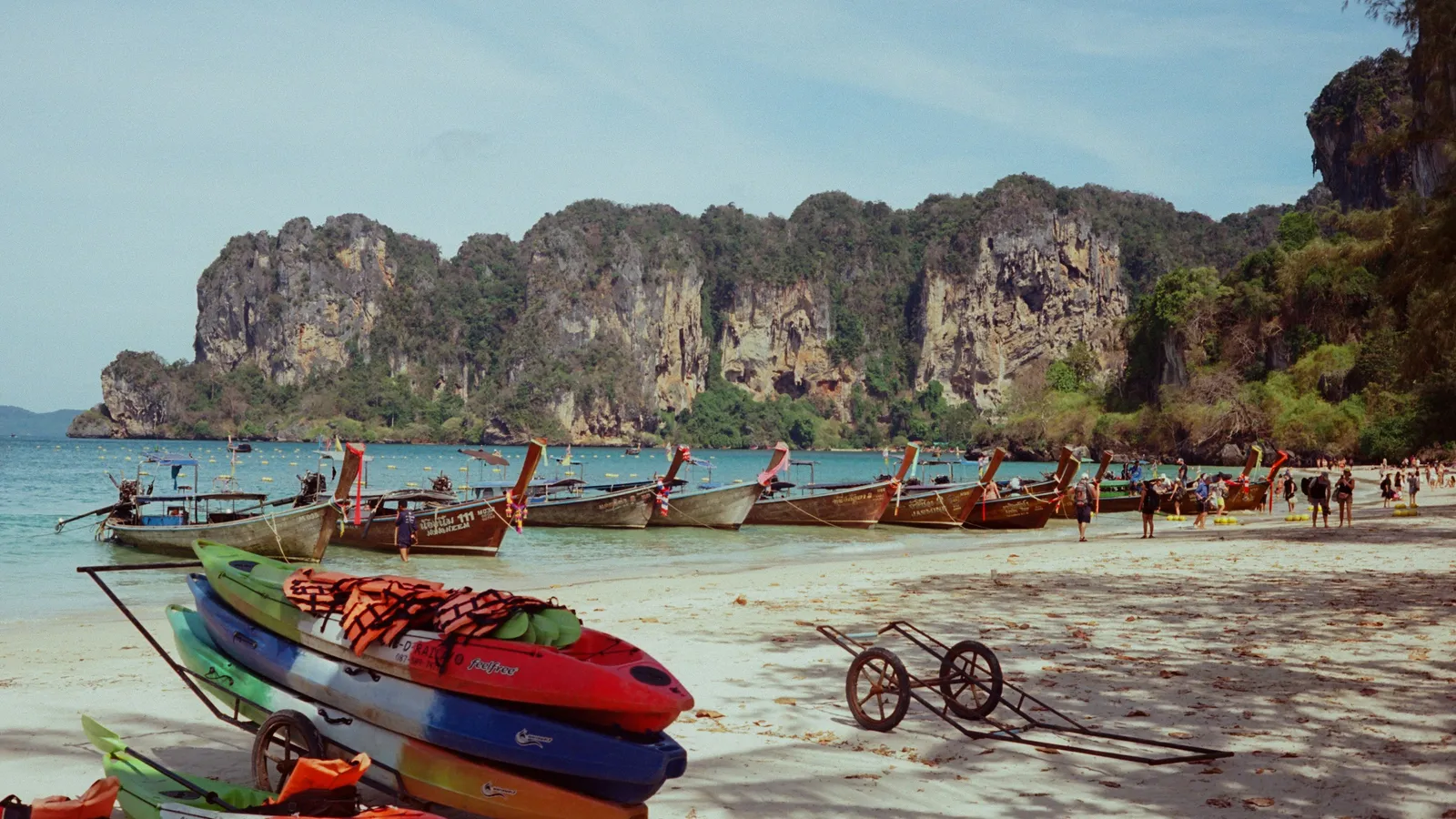
Your First Month in Southeast Asia
Plan your first 30 days in Southeast Asia with a tested itinerary covering Thailand, Cambodia, and Vietnam without rushing or overspending.
Read article →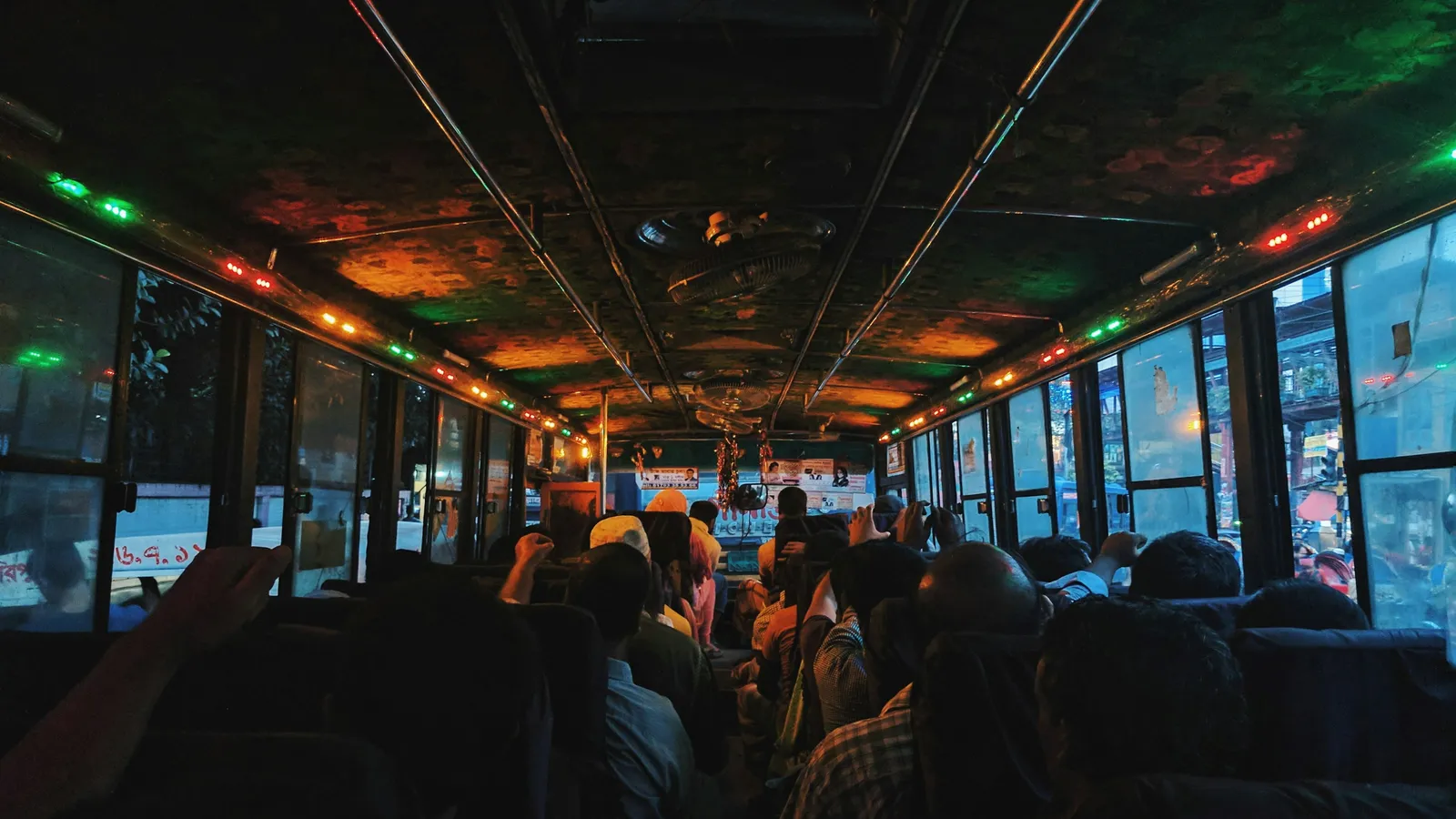
Night Bus Survival Guide
Survive overnight buses across Southeast Asia and South America with tested strategies for sleep, security, and arriving functional.
Read article →
Why Rainy Season Is Your Secret Advantage
Turn rainy season into a travel advantage with lower prices, fewer crowds, and lush landscapes across Southeast Asia and Central America.
Read article →Heading to Kampot?
Find travel companions to share Bokor Mountain rides, pepper plantation tours, and legendary crab market feasts on roammate.


To customise this itinerary to your travel style, pace, and budget — download the roammate app to tailor it to your preferences.
Find travel companions in Kampot →