Vang Vieng
Turquoise lagoons, jungle caves, and dramatic karst peaks lining the Nam Song River — Southeast Asia's adventure playground for backpackers.
1 day in Vang Vieng
Only got 24 hours? Here's how to experience the best of Vang Vieng in a single action-packed day.
Vang Vieng Highlights
Blue Lagoon & Tham Phu Kham Cave
Start early and rent a motorbike or bicycle to reach Blue Lagoon 1, about 7km from town. The turquoise pool sits at the base of a limestone cliff with a rope swing and wooden platform for jumping. After swimming, climb the steep path behind the lagoon to Tham Phu Kham cave — a large cavern housing a reclining bronze Buddha. The cave is dark and slippery inside so bring a headlamp. The combination of the jungle setting, crystal water, and cave exploration makes this the essential Vang Vieng morning.
Nam Song River Tubing
Head to the tubing rental shops on the riverside near town and grab a tube for the iconic Nam Song River float. The 3–4km drift downstream takes 1.5–2 hours depending on the current and how many riverside bars you stop at. The scenery is stunning — sheer karst limestone cliffs rise on both sides of the river, draped in jungle vegetation. The water is calm and shallow in dry season, making it relaxing rather than adrenaline-fuelled. Tubes are returned at the endpoint and a tuk-tuk brings you back to town.
Riverside Sunset & Lao BBQ
Walk to the bamboo bridge crossing the Nam Song River for golden hour views of the karst mountains silhouetted against the sky. The west bank has several low-key riverside restaurants with cushions on wooden platforms directly over the water. Try Lao-style BBQ (sin dat) where you grill marinated meats and vegetables on a clay hotpot at your table, or order laap (spicy minced meat salad) and sticky rice. Finish with a cold Beerlao — the excellent local lager that costs under a dollar everywhere in town.
3 days in Vang Vieng
A carefully curated route mixing iconic landmarks, hidden gems, street food, culture, and adventure — designed for younger travelers.
Blue Lagoons, Cave & River Tubing
Blue Lagoon 1 & Tham Phu Kham Cave
Rent a motorbike from town (50,000–80,000 kip per day) and ride 7km south to Blue Lagoon 1. The lagoon is fed by an underground spring that gives it a vivid turquoise colour against the limestone. Swim in the pool, try the rope swing, then climb the steep muddy trail behind to Tham Phu Kham — a large cave with stalactites, a reclining Buddha, and multiple chambers to explore deeper with a headlamp. The cave gets increasingly narrow and adventurous the further you go.
Nam Song River Tubing
Return to town and pick up a tube from one of the riverside rental shops. The Nam Song River tubing run drifts 3–4km downstream through a corridor of dramatic karst cliffs. The pace is gentle — you float past rice paddies, water buffalo, and jungle-covered peaks. In dry season the water is shallow and warm. Some riverside stops sell drinks and snacks from floating platforms. The endpoint has tuk-tuks waiting to shuttle you and your tube back to the rental shop in town.
Riverside Dinner & Night Market
Cross the bamboo bridge to the west bank of the Nam Song for riverside dining at sunset. The low wooden platform restaurants serve excellent Lao food — try tam mak hoong (spicy green papaya salad), ping kai (grilled chicken), and khao niew (sticky rice) eaten by hand. Back on the east bank, a small night market sets up near the old market area with grilled meats on sticks, fresh fruit shakes, and Lao whisky buckets. The karst mountains are lit by moonlight on clear nights.
Kayaking, Caves & Hot Air Balloon
Nam Song River Kayaking
Book a half-day kayaking trip on the Nam Song River — operators run morning departures from the centre of town. The kayak route covers more distance than tubing and takes you through quieter stretches upstream where the river bends between vertical karst walls and overhanging jungle. Your guide stops at riverside caves and swimming holes inaccessible by road. Single and tandem kayaks are available. The paddling is easy — Class I water with no rapids — making it suitable for beginners while still covering beautiful remote scenery.
Tham Chang Cave & Viewpoint
Walk or cycle to Tham Chang cave on the west side of town — the most accessible cave in Vang Vieng, connected by a bridge from the Vang Vieng Resort. Cross the bridge and climb 147 steps to the cave entrance where a natural spring flows out of the limestone. Inside, the cave is well-lit with walkways past stalactites and stalagmites. The real reward is the viewpoint at the cave exit — a panoramic view over the Nam Song River valley with the town below and karst mountains stretching to the horizon in every direction.
Hot Air Balloon at Sunset
Book an evening tethered hot air balloon ride that launches from a field near town during the golden hour. The balloon rises 200 metres above the valley floor for an unobstructed 360-degree view of the karst landscape at sunset — the limestone pinnacles turn orange and purple as the light drops, and the Nam Song River reflects the sky below. The ride lasts about 20 minutes. Afterwards, head to one of the rooftop bars along the main street for a Beerlao and watch the stars appear over the mountains.
Blue Lagoons, Zipline & Jungle Exploration
Blue Lagoon 3 & Elephant Cave
Ride 12km north to Blue Lagoon 3, the least visited of the three lagoons and the most beautiful — a deep emerald pool surrounded by dense jungle with a wooden jumping platform and zipline over the water. The lagoon feeds into a stream that flows through Tham Nam (Water Cave), which you can explore by wading or floating through the cave entrance holding a rope line. Nearby Elephant Cave (Tham Xang) contains a stalactite formation shaped like an elephant head and ancient Buddhist carvings on the walls.
Pha Ngern Viewpoint Hike
Drive to the base of Pha Ngern (Silver Cliff), 2km south of town, for a challenging 45-minute hike to the most spectacular viewpoint in the Vang Vieng area. The trail climbs steeply through scrubby forest and exposed rock with fixed ropes on the steepest sections. At the top, a flat limestone platform drops away to a sheer cliff face with the entire Nam Song valley spread below — rice paddies, the river, the town, and an endless horizon of karst peaks. This is the defining panorama of Vang Vieng.
Lao BBQ & Farewell Drinks
End your Vang Vieng trip with a sin dat (Lao BBQ) feast at one of the dedicated BBQ restaurants in town. A clay hotpot is placed on your table with charcoal underneath — you grill marinated pork, beef, chicken, and vegetables on the domed top while a broth simmers in the moat around the edge for cooking noodles and greens. Add tam mak hoong, Beerlao, and fresh baguettes (a French colonial legacy) stuffed with pate and herbs from the street vendors. The total bill for a full spread rarely exceeds $8 per person.
Budget tips
Rent a motorbike
A semi-automatic motorbike costs 50,000–80,000 kip ($3–5) per day and is the best way to reach the Blue Lagoons, caves, and viewpoints independently. Petrol is cheap — a full tank costs under $2.
Eat at local restaurants
Skip the tourist-oriented Western restaurants on the main drag and eat at Lao restaurants near the old market. A plate of laap with sticky rice costs 25,000–35,000 kip ($1.50–2) compared to $5–8 at tourist spots.
Negotiate tube and tour prices
Tubing and kayaking prices are semi-fixed but booking directly at the riverside shops is cheaper than through your guesthouse. Group discounts are common for 3+ people.
Stay on the east bank
Guesthouses on the east side of the river near the bus station area are 30–50% cheaper than the riverside boutique hotels. A clean fan room with hot shower runs 80,000–120,000 kip ($5–7).
Carry cash in kip
ATMs in Vang Vieng charge 20,000 kip ($1.20) per withdrawal. Withdraw larger amounts less frequently. Many places accept Thai baht or US dollars but give poor exchange rates — pay in kip for better value.
Combine activities yourself
Tour operators bundle activities at inflated prices. Rent a motorbike and visit Blue Lagoons and caves independently for just the entry fees (10,000–15,000 kip each) instead of paying $25–40 for a guided tour.
Budget breakdown
Daily costs per person in US dollars. Vang Vieng is one of Southeast Asia's cheapest destinations — these ranges cover budget backpackers to comfortable mid-range travellers seeking adventure activities.
| 🎒 Budget | ✨ Mid-Range | 💎 Splurge | |
|---|---|---|---|
| Accommodation Fan rooms → AC guesthouses → riverside boutiques | $5–12 | $15–40 | $50+ |
| Food Street food & local restaurants → tourist restaurants → fine dining | $5–10 | $10–25 | $30+ |
| Transport Bicycle → motorbike rental → private driver | $3–5 | $8–15 | $20+ |
| Activities Self-guided caves → tubing & kayaking → hot air balloon | $5–15 | $15–40 | $50+ |
| Entry Fees Cave & lagoon fees are very cheap | $1–3 | $3–8 | $10–15 |
| Daily Total Budget backpacker → comfortable mid → adventure luxury | $20–45 | $50–130 | $160+ |
Practical info
Entry & Visas
- Visa on arrival available at land borders and airports for most nationalities — 30-day tourist visa costs $30–42 USD depending on nationality
- Bring a passport photo and USD cash for the visa fee — some border crossings do not accept other currencies
- Vang Vieng is a 3–4 hour bus ride from Vientiane or a scenic 6-hour journey from Luang Prabang via the new China-Laos railway
Health & Safety
- Travel insurance with medical evacuation is essential — the nearest hospital with serious medical capability is in Vientiane
- Mosquito repellent is critical — dengue fever is present in Laos. Use DEET-based repellent and sleep under a net if your room has gaps
- River activities carry real risk — wear a life jacket for tubing and kayaking, and avoid the river after heavy rain when currents are strong
Getting Around
- Motorbike rental is the primary transport — semi-automatics are easiest. Check brakes and tyres before riding. An international driving permit is technically required
- Bicycles work for town and nearby attractions but the roads to Blue Lagoon 3 and Pha Ngern are hilly and rough
- Tuk-tuks operate within town and to nearby attractions — agree on the fare before departure. Shared tuk-tuks to the bus station cost 10,000 kip
Connectivity
- Buy a Unitel or Lao Telecom SIM card at the bus station or phone shops in town — 4G data packages cost $2–5 for a week
- WiFi is available at most guesthouses and cafes but speeds are slow. Download offline maps of the area before arriving
- Mobile signal drops out at remote caves and lagoons — share your plans with your guesthouse before heading to isolated spots
Money
- Currency: Lao Kip (LAK). USD and THB are widely accepted but kip gives the best value. $1 ≈ 17,000–18,000 kip
- ATMs are available on the main street — BCEL and Lao Development Bank ATMs are most reliable. Withdraw in kip for the best rate
- Tipping is not expected in Laos but appreciated. Round up at restaurants. Tip kayaking and tour guides 20,000–50,000 kip per person
Packing Tips
- Quick-dry clothing and water shoes are essential — most activities involve getting wet. A dry bag protects electronics on the river
- Headlamp or strong torch for cave exploration — phone torches are inadequate for deeper cave systems
- Sunscreen, insect repellent, and a reusable water bottle. Pack a light rain jacket in wet season (May–October)
Cultural tips
Vang Vieng has evolved from its party-town past into a genuine adventure destination — approach the landscape and local culture with respect, and you will discover one of Laos' most beautiful corners.
Respect Buddhist Culture
Laos is a deeply Buddhist country. Remove shoes before entering temples. Dress modestly — cover shoulders and knees at religious sites. Women should never touch monks or hand items directly to them.
Leave No Trace
The karst landscape and river system are fragile ecosystems. Pack out all rubbish from lagoons and caves. Do not write on cave walls or break stalactites. Keep the waterways clean — Vang Vieng has worked hard to clean up its environmental reputation.
Photography Etiquette
Ask permission before photographing local people, especially monks during ceremonies. Drone use is technically restricted in Laos — check locally before flying. Some caves prohibit flash photography to protect formations.
Language & Communication
Learn basic Lao — sabaidee (hello), khop jai (thank you), and bor pen nyang (no problem) go a long way. English is limited outside the main tourist strip. A translation app helps at local restaurants and markets.
Support Local Communities
Choose locally-owned guesthouses and restaurants over international chains. Buy snacks and drinks from village shops near the lagoons rather than bringing everything from town. Your spending directly supports rural Lao families.
Pace & Patience
Laos operates on a relaxed pace — buses depart late, food takes time, and nothing is rushed. Embrace the bor pen nyang (no worries) attitude. The slower rhythm is part of what makes Vang Vieng special.
Vang Vieng is on these routes
Reading for Vang Vieng
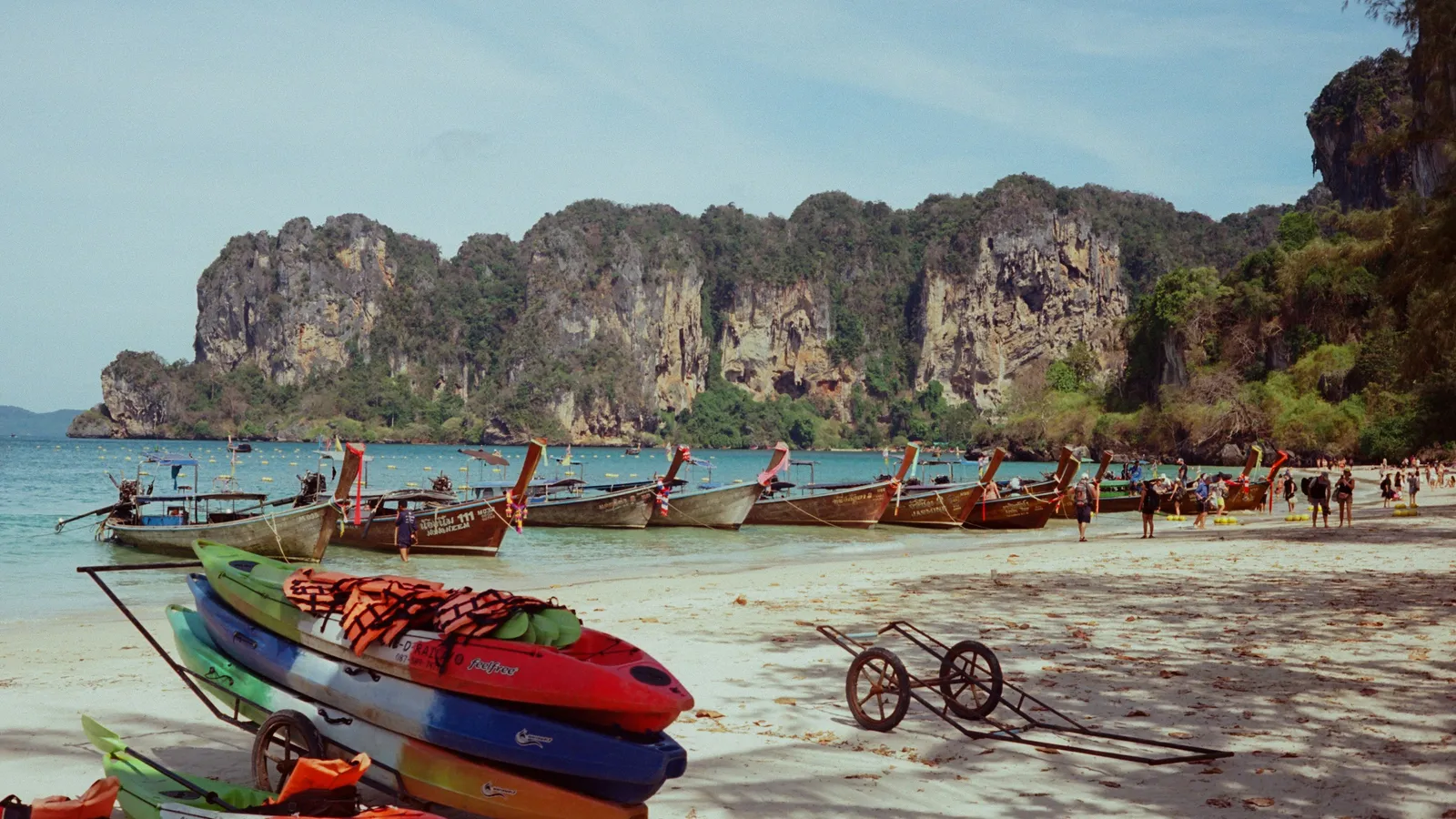
Your First Month in Southeast Asia
Plan your first 30 days in Southeast Asia with a tested itinerary covering Thailand, Cambodia, and Vietnam without rushing or overspending.
Read article →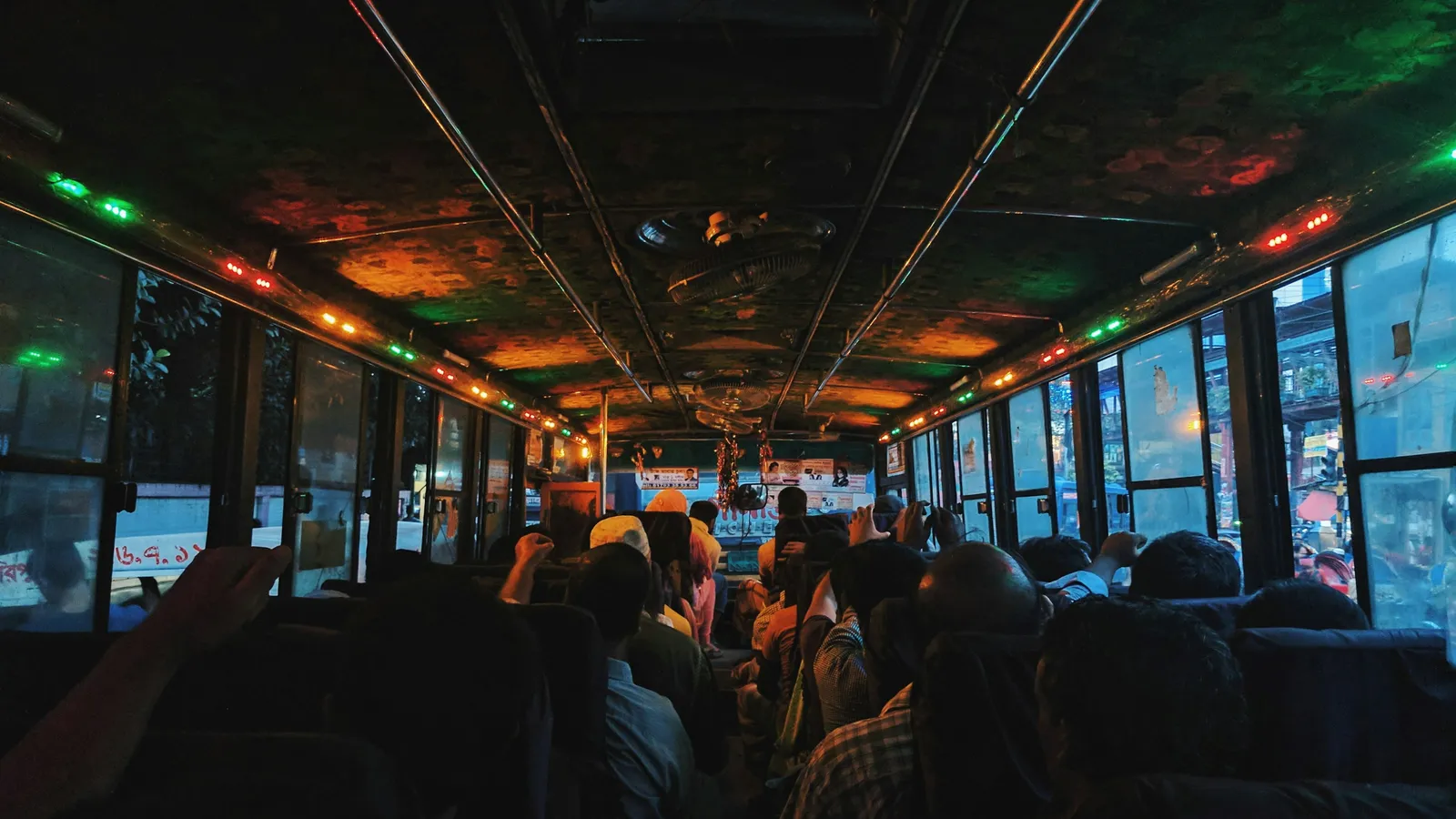
Night Bus Survival Guide
Survive overnight buses across Southeast Asia and South America with tested strategies for sleep, security, and arriving functional.
Read article →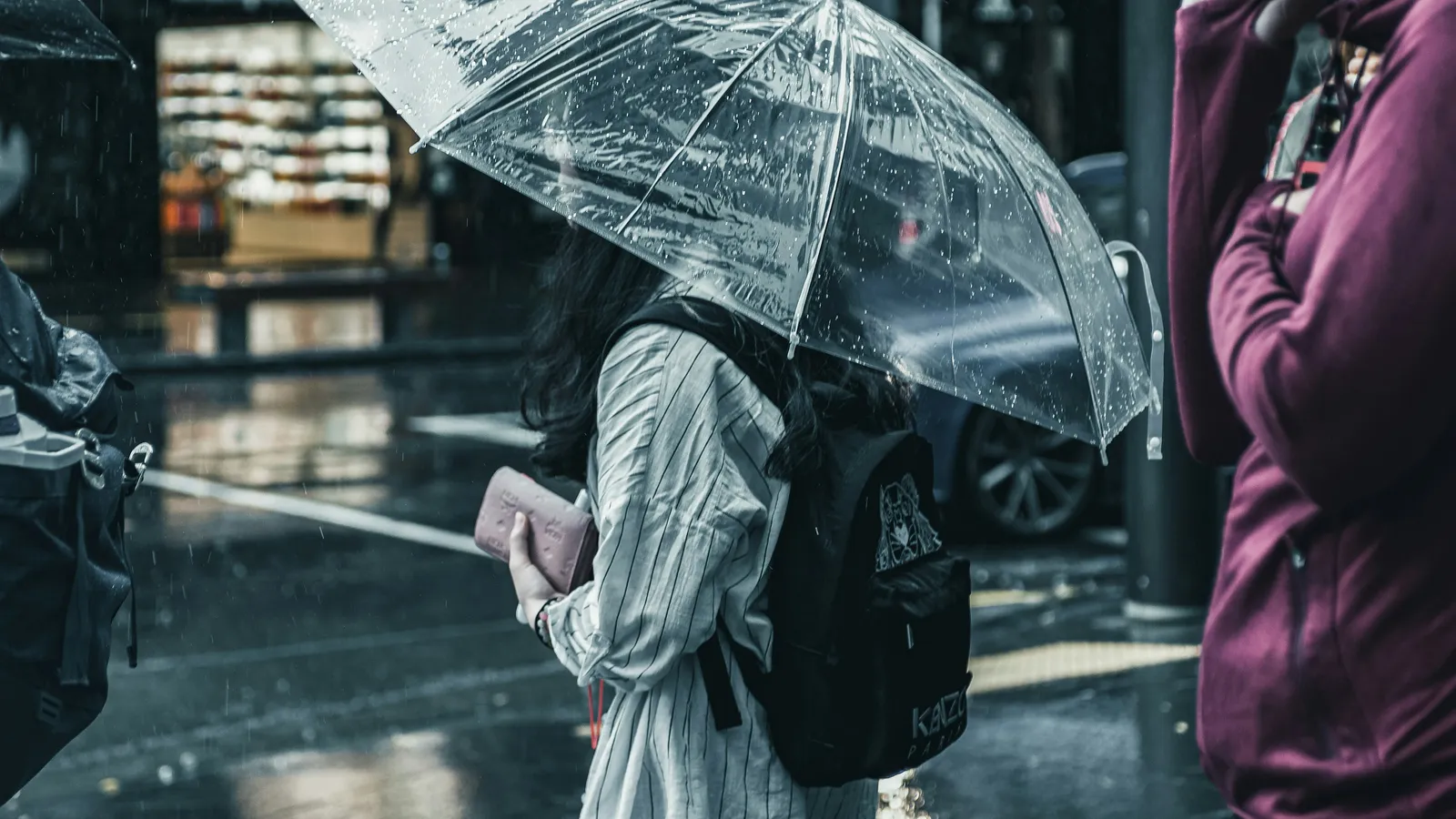
Why Rainy Season Is Your Secret Advantage
Turn rainy season into a travel advantage with lower prices, fewer crowds, and lush landscapes across Southeast Asia and Central America.
Read article →Heading to Vang Vieng?
Find travel companions to explore Vang Vieng together on roammate — split costs, share adventures, and make lifelong friends.


To customise this itinerary to your travel style, pace, and budget — download the roammate app to tailor it to your preferences.
Find travel companions in Vang Vieng →