Luang Prabang
Saffron-robed monks, gilded temples, and misty Mekong riverbanks — Southeast Asia's most atmospheric UNESCO World Heritage town.
1 day in Luang Prabang
Only got 24 hours? Here's how to experience the best of Luang Prabang in a single action-packed day.
Luang Prabang Highlights
Alms Giving Ceremony & Royal Palace
Wake before dawn to witness the tak bat — the daily alms giving ceremony where hundreds of saffron-robed monks walk silently through the old town collecting sticky rice offerings from kneeling locals. The procession begins around 5:30am along Sakkaline Road and is one of the most moving cultural rituals in Southeast Asia. Afterwards, visit the Royal Palace Museum (Haw Kham) which houses the Phra Bang — the sacred golden Buddha image that gives the city its name — along with royal regalia, diplomatic gifts, and a throne room with original murals.
Wat Xieng Thong & Peninsula Temples
Walk to Wat Xieng Thong at the northern tip of the peninsula where the Mekong and Nam Khan rivers meet. Built in 1560, it is Luang Prabang's most important temple — the sweeping tiered roof reaches almost to the ground in classic Luang Prabang style, and the rear wall features a stunning tree-of-life mosaic in coloured glass. Continue south along the peninsula visiting Wat Visounnarath (the oldest operating temple, dating to 1513) and Wat Aham with its ancient banyan trees believed to house guardian spirits.
Mount Phousi Sunset & Night Market
Climb the 328 steps to the top of Mount Phousi, the sacred hill in the centre of the old town, for a panoramic sunset view over the Mekong River, the Nam Khan valley, and the temple rooftops below. The golden stupa of Wat Chom Si crowns the summit. After sunset, descend into the famous Luang Prabang Night Market which fills the entire length of Sisavangvong Road with stalls selling handwoven textiles, mulberry paper lanterns, silver jewellery, and Hmong embroidery. End with a bowl of khao piak sen (Lao rice noodle soup) from a street vendor.
3 days in Luang Prabang
A carefully curated route mixing iconic landmarks, hidden gems, street food, culture, and adventure — designed for younger travelers.
Alms Ceremony, Temples & Night Market
Tak Bat & Royal Palace Museum
Rise before dawn for the tak bat alms giving ceremony — Luang Prabang's most sacred daily ritual. By 5:30am, long lines of monks from the city's 35 active monasteries walk barefoot along Sakkaline Road while locals kneel and place small balls of sticky rice into their bowls. The silence and devotion are deeply moving. Afterwards, walk to the Royal Palace Museum (Haw Kham), built in 1904 by the French for King Sisavangvong. The museum contains the Phra Bang golden Buddha, the king's reception room with Khmer-influenced murals, and a garage housing the royal fleet of vintage cars.
Wat Xieng Thong & Peninsula Walk
Walk the length of the peninsula to Wat Xieng Thong, the crown jewel of Luang Prabang's temples. The sim (ordination hall) has a dramatic multi-tiered roof with gold stencil work on black lacquer walls, and the rear exterior features an intricate tree-of-life mosaic made from coloured glass pieces. The red chapel houses a rare reclining Buddha. Walk back along the Mekong riverbank past crumbling French colonial buildings, saffron-robed novice monks studying on temple steps, and the confluence point where the brown Mekong meets the clear green Nam Khan.
Mount Phousi Sunset & Night Market
Climb Mount Phousi's 328 steps for the sunset panorama — the Mekong bends gold below, temple spires catch the last light, and the karst mountains on the horizon turn purple. The golden stupa of Wat Chom Si at the summit is framed perfectly against the sky. Descend into the Night Market stretching the full length of Sisavangvong Road — hundreds of stalls selling indigo-dyed textiles, handmade mulberry paper, Hmong silver, and embroidered bags. Eat dinner at a street stall: khao piak sen (thick rice noodle soup), or jaew bong (spicy buffalo skin dip) with sticky rice and herbs.
Kuang Si Falls, Bear Sanctuary & Mekong Sunset
Kuang Si Waterfalls
Hire a tuk-tuk or join a shared minivan for the 30km drive south to Kuang Si Falls — Luang Prabang's most spectacular natural attraction. The waterfall cascades 60 metres through a series of turquoise limestone pools surrounded by jungle. The mineral-rich water creates natural terraced pools where you can swim in the lower levels. A trail climbs alongside the falls to the top where the river emerges from a cave in the hillside. The main pool at the base has a rope swing and the water is refreshingly cold year-round.
Tat Kuang Si Bear Rescue Centre
At the entrance to the Kuang Si Falls park, the Free the Bears rescue centre shelters Asiatic black bears (moon bears) rescued from bile farms and the illegal wildlife trade. The large forested enclosures allow the bears to climb, swim, and forage naturally. Information boards explain the bear bile industry and conservation challenges in Laos. After the sanctuary, stop at the Butterfly Park next door — a netted garden of native Lao butterfly species with a small museum and herbal tea served from a bamboo pavilion.
Mekong Riverbank Sunset & French-Lao Cuisine
Return to town for sundowners on the Mekong riverbank. Several restaurants along Khem Khong road (the riverside street) have terraces and cushioned platforms overlooking the water — the Mekong turns copper and gold as the sun sets behind the mountains across the river. This is Luang Prabang at its most atmospheric. For dinner, try the city's distinctive French-Lao fusion cuisine: Mekong river weed (khai paen) crisps with jaew dipping sauce, or-lam (a rich stew of buffalo, aubergine, and lemongrass), and a glass of local Lao-Lao rice whisky or French wine from the colonial-era cellars.
Pak Ou Caves, Mekong Cruise & Weaving Villages
Mekong Boat to Pak Ou Caves
Board a traditional longboat from the dock behind the Royal Palace for the two-hour cruise upstream to the Pak Ou Caves at the confluence of the Mekong and Nam Ou rivers. The journey itself is half the experience — the Mekong narrows between jungle-covered limestone cliffs, passing fishing villages, vegetable gardens, and the occasional water buffalo cooling in the shallows. The Pak Ou Caves (Tham Ting and Tham Phum) are carved into the cliff face and filled with thousands of Buddha statues deposited by pilgrims over centuries. The lower cave is easily accessible; the upper cave requires a steep climb with a headlamp.
Ban Xang Khong Weaving Village
On the return from Pak Ou, stop at Ban Xang Khong — a village 4km east of Luang Prabang renowned for traditional Lao textile weaving and sa (mulberry bark) paper making. Watch weavers working on floor looms producing intricate silk and cotton textiles using patterns passed down through generations. The village also makes handmade mulberry paper embedded with flowers and leaves, used for lanterns, books, and art. Buying directly from the weavers supports the community and prices are lower than the night market.
Bowling Alley & Farewell Dinner
For a uniquely Luang Prabang evening, visit the town's legendary bowling alley — one of the few nightlife options in a city where most restaurants close by 11pm. It became famous among backpackers as the only late-night entertainment in town. Finish your trip with a farewell dinner at Tamarind, the most respected Lao restaurant in the city, which serves a tasting menu of traditional dishes: sticky rice steamed in bamboo, stuffed lemongrass, Mekong fish laap, buffalo jerky with jeow mak len (tomato chilli dip), and purple sticky rice with coconut cream for dessert.
Budget tips
Eat at the morning market
Phousi Market opens at 6am with the cheapest breakfast in town — khao ji pate (baguette with pate), fresh coffee, and sticky rice parcels for under $1. The night market food stalls on Sisavangvong Road offer all-you-can-fill plates for 15,000 kip ($0.90).
Share boats to Pak Ou
A private longboat to Pak Ou Caves costs $25–30. Shared boats depart from the Royal Palace dock at 8:30am and split the cost between 10–15 passengers, bringing the price down to $4–5 per person including the whisky village stop.
Walk the old town
Luang Prabang's UNESCO-listed peninsula is only 1.5km long — everything in the old town is walkable. Renting a bicycle ($1–2/day) extends your range to Kuang Si without needing a tuk-tuk for shorter trips.
Stay in the old quarter
Budget guesthouses on the side streets between Sisavangvong Road and the Mekong offer clean rooms for $8–15 per night. Being central saves transport costs and lets you walk to the alms ceremony, temples, and night market.
Visit temples for free
Most of Luang Prabang's 35 temples are free to enter — only Wat Xieng Thong (20,000 kip) and the Royal Palace (30,000 kip) charge entry. You can spend an entire day temple-hopping for under $3.
Carry cash in kip
ATMs charge 20,000 kip per withdrawal. Withdraw 2,000,000 kip at once to minimise fees. Many tourist restaurants list prices in USD but convert at poor rates — always ask to pay in kip for better value.
Budget breakdown
Daily costs per person in US dollars. Luang Prabang is affordable by Southeast Asian standards but slightly pricier than the rest of Laos due to its UNESCO status and boutique tourism scene.
| 🎒 Budget | ✨ Mid-Range | 💎 Splurge | |
|---|---|---|---|
| Accommodation Guesthouses → boutique hotels → heritage villas | $8–15 | $20–60 | $80+ |
| Food Market food → local restaurants → French-Lao fine dining | $5–12 | $12–30 | $40+ |
| Transport Walking & bicycle → shared tuk-tuk → private boat charter | $2–5 | $8–20 | $30+ |
| Activities Temple walks → Kuang Si & boat trips → cooking classes & private tours | $3–10 | $10–30 | $40+ |
| Entry Fees Most temples are free; Kuang Si is 20,000 kip | $2–5 | $5–10 | $10–15 |
| Daily Total Budget backpacker → comfortable mid → boutique luxury | $25–50 | $60–150 | $200+ |
Practical info
Entry & Visas
- Visa on arrival available at Luang Prabang International Airport and land borders — 30-day tourist visa costs $30–42 USD depending on nationality
- Bring a passport photo and USD cash for the visa fee. E-visa available online in advance for some nationalities
- The China-Laos high-speed railway connects Luang Prabang to Vientiane (2 hours) and Kunming, China (5 hours) — a game-changing transport link
Health & Safety
- Travel insurance with medical evacuation is essential — serious medical facilities are limited in Luang Prabang. The nearest major hospital is in Vientiane or across the border in Thailand
- Mosquito protection is important — use DEET repellent, especially at dawn and dusk along the rivers. Dengue risk exists year-round
- Tap water is not safe to drink. Buy bottled water or use a filter bottle. Ice in tourist restaurants is usually factory-made and safe
Getting Around
- The old town peninsula is entirely walkable — most temples, restaurants, and the night market are within a 15-minute walk
- Rent a bicycle ($1–2/day) for exploring beyond the peninsula. Motorbike rental is available but the old town streets are narrow and mostly pedestrianised
- Shared tuk-tuks and minivans run to Kuang Si Falls (50,000 kip return) — organise through your guesthouse or at the tourist office near the Royal Palace
Connectivity
- Buy a Unitel SIM card at the airport or phone shops — 4G data packages cost $2–5 for a week with good coverage in town
- WiFi is available at most guesthouses and cafes. Speeds are adequate for messaging but can struggle with video calls
- Download offline maps before heading to Pak Ou Caves or Kuang Si — mobile signal can drop on the river and rural roads
Money
- Currency: Lao Kip (LAK). USD and THB accepted at tourist businesses but kip gives better rates. $1 ≈ 17,000–18,000 kip
- BCEL and JDB ATMs on Sisavangvong Road are most reliable. Visa and Mastercard accepted at upscale restaurants and hotels only — carry cash everywhere else
- Tipping is not customary in Laos but appreciated at tourist-oriented restaurants. Tip boat drivers and guides 20,000–50,000 kip for good service
Packing Tips
- Modest clothing for temples — cover shoulders and knees. A sarong doubles as temple cover-up, beach towel, and picnic blanket
- Water shoes for Kuang Si Falls — the limestone is extremely slippery. A dry bag protects electronics on the Mekong boat trip
- Light layers for cool mornings (15–20°C in December–January) and a rain jacket in shoulder season. Sunscreen and insect repellent are essential year-round
Cultural tips
Luang Prabang is a living Buddhist city, not a museum — approach its rituals, temples, and communities with genuine respect, and you will experience one of the most culturally rich destinations in Southeast Asia.
Respect the Alms Ceremony
The tak bat is a sacred Buddhist ritual, not a tourist spectacle. Observe from a respectful distance, do not use flash photography, and never block the monks' path. If you wish to participate, kneel and offer rice quietly following the example of local devotees.
Protect the Heritage
Luang Prabang is a UNESCO World Heritage Site. Do not climb on temple structures, deface walls, or remove artefacts. At Kuang Si Falls, stay on marked paths and carry out all rubbish. The city's beauty depends on visitors treating it with care.
Photography Etiquette
Ask before photographing monks, novices, and local people. Do not enter monastery living quarters — the public areas are clearly marked. At Pak Ou Caves, avoid touching or moving the Buddha statues for photographs. Drones require a permit in Laos.
Language & Communication
Learn basic Lao — sabaidee (hello), khop jai (thank you), and bor pen nyang (no worries). French is still spoken by older residents due to the colonial period. A smile and respectful nop (palms-together greeting) opens every door.
Support Local Communities
Buy textiles directly from weavers in Ban Xang Khong rather than middlemen. Eat at Lao-owned restaurants. Choose locally run guesthouses over international chains. Luang Prabang's heritage is sustained by the income that stays in the community.
Pace & Patience
Luang Prabang rewards slow travel — rushing between temples misses the point. Sit by the Mekong, watch the monks walk, linger over a Lao coffee. The city's rhythm is deliberately gentle and the best experiences come from matching it.
Luang Prabang is on these routes
Reading for Luang Prabang
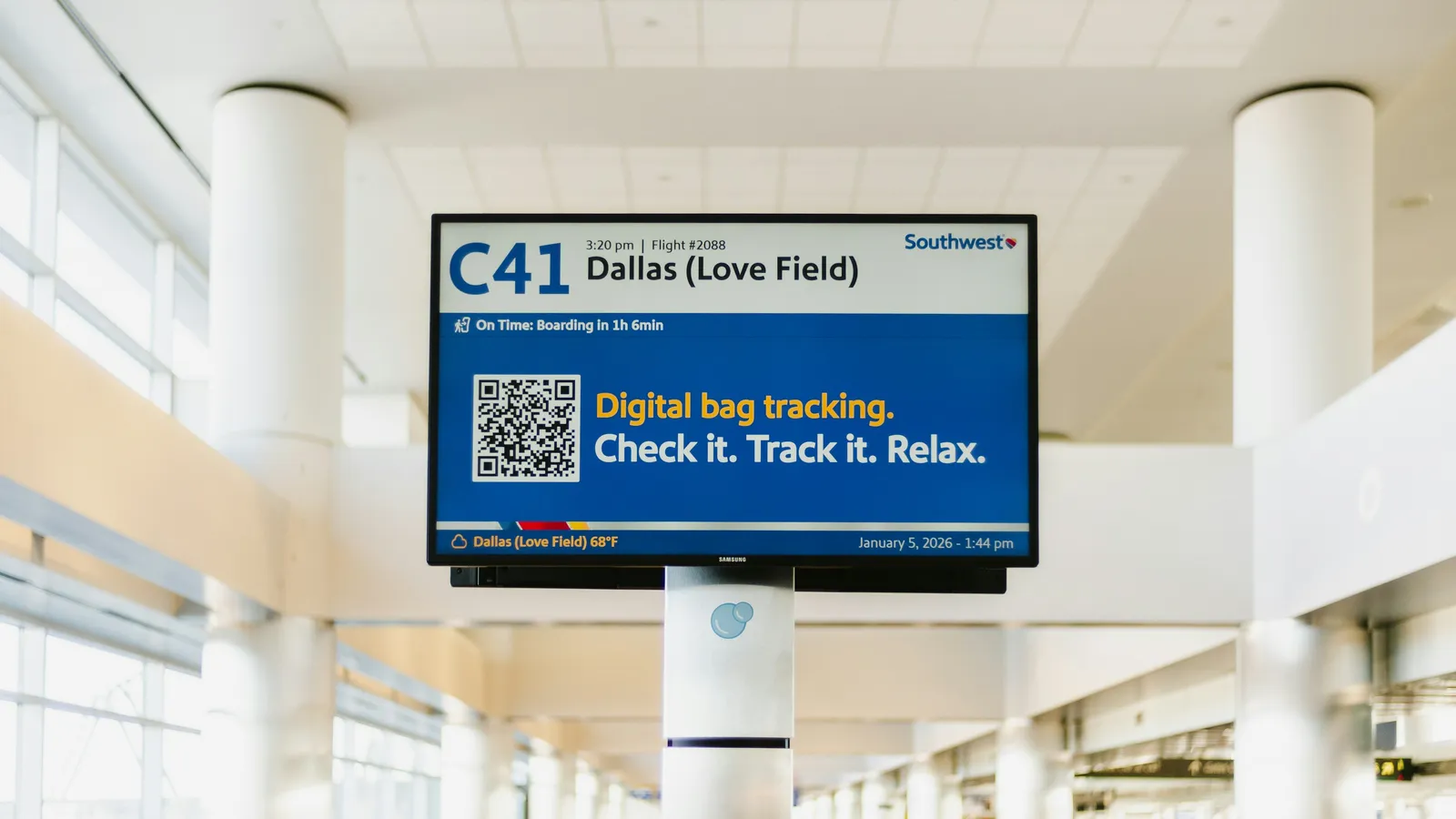
Digital Detox While Traveling
Practical strategies for reducing screen time on the road including phone-free mornings, social media breaks, and journaling to reclaim the travel experience.
Read article →
Eco-Lodges vs Hostels: Choosing Your Stay
Compare eco-lodges and hostels on price, sustainability, community impact, and comfort with region-specific recommendations and greenwashing red flags.
Read article →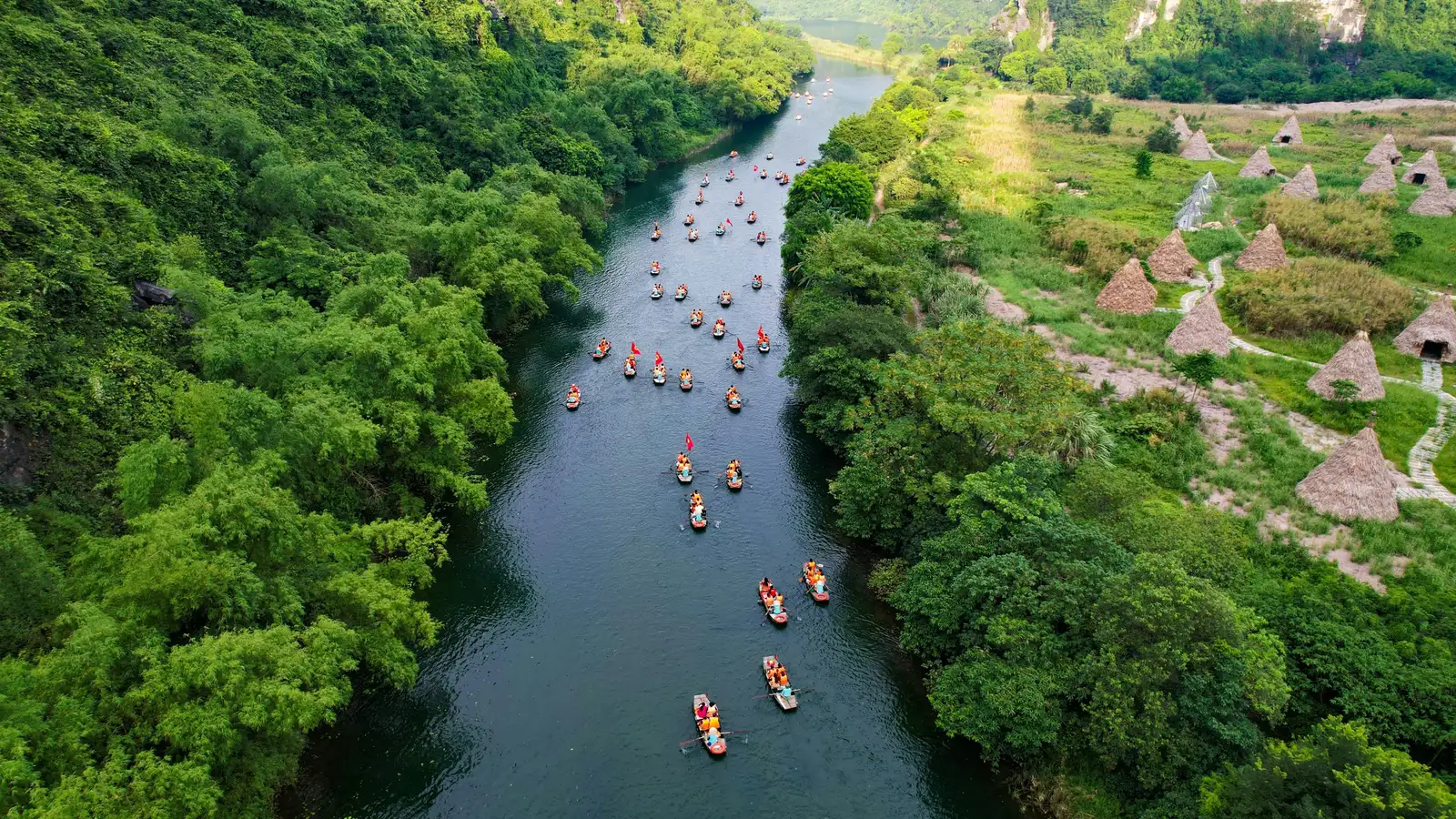
River Travel Routes Around the World
Explore the world by river: Mekong slow boats, Amazon tributaries, Nile feluccas, and European ferries. Booking tips, costs, and what to bring for river travel.
Read article →Heading to Luang Prabang?
Find travel companions to explore Luang Prabang together on roammate — split costs, share adventures, and make lifelong friends.


To customise this itinerary to your travel style, pace, and budget — download the roammate app to tailor it to your preferences.
Find travel companions in Luang Prabang →