Komodo Dragons
The world's largest living lizards on volcanic islands surrounded by manta rays, pink-sand beaches, and some of the richest coral reefs on earth.
1 day in Komodo Dragons
Only got 24 hours? Here's how to experience the best of Komodo Dragons in a single action-packed day.
Day Trip — Dragons, Pink Beach & Mantas
Rinca Island — Komodo Dragon Trek
Depart Labuan Bajo harbour by 6am on a shared day trip boat (Rp 400,000–700,000 per person including lunch). After 2 hours of sailing through island-studded waters, arrive at Rinca Island — the more accessible of the two dragon islands and the place where sightings are most reliable. A mandatory park ranger guide leads your group along jungle trails where Komodo dragons bask in clearings, water buffalo drink at waterholes, and wild deer scatter through the undergrowth. These are the world's largest living lizards — up to 3m long and genuinely dangerous.
Pink Beach & Manta Point Snorkelling
After the dragon trek, the boat continues to Pink Beach — one of only seven pink-sand beaches in the world, coloured by crushed red coral mixed with white sand. The snorkelling directly off the beach is extraordinary — hard coral gardens in 2–5m of water teeming with parrotfish, clownfish, and blue-spotted rays. After Pink Beach, the boat heads to Manta Point where oceanic manta rays with 3–5m wingspans feed on plankton in the channel between islands. Snorkelling with mantas is a once-in-a-lifetime experience.
Sunset at Labuan Bajo
Return to Labuan Bajo by 5pm. The harbour waterfront comes alive at sunset — fishing boats silhouetted against the orange sky over Flores Sea. Head to one of the hilltop restaurants on the road above town for panoramic sunset views over the harbour and islands. Dinner at a local warung in town — grilled fish with sambal and rice for Rp 35,000–50,000. The night market near the waterfront serves fresh seafood chosen from ice displays.
3 days in Komodo Dragons
A carefully curated route mixing iconic landmarks, hidden gems, street food, culture, and adventure — designed for younger travelers.
Rinca Island Dragons & Komodo Village
Rinca Island — Dragon Encounter
The liveaboard departs Labuan Bajo at 6am and reaches Rinca Island by 8am. Rinca is closer to Labuan Bajo than Komodo Island and has the highest density of dragons — around 1,300 individuals. The ranger-guided trek takes 1.5–2 hours through savanna grassland and monsoon forest. You will almost certainly see multiple dragons, including females guarding nest mounds and juveniles in trees (they are arboreal when young to avoid being eaten by adults). The landscape is dramatic — dry hills dotted with lontar palms overlooking the blue strait.
Komodo Village & Snorkelling
Sail to Komodo Village on Komodo Island — a settlement of around 2,000 people who have lived alongside dragons for generations. The village has a small market selling carved wooden dragons and woven ikat textiles. Snorkel the reef off the village — the coral here is pristine and the fish life is dense because these waters are well-protected. Look for Napoleon wrasse, giant trevally, and hawksbill turtles on the reef slope. The liveaboard serves lunch on deck between stops.
Overnight Anchor & Stargazing
The liveaboard anchors in a sheltered bay between islands for the night. With zero light pollution, the star display from the deck is astonishing — the Milky Way is clearly visible and shooting stars are common. Dinner is served on deck — rice, grilled fish, tempeh, sambal, and fresh fruit. The crew prepares the boat for an early departure to Padar Island. The sound of water lapping against the hull and the absence of engine noise makes this one of the most peaceful nights of any trip.
Komodo Island, Padar Viewpoint & Manta Point
Padar Island — The Iconic Viewpoint
Wake before dawn for the hike to Padar Island's summit viewpoint — the most photographed location in Komodo National Park. The 30-minute climb up a steep trail rewards you with a panorama of three crescent bays, each a different colour of sand (white, pink, and black), surrounded by turquoise water and jagged peaks. This is the image you see on every Indonesian tourism poster. Arrive at the summit for sunrise when the light paints the bays golden. The hike is hot and exposed — bring water.
Komodo Island Dragons & Manta Point
Sail to Komodo Island itself — the larger of the two dragon islands with around 1,700 individuals. The ranger-led trek here passes through denser forest and the dragons tend to be larger. After the trek, the boat heads to Manta Point — a channel where nutrient-rich upwellings attract oceanic manta rays. Snorkelling in the current, you float above mantas as they barrel-roll through plankton clouds. On a good day, 5–10 mantas may be feeding simultaneously. This is world-class marine encounters.
Pink Beach Sunset & Night Snorkel
Anchor at Pink Beach for sunset — the pink sand glows amber in the golden hour light. If your liveaboard offers a night snorkel (some do), the reef transforms after dark — octopus, cuttlefish, Spanish dancers, and bioluminescent plankton that spark blue-green as you swim through them. Dinner on deck again with the crew's cooking. Many travellers say the liveaboard nights in Komodo are among the best travel experiences of their lives.
Kanawa Island, Snorkelling & Return
Kanawa Island — Pristine Reef
Kanawa Island is a tiny private island with some of the healthiest coral in the park. The house reef starts in ankle-deep water and drops to a vibrant wall of hard and soft corals at 5–15m — schools of fusiliers, anthias clouds, turtles, and reef sharks patrolling the edge. The island has a small eco-lodge and a beach bar but most liveaboard guests just snorkel the reef. The water clarity here often exceeds 25m. Spend 2–3 hours exploring different sections of the reef.
Final Snorkel & Sail Back
One last snorkel stop at a site chosen by the captain based on conditions — potentially Batu Bolong, a pinnacle rising from the deep covered in coral and surrounded by massive schools of fish. The current-swept pinnacle attracts everything from reef sharks to Napoleon wrasse to giant trevally hunting in packs. The sail back to Labuan Bajo takes 2–3 hours and passes through stunning island scenery. Arrive by 4pm.
Labuan Bajo Farewell Dinner
Back on land in Labuan Bajo, celebrate three days of dragons and ocean with a seafood dinner at the waterfront. The Made in Italy restaurant on the main road does surprisingly good pizza alongside Indonesian classics. For something local, the fish market grills your chosen fish for the cost of the fish plus Rp 10,000–15,000 for cooking. Cold Bintang beers (Rp 30,000) while reviewing your underwater photos is the perfect end.
Budget tips
Book liveaboards in Labuan Bajo
Walk the harbour the day before and compare liveaboard prices in person. Rp 2,000,000–4,000,000 for 3 days all-inclusive is normal. Online bookings from Bali or Jakarta charge double for the same boats. Negotiate.
Join a shared day trip
If you only have one day, shared boats from the harbour cost Rp 400,000–700,000 per person including lunch, snorkel gear, and park fees. Private charters start at Rp 3,000,000 — only worth it for groups of 6+.
Stay in Labuan Bajo, not a resort
Guesthouses in Labuan Bajo town cost Rp 150,000–300,000/night. The luxury resorts on nearby islands charge $200+ per night and you still need to boat into the park.
Bring your own snorkel gear
Quality snorkel gear on liveaboards is not guaranteed. A good mask and snorkel costs Rp 200,000–400,000 in town and makes every water stop significantly better.
Fly into Labuan Bajo direct
Flights from Bali to Labuan Bajo on Citilink or Lion Air cost Rp 500,000–1,200,000 one way. Overland from Bali via ferries takes 3–4 days but costs only Rp 200,000–400,000.
Park fees are separate
Komodo National Park entry is Rp 150,000 per day for foreigners plus Rp 50,000 per activity (trekking, snorkelling). Some boats include this; others do not. Clarify before booking.
Budget breakdown
Daily costs per person in US dollars. Komodo costs centre around boat trips and liveaboards — food and accommodation in Labuan Bajo are budget-friendly. These ranges cover backpacker to comfortable mid-range.
| 🎒 Budget | ✨ Mid-Range | 💎 Splurge | |
|---|---|---|---|
| Accommodation Dorm → guesthouse → harbour hotel | $10–20 | $25–50 | $80+ |
| Food Warungs → waterfront restaurants → resort dining | $5–10 | $10–25 | $30+ |
| Liveaboard (per day) Budget shared → mid-range → luxury phinisi | $40–55 | $60–100 | $150+ |
| Day Trip Shared boat → small group → private charter | $25–45 | $45–80 | $100+ |
| Park Fees Same for all visitors — Rp 150,000/day + activities | $10–15 | $10–15 | $10–15 |
| Daily Total Budget backpacker → comfortable → luxury phinisi | $40–80 | $80–160 | $200+ |
Practical info
Entry & Visas
- Visa on Arrival 30 days — Rp 500,000 at immigration, extendable once
- Fly into Labuan Bajo (Komodo Airport, LBJ) from Bali, Jakarta, or Surabaya
- Komodo National Park entry fees: Rp 150,000/day for foreigners plus Rp 50,000 per activity
Health & Safety
- Komodo dragons are genuinely dangerous — never approach without a ranger and maintain 3m+ distance at all times
- Travel insurance is essential — the nearest hospital is in Labuan Bajo, which has limited facilities. Serious injuries require evacuation to Bali
- Bring reef-safe sunscreen, insect repellent, and motion sickness tablets for boat travel
Getting Around
- Labuan Bajo is small enough to walk — harbour, restaurants, and guesthouses are within 15 minutes' walk
- All park visits require a boat — there is no independent access to the islands
- Scooter rentals (Rp 70,000–100,000/day) are useful for exploring the hills around Labuan Bajo
Connectivity
- Mobile data in Labuan Bajo is usable but slow. Telkomsel has the best coverage in the region
- There is no mobile signal inside Komodo National Park — download offline maps and content before departure
- WiFi at guesthouses and cafes is available but speeds vary significantly
Money
- Currency: IDR (Rupiah). 1 USD ≈ Rp 15,800. ATMs available in Labuan Bajo but sometimes run out of cash
- Bring sufficient cash from Bali — liveaboards, rangers, and island vendors are cash only
- Tip your boat crew and ranger — Rp 50,000–100,000 per day is appreciated for good service
Packing Tips
- Sturdy walking shoes for dragon treks — the trails are rocky and uneven, not flip-flop terrain
- Dry bags are essential for boat trips — spray and splashes are constant on open boats
- Underwater camera, reef-safe sunscreen, a hat, and at least 2 litres of water per day on the boat
Cultural tips
Komodo National Park is a UNESCO World Heritage Site with wild predators and fragile reefs — approach with genuine respect for the animals, the ocean, and the communities who have lived here for centuries.
Respect the Dragons
Komodo dragons are wild predators, not tourist attractions. Follow your ranger's instructions exactly, do not make sudden movements, and never turn your back on a dragon. Their bite delivers venom that prevents blood clotting — any bite is a medical emergency.
Marine Conservation
Komodo National Park is a UNESCO World Heritage Site and one of the world's most biodiverse marine environments. Never touch or stand on coral, do not feed fish, and take all rubbish back to the boat. The park's health depends on every visitor treating it with respect.
Local Communities
Komodo Village and other settlements in the park are home to communities who have lived alongside dragons for centuries. Photograph respectfully, ask before entering homes, and buy local handicrafts to support the community.
Language
Bahasa Indonesia is the national language. English is understood at dive shops and tourist businesses in Labuan Bajo. Terima kasih (thank you), Berapa? (how much?), and Bagus (good/beautiful) cover most interactions.
Support Local Operators
Choose locally-owned liveaboards and tour operators over international booking platforms. Local crews know the waters, the weather, and the best spots — and your money stays in the Flores community rather than going to Jakarta or overseas.
Plastic-Free Travel
Labuan Bajo and the surrounding waters have a growing plastic waste problem. Bring a reusable water bottle, refuse plastic bags, and take all rubbish back from island stops. Some liveaboards provide refillable water — ask when booking.
Komodo Dragons is on these routes
Reading for Komodo Dragons
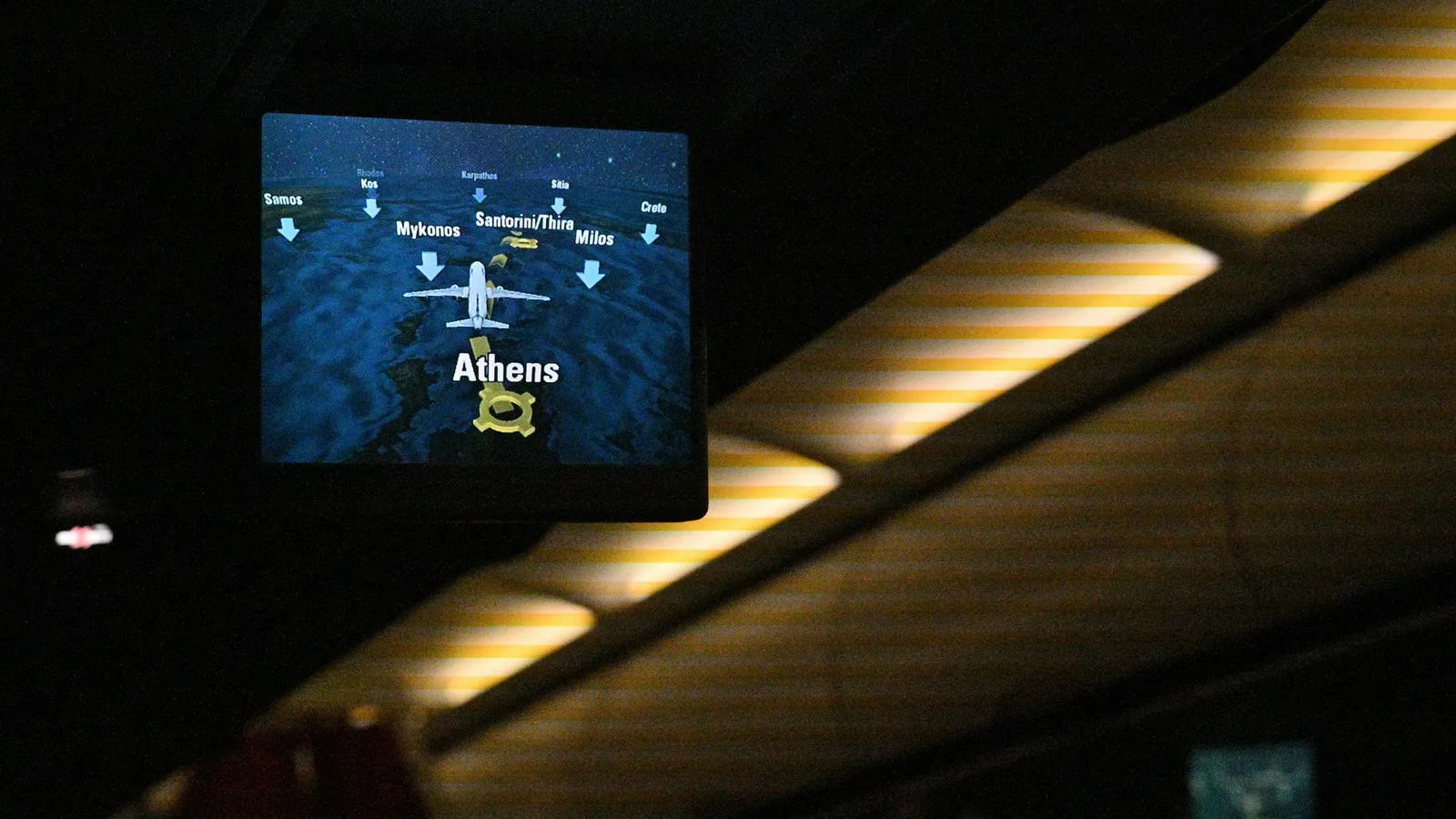
Island Hopping Route Planning
Plan efficient island-hopping routes across Thailand, Philippines, Indonesia, and Greece with ferry schedules, monsoon timing, and per-island budgets.
Read article →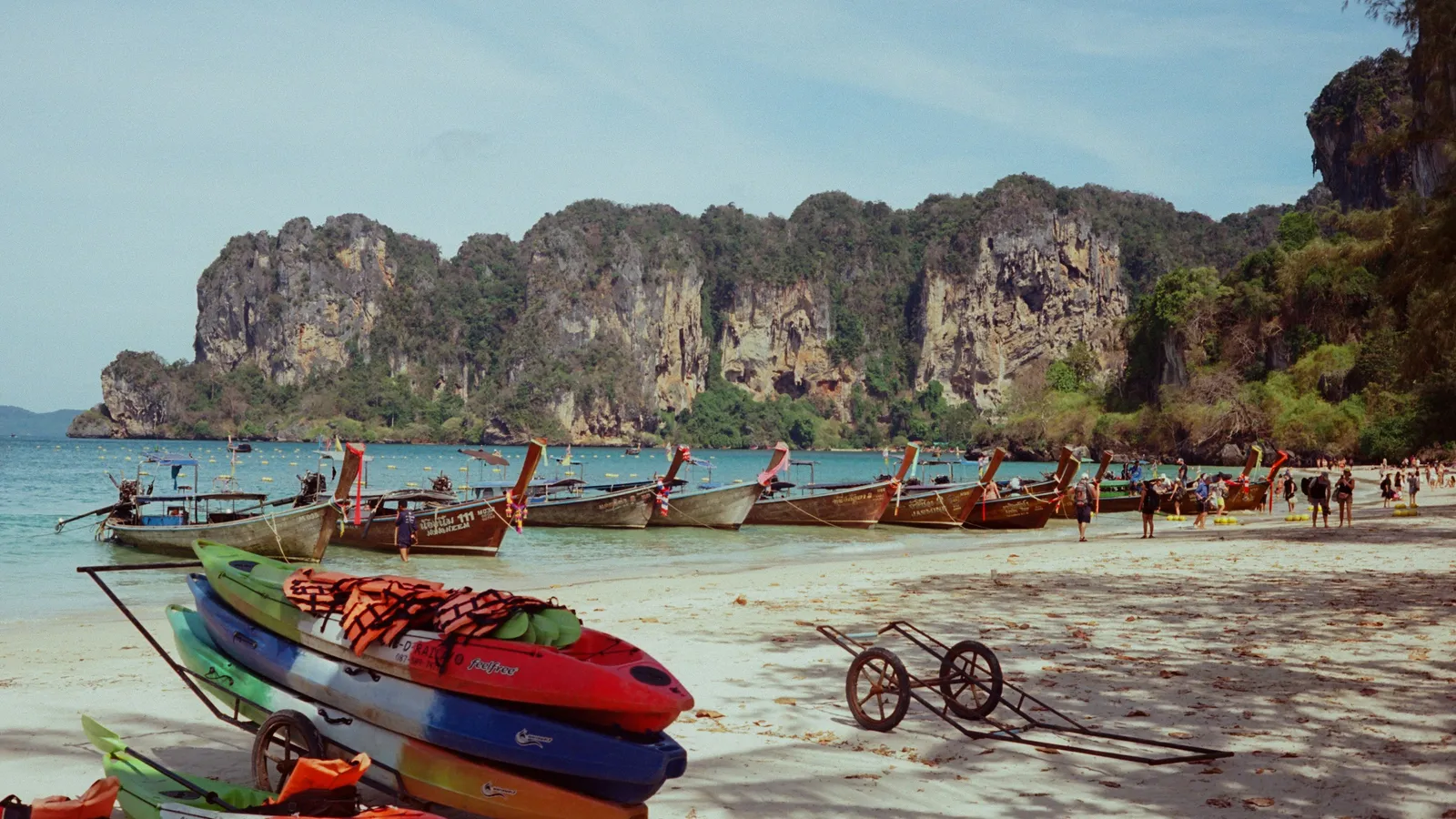
Your First Month in Southeast Asia
Plan your first 30 days in Southeast Asia with a tested itinerary covering Thailand, Cambodia, and Vietnam without rushing or overspending.
Read article →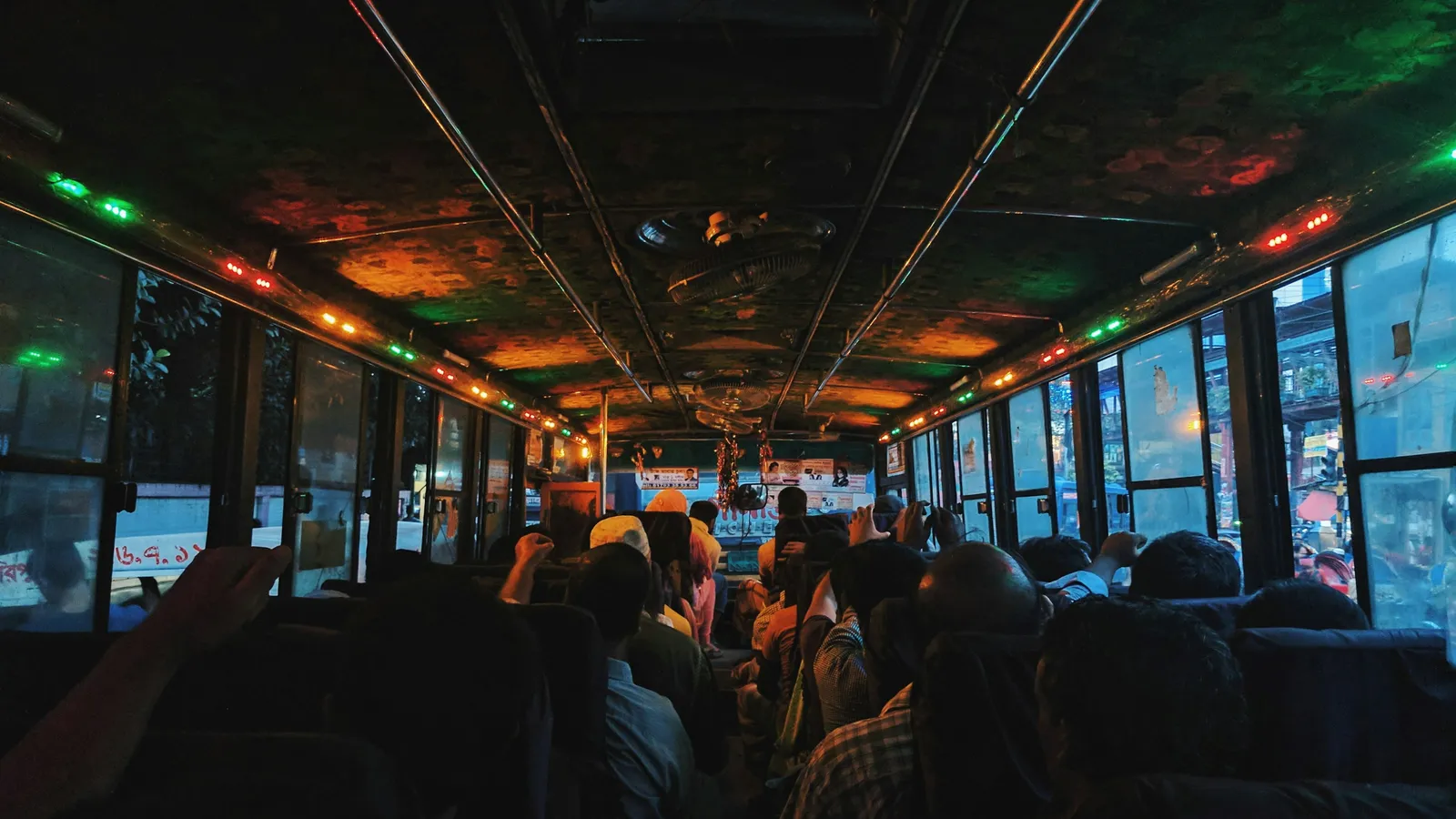
Night Bus Survival Guide
Survive overnight buses across Southeast Asia and South America with tested strategies for sleep, security, and arriving functional.
Read article →Heading to Komodo?
Find travel companions to explore Komodo National Park together on roammate — split liveaboard costs, share dragon encounters, and make lifelong friends.


To customise this itinerary to your travel style, pace, and budget — download the roammate app to tailor it to your preferences.
Find travel companions in Komodo →