Kawah Ijen
Electric-blue flames dancing in darkness, a turquoise acid lake, and sulphur miners carrying impossible loads from the depths of an active crater.
1 day in Kawah Ijen
Only got 24 hours? Here's how to experience the best of Kawah Ijen in a single action-packed day.
Kawah Ijen — Blue Fire & Sunrise
Night Trek to the Blue Fire
Your guide picks you up from Banyuwangi at midnight for the 1.5-hour drive to the Paltuding trailhead (1,850m). The 3km hike to the crater rim takes 60–90 minutes on a well-maintained but steep volcanic trail in complete darkness — headlamps pierce the black jungle as you climb. At the rim, descend 200 metres of rocky, sulphur-slicked trail into the crater itself. At the bottom, the blue fire appears — not lava, but superheated sulphuric gas igniting as it meets oxygen, burning in electric blue flames up to 5 metres high. The phenomenon is surreal, otherworldly, and exists at only two places on earth. The toxic fumes are intense — your guide provides a gas mask.
Turquoise Crater Lake & Sulphur Miners
As dawn breaks around 5:30am, the blue fire fades and the world's largest acidic crater lake is revealed — a stunning turquoise-green body of water filling the volcano's caldera. The colour comes from dissolved sulphuric acid and metals, creating a lake with a pH near 0.5 that would dissolve metal within hours. Around you, sulphur miners begin their daily work — carrying loads of 70–90kg of raw yellow sulphur on bamboo baskets up the crater wall, a gruelling 300-metre climb they repeat twice daily for roughly $10. Watching them work is humbling and confronting. The sunrise from the crater rim paints the acid lake in shifting colours from deep green to electric turquoise.
Descent & Banyuwangi
Climb back to the crater rim and descend the 3km trail to the Paltuding parking area by mid-morning. The views on the way down are spectacular in daylight — lush tropical forest, volcanic peaks, and on clear days, the coast of Bali visible across the Bali Strait. The drive back to Banyuwangi takes 1.5 hours and you will be exhausted but wired from the experience. Banyuwangi itself is a quiet East Javanese town with excellent cheap food — try nasi tempong (rice with sambal and fried sides, 10,000 IDR) at the night market. Sleep, because you have been awake since midnight.
3 days in Kawah Ijen
A carefully curated route mixing iconic landmarks, hidden gems, street food, culture, and adventure — designed for younger travelers.
Travel Day — Arrive in Banyuwangi
Journey to Banyuwangi
Banyuwangi is the gateway town for Kawah Ijen, sitting at the eastern tip of Java. From Surabaya: take a train (6–7 hours, 80,000–180,000 IDR depending on class) through the stunning East Java countryside past rice paddies, tobacco plantations, and volcanic peaks. From Bali: ferry from Gilimanuk to Ketapang harbour in Banyuwangi (30 minutes, 8,000 IDR) — one of the cheapest and most scenic ferry crossings in Indonesia. From Probolinggo (Bromo): bus east along the coast (5–6 hours, 80,000 IDR).
Banyuwangi Exploration
Banyuwangi is an underrated town with genuine East Javanese character and almost no international tourists. Explore the waterfront area and the old Dutch-era buildings. The Blambangan Museum tells the story of the region's Hindu-Buddhist history before Islamic conversion. Walk through the traditional market (Pasar Banyuwangi) where vendors sell spices, tropical fruits, and local snacks. The town is famous for its Osing ethnic group — a distinct Javanese subculture with unique music, dance, and cuisine. Try the local speciality nasi tempong — steamed rice with fiery sambal and a selection of fried vegetables and tempeh.
Preparation & Early Sleep
Book your Kawah Ijen trek for tonight through your hostel or a local tour operator. Tours cost 200,000–500,000 IDR ($13–32) including transport, guide, entrance fee, and gas mask. Pickup is at midnight so get to bed by 7pm. Set every alarm you own. Eat a light dinner — the trek is physical and a heavy stomach makes altitude nausea worse. Prepare your gear: headlamp, warm layers, closed shoes (sturdy hiking boots ideal), camera, water, snacks, and cash for tips.
Kawah Ijen Night Trek
Midnight Trek & Blue Fire
Pickup at midnight. The 1.5-hour drive climbs from sea level through coffee plantations and thick forest to the Paltuding trailhead at 1,850m. The 3km ascent begins at 1:30am — a steep, well-worn volcanic trail that takes 60–90 minutes at a steady pace. The jungle sounds gradually give way to volcanic rumbling and the acrid smell of sulphur. At the crater rim, carefully descend 200 metres on rocky, slippery terrain into the crater itself. The blue fire appears at the bottom — ethereal electric-blue flames dancing across the volcanic vents where superheated sulphuric gas combusts on contact with air. It is hauntingly beautiful and completely unlike anything else on earth.
Sunrise, Acid Lake & Miners
As the sky lightens around 5:30am, climb back to the crater rim for sunrise over the turquoise acid lake — one of the most extraordinary colour combinations in nature. The world's largest highly acidic lake (pH 0.5) fills the caldera in shades of electric turquoise and milky green. Sulphur miners work the vents nearby, chipping solid yellow sulphur from the fumaroles and loading 70–90kg baskets onto their shoulders for the brutal climb out. They earn around 80,000 IDR ($5) per load and make two trips daily. Some sell small sulphur souvenirs to tourists to supplement their income — buying from them is a direct contribution.
Recovery & Rest
Arrive back in Banyuwangi by 9–10am after the descent and drive. You will have been awake for 10+ hours of physical activity through the night. Shower, wash your sulphur-drenched clothes, and sleep. When you wake, eat a massive lunch at one of Banyuwangi's warungs — the post-trek appetite is enormous. Spend a lazy afternoon recovering at your hostel, sitting in a local coffee shop (East Java produces excellent Arabica), or wandering the waterfront. Your legs will ache and you will smell faintly of sulphur for days — wear it as a badge of honour.
Red Island Beach & Departure
Pulau Merah (Red Island) Beach
Recover with a beach morning at Pulau Merah (Red Island) — a stunning crescent-shaped bay 50km south of Banyuwangi with a volcanic islet offshore that glows red in the sunset (hence the name). The beach is popular with local surfers and has consistent waves for beginners and intermediates. Board rental is available from shacks on the beach for 50,000 IDR ($3) per hour. The sand is grey volcanic and the water is warm year-round. There are almost no international tourists — this is where Javanese families and young surfers come on weekends.
Sukamade Turtle Beach or Coffee Tour
For nature lovers, Sukamade Beach in Meru Betiri National Park (3 hours south) is a nesting site for green sea turtles — night tours ($20–30) watch turtles lay eggs on the remote beach. Alternatively, stay closer and visit a local coffee plantation — Banyuwangi produces excellent Javanese coffee and some farms offer tours ($5–10) with tasting sessions. The Ijen plateau coffee is grown in volcanic soil at altitude, producing rich, full-bodied beans. Either option fills the afternoon before onward travel.
Onward to Bali or Java
Banyuwangi is a perfect jumping-off point in both directions. For Bali: the Ketapang-Gilimanuk ferry takes 30 minutes and runs 24 hours (8,000 IDR). From Gilimanuk, buses connect to Kuta (5 hours), Ubud (4 hours), and Lovina (3 hours). For western Java: overnight trains run to Surabaya (6 hours), Yogyakarta (12 hours), and Jakarta (16 hours). The Kawah Ijen experience pairs perfectly with Mount Bromo — together they form the ultimate Java volcano double.
Budget tips
Tour prices vary — shop around
Ijen night trek tours from Banyuwangi range from 200,000–500,000 IDR ($13–32). The cheapest include transport, guide, and basic gas mask. Mid-range tours add better masks, smaller groups, and more knowledgeable guides. Book through your hostel or walk-in agencies in town.
Gas mask quality matters
The sulphur fumes in the crater are genuinely toxic. Budget tours provide thin cloth masks that are barely effective. Spend the extra $5–10 for a tour with proper activated carbon or respirator masks. Alternatively, buy your own in Banyuwangi for 50,000–100,000 IDR ($3–6) at hardware stores.
Ferry to Bali is almost free
The Ketapang-Gilimanuk ferry costs just 8,000 IDR ($0.50) for walk-on passengers and runs 24 hours. This makes combining Ijen with Bali incredibly easy and cheap. Motorbikes can be taken on the ferry for 25,000 IDR.
Banyuwangi food is dirt cheap
This is not a tourist town — prices are local. Nasi tempong: 8,000–12,000 IDR ($0.50–0.75). Bakso (meatball soup): 10,000 IDR ($0.60). Kopi (coffee): 5,000 IDR ($0.30). Eat at warungs and the night market for the cheapest, most authentic meals in East Java.
Do Bromo and Ijen together
Combined Bromo-Ijen packages from Surabaya cost $40–60 for 2 days/1 night including all transport, guides, and accommodation. This is slightly cheaper than booking separately and saves time on logistics. Available from every hostel and tour agency in Surabaya.
Accommodation is basic and cheap
Banyuwangi hostels and guesthouses: 80,000–200,000 IDR ($5–13) per night. There is nothing luxurious here but the rooms are clean and all you need for the overnight trek. Some guesthouses include free coffee and breakfast.
Budget breakdown
Costs per person in USD/IDR. Kawah Ijen is one of the cheapest volcano experiences in Southeast Asia — the trek tour is the main cost, and Banyuwangi has local prices.
| 🎒 Budget | ✨ Mid-Range | 💎 Splurge | |
|---|---|---|---|
| Accommodation Guesthouses → hotels → resort near coast | $5–10 | $15–30 | $50+ |
| Food Warungs & street food → restaurants → hotel dining | $2–5 | $6–12 | $20+ |
| Ijen Trek Tour Group tour → small group → private guide | $13–18 | $20–30 | $50+ |
| Transport Ferry & local bus → motorbike rental → private driver | $1–3 | $5–10 | $20+ |
| Gas Mask Included basic → own carbon mask → respirator | $0–3 | $3–6 | $10+ |
| Daily Total Trek night is the main cost — other days are very cheap | $15–30 | $40–70 | $120+ |
Practical info
Getting There
- Banyuwangi is the gateway town. From Bali: ferry from Gilimanuk to Ketapang (30 min, 8,000 IDR). From Surabaya: train (6–7hrs) or bus (6hrs). From Probolinggo (Bromo): bus (5–6hrs)
- Banyuwangi airport (BWX) has direct flights from Jakarta and Surabaya on Lion Air and Wings Air — sometimes as cheap as 300,000 IDR ($19)
- The drive from Banyuwangi to Paltuding trailhead takes 1.5 hours via winding mountain roads through coffee plantations. All tours include this transport
Safety & Health
- Sulphur dioxide fumes in the crater are toxic and can cause respiratory distress. Gas masks are mandatory — do not enter the crater without one. People with asthma or lung conditions should not descend
- The crater descent trail is steep, loose, and slippery with sulphur deposits. Proper hiking shoes are essential — flip-flops are dangerous. Trekking poles help on the descent
- Hypothermia risk: temperatures at 2,800m drop to 5–10°C at night. Wind chill makes it colder. Wear thermals, fleece, and a windbreaker. You will warm up on the ascent but cool rapidly at the crater
Trek Details
- Distance: 3km each way from Paltuding trailhead (1,850m) to crater rim (2,799m). Total elevation gain: ~950m. Allow 60–90 minutes up, 45–60 minutes down
- Crater descent: 200m additional descent from the rim to the blue fire vents on a rough, unmarked trail. This section requires a guide — do not attempt it alone
- Total trek time: 4–6 hours including crater time, blue fire viewing, and sunrise. Depart trailhead 1:30am, return 7–8am. Moderate fitness required
Connectivity
- No phone signal at the crater or trailhead. Download offline maps before the trek. Banyuwangi has good coverage with Telkomsel
- WiFi in Banyuwangi hostels and cafes. The trek is a no-signal zone — tell people where you are going and expected return time
- Bring a fully charged headlamp with fresh batteries (not just your phone). The trail is pitch-black and your phone light is insufficient for 3 hours of night hiking
Money
- ATMs in Banyuwangi (BRI, BCA, Mandiri). No ATMs near Ijen. Withdraw 500,000–1,000,000 IDR ($32–64) for the trek, accommodation, and food
- National park entry: 100,000 IDR ($6.50) weekdays, 150,000 IDR ($10) weekends. Usually included in tour price — confirm before booking
- Cash only for everything near Ijen. Banyuwangi town has some card-accepting restaurants and hotels but warungs and markets are cash only
Packing for the Trek
- Essential: headlamp (with spare batteries), gas mask, warm layers, hiking shoes, water (1.5L minimum), camera, cash for tips and sulphur souvenirs
- Useful: trekking poles, bandana for extra face coverage, hand warmers, energy snacks, rain jacket (mist and drizzle common at altitude)
- Leave behind: heavy backpacks, flip-flops, cotton clothing (gets cold when wet). Travel light — you are climbing 950m in the dark
Cultural tips
Kawah Ijen is a working volcano where sulphur miners risk their health daily. The experience is extraordinary but comes with a responsibility to treat the place and people with dignity.
Sulphur Miners
The sulphur miners of Ijen carry crushing 70–90kg loads up from the crater floor twice daily, earning roughly $10 per day. Their life expectancy is shortened by decades of toxic fume exposure. Treat them with deep respect. Buy a sulphur souvenir ($1–3) directly from miners — it is a meaningful direct contribution to their income.
Javanese Politeness
East Javanese people are exceptionally polite and gentle. Greet locals with a slight nod and "selamat pagi" (good morning) or "permisi" (excuse me). Remove shoes when entering homes. Accept offered food or drink — declining is considered impolite. A gentle touch of the right hand to the chest accompanies greetings.
Photography Ethics
The miners are frequently photographed by tourists. Always ask before taking close-up portraits. Some miners enjoy the attention and will pose with their sulphur loads — a small tip (10,000–20,000 IDR) is appreciated. Never obstruct their path or treat them as subjects rather than people.
Volcanic Spirituality
Javanese communities have deep spiritual connections to volcanoes. Ijen, like Bromo and Merapi, is considered a place of spiritual power. Offerings (flowers, incense, food) are sometimes placed at the crater rim. Do not disturb these offerings. The mountain is sacred to many local people.
Modest Dress in Town
Banyuwangi is a conservative Muslim town. While the trekking trail has no dress code, dress modestly in town — covered shoulders and knees for both men and women. Swimwear is for the beach only. Being respectful of local norms earns goodwill and better interactions.
Coffee Culture
East Java grows excellent Arabica coffee on the volcanic slopes. Javanese coffee is traditionally served unfiltered — the grounds settle in the cup and you drink from the top. Do not stir or pour out the grounds. A cup costs 3,000–5,000 IDR ($0.20–0.30) at local coffee shops — among the cheapest and best in the world.
Reading for Kawah Ijen
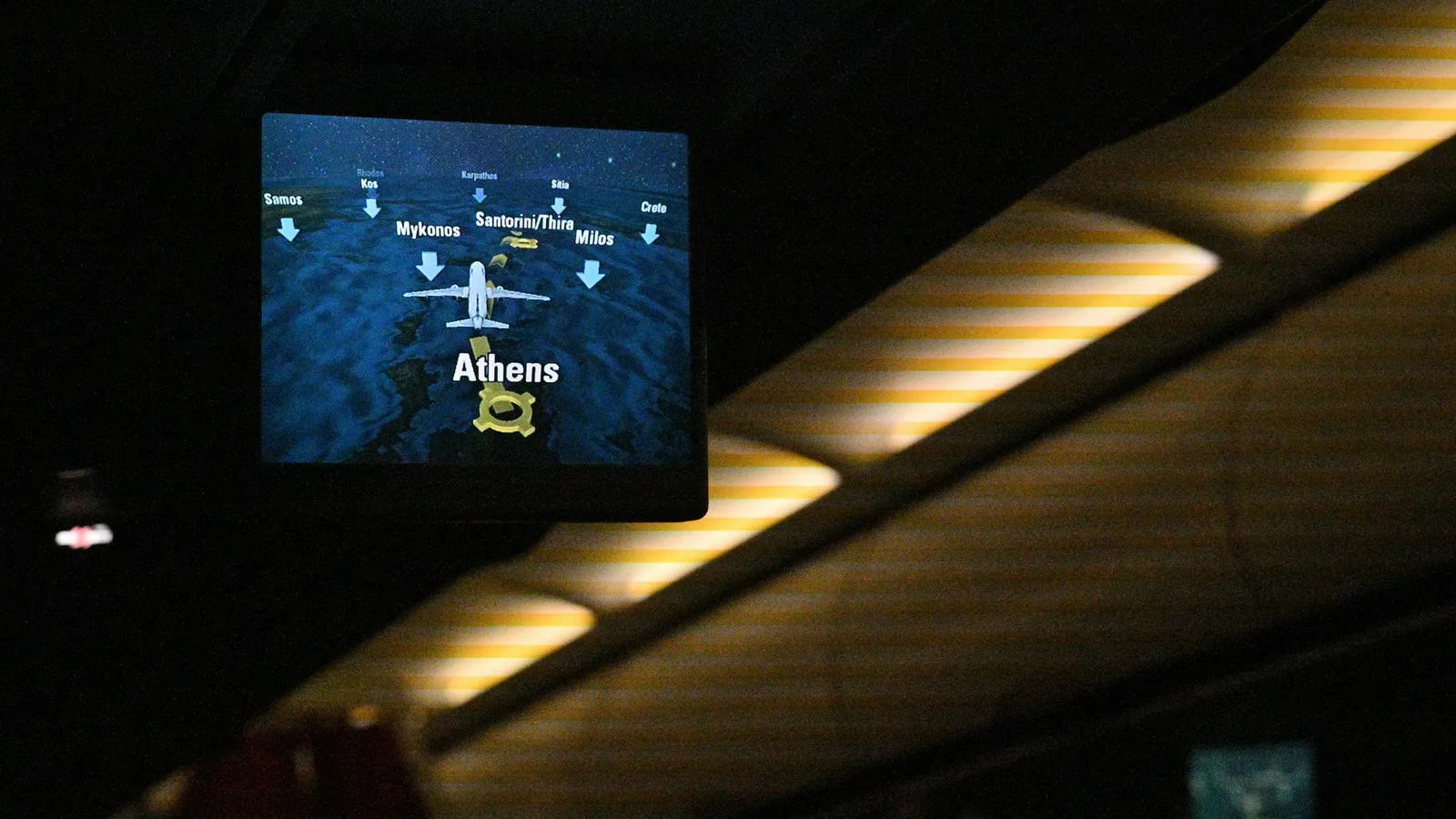
Island Hopping Route Planning
Plan efficient island-hopping routes across Thailand, Philippines, Indonesia, and Greece with ferry schedules, monsoon timing, and per-island budgets.
Read article →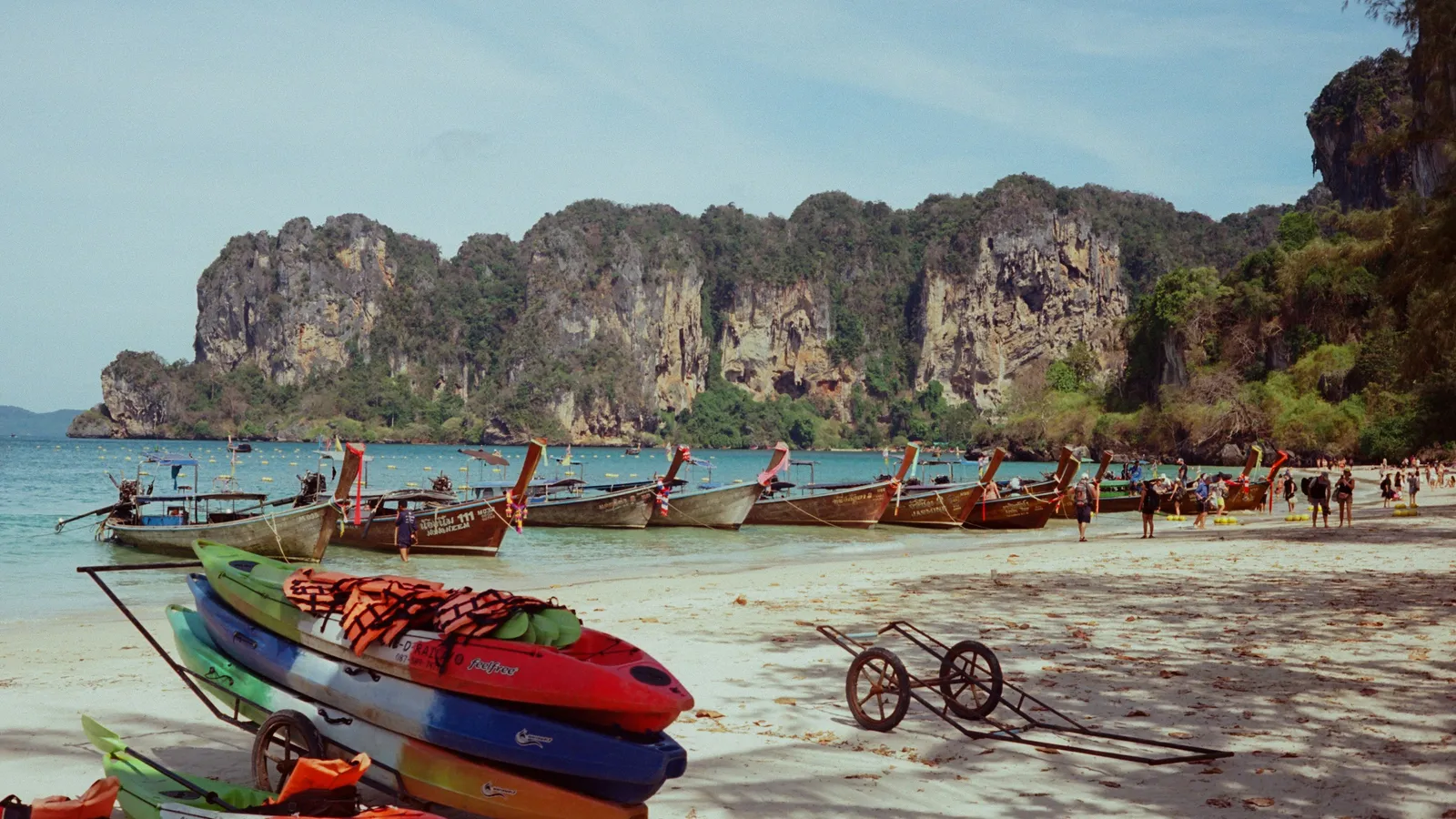
Your First Month in Southeast Asia
Plan your first 30 days in Southeast Asia with a tested itinerary covering Thailand, Cambodia, and Vietnam without rushing or overspending.
Read article →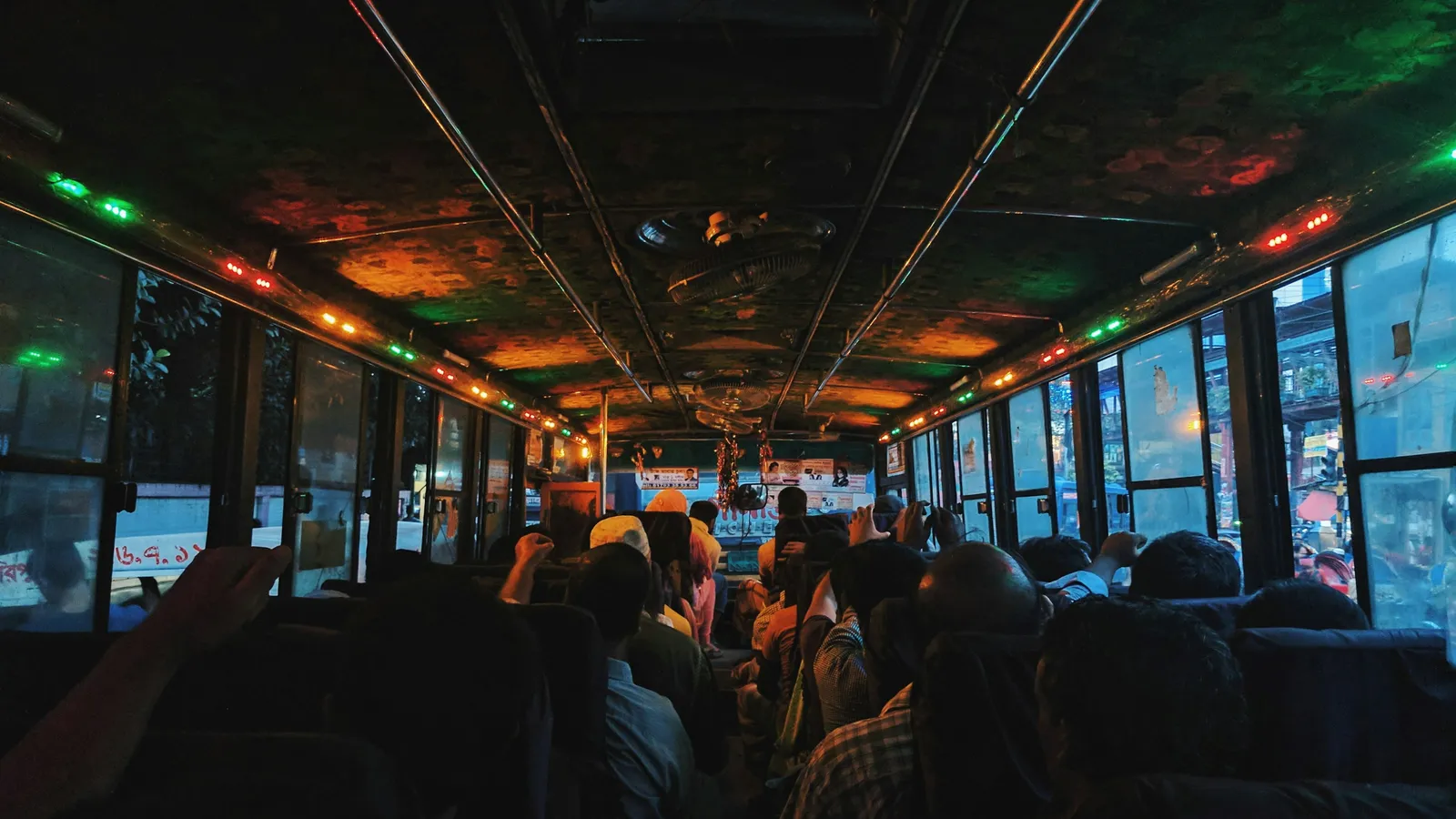
Night Bus Survival Guide
Survive overnight buses across Southeast Asia and South America with tested strategies for sleep, security, and arriving functional.
Read article →Heading to Kawah Ijen?
Find trekking companions for the blue fire experience, share tour costs, and connect with fellow travelers exploring East Java and Bali on roammate.


To customise this itinerary to your travel style, pace, and budget — download the roammate app to tailor it to your preferences.
Find travel companions in Kawah Ijen →