Vientiane
Southeast Asia's quietest capital — golden stupas, French baguettes, Mekong sunsets, and a gentle pace that whispers rather than shouts.
1 day in Vientiane
Only got 24 hours? Here's how to experience the best of Vientiane in a single action-packed day.
Vientiane in One Day
Pha That Luang & Patuxai
Start at Pha That Luang (₭10,000) — Laos' most important national monument. The golden stupa, originally built in the 3rd century and restored in the 1930s, represents the Buddhist belief in the union of the mundane and the divine. The gold leaf covering shimmers in the morning sun. Then tuk-tuk to Patuxai, Vientiane's Arc de Triomphe, built from concrete intended for a runway. Climb the seven floors (₭5,000) for city panoramas. The monument is unmistakably Lao in its decoration despite the French-inspired form.
COPE Centre & Buddha Park
Visit the COPE Visitor Centre (free, donations encouraged) — Laos is the most heavily bombed country per capita in history, and the UXO crisis continues to kill and maim today. COPE provides prosthetic limbs and rehabilitation. The exhibits are powerful and essential. Then drive 25km southeast to Buddha Park (Xieng Khuan, ₭15,000) — a surreal garden of over 200 concrete Hindu and Buddhist sculptures built by a mystic shaman in 1958, including a giant pumpkin-shaped structure you can climb inside.
Mekong Sunset & Night Market
Walk to the Mekong riverfront promenade — the sunset over the river with Thailand visible on the opposite bank is Vientiane's defining evening experience. Locals gather along the waterfront for exercise and food. The Vientiane Night Market stretches along the riverside road with clothing, handicrafts, and food stalls. Eat Lao: laab (spicy minced meat salad, ₭25,000), tam mak hoong (Lao papaya salad, ₭15,000), and khao niao (sticky rice, ₭5,000) — all eaten by hand from small baskets.
3 days in Vientiane
A carefully curated route mixing iconic landmarks, hidden gems, street food, culture, and adventure — designed for younger travelers.
Monuments, COPE & Mekong Sunset
Pha That Luang
Begin at Pha That Luang (₭10,000), the golden stupa that is Laos' most sacred monument and national symbol — it appears on the national seal and currency. Originally built in the 3rd century over an Ashoka-era relic, the current structure dates from a 1930s restoration. Three levels represent stages of Buddhist enlightenment culminating in the 45-metre gold-covered stupa. The surrounding cloisters house Buddha images collected from across the country. Morning light on the gold is spectacular.
COPE Centre & Patuxai
Walk to the COPE Visitor Centre (free) — an essential and sobering visit. The USA dropped more bombs on Laos during the Secret War (1964–73) than on all of Europe in WWII. An estimated 80 million unexploded bomblets remain, killing farmers and children decades later. COPE provides prosthetics and rehabilitation — the exhibits are powerful without being exploitative. Then climb Patuxai (₭5,000) — Vientiane's war monument with Lao mythological decoration. The rooftop panorama encompasses the entire city.
Mekong Promenade & Night Market
Walk the Mekong riverside promenade at sunset — the wide river glows orange and the Thai bank is visible across the water. The Vientiane Night Market unfolds along the riverside road with food, clothing, and handicraft stalls. Essential Lao food: laab (minced meat salad with herbs and toasted rice, ₭25,000), tam mak hoong (green papaya salad, ₭15,000), ping kai (grilled chicken, ₭20,000), and khao niao (sticky rice eaten by hand, ₭5,000). Beer Lao: ₭10,000.
Buddha Park, Temples & French Quarter
Buddha Park (Xieng Khuan)
Drive 25km southeast to Xieng Khuan, the Buddha Park (₭15,000) — a surreal garden of over 200 Hindu and Buddhist concrete sculptures created by Luang Pu Bunleua Sulilat in 1958. The centrepiece is a massive reclining Buddha, but the most memorable structure is the giant pumpkin-shaped building representing earth, heaven, and hell — climb through the mouth into its three levels. The sculptures blend Hindu and Buddhist imagery in a uniquely Lao syncretic vision.
Wat Si Saket & French Quarter
Visit Wat Si Saket (₭10,000) — Vientiane's oldest surviving temple, built in 1818 with 6,840 Buddha images lining the cloister walls and niches. Across the road, Haw Phra Kaew (₭10,000) is a former royal chapel now housing Laos' finest collection of Buddhist art. Walk through the French Quarter — tree-lined boulevards, colonial-era buildings, baguette vendors, and cafes reflect the French colonial heritage. The morning baguette sandwiches (khao jee, ₭15,000) sold from street carts are a Lao-French fusion delight.
Lao Craft Beer & Riverside Dining
Explore Vientiane's emerging craft scene — Chokdee Cafe on Rue Francois Ngin serves Belgian-Lao beers and excellent food in a colonial villa. Spirit House Bar has creative cocktails using Lao spirits and herbs. For dinner, Kualao Restaurant on Samsenthai Road serves traditional royal Lao cuisine — or khampa (fish steamed in banana leaf), laab, and sticky rice in an elegant teak house setting ($5–10 per person). End with a Beer Lao on the riverside.
Morning Alms, Markets & Departure
Morning Alms & Talat Sao
Wake before dawn to witness the morning alms ceremony — saffron-robed monks walk barefoot through the streets collecting offerings of sticky rice and food from kneeling residents. The ceremony is less famous here than in Luang Prabang but more intimate and uncommercialized. Then visit Talat Sao (Morning Market) — a multi-level market selling Lao silk, silver, handicrafts, and electronics. The textile section has beautiful Lao sinh (traditional skirts) and scarves at local prices.
Wat Si Muang & Lao Massage
Visit Wat Si Muang — Vientiane's most actively worshipped temple, built over the city's founding pillar. Locals come daily to make offerings, burn incense, and seek blessings for health, business, and love. The atmosphere is intensely spiritual and the temple buzzes with genuine devotion. Then treat yourself to a Lao herbal sauna and massage at one of the traditional spas near Wat Sok Pa Luang (₭30,000 for sauna, ₭60,000 for massage) — medicinal herbs steam in a traditional wooden sauna.
Farewell Laab & Mekong Views
Final dinner at your favourite discovery — whether Kualao for royal Lao, the night market for street food, or Joma Bakery Cafe for coffee and pastries. One last Mekong sunset, one last sticky rice basket shared with friends, one last Beer Lao. Vientiane is Southeast Asia's most underrated capital — sleepy, genuine, and utterly unlike the chaos of Bangkok or Hanoi. The bus north to Vang Vieng (3.5hrs, ₭50,000) departs from the Northern Bus Terminal.
7 days in Vientiane
A full week to go deep — from famous landmarks to local neighbourhoods, day trips, hidden gems, and proper local immersion.
Monuments & Mekong Sunset
Pha That Luang
Start at Pha That Luang (₭10,000), the golden stupa that is Laos' most sacred national monument. The 45-metre gold-covered structure represents Buddhist enlightenment across three ascending levels. Built originally in the 3rd century over an Ashoka-era relic, the current form dates from a 1930s restoration. The morning sun ignites the gold leaf spectacularly. The surrounding cloisters house Buddha images from across the country.
Patuxai & Lane Xang Boulevard
Walk Lane Xang Boulevard — Vientiane's Champs-Elysees — to Patuxai (₭5,000), the Victory Monument built with concrete originally donated for an airport runway. The seven stories have Lao mythological figures, naga serpents, and Buddhist imagery adorning the French arch form. Climb to the top for 360-degree city views. The surrounding park has fountains and is popular with local families. Continue walking through the government district to orient yourself in the compact capital.
Mekong Riverside & Night Market
Walk to the Mekong promenade for sunset — the river glows orange and Thai Nong Khai is visible across the water. The Night Market stretches along the riverside with food, clothing, and handicraft stalls. First Lao meal: laab moo (spicy pork salad, ₭25,000), tam mak hoong (papaya salad, ₭15,000), ping kai (grilled chicken, ₭20,000), and sticky rice baskets (₭5,000). Beer Lao (₭10,000) is one of Asia's best lagers.
COPE, Temples & French Heritage
COPE Visitor Centre
Visit the COPE Centre (free, donations) — an essential education on Laos' UXO crisis. The USA dropped over 2 million tonnes of bombs during the Secret War (1964–73), making Laos the most bombed country per capita in history. 80 million unexploded cluster munitions remain, killing and maiming farmers and children. COPE provides prosthetic limbs and rehabilitation. The exhibits are moving and informative without being exploitative — allow a full hour.
Wat Si Saket & Haw Phra Kaew
Visit Wat Si Saket (₭10,000), the oldest surviving temple in Vientiane (1818), with 6,840 Buddha images in wall niches and cloisters. The temple survived the Siamese sack of 1828 that destroyed most of the city. Across the road, Haw Phra Kaew (₭10,000) was the royal temple that housed the Emerald Buddha before the Siamese took it to Bangkok. It now contains Laos' finest collection of Buddhist sculpture. Walk through the surrounding French Quarter for colonial architecture and baguette carts.
Chokdee Cafe & Craft Scene
Explore Vientiane's small but growing evening scene. Chokdee Cafe serves Belgian-Lao beers and excellent Western-Lao fusion food in a colonial villa on Rue Francois Ngin. Spirit House Bar has creative cocktails using Lao herbs and rice whisky. For dinner, try Doi Ka Noi on the riverside for Lao BBQ — grill your own meat and vegetables on a dome surrounded by a soup moat (₭60,000–80,000 per person for all-you-can-eat).
Buddha Park & Mekong Exploration
Buddha Park (Xieng Khuan)
Take the #14 bus (₭8,000) or tuk-tuk (₭150,000 return) 25km to Xieng Khuan — a surreal sculpture garden of over 200 Hindu and Buddhist figures created by shaman Luang Pu in 1958. A giant reclining Buddha, multi-armed Vishnu, and the famous pumpkin structure (climb inside through the demon's mouth for three levels representing earth, heaven, and hell) make this unlike any temple in Southeast Asia. The syncretic vision blending Hindu and Buddhist imagery reflects Laos' unique spiritual culture.
Friendship Bridge & Thai-Lao Border
Visit the First Thai-Lao Friendship Bridge — the physical link between Vientiane and Nong Khai, Thailand, opened in 1994. The bridge area has a border market where Thai and Lao goods mix. Even without crossing, the perspective of standing at the international boundary with two countries visible is interesting. Return to town via the Mekong riverside road — the views of the wide river with fishing boats and the Thai shore are peaceful.
Lao Cooking Class
Join a Lao cooking class (₭200,000–300,000/$10–15) — learn to make laab, tam mak hoong, or khampa (steamed fish in banana leaf) with fresh market ingredients. Classes typically begin with a market tour for ingredients. Lao cuisine is distinct from Thai — heavier on herbs, dill, and dried buffalo skin, lighter on coconut milk. You eat everything you cook for dinner, and the sticky rice technique alone is worth the class fee.
Morning Alms, Markets & Local Life
Morning Alms Ceremony
Wake before dawn to witness the tak bat — saffron-robed monks walk barefoot through the streets collecting sticky rice and food offerings from kneeling residents. In Vientiane this ceremony is less famous than Luang Prabang's but more intimate and uncommercialised. Stand quietly at a respectful distance and observe the centuries-old Buddhist ritual. Then head to Talat Sao (Morning Market) for Lao silk, sinh skirts, silver jewellery, and handicrafts at local prices.
Wat Si Muang & Herbal Sauna
Visit Wat Si Muang — Vientiane's most actively worshipped temple, built over the city pillar. Locals come daily for blessings and offerings. The spiritual energy is palpable and the temple buzzes with genuine devotion. Then visit Wat Sok Pa Luang for the famous herbal sauna and massage (₭30,000 sauna, ₭60,000 massage). Medicinal herbs and plants steam in a traditional wooden room — the Lao herbal sauna is a deeply relaxing cultural experience.
Talat Kuadin Night Food
Skip the tourist night market tonight and eat at Talat Kuadin — the local evening food market near Mahosot Hospital where Vientiane families buy dinner. The stalls are cheaper and more authentic: sticky rice with ping kai (₭15,000), som moo (fermented sour pork, ₭10,000), and jeun (Lao spring rolls, ₭5,000). The market operates daily from 4pm and gives a genuine glimpse of how locals eat outside the tourist strip.
Art, Coffee & Neighbourhood Walks
Lao National Museum & Art
Visit the Lao National Museum (₭10,000) on Samsenthai Road — a chronological journey from prehistoric Laos through the Lan Xang kingdom, French colonisation, the Secret War, and the communist revolution. The exhibits are modest but informative, with English labels throughout. The building itself is a former French colonial mansion. Walk to the small Lao National Art Gallery nearby for contemporary Lao paintings and textiles.
Cafe Culture & Neighbourhood Walk
Explore Vientiane's growing coffee scene — Lao coffee from the Bolaven Plateau is some of Southeast Asia's best. Common Grounds on Nokeokoummane Road, Joma Bakery Cafe, and Naked Espresso all serve excellent local beans. Walk through the residential neighbourhoods between Samsenthai and the river — teak houses, temple walls, children playing, and the quiet rhythm of Lao daily life. This is not a city of grand attractions but of gentle atmosphere.
Kualao Royal Lao Dining
Dinner at Kualao Restaurant on Samsenthai Road — the best traditional Lao restaurant in the capital, serving royal Lao cuisine in an elegant teak house. Or khampa (steamed fish, ₭45,000), laab (₭30,000), tam mak hoong (₭20,000), and sticky rice with a Beer Lao. The atmosphere is refined but not expensive by Western standards ($8–12 per person for a full feast). The staff explain each dish and its cultural significance.
Day Trip — Phou Khao Khouay
Phou Khao Khouay National Park
Drive 85km northeast to Phou Khao Khouay National Protected Area — Vientiane's closest national park with jungle trekking, waterfalls, and wildlife. Tad Leuk waterfall is the most accessible — a series of cascades and swimming pools in dense forest, reached by a short trail from the road. The park is home to elephants, gibbons, and sun bears, though sightings are rare. The forest is dense, atmospheric, and a world away from the sleepy capital.
Tad Xai & Forest Swimming
Continue deeper into the park to Tad Xai waterfall — a multi-tiered cascade dropping through emerald pools surrounded by tropical forest. The swimming is excellent and the setting feels genuinely wild. Pack a lunch from Vientiane's markets — baguette sandwiches, fruit, and water. The drive through the park passes rural Lao villages, rice paddies, and forest that shows the country beyond the Mekong River corridor.
Return & Riverside Dinner
Return to Vientiane in the late afternoon for a final Mekong sunset. Dinner at Le Banneton — a French bakery-restaurant reflecting Vientiane's colonial heritage with excellent baguettes, croissants, and French-Lao fusion dishes. Or head to the night market for one last round of laab and sticky rice. The gentle rhythm of Vientiane's evenings — no honking, no chaos, just the river and the distant Thai shore — is unique among Asian capitals.
Final Markets & Departure
Talat Sao & Last Shopping
Final visit to Talat Sao (Morning Market) for last-minute purchases. Lao silk scarves and sinh skirts make excellent gifts — the weaving quality is exceptional and prices are far lower than in tourist shops. The silver section has Hmong and Lao silver jewellery at reasonable prices. Buy Lao coffee (Bolaven Plateau beans, ₭30,000–50,000 per bag) and Beerlao merchandise at the souvenir shops nearby.
Wat That Khao & Quiet Farewell
Visit one final temple — Wat That Khao in a residential area away from the tourist loop, where genuine monastic life continues undisturbed. The temple is simple and authentic, with monks going about their daily routines. Sit in the shade, listen to the chanting, and absorb the gentle spirituality that defines Laos. Then walk to Joma or Common Grounds for a final Lao coffee and quiet reflection on the week.
Farewell Vientiane
Final Mekong sunset and dinner at your favourite spot. Whether heading north to Vang Vieng (bus: ₭50,000, 3.5hrs), Luang Prabang (bus: ₭150,000, 9hrs or train), or flying out from Wattay International Airport, Vientiane leaves a quiet impression — not the explosive energy of Bangkok or Hanoi, but a gentle dignity that grows on you. The Lao phrase "bor pen nyang" (no worries) is the city's philosophy, and by now it may be yours too.
Budget tips
Beer Lao is cheap
Beer Lao draught: ₭10,000 ($0.50). Bottled: ₭15,000 ($0.75). It is one of Asia's best lagers and absurdly cheap. The dark version is even better. Drinks in Vientiane are significantly cheaper than Thailand or Cambodia.
Sticky rice with everything
Sticky rice (₭5,000) is the base of every Lao meal — eat it with laab (₭25,000), tam mak hoong (₭15,000), and ping kai (₭20,000). A full Lao meal with drinks costs ₭50,000–80,000 ($2.50–4). Eat with your hands.
Tuk-tuk negotiation
Tuk-tuks in Vientiane are unmetered — negotiate before riding. In-town trips: ₭20,000–40,000 ($1–2). Airport: ₭60,000–80,000 ($3–4). The LOCA app works like Grab but with limited drivers. Walking and cycling are practical for the compact centre.
Free COPE Centre
The COPE Visitor Centre is free and one of the most important museums in Southeast Asia. Donations fund prosthetic limbs for UXO victims — even $5 makes a difference. The gift shop sells handicrafts made by survivors.
Laos-China Railway
The railway to Luang Prabang costs ₭120,000 ($6) for a 2-hour journey vs ₭150,000 ($7.50) for a 9-hour bus. The train is faster, cheaper, and more comfortable — a genuine game-changer for Laos travel.
Visa on arrival cash
Visa on arrival costs $30–42 depending on nationality (paid in USD cash only). Bring exact change, a passport photo, and a pen. The queue can be slow — e-Visa is faster if your nationality qualifies (check evisa.gov.la).
Budget breakdown
Daily costs per person in Lao Kip (₭). Vientiane is remarkably affordable — Beer Lao for $0.50, full meals for $3, and guesthouses for $5–10 make this one of the cheapest capitals in Asia.
| 🎒 Budget | ✨ Mid-Range | 💎 Splurge | |
|---|---|---|---|
| Accommodation Dorms → guesthouses → boutique hotels | ₭100,000–200,000 | ₭300,000–600,000 | ₭1M+ |
| Food Market food → restaurants → fine dining | ₭50,000–100,000 | ₭150,000–300,000 | ₭500,000+ |
| Transport Walking & bicycle → tuk-tuk → private car | ₭20,000–60,000 | ₭80,000–200,000 | ₭400,000+ |
| Activities Temples & COPE → cooking class → guided tours | ₭10,000–40,000 | ₭60,000–200,000 | ₭400,000+ |
| Drinks Beer Lao & coffee → bars → craft cocktails | ₭20,000–50,000 | ₭60,000–150,000 | ₭300,000+ |
| Daily Total $10–23 → $33–73 → $130+ | ₭200,000–450,000 | ₭650,000–1.45M | ₭2.6M+ |
Practical info
Visa & Entry
- Visa on arrival: $30–42 USD cash depending on nationality. Bring passport photo and a pen. e-Visa available for some nationalities at evisa.gov.la
- Valid for 30 days. Extensions possible at immigration in Vientiane (₭40,000/day) for up to 60 additional days
- Overland entry from Thailand via the Friendship Bridge is common — shuttle bus across the bridge costs ₭20,000
Health & Safety
- Hepatitis A, typhoid, and tetanus recommended. Tap water is unsafe — bottled water ₭5,000. Ice in tourist restaurants is generally safe
- UXO (unexploded ordnance) is a real danger in rural areas — never walk off marked paths outside cities. This is not theoretical — bomblets kill people annually
- Vientiane is very safe — lower crime than most Southeast Asian capitals. Main risks are traffic accidents and mosquito-borne illness
Getting Around
- Tuk-tuks are the main transport — negotiate prices before riding. LOCA app offers fixed-price rides but driver availability is limited
- The city centre is compact and walkable. Bicycle rental from guesthouses ₭30,000/day. Scooter rental not recommended due to traffic patterns
- Laos-China Railway connects to Vang Vieng (1hr), Luang Prabang (2hrs). Buses to all major destinations from the Northern and Southern bus terminals
Connectivity
- Tourist SIM: Unitel or Lao Telecom from ₭40,000 for 7 days data. Buy at the airport or any phone shop. 4G coverage in the city is good
- WiFi at most cafes and guesthouses. Speeds are slower than Thailand — patience required for uploads and video calls
- Google Maps works well in Vientiane. Download offline maps for rural areas where data coverage drops
Money
- Lao Kip is the official currency but Thai Baht and USD are accepted at many places. ATMs dispense Kip only — BCEL Bank has the most ATMs
- ATM fee: ₭20,000–40,000 ($1–2) per withdrawal. Withdraw ₭2,000,000+ at a time to minimise fees
- Cash is essential for everything except upmarket hotels. Markets, temples, and tuk-tuks are cash-only. Bring crisp USD for the visa on arrival
Packing Tips
- Light, breathable clothing. Modest dress for temples — cover shoulders and knees. Vientiane is conservative by Southeast Asian standards
- A light jacket for November–February evenings when temperatures drop to 15–18°C — cooler than most visitors expect
- Mosquito repellent for riverside evenings. Comfortable walking shoes for temple circuits. A sarong doubles as towel, blanket, and temple cover-up
Cultural tips
Laos is deeply Buddhist, gently paced, and carries the weight of being the most bombed country in history. Approach with respect, patience, and genuine warmth.
Nop Greeting
The nop (hands pressed together, slight bow) is the Lao greeting — similar to the Thai wai. Return it when received. Use it especially with monks and elders. A genuine nop shows respect and is deeply appreciated.
Buddhist Respect
Laos is deeply Buddhist. Remove shoes in temples, dress modestly, and never touch monks. Women must not hand items directly to monks — place them on a surface. The morning alms ceremony is sacred — observe from a distance and do not photograph monks' faces closely.
UXO Awareness
Laos is the most bombed country per capita in history. 80 million unexploded bomblets remain. Never pick up metal objects in rural areas, never walk off marked paths, and support COPE and UXO Lao through donations. This is a current crisis, not historical.
Bor Pen Nyang
The Lao philosophy of "bor pen nyang" (no problem/no worries) defines the national temperament. Things move slowly. Schedules are flexible. Services may not match expectations. Embrace the pace — rushing and frustration are culturally inappropriate and will get you nowhere.
Sticky Rice Culture
Sticky rice (khao niao) is the foundation of Lao identity — it is eaten at every meal with your hands. Roll a small ball, dip it in dishes, and eat. Never waste rice. The basket (tip khao) is the centrepiece of every table and sharing food communally is the Lao way.
Support Local
Choose locally-owned guesthouses and eat at Lao restaurants rather than international chains. Buy handicrafts from markets and cooperatives. Laos is one of Southeast Asia's poorest countries — your tourism dollars have enormous impact when they reach local families.
Vientiane is on these routes
Reading for Vientiane
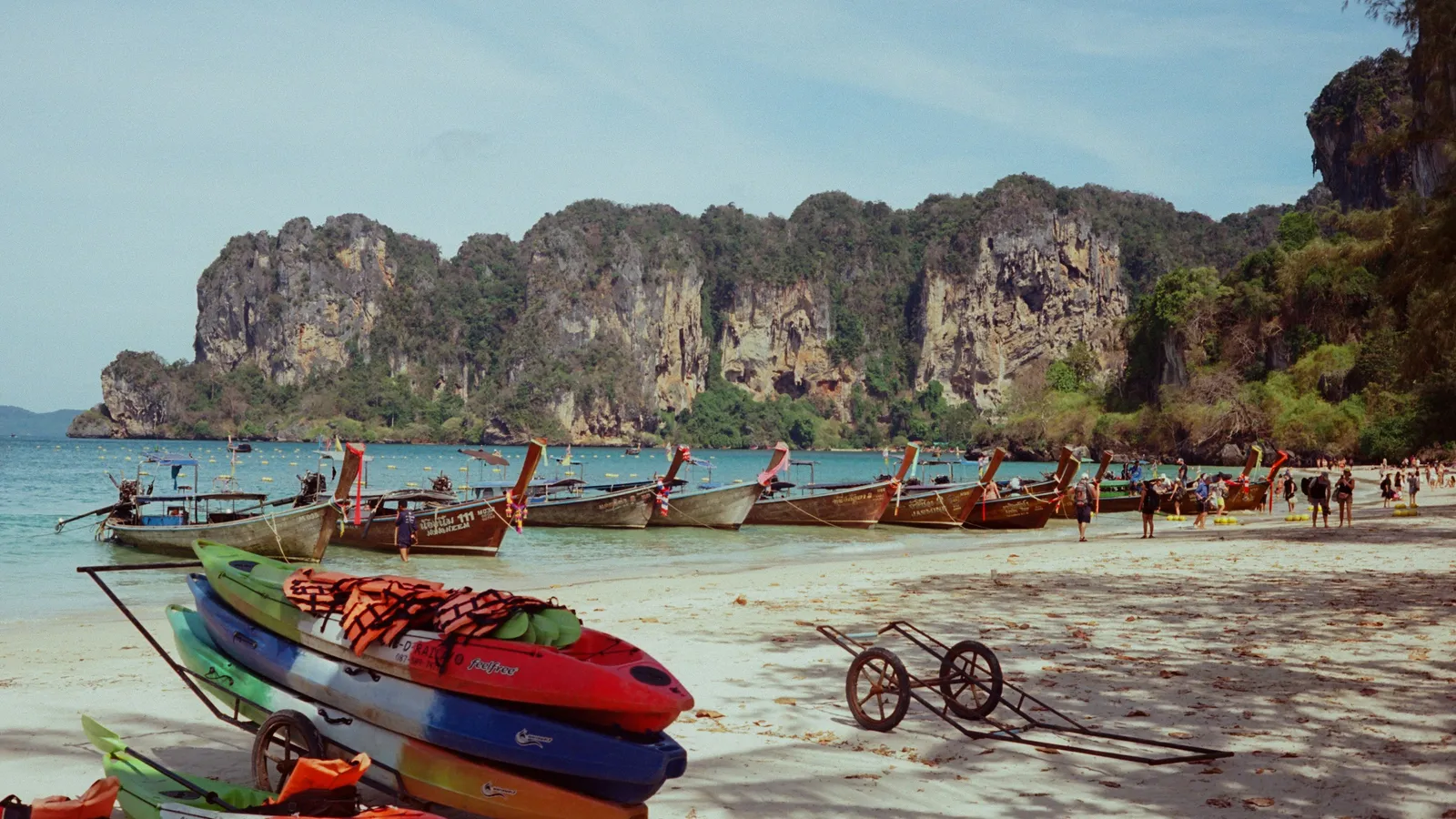
Your First Month in Southeast Asia
Plan your first 30 days in Southeast Asia with a tested itinerary covering Thailand, Cambodia, and Vietnam without rushing or overspending.
Read article →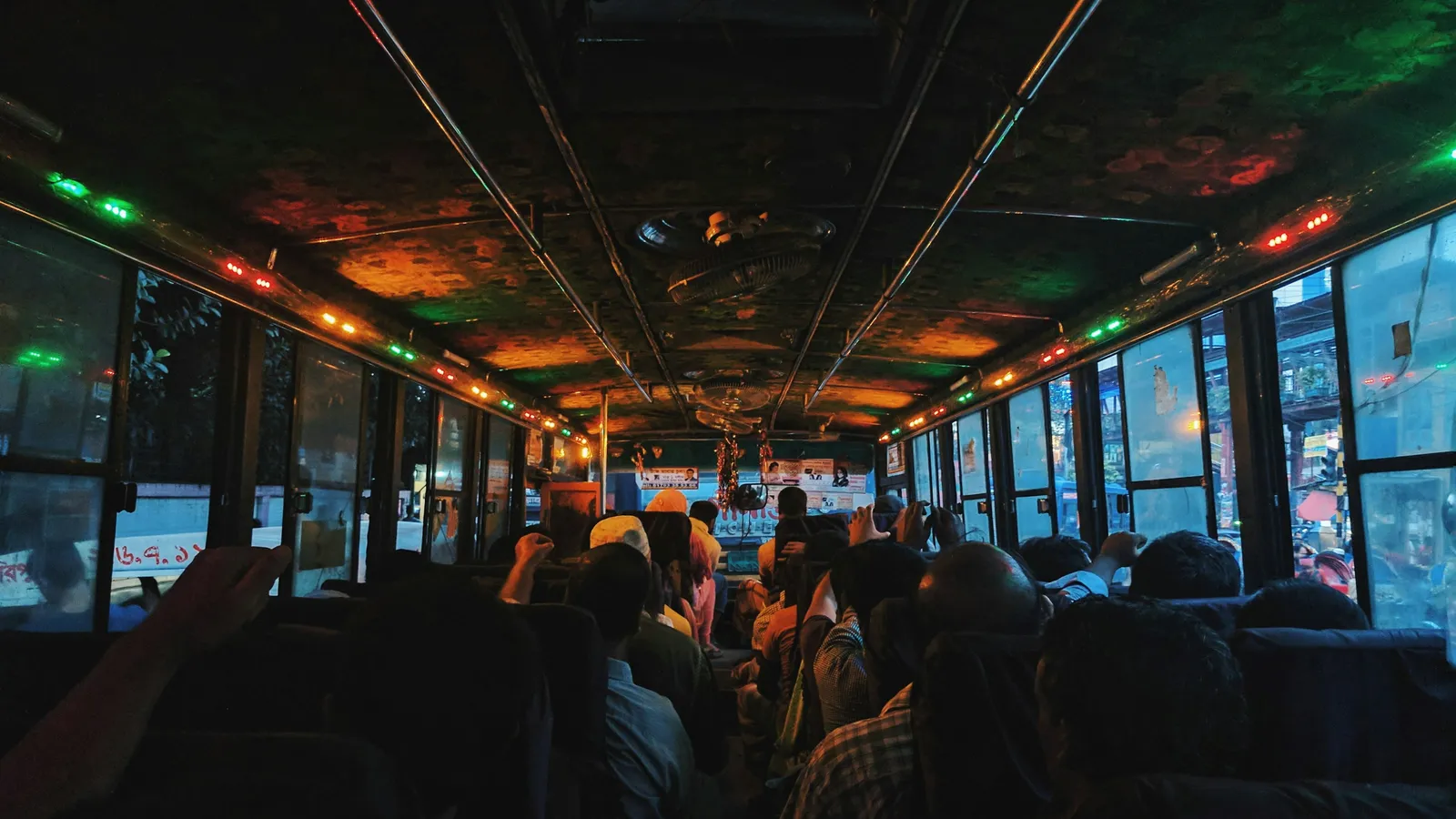
Night Bus Survival Guide
Survive overnight buses across Southeast Asia and South America with tested strategies for sleep, security, and arriving functional.
Read article →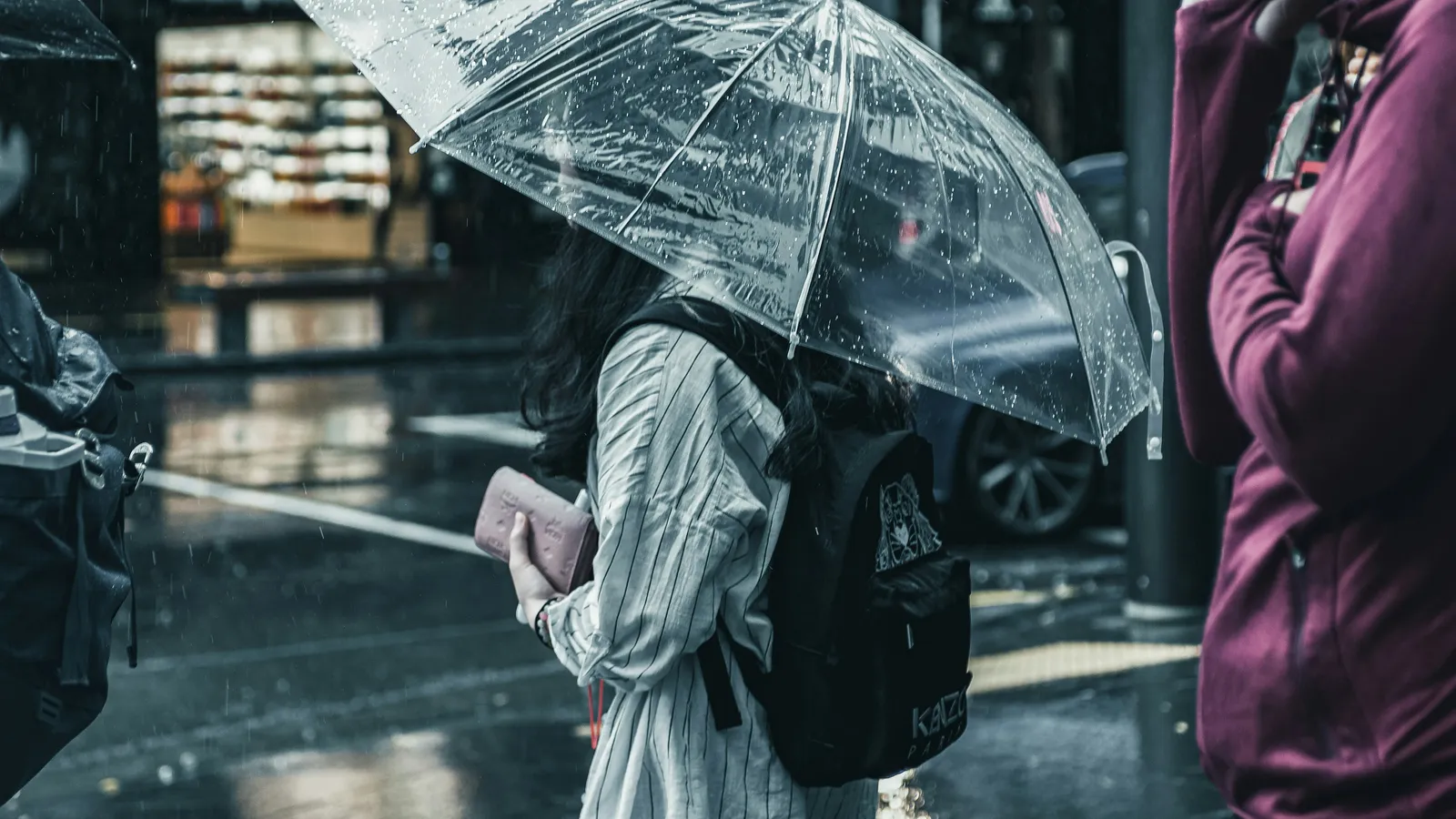
Why Rainy Season Is Your Secret Advantage
Turn rainy season into a travel advantage with lower prices, fewer crowds, and lush landscapes across Southeast Asia and Central America.
Read article →Heading to Vientiane?
Find travel companions to share tuk-tuk costs, explore temples, and watch Mekong sunsets together in Vientiane on roammate.


To customise this itinerary to your travel style, pace, and budget — download the roammate app to tailor it to your preferences.
Find travel companions in Vientiane →