Siem Reap
Gateway to the ancient Khmer empire — where jungle-wrapped temples, smiling stone faces, and the world's greatest archaeological site await.
1 day in Siem Reap
Only got 24 hours? Here's how to experience the best of Siem Reap in a single action-packed day.
Angkor Wat in One Day
Angkor Wat at Sunrise
Wake at 4:30am and tuk-tuk to Angkor Wat for the iconic sunrise over the temple silhouette reflected in the lotus ponds. Position yourself on the left (north) pond for the classic reflection shot. As the light strengthens, enter the main temple complex — the bas-relief galleries on the ground level depict scenes from Hindu mythology, including the Churning of the Ocean of Milk stretching 49 metres. Climb to the upper terraces for views across the jungle canopy. The 1-day Angkor Pass costs $37.
Ta Prohm & Bayon
Tuk-tuk to Ta Prohm — the "Tomb Raider temple" where massive silk-cotton and strangler fig trees have consumed the stone walls, creating a haunting fusion of nature and architecture. Continue to Bayon in the Angkor Thom complex — 216 giant stone faces smile down from 54 towers in every direction. The faces are believed to represent Avalokiteshvara, the bodhisattva of compassion. Walk the Terrace of the Elephants and the Terrace of the Leper King nearby.
Pub Street & Old Market
Return to town and explore the Old Market (Psar Chas) for souvenirs — silk scarves, temple rubbings, pepper from Kampot, and carved stone replicas. Walk to Pub Street for the famous $0.50 draft beers and cheap eats. Try fish amok (Cambodia's national dish — steamed fish in coconut curry, $3), lok lak (stir-fried beef with pepper sauce, $3), and fresh spring rolls. The street is lively but not aggressive — good energy for a first night in Cambodia.
3 days in Siem Reap
A carefully curated route mixing iconic landmarks, hidden gems, street food, culture, and adventure — designed for younger travelers.
Angkor Wat, Ta Prohm & Bayon
Angkor Wat Sunrise & Exploration
Rise at 4:30am for the sunrise at Angkor Wat — the single most iconic moment in Southeast Asian travel. Position at the north reflecting pond and wait for the sun to rise behind the five towers. After the crowds thin, explore the temple interior: the ground-floor bas-reliefs depict the Churning of the Ocean of Milk, the Battle of Lanka, and scenes from the Ramayana across hundreds of metres of carved wall. Climb to the third level for jungle canopy views. The 3-day Angkor Pass costs $62.
Ta Prohm & Banteay Kdei
Tuk-tuk to Ta Prohm — where giant silk-cotton trees have swallowed the temple walls and roots cascade over doorways like frozen waterfalls. The Tomb Raider filming location is clearly marked but the quieter eastern sections are equally photogenic and less crowded. Continue to Banteay Kdei next door — a smaller, less-visited temple with beautiful carved devatas (celestial dancers) and peaceful empty corridors. The Srah Srang reservoir across the road is a lovely sunset spot.
Pub Street & Khmer Cuisine
Explore the Old Market area for dinner. Fish amok ($3) is Cambodia's signature dish — fish steamed in banana leaf with coconut curry and kroeung spice paste. Try also beef lok lak ($3), Khmer red curry ($3), and num banh chok (Khmer rice noodles, $1). Pub Street has $0.50 beers and energetic bars. For something quieter, The Lane (a side street) has cocktail bars and live music. Phare Circus tickets (if attending tomorrow) sell fast — book tonight.
Angkor Thom & Phare Circus
Bayon & Angkor Thom
Enter Angkor Thom through the South Gate — the causeway lined with 54 stone devas and asuras (gods and demons) pulling a naga serpent is your first taste of the ancient city's scale. Bayon temple sits at the centre with 216 giant smiling stone faces carved into 54 towers. The bas-reliefs here are uniquely valuable — unlike Angkor Wat's mythological scenes, Bayon's carvings depict everyday 12th-century Khmer life: market scenes, fishing, cockfighting, and childbirth.
Preah Khan & Neak Pean
Continue the Grand Circuit to Preah Khan — a sprawling temple-monastery with long atmospheric corridors, carved lintels, and a unique two-storey structure with round columns (unusual in Angkor architecture). Then ride to Neak Pean — a small island temple in the middle of an artificial lake, accessed by a long wooden boardwalk. The lake reflects the sky beautifully and the setting is serene. Stop at Pre Rup for late afternoon light — its steep brick towers offer excellent sunset views.
Phare Cambodian Circus
Attend Phare, The Cambodian Circus ($18–38) — a world-class performance combining acrobatics, theatre, dance, and live music telling Cambodian stories. The performers are graduates of Phare Ponleu Selpak, an NGO arts school supporting disadvantaged youth in Battambang. Shows run nightly at 8pm and are genuinely extraordinary — this is not a tourist novelty but a real artistic achievement that supports a vital social enterprise. Book in advance as performances sell out.
Floating Village & Departure
Kompong Khleang Floating Village
Drive 55km east to Kompong Khleang — the largest floating village on Tonle Sap lake and far more authentic than the closer tourist-heavy Kompong Phluk. The stilted houses rise 10 metres above the dry-season waterline, and during the wet season the entire village floats. A boat tour ($15–20 per person through a community tourism operator) takes you through the village and onto the vast lake. Schools, shops, and pagodas all float. The scale of life on the water is extraordinary.
Angkor National Museum & Artisan Shops
Visit the Angkor National Museum ($12) for essential context on the temples you have explored. The Gallery of a Thousand Buddhas and the Khmer civilisation exhibits explain the religious, political, and engineering achievements behind what you saw at the ruins. Afterwards, visit Artisans Angkor — a social enterprise training and employing local craftspeople in silk weaving, stone carving, and lacquerwork. Tours are free and the showroom sells high-quality souvenirs at fixed prices.
Final Dinner & Night Market
Farewell dinner at Haven — a training restaurant for at-risk Cambodian youth that serves excellent modern Khmer cuisine ($8–12 mains, reservation recommended). Or try Cuisine Wat Damnak for tasting-menu Khmer food ($15–28). Browse the Angkor Night Market for last-minute souvenirs — silk, silver, and handmade paper products. End with a final $0.50 beer on Pub Street and reflect on one of the world's greatest archaeological sites.
7 days in Siem Reap
A full week to go deep — from famous landmarks to local neighbourhoods, day trips, hidden gems, and proper local immersion.
Angkor Wat — The Main Event
Angkor Wat Sunrise
Rise at 4:30am for the iconic sunrise at Angkor Wat. Position at the north reflecting pond and wait for the five towers to silhouette against the orange sky. As the crowds thin, enter the temple — explore the ground-floor bas-relief galleries depicting the Churning of the Ocean of Milk, the Battle of Lanka, and scenes from the Ramayana. The detail across hundreds of metres of carved wall is staggering. Buy the 7-day Angkor Pass ($72) for maximum flexibility.
Angkor Wat Interior & Upper Levels
Return to Angkor Wat in the afternoon to explore what you missed. Climb to the third level for views across the jungle canopy from the highest point of the temple. The carved apsara dancers on the upper galleries number nearly 2,000 and each one is unique. The library buildings in the courtyard, the cruciform terrace, and the outer gallery's battle scenes all deserve careful attention. Angkor Wat is the largest religious monument ever built — one visit is not enough.
Pub Street & First Night
Welcome dinner on Pub Street — Cambodia's backpacker strip with $0.50 beers and cheap Khmer food. Fish amok ($3) in a banana leaf, beef lok lak ($3), and fresh spring rolls ($1.50). The energy is friendly and festive. For something quieter, walk to The Lane or Alley West for cocktail bars and live music. Pick up a copy of the temple map to plan your week strategically.
Angkor Thom & Bayon
Bayon Temple at Dawn
Arrive at Bayon before 7am when the 216 stone faces catch the first light and the temple is nearly empty. The smiling faces on 54 towers create an ethereal atmosphere in the early mist. The upper terrace puts you face-to-face with the carvings. The ground-level bas-reliefs are uniquely valuable — they depict everyday 12th-century life: markets, fishing, cockfights, childbirth, and Khmer naval battles against the Cham.
Terraces, Baphuon & Phimeanakas
Walk the Terrace of the Elephants — a 300-metre carved wall depicting elephants, garudas, and lion-headed figures that once formed the viewing platform for royal ceremonies. Continue to the Terrace of the Leper King with its multi-layered wall of carved deities. Visit Baphuon — a massive 11th-century temple mountain recently restored after decades of painstaking anastylosis. Climb Phimeanakas, the small pyramid temple in the former Royal Palace grounds.
Khmer Cooking Class
Join an evening Khmer cooking class ($15–25) — learn to make fish amok, green mango salad, and Khmer red curry with fresh market ingredients. Classes typically start with a market tour to buy the kroeung (spice paste base) ingredients: lemongrass, galangal, turmeric, and kaffir lime. You eat everything you cook for dinner. The combination of market tour and hands-on cooking provides the best food education in Cambodia.
Grand Circuit Temples
Preah Khan
Start early at Preah Khan — a sprawling temple-monastery with long atmospheric corridors, elaborate carved lintels, and a unique two-storey structure with round columns. Built by Jayavarman VII as a Buddhist university and monastery, it housed nearly 100,000 people including teachers and students. Enter from the west and walk the full east-west axis — the sense of discovery as you move through successive doorways framing deeper and deeper views is extraordinary.
Neak Pean, Ta Som & East Mebon
Continue to Neak Pean — a small island temple reached by a wooden boardwalk over a lake that reflects the sky beautifully. Then Ta Som — a compact temple where a giant strangler fig frames the east gopura (gateway) similar to Ta Prohm but without the crowds. Finish at East Mebon — a 10th-century temple with life-size stone elephants at each corner and excellent carved lintels. The isolated setting in a former reservoir gives it a different atmosphere from the densely packed central temples.
Pre Rup Sunset
Climb Pre Rup for sunset — the steep brick temple towers offer 360-degree views over the jungle and the distant spires of Angkor Wat. The warm brick glows red-orange in the setting sun and the atmosphere is special. Return to town for dinner at Genevieve's on the river — excellent Khmer and fusion food in a garden setting ($5–10 mains). Or eat street food at the Old Market — Khmer noodle soup for $1.50.
Ta Prohm, Banteay Kdei & Floating Village
Ta Prohm at Dawn
Return to Ta Prohm at opening (7:30am) when the temple is nearly empty and morning light filters through the tree canopy creating dramatic shafts. The giant silk-cotton and strangler fig trees consuming the walls are the result of centuries of abandonment — the French chose to leave Ta Prohm unrestored to show how all the temples looked when European explorers first arrived. Walk slowly through the corridors and experience the eerie beauty without crowds.
Kompong Khleang Floating Village
Drive 55km east to Kompong Khleang — the largest stilted fishing village on Tonle Sap lake. The houses perch 10 metres above the dry-season waterline on massive wooden stilts. Take a community boat tour ($15–20) through the village and out onto the vast lake — schools, markets, and pagodas all built over water. The scale of life on Tonle Sap is extraordinary and this village sees far fewer tourists than the closer Kompong Phluk.
Phare Cambodian Circus
Attend Phare, The Cambodian Circus ($18–38) — acrobatics, theatre, dance, and live music telling Cambodian stories. Performers are graduates of Phare Ponleu Selpak, an NGO arts school for disadvantaged youth. Shows run nightly at 8pm and sell out regularly. The artistry is world-class and the social enterprise model means your ticket directly supports young Cambodians escaping poverty through the arts.
Banteay Srei & Kbal Spean
Banteay Srei — Jewel of Angkor
Drive 37km northeast to Banteay Srei — the "Citadel of Women" and the most intricately carved temple in the Angkor complex. Built from pink sandstone, the miniature scale allows for extraordinarily detailed carvings: devatas, mythological scenes, and floral motifs so precise they look like lacework. The 10th-century temple predates Angkor Wat by 200 years and its pink stone glows warmly in the morning light. This is many visitors' favourite temple despite its small size.
Kbal Spean — River of a Thousand Lingas
Continue 15km further to Kbal Spean — the "River of a Thousand Lingas." A 40-minute uphill jungle trek leads to a riverbed carved with Hindu symbols: lingas (fertility symbols), Vishnu reclining on a serpent, and Shiva-Parvati carvings, all submerged beneath the flowing water. The carvings date to the 11th–12th centuries and were designed to bless the water flowing downstream to the capital. A small waterfall at the base makes for a refreshing stop.
Siem Reap Nightlife
Return to town for a night exploring Siem Reap beyond Pub Street. The Kandal Village neighbourhood south of the Old Market has craft cocktail bars, independent galleries, and trendy cafes. Miss Wong is a speakeasy-style bar in a colonial shophouse serving excellent cocktails ($4–6). Laundry Bar has live DJs. For cheap eats, the night food stalls along Sivatha Boulevard serve Khmer barbecue ($3 for a mixed grill set) and fried noodles ($1.50).
Rest Day & Culture
Angkor National Museum
Take a temple-free morning and visit the Angkor National Museum ($12) for essential context. The Gallery of a Thousand Buddhas, the Khmer Empire timeline, and the audio-visual exhibits on Angkor's hydraulic engineering help you understand the civilisation behind the ruins. The museum is air-conditioned and a welcome break from the heat. Allow 2–3 hours for the full experience including the temporary exhibitions.
Artisans Angkor & Silk Farm
Visit Artisans Angkor (free guided tour) — a social enterprise training disadvantaged youth in traditional Khmer crafts: stone carving, silk weaving, lacquerwork, and painting. The workshop tour shows the entire process and the showroom sells high-quality souvenirs at fixed prices. For a deeper experience, ride 16km to the Puok Silk Farm (free shuttle from the shop) to see the full silk production from silkworm to finished fabric.
Fine Dining & Massage
Splurge dinner at Cuisine Wat Damnak — Cambodia's top-ranked restaurant serving a 5-course tasting menu of modern Khmer cuisine ($15–28) using traditional ingredients in innovative presentations. Or Haven — a training restaurant for at-risk youth with excellent food ($8–12 mains). End with a $7–10 Khmer massage at one of the many shops along Sivatha Boulevard — the body fatigue from a week of temple-climbing deserves attention.
Hidden Temples & Farewell
Beng Mealea — Jungle Temple
Drive 68km east to Beng Mealea ($5 extra entry) — a massive temple almost completely consumed by the jungle. Unlike the partially restored central Angkor temples, Beng Mealea is largely collapsed and overgrown, creating an Indiana Jones atmosphere of genuine exploration. Wooden walkways thread through the ruins and over collapsed walls covered in moss and tree roots. The temple is nearly the same size as Angkor Wat but feels entirely different — wild, remote, and untamed.
Angkor Wat — One Final Visit
Return to Angkor Wat one last time in the afternoon light — the warm golden glow on the west-facing entrance facade is completely different from the sunrise experience. Revisit your favourite gallery, find details you missed, and spend time simply sitting in the courtyards absorbing the scale and artistry. The late afternoon is surprisingly quiet as most visitors leave for sunset elsewhere. This is your private moment with the greatest temple ever built.
Farewell Amok & Last Beer
Final dinner at your favourite discovery of the week — whether that is fish amok at a market stall, tasting-menu Khmer at Cuisine Wat Damnak, or cheap noodles at the Old Market. Browse the night market for last souvenirs: pepper from Kampot, silk from Artisans Angkor, and temple rubbing prints. One last $0.50 beer on Pub Street, one last walk through the warm Siem Reap night, and the realisation that Angkor Wat stays with you forever.
Budget tips
Angkor Pass value
1-day pass: $37. 3-day pass: $62 (usable within 10 days). 7-day pass: $72 (usable within 30 days). The 3-day pass is best value for most visitors — $62 for three full days of unlimited temples.
$0.50 beers on Pub Street
Draft beer on Pub Street is $0.50 and has been for years. Bottled Angkor beer: $1. Cocktails: $2–3. Siem Reap is one of the cheapest nightlife destinations in Southeast Asia.
Eat at the Old Market
The Old Market (Psar Chas) food stalls serve Khmer noodles for $1–1.50, rice with curry for $1.50, and fruit shakes for $1. Tourist restaurants on Pub Street charge $3–5 for the same dishes.
Tuk-tuk day rate
Hire a tuk-tuk driver for a full day of temple touring: $15–20. Agree the circuit (Small, Grand, or custom) and price before departure. Tip $2–3 at the end. E-bikes are $10–15/day for independent exploration.
USD works everywhere
Cambodia runs on US dollars — bring crisp bills. Riel (4,000 = $1) is used for change under $1. ATMs dispense dollars with a $4–5 fee per withdrawal. Withdraw $200+ at a time.
Social enterprise restaurants
Haven, Marum, and Sala Bai are training restaurants for disadvantaged youth — excellent food at fair prices ($5–10 mains) and your money directly supports education. Better food and better impact than Pub Street.
Budget breakdown
Daily costs per person in USD. Cambodia uses US dollars everywhere — keep costs low with market food, shared tuk-tuks, and the incredible-value Angkor Pass.
| 🎒 Budget | ✨ Mid-Range | 💎 Splurge | |
|---|---|---|---|
| Accommodation Dorms → guesthouses → boutique hotels | $5–12 | $20–50 | $80+ |
| Food Market stalls → restaurants → fine dining | $5–10 | $12–25 | $40+ |
| Transport Bicycle → tuk-tuk → private car & guide | $5–10 | $15–25 | $40+ |
| Angkor Pass Amortise over your stay | $37 (1-day) | $62 (3-day) | $72 (7-day) |
| Activities Free temples → circus & cooking → private guide | $0–5 | $10–25 | $50+ |
| Daily Total Budget backpacker → comfortable → luxury | $20–40 | $50–100 | $150+ |
Practical info
Visa & Entry
- Tourist visa on arrival: $30 + one passport photo. e-Visa available online ($36) — saves queueing at the border
- Valid for 30 days, extendable once for 30 more days ($45) at immigration in Phnom Penh
- Bring crisp US dollar bills — torn, old, or marked notes are regularly rejected throughout Cambodia
Health & Safety
- Hepatitis A, typhoid, and tetanus vaccinations recommended. Tap water is not safe — bottled water $0.25 everywhere
- Mosquitoes carry dengue and malaria (low risk in Siem Reap town). Use repellent, especially at dawn and dusk around the temples
- Beware of scams: landmine victim beggars (often organised), children selling postcards (keep kids in school by not buying), and gem shop cons
Getting Around
- Tuk-tuks are the main transport: $2–3 in town, $15–20/day for temple circuits. Agree price before departure
- E-bikes ($10–15/day) and bicycles ($3–5/day) give independence at the temples. The Small Circuit is flat and cycleable
- PassApp is Cambodia's ride-hailing app — works like Grab with fixed prices. Available in Siem Reap and Phnom Penh
Connectivity
- Tourist SIM cards at the airport: Cellcard or Smart from $3 for 7 days data. Coverage is good in Siem Reap and along main roads
- WiFi available at most hotels, cafes, and restaurants. Temple areas have no WiFi — download offline maps before going
- Charging your phone at the temples is not possible — bring a power bank for a full day of photography
Money
- US dollars are the de facto currency. Riel (4,000 KHR = $1) used for change under $1. Bring crisp dollars from home
- ATMs dispense USD with a $4–5 fee. Canadia Bank and ABA Bank have the widest ATM network. Withdraw $200+ per transaction
- Credit cards accepted at hotels and upmarket restaurants only. Cash is essential for tuk-tuks, markets, temples, and street food
Packing Tips
- Modest clothing for temples — cover shoulders and knees. Angkor Wat enforces this strictly at the upper levels
- Comfortable walking shoes, sunscreen (SPF 50+), hat, and a refillable water bottle. Temple days involve 15,000+ steps
- A small backpack for temple days: water, snacks, camera, power bank, sunscreen, rain poncho (wet season). Leave valuables at the hotel
Cultural tips
Cambodia carries deep scars and extraordinary resilience. Approach with warmth, sensitivity, and genuine respect — the Khmer people will welcome you with open arms.
Sampeah Greeting
The sampeah (hands pressed together, slight bow) is the Khmer greeting. Return it when received. Like the Thai wai, the height of the hands indicates respect — higher for monks, lower for friends.
Temple Respect
Remove shoes and hats before entering temple sanctuaries. Do not touch or sit on ancient carvings. Never point feet at Buddha images. Photography is prohibited in some inner chambers — check signage.
Khmer Rouge Sensitivity
Cambodia's genocide under the Khmer Rouge (1975–79) killed nearly 2 million people. Treat this history with extreme sensitivity. Do not make jokes. Many Cambodians over 50 are survivors — approach the topic with care.
Children & Begging
Do not buy postcards, bracelets, or food from children at the temples. It keeps them out of school and fuels exploitation. If you want to help, donate to established organisations like Phare or the Cambodian Children's Fund.
Smiles & Patience
Cambodians are warm, gentle, and resilient people. Smile often, be patient, and show kindness. A few words of Khmer — "sua sdei" (hello), "aw kun" (thank you) — go a long way toward building genuine connections.
Support Local
Choose locally-owned guesthouses and restaurants over international chains. Eat at social enterprise restaurants. Buy crafts from Artisans Angkor. Your tourism dollars have the most impact when they reach Cambodian families directly.
Siem Reap is on these routes
Reading for Siem Reap
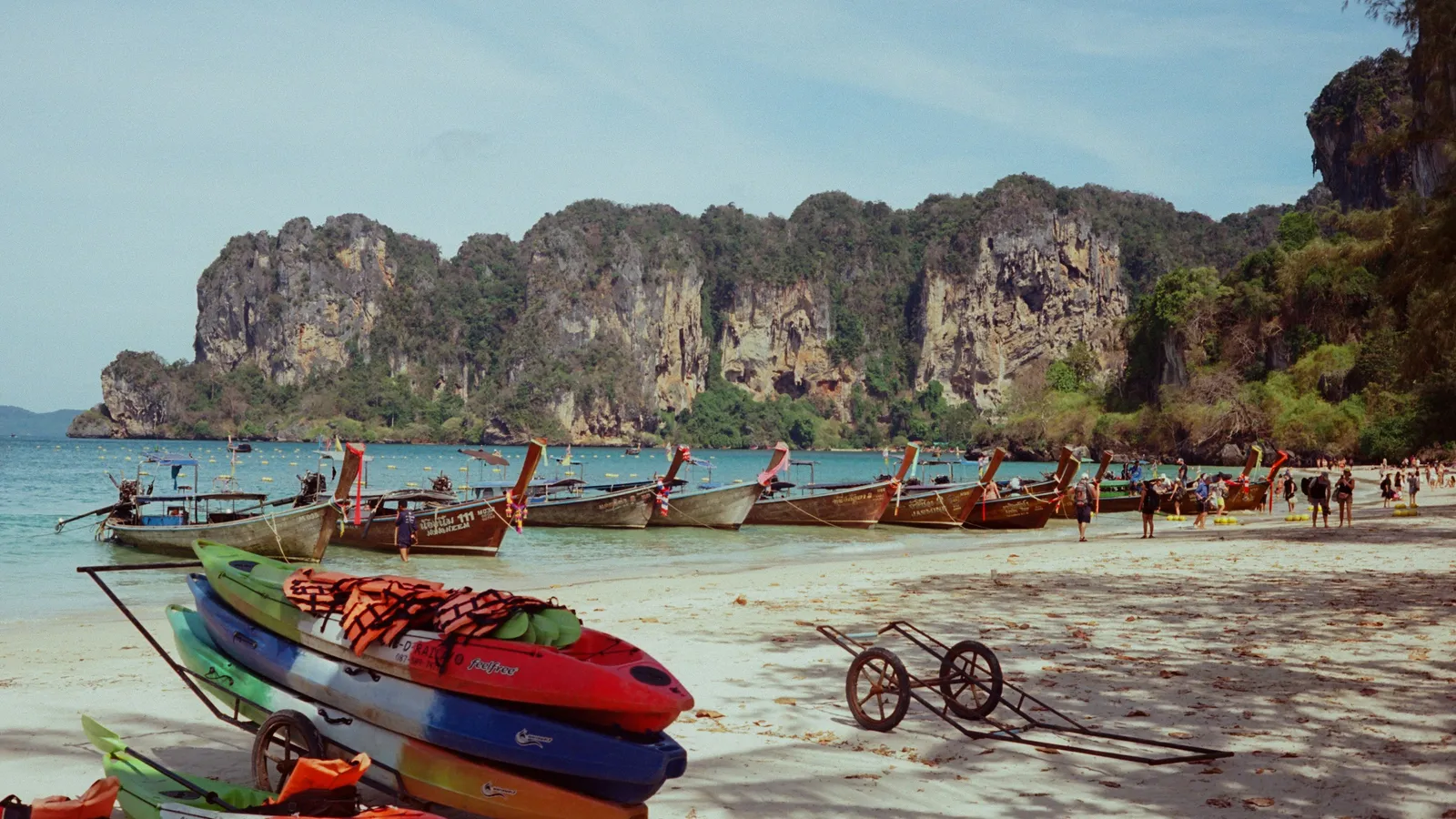
Your First Month in Southeast Asia
Plan your first 30 days in Southeast Asia with a tested itinerary covering Thailand, Cambodia, and Vietnam without rushing or overspending.
Read article →
Travel Insurance Claim-Proofing Guide
Claim-proof your travel insurance before something goes wrong with documentation habits, photo evidence, and filing strategies that actually pay out.
Read article →
Volunteer Travel: Ethics and Impact
Navigate volunteer travel ethically by spotting red flags in voluntourism, choosing skills-based programs, and ensuring your help actually helps.
Read article →Heading to Siem Reap?
Find travel companions to share tuk-tuk costs, split sunrise mornings at Angkor Wat, and explore Pub Street together on roammate.


To customise this itinerary to your travel style, pace, and budget — download the roammate app to tailor it to your preferences.
Find travel companions in Siem Reap →