Mount Rinjani
A 3,726-metre volcano rising from Lombok — crater lake, hot springs, and one of Indonesia's most rewarding treks.
1 day in Mount Rinjani
Only got 24 hours? Here's how to experience the best of Mount Rinjani in a single action-packed day.
Rinjani Gateway — Senaru & Crater Rim Viewpoints
Senaru Village & Waterfalls
Start your day in Senaru, the main gateway village perched at 600m on Rinjani's northern slopes. Trek to Sendang Gile waterfall — a thundering 30-metre cascade surrounded by lush tropical forest. Continue 20 minutes uphill to the more secluded Tiu Kelep waterfall, where mist from the 45-metre drop creates natural rainbows in the morning light. The path is slippery but magical, passing giant ferns and jungle vines. Both waterfalls are fed by Rinjani's crater lake, and the water is surprisingly cold for the tropics. Grab breakfast at a local warung in Senaru — nasi goreng and black Lombok coffee for under $2.
Rinjani Trek Information Centre & Preparation
Visit the Rinjani Trek Management Board office in Senaru to register and arrange your guided trek. All treks now require a licensed guide — independent trekking is not permitted since 2023. Compare packages from registered operators: a standard 2-day trek to the crater rim costs Rp 1,200,000–2,000,000 ($80–130) including guide, porter, meals, tent, and sleeping bag. Three-day treks adding the crater lake and hot springs cost Rp 1,800,000–2,500,000 ($120–160). Spend the afternoon acclimatising and exploring Senaru's traditional Sasak village — a living heritage compound with thatched-roof houses and animist traditions.
Sunset Over Lombok & Trek Briefing
Walk to the Senaru crater rim viewpoint — a 15-minute stroll from the village — for sunset views across northern Lombok and the Gili Islands glittering in the strait. On clear evenings, Bali's Mount Agung is visible on the western horizon. Return for your trek briefing with your guide, who will outline the route, check your gear, and distribute rental equipment. Dinner at a Senaru guesthouse — expect simple but filling Indonesian fare: ayam bakar, tempeh, sambal, and rice. Early to bed — your 2am alarm comes fast.
3 days in Mount Rinjani
A carefully curated route mixing iconic landmarks, hidden gems, street food, culture, and adventure — designed for younger travelers.
Senaru to Crater Rim (Pos 3)
Registration & Jungle Trail to Pos 2
Check in at the Rinjani Trek Centre at 7am with your guide and porter team. The trail starts in dense tropical forest — towering mahogany, fig trees draped in moss, and a chorus of unseen birds. The first section to Pos 1 (1,500m) is gentle, following a well-worn path through the canopy with occasional views of the ocean below. The forest is home to black ebony leaf monkeys and Lombok's endemic Rinjani scops owl, though the owl is nocturnal. Push on to Pos 2 at 2,000m where the forest thins into open grassland and your porter prepares a hot lunch of nasi bungkus and fresh fruit.
Pos 2 to Pos 3 — The Steep Climb
The trail from Pos 2 to Pos 3 (2,639m) is the most demanding section — a relentless 600-metre climb through scrubby alpine vegetation with increasingly loose volcanic gravel underfoot. The scenery transforms dramatically as you climb above the treeline into a landscape of grey volcanic rock and stunted bushes. Every rest stop reveals bigger panoramas — Lombok's rice paddies far below, the ocean stretching to Sumbawa, and the smoking cone of Barujari inside the crater becoming visible. Your legs will burn but the views sustain you through every step of this magnificent ascent.
Crater Rim Camp & Sunset Spectacle
Arrive at Pos 3 on the crater rim and the reward is instant — a jaw-dropping panorama of Segara Anak crater lake, 600 metres below, its turquoise waters filling the ancient caldera. The active Barujari cone rises from the lake, occasionally puffing sulphurous smoke. Your porter sets up camp and prepares dinner while you sit on the rim watching one of Indonesia's greatest sunsets — the sky turns orange and pink behind Mount Agung on Bali while the crater lake glows in the fading light. Stars appear in extraordinary density at this altitude.
Crater Lake, Hot Springs & Summit Push
Sunrise & Descent to Segara Anak
Wake at 4:30am for sunrise from the crater rim — watching the first light illuminate the crater lake from above is transcendent. The water shifts from black to deep turquoise as sunlight floods the caldera. After sunrise breakfast, begin the steep 2-hour descent to Segara Anak crater lake at 2,000m. The trail drops through volcanic scree and requires careful footwork. At the lake, the atmosphere changes completely — sheltered from wind, surrounded by towering caldera walls, and utterly peaceful. The lake is sacred to the Sasak people, who hold an annual ceremony here to offer gold to the spirits.
Hot Springs & Crater Lake Exploration
Trek 30 minutes around the lake shore to the natural hot springs — volcanic vents heat several pools to a perfect 38–40°C. Soaking your aching muscles while gazing up at the 3,726-metre summit above and the crater walls around you is one of the most surreal bathing experiences anywhere. The mineral-rich water is believed to have healing properties by locals. After the hot springs, explore the lakeshore — you can fish for tilapia with a simple line (your guide may have one) and your porter will cook them for dinner. Camp by the lake in the sheltered caldera.
Summit Push Preparation
Your guide will brief you on the 2am summit push — the most physically demanding section of the trek. The route climbs 1,700 metres from the lake to the 3,726-metre summit in approximately 4 hours. Dinner is served early — high-carb rice and noodles for energy — and you should be in your sleeping bag by 7pm. The caldera creates its own microclimate and nights by the lake are warmer than the rim, but still cold. Listen to the occasional rumble from Barujari across the water and watch shooting stars through the gap in the caldera walls. Rest well — tomorrow is the big one.
Summit & Descent
Summit Push — 3,726m
The 2am alarm rings in the freezing darkness. Headlamps on, you begin the brutal ascent from the crater lake up the inner caldera wall — the steepest terrain of the entire trek. The trail is loose volcanic sand and scree where you slide back half a step for every step forward. It is physically exhausting but the pre-dawn sky is ablaze with stars and the Milky Way stretches overhead. After 3–4 gruelling hours, you reach the summit of Mount Rinjani at 3,726 metres — the second-highest volcano in Indonesia. The sunrise from the top reveals Lombok, Bali, Sumbawa, and the ocean in every direction.
Descent to Senaru
After celebrating at the summit and taking photos in the golden morning light, begin the long descent. You will retrace back to the crater rim and then follow the original trail down through Pos 3, Pos 2, and Pos 1 back to Senaru. The descent is faster but hard on the knees — the total drop is over 3,100 metres. The forest section near the bottom is a welcome return to shade and birdsong after the exposed volcanic terrain above. Most trekkers reach Senaru by mid-afternoon, exhausted but elated. Your guide and porters deserve a generous tip for their extraordinary effort.
Recovery & Celebration
Back in Senaru, a hot shower has never felt better. Most guesthouses have simple but clean rooms for Rp 150,000–250,000 ($10–16). Celebrate your achievement with a big meal — nasi campur, satay, and cold Bintang beer at a village warung. If you have energy left, arrange transport to the Gili Islands or Kuta Lombok for beach recovery the next day. The shuttle to Bangsal harbour (for Gili fast boats) takes about 2 hours and costs Rp 100,000 by shared van. Rinjani will have tested your limits — but the memories of that crater lake sunrise will last a lifetime.
Budget tips
Book treks locally in Senaru
Online agencies in Bali charge $200–300 for the same trek that costs $80–150 booked directly in Senaru. Walk into the Rinjani Trek Centre and compare prices from registered operators — all include guide, porter, meals, tent, and sleeping bag.
Share costs with other trekkers
Guides are priced per group, not per person. Solo trekkers pay more — join a group at your guesthouse or the trek centre to split guide and porter costs. Groups of 3–4 get the best per-person rate at around $80 for a 2-day trek.
Bring your own gear to save
Rental sleeping bags and jackets add Rp 50,000–100,000 each. If you are carrying your own quality sleeping bag and warm layers, negotiate a lower package price. Trekking poles rent for Rp 30,000 — bring your own if you have them.
Eat at warungs in Senaru
Guesthouse restaurants charge 2–3x warung prices. A full nasi campur plate at a local warung is Rp 20,000–30,000 ($1.50–2). Stock up on trek snacks at the small shops in Senaru rather than in tourist areas.
Use shared transport
Private cars from Mataram or Senggigi to Senaru cost Rp 300,000–400,000 ($20–26). Shared vans from Mandalika terminal cost Rp 50,000 ($3.50). From the Gilis, take the public boat to Bangsal then a shared bemo to Senaru.
Avoid peak-season premiums
July and August are the busiest months and some operators charge 20–30% more. Trekking in April, May, September, or October gives identical conditions with fewer crowds and lower prices. Weekdays are quieter than weekends.
Budget breakdown
Costs in Indonesian Rupiah (IDR) and USD. The guided trek is the main expense — Lombok is one of the cheapest islands in Indonesia for food and accommodation.
| 🎒 Budget | ✨ Mid-Range | 💎 Splurge | |
|---|---|---|---|
| Accommodation Senaru homestay → guesthouse → Senggigi resort | Rp 100–150k | Rp 250–500k | Rp 800k+ |
| Food Warung meals → restaurant → hotel dining | Rp 50–80k | Rp 100–200k | Rp 300k+ |
| Trek (per day) Group 2D/1N → 3D/2N private → luxury guided | Rp 400–500k | Rp 600–800k | Rp 1.2M+ |
| Transport Shared bemo → private car → chartered minibus | Rp 50–100k | Rp 200–300k | Rp 500k+ |
| Extras Waterfalls entry → gear rental → photography guide | Rp 30–50k | Rp 100–150k | Rp 300k+ |
| Daily Total Trek days average $40–75 all-inclusive | $5–10 (non-trek) | $25–50 | $80+ |
Practical info
Visa & Entry
- Visa on arrival at Lombok airport (LOP): $35 for 30 days, extendable once. Many nationalities get visa-free entry for 30 days. Passport must have 6+ months validity
- Lombok International Airport (LOP) has direct flights from Jakarta (2hrs), Bali (25min), Kuala Lumpur, and Singapore. Airport to Senaru: 2.5–3 hours by car
- Fast boats from Bali to Bangsal (for Senaru) take 2–3 hours. From the Gili Islands, public boats to Bangsal take 15–30 minutes, then 2 hours by road to Senaru
Health & Safety
- Altitude sickness is possible above 2,500m — ascend slowly, stay hydrated, and descend if symptoms worsen. No mandatory vaccinations but hepatitis A and typhoid recommended
- The trek is physically demanding — you should be able to hike 6–8 hours with a daypack. Knee problems and vertigo make the crater descent dangerous. Be honest about your fitness
- Bring a comprehensive first aid kit. Nearest hospital is in Mataram (2.5 hours). Evacuation from the crater is extremely difficult — there is no helicopter rescue service on Lombok
Trek Logistics
- All treks require a registered guide and park permit (included in trek price). The park is closed during wet season (typically Dec–Mar) and after volcanic activity
- Routes: Senaru (north) is the most popular starting point. Sembalun (east) is steeper but shorter. The traverse (Senaru up, Sembalun down or vice versa) is the best option for 3-day treks
- Porters carry camping gear, food, and water (up to 15kg). You carry your daypack with water, snacks, camera, and layers. Treat porters with respect — they are working incredibly hard
Connectivity
- Telkomsel has the best coverage on Lombok. Buy a SIM at Lombok airport for Rp 50,000–100,000. Signal works in Senaru but is nonexistent on the mountain
- Download offline maps (Maps.me or Google Maps) before trekking. There is no WiFi or phone signal above Pos 1 on the mountain
- Bring a power bank — there are no charging points on the trek. A 10,000mAh bank is sufficient for a 3-day trek if you minimise phone use
Money
- ATMs are available in Mataram and Senggigi but not in Senaru. Withdraw enough cash before arriving — trek payments, tips, and meals are all cash only
- Indonesian Rupiah only. USD is not commonly accepted on Lombok outside tourist hotels. Rp 15,500 ≈ $1 USD
- Tip your guide Rp 200,000–300,000 and each porter Rp 150,000–200,000 for a 3-day trek. Tips are a significant part of their income and greatly appreciated
Packing Essentials
- Warm layers are critical — summit temperatures can drop below 0°C. Bring a fleece, down jacket, hat, and gloves. Rental gear is basic quality
- Sturdy hiking boots with ankle support are essential for the volcanic scree. Sandals for camp and hot springs. Gaiters help keep gravel out of your boots
- Headlamp with spare batteries (for the 2am summit push), sunscreen, 3L water capacity, trekking poles, rain jacket, and a dry bag for electronics
Cultural tips
Rinjani is sacred to Lombok's Sasak people. Trekking here is a privilege — respect the mountain, its culture, and the porters who make the journey possible.
Sasak Traditions
The Sasak people of Lombok have a unique culture blending Islam with animist traditions. Rinjani is sacred — the annual Mulang Pekelem ceremony involves offerings of gold, clothing, and livestock thrown into Segara Anak lake to honour the spirits. Respect the mountain as the Sasak do.
Islamic Culture
Lombok is predominantly Muslim. Dress modestly in villages — cover shoulders and knees. During Ramadan, avoid eating or drinking in public during daylight hours. Mosques broadcast the call to prayer five times daily, including very early morning. Be respectful and keep noise low.
Sacred Mountain Etiquette
Do not litter on Rinjani — carry all rubbish out. The mountain is considered sacred and leaving waste is deeply disrespectful. Some trekkers leave offerings at the crater rim — do not disturb these. Take only photographs and leave only footprints on this revered volcano.
Porter Welfare
Choose trek operators who treat porters fairly — fair wages, weight limits under 20kg, proper food and shelter. Ask your operator about their porter welfare policy. Porters carry your entire camp up a volcano for modest pay — treat them as essential team members, not servants.
Food & Drink Customs
Eat and pass food with your right hand — the left is considered unclean. If invited to eat with locals, wait to be offered food first. Lombok's cuisine is spicier than Bali's — ayam taliwang (grilled chicken with fierce chilli) is the signature dish. Try plecing kangkung (water spinach with sambal).
Environmental Responsibility
Rinjani faces increasing waste from trekking tourism. Bring reusable water bottles and purification tablets instead of buying plastic bottles. Support operators who participate in clean-up treks. The national park has been closed temporarily in the past due to excessive rubbish — help keep it open.
Reading for Mount Rinjani
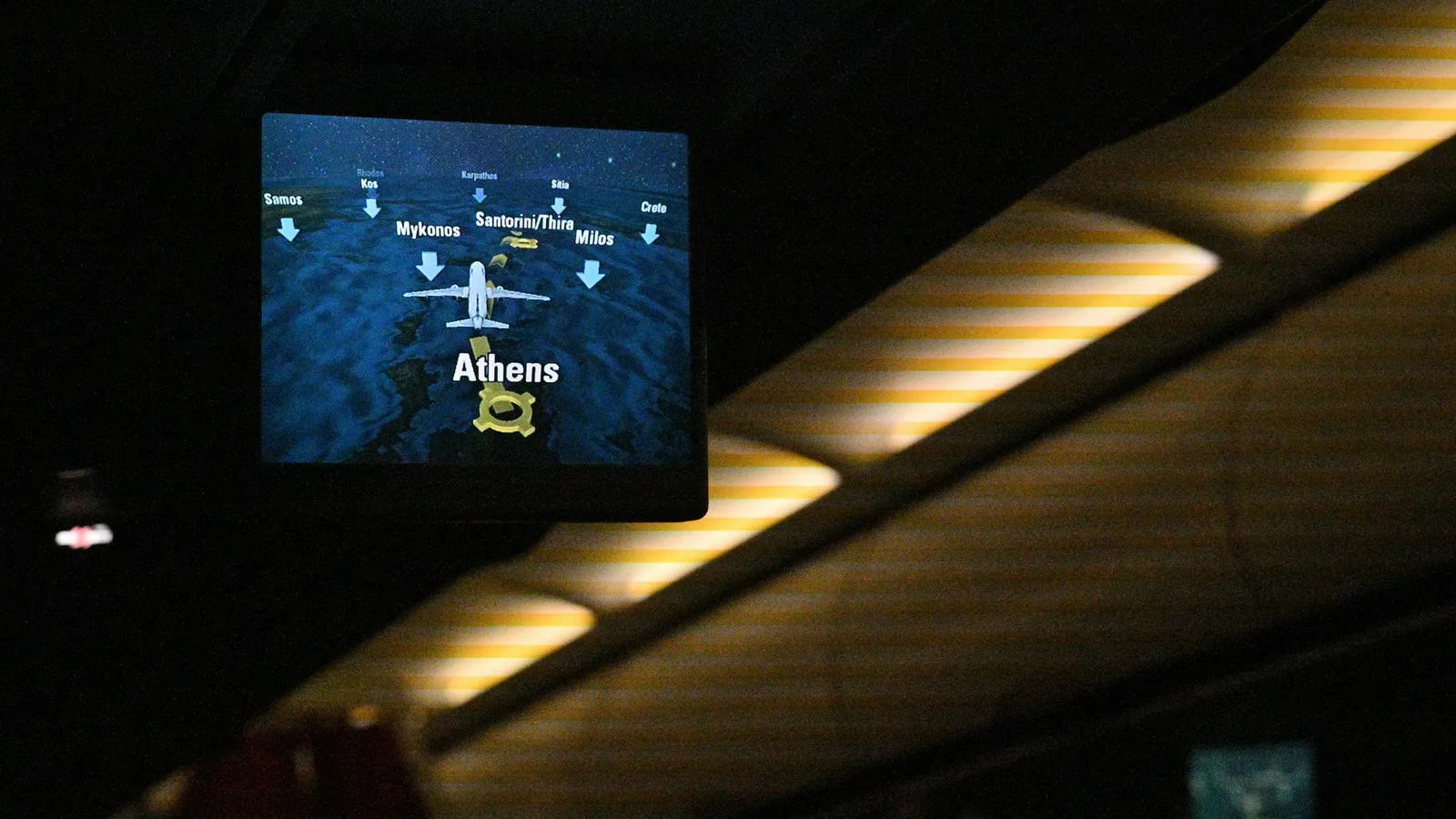
Island Hopping Route Planning
Plan efficient island-hopping routes across Thailand, Philippines, Indonesia, and Greece with ferry schedules, monsoon timing, and per-island budgets.
Read article →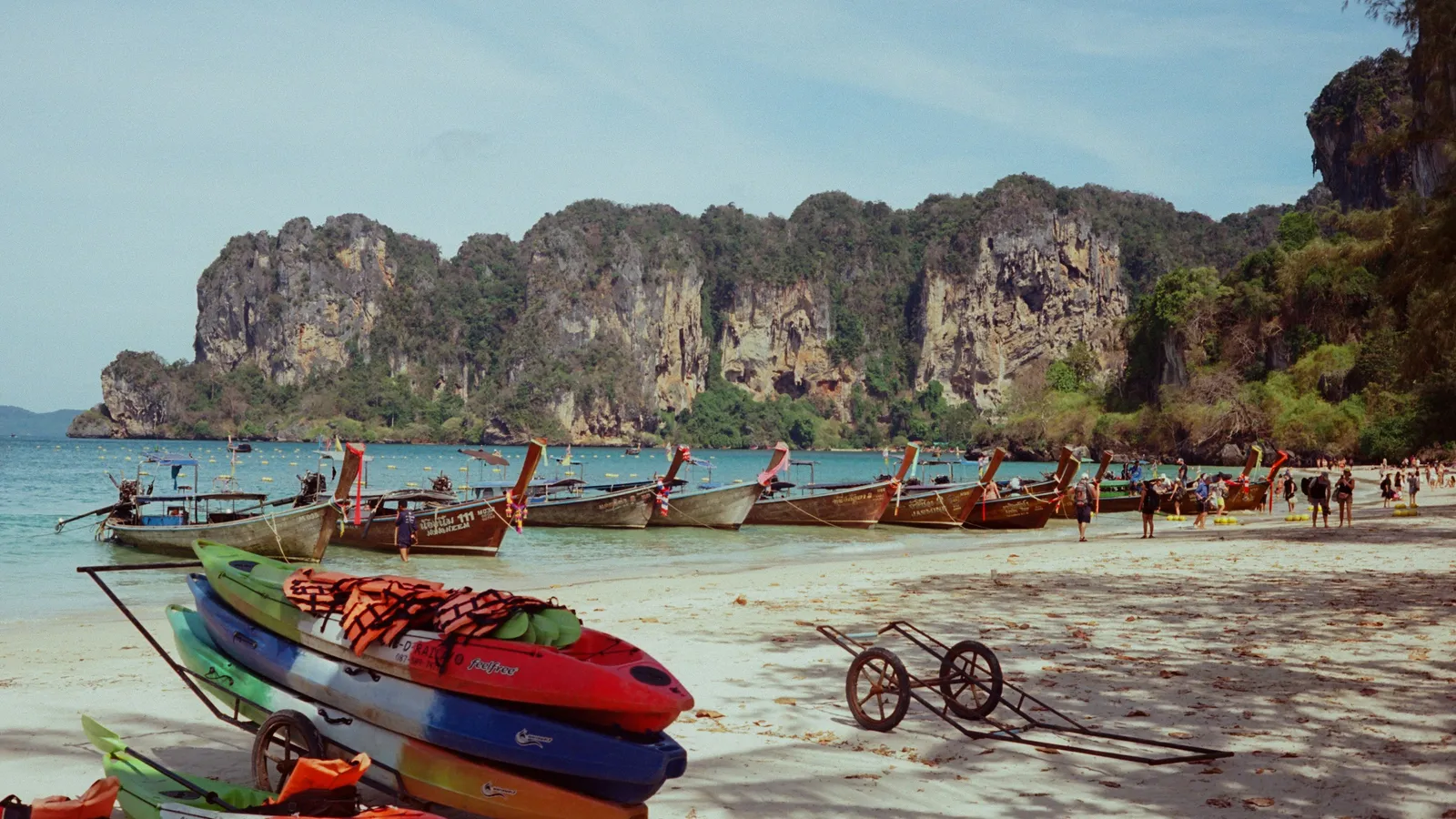
Your First Month in Southeast Asia
Plan your first 30 days in Southeast Asia with a tested itinerary covering Thailand, Cambodia, and Vietnam without rushing or overspending.
Read article →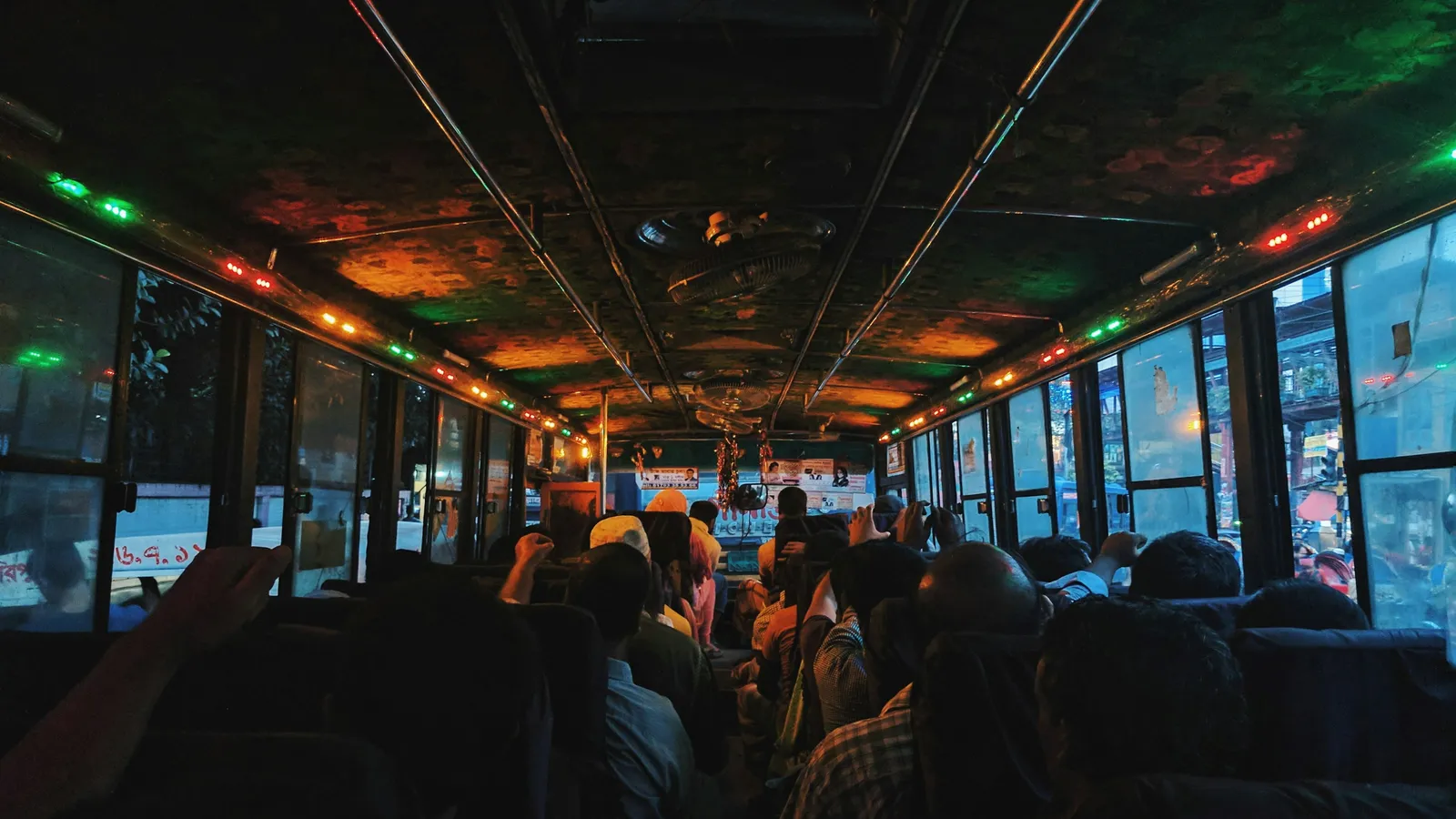
Night Bus Survival Guide
Survive overnight buses across Southeast Asia and South America with tested strategies for sleep, security, and arriving functional.
Read article →Heading to Mount Rinjani?
Find trekking partners, share guide costs, and conquer Rinjani together with fellow adventurers on roammate.


To customise this itinerary to your travel style, pace, and budget — download the roammate app to tailor it to your preferences.
Find travel companions in Mount Rinjani →