Mount Kinabalu
Southeast Asia's highest peak at 4,095m — a 2-day climb through cloud forest to a granite summit with sunrise above the clouds of Borneo.
1 day in Mount Kinabalu
Only got 24 hours? Here's how to experience the best of Mount Kinabalu in a single action-packed day.
Mount Kinabalu Highlights
Exploring Mount Kinabalu
Begin your day at Mount Kinabalu early to beat the crowds and catch the best light. The trail is most atmospheric in the morning when the air is cool and the landscape catches the first golden rays. Take time to explore the main highlights and capture photographs in the soft morning light. This is the most rewarding time to visit.
The Trail Continues
Spend the afternoon exploring further afield. Follow the trails deeper into the landscape for more secluded viewpoints and quieter corners. Grab lunch at a local eatery for authentic flavours and budget-friendly prices.
Mountain Sunset
End the day watching the alpenglow light up the peaks. The evening light at Mount Kinabalu is spectacular and worth waiting for. Find a local restaurant for dinner — street food stalls with incredible variety.
3 days in Mount Kinabalu
A carefully curated route mixing iconic landmarks, hidden gems, street food, culture, and adventure — designed for younger travelers.
Timpohon Gate to Laban Rata — Cloud Forest Ascent
Timpohon Gate & Lower Cloud Forest Trail
Register at Timpohon Gate (1,866m) at the park's mountain headquarters and begin the ascent through Kinabalu's extraordinary cloud forest. The trail climbs through stands of pitcher plants, rhododendrons, and mossy oaks alive with hornbills and mountain birds. The first 2km are the steepest — pace yourself carefully. Rest shelters appear every kilometre with water and toilets. The forest canopy grows stranger and more beautiful with every 100 metres gained.
Above the Treeline & Layang-Layang Stop
Pass Layang-Layang staff quarters at 2,621m where the forest thins and granite outcrops appear. The vegetation shifts dramatically — you're in sub-alpine scrub now, with dwarf rhododendrons and sedge meadows. Weather on Kinabalu changes fast; afternoon cloud typically rolls in and temperatures drop. Arrive at Laban Rata Resthouse at 3,272m in the early afternoon, eat a hot lunch, and rest completely until the 2am wake-up call.
Laban Rata Acclimatisation Evening
Stay inside Laban Rata after dinner — winds and cold above 3,000m make the exposed boardwalks dangerous at night. Use the evening to lay out all your summit gear: headlamp with fresh batteries, gloves, thermal layers, waterproofs, and energy snacks. The resthouse provides dinner and breakfast; eat everything even if you're not hungry. Altitude typically kills appetite but your body needs fuel for the 3am push to the summit.
Low's Peak Summit & Kinabalu Park Exploration
Pre-Dawn Summit Push to Low's Peak (4,095m)
Wake at 2am, breakfast by 2:30am, and begin the final push from Laban Rata in darkness. The trail becomes exposed granite slabs — ropes fixed into the rock guide climbers in the pitch black. Temperature plummets to near zero. The Sayat-Sayat Checkpoint at 3,668m marks the final control point. From there it's 1.5km of steep slab to Low's Peak at 4,095m — reached at dawn. The Borneo jungle stretches to the South China Sea far below you.
Descent & Mountain Garden Visit
Descend from the summit back to Timpohon Gate — knees and quads take a beating on the steep granite slabs. Collect your official summit certificate at park HQ then visit the Kinabalu Mountain Garden at park headquarters, a beautifully maintained collection of Bornean orchids, pitcher plants, and highland flora. It's the best place to photograph pitcher plants up close without scrambling off-trail.
Kundasang Village & Sabah Hot Springs
Soak aching muscles at the Poring Hot Springs, 43km from park headquarters in a jungle setting — sulphurous geothermal water piped into open-air tubs surrounded by forest. The adjacent Poring canopy walkway offers a dusk bird-spotting opportunity for hornbills and sunbirds. Stay the night in Kundasang village — small guesthouses with mountain views and excellent Sabahan food, far cheaper than park lodges.
Mesilau Trail & Kota Belud Market
Mesilau Nature Resort & Alternative Trail
The Mesilau Trail is Kinabalu's quieter, less-trodden alternative to the Timpohon route — longer (10.5km vs 8.72km) but richer in biodiversity, traversing primary forest with more orchid and pitcher plant diversity. Day hikers can explore the lower 3–4km from Mesilau Nature Resort without summit permits. The morning mist in the forest here is atmospheric and the birdlife — including mountain blackbirds and chestnut-capped laughingthrushes — is excellent.
Kota Belud Sunday Tamu Market
If departing on a Sunday, the Kota Belud tamu (weekly market) 70km from Kinabalu Park is one of Sabah's most authentic rural markets. Bajau horsemen from the surrounding hills bring produce, livestock, and handcrafts. The market runs from 6am until mid-afternoon — pick up local honey, dried fish, woven mats, and fresh jungle vegetables at village prices. Bajau silversmiths sometimes sell traditional belt buckles and betelnut containers.
Kota Kinabalu Waterfront & Farewell Seafood
Return to Kota Kinabalu city in the late afternoon and head to the Filipino Market on the waterfront for a self-cooked seafood dinner — choose raw prawns, grouper, and shellfish from ice-packed stalls, then hand them to the adjacent grill stalls for immediate cooking. Prices are fixed and fair. The KK waterfront at sunset offers a spectacular view over the Tunku Abdul Rahman island group silhouetted against the South China Sea.
Budget tips
Book ahead online
Tickets and tours booked online are often 10-30% cheaper than walk-in prices. Many attractions sell out in peak season — advance booking guarantees entry and saves money.
Visit in shoulder season
Shoulder months (just before or after peak season) offer better prices on accommodation and flights with similar weather and fewer crowds. Mar – May is peak.
Stay nearby, not at the gate
Accommodation directly at the attraction charges a premium. Staying 10-20 minutes away can save 30-50% on nightly rates. Use public transport or a rental car to bridge the gap.
Pack your own lunch
Tourist-area restaurants charge inflated prices. Pack sandwiches, snacks, and a refillable water bottle to save $15-30 per day on food. Buy supplies at local supermarkets or markets.
Free walking tours & guides
Many areas offer free or tip-based guided walks that are better than paid tours. Local guides provide insider knowledge and support the community. Check online for options.
Use local transport
Taxis and private transfers are the most expensive option. Local buses, shared minivans, or ride-sharing are 50-80% cheaper and give you a more authentic experience.
Budget breakdown
Daily costs per person in US dollars. Mount Kinabalu trekking costs vary widely depending on whether you hire a guide, porter, and which route you choose — these ranges cover the spectrum from budget backpacker to comfortable mid-range.
| 🎒 Budget | ✨ Mid-Range | 💎 Splurge | |
|---|---|---|---|
| Accommodation Hostels → guesthouses → boutique lodges | $10–25 | $30–60 | $80+ |
| Food Street food → local restaurants → fine dining | $5–15 | $15–30 | $40+ |
| Transport Public buses → shared transfers → private car | $5–15 | $15–40 | $50+ |
| Activities Self-guided → group tours → private guides | $5–20 | $20–60 | $80+ |
| Entry Fees Combined tickets save money | $5–15 | $15–30 | $30–50 |
| Daily Total Budget backpacker → comfortable mid → luxury | $30–90 | $95–220 | $250+ |
Practical info
Entry & Visas
- Visa-free 90 days
- Keep a digital and physical copy of your passport, visa, and travel insurance at all times
- Entry fees for Mount Kinabalu should be paid in MYR — exchange money before arriving
Health & Safety
- Travel insurance with medical evacuation coverage is essential
- Bring a basic first aid kit with blister plasters, antiseptic, painkillers, and any personal medication
- Altitude sickness is a risk above 2,500m — acclimatise slowly and stay hydrated
Getting Around
- Scooter rental is cheap and popular but check insurance coverage
- Download offline maps before arriving — mobile data coverage can be patchy in remote areas
- Trails are usually well-marked but a local guide adds safety and insider knowledge
Connectivity
- Buy a local SIM card at the airport on arrival for affordable data — much cheaper than international roaming
- WiFi is available at most accommodation but signal quality varies. Download offline maps and guides before heading to remote areas
- Share your itinerary with someone at home and check in daily, especially for remote treks or island visits
Money
- Currency: MYR (Ringgit). Cards accepted in tourist areas, but carry cash for local vendors
- ATMs are available in towns and cities. Visa and Mastercard are most widely accepted
- Tip 10-15% at restaurants. Guides and porters appreciate tips — budget $5-10 per day per person
Packing Tips
- Sturdy hiking boots (broken in), moisture-wicking layers, and a quality rain jacket are essential
- A reusable water bottle, headlamp, and portable phone charger are essential for any outdoor adventure
- Quick-dry clothing is ideal — you can wash and wear repeatedly, reducing pack weight
Cultural tips
Mount Kinabalu is wild terrain that demands respect — approach with curiosity and respect, and you will be rewarded with one of the most memorable experiences of your travels.
Respect Local Customs
Remove shoes before entering temples or homes. Point with your whole hand, not a finger. The head is considered sacred — never touch anyone on the head.
Leave No Trace
Pack out all rubbish. Stay on marked trails and paths. Do not touch, feed, or disturb wildlife. The natural beauty of Mount Kinabalu depends on every visitor treating it with respect. Take only photos, leave only footprints.
Photography Etiquette
Ask permission before photographing locals, especially in indigenous or traditional communities. Many religious sites have photography restrictions — check signage and respect these rules. Drone regulations vary — check local laws before flying.
Language & Communication
Learn a few words in Malay — greetings, please, thank you, and numbers go a long way. English is limited outside tourist areas but a translation app helps bridge gaps.
Support Local Communities
Choose locally-owned guesthouses, restaurants, and guides over international chains. Buy handicrafts directly from artisans. Your spending has the most impact when it goes directly into the local economy rather than through large tour operators.
Pace & Patience
Things move at a different pace here — embrace it. Delays, diversions, and unexpected encounters are part of the adventure. Patience and flexibility will transform your experience.
Reading for Mount Kinabalu
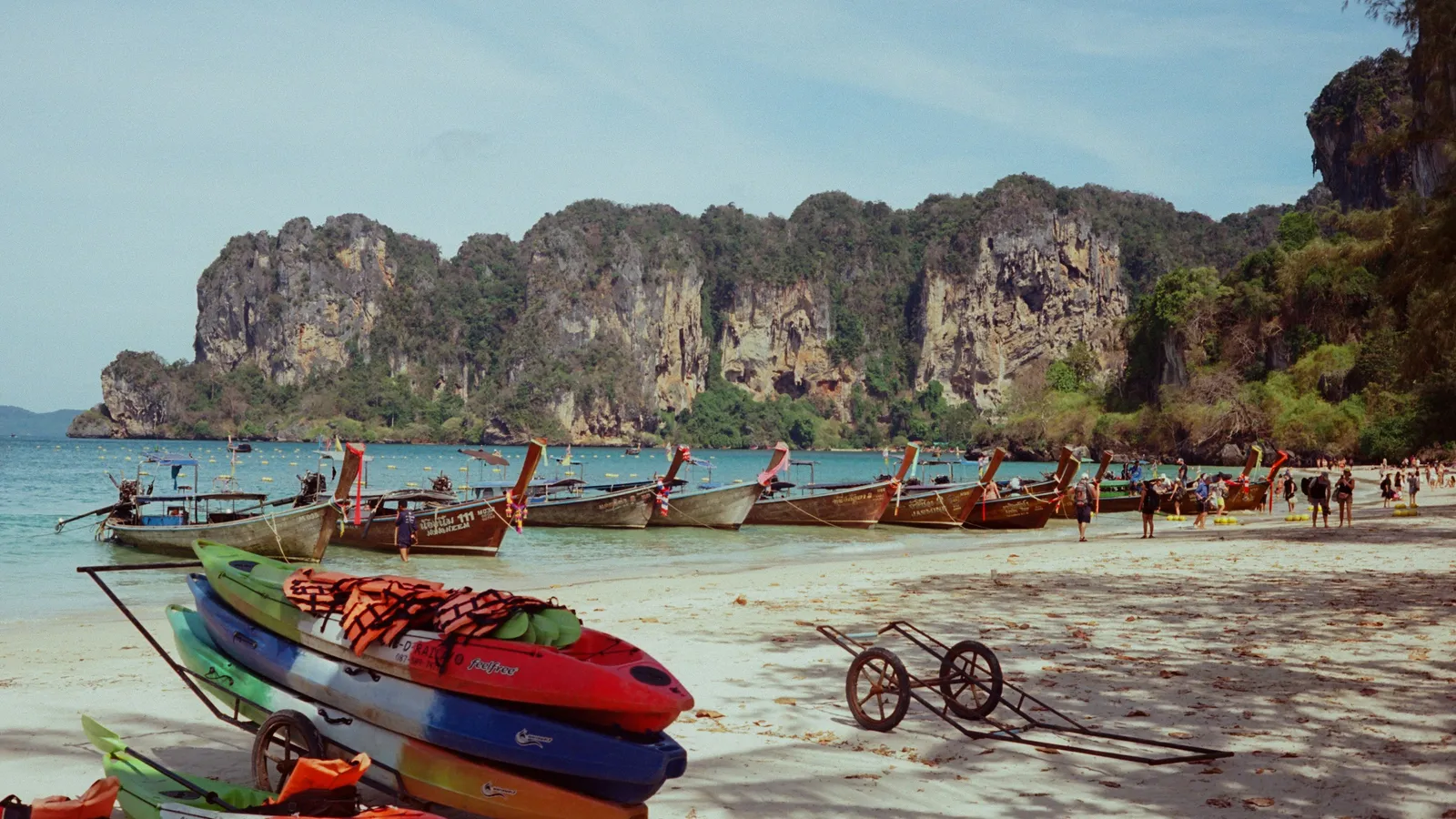
Your First Month in Southeast Asia
Plan your first 30 days in Southeast Asia with a tested itinerary covering Thailand, Cambodia, and Vietnam without rushing or overspending.
Read article →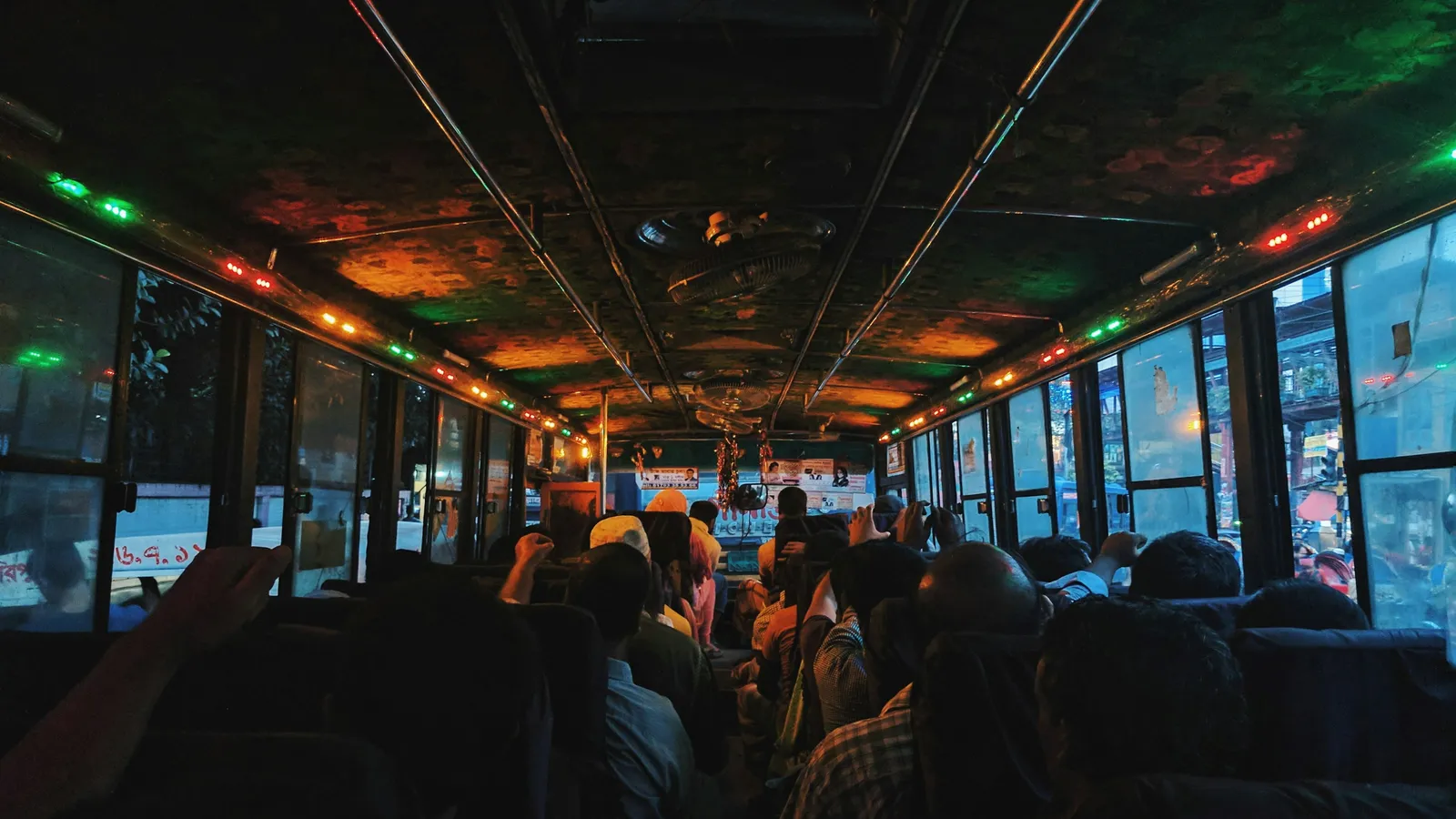
Night Bus Survival Guide
Survive overnight buses across Southeast Asia and South America with tested strategies for sleep, security, and arriving functional.
Read article →
Why Rainy Season Is Your Secret Advantage
Turn rainy season into a travel advantage with lower prices, fewer crowds, and lush landscapes across Southeast Asia and Central America.
Read article →Heading to Mount Kinabalu?
Find travel companions to explore Mount Kinabalu together on roammate — split costs, share adventures, and make lifelong friends.


To customise this itinerary to your travel style, pace, and budget — download the roammate app to tailor it to your preferences.
Find travel companions in Mount Kinabalu →