Komodo
Home to the world's largest lizard — Komodo dragons stalking volcanic islands surrounded by pristine coral reefs and pink sand beaches.
1 day in Komodo
Only got 24 hours? Here's how to experience the best of Komodo in a single action-packed day.
Komodo Highlights
Exploring Komodo
Begin your day at Komodo early to beat the crowds and catch the best light. The area is most atmospheric in the morning when the air is cool and the landscape catches the first golden rays. Take time to explore the main highlights and capture photographs in the soft morning light. This is the most rewarding time to visit.
Deeper Exploration
Spend the afternoon exploring further afield. Follow the trails deeper into the landscape for more secluded viewpoints and quieter corners. Grab lunch at a local eatery for authentic flavours and budget-friendly prices.
Labuan Bajo Waterfront Dinner
If you're on a liveaboard, dinner is served on deck as the boat anchors for the night — often freshly caught fish grilled by the crew. Day-trippers return to Labuan Bajo by late afternoon, where the waterfront is lined with seafood restaurants. Made in Italy, La Cucina, and the rooftop bars along Jalan Soekarno-Hatta serve excellent grilled fish, squid, and prawns with cold Bintang beers as the sun sets over the harbour.
3 days in Komodo
A carefully curated route mixing iconic landmarks, hidden gems, street food, culture, and adventure — designed for younger travelers.
Komodo Island — Dragon Trek & Padar Viewpoint
Padar Island Sunrise Viewpoint
Depart Labuan Bajo harbour by boat at 5am to reach Padar Island at sunrise — the hike up takes 20–30 minutes and rewards with one of Indonesia's most photographed views: three crescent bays of contrasting white, pink, and black sand framed by volcanic ridges. Almost no other boats arrive this early. The park entry fee is IDR 150,000 (~$10) and is checked at the ranger post. Bring a head torch for the pre-dawn ascent.
Komodo Island Ranger Trek — Dragon Encounter
Komodo Island is home to around 1,700 Komodo dragons — the world's largest living lizard at up to 3m long. The ranger-led trek (compulsory, around IDR 80,000 per person) covers the medium trail past the ranger station where dragons congregate near the kitchen, and into the dry savannah scrub where they roam freely. Dragons move faster than they look — stay behind the ranger and never approach one alone.
Sunset at Kalong Island — Flying Foxes
Kalong Island, just north of Rinca in Komodo National Park, hosts one of the largest flying fox colonies in the world. At sunset, hundreds of thousands of giant fruit bats pour out of the mangrove trees in a stream that lasts over 30 minutes — one of nature's great spectacles. Most liveaboard boats and day tours include this as a final stop. Watch from the boat deck as the sky darkens with wings.
Pink Beach, Rinca Island & Underwater Komodo
Pink Beach Snorkelling
Pink Beach — one of only seven pink sand beaches on Earth — gets its blush colour from red coral fragments mixed with white sand. Snorkelling directly off the beach reveals an extraordinary coral garden in just 2–5m of water, with sea turtles, reef sharks, giant Napoleon wrasse, and schools of pyramid butterflyfish. The beach is a 45-minute boat ride from Labuan Bajo. Snorkel gear rental from tour operators costs around IDR 50,000.
Rinca Island — Dragon Trek & Mangroves
Rinca Island has a higher density of Komodo dragons per square kilometre than Komodo itself — and fewer tourists. The short trek (~1.5 hours) passes through savannah and mangrove edges where dragons lurk near the coastal mudflats hunting deer and wild boar. Rinca also has wild horses, macaques, and water buffalo. The ranger station buildings themselves often have several dragons lounging in the shade underneath.
Manta Point Dive or Snorkel
Manta Point, off the south coast of Komodo Island, is one of Asia's most reliable spots for seeing oceanic and reef manta rays — they gather at the cleaning station year-round but peak April–June. Large mantas with 4m wingspans drift past in near-zero current sections while cleaner wrasse tend to their gills. Snorkellers can see them in 3–5m of water without needing a dive cert. Visibility is often 20–30m.
Crystal Bay, Kanawa Island & Departure
Crystal Rock & Castle Rock Dive Sites
Crystal Rock and Castle Rock, in the strait between Komodo and Rinca, are considered the best dive sites in Komodo National Park for sheer marine biomass. Strong currents bring cold, nutrient-rich water that feeds enormous aggregations of fish — giant trevally, dogtooth tuna, schooling barracuda, and frequent hammerhead shark sightings in the blue water above. These are drift dives requiring at least Advanced Open Water certification.
Kanawa Island — Pristine Reef & Beach
Kanawa Island, just outside the national park boundary near Labuan Bajo, is a small private island with a simple eco-resort and a house reef that rivals anything inside the park. Day visitors can snorkel the coral gardens directly off the white sand beach, spotting octopus, pipefish, and nudibranchs in the shallows. Kanawa feels like Komodo did 20 years ago — unhurried and barely visited. Day entry is IDR 50,000.
Labuan Bajo Waterfront & Departure Prep
Labuan Bajo's main street has improved dramatically with tourism growth — Jl Soekarno-Hatta along the waterfront has excellent seafood warungs where a grilled fish dinner with rice and vegetables costs IDR 50,000–80,000 ($3–5). Watch the fishing boats return to the harbour as the light fades over the islands. Book your onward flight or ferry the day before departure — Labuan Bajo airport has limited seats and sells out.
Budget tips
Book ahead online
Tickets and tours booked online are often 10-30% cheaper than walk-in prices. Many attractions sell out in peak season — advance booking guarantees entry and saves money.
Visit in shoulder season
Shoulder months (just before or after peak season) offer better prices on accommodation and flights with similar weather and fewer crowds. Apr – Jun is peak.
Stay nearby, not at the gate
Accommodation directly at the attraction charges a premium. Staying 10-20 minutes away can save 30-50% on nightly rates. Use public transport or a rental car to bridge the gap.
Pack your own lunch
Tourist-area restaurants charge inflated prices. Pack sandwiches, snacks, and a refillable water bottle to save $15-30 per day on food. Buy supplies at local supermarkets or markets.
Free walking tours & guides
Many areas offer free or tip-based guided walks that are better than paid tours. Local guides provide insider knowledge and support the community. Check online for options.
Use local transport
Taxis and private transfers are the most expensive option. Local buses, shared minivans, or ride-sharing are 50-80% cheaper and give you a more authentic experience.
Budget breakdown
Daily costs per person in US dollars. Komodo costs depend on season, accommodation style, and activity choices — these ranges cover the spectrum from budget backpacker to comfortable mid-range.
| 🎒 Budget | ✨ Mid-Range | 💎 Splurge | |
|---|---|---|---|
| Accommodation Hostels → guesthouses → boutique lodges | $10–25 | $30–60 | $80+ |
| Food Street food → local restaurants → fine dining | $5–15 | $15–30 | $40+ |
| Transport Public buses → shared transfers → private car | $5–15 | $15–40 | $50+ |
| Activities Self-guided → group tours → private guides | $5–20 | $20–60 | $80+ |
| Entry Fees Combined tickets save money | $5–15 | $15–30 | $30–50 |
| Daily Total Budget backpacker → comfortable mid → luxury | $30–90 | $95–220 | $250+ |
Practical info
Entry & Visas
- Visa on arrival $35
- Keep a digital and physical copy of your passport, visa, and travel insurance at all times
- Entry fees for Komodo should be paid in IDR — exchange money before arriving
Health & Safety
- Travel insurance with medical evacuation coverage is essential
- Bring a basic first aid kit with blister plasters, antiseptic, painkillers, and any personal medication
- Sun protection is essential — apply SPF 50+ and reapply every 2 hours
Getting Around
- Scooter rental is cheap and popular but check insurance coverage
- Download offline maps before arriving — mobile data coverage can be patchy in remote areas
- Negotiate transport prices before departure or use metered taxis and ride-hailing apps
Connectivity
- Buy a local SIM card at the airport on arrival for affordable data — much cheaper than international roaming
- WiFi is available at most accommodation but signal quality varies. Download offline maps and guides before heading to remote areas
- Share your itinerary with someone at home and check in daily, especially for remote treks or island visits
Money
- Currency: IDR (Rupiah). Cards accepted in tourist areas, but carry cash for local vendors
- ATMs are available in towns and cities. Visa and Mastercard are most widely accepted
- Tip 10-15% at restaurants. Guides and porters appreciate tips — budget $5-10 per day per person
Packing Tips
- Comfortable walking shoes, layers for temperature changes, and a packable rain jacket
- A reusable water bottle, headlamp, and portable phone charger are essential for any outdoor adventure
- Quick-dry clothing is ideal — you can wash and wear repeatedly, reducing pack weight
Cultural tips
Komodo is a natural wonder — approach with curiosity and respect, and you will be rewarded with one of the most memorable experiences of your travels.
Respect Local Customs
Remove shoes before entering temples or homes. Point with your whole hand, not a finger. The head is considered sacred — never touch anyone on the head.
Leave No Trace
Pack out all rubbish. Stay on marked trails and paths. Do not touch, feed, or disturb wildlife. The natural beauty of Komodo depends on every visitor treating it with respect. Take only photos, leave only footprints.
Photography Etiquette
Ask permission before photographing locals, especially in indigenous or traditional communities. Many religious sites have photography restrictions — check signage and respect these rules. Drone regulations vary — check local laws before flying.
Language & Communication
Learn a few words in Indonesian — greetings, please, thank you, and numbers go a long way. English is limited outside tourist areas but a translation app helps bridge gaps.
Support Local Communities
Choose locally-owned guesthouses, restaurants, and guides over international chains. Buy handicrafts directly from artisans. Your spending has the most impact when it goes directly into the local economy rather than through large tour operators.
Pace & Patience
Things move at a different pace here — embrace it. Delays, diversions, and unexpected encounters are part of the adventure. Patience and flexibility will transform your experience.
Komodo is on these routes
Reading for Komodo
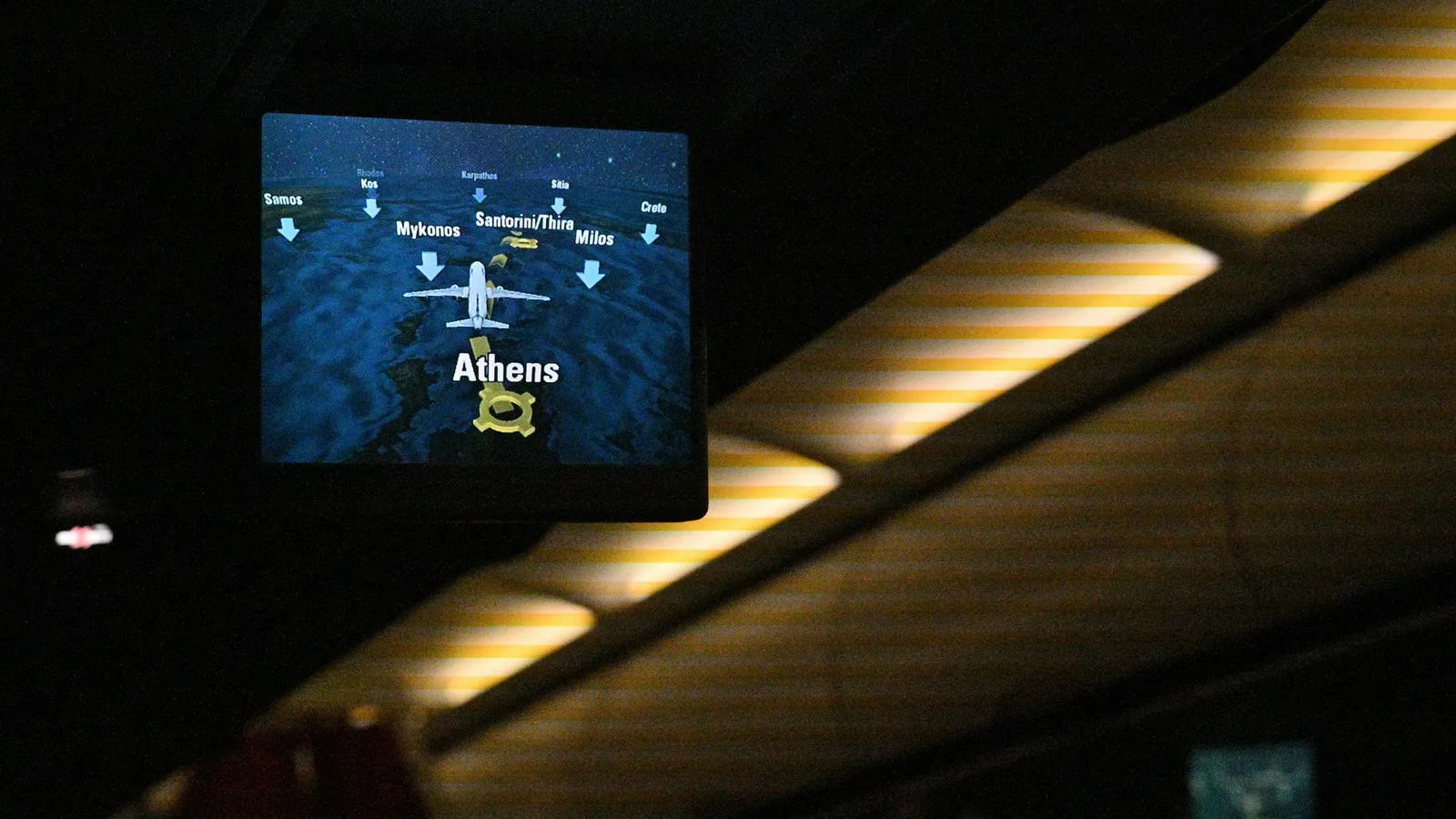
Island Hopping Route Planning
Plan efficient island-hopping routes across Thailand, Philippines, Indonesia, and Greece with ferry schedules, monsoon timing, and per-island budgets.
Read article →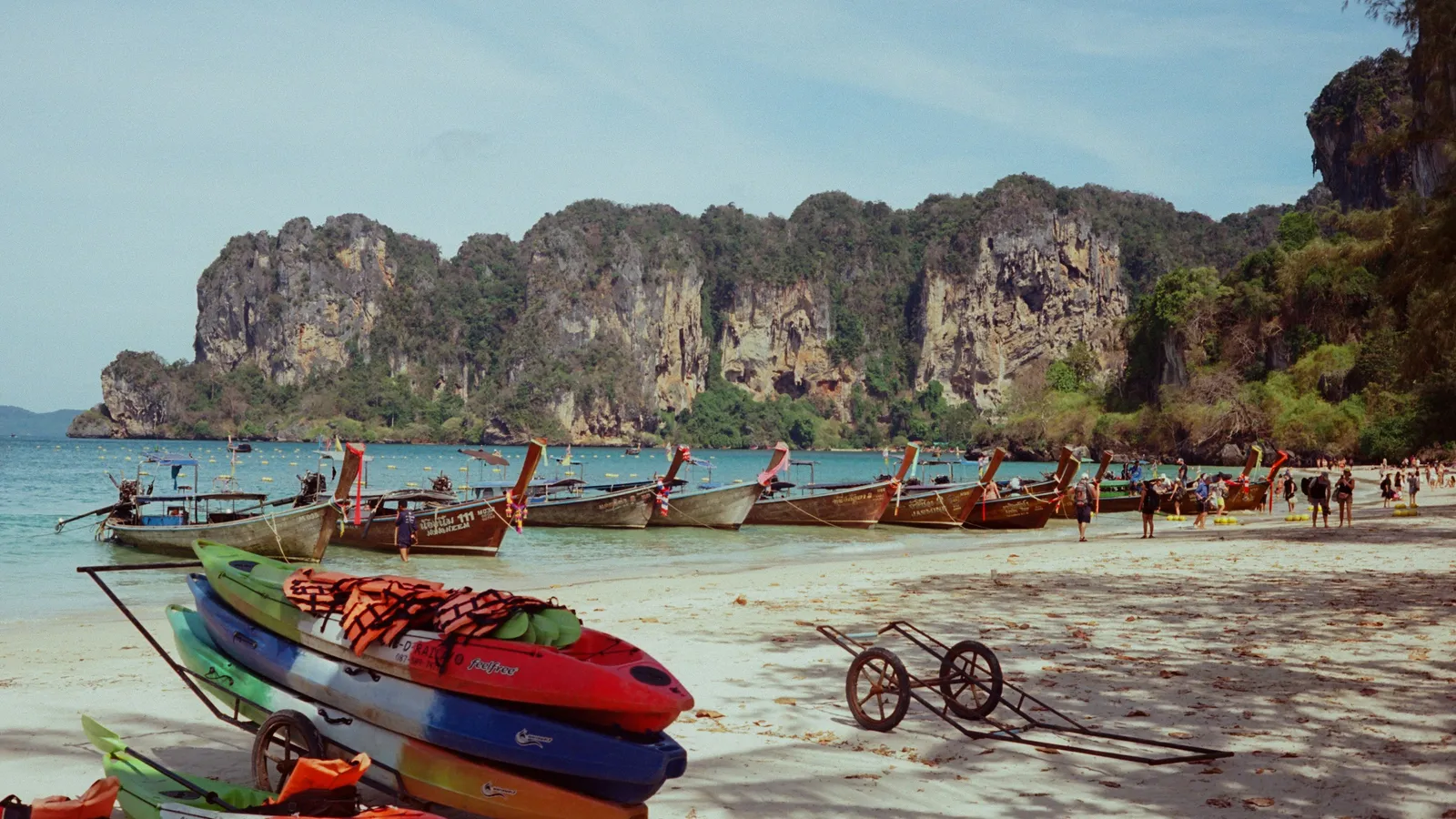
Your First Month in Southeast Asia
Plan your first 30 days in Southeast Asia with a tested itinerary covering Thailand, Cambodia, and Vietnam without rushing or overspending.
Read article →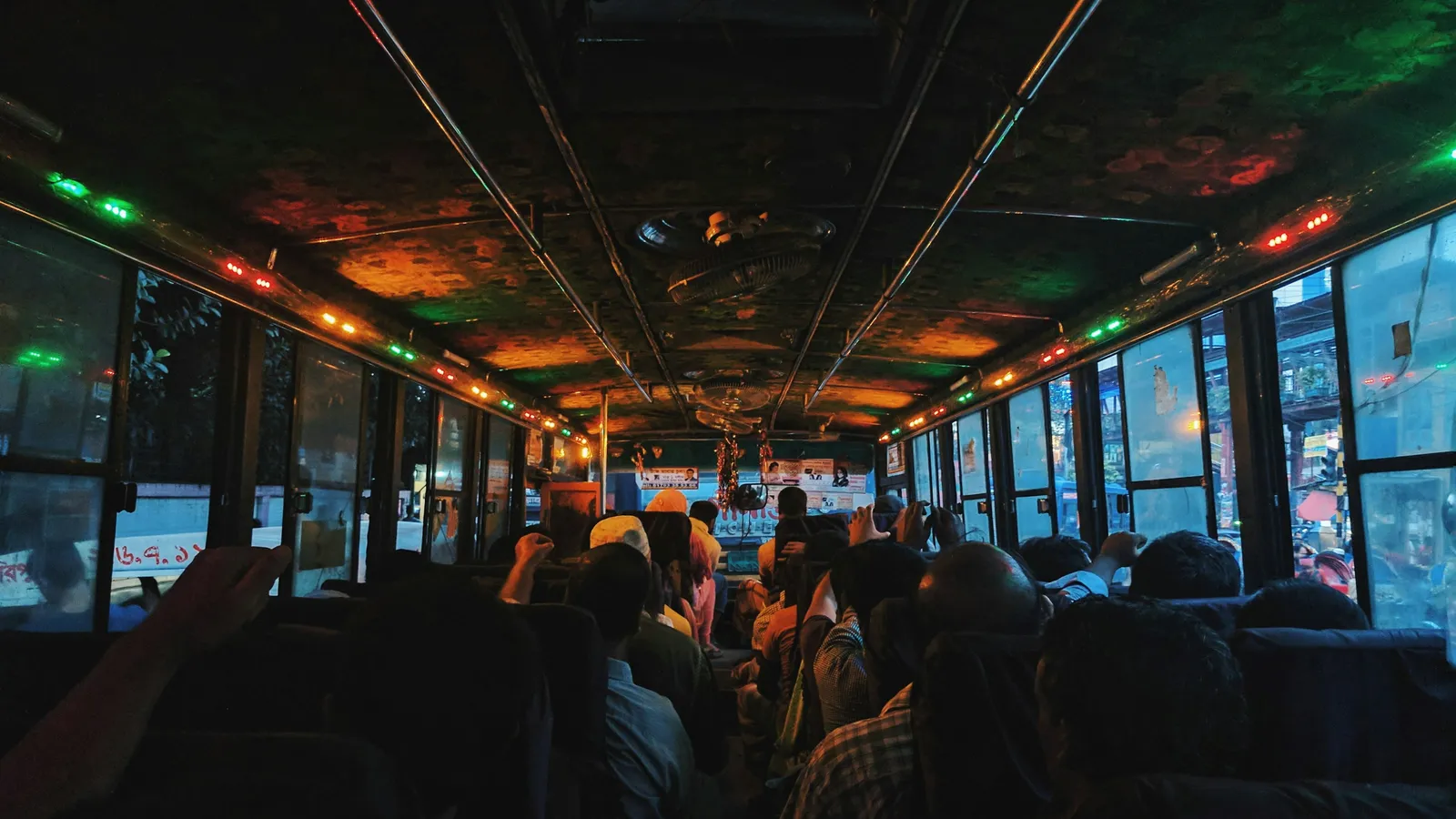
Night Bus Survival Guide
Survive overnight buses across Southeast Asia and South America with tested strategies for sleep, security, and arriving functional.
Read article →Heading to Komodo?
Find travel companions to explore Komodo together on roammate — split costs, share adventures, and make lifelong friends.


To customise this itinerary to your travel style, pace, and budget — download the roammate app to tailor it to your preferences.
Find travel companions in Komodo →