Gili Islands
Three car-free islands with crystal-clear water, sea turtles on every snorkel, and underwater sculptures — Indonesia's barefoot paradise.
1 day in Gili Islands
Only got 24 hours? Here's how to experience the best of Gili Islands in a single action-packed day.
Gili Islands Highlights
Gili Trawangan by Bicycle
Start your day cycling the flat 7km loop around Gili Trawangan — the largest and liveliest of the three Gili Islands. With no motorised vehicles on any of the Gilis, the only sounds are bicycle bells and horse-drawn cidomo carts. The east coast has the best snorkelling straight from the beach: wade in from the shore and you will find sea turtles grazing on seagrass beds within 50 metres. The north end of the island is quieter, with a hilltop viewpoint overlooking all three islands and the Lombok Strait.
Underwater Statues & Turtle Snorkelling
Take a glass-bottom boat or snorkel trip to the underwater sculpture garden (Nest) between Gili Meno and Gili Trawangan — 48 life-sized human figures arranged in a circle on the sandy seabed at 4–5 metres depth, now encrusted with coral and surrounded by fish. Continue to Turtle Point off Gili Meno's east coast where green and hawksbill sea turtles are reliably found feeding in the shallow seagrass. The visibility in the dry season is 15–25 metres and the water is bathtub-warm.
Sunset & Night Market
Watch the sunset from the west coast of Gili Trawangan — the beach bars between the main strip and the harbour set up beanbags on the sand and the sun drops behind Bali's Mount Agung silhouette across the strait. After dark, head to the Gili Trawangan Night Market near the harbour where local food stalls serve freshly grilled seafood, satay, nasi goreng, and martabak (stuffed savoury pancakes) at a fraction of restaurant prices. The market is the best budget eating on the island.
3 days in Gili Islands
A carefully curated route mixing iconic landmarks, hidden gems, street food, culture, and adventure — designed for younger travelers.
Gili Trawangan — Bikes, Beaches & Nightlife
Sunrise Snorkel & Island Loop
Wake early and snorkel straight from the east coast beach at sunrise — the water is calmest before 8am and green sea turtles are most active in the early morning, feeding on seagrass beds in water shallow enough to stand in. After snorkelling, rent a bicycle and ride the full 7km loop around Gili Trawangan. The north and west sides are quieter, with small beaches and rocky coves. Climb the short trail to the hilltop viewpoint for a panoramic view of all three Gili Islands, the Lombok Strait, and the volcanic peaks of Lombok and Bali on either side.
Scuba Diving or Freediving
Gili Trawangan is one of the cheapest places in the world to learn to dive. PADI Open Water courses cost $300–400 USD (3 days), and fun dives for certified divers start at $25–35 USD per dive. The dive sites around the islands feature sea turtles on virtually every dive, reef sharks, moray eels, and vibrant coral walls. For a different experience, try a freediving course — several schools offer SSI or AIDA certifications. The warm, calm water and 20-metre visibility make the Gilis an ideal learning environment.
Night Market & Party Night
Start the evening at the Gili Trawangan Night Market near the harbour — grilled barracuda, prawn satay, and fresh fruit juices at local prices. Gili Trawangan is the party island of the three Gilis, with different bars hosting party nights on a rotating schedule throughout the week. The main strip comes alive after 10pm with beach bars, reggae sessions, and fire dancers. The atmosphere is relaxed and international — backpackers from every continent gather here.
Gili Meno — Turtles, Statues & Silence
Underwater Sculpture Garden
Take the public boat from Gili Trawangan to Gili Meno (10 minutes, IDR 35,000) and head to the underwater sculpture garden off the west coast. The NEST installation features 48 life-sized human figures standing in a circle on the sandy seabed at 4 metres depth — now colonised by coral, sponges, and fish. Snorkel directly from the beach (the statues are 30 metres from shore) or freedive down for a closer look. The morning light filtering through the water illuminates the figures beautifully.
Turtle Point & Salt Lake
Walk or cycle to Turtle Point on Gili Meno's east coast — a shallow seagrass area where green sea turtles feed in groups of 5–15 animals at a time. The turtles are habituated to snorkellers and allow close approach if you move slowly and do not touch them. After snorkelling, walk inland to Gili Meno's salt lake (Danau Meno) — a small brackish lake surrounded by mangroves that attracts herons and other wading birds. Gili Meno has fewer than 500 permanent residents and no nightlife — the silence is the point.
Beachside Dinner on Gili Meno
Stay on Gili Meno for a quiet beachside dinner — the small restaurants on the east coast set up tables on the sand at sunset. Fresh grilled fish, Indonesian salads, and coconut water served under the stars with the sound of gentle waves. Gili Meno is the honeymoon island — couples come here for the tranquillity. Take the last boat back to Gili Trawangan at 5pm, or stay overnight in a beachfront bungalow for the full experience of the quietest Gili.
Gili Air — Yoga, Reef & Island Vibes
Gili Air Sunrise & Yoga
Take the early boat to Gili Air (15 minutes from Gili Trawangan) — the middle island in both geography and atmosphere. Gili Air has the best balance of the three: enough restaurants and bars to keep you entertained, but quiet enough to hear the ocean from anywhere on the island. Join a morning yoga class at one of the beachfront studios, then cycle the 5km loop around the island. The south coast has the best coral reef accessible from shore — wade in from the beach with a snorkel and you are immediately over healthy hard coral teeming with fish.
Reef Snorkelling & Beach Time
Spend the afternoon snorkelling the reef on Gili Air's south and east coasts. The reef drops off from shallow seagrass into a coral wall with excellent visibility — turtles, cuttlefish, lionfish, and reef octopus are regular sightings. Between snorkels, relax on the east coast beach where small cafes serve smoothie bowls, fresh juices, and Indonesian coffee. The water is calm and shallow enough for confident swimming, and the beach faces Lombok's volcanic mountains across the strait.
Farewell Sunset & Seafood BBQ
End your Gili Islands trip with sunset on Gili Air's west coast — the sun sets behind Gili Meno and Gili Trawangan with Bali's Mount Agung as the backdrop. Several beach restaurants set up seafood BBQ displays where you choose your fish, prawns, squid, or lobster and it is grilled to order with sambal and rice. The prices are lower than Gili Trawangan and the quality is often better. Catch the evening boat back to Bangsal harbour on Lombok, or take a fast boat direct to Bali the next morning.
Budget tips
Eat at the Night Market
The Gili Trawangan Night Market near the harbour serves full meals for IDR 25,000–50,000 — grilled fish, nasi goreng, and fresh juices at a fraction of restaurant prices. Open nightly from 6pm.
Snorkel from shore
The best snorkelling on all three islands is free — just wade in from the east coast beaches. Sea turtles and coral reefs are accessible directly from shore without paying for a boat trip.
Island-hop by public boat
Public boats between the three Gili Islands cost IDR 35,000 per hop — far cheaper than private charters. They run roughly every 30 minutes during daylight hours from each island's main harbour.
Bring cash from the mainland
ATMs on Gili Trawangan charge high fees (IDR 30,000–50,000 per withdrawal) and frequently run out of cash. Withdraw enough Indonesian Rupiah in Bali or Lombok before crossing.
Stay on Gili Air for value
Gili Air has the best accommodation value of the three islands — clean guesthouses from IDR 100,000 per night. Gili Trawangan is 30–50% more expensive for equivalent quality.
Compare dive shop prices
PADI Open Water courses range from $300–450 USD between shops. The cheapest is not always the best — check group sizes, equipment quality, and recent reviews before booking.
Budget breakdown
Daily costs per person in US dollars. The Gili Islands are affordable by Southeast Asian standards — budget travellers can live well on very little, especially on Gili Air. Bring cash from the mainland.
| 🎒 Budget | ✨ Mid-Range | 💎 Splurge | |
|---|---|---|---|
| Accommodation Dorms → bungalows → beachfront villas | $7–18 | $20–55 | $80+ |
| Food Night Market → beach cafes → seafood BBQ | $5–10 | $10–25 | $30+ |
| Transport Bicycle → public boat → private charter | $2–5 | $5–15 | $25+ |
| Activities Shore snorkel → boat trip → scuba diving | $5–15 | $25–50 | $60+ |
| Boat Transfer Public boat → shared fast boat → private speedboat | $10–15 | $20–35 | $50+ |
| Daily Total Budget backpacker → comfortable mid → luxury beachfront | $20–50 | $55–140 | $200+ |
Practical info
Entry & Visas
- Visa on Arrival for most nationalities — 30 days, $35 USD, extendable once at immigration in Bali or Lombok
- No separate entry requirement for the Gili Islands — they are part of Lombok (West Nusa Tenggara province)
- Keep copies of your passport and visa — the originals stay safer at your accommodation
Health & Safety
- No hospital on any Gili island — serious injuries require evacuation to Lombok (30 minutes) or Bali (2 hours). Travel insurance with medical evacuation is essential
- Drink only bottled or filtered water. Most guesthouses provide free refill stations — bring a reusable bottle
- Mosquitoes carry dengue — use repellent at dawn and dusk, and sleep under a net if your room does not have air conditioning
Getting Around
- No motorised vehicles on any Gili island — transport is by bicycle, walking, or horse-drawn cidomo cart
- Bicycles rent for IDR 50,000 per day. The islands are flat and small — Gili Trawangan takes 45 minutes to cycle around
- Fast boats from Bali (Padangbai or Serangan) take 1.5–2.5 hours. Public boats from Bangsal harbour on Lombok take 30 minutes
Connectivity
- Mobile signal is available on all three islands but can be slow — Telkomsel has the best coverage
- WiFi at guesthouses and cafes is generally functional but not fast. Download offline content before arriving
- Power cuts occasionally occur — bring a portable charger for your phone
Money
- Currency: IDR (Indonesian Rupiah). ATMs available on Gili Trawangan only — bring cash from the mainland as backup
- Some restaurants and dive shops accept cards but charge a 3% surcharge. Cash is king for small purchases
- Tipping is not required but appreciated — IDR 10,000–20,000 for good service at restaurants, more for dive instructors
Packing Tips
- Reef shoes for rocky beach entries, a good snorkel mask, and reef-safe sunscreen are the essentials
- Pack light — you carry your own bag from the boat to your accommodation. Wheels do not work on sand paths
- A waterproof phone pouch (IDR 20,000 from any beach shop) is invaluable for snorkelling photos and turtle selfies
Cultural tips
The Gili Islands are a fragile marine ecosystem on Sasak Muslim land — respect both the ocean and the culture, and you will experience one of Indonesia's most magical corners.
Respect the Sasak Culture
The Gili Islands are part of Lombok, home to the Muslim Sasak people. Dress modestly when away from the beach — cover shoulders and knees in villages. Be aware of prayer times and keep noise levels respectful.
Protect Marine Life
Do not touch, stand on, or break coral. Never touch, ride, or chase sea turtles — it is illegal and causes them serious stress. Use reef-safe sunscreen only. The Gili Islands are a marine protected area and enforcement is increasing.
Photography Etiquette
Ask permission before photographing locals, especially Sasak fishermen and their families. Underwater photography is welcomed but never use flash near marine life — it disorients turtles and fish.
Language & Communication
English is widely spoken on Gili Trawangan. Learn basic Indonesian — terima kasih (thank you), tolong (please), tidak (no). Locals appreciate the effort and respond warmly to even a few words.
Support Local Communities
Buy from local warungs rather than Western-owned restaurants. Choose locally-owned guesthouses and dive shops that employ island residents. Participate in beach clean-ups organised by Gili Eco Trust if you have time.
Embrace Island Pace
Nothing runs on schedule on the Gilis — boats leave when they are full, food arrives when it is ready, and the concept of urgency does not exist. Relax into it and you will enjoy the islands far more.
Gili Islands is on these routes
Reading for Gili Islands
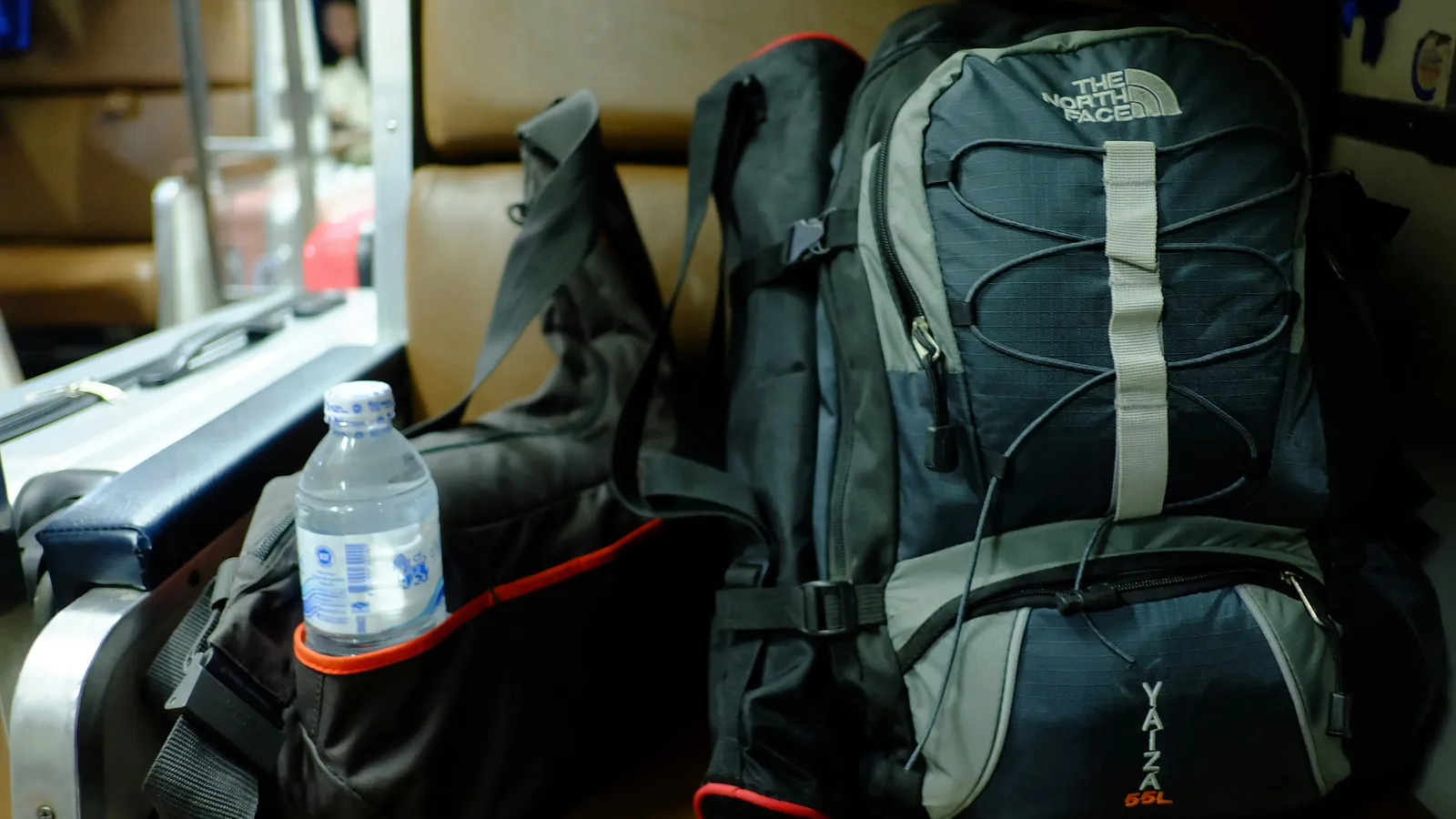
Dry Bags and Waterproof Essentials
Choose the right dry bag sizes, waterproof phone pouches, and rain protection for island hopping, monsoon travel, and protecting electronics on the road.
Read article →
Quick-Dry Towels and Travel Accessories
Compare microfiber and linen travel towels, pick the right size, and discover the small accessories that solve annoying hostel and laundry problems.
Read article →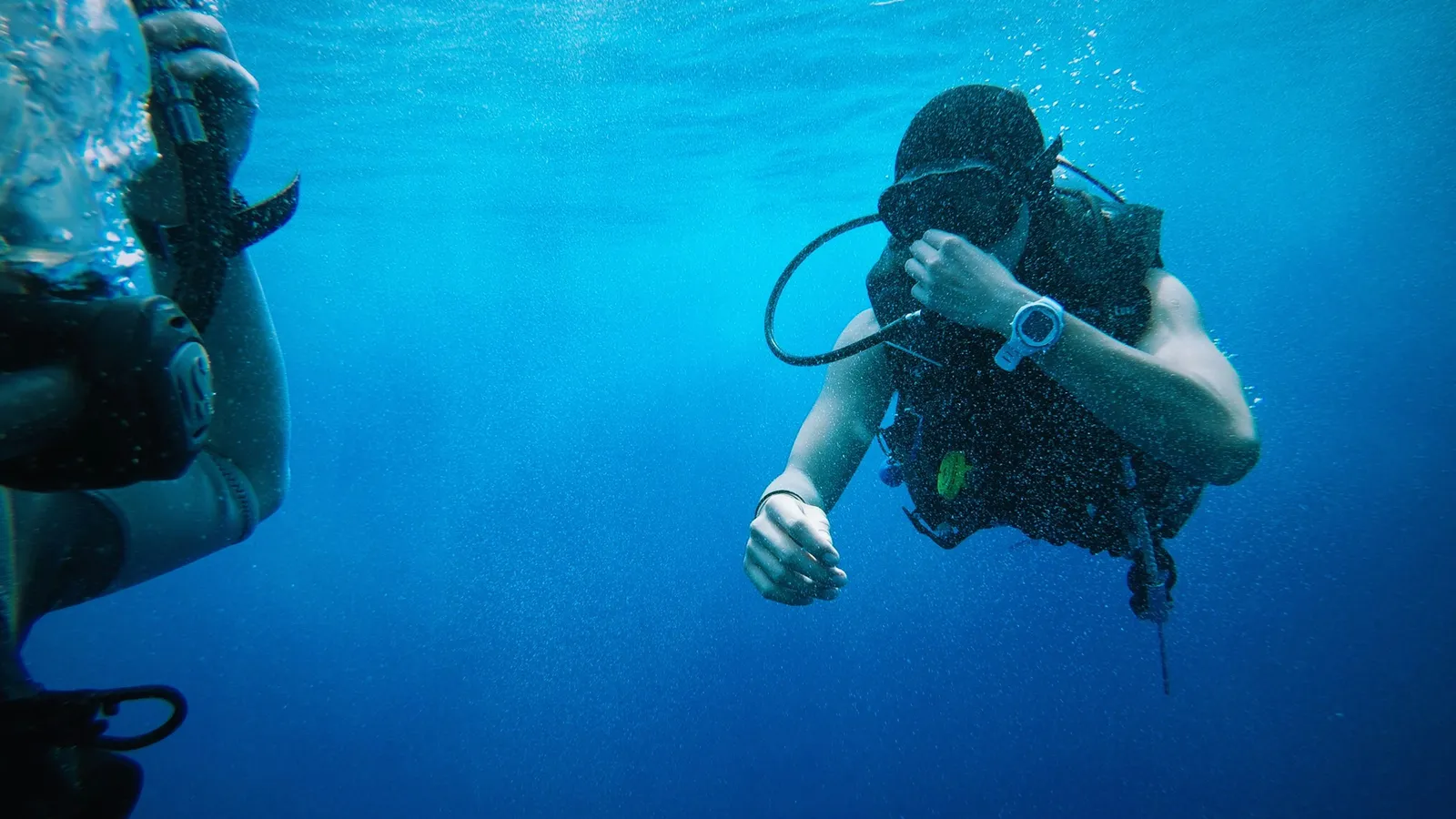
Integrating Scuba and Snorkeling Into Your Trip
Weave scuba diving and snorkeling into a backpacking itinerary with cost comparisons, certification timing, and the best value dive sites.
Read article →Heading to Gili Islands?
Find travel companions to explore the Gili Islands together on roammate — split dive costs, share island-hopping adventures, and make lifelong friends.


To customise this itinerary to your travel style, pace, and budget — download the roammate app to tailor it to your preferences.
Find travel companions in Gili Islands →