4000 Islands
The Mekong at its most magical — hammock life, rare dolphins, thundering waterfalls, and the slowest pace in Southeast Asia on Laos' legendary river islands.
1 day in 4000 Islands
Only got 24 hours? Here's how to experience the best of 4000 Islands in a single action-packed day.
4000 Islands Highlights
Don Det Island Exploration
Arrive at Don Det — the backpacker hub of the 4000 Islands — by boat from Nakasang on the mainland. The island is tiny, flat, and car-free, with a sandy path circling its perimeter through coconut groves and rice paddies. Rent a bicycle from your guesthouse (10,000 kip per day) and ride the full loop in about an hour, passing riverside bungalows, hammock-filled cafes, and the rusting remains of the old French colonial railway bridge that once connected Don Det to Don Khon. Stop for a fresh fruit shake at a riverside cafe and watch the Mekong flow past — wide, brown, and impossibly slow.
Don Khon & Li Phi Falls
Cross the old French railway bridge on foot or bicycle to Don Khon — the larger, more traditional island connected to Don Det by this colonial relic. Ride south through the village to Li Phi Falls (Somphamit Falls) — a powerful and dramatic series of rapids where the Mekong crashes through a maze of rock channels with tremendous force. The falls are particularly impressive during the transitional months when water levels are changing. A viewing platform overlooks the main cascade and the sound is thunderous. The surrounding forest is lush and shady, providing relief from the midday heat.
Sunset & Hammock Life
Return to Don Det's sunset side for the evening ritual that defines the 4000 Islands experience — watching the sun set over the Mekong from a hammock at a riverside bar. The sky turns from gold to orange to deep pink as the river reflects the colours back. Order a cold BeerLao (the national beer and one of Southeast Asia's best) and a plate of laap (spicy minced meat salad) or sticky rice with grilled fish. The pace of life here is legendarily slow — nothing happens in a hurry and nobody minds. This is the place where backpackers come to decompress completely.
3 days in 4000 Islands
A carefully curated route mixing iconic landmarks, hidden gems, street food, culture, and adventure — designed for younger travelers.
Don Det, Don Khon & Waterfalls
Arrive & Cycle Don Det
Arrive at Don Det by boat from Nakasang (the journey takes about 15 minutes across a channel of the Mekong). The island is small, flat, and entirely car-free — the only transport is bicycles and your own feet. Rent a bicycle from your guesthouse for 10,000 kip per day and ride the perimeter loop, passing through rice paddies, coconut groves, and clusters of riverside bungalows. Don Det has a wonderful laid-back atmosphere — hammocks hang from every tree, reggae drifts from open-air cafes, and cats sleep in the middle of the path. This is one of the slowest, most peaceful places in all of Southeast Asia.
French Railway Bridge & Li Phi Falls
Cycle across the old French railway bridge connecting Don Det to Don Khon — a rusting colonial relic from the 1920s when the French built a railway to bypass the Mekong rapids and transport goods between Laos and Cambodia. The bridge has been converted for pedestrian and bicycle use and the views from the middle are beautiful. Continue south through Don Khon village to Li Phi Falls (Somphamit Falls) — a thundering series of cascades where the Mekong forces its way through narrow rock channels with enormous power. The spray creates permanent rainbows in the sunlight and the roar is audible from several hundred metres away.
Mekong Sunset & BeerLao
Return to Don Det for sunset on the western riverbank — the defining daily ritual of the 4000 Islands. Find a hammock at one of the riverside bars, order a cold BeerLao (10,000-15,000 kip), and watch the sky turn gold over the Mekong. Dinner is simple but satisfying — grilled fish with sticky rice, laap (spicy minced meat salad), or tam mak hoong (Lao papaya salad) from any of the riverside restaurants. The food is cheap, fresh, and authentically Lao. After dinner, the bars play music and the conversation is easy — this is the kind of place where strangers become friends over a shared table.
Irrawaddy Dolphins & Khone Phapheng
Irrawaddy Dolphin Spotting
Take a morning boat trip from the southern tip of Don Khon to see the critically endangered Irrawaddy dolphins — a population of fewer than 100 freshwater dolphins that live in a deep pool of the Mekong near the Lao-Cambodian border. The boatman cuts the engine and you drift in silence, scanning the brown water for the distinctive rounded grey heads breaking the surface. Sightings are not guaranteed but experienced boatmen know the dolphins' favourite spots and patience is usually rewarded. Watching these rare creatures surface in the wide Mekong, surrounded by palm trees and rice paddies, is a profoundly moving wildlife experience.
Khone Phapheng Falls
Take a tuk-tuk from Nakasang on the mainland to Khone Phapheng Falls — the largest waterfall in Southeast Asia by volume and the reason the Mekong is not navigable between Laos and Cambodia. The falls stretch over 10 kilometres of the river, with the main cascade dropping through a chaotic maze of rock channels and islands with deafening force. A viewing platform and walkway follow the riverbank, giving you several perspectives on the massive curtain of white water. The falls are most impressive during and just after the wet season when the volume is at its peak, but they are dramatic year-round.
Tubing the Mekong
Return to Don Det for an afternoon of tubing — floating down the Mekong in a rubber inner tube with a cold beer in hand. Several guesthouses rent tubes for 10,000-20,000 kip and the standard route runs along the sunset side of Don Det, drifting past riverside bars where you can grab a drink without leaving the water. The current is gentle (but respect the river — stay away from deeper channels) and the experience of floating on the world's 12th longest river as the sun drops behind palm trees is pure bliss. End the evening at one of the island bars — the social scene is relaxed and welcoming.
Kayaking, Village Life & Departure
Kayaking Between the Islands
Rent a kayak from Don Det and paddle through the channels between the islands of Si Phan Don. The Mekong at this point splits into a vast network of channels, sandbars, and forested islets — the "4000 Islands" that give the area its name. During the dry season many of these channels are shallow and navigable by kayak, allowing you to explore tiny uninhabited islands, discover hidden sandbars, and paddle past traditional Lao fishing communities. The water is calm and the kayaking is easy — the views of the river stretching to the horizon with palm trees and rice paddies on every side are quintessentially Lao.
Don Khon Village & Temple
Spend your final afternoon exploring Don Khon village on foot — a traditional Lao community that moves at a pace even slower than Don Det. The village has a beautiful Buddhist temple with ornate wooden carvings and a peaceful courtyard where monks meditate in the shade. Walk along the eastern riverbank past family homes with vegetable gardens, chickens, and children playing in the dust. The old French colonial locomotive — a rusting engine from the railway era — sits under a shelter near the bridge as a monument to the colonial past. The village is a reminder that the 4000 Islands are home to real communities, not just backpacker bars.
Final Sunset & Onwards
Watch one last sunset from your favourite riverside hammock on Don Det. The 4000 Islands is the kind of place that is almost impossible to leave — the combination of natural beauty, absurd cheapness, and total absence of urgency makes it one of the most addictive stops on the Southeast Asia trail. Many backpackers plan to stay two nights and end up staying two weeks. When you finally tear yourself away, boats run from Don Det to Nakasang, from where buses connect to Pakse (3 hours), the Bolaven Plateau, or the Cambodian border crossing at Dong Kalor.
7 days in 4000 Islands
A full week to go deep — from famous landmarks to local neighbourhoods, day trips, hidden gems, and proper local immersion.
Arrival & Don Det Discovery
Arrive at Don Det
Arrive by bus from Pakse or the Cambodian border to Nakasang, then take the short boat crossing to Don Det island. The boat drops you at the northern tip where most of the guesthouses and restaurants are concentrated. Choose a riverside bungalow — wooden huts on stilts overlooking the Mekong start at around 40,000-80,000 kip ($2-4) per night. Rent a bicycle from your guesthouse and get your bearings with a gentle ride along the sunset side of the island, stopping at cafes and hammock bars.
Island Circuit by Bicycle
Cycle the full perimeter of Don Det — a flat, easy ride of about 8 kilometres on sandy paths through rice paddies, palm groves, and clusters of traditional Lao homes. The southern end of the island is quieter and more rural, with water buffalo grazing in the fields and fishermen casting nets from the riverbank. The path passes through thick stands of bamboo that create shady tunnels over the trail. Stop at the French railway bridge at the south end — a rusting iron span from the 1920s connecting Don Det to neighbouring Don Khon.
Sunset, BeerLao & River Life
Claim a hammock on the sunset side of Don Det and settle in for the evening. The Mekong here is wide and slow, and the sunset turns the entire western sky into a canvas of gold, orange, and purple reflected on the water's surface. Order a cold BeerLao ($0.75) and a plate of sticky rice with grilled river fish — the simplest and most satisfying meal in Laos. As darkness falls, the river becomes a mirror of stars and the only sounds are crickets, distant music, and the gentle lapping of water against the riverbank.
Don Khon & Li Phi Falls
French Railway Bridge & Don Khon
Cycle across the French railway bridge to Don Khon — the larger and more traditional of the two connected islands. The bridge was built in the 1920s as part of a short railway line designed to bypass the Mekong rapids, allowing French colonial traders to transport goods between southern Laos and Cambodia. Today the iron bridge carries bicycles and pedestrians, and the views from the middle — the Mekong splitting into channels around tiny palm-covered islands — perfectly capture the landscape of Si Phan Don. On the Don Khon side, a rusting French locomotive sits preserved under a shelter as a reminder of the colonial era.
Li Phi Falls & Swimming Pools
Continue south on Don Khon to Li Phi Falls (Somphamit Falls) — where the Mekong squeezes through a labyrinth of rock channels and cascades with tremendous force. The falls are particularly dramatic because they are not a single drop but a complex series of rapids spread across hundreds of metres. A walking trail follows the riverbank with several viewpoints offering different perspectives on the churning white water. Downstream from the main cascades, calm pools form where you can swim safely — ask a local to point out the safe swimming spots as the current can be deceptively strong closer to the falls.
Don Khon Village Evening
Rather than rushing back to Don Det, spend the early evening exploring Don Khon village at a walking pace. The village is a genuine Lao community — monks walk their evening rounds past wooden houses on stilts, children play in the dusty lanes, and families prepare dinner over charcoal fires. Visit the small Buddhist temple with its ornate painted facade and quiet courtyard. The village has a handful of simple restaurants serving authentic Lao food — or laap (spicy meat salad), tam mak hoong (papaya salad), and ping gai (grilled chicken). Cycle back to Don Det as the stars come out.
Irrawaddy Dolphins
Dolphin Spotting on the Mekong
Ride to the southern tip of Don Khon and board a small wooden boat for a morning dolphin-watching trip. The Irrawaddy dolphins of the Mekong are one of the rarest freshwater cetacean populations in the world — fewer than 100 individuals survive in this stretch of river near the Lao-Cambodian border. The boatman cuts the engine and you drift in the wide river, scanning the surface for the distinctive rounded grey heads breaking through. When one surfaces — a slow exhale, a curved back, a brief flash of grey — the effect is electrifying. These are prehistoric creatures in an ancient river, and the silence of the surrounding landscape makes the encounter deeply moving.
Southern Islands Exploration
After the dolphin trip, explore the southern channels and islands of Si Phan Don by bicycle and boat. The landscape here is wide-open Mekong — vast expanses of river, sandbars exposed in the dry season, and tiny forested islands that emerge from the water like green jewels. Some of these islands are inhabited by single families who farm and fish in isolation. The boatman can drop you on a sandbar in the middle of the river for a surreal experience — standing on a strip of sand with the Mekong flowing past on both sides and palm-lined islands all around you.
Riverside Cooking & Stargazing
Back on Don Det, find a riverside restaurant and order a Lao feast — sticky rice, laap, tam mak hoong, grilled fish, and a cold BeerLao. The total will run about 100,000-150,000 kip ($5-7) for two people — absurdly cheap for an excellent meal. After dinner, walk to the quieter southern end of the island away from the bar lights and look up. The 4000 Islands have almost no light pollution and the night sky is extraordinary — the Milky Way stretches across the full sky and shooting stars are common. Lie on the riverbank and stargaze while listening to the Mekong gurgle past.
Khone Phapheng & Mainland
Khone Phapheng Falls
Take a boat from Don Det to Nakasang on the mainland and arrange a tuk-tuk to Khone Phapheng Falls — the largest waterfall in Southeast Asia by volume. The Mekong drops through a massive series of cascades stretching over 10 kilometres, with the main viewpoint overlooking a thundering curtain of whitewater crashing over and between enormous boulders. The sound is deafening and the spray creates permanent mist and rainbows above the falls. A walking trail follows the riverbank through tropical forest with several viewpoints and a restaurant overlooking the main cascade.
Nakasang Market & Local Life
Before returning to the island, explore Nakasang town — the small mainland gateway to the 4000 Islands. The morning market (still active into the afternoon) is a window into rural Lao life: piles of fresh vegetables, live fish in plastic tubs, baskets of sticky rice, and fermented fish paste (padaek) in enormous jars. The atmosphere is friendly and unhurried — vendors will smile and offer you samples. Walk along the riverfront where boats of all sizes are tied up and fishermen repair their nets. Pick up any supplies you need as Nakasang has more shops than the islands.
Tubing & Sunset Session
Return to Don Det and spend the afternoon tubing the Mekong — floating in a rubber inner tube along the sunset side of the island with the slow current. Tubes cost 10,000-20,000 kip to rent and the float takes about 30-60 minutes depending on water levels and how many bar stops you make along the way. Several riverside bars are set up specifically for tubers — you can float up, grab a drink, and continue downstream. End the tube float in time for the sunset, then settle into a hammock for the evening ritual of BeerLao, river views, and the complete absence of hurry.
Kayaking & Hidden Channels
Kayaking the Mekong Channels
Rent a kayak from Don Det and spend the morning exploring the intricate network of channels, sandbars, and tiny islands that make up Si Phan Don. During the dry season, the Mekong drops dramatically, exposing sandbars and creating shallow channels that are perfect for kayak exploration. Paddle between small islands covered in palm trees and wild vegetation, pass through narrow channels where the river narrows to just a few metres wide, and discover hidden beaches on uninhabited islets. The birdlife is excellent — herons, kingfishers, cormorants, and eagles are all common along the waterways.
Fishing with Locals
Ask at your guesthouse about joining a local fisherman for an afternoon on the river. Fishing is the primary livelihood for the communities of Si Phan Don and the techniques are fascinating — cast nets thrown from narrow wooden boats, bamboo fish traps set in rapids, and handlines dropped into deep pools. Even if you catch nothing, the experience of sitting in a wooden boat on the Mekong with a Lao fisherman — communicating through gestures and smiles — is memorable. Some guesthouses can arrange this for 50,000-100,000 kip, with anything you catch cooked for dinner.
Night Market & Island Social
Don Det has a small evening food scene — several restaurants set up outdoor tables along the river path and serve Lao and international food at backpacker prices. Try the lao-lao (local rice whisky) at one of the bars — it is rough but authentic, and features in every gathering on the islands. The social scene is intimate and communal — at any given time you might be sharing a table with a German couple, an Australian solo traveller, and a Lao family. Everyone is relaxed, no one is in a rush, and the conversation flows as easily as the river.
Don Khon Deep Dive & Culture
Sunrise on the Mekong
Wake before dawn and walk to the eastern (sunrise) side of Don Det to watch the sun rise over the Mekong. The river at dawn is glassy and still, reflecting the orange sky in a perfect mirror. Fishermen are already out in their wooden boats, silhouetted against the rising sun as they cast their nets. It is one of the most peaceful and photogenic scenes in all of Southeast Asia. After sunrise, ride to Don Khon for a deeper exploration of the island — today you will go beyond the tourist trail to see the quieter southern reaches.
Don Khon South & Waterfall Trail
Cycle to the far southern end of Don Khon, past the main tourist path to Li Phi Falls, and explore the quieter trails that follow the river south. Here you will find small fishing communities, riverside temples, and viewpoints looking south towards Cambodia. The landscape is flat, open, and quintessentially Lao — rice paddies, palm trees, and the endless brown river. If you have time, the trail system east of Li Phi Falls leads to additional rapids and smaller cascades that receive almost no visitors. The cycling is easy and flat, and you will have the paths largely to yourself.
Sunset Meditation & Farewell Feast
Return to Don Det for one of your last sunsets over the Mekong. The 4000 Islands has a way of resetting your internal clock — after nearly a week you will notice that you have stopped checking the time, stopped scrolling your phone, and started actually seeing the world around you. Order a farewell feast at a riverside restaurant — laap, sticky rice, tam mak hoong, grilled Mekong fish, and a large BeerLao. The total will be less than $10 for two people. Sit in a hammock, listen to the river, and appreciate how rare it is to find a place this beautiful, this peaceful, and this cheap.
Final Morning & Departure
Final Sunrise & River Swim
Wake early for your last sunrise over the Mekong from Don Det's eastern shore. After a week on the islands, this routine — the golden light, the fishermen, the absolute stillness of the river at dawn — will feel like a meditation. Take a final swim in the Mekong from one of the safe swimming spots near the guesthouse area. The water is warm, the current is gentle close to shore, and there is something profoundly satisfying about swimming in one of the world's great rivers as the day begins. Pack your bags slowly — there is no need to rush.
Boat to Nakasang & Onward Travel
Take the boat from Don Det back to Nakasang on the mainland. The 4000 Islands is one of the hardest places in Southeast Asia to leave — the combination of natural beauty, rock-bottom prices, and total absence of stress creates a gravity that keeps pulling you back to the hammock. From Nakasang, minibuses run to Pakse (3 hours, 50,000-80,000 kip) for connections to Vientiane, Savannakhet, or the Bolaven Plateau. Alternatively, international buses cross the Cambodian border at Dong Kalor, continuing to Stung Treng and Phnom Penh.
Pakse or Onward Destination
If continuing to Pakse, arrive by mid-afternoon and explore this pleasant Mekong city — the gateway to the Bolaven Plateau coffee region, Wat Phu temple, and the 4000 Islands. The Dao Heuang Night Market along the river serves excellent local food and the French colonial architecture adds character. If crossing to Cambodia, the journey to Stung Treng takes about 3 hours and from there it is another 5-6 hours by bus to Phnom Penh. Wherever you go next, the pace will feel faster and louder — carry the 4000 Islands calm with you.
Budget tips
Riverside bungalows are dirt cheap
Wooden bungalows on stilts overlooking the Mekong cost 40,000-100,000 kip ($2-5) per night on Don Det. You are literally sleeping over the river for less than a coffee in Europe.
Eat Lao, not Western
A plate of sticky rice with laap or grilled fish costs 20,000-40,000 kip ($1-2). Western food (pancakes, burgers) costs three times as much and is never as good. Eat like a local and save.
Bicycle is king
Rent a bicycle for 10,000 kip per day ($0.50) — it is the only transport you need on the flat, car-free islands. Boat taxis between islands are the only other expense.
Bring cash from Pakse
Don Det has no ATMs and only a few places accept cards. Withdraw enough kip and USD in Pakse to cover your entire island stay — budget 300,000-500,000 kip ($15-25) per day.
Combine activities yourself
Guesthouse-arranged tours are convenient but marked up. Arrange dolphin boat trips directly with boatmen at the Don Khon southern dock and tuk-tuks to Khone Phapheng at Nakasang for significantly less.
Stay longer, spend less
Guesthouses offer discounts for multi-night stays — ask for a weekly rate. The longer you stay, the lower your daily average, and the 4000 Islands rewards extended visits more than almost anywhere.
Budget breakdown
Daily costs per person in US dollars. The 4000 Islands is one of Southeast Asia's cheapest destinations — budget backpackers can live on $15-25 per day, making it a paradise for long-term travellers.
| 🎒 Budget | ✨ Mid-Range | 💎 Splurge | |
|---|---|---|---|
| Accommodation River bungalows → fan rooms → AC guesthouses | $2–5 | $8–20 | $30+ |
| Food Street food → restaurants → resort dining | $3–6 | $6–12 | $15+ |
| Transport Bicycle → boat taxi → private boat | $0.50–2 | $3–5 | $8+ |
| Activities Self-guided cycling → dolphin trip → kayak tour | $3–5 | $5–10 | $15+ |
| Drinks BeerLao → cocktails → imported spirits | $1–3 | $3–5 | $8+ |
| Daily Total Budget backpacker → comfortable mid → luxury | $15–40 | $40–80 | $100+ |
Practical info
Entry & Visas
- Laos tourist visa: $30-42 on arrival depending on nationality — 30 days, extendable in Vientiane
- Bring a passport photo for visa on arrival — buying one at the border costs extra and causes delays
- The 4000 Islands are reached via Pakse by road (3 hours) or from Cambodia via the Dong Kalor border crossing
Health & Safety
- The islands have no hospital — serious injuries require transfer to Pakse (3 hours). Travel insurance with medical evacuation is essential
- Mosquitoes carry dengue and malaria — use repellent and sleep under a mosquito net. Most bungalows provide nets
- The Mekong has strong undercurrents — swim only in areas recommended by locals. Drownings occur when swimmers venture into the main channel
Getting Around
- Don Det and Don Khon are car-free — transport is by bicycle (10,000 kip/day) and walking
- Boat taxis connect the islands to Nakasang on the mainland (15,000-20,000 kip per person per trip)
- Tuk-tuks on the mainland connect Nakasang to Khone Phapheng Falls and the bus station
Connectivity
- Mobile signal is available on Don Det but patchy elsewhere — Unitel has the best Lao coverage
- WiFi exists at some guesthouses and cafes but is very slow — do not expect to work remotely
- Embrace the disconnection — the 4000 Islands are at their best when you put your phone away
Money
- Currency: LAK (Lao Kip). Thai baht and USD are widely accepted. Bring small denominations
- There are no ATMs on the islands — bring all the cash you need from Pakse. Budget 300,000-500,000 kip per day
- Tipping is not expected but appreciated — rounding up at restaurants is generous by local standards
Packing Tips
- Pack light — you will carry your bag onto and off boats. A small backpack is better than a large case
- Essential items: mosquito repellent, sunscreen, headlamp (power cuts are common), and a reusable water bottle
- Bring a light rain jacket even in the dry season — brief showers are possible year-round
Cultural tips
The 4000 Islands are home to traditional Lao communities who have lived on the Mekong for generations — approach with respect and patience, and the warmth of the local people will define your experience.
Buddhist Etiquette
Laos is a deeply Buddhist country. Remove shoes before entering temples and homes. Dress modestly (cover shoulders and knees) in villages and temple grounds. Women should never touch a monk or hand objects directly to them — place items on a cloth or table instead.
Protect the River Ecosystem
The Mekong and its islands are a fragile ecosystem supporting endangered dolphins and diverse wildlife. Do not litter — take all rubbish with you. Avoid using plastic bags and bottles where possible. The river is the lifeline for every community here.
Photography Respect
Ask permission before photographing local people, especially monks, children, and fishing families. In Sok San and Don Khon villages, be discreet with cameras — these are real homes, not tourist attractions. A sabaidee (hello) and a smile before the camera always helps.
Language & Communication
Basic Lao goes a long way — sabaidee (hello), khop chai (thank you), and bor pen nyang (no problem) will earn genuine smiles. English is limited outside tourist areas — a phrasebook or translation app is helpful.
Support Island Communities
Choose locally-owned bungalows and restaurants over foreign-owned businesses. Buy from local vendors at Nakasang market. The fishing and farming families of Si Phan Don depend on both the river and increasingly on tourism — directing your spending locally maximises positive impact.
Embrace the Pace
The 4000 Islands run on Lao time — which is to say, no time at all. Boats leave when they are full, food arrives when it is ready, and nothing happens according to a schedule. Fighting this rhythm guarantees frustration. Surrendering to it guarantees one of the best travel experiences of your life.
4000 Islands is on these routes
Reading for 4000 Islands
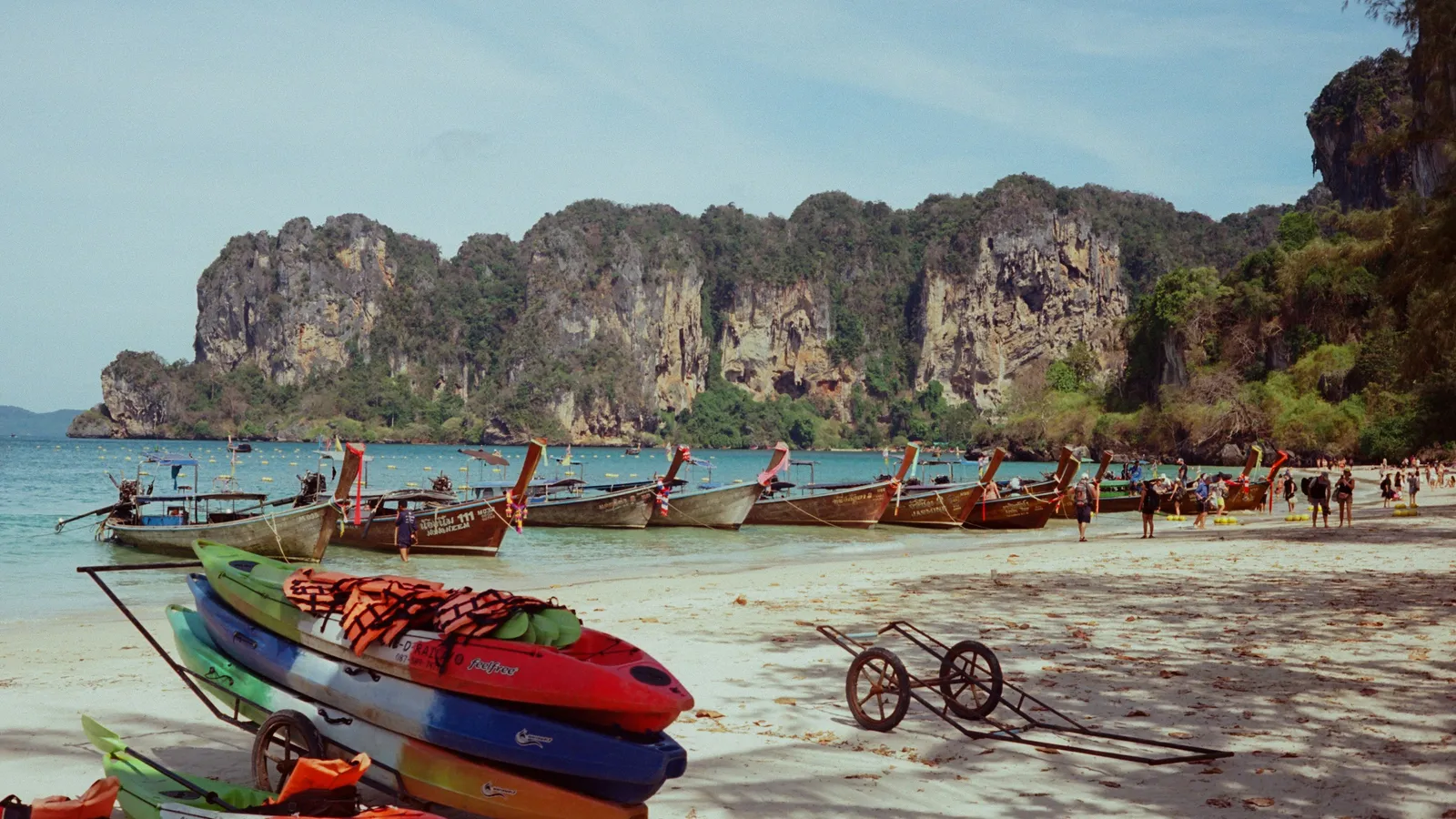
Your First Month in Southeast Asia
Plan your first 30 days in Southeast Asia with a tested itinerary covering Thailand, Cambodia, and Vietnam without rushing or overspending.
Read article →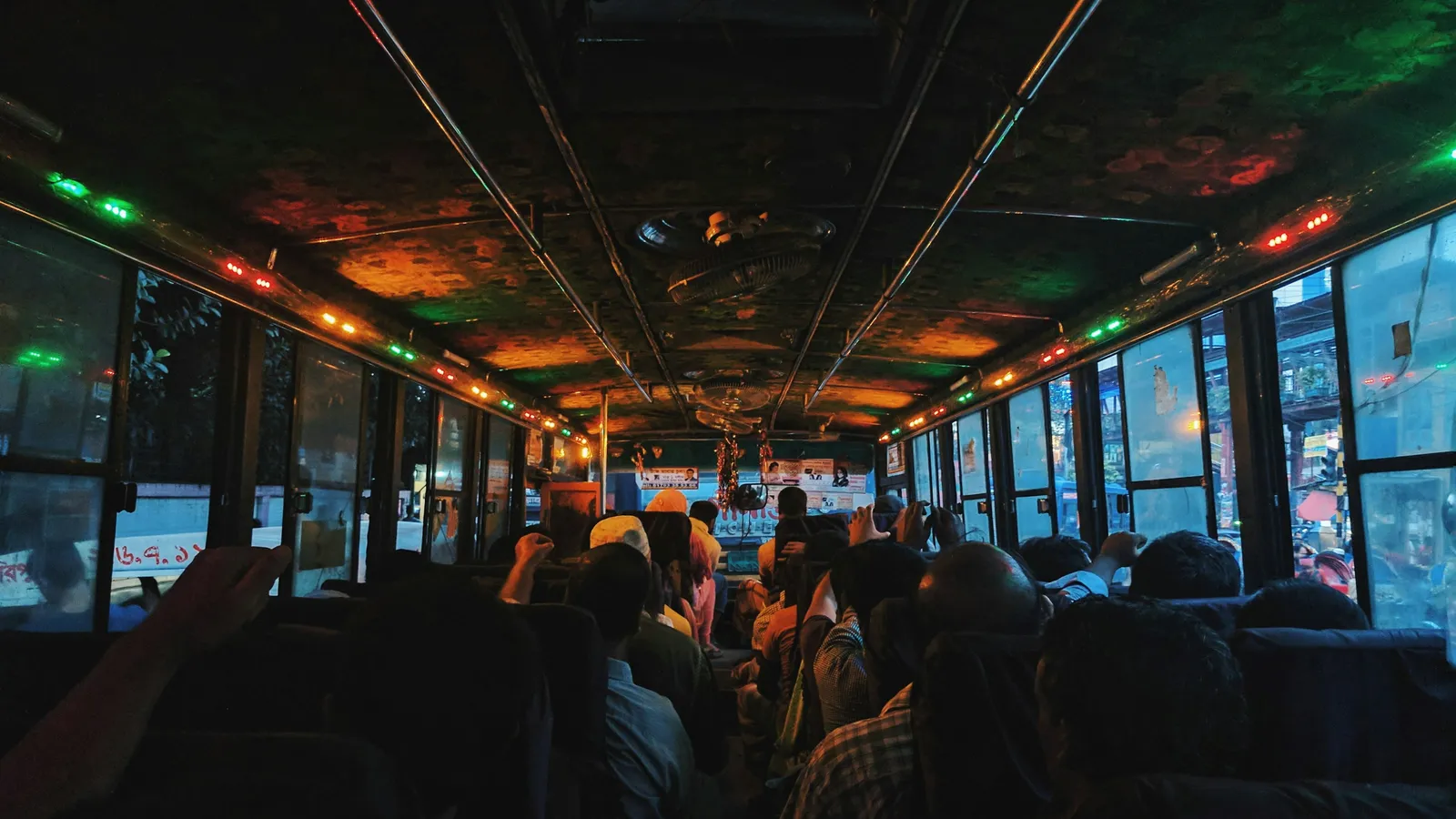
Night Bus Survival Guide
Survive overnight buses across Southeast Asia and South America with tested strategies for sleep, security, and arriving functional.
Read article →
Why Rainy Season Is Your Secret Advantage
Turn rainy season into a travel advantage with lower prices, fewer crowds, and lush landscapes across Southeast Asia and Central America.
Read article →Heading to 4000 Islands?
Find travel companions to explore the 4000 Islands together on roammate — share boat trips, split tubing adventures, and make lifelong friends on the Mekong.


To customise this itinerary to your travel style, pace, and budget — download the roammate app to tailor it to your preferences.
Find travel companions in 4000 Islands →