Copenhagen
A city that cycles through colourful canals, swims in its own harbour, and invented a word for the exact feeling of a perfect evening.
1 day in Copenhagen
Only got 24 hours? Here's how to experience the best of Copenhagen in a single action-packed day.
The Best of Copenhagen in 24 Hours
Nyhavn, Canals & Royal Quarter
Start at Nyhavn — the iconic colourful harbour with 17th-century townhouses that looks exactly like the postcards. Hans Christian Andersen lived at No. 20. Walk past Amalienborg Palace (changing of the guard at noon) and the stunning marble Frederiks Kirke (the Marble Church). Continue to Kastellet — a star-shaped fortress from 1662 with moats, ramparts, and the Little Mermaid statue nearby (underwhelming, but obligatory).
Torvehallerne & Rundetaarn
Metro to Nørreport for Torvehallerne — Copenhagen's gourmet food hall with 60+ stalls. Try smørrebrød (open-faced sandwiches, 65–95 DKK), flødeboller (chocolate-coated marshmallows, 30 DKK), and Coffee Collective (some of Scandinavia's best, 45 DKK). Walk to Rundetaarn (Round Tower, 40 DKK) — a 17th-century observatory with a unique spiral ramp to the top and panoramic views.
Christiania & Vesterbro
Walk or bike to Freetown Christiania — the legendary anarchist commune established in 1971 on a former military base. Self-governing, with handmade houses, vegetarian restaurants, live music venues, and a unique atmosphere. Photography is restricted on Pusher Street. Then head to Vesterbro — Copenhagen's former red-light district turned hipster haven. Dinner at Kødbyens Mad & Marked in the Meatpacking District (street food, 50–80 DKK).
3 days in Copenhagen
A carefully curated route mixing iconic landmarks, hidden gems, street food, culture, and adventure — designed for younger travelers.
Royal Copenhagen & Harbour Life
Nyhavn & Amalienborg
Start at Nyhavn — the colourful 17th-century harbour that's Denmark's most photographed spot. Hans Christian Andersen lived at No. 20 and wrote his first fairy tales here. Walk to Amalienborg Palace — home of the Danish royal family. Catch the changing of the Royal Guard at noon (they march from Rosenborg Castle). Cross to Frederiks Kirke (the Marble Church) — free entry, climb the dome for 35 DKK.
Kastellet, Little Mermaid & Design Museum
Walk through Kastellet — the beautifully preserved star-shaped fortress from 1662, surrounded by moats and tree-lined ramparts. The Little Mermaid statue is a 5-minute walk (small but iconic). Then visit the Design Museum Danmark (120 DKK) — Danish design from chairs to ceramics, explaining why everything in Copenhagen looks so good. Lunch at the museum cafe or Torvehallerne food hall (smørrebrød 65–95 DKK).
Vesterbro Meatpacking District
Head to Vesterbro — Copenhagen's coolest neighbourhood centred on the Kødbyen (Meatpacking District). Still-functioning meat warehouses sit alongside cocktail bars, restaurants, and galleries. Dinner at Kødbyens Mad & Marked (street food, 50–80 DKK) or Fleisch (burgers, 95 DKK). Drinks at Jolene (craft beer and club in a former warehouse) or Bakken in Kødbyen (late-night bar).
Christiania, Street Food & Danish Design
Christianshavn & Vor Frelsers Kirke
Cross to Christianshavn — Copenhagen's canal-lined neighbourhood often called the "Venice of the North." Climb the spiral staircase outside the spire of Vor Frelsers Kirke (Church of Our Saviour, 65 DKK) — 400 steps winding around the outside of the golden spire with increasingly vertiginous views. Not for the faint-hearted. Coffee at Prolog on Refshalevej.
Freetown Christiania
Walk to Freetown Christiania — the self-governing commune established in 1971 on an abandoned military base. 850 residents live in handbuilt houses surrounded by nature. The Nemoland area has vegetarian restaurants and a lake. The Loppen concert venue hosts indie bands. Morgenstedet serves organic lunch (60–80 DKK). Photography is restricted on Pusher Street — respect the signs.
Reffen Street Food & Harbour
Head to Reffen Copenhagen Street Food (seasonal, May–October) on Refshaleøen — an industrial island turned food market with 40+ stalls, water views, and fire pits. Global cuisine from 50–90 DKK. Or Broens Gadekøkken near Nyhavn for waterfront street food year-round. After dinner, walk along the harbour — Islands Brygge Havnebadet (harbour bath) is a free open-air swimming pool right in the harbour.
Nørrebro, Cycling & Farewell
Nørrebro & Assistens Cemetery
Bike to Nørrebro — Copenhagen's most diverse and lively neighbourhood. Start at Assistens Cemetery where Hans Christian Andersen and Søren Kierkegaard are buried — Danes picnic and sunbathe among the graves, which is completely normal here. Walk Jægersborggade — a street of independent shops, ceramics studios, and speciality coffee (Coffee Collective No. 2). Lunch at Grød (gourmet porridge, 65–80 DKK).
Rundetaarn & Latin Quarter
Cycle to the Latin Quarter — Copenhagen's oldest university district around Frue Plads. Climb Rundetaarn (40 DKK) — a spiral ramp to a rooftop observatory with panoramic views. Browse the bookshops and vintage stores along Studiestræde and Larsbjørnsstræde. Visit Ny Carlsberg Glyptotek (125 DKK, free Tuesdays) — an extraordinary art museum with a stunning winter garden atrium.
Farewell Danish Dinner
Farewell dinner in the city. For budget, try Dalle Valle (all-you-can-eat, 119 DKK) or Kebabistan on Nørrebrogade (best kebab in the city, 55 DKK). For a splurge, Høst on Nørre Farimagsgade serves New Nordic cuisine in a beautiful rustic space (3-course 450 DKK). End with a canal-side drink at La Banchina — a tiny wooden harbour bar where you can swim and sauna.
7 days in Copenhagen
A full week to go deep — from famous landmarks to local neighbourhoods, day trips, hidden gems, and proper local immersion.
Royal Copenhagen & Harbour Life
Nyhavn & Amalienborg
Start at Nyhavn — the iconic colourful harbour. Walk to Amalienborg Palace for the changing of the Royal Guard at noon. Cross to Frederiks Kirke (the Marble Church) — free entry, dome climb 35 DKK. Coffee at Democratic Coffee on Kristen Bernikows Gade.
Kastellet & Design Museum
Walk through Kastellet's star-shaped fortress, past the Little Mermaid, to the Design Museum Danmark (120 DKK). Danish design — from Arne Jacobsen chairs to Bang & Olufsen — explained through objects. Lunch at Torvehallerne food hall (smørrebrød 65–95 DKK) or Gasoline Grill (Denmark's best burgers, 75 DKK).
Vesterbro & Meatpacking District
Vesterbro's Kødbyen (Meatpacking District) — meat warehouses alongside cocktail bars and galleries. Dinner at Kødbyens Mad & Marked (street food, 50–80 DKK) or WARPIGS (BBQ and craft beer from Mikkeller, mains 130–180 DKK). Drinks at Jolene or Bakken. The Istedgade strip has dive bars with cheap beer (40 DKK/pint).
Christiania & Christianshavn
Vor Frelsers Kirke & Canals
Climb Vor Frelsers Kirke's spire (65 DKK) — 400 steps spiraling around the outside with increasingly terrifying views. Walk the Christianshavn canals — houseboats, cyclists, and a gentle Amsterdam-like atmosphere. Coffee at Prolog or Democratic Coffee.
Freetown Christiania
Explore Christiania — the self-governing commune since 1971. Handbuilt houses, vegetarian restaurants, Nemoland lake, and the Loppen concert venue. Lunch at Morgenstedet (organic, 60–80 DKK). Walk the nature areas along the old military ramparts — surprisingly peaceful and green.
Reffen Street Food
Reffen Copenhagen Street Food on Refshaleøen (May–October) — industrial island, 40+ stalls, harbour views, fire pits. Global food from 50–90 DKK. Year-round alternative: Broens Gadekøkken near Nyhavn. After dinner, swim at Islands Brygge harbour bath (free) or drink at La Banchina — harbour bar, sauna, and swimming.
Nørrebro & Museum Day
Nørrebro & Jægersborggade
Bike to Nørrebro. Assistens Cemetery — picnic among graves of Hans Christian Andersen and Kierkegaard. Jægersborggade — Copenhagen's most charming street with ceramics studios, Coffee Collective, and Grød (gourmet porridge, 65–80 DKK). Browse the vintage shops on Ravnsborggade.
Ny Carlsberg Glyptotek
Cycle to Ny Carlsberg Glyptotek (125 DKK, free Tuesdays) — the art museum founded by the Carlsberg brewery family. Ancient Roman and Egyptian sculptures, French Impressionists, and the stunning glass-domed Winter Garden with palm trees. Also visit the Nationalmuseet (National Museum, free) for Viking artifacts and the world's oldest map of Scandinavia.
Nørrebro Nightlife
Dinner at Bæst on Guldbergsgade (wood-fired Neapolitan pizza with Danish ingredients, 130–160 DKK). Nørrebro nightlife is more relaxed than Vesterbro — bars like Blågårdsgade strip (cheap beers, 35–45 DKK), Rust (live music and club), and Kind of Blue (jazz and vinyl bar). End at Søerne (the Lakes) for a midnight stroll.
Louisiana Museum & Coastal Day
Louisiana Museum of Modern Art
Train from Copenhagen Central to Humlebæk (DSB, 75 DKK return, 35 minutes). Louisiana Museum of Modern Art (145 DKK) is Denmark's most visited museum — set in a stunning villa overlooking the Øresund strait to Sweden. Sculpture gardens on the cliffs, Giacometti, Warhol, and rotating exhibitions. The cafe has views across the sea to the Swedish coast.
Helsingør & Kronborg Castle
Continue by train to Helsingør (15 min from Humlebæk). Kronborg Castle (95 DKK) — the setting of Shakespeare's Hamlet, a UNESCO World Heritage fortress on the strait. The casemates (underground tunnels) and the statue of Holger Danske are haunting. Lunch in Helsingør's medieval streets — Madam Sprunck for smørrebrød (85–110 DKK) or cheaper options on Stengade.
Return & Indre By
Train back to Copenhagen. Evening in Indre By (the inner city) — stroll Strøget pedestrian street, browse Illums Bolighus for Danish design, and dinner at Tight on Hyskenstræde (seasonal Nordic, 3-course 395 DKK) or Paludan Bogcafé on Fiolstræde (books, food, and beer, mains 90–130 DKK). Nightcap at Ruby on Nybrogade — a cocktail bar in an 18th-century townhouse.
Cycling, Parks & Hygge
Frederiksberg Gardens & Zoo
Cycle to Frederiksberg Gardens — Copenhagen's most romantic park with canals, follies, and the neoclassical Frederiksberg Palace. The Copenhagen Zoo (205 DKK) borders the gardens if you're interested. Otherwise, rent a rowing boat on the lake (50 DKK/hour) and float past the pelicans. Coffee at Granola on Værnedamsvej — a gorgeous retro cafe.
Nordhavn & Superkilen
Cycle to Nordhavn — Copenhagen's newest harbour district with container cafes, the CopenHill ski slope/power plant, and harbour swimming. Then to Superkilen in Nørrebro — an urban park designed with objects from 60 countries, reflecting the neighbourhood's diversity. A Moroccan fountain, Thai boxing ring, Japanese cherry trees, all on pink, black, and green zones.
Hygge Evening
Experience hygge — Denmark's untranslatable concept of cozy togetherness. Dinner at a candlelit restaurant: Madklubben on Vesterbrogade (3-course 275 DKK) or the more upscale Relæ (former Noma sous chef, tasting menu 600 DKK). Finish at Mikeller Bar on Viktoriagade — 40 taps of craft beer in the world's first Mikkeller bar. Or a wine bar on Jægersborggade.
Tivoli, Shopping & Culture
Tivoli Gardens
Visit Tivoli Gardens (155 DKK entry, rides extra or 260 DKK unlimited ride pass) — the world's second-oldest amusement park (1843). It's more beautiful than thrilling — gardens, a lake, pagodas, and the wooden Rutschebanen roller coaster. At night, 100,000+ lights transform it. Walt Disney visited and was so inspired he built Disneyland. Go on a weekday morning to avoid queues.
Rosenborg Castle & King's Garden
Walk to Rosenborg Castle (130 DKK) — a Renaissance fairy-tale castle housing the Danish Crown Jewels and 400 years of royal history. The King's Garden (Kongens Have) surrounding it is Copenhagen's oldest and most popular park — free entry, perfect for a picnic. Lunch at Schønnemann on Hauser Plads (Copenhagen's best smørrebrød since 1877, 85–145 DKK per piece).
Kødbyen & Farewell Drinks
Return to Kødbyen for farewell drinks and dinner. Try Hija de Sanchez (tacos by former Noma chef, 45–65 DKK each) or Gorilla for Asian-fusion (mains 130–180 DKK). Late-night drinks at Lidkoeb on Vesterbrogade — a three-floor cocktail bar in a former pharmacy (cocktails 120–150 DKK). The top floor whisky bar is intimate and candlelit.
Malmö Day Trip or Last Copenhagen
Malmö, Sweden (Optional Day Trip)
Train across the Øresund Bridge to Malmö, Sweden (DSB/Skånetrafiken, 115 DKK return, 35 minutes). Walk the Turning Torso skyline, cobblestoned Gamla Staden (old town), and Malmö Castle. Sweden uses SEK not DKK, but cards are accepted everywhere. Alternatively, spend the morning at the Botanical Garden or revisit your favourite Copenhagen neighbourhood.
Last Smørrebrød & Souvenirs
Back in Copenhagen for last shopping on Strøget or in the Latin Quarter. Buy Danish design from HAY House on Østergade, ceramics from Royal Copenhagen outlet (seconds at 50% off), or Lakrids by Bülow chocolate liquorice. Final smørrebrød at Aamanns on Øster Farimagsgade (modern take, 95–125 DKK) or a hot dog from DØP on Nørrebrogade (organic, 45 DKK).
Farewell Copenhagen
Farewell dinner at Høst (New Nordic in a gorgeous space, 3-course 450 DKK) or keep it casual at Reffen with harbour views. Walk along the canals one last time — Copenhagen in the blue hour, with lights reflecting on still water, is quietly perfect. Final drink at Brus in Nørrebro (Mikkeller brewpub) or Ved Stranden 10 (wine bar on the canal).
Budget tips
Free experiences
Kastellet, King's Garden, Assistens Cemetery, Nyhavn waterfront, harbour swimming, Superkilen park, botanical gardens, and cycling everywhere are all completely free.
Copenhagen Card
The Copenhagen Card (599 DKK/72h) covers 89 museums and attractions plus unlimited public transport. Worth it if you're doing 3+ paid attractions per day.
Street food saves
Reffen and Broens Gadekøkken have meals for 50–90 DKK. A restaurant main course is 150–250 DKK. The saving is enormous over a week.
Cycling is free
Copenhagen is the world's best cycling city. Bycyklen city bikes cost 30 DKK/hour, or rent from shops (75–100 DKK/day). Many hostels lend bikes free.
Tap water
Copenhagen tap water is excellent — among the cleanest in Europe. Refill everywhere. A bottle of water at a cafe costs 30–40 DKK.
Happy hour craft beer
Full-price craft beer is 60–80 DKK. Happy hours at Mikkeller, BRUS, and Nørrebro Bryghus drop to 30–45 DKK. Check individual bar happy hour times.
Budget breakdown
Daily costs per person in DKK. Copenhagen is expensive, but cycling is free, street food is great, and the city rewards those who skip tourist traps.
| 🎒 Budget | ✨ Mid-Range | 💎 Splurge | |
|---|---|---|---|
| Accommodation Hostels → 3-star hotels → design hotels | 150–300 DKK | 600–1,200 DKK | 2,000+ DKK |
| Food Street food & pølsevogn → cafes & bistros → New Nordic | 80–150 DKK | 200–350 DKK | 500+ DKK |
| Transport Cycling → metro & bus → taxis | 0–30 DKK | 50–100 DKK | 200+ DKK |
| Activities Free sites → museums → Tivoli & day trips | 0–50 DKK | 100–250 DKK | 400+ DKK |
| Drinks Supermarket beer → craft bars → cocktail bars | 40–80 DKK | 100–180 DKK | 300+ DKK |
| Daily Total $39–87 → $150–297 → $486+ | 270–610 DKK | 1,050–2,080 DKK | 3,400+ DKK |
Practical info
Visa & Entry
- Denmark is in the Schengen Zone. EU/EEA enter with ID. US, Canadian, Australian citizens get 90 days visa-free
- Copenhagen Airport (CPH): Metro M2 to city centre (36 DKK, 15 min), train to Central Station (36 DKK, 13 min)
- Denmark is not in the Eurozone — it uses Danish Krone (DKK). Cards accepted almost everywhere, even for small amounts
Getting Around
- Metro, S-trains, and buses. Single ticket 24 DKK (2 zones), 24h City Pass 80 DKK. Rejsekort (travel card) gives discounts
- Copenhagen is flat and bike-friendly — 400km of cycle lanes. Bycyklen e-bikes 30 DKK/hour via app, or rent from shops 75–100 DKK/day
- Everything in the centre is within 20 minutes by bike. Most locals cycle year-round, including in rain and snow
Connectivity
- Lebara, Lycamobile, and 3 (Tre) offer prepaid SIMs from 50–100 DKK for 5–10GB at the airport or 7-Eleven
- Free WiFi in most cafes, restaurants, and public spaces. Copenhagen WiFi hotspots across the city centre
- EU roaming is free for EU residents. Download Rejseplanen app for real-time public transport planning
Money
- Danish Krone (DKK). Almost entirely cashless — most places accept (or prefer) card, including street stalls and public toilets
- ATMs (Kontanten) are common. Use Danske Bank or Nordea ATMs for better rates. MobilePay is Denmark's payment app (tourists can use cards)
- Tipping: not expected — service is included in all prices. Round up at restaurants if you want, but it's genuinely not necessary
Health & Safety
- Copenhagen is extremely safe — one of the safest cities in the world. Bike theft is the main "crime" concern
- Tap water is excellent. Pharmacies (apotek) are on most main streets. Steno Apotek at Vesterbrogade 6C is open 24 hours
- Emergency: 112. Non-emergency health line: 1813. EU citizens can use EHIC card. Everyone else should have travel insurance
Cycling Rules
- Always use cycle lanes (not pavements). Signal before turning — left arm out for left, right arm up for right
- Check behind you before stopping — cycle lanes are highways. Getting doored or rear-ended by another cyclist is a real risk
- Lights are mandatory after dark — police fine 700 DKK for cycling without lights. Helmets are not required but recommended
Cultural tips
Denmark runs on hygge, cycling, and a quiet egalitarianism. Embrace the rhythm — cycle everywhere, swim in the harbour, and never, ever jaywalk.
Hygge
Hygge (hoo-gah) is the Danish art of cosiness — candles, warm blankets, slow conversations, and togetherness. It's not just a marketing term; it's a core cultural value. Seek it in candlelit bars and cafes.
Cycling Culture
Cycling is not recreation in Copenhagen — it's the primary transport. Stay out of cycle lanes when walking. Never stop suddenly in a cycle lane. Danes cycle fast and don't brake for tourists.
Drinking Culture
Danes have a liberal attitude to alcohol. Pre-drinking (fordrink) at home before going out is standard. Fredagsbar (Friday bar) at workplaces is a Danish tradition. Legal drinking age for purchase is 16 (bars: 18).
Cashless Society
Denmark is nearly cashless. Many shops and restaurants don't accept cash at all. Always have a card with contactless — MasterCard and Visa are universal. AmEx is rare.
Janteloven
Janteloven (the Law of Jante) is an unspoken cultural code — don't boast, don't think you're special, treat everyone as equal. Danes are modest and understated. Bragging will make people uncomfortable.
Swimming Culture
Danes swim in the harbour, lakes, and sea year-round. Copenhagen's harbour is clean enough for swimming. Join the Copenhageners at Islands Brygge or Kalvebod Bølge — it's a cultural experience.
Reading for Copenhagen
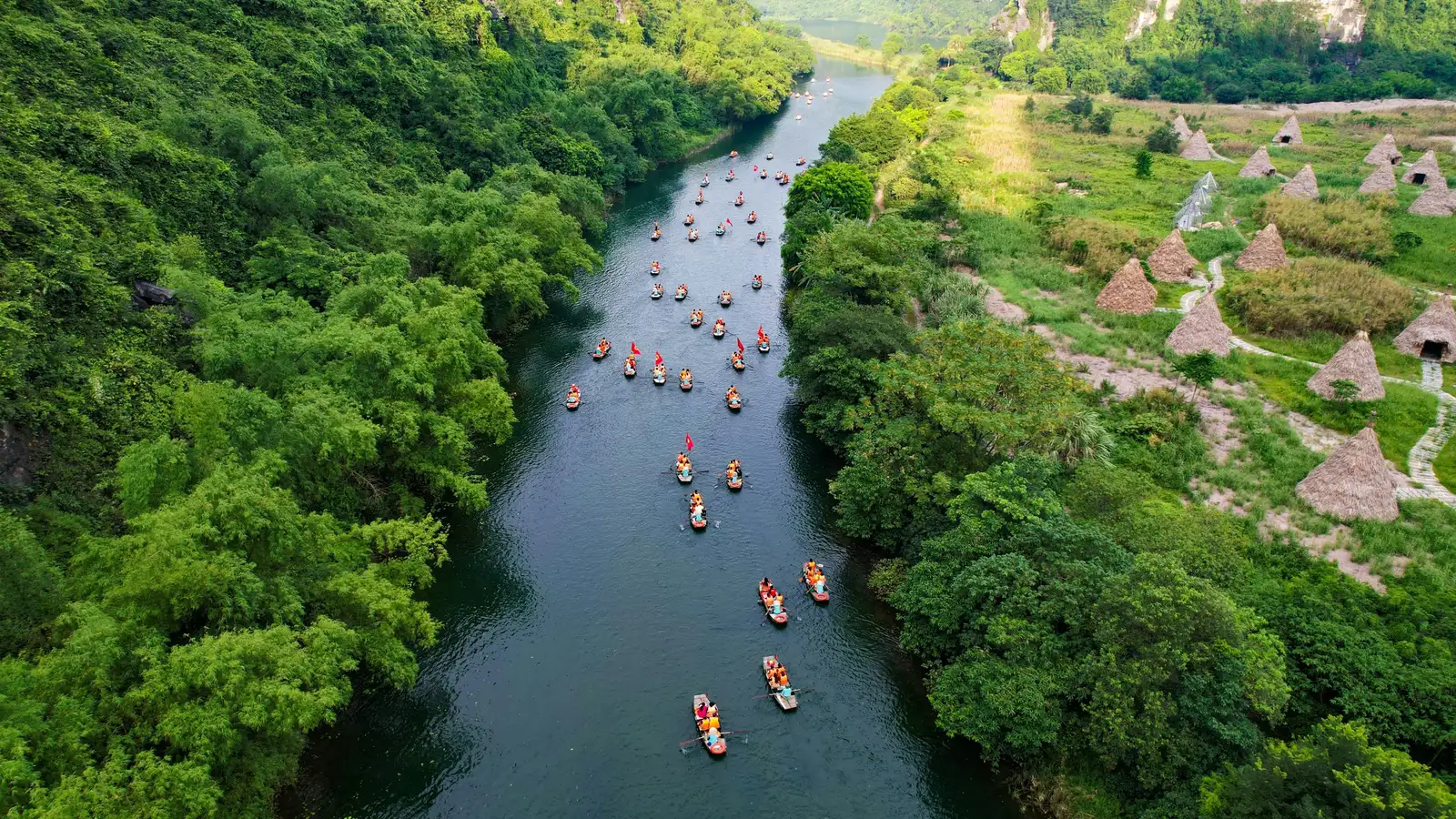
River Travel Routes Around the World
Explore the world by river: Mekong slow boats, Amazon tributaries, Nile feluccas, and European ferries. Booking tips, costs, and what to bring for river travel.
Read article →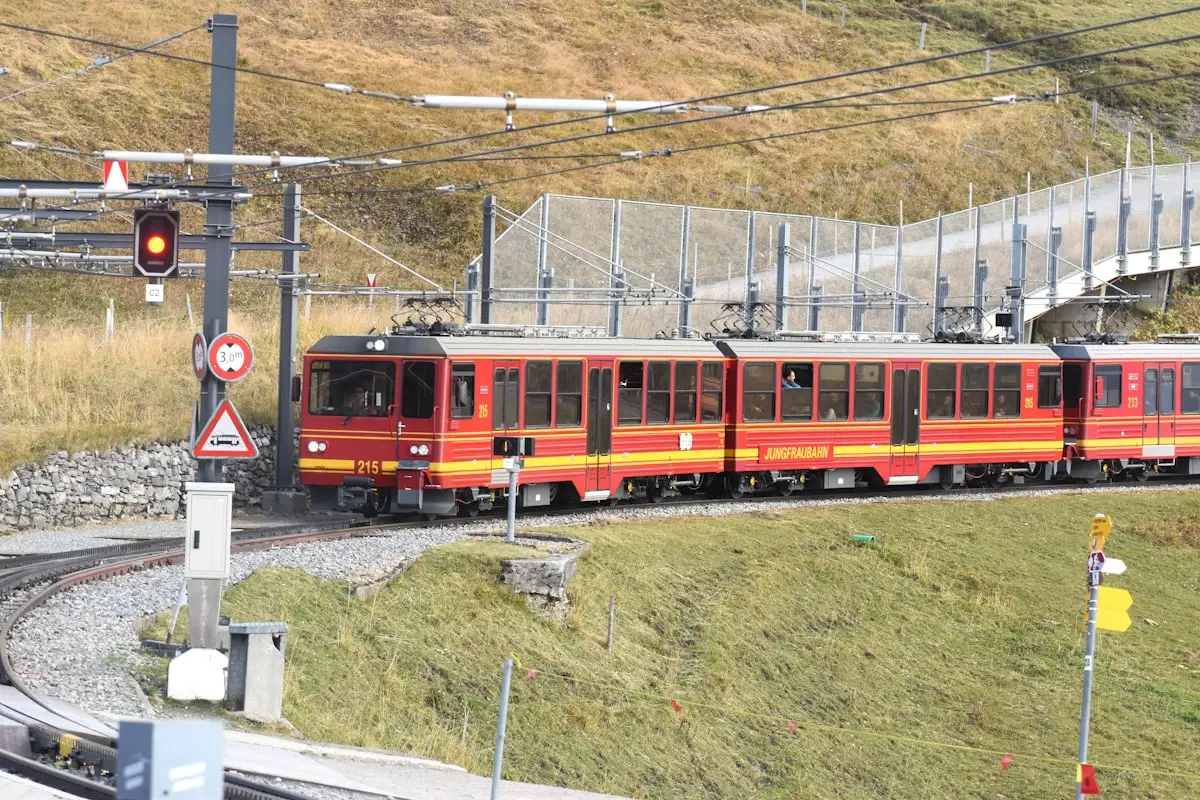
Train Passes: Europe, Japan, and Beyond
Do the math on Eurail passes, Japan Rail Passes, and India train classes — with booking windows, seat reservations, and when point-to-point is cheaper.
Read article →Heading to Copenhagen?
Find travel companions for canal cycling, Christiania exploration, and Malmö day trips on roammate.


To customise this itinerary to your travel style, pace, and budget — download the roammate app to tailor it to your preferences.
Find travel companions in Copenhagen →