Chiang Rai
Northern Thailand's artistic soul — surreal temples, misty mountains, hill tribe culture, and the Golden Triangle where three countries meet.
1 day in Chiang Rai
Only got 24 hours? Here's how to experience the best of Chiang Rai in a single action-packed day.
Chiang Rai Temple Trail
White Temple (Wat Rong Khun)
Start your day at Wat Rong Khun — Chalermchai Kositpipat's surreal masterpiece 13km south of the city centre. The all-white temple is encrusted with mirrored glass that shimmers in the morning light, and the bridge over the "sea of hands" reaching up from hell is unlike anything else in Thailand. The interior murals blend Buddhist imagery with modern pop culture references. Allow 90 minutes to explore the grounds including the golden building (toilets) and the wishing well.
Blue Temple & Baan Dam
Head to Wat Rong Suea Ten — the Blue Temple — where electric blue interiors and a giant white Buddha create a striking contrast to the White Temple. It is free to enter and far less crowded. Then drive 20 minutes north to Baan Dam (the Black House), the late artist Thawan Duchanee's dark, brooding collection of animal bones, crocodile skins, and traditional Lanna architecture spread across 40 buildings. The artistic counterpoint to Wat Rong Khun is deliberate and powerful.
Night Bazaar & Clock Tower
Walk to the Golden Clock Tower in the city centre — designed by the same artist who created the White Temple, it puts on a light and music show every evening at 7pm, 8pm, and 9pm with the tower changing colours dramatically. Then explore the Chiang Rai Night Bazaar behind it — stalls selling hill tribe handicrafts, Thai silk, and local art. The food court in the centre has live music and excellent khao soi, sai oua (northern sausage), and mango sticky rice from ฿40.
3 days in Chiang Rai
A carefully curated route mixing iconic landmarks, hidden gems, street food, culture, and adventure — designed for younger travelers.
Temples & Art of Chiang Rai
White Temple (Wat Rong Khun)
Begin at Wat Rong Khun, the iconic White Temple 13km south of the city. Designed by national artist Chalermchai Kositpipat, the entire structure is covered in white plaster and mirrored glass fragments representing Buddha's purity. Cross the bridge over the outstretched hands of desire and suffering to enter the main chapel, where murals mix traditional Buddhist themes with unexpected modern references. The surrounding gardens include a wishing well, an art gallery, and the famously ornate golden toilets building.
Baan Dam (Black House Museum)
Drive 20 minutes north to Baan Dam — the life's work of the late artist Thawan Duchanee. Over 40 structures in dark wood and black-painted buildings house collections of animal skulls, crocodile skins, buffalo horns, and carved wooden furniture that explore themes of death and the dark side of human nature. The artistic opposite of the White Temple, the Black House is a meditation on impermanence and mortality. Entry is ฿80 and the grounds take about an hour to explore.
Golden Clock Tower & Night Bazaar
Return to the city centre for the Golden Clock Tower light show at 7pm, 8pm, or 9pm — the tower was designed by Chalermchai Kositpipat and cycles through dramatic colours accompanied by music. Walk to the Night Bazaar for dinner: khao soi (northern curry noodle soup, ฿50), sai oua (herb-filled Chiang Rai sausage, ฿30), and kanom jeen nam ngiao (rice noodles in tomato-pork broth, ฿40). The central food court has live Lanna music most evenings.
Blue Temple, Singha Park & Hill Tribes
Blue Temple & Wat Phra Kaew
Start at Wat Rong Suea Ten, the Blue Temple, where the entire interior is painted in vivid sapphire blue with intricate gold detailing and a striking white seated Buddha as the centrepiece. It is free to enter and rarely crowded before 10am. Then walk 15 minutes to Wat Phra Kaew — the original home of Thailand's Emerald Buddha (now in Bangkok's Grand Palace). The temple grounds are peaceful and the jade replica of the Emerald Buddha sits in a beautiful Lanna-style chapel.
Singha Park & Tea Plantations
Rent a bicycle or take a tram around Singha Park (฿50 tram), a vast estate owned by the beer company with manicured gardens, a lake, a zipline, and fields of cosmos flowers that bloom spectacularly from November to January. Then drive 30 minutes west to the Choui Fong Tea Plantation — rolling green tea terraces on hillsides with a cafe serving iced matcha and tea-infused desserts with panoramic mountain views. The plantation is free to visit.
Hill Tribe Night Market & Local Food
Visit the Hilltribe Museum in the city centre (free, closes 6pm) for context on the Akha, Lahu, Karen, and Hmong communities that live in the surrounding mountains. Then head to the night market area for dinner — try khao kan jin (fermented pork rice, a Chiang Rai specialty), miang kham (betel leaf wraps with ginger, lime, peanuts, and dried shrimp), and jin som (sour fermented pork). These northern Thai flavours are distinct from Bangkok's cuisine.
Golden Triangle & Doi Tung
Golden Triangle & Mekong River
Drive or hire a songthaew 70km northeast to the Golden Triangle — the point where Thailand, Laos, and Myanmar meet at the confluence of the Mekong and Ruak rivers. The viewpoint at Sop Ruak offers a panorama across all three countries. Visit the Hall of Opium museum (฿200) which traces the region's opium trade history from colonial exploitation to modern drug wars. Take a longtail boat ride on the Mekong (฿400/30min) past the massive Chinese casino on the Laos shore.
Doi Tung Royal Villa & Gardens
Drive 25km south to Doi Tung, the mountain retreat of the late Princess Mother. The Royal Villa (฿90) is a Swiss-chalet-style residence with gardens inspired by her travels. The Mae Fah Luang Garden (฿90) surrounding it is beautifully landscaped with temperate flowers and mountain views. The entire Doi Tung Development Project was created to replace opium farming with coffee, macadamia, and handicraft production — the hilltribe communities here produce excellent arabica coffee that you can buy directly.
Chiang Rai Riverside & Farewell Dinner
Return to Chiang Rai and walk along the Kok River promenade as the sun sets behind the mountains. Dinner at one of the riverside restaurants — Phu Lae is popular for its northern Thai tasting platters with sticky rice, laab moo (minced pork salad), and gaeng hung lay (Burmese-influenced pork curry). The craft beer scene in Chiang Rai is growing — try a local brew at Cat Bar or Pangkhon Coffee & Craftbeer near the clock tower.
7 days in Chiang Rai
A full week to go deep — from famous landmarks to local neighbourhoods, day trips, hidden gems, and proper local immersion.
Temples & Art of Chiang Rai
White Temple (Wat Rong Khun)
Begin at Wat Rong Khun, the iconic White Temple 13km south of Chiang Rai. The all-white structure covered in mirrored glass shimmers in the morning light while the bridge of hands reaching from hell creates one of Thailand's most photographed scenes. The interior murals blend Buddhist and modern imagery. The surrounding gardens include a wishing well, art gallery, and the famously ornate golden building. Allow 90 minutes to fully explore the complex.
Baan Dam (Black House Museum)
Drive 20 minutes north to Baan Dam, the artistic counterpoint to the White Temple. Over 40 dark-timbered buildings house the late artist Thawan Duchanee's collection of animal skulls, crocodile skins, and carved wooden thrones exploring death and impermanence. The contrast with the White Temple's purity is deliberate and thought-provoking. Entry is ฿80 and the shaded grounds take about an hour to wander at a comfortable pace.
Clock Tower Light Show & Night Bazaar
Head to the city centre for the Golden Clock Tower light show at 7pm — the tower cycles through dramatic colours accompanied by music. Browse the Chiang Rai Night Bazaar for hill tribe handicrafts and northern Thai street food. Try khao soi (฿50), sai oua sausage (฿30), and kanom jeen nam ngiao (฿40). The central food court has live Lanna music and cold beers for ฿60.
Blue Temple, Tea & Local Flavours
Blue Temple & Wat Phra Kaew
Visit Wat Rong Suea Ten, where the entire interior glows sapphire blue with gold detailing and a white seated Buddha. Free entry and rarely crowded before 10am. Walk 15 minutes to Wat Phra Kaew, original home of the Emerald Buddha before it was moved to Bangkok. The jade replica sits in a serene Lanna-style chapel surrounded by manicured temple grounds with excellent city views from the hilltop location.
Choui Fong Tea Plantation
Drive 30 minutes west to Choui Fong Tea Plantation — rolling hillside terraces of bright green tea bushes with a modern cafe perched on the ridge. Order the signature iced oolong (฿60) and tea-infused cheesecake while looking out over the Mae Chan valley. The plantation is free to visit and you can walk between the tea rows. On clear days the views stretch to the mountains on the Myanmar border.
Northern Thai Food Trail
Explore Chiang Rai's distinct northern Thai cuisine at the night market. Try khao kan jin (fermented pork rice, unique to this region), miang kham (betel leaf wraps with ginger, lime, peanuts, and shrimp), and jin som (sour pork). These flavours are herbier and spicier than central Thai food. Finish with a Doi Chaang or Doi Tung coffee at one of the city's growing specialty cafes — the local arabica is exceptional.
Golden Triangle & Mekong
Golden Triangle Viewpoint
Drive 70km northeast to the Golden Triangle where Thailand, Laos, and Myanmar converge at the Mekong and Ruak rivers. The viewpoint at Sop Ruak shows all three countries spread before you. Visit the Hall of Opium museum (฿200) which traces the region's drug trade from colonial-era exploitation through the modern drug wars with excellent exhibits and a sobering history. Allow 90 minutes for the full museum experience.
Mekong Boat Trip & Border Markets
Take a longtail boat ride on the Mekong (฿400/30min) past the massive Kings Romans Casino on the Laos shore — a surreal sight in the jungle. Stop at the small market near the pier for Lao and Burmese goods. Drive to Chiang Saen, a quieter town downstream with ancient temple ruins (Wat Chedi Luang, Wat Pa Sak) scattered among old trees and a small but excellent National Museum (฿100) covering Lanna kingdom history.
Chiang Rai Craft Beer & Riverside
Return to Chiang Rai and catch sunset from the Kok River promenade. The city's craft beer scene is emerging — Cat Bar near the clock tower has local brews and a relaxed atmosphere. Dinner at a riverside restaurant with views of the mountains: gaeng hung lay (Burmese pork curry), laab moo (spicy minced pork salad), and sticky rice. End with a Thai massage at one of the affordable shops near the night bazaar (฿200/hour).
Doi Tung & Hill Tribe Communities
Doi Tung Royal Villa & Gardens
Drive to Doi Tung mountain, the Princess Mother's retreat. The Royal Villa (฿90) is a Swiss-chalet-style residence surrounded by the Mae Fah Luang Garden (฿90) — beautifully landscaped with temperate flowers, mountain views, and cool air. The Doi Tung Development Project replaced opium farming with coffee, macadamia, and handicraft production for local hill tribe communities. Sample the arabica coffee and buy beans directly at the on-site cafe.
Akha & Lahu Hill Tribe Villages
Visit an Akha or Lahu hill tribe village in the Doi Tung area — several communities welcome respectful visitors and sell handmade textiles, silver jewellery, and embroidered bags. The Akha are recognisable by their elaborate headdresses decorated with silver coins and beads. Learn about their animist traditions and agricultural practices. Some villages offer homestay experiences bookable through the Doi Tung Development Project office.
Chiang Rai Food Market
Back in the city, explore the local food market near the bus station where Thai families shop for dinner — it is far cheaper and more authentic than the tourist night bazaar. Dishes from ฿30 include som tam (papaya salad), grilled chicken with jaew dipping sauce, and khanom buang (crispy Thai crepes). Walk to the Hilltribe Museum shop for quality souvenirs made by community cooperatives at fair-trade prices.
Singha Park & Wat Huay Pla Kang
Singha Park
Spend the morning at Singha Park, the vast estate owned by the beer company with manicured gardens, a lake, cosmos flower fields (blooming November–January), and a zipline. Rent a bicycle (฿50) or take the tram tour (฿50) through the grounds. The on-site cafe serves good coffee and breakfast. The park is popular with local families and has a peaceful atmosphere that contrasts with temple-heavy itineraries.
Wat Huay Pla Kang
Visit Wat Huay Pla Kang on the northern edge of the city — a massive 9-tiered Chinese-style pagoda flanked by a 69-metre white Guan Yin statue that you can climb inside for city views. The complex blends Thai and Chinese Buddhist architecture in a way that reflects Chiang Rai's proximity to southern China. An elevator takes you up the pagoda (฿40) for panoramic views. The site is free to enter and rarely visited by foreign tourists despite its impressive scale.
Cooking Class & Night Market
Join an evening Thai cooking class at one of the guesthouses or cooking schools in town (฿800–1,200 for 3–4 dishes). You will learn to make khao soi, green curry, and som tam from scratch with fresh market ingredients. Alternatively, explore the Saturday Walking Street (if timing aligns) for its longer food selection and live performances by local musicians and hill tribe dance groups.
Day Trip — Chiang Khong & Mekong Border
Drive to Chiang Khong
Drive or bus 115km northeast to Chiang Khong, the Thai border town on the Mekong River directly opposite Houayxay in Laos. This is where the famous two-day slow boat to Luang Prabang departs from the Laos side. Even if you are not crossing, the town has a relaxed Mekong-front atmosphere with old wooden shophouses, a morning market selling Lao and Thai products, and sweeping river views across to the Laos mountains.
Mekong Riverside & Phu Chi Fa Approach
Walk the Chiang Khong riverfront and have lunch at a Mekong-side restaurant — grilled fish with sticky rice and som tam is the local standard (฿80). Visit Wat Luang, the oldest temple in town with a revered Buddha image. If time allows, drive 45 minutes into the mountains towards Phu Chi Fa — the road climbs through forests and hill tribe villages with increasingly dramatic views. The approach alone is worth the drive even without reaching the summit.
Return & Chiang Rai Riverside Dinner
Return to Chiang Rai in the late afternoon and spend a quiet evening at a Kok River restaurant. Order a Singha beer and watch the river flow past. Northern Thai cuisine is best enjoyed family-style — order laab, nam prik ong (tomato-pork chilli dip), sticky rice, and grilled river fish to share. The city is at its most pleasant in the cool evening air with the mountain silhouettes fading to dark behind the temples.
Temples Revisited & Departure
Sunrise at Wat Rong Khun (Revisit)
Return to the White Temple at opening time for the experience without crowds. Seeing Wat Rong Khun in the early morning golden light with almost no other visitors is a completely different experience from the midday tour-bus chaos. Take your time in the gardens, photograph the reflecting pool, and sit on the benches absorbing the artistry. The temple is still being expanded — new buildings are added regularly as Chalermchai continues his lifelong project.
Oub Kham Museum & Last Shopping
Visit the Oub Kham Museum (฿300) — a private collection of Lanna kingdom artefacts including royal regalia, golden thrones, lacquerware, and textiles from the region's pre-Thai dynasties. It is one of the best small museums in northern Thailand and provides essential context for understanding Chiang Rai's cultural identity as a Lanna city, not a Siamese one. Spend your last afternoon browsing the handicraft shops on Thanalai Road for quality hill tribe textiles and silver.
Farewell Khao Soi & Clock Tower
End your Chiang Rai trip with a bowl of the city's best khao soi at Phor Jai (฿50) — the rich coconut curry broth with egg noodles, crispy noodle topping, and pickled mustard greens is northern Thailand's signature dish. Catch one final clock tower light show, pick up last-minute Doi Tung coffee beans, and savour the cool mountain air that makes Chiang Rai one of Thailand's most pleasant cities year-round.
Budget tips
Rent a scooter
Scooter rental is ฿200–250/day and the best way to reach temples spread across the province. Fuel is cheap (฿40 fills a tank). International Driving Permit technically required but rarely checked.
Eat at local markets
Night Bazaar food court meals from ฿40. Morning markets have rice porridge for ฿25 and coffee for ฿20. The bus station market is even cheaper than the tourist night bazaar — real local prices.
Songthaew day trips
Shared songthaew (red truck taxis) around the city cost ฿20 per person. Charter one for a full day to the Golden Triangle and Doi Tung for ฿800–1,000 — split with other travelers for ฿200 each.
Free temples
The Blue Temple, Wat Phra Kaew, and Wat Huay Pla Kang are all free. Even the White Temple is only ฿100. Temple costs in Chiang Rai are a fraction of Bangkok's — budget ฿300 total for the trip.
Bus from Chiang Mai
Green Bus runs hourly Chiang Mai–Chiang Rai (3.5 hours, ฿140–300 depending on class). Much cheaper than flying and the mountain road scenery is beautiful. VIP buses have toilets and snacks.
Guesthouse over hotel
Clean guesthouses with AC and hot water start at ฿400/night. Many include breakfast. The city centre has dozens of options — book on arrival for the best price, or check Agoda for deals.
Budget breakdown
Daily costs per person in THB (฿). Chiang Rai is one of Thailand's most affordable destinations — significantly cheaper than Chiang Mai or the islands.
| 🎒 Budget | ✨ Mid-Range | 💎 Splurge | |
|---|---|---|---|
| Accommodation Hostels & guesthouses → boutique → resort | ฿250–500 | ฿800–1,800 | ฿3,000+ |
| Food Market food → restaurants → fine dining | ฿150–300 | ฿400–800 | ฿1,500+ |
| Transport Songthaew & scooter → Grab → private driver | ฿100–250 | ฿300–600 | ฿1,000+ |
| Activities Temples → museums & tours → cooking class & trekking | ฿100–300 | ฿400–1,000 | ฿2,000+ |
| Drinks Market coffee & beer → cafes → craft beer bars | ฿60–150 | ฿200–400 | ฿600+ |
| Daily Total $19–43 → $60–131 → $231+ | ฿660–1,500 | ฿2,100–4,600 | ฿8,100+ |
Practical info
Visa & Entry
- Most nationalities get 60 days visa-free on arrival — just show up with a valid passport (6+ months validity)
- Chiang Rai is a common base for Laos border crossings — visa on arrival available at the Chiang Khong–Houayxay Friendship Bridge
- Proof of onward travel sometimes requested at airports — have a booking on your phone just in case
Health & Safety
- No mandatory vaccinations. Hepatitis A and typhoid recommended. Tap water is not drinkable — bottled water ฿7 everywhere
- Chiang Rai is very safe — petty crime is rare. Main risks are road accidents on scooters and mosquito-borne illness in rural areas
- Pharmacies (Boots, Watsons) in the city centre sell most medications over the counter. Nearest hospital: Overbrook on Singhaklai Road
Getting Around
- Rent a scooter (฿200/day) for maximum flexibility — essential for reaching temples and the Golden Triangle independently
- Songthaews (shared red trucks) around the city cost ฿20. Charter for day trips ฿800–1,000. Grab works but with limited drivers
- Green Bus to Chiang Mai (3.5hrs, ฿140–300). Airport has flights to Bangkok (1.5hrs). City is compact and walkable for the centre area
Connectivity
- Tourist SIM cards at 7-Eleven or the airport: AIS, DTAC, or TrueMove from ฿299 for 8 days unlimited data
- WiFi in most guesthouses and cafes. Coverage drops in remote hill areas and mountain roads — download offline maps before heading out
- All apps and websites work unrestricted. LINE is the dominant messaging app. Google Maps is accurate for the province
Money
- ATMs charge ฿220 per withdrawal on top of your bank fees — withdraw ฿10,000+ at a time. Several ATMs on Banphaprakarn Road
- Cash is essential outside the city centre — rural temples, markets, and hill tribe villages do not accept cards
- Chiang Rai is significantly cheaper than Chiang Mai or Bangkok. Budget ฿700–1,400/day ($20–40) for comfortable backpacker travel
Packing Tips
- Chiang Rai is cooler than Bangkok — December/January evenings drop to 12–15°C in the city, colder in the mountains. Bring a warm layer
- Temple dress code: cover shoulders and knees. Pack one modest outfit. Sarongs available to borrow at major temples
- Comfortable walking shoes for temple grounds and Baan Dam. Mosquito repellent for evening markets and riverside dining
Cultural tips
Chiang Rai is a Lanna city with deep cultural roots, hill tribe communities, and a slower pace than Bangkok. Respectful curiosity opens doors everywhere.
Respect the Monarchy
Lese-majeste laws are strictly enforced throughout Thailand. Never disrespect the King, Queen, or royal family. Stand for the royal anthem played before cinema screenings and at 8am/6pm in public spaces.
Lanna Heritage
Chiang Rai was part of the Lanna Kingdom, not Siam — locals have a distinct cultural identity with their own dialect, cuisine, and traditions. Showing interest in Lanna culture rather than treating everything as generically "Thai" is appreciated.
Temple Etiquette
Remove shoes before entering temple buildings. Cover shoulders and knees. Women must not touch monks or hand anything directly to them. Sit with feet tucked away from Buddha images — never point your feet at sacred objects.
Hill Tribe Respect
When visiting hill tribe villages, ask permission before photographing people. Buy crafts directly from artisans at fair prices. Do not treat villages as zoos — these are living communities, not tourist attractions. A respectful visit supports local livelihoods.
Thai Temperament
Thai culture values calm and non-confrontation. Losing your temper, raising your voice, or showing visible frustration is deeply taboo and counterproductive. Smile, stay patient, and problems resolve faster through gentleness.
Tipping & Bargaining
Tipping is appreciated but not expected. Round up bills or leave ฿20–50 at restaurants. Bargain at markets but not at restaurants or for temple entry. Massage therapists appreciate ฿50–100 tips.
Chiang Rai is on these routes
Reading for Chiang Rai
Your First Month in Southeast Asia
Plan your first 30 days in Southeast Asia with a tested itinerary covering Thailand, Cambodia, and Vietnam without rushing or overspending.
Read article →
Island Hopping Route Planning
Plan efficient island-hopping routes across Thailand, Philippines, Indonesia, and Greece with ferry schedules, monsoon timing, and per-island budgets.
Read article →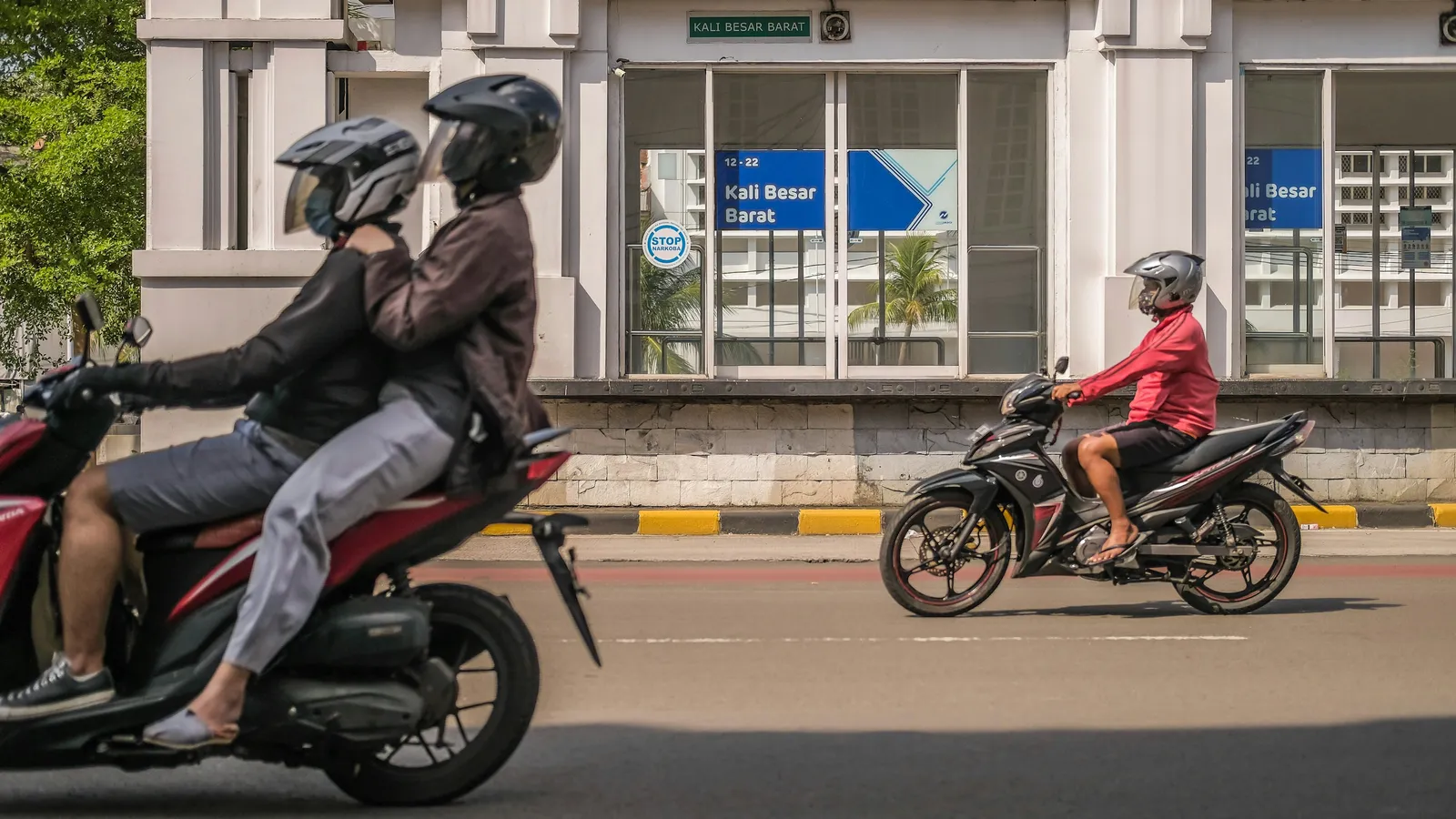
Motorcycle and Scooter Rental Abroad
Navigate motorcycle and scooter rentals in Bali, Vietnam, and Thailand with insurance advice, license requirements, scam avoidance, and safety essentials.
Read article →Heading to Chiang Rai?
Find travel companions to explore Chiang Rai's temples, share Golden Triangle day trips, and split scooter costs on roammate.


To customise this itinerary to your travel style, pace, and budget — download the roammate app to tailor it to your preferences.
Find travel companions in Chiang Rai →