Chiang Mai Temples
Over 300 Buddhist temples in the old walled city — golden stupas, sacred relics, monk chats, and the mountaintop Doi Suthep overlooking it all.
1 day in Chiang Mai Temples
Only got 24 hours? Here's how to experience the best of Chiang Mai Temples in a single action-packed day.
Chiang Mai Temples Highlights
Exploring Chiang Mai Temples
Begin your day at Chiang Mai Temples early to beat the crowds and catch the best light. The area is most atmospheric in the morning when the air is cool and the landscape catches the first golden rays. Take time to explore the main highlights and capture photographs in the soft morning light. This is the most rewarding time to visit.
Deeper Exploration
Spend the afternoon exploring further afield. Wander beyond the main areas to discover hidden gems and local spots. Grab lunch at a local eatery for authentic flavours and budget-friendly prices.
Golden Hour & Farewell
End the day watching the golden hour transform the landscape. The evening light at Chiang Mai Temples is spectacular and worth waiting for. Find a local restaurant for dinner — street food stalls with incredible variety.
3 days in Chiang Mai Temples
A carefully curated route mixing iconic landmarks, hidden gems, street food, culture, and adventure — designed for younger travelers.
Old City Temples & the Night Bazaar
Wat Chedi Luang & Monk Chat
Start at 7am at Wat Chedi Luang, the ruined chedi (stupa) that once stood 82 metres tall at the centre of the old walled city. Built in 1391 and partially collapsed by a 16th-century earthquake, the remaining structure still stands 42 metres high and retains massive Naga serpent staircases. The temple hosts daily Monk Chat sessions 9am–6pm — sit with a young novice monk who practises his English while you learn about Thai Buddhism. Entry is free; a small donation is appreciated.
Wat Phra Singh & the Old City Circuit
Walk west to Wat Phra Singh, Chiang Mai's most important temple and home to the Phra Singh Buddha image — a highly revered figure that supposedly originated in Sri Lanka in 157 CE. The Lanna-style viharn (prayer hall) built in 1345 has intricate gilded wood carvings and murals depicting 19th-century northern Thai life. Continue around the old city moat stopping at Wat Chiang Man (the oldest temple in the city, 1296 AD) and the smaller neighbourhood temples that locals actually use for daily worship.
Chiang Mai Night Bazaar & Khao Soi
The Chiang Mai Night Bazaar along Chang Klan Road runs from around 6pm — hundreds of stalls selling silver jewellery, hill tribe textiles, lacquerware, and carved teak. Prices are negotiable; start at 50–60% of the asking price. Before or after shopping, eat khao soi — Chiang Mai's signature dish: a rich coconut-curry noodle soup topped with crispy fried noodles, served with pickled mustard greens and a squeeze of lime. Huen Phen restaurant near the old city serves the best version in town (from 80 THB).
Doi Suthep & Thai Cooking Class
Doi Suthep Temple — Sacred Mountain Shrine
Take a red songthaew shared truck (50 THB) 15km up the mountain road to Doi Suthep — the golden-spired temple that overlooks all of Chiang Mai from 1,073 metres. Climb the 309-step Naga staircase flanked by serpent balustrades to the golden chedi containing a Buddha relic said to have been carried up the mountain by a white elephant in 1383, who stopped here and circled three times before dying — marking the sacred spot. The views over the city and surrounding valley are exceptional before the midday haze.
Thai Cooking Class
Chiang Mai is Thailand's best city to learn Thai cooking. Half-day afternoon classes (1–5pm, from 800 THB) typically start at a local market where the chef explains ingredients — galangal, kaffir lime leaves, lemongrass, and fermented shrimp paste. Students then prepare 4–5 dishes: pad thai, green or massaman curry, spring rolls, and mango sticky rice. Chiang Thai Cooking School and Baan Thai Cookery School both have excellent reputations with small class sizes under 10 students.
Nimmanhaemin Road Bars & Craft Beer
Nimmanhaemin Road (known as "Nimman") is Chiang Mai's hip district — university students, digital nomads, and young professionals fill the rooftop bars, craft coffee shops, and art galleries. Nimman Soi 9 and Soi 11 have the most concentrated nightlife: try Zoe in Yellow for live music, the Maya Mall rooftop bars for city views, or the Warm Up Café for Thai indie bands. Craft beer has taken off in Chiang Mai — Chiang Mai Brewery and Full Moon Rooftop Bar serve local and regional brews.
Elephant Sanctuary & Hidden Temples
Elephant Nature Park — Ethical Elephant Encounter
The Elephant Nature Park, founded by activist Lek Chailert, rescues elephants from logging and tourism abuse — visitors feed, bathe, and walk alongside a herd of 35–40 rescued elephants in a riverside valley. Unlike traditional elephant shows, there is no riding, no painting performances, and no hooks or chains. The park is 60km north of Chiang Mai; full-day visits run 8am–5pm (~€60–80 USD). Watching an 80-year-old elephant wade into the Mae Taeng River while being scrubbed clean is genuinely joyful.
Wat Umong — Forest Temple with Tunnel Shrines
Return to Chiang Mai and discover Wat Umong, a 14th-century forest temple that most visitors miss entirely. The main feature is a network of brick tunnels beneath an earthen mound housing Buddha images and smoking incense — deeply atmospheric and unlike any other temple in Thailand. The forested grounds have a small lake with rescued turtles, a Dharma talk garden, and trees with proverbs nailed to them in English and Thai. A community of monks lives here; the contemplative atmosphere is extraordinary.
Sunday Walking Street & Farewell Dinner
If your visit falls on a Sunday, the Walking Street along Wua Lai Road is the best market in Chiang Mai — local artisans only, with silverwork, hand-woven textiles, herbal products, and street food from hill tribe vendors. For a farewell dinner, head to the Khao Niao Mamuang (mango sticky rice) vendors near Pratu Chiang Mai gate for dessert, and a final bowl of khao soi or kao kha mu (braised pork knuckle on rice) from one of the carts that set up after dark. The flavours of Chiang Mai are its best souvenir.
Budget tips
Book ahead online
Tickets and tours booked online are often 10-30% cheaper than walk-in prices. Many attractions sell out in peak season — advance booking guarantees entry and saves money.
Visit in shoulder season
Shoulder months (just before or after peak season) offer better prices on accommodation and flights with similar weather and fewer crowds. Nov – Feb is peak.
Stay nearby, not at the gate
Accommodation directly at the attraction charges a premium. Staying 10-20 minutes away can save 30-50% on nightly rates. Use public transport or a rental car to bridge the gap.
Pack your own lunch
Tourist-area restaurants charge inflated prices. Pack sandwiches, snacks, and a refillable water bottle to save $15-30 per day on food. Buy supplies at local supermarkets or markets.
Free walking tours & guides
Many areas offer free or tip-based guided walks that are better than paid tours. Local guides provide insider knowledge and support the community. Check online for options.
Use local transport
Taxis and private transfers are the most expensive option. Local buses, shared minivans, or ride-sharing are 50-80% cheaper and give you a more authentic experience.
Budget breakdown
Daily costs per person in US dollars. Chiang Mai Temples costs depend on season, accommodation style, and activity choices — these ranges cover the spectrum from budget backpacker to comfortable mid-range.
| 🎒 Budget | ✨ Mid-Range | 💎 Splurge | |
|---|---|---|---|
| Accommodation Hostels → guesthouses → boutique lodges | $10–25 | $30–60 | $80+ |
| Food Street food → local restaurants → fine dining | $5–15 | $15–30 | $40+ |
| Transport Public buses → shared transfers → private car | $5–15 | $15–40 | $50+ |
| Activities Self-guided → group tours → private guides | $5–20 | $20–60 | $80+ |
| Entry Fees Combined tickets save money | $5–15 | $15–30 | $30–50 |
| Daily Total Budget backpacker → comfortable mid → luxury | $30–90 | $95–220 | $250+ |
Practical info
Entry & Visas
- Visa-free 60 days
- Keep a digital and physical copy of your passport, visa, and travel insurance at all times
- Entry fees for Chiang Mai Temples should be paid in THB — exchange money before arriving
Health & Safety
- Travel insurance with medical evacuation coverage is essential
- Bring a basic first aid kit with blister plasters, antiseptic, painkillers, and any personal medication
- Sun protection is essential — apply SPF 50+ and reapply every 2 hours
Getting Around
- Scooter rental is cheap and popular but check insurance coverage
- Download offline maps before arriving — mobile data coverage can be patchy in remote areas
- Negotiate transport prices before departure or use metered taxis and ride-hailing apps
Connectivity
- Buy a local SIM card at the airport on arrival for affordable data — much cheaper than international roaming
- WiFi is available at most accommodation but signal quality varies. Download offline maps and guides before heading to remote areas
- Share your itinerary with someone at home and check in daily, especially for remote treks or island visits
Money
- Currency: THB (Baht). Cards accepted in tourist areas, but carry cash for local vendors
- ATMs are available in towns and cities. Visa and Mastercard are most widely accepted
- Tip 10-15% at restaurants. Guides and porters appreciate tips — budget $5-10 per day per person
Packing Tips
- Comfortable walking shoes, layers for temperature changes, and a packable rain jacket
- A reusable water bottle, headlamp, and portable phone charger are essential for any outdoor adventure
- Quick-dry clothing is ideal — you can wash and wear repeatedly, reducing pack weight
Cultural tips
Chiang Mai Temples is a natural wonder — approach with curiosity and respect, and you will be rewarded with one of the most memorable experiences of your travels.
Respect Local Customs
Remove shoes before entering temples or homes. Point with your whole hand, not a finger. The head is considered sacred — never touch anyone on the head.
Leave No Trace
Pack out all rubbish. Stay on marked trails and paths. Do not touch, feed, or disturb wildlife. The natural beauty of Chiang Mai Temples depends on every visitor treating it with respect. Take only photos, leave only footprints.
Photography Etiquette
Ask permission before photographing locals, especially in indigenous or traditional communities. Many religious sites have photography restrictions — check signage and respect these rules. Drone regulations vary — check local laws before flying.
Language & Communication
Learn a few words in Thai — greetings, please, thank you, and numbers go a long way. English is limited outside tourist areas but a translation app helps bridge gaps.
Support Local Communities
Choose locally-owned guesthouses, restaurants, and guides over international chains. Buy handicrafts directly from artisans. Your spending has the most impact when it goes directly into the local economy rather than through large tour operators.
Pace & Patience
Things move at a different pace here — embrace it. Delays, diversions, and unexpected encounters are part of the adventure. Patience and flexibility will transform your experience.
Chiang Mai Temples is on these routes
Reading for Chiang Mai Temples
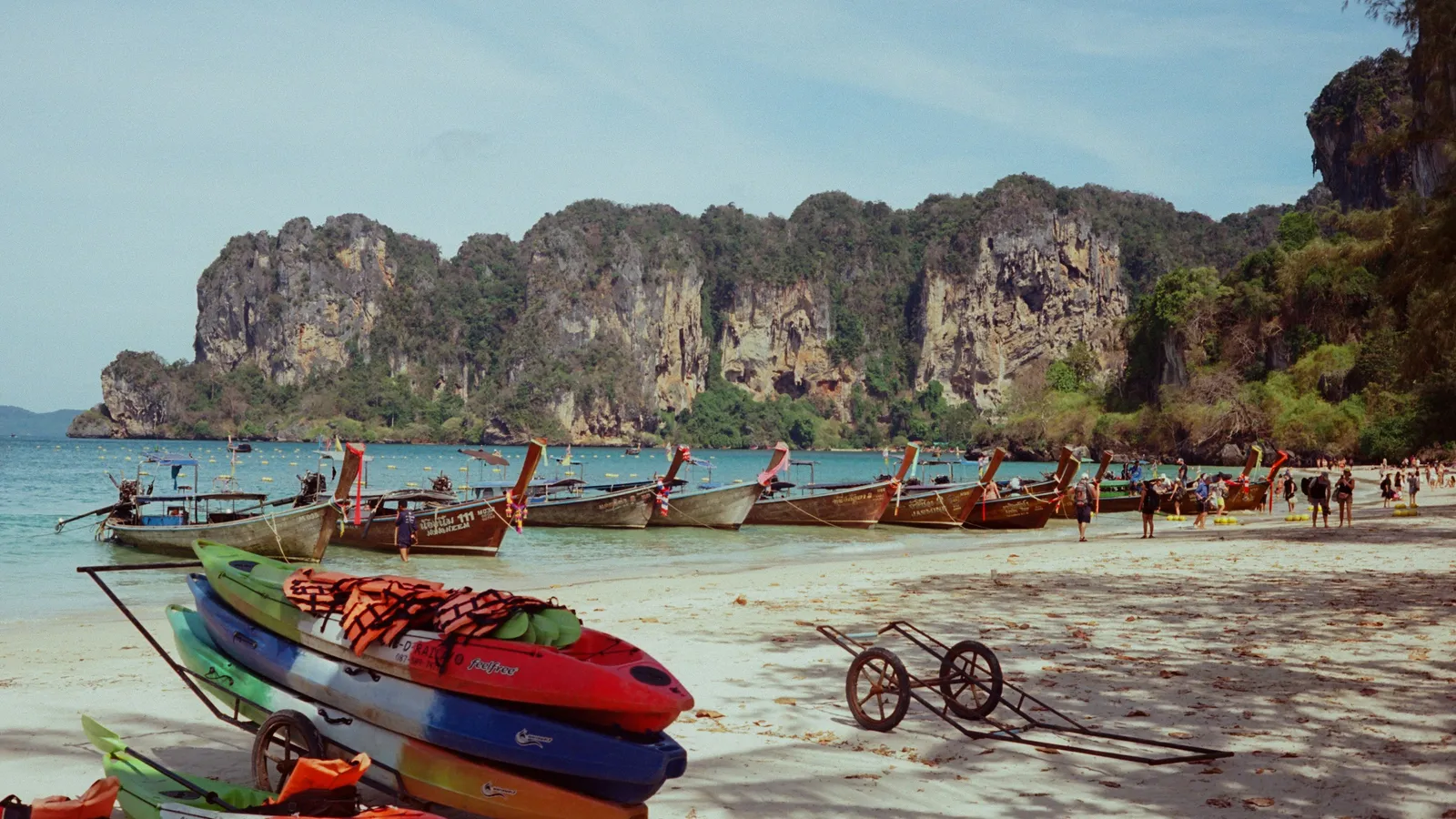
Your First Month in Southeast Asia
Plan your first 30 days in Southeast Asia with a tested itinerary covering Thailand, Cambodia, and Vietnam without rushing or overspending.
Read article →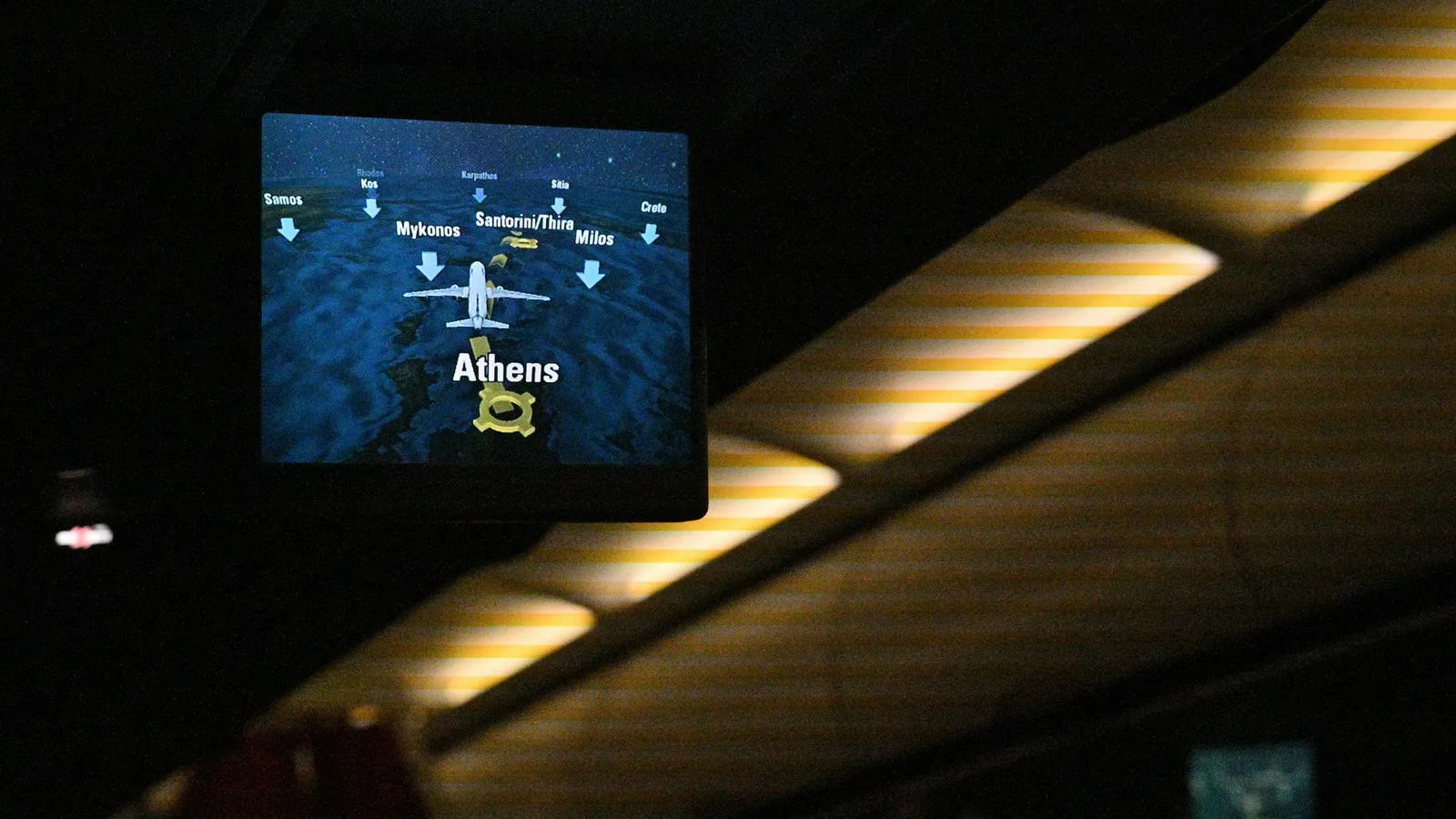
Island Hopping Route Planning
Plan efficient island-hopping routes across Thailand, Philippines, Indonesia, and Greece with ferry schedules, monsoon timing, and per-island budgets.
Read article →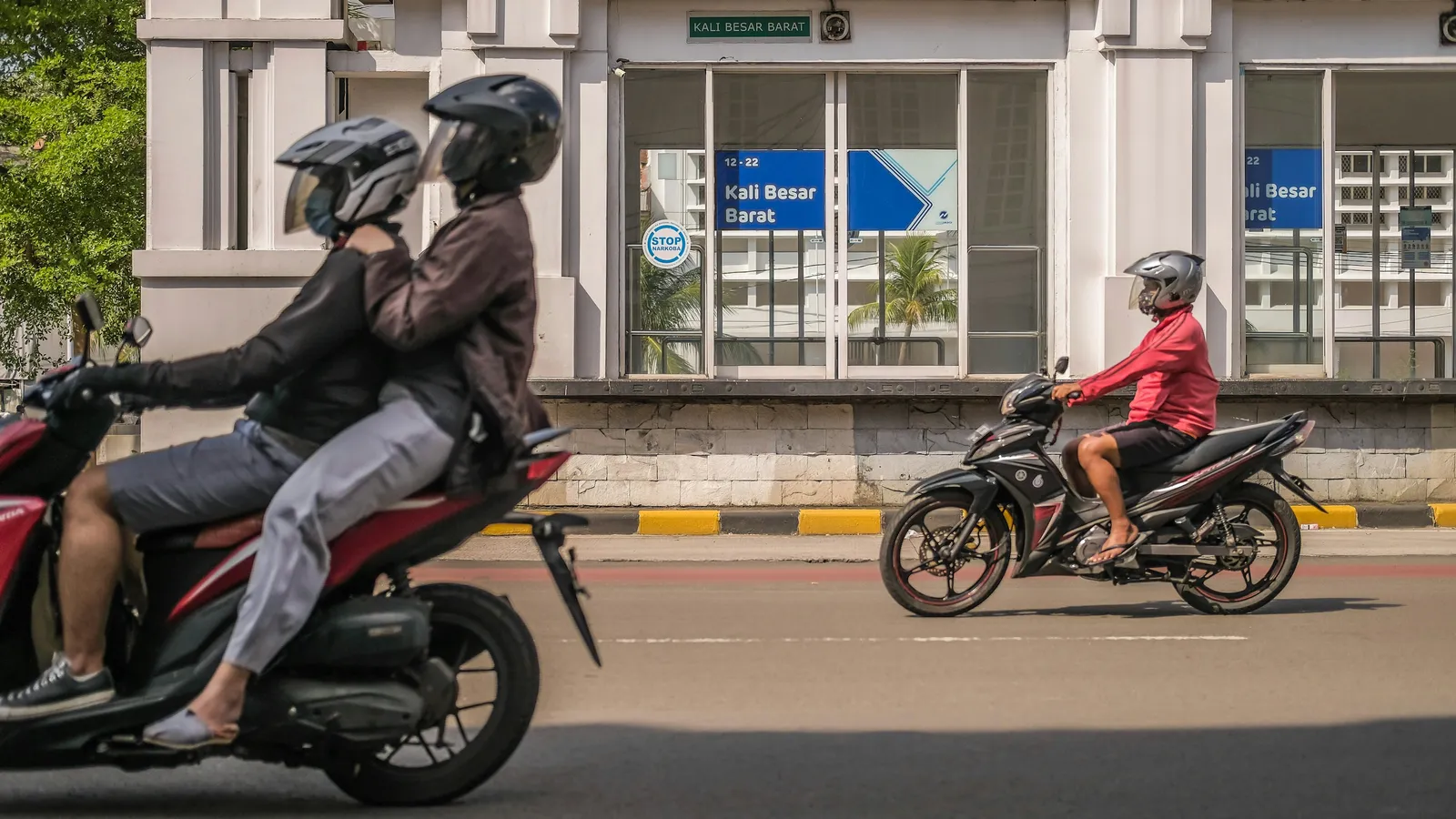
Motorcycle and Scooter Rental Abroad
Navigate motorcycle and scooter rentals in Bali, Vietnam, and Thailand with insurance advice, license requirements, scam avoidance, and safety essentials.
Read article →Heading to Chiang Mai Temples?
Find travel companions to explore Chiang Mai Temples together on roammate — split costs, share adventures, and make lifelong friends.


To customise this itinerary to your travel style, pace, and budget — download the roammate app to tailor it to your preferences.
Find travel companions in Chiang Mai Temples →