Batu Caves
A 42-metre golden statue of Lord Murugan guards 272 rainbow-painted steps leading to ancient Hindu cave temples just outside Kuala Lumpur.
1 day in Batu Caves
Only got 24 hours? Here's how to experience the best of Batu Caves in a single action-packed day.
Batu Caves Highlights
Exploring Batu Caves
Begin your day at Batu Caves early to beat the crowds and catch the best light. The main site is most atmospheric in the morning when the air is cool and the landscape catches the first golden rays. Take time to explore the main highlights and capture photographs in the soft morning light. This is the most rewarding time to visit.
Deeper Exploration
Spend the afternoon exploring further afield. Explore the surrounding areas, museums, or lesser-known sections that most visitors miss. Grab lunch at a local eatery for authentic flavours and budget-friendly prices.
Golden Hour & Farewell
End the day watching the golden hour transform the landscape. The evening light at Batu Caves is spectacular and worth waiting for. Find a local restaurant for dinner — street food stalls with incredible variety.
3 days in Batu Caves
A carefully curated route mixing iconic landmarks, hidden gems, street food, culture, and adventure — designed for younger travelers.
Batu Caves Temples & Cathedral Cave
Rainbow Staircase & Cathedral Cave Temple
Take the KTM Komuter train from KL Sentral to Batu Caves station (30 minutes, ~3 MYR) and arrive by 8am before tour buses arrive. The 272 rainbow-painted steps lead up to Cathedral Cave, a vast limestone cavern where Hindu shrines and statues fill every ledge. The cave is sacred to Lord Murugan — devotees make offerings at the main shrine while long-tailed macaques raid unguarded bags. The cave ceiling opens to the sky through a natural gap in the rock.
Dark Cave & Gallery Cave Museums
Descend and visit the Dark Cave on the left side of the staircase (18 MYR guided tour, 45 minutes) — a 2km system of unlit limestone tunnels home to endangered cave-dwelling species including the trapdoor spider, cave racer snake, and the cave-adapted Batu Caves centipede. The Gallery Cave (free, at base of steps) houses vivid dioramas depicting Hindu mythology scenes from the Ramayana and Mahabharata, popular with families. The cave art is naively painted but warmly enthusiastic.
Little India Brickfields for Dinner
Return to Kuala Lumpur and head to Brickfields — KL's Little India district — for dinner. The neighbourhood is dense with Tamil restaurants serving banana leaf rice (one of Malaysia's best-value meals at 10–15 MYR), freshly ground filter coffee, and roti canai. Sri Devi restaurant is a local institution with excellent fish curry. The street market on Jalan Masjid India sells jasmine garlands, bindis, and silk fabrics — a sensory extension of the temple atmosphere from Batu Caves.
Kuala Lumpur Temples, Markets & Towers
Sri Mahamariamman Temple & Chinatown
Visit Sri Mahamariamman Temple on Jalan Tun HS Lee — the oldest and most ornate Hindu temple in KL, built in 1873 with an elaborately carved gopuram tower covered in hundreds of Hindu deities. The temple's golden chariot used in the annual Thaipusam procession to Batu Caves is kept here. Walk into Chinatown's Petaling Street for a morning of fruit stalls, dim sum, and the chaotic hustle of one of KL's oldest commercial neighbourhoods.
KLCC Park & Petronas Towers
Head to the Petronas Twin Towers — at 452m, the world's tallest twin buildings from 1998 to 2004. Book the Skybridge viewing deck on the 41st floor (85 MYR, must book online) or the observation deck on the 86th floor (170 MYR) for a view across the KL skyline. The KLCC park below has free fountains, a jogging track, and a children's pool, with the towers providing a cinematic backdrop. The Suria KLCC mall underneath houses every major brand alongside excellent food courts.
Jalan Alor Street Food Night Market
Walk to Jalan Alor in Bukit Bintang — KL's most famous street food strip — which comes to life after 5pm with rows of plastic tables, hawker carts, and restaurants spilling onto the road. Order char kway teow (wok-fried flat rice noodles with egg, bean sprouts, and Chinese sausage), satay from any of the grill stations (0.70–1 MYR per stick), and finish with cendol — shaved ice with coconut milk, palm sugar syrup, and green rice flour jelly. A full meal costs under 25 MYR.
Thean Hou Temple, KL Forest & Departure
Thean Hou Temple at Sunrise
Visit the six-tiered Thean Hou Temple on a hilltop in Seputeh — one of the largest Chinese Taoist temples in Southeast Asia, dedicated to the Sea Goddess Mazu. At 7am the temple is almost empty and gold-lit by the morning sun; devotees burn incense and place offerings of fruit at the main altar. The surrounding terrace overlooks KL's skyline including the Petronas Towers. The temple gardens have pavilions, tortoise ponds, and medicinal herb gardens with explanatory plaques.
KL Forest Eco Park — Canopy Walkway
Visit the KL Forest Eco Park (formerly Bukit Nanas Forest Reserve) in the heart of the city — 9.37 hectares of primary rainforest minutes from the Petronas Towers. The canopy walkway (free entry, small deposit for helmet) threads through the forest at 15m height, and the reserve holds hornbills, flying lemurs, and reticulated pythons within city limits. The adjacent KL Tower (100 MYR observation deck) has the best unobstructed aerial view of the city.
Central Market & Final Souvenirs
Spend the final afternoon at Central Market (Pasar Seni) — a colonial art deco building packed with Malaysian batik, Peranakan ceramics, silver filigree jewellery, and Orang Asli wood carvings. Prices are fixed in the air-conditioned interior and the craft quality is much higher than street market stalls. End at Annexe Gallery next door, which hosts rotating exhibitions of Malaysian contemporary art. Catch the LRT from Pasar Seni station to KLCC or the airport bus from KL Sentral.
Budget tips
Book ahead online
Tickets and tours booked online are often 10-30% cheaper than walk-in prices. Many attractions sell out in peak season — advance booking guarantees entry and saves money.
Visit in shoulder season
Shoulder months (just before or after peak season) offer better prices on accommodation and flights with similar weather and fewer crowds. Year-round is peak.
Stay nearby, not at the gate
Accommodation directly at the attraction charges a premium. Staying 10-20 minutes away can save 30-50% on nightly rates. Use public transport or a rental car to bridge the gap.
Pack your own lunch
Tourist-area restaurants charge inflated prices. Pack sandwiches, snacks, and a refillable water bottle to save $15-30 per day on food. Buy supplies at local supermarkets or markets.
Free walking tours & guides
Many areas offer free or tip-based guided walks that are better than paid tours. Local guides provide insider knowledge and support the community. Check online for options.
Use local transport
Taxis and private transfers are the most expensive option. Local buses, shared minivans, or ride-sharing are 50-80% cheaper and give you a more authentic experience.
Budget breakdown
Daily costs per person in US dollars. Batu Caves costs depend on season, accommodation style, and activity choices — these ranges cover the spectrum from budget backpacker to comfortable mid-range.
| 🎒 Budget | ✨ Mid-Range | 💎 Splurge | |
|---|---|---|---|
| Accommodation Hostels → guesthouses → boutique lodges | $10–25 | $30–60 | $80+ |
| Food Street food → local restaurants → fine dining | $5–15 | $15–30 | $40+ |
| Transport Public buses → shared transfers → private car | $5–15 | $15–40 | $50+ |
| Activities Self-guided → group tours → private guides | $5–20 | $20–60 | $80+ |
| Entry Fees Combined tickets save money | $5–15 | $15–30 | $30–50 |
| Daily Total Budget backpacker → comfortable mid → luxury | $30–90 | $95–220 | $250+ |
Practical info
Entry & Visas
- Visa-free 90 days
- Keep a digital and physical copy of your passport, visa, and travel insurance at all times
- Entry fees for Batu Caves should be paid in MYR — exchange money before arriving
Health & Safety
- Travel insurance with medical evacuation coverage is essential
- Bring a basic first aid kit with blister plasters, antiseptic, painkillers, and any personal medication
- Sun protection is essential — apply SPF 50+ and reapply every 2 hours
Getting Around
- Scooter rental is cheap and popular but check insurance coverage
- Download offline maps before arriving — mobile data coverage can be patchy in remote areas
- Negotiate transport prices before departure or use metered taxis and ride-hailing apps
Connectivity
- Buy a local SIM card at the airport on arrival for affordable data — much cheaper than international roaming
- WiFi is available at most accommodation but signal quality varies. Download offline maps and guides before heading to remote areas
- Share your itinerary with someone at home and check in daily, especially for remote treks or island visits
Money
- Currency: MYR (Ringgit). Cards accepted in tourist areas, but carry cash for local vendors
- ATMs are available in towns and cities. Visa and Mastercard are most widely accepted
- Tip 10-15% at restaurants. Guides and porters appreciate tips — budget $5-10 per day per person
Packing Tips
- Comfortable walking shoes, layers for temperature changes, and a packable rain jacket
- A reusable water bottle, headlamp, and portable phone charger are essential for any outdoor adventure
- Quick-dry clothing is ideal — you can wash and wear repeatedly, reducing pack weight
Cultural tips
Batu Caves is a place of deep cultural significance — approach with curiosity and respect, and you will be rewarded with one of the most memorable experiences of your travels.
Respect Local Customs
Remove shoes before entering temples or homes. Point with your whole hand, not a finger. The head is considered sacred — never touch anyone on the head.
Leave No Trace
Pack out all rubbish. Stay on marked trails and paths. Do not touch, feed, or disturb wildlife. The natural beauty of Batu Caves depends on every visitor treating it with respect. Take only photos, leave only footprints.
Photography Etiquette
Ask permission before photographing locals, especially in indigenous or traditional communities. Many religious sites have photography restrictions — check signage and respect these rules. Drone regulations vary — check local laws before flying.
Language & Communication
Learn a few words in Malay — greetings, please, thank you, and numbers go a long way. English is limited outside tourist areas but a translation app helps bridge gaps.
Support Local Communities
Choose locally-owned guesthouses, restaurants, and guides over international chains. Buy handicrafts directly from artisans. Your spending has the most impact when it goes directly into the local economy rather than through large tour operators.
Pace & Patience
Things move at a different pace here — embrace it. Delays, diversions, and unexpected encounters are part of the adventure. Patience and flexibility will transform your experience.
Reading for Batu Caves
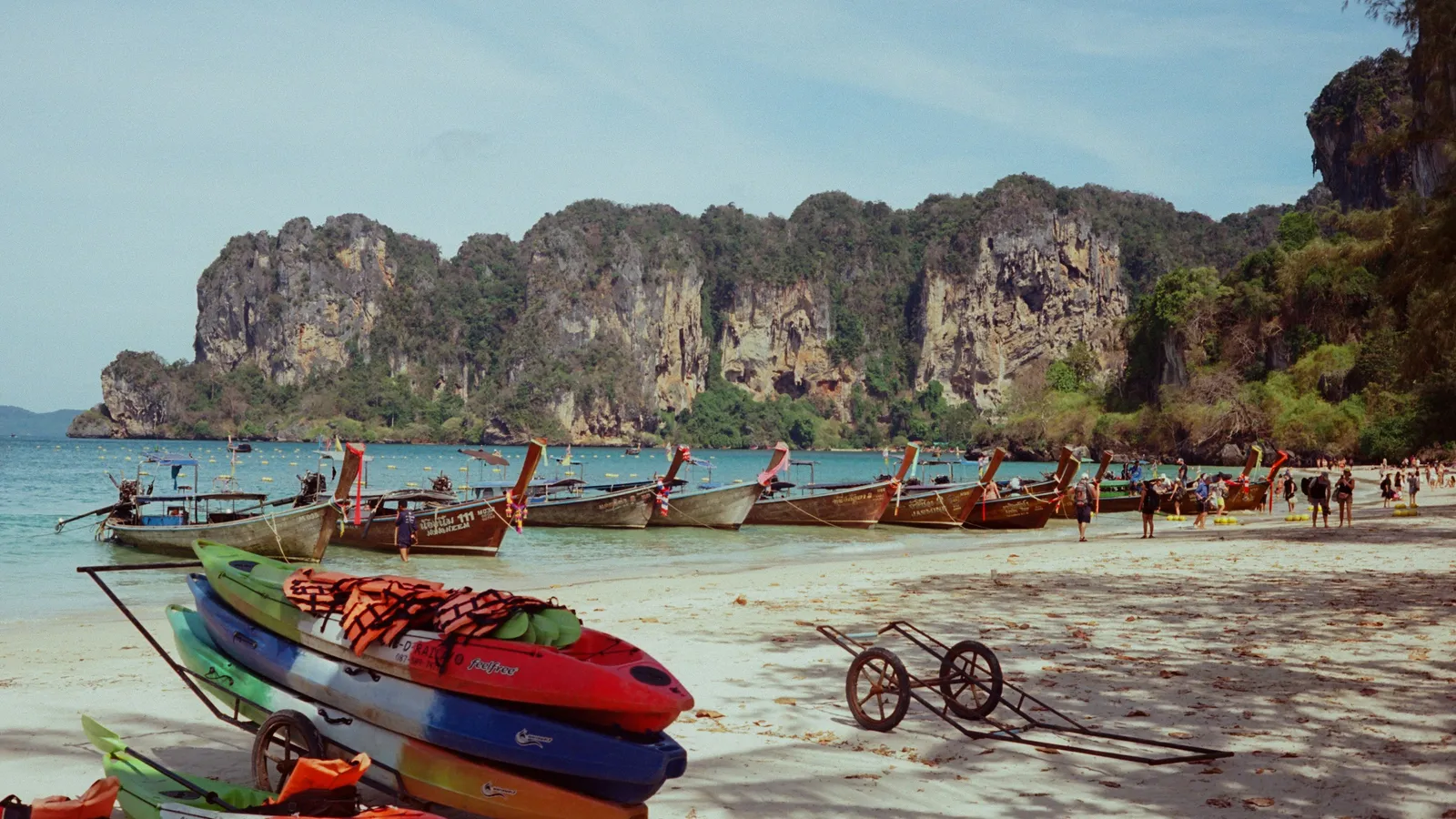
Your First Month in Southeast Asia
Plan your first 30 days in Southeast Asia with a tested itinerary covering Thailand, Cambodia, and Vietnam without rushing or overspending.
Read article →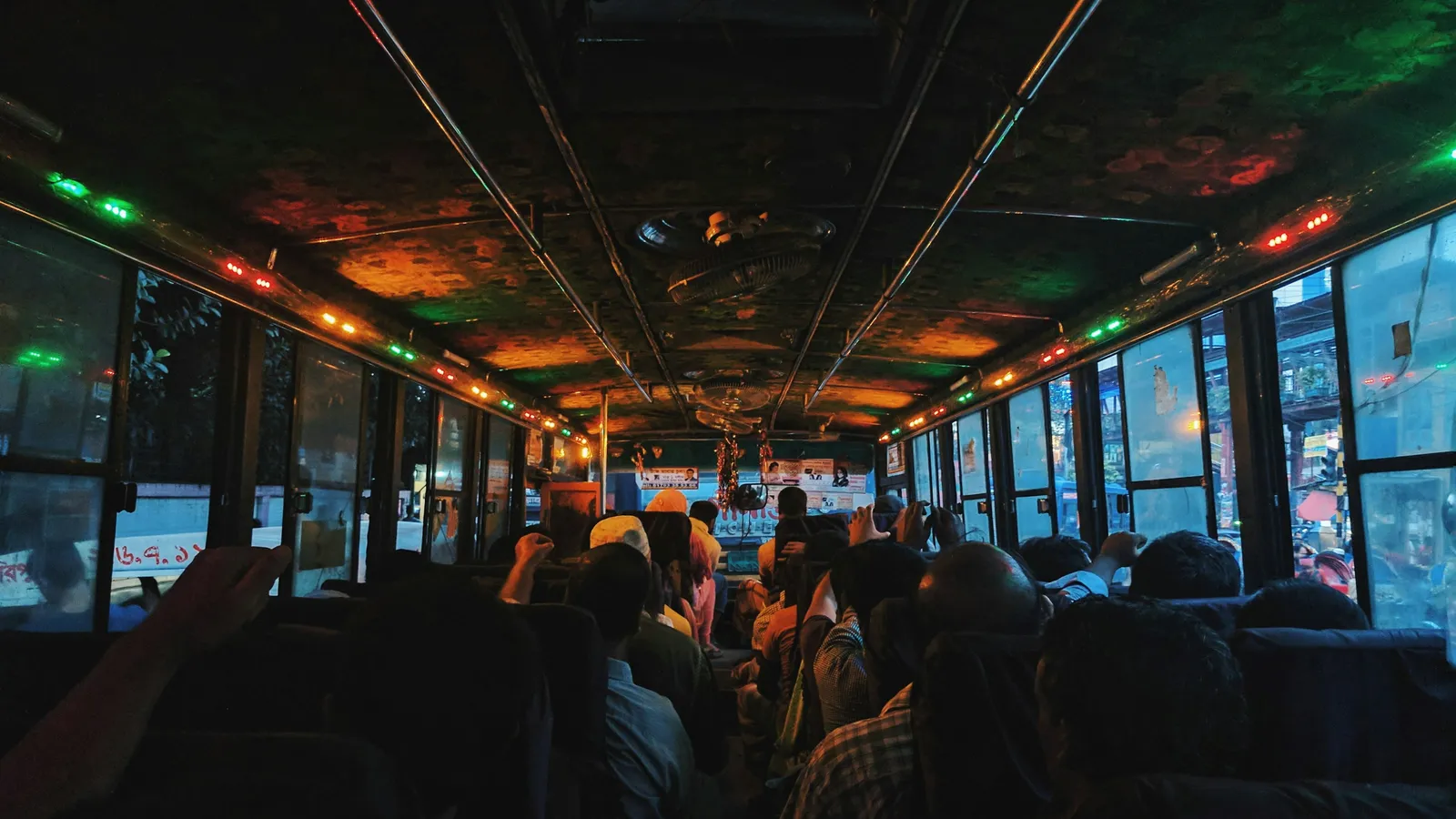
Night Bus Survival Guide
Survive overnight buses across Southeast Asia and South America with tested strategies for sleep, security, and arriving functional.
Read article →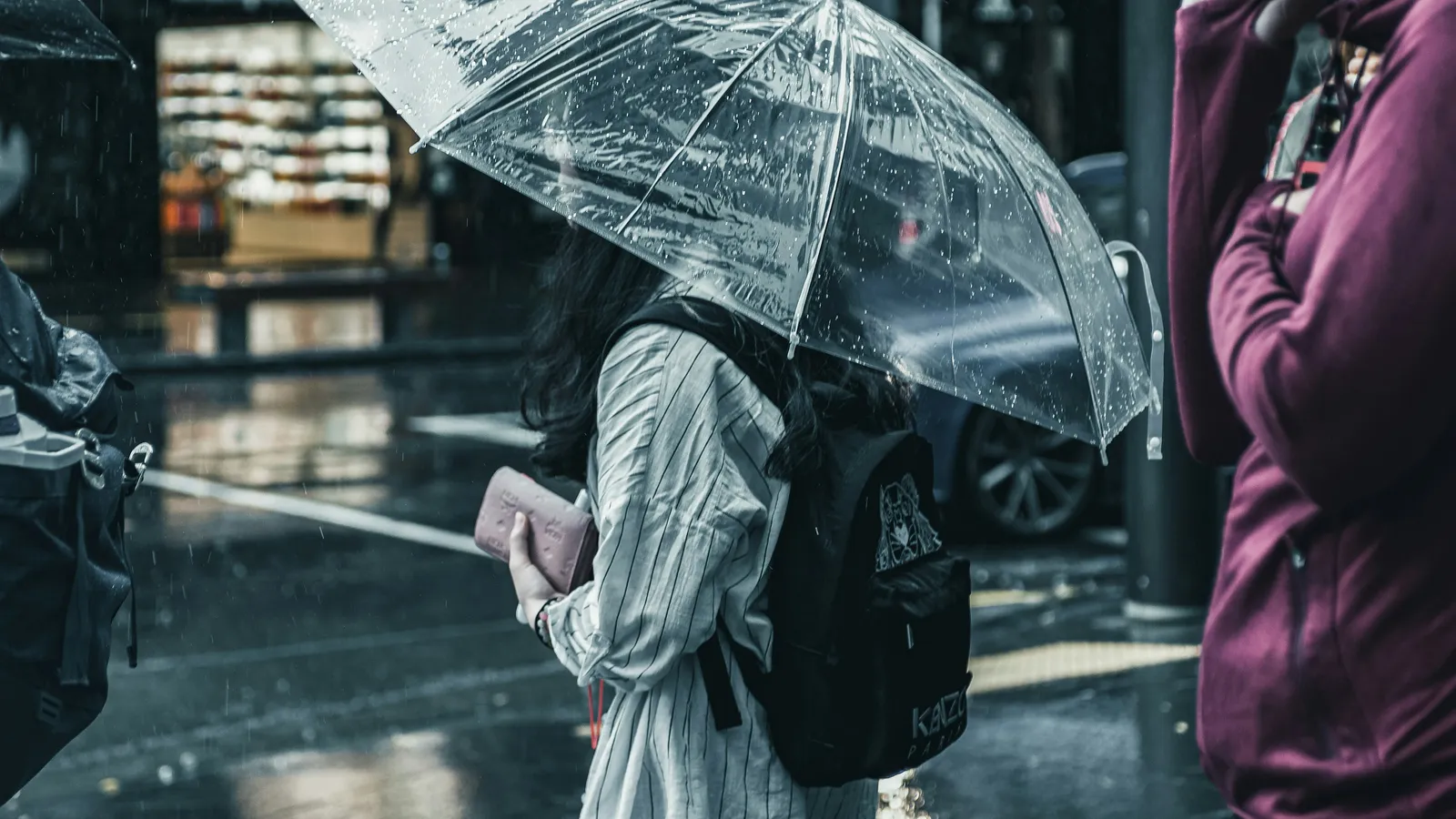
Why Rainy Season Is Your Secret Advantage
Turn rainy season into a travel advantage with lower prices, fewer crowds, and lush landscapes across Southeast Asia and Central America.
Read article →Heading to Batu Caves?
Find travel companions to explore Batu Caves together on roammate — split costs, share adventures, and make lifelong friends.


To customise this itinerary to your travel style, pace, and budget — download the roammate app to tailor it to your preferences.
Find travel companions in Batu Caves →