Angkor Wat
The largest religious monument ever built — a thousand years of Khmer genius rising from the jungle in sandstone and shadow.
1 day in Angkor Wat
Only got 24 hours? Here's how to experience the best of Angkor Wat in a single action-packed day.
Angkor Wat — The Essential Day
Sunrise at Angkor Wat
Wake at 4:30am for the experience of a lifetime. Arrive at Angkor Wat by 5am to secure a spot at the reflecting pools for the iconic sunrise silhouette — the five lotus-bud towers against a sky shifting from purple to gold is one of the most photographed moments on earth. Buy a 1-day pass ($37) at the ticket office (opens 5am, card accepted). After sunrise, explore the temple complex — the bas-reliefs stretching 800 metres depicting Hindu mythology are staggering in detail.
Bayon & Angkor Thom
Tuk-tuk to Angkor Thom, the ancient walled city. Enter through the South Gate — a dramatic causeway lined with stone gods and demons pulling a giant naga serpent. Bayon temple at the centre has 216 serene stone faces carved into 54 towers — every angle reveals another mysterious smile. Continue to the Baphuon pyramid temple, the Terrace of the Elephants, and the Terrace of the Leper King. Lunch at one of the local stalls near Angkor Thom ($3–5 for rice and curry).
Ta Prohm & Sunset at Pre Rup
Visit Ta Prohm — the "Tomb Raider temple" where giant strangler fig and silk-cotton trees have consumed the sandstone ruins. Roots cascade over doorways and through walls creating the most photogenic temple in the complex. Then head to Pre Rup for sunset — this 10th-century pyramid temple offers panoramic views over the jungle canopy as the sky turns orange. Return to Siem Reap for dinner on Pub Street — fish amok ($4) and Angkor beer ($1).
3 days in Angkor Wat
A carefully curated route mixing iconic landmarks, hidden gems, street food, culture, and adventure — designed for younger travelers.
Sunrise, Angkor Wat & Angkor Thom
Angkor Wat at Sunrise
The 4:30am alarm is worth every lost minute of sleep. Arrive at Angkor Wat by 5am and position at the reflecting pools for the most iconic sunrise in Asia — five lotus-bud towers silhouetted against a sky shifting from indigo to gold. Buy a 3-day pass ($62) at the ticket office. After sunrise, explore the temple — the 800-metre bas-relief gallery depicting the Churning of the Ocean of Milk is the longest continuous stone carving in the world.
Bayon & Angkor Thom
Tuk-tuk north to Angkor Thom. Enter through the South Gate — stone gods and demons lining a causeway over a moat. Bayon temple at the centre is hypnotic — 216 giant stone faces on 54 towers smiling serenely from every direction. Walk through the Baphuon (a temple-mountain with a hidden reclining Buddha on its west side), the Terrace of the Elephants, and the Terrace of the Leper King. Lunch at a temple-area food stall ($3–4).
Pre Rup Sunset & Pub Street
Catch sunset at Pre Rup — a 10th-century temple-mountain with steep stairs leading to a summit platform with 360-degree views over the temple-dotted jungle canopy. The sky turns extraordinary colours as the sun drops behind the distant Kulen Mountains. Return to Siem Reap and explore Pub Street — the backpacker hub with $0.50 draught beer, fish amok for $4, and live music. The night market adjacent has crafts and street food.
Ta Prohm, Banteay Kdei & Floating Village
Ta Prohm — The Jungle Temple
Start early at Ta Prohm — the temple that was deliberately left in its found state, with giant strangler fig and silk-cotton trees consuming the sandstone ruins. Roots cascade over doorways and split walls apart in slow motion. The Tomb Raider filming location (the courtyard with the large tree root) draws crowds by 9am so arrive at 7:30am. The atmosphere in the quiet early morning feels like discovering a lost civilisation.
Banteay Kdei & Srah Srang
Walk to nearby Banteay Kdei — a smaller, quieter Buddhist monastery with similar tree-root atmosphere to Ta Prohm but a fraction of the visitors. The carved devata figures on the walls are beautifully detailed. Directly opposite, Srah Srang is a serene royal bathing pool with stone steps leading down to the water. Locals fish and swim here in the afternoon. It is one of the most peaceful spots in the Angkor complex.
Kompong Phluk Floating Village
Afternoon excursion to Kompong Phluk floating village ($20 by tuk-tuk and boat) on Tonle Sap Lake — the largest freshwater lake in Southeast Asia. The stilted houses rise 10 metres above the water in dry season and flood completely in wet season. Take a boat through the flooded forest — a surreal submerged jungle of mangroves. The community lives entirely off the lake and the visit provides context for rural Cambodian life far from the temples.
Outer Temples & Siem Reap
Banteay Srei — The Pink Temple
Tuk-tuk 37km north to Banteay Srei ($15–20 round trip) — a 10th-century Hindu temple carved from pink sandstone with the finest decorative work in Angkor. The intricate carvings are so detailed they look like wood carving, not stone. The temple is small but the artistry is unmatched anywhere in the complex. En route, stop at the Cambodia Landmine Museum — a sobering and important collection documenting the country's landmine crisis.
Angkor National Museum & Rest
Back in Siem Reap, visit the Angkor National Museum ($12) — the best way to understand the Khmer Empire history and symbolism you have been seeing at the temples. The 1000 Buddhas gallery and the Angkor Wat gallery add enormous depth to the experience. Then rest — temple fatigue is real after two days. Get a traditional Khmer massage ($8–12/hour) at one of the spas along Sivatha Boulevard.
Phare Circus & Farewell Dinner
Book tickets for Phare the Cambodian Circus ($18–38) — a world-class performance combining acrobatics, theatre, music, and dance telling Cambodian stories. The performers are graduates of Phare Ponleu Selpak, an NGO arts school, and the show is extraordinary. Afterwards, farewell dinner at Cuisine Wat Damnak — a Cambodian fine-dining experience using local ingredients ($28 set menu). Or keep it real with street-side lok lak and rice ($3).
Budget tips
Temple pass strategy matters
1-day pass: $37. 3-day pass: $62 (valid 10 days). 7-day pass: $72 (valid 1 month). The 3-day pass is the sweet spot for most travelers. Buy after 5pm for a free sunset entry that evening.
Tuk-tuk prices are negotiable
Small Circuit (Angkor Wat, Bayon, Ta Prohm): $15–18/day. Grand Circuit (add Preah Khan, Neak Pean): $20–25. Banteay Srei add-on: $25–30. Negotiate the evening before and agree on temple stops in advance.
USD is the primary currency
Almost everything is priced in USD. Riel (៛4,000 = $1) is used for change under $1. ATMs dispense USD. Do not accept torn or marked USD bills — Cambodians will refuse them and so will you when spending.
Food is incredibly cheap
Fish amok: $3–4. Lok lak: $3. Rice and curry at temple stalls: $2–3. Beer: $0.50–1. Pub Street inflates prices — eat one street back or at the Old Market food stalls for local prices.
Avoid the scams
Children selling postcards, bracelet sellers, and "guide" touts at temples are persistent. A firm but friendly "no thank you" works. Never buy antiquities — they are fakes and real ones are illegal to export.
Rent a bicycle for closer temples
Bicycles ($2–3/day) work for Angkor Wat and nearby temples if you are fit and start early. The Small Circuit is 17km by road. Electric bikes ($10–15/day) are a middle ground between bicycle and tuk-tuk.
Budget breakdown
Daily costs per person in USD (Cambodia's primary currency). The temple pass is the biggest expense — everything else in Siem Reap is remarkably affordable.
| 🎒 Budget | ✨ Mid-Range | 💎 Splurge | |
|---|---|---|---|
| Accommodation Hostels → boutique hotels → luxury resorts | $5–12 | $20–60 | $100+ |
| Food Street food & market → restaurants → fine dining | $5–10 | $15–30 | $50+ |
| Transport Bicycle → tuk-tuk → private car & driver | $3–10 | $15–25 | $40+ |
| Activities Temple pass share → full-day tuk-tuk → private guide & helicopter | $12–20 | $25–40 | $60+ |
| Drinks Draught beer → cocktails → hotel bars | $1–3 | $5–10 | $20+ |
| Daily Total Excluding temple pass (one-time cost) | $26–55 | $80–165 | $270+ |
Practical info
Visa & Entry
- Visa on arrival at Siem Reap airport: $30 for 30 days. Bring a passport photo or pay $2 extra. E-visa available online for $36 (processed in 3 days)
- Passport must be valid for 6+ months. Visa can be extended once in Phnom Penh for 30 more days ($45)
- Direct flights from Bangkok (1hr), Ho Chi Minh City (1.5hrs), Kuala Lumpur (2.5hrs), and Singapore (2.5hrs). Airport tuk-tuk to town: $7–10
Health & Safety
- No mandatory vaccinations. Hepatitis A, typhoid, and tetanus recommended. Tap water is not safe — bottled water $0.25 everywhere
- Siem Reap is generally safe. Watch for bag snatching on tuk-tuks and pickpockets in crowded markets. Avoid walking alone late at night
- Mosquitoes at temple sites (especially at dawn and dusk) — bring repellent. Pharmacies in town sell basic medications cheaply. Royal Angkor Hospital for emergencies
Getting Around
- Tuk-tuks are the primary transport to temples — negotiate a full-day rate ($15–25) and your driver waits at each stop
- Bicycles ($2–3/day) and e-bikes ($10–15/day) work for closer temples. The roads are flat but distances are longer than they look on the map
- Grab works in Siem Reap for in-town rides ($1–3). For Banteay Srei and distant temples, arrange your tuk-tuk driver in advance
Connectivity
- Tourist SIM at the airport: Smart or Cellcard from $3–5 for 30 days with data. Coverage is good in Siem Reap, patchy at remote temples
- WiFi in most hotels and cafes in town. No WiFi at the temple sites — download offline maps of the Angkor complex before heading out
- All apps work normally. Google Maps is essential for navigating the temple circuit. Maps.me has better offline detail for Angkor paths
Money
- ATMs dispense USD ($4–5 withdrawal fee). Canadia Bank and ABA Bank have the lowest fees. Withdraw $100+ at a time to minimize charges
- USD is the primary currency — everything is priced in dollars. Riel (៛4,000 = $1) is given as change for amounts under $1
- Cash is essential everywhere. Cards accepted at mid-range hotels and restaurants but not at temples, tuk-tuks, or markets
Packing Tips
- Temple dress code is strict — covered shoulders and knees at all sites. Angkor Wat upper level turns you away if not covered. Bring light, long clothing
- Comfortable walking shoes with grip — temple stairs are steep, uneven, and slippery. Flip-flops are not safe on the temple structures
- Sunscreen, hat, and 2+ litres of water per temple day. Electrolyte sachets help in the heat. A headlamp for pre-dawn sunrise visits
Cultural tips
Cambodia's history is both glorious and tragic. The Khmer people are warm, resilient, and deeply proud of their heritage. Cultural sensitivity is essential here.
Sampeah Greeting
The sampeah (palms pressed together, slight bow) is the traditional Khmer greeting. Higher hands indicate more respect. Return a sampeah when received. A smile and slight nod is perfectly acceptable for casual encounters with locals.
Temple Sacred Sites
Many Angkor temples are still active places of worship. Remove shoes where indicated, dress modestly (covered shoulders and knees), and never climb on Buddha statues or touch carved faces. Monks are present at some temples — women must never touch a monk.
Photography Ethics
Do not pose disrespectfully at temples (sitting on Buddha statues, kissing at sacred sites). Ask permission before photographing monks or locals. At the floating villages, be sensitive — these are people's homes, not photo opportunities.
Poverty & Giving
Cambodia is one of the poorest countries in Asia. Do not give money or sweets to children at temples — it encourages begging over school. Instead, support social enterprise restaurants (Haven, Marum) and ethical shops (Artisans Angkor) that invest in communities.
Respect the King
The Cambodian monarchy is deeply respected. Never disrespect the King or royal family. Images of the King appear everywhere — treat them respectfully. Standing for the royal anthem before cinema screenings is expected.
Khmer Rouge Sensitivity
Nearly every Cambodian family was affected by the Khmer Rouge genocide (1975–1979). Approach the topic with extreme sensitivity. Visit the Angkor National Museum and Landmine Museum to understand the history. Never make jokes about the period.
Angkor Wat is on these routes
Reading for Angkor Wat
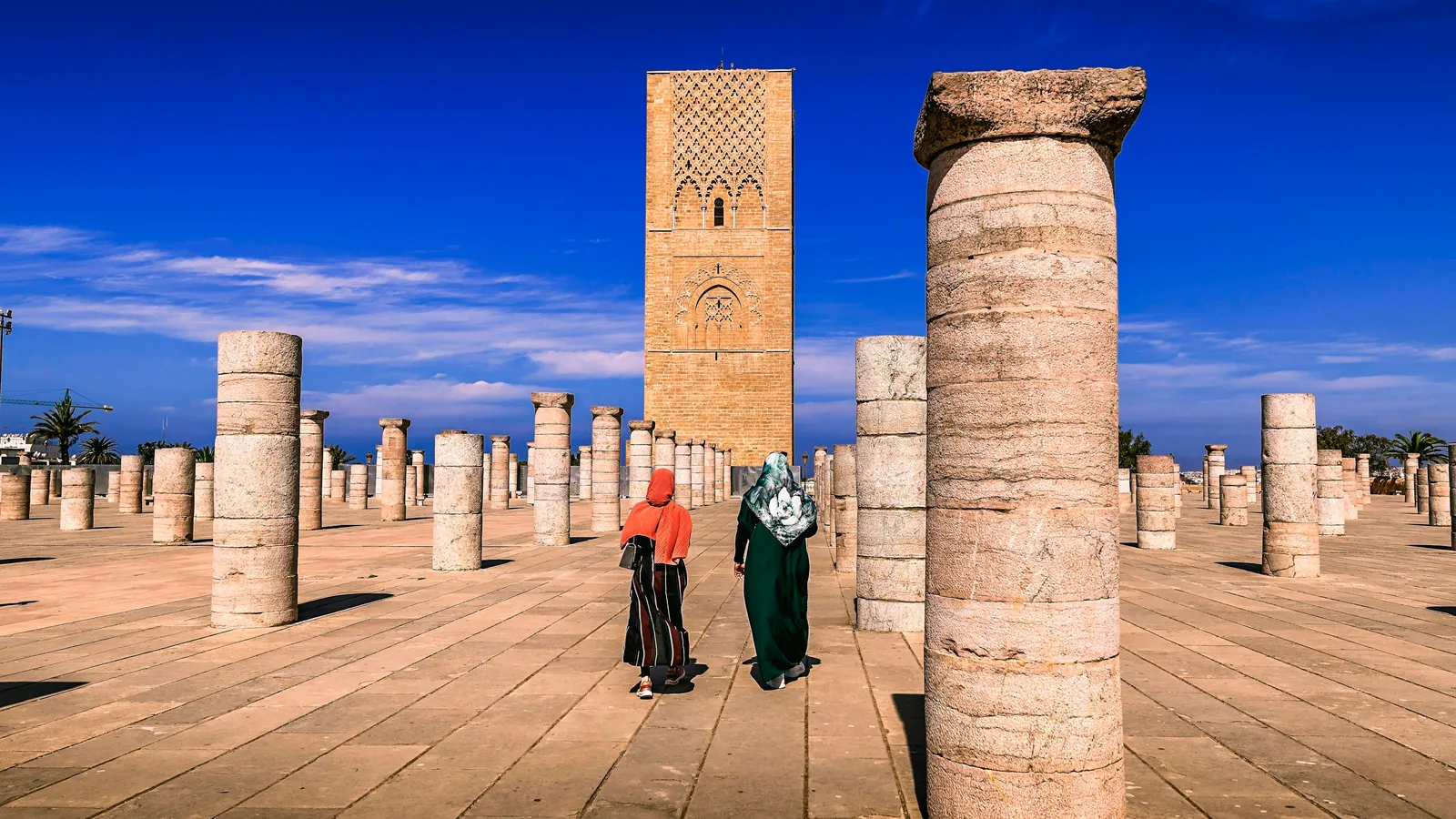
Planning a Cultural Site Day That Sticks
Plan cultural site visits that are memorable rather than exhausting, covering timing, context prep, and the pacing that prevents temple fatigue.
Read article →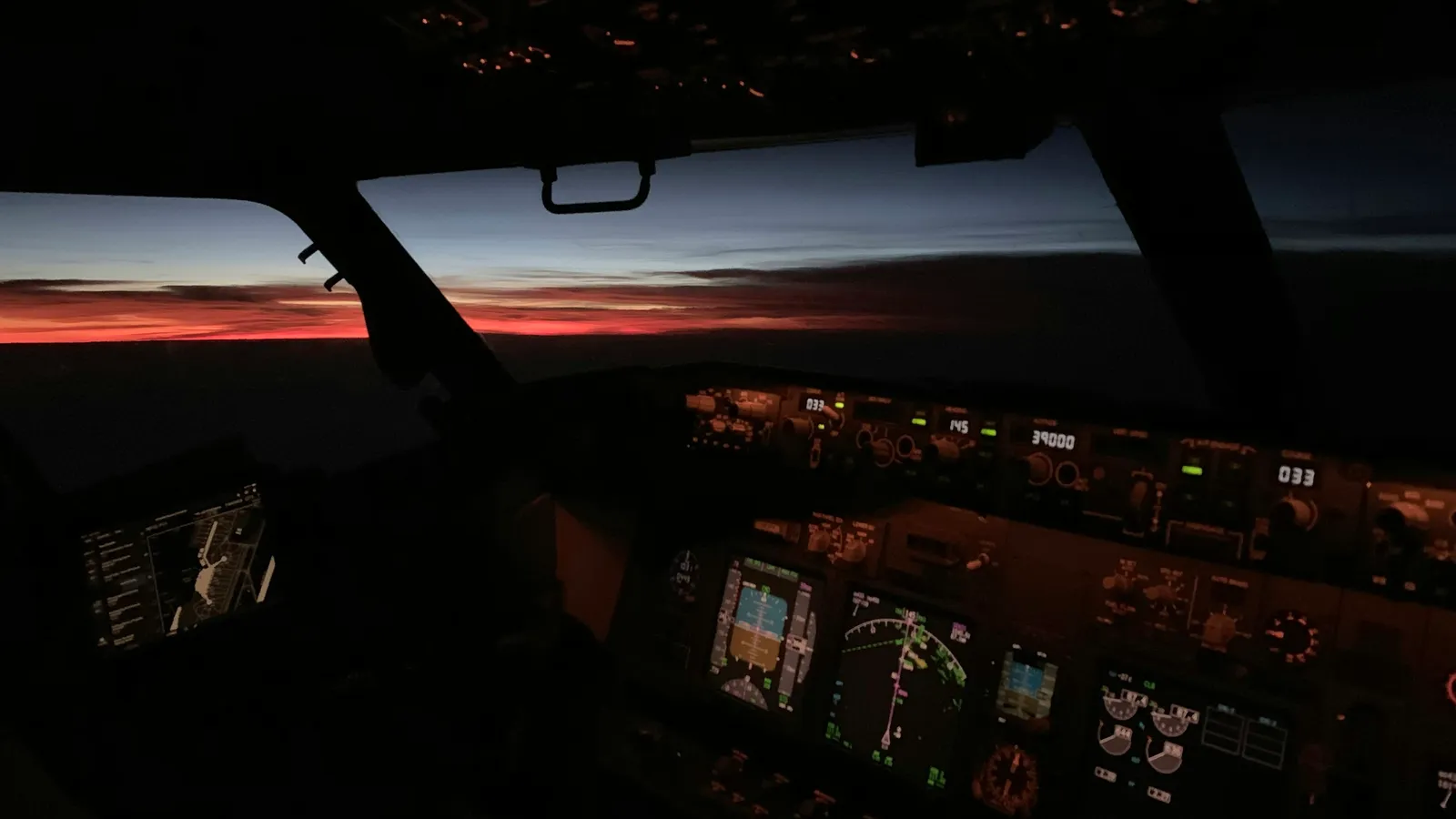
Sunrise and Sunset Shooting Workflow
Nail sunrise and sunset photography while traveling with a workflow covering location scouting, camera settings, and the 20-minute golden window.
Read article →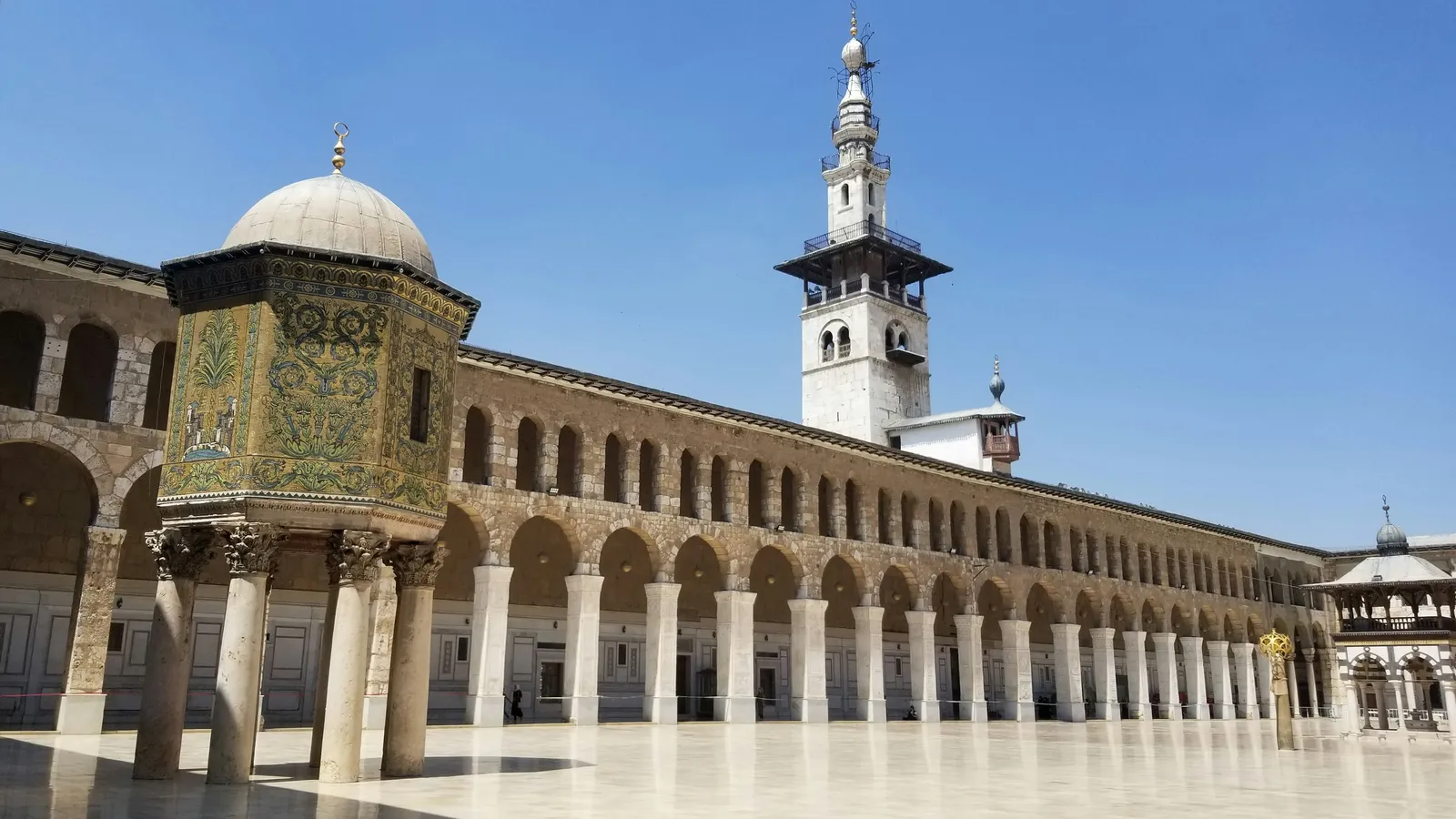
Temple and Mosque Etiquette Guide
Essential etiquette for visiting temples, mosques, and religious sites worldwide including dress codes, photography rules, and gender-specific guidelines.
Read article →Heading to Angkor Wat?
Find travel companions, share tuk-tuk costs, and explore the temples together with fellow travelers on roammate.


To customise this itinerary to your travel style, pace, and budget — download the roammate app to tailor it to your preferences.
Find travel companions in Angkor Wat →