Trolltunga
A tongue of rock jutting 700 metres above a glacial lake — Norway's most iconic hike and one of Europe's great adventures.
1 day in Trolltunga
Only got 24 hours? Here's how to experience the best of Trolltunga in a single action-packed day.
Trolltunga — The Iconic Hike
Early Start from Skjeggedal
An early start is essential — arrive at the Skjeggedal trailhead parking (kr 500/day) by 6–7am for the best conditions and fewer crowds. The shuttle bus from Tyssedal runs from 6am in peak season (kr 100 return). The first 4km climb is the steepest section — gaining 400 metres on a rocky switchback trail carved into the mountainside. The effort is rewarded with views that expand with every step, revealing the turquoise waters of Ringedalsvatnet lake far below and the snow-dusted peaks of the Folgefonna glacier on the horizon. By the time you reach the plateau, the landscape transforms into a stark, beautiful alpine tundra of grey rock, moss, and scattered tarns.
The Tongue — Trolltunga Viewpoint
After 5–6 hours of hiking across the high plateau — a 27km round trip — you arrive at Trolltunga itself. The famous rock formation juts 10 metres horizontally from the cliff face, hovering 700 metres above the glacial lake Ringedalsvatnet. The first sight of it is genuinely awe-inspiring — a natural diving board into the abyss. Queue for your turn to walk out onto the tongue (15–60 minutes depending on crowds) and take the iconic photo sitting on the edge with your legs dangling over the void. The view across the fjord landscape is among Norway's finest — layer upon layer of blue mountains fading into mist. Take your time absorbing it before the long return.
Return Hike & Odda Recovery
The return hike takes 4–5 hours over the same route. Knees take the brunt on the steep descent to Skjeggedal — trekking poles make an enormous difference. Most hikers reach the trailhead between 5–8pm depending on their start time. Drive or shuttle back to Odda — a small fjord town with supermarkets, cafes, and accommodation. Celebrate with a well-earned meal at one of Odda's restaurants — a burger at a local spot costs kr 180–220 ($17–21). Budget travelers can cook at their hostel or campsite. The sense of achievement after completing this hike is immense — one of the most iconic trails in Scandinavia.
3 days in Trolltunga
A carefully curated route mixing iconic landmarks, hidden gems, street food, culture, and adventure — designed for younger travelers.
Arrival & Hardangerfjord Exploration
Journey to Odda via Hardangerfjord
Drive or bus from Bergen to Odda (2.5–3 hours) through some of Norway's most spectacular scenery. The route follows the Hardangerfjord — the second-longest fjord in Norway at 179km — with fruit orchards clinging to the shoreline and waterfalls cascading from the plateaus above. Stop at Steindalsfossen waterfall near Norheimsund where you can walk behind the falling water on a paved path. The drive through the Folgefonn tunnel and along Sørfjorden reveals increasingly dramatic landscape as the valley narrows toward Odda. Arrive in Odda and check into your accommodation — hostels from kr 350/night, camping from kr 200.
Buarbreen Glacier Walk
Drive 15 minutes from Odda to the Buarbreen glacier trailhead — a moderate 3km hike (1.5 hours each way) to the face of an active glacier arm descending from the vast Folgefonna icecap. The trail follows a river valley through birch forest before emerging into a dramatic landscape of polished granite and glacial moraines. The blue-white wall of the glacier terminus is impressive up close — you can feel the cold air radiating off the ice. The glacier has retreated significantly in recent decades and the exposed rock shows how recently it was covered. This is an excellent acclimatisation hike for Trolltunga the next day.
Odda Town & Trolltunga Preparation
Explore Odda — a former industrial town reinventing itself as a hiking hub. The zinc smelter smokestacks contrast with the surrounding fjord beauty in a uniquely Norwegian way. Stock up on trek supplies at Rema 1000 or Kiwi supermarket — Norwegian supermarkets are the budget traveler's best friend. Prepare your pack for tomorrow: minimum 2 litres water, high-energy food (nuts, chocolate, sandwiches), rain jacket, fleece, hat, gloves, first aid kit, headlamp, and trekking poles. Check the weather forecast on yr.no — the Trolltunga trail should only be attempted in good visibility.
Trolltunga — The Big Day
Skjeggedal to the Plateau
Shuttle or drive to Skjeggedal trailhead by 6:30am. The first section climbs 400 metres through a steep, rocky switchback — the hardest physical section of the day but mercifully front-loaded. Rest at the viewpoint where Ringedalsvatnet lake appears below like a turquoise jewel set in dark granite. Beyond the initial climb, the trail levels onto a vast alpine plateau — a barren, beautiful moonscape of grey rock, mossy patches, and small tarns reflecting the sky. The walking is easier here but the distance is significant. Follow the red T markers painted on rocks that guide you across the plateau toward the fjord edge. The landscape has a raw, ancient quality unlike anywhere else in Europe.
Trolltunga — Standing on the Edge
After 5–6 hours of hiking, the trail descends slightly and Trolltunga comes into view — a flat tongue of rock projecting 10 metres horizontally from a sheer cliff, 700 metres above the glacial lake below. The scale is difficult to process until you see other hikers standing on it, tiny against the void. Join the queue and when your turn comes, walk out onto the tongue. The exposure is exhilarating — nothing between you and the lake 700 metres below except air. Sit on the edge, stand in a power pose, or just absorb the view — fjord walls stretching in both directions, glacier-fed waterfalls catching the light, and peaks extending to the horizon in every shade of blue.
Return & Recovery
Begin the return hike by early afternoon to reach Skjeggedal before evening. The return is the same route — 13.5km back across the plateau and down the steep switchbacks. The descent is harder on the knees than the climb, and fatigue makes the rocky sections more treacherous. Trekking poles are worth their weight in gold for the downhill. Reach the trailhead and drive or shuttle back to Odda. A hot shower and a big meal are the only agenda tonight. If staying at a campsite or hostel with a kitchen, cook pasta with whatever you have left — you have earned every calorie. Early to bed with legs that feel like concrete.
Fjord & Waterfall Recovery Day
Låtefossen Waterfall & Scenic Drive
Take a gentle recovery day exploring the Hardangerfjord region by car or bus. Drive south from Odda along Route 13 to Låtefossen — a spectacular twin waterfall where two streams crash down 165 metres and merge under the road bridge, drenching passing cars in spray. Continue to the Folgefonna Summer Ski Centre if open (Jun–Aug) where you can ski on a glacier in the sunshine — one of Norway's most surreal experiences. The drive along Sørfjorden offers continuous fjord views with apple and cherry orchards on the slopes. In May–June the blossom season transforms the fjord into a pink and white corridor.
Hardanger Fjord Kayaking or Cruise
Kayaking on the Hardangerfjord is the best way to experience the fjord landscape at water level — guided tours from Odda or Ullensvang cost kr 500–800 ($50–80) for 3 hours. Paddle past cliff faces dropping straight into the dark water, beneath waterfalls, and alongside small islands. The fjord is usually calm and the reflections of the mountains on still mornings are perfect. Alternatively, the Hardanger ferry provides scenic transport between fjord communities with views of Folgefonna glacier descending toward the water. The scale of the fjord is only truly apparent from the water — the walls rise over 1,000 metres on both sides.
Bergen or Onward Travel
Head back to Bergen (2.5–3 hours) via the stunning Hardangerfjord road, or continue south toward Stavanger and the Lysefjord (for Preikestolen, another iconic Norwegian hike). Bergen itself is worth a night — the colourful wooden Bryggen wharf, the fish market, and the Floibanen funicular to Mount Floyen for city panoramas. Budget accommodation in Bergen starts at kr 350 for hostel dorms. The Bergen Light Rail connects the airport to the city centre. If flying out, Bergen Airport (BGO) has direct flights across Europe and excellent connections via Oslo to anywhere.
Budget tips
Camp to slash accommodation costs
Norway is expensive, but wild camping is legal under the Right to Roam (allemannsretten). Camp anywhere on uncultivated land for free — 150m from buildings. A tent, sleeping bag, and cooking gear save hundreds. Trolltunga even has a designated camping area near the viewpoint for overnighters.
Cook your own meals
Restaurant meals in Norway cost kr 180–350 ($17–33). Supermarkets (Rema 1000, Kiwi, Coop) are far more affordable — bread, cheese, cured meats, and instant noodles cost a fraction. Most hostels have kitchens. Budget kr 100–150/day for self-catered food versus kr 400+ eating out.
The Trolltunga hike is free
There is no entrance fee for Trolltunga — it is public land under Norwegian outdoor access rights. The only costs are parking (kr 500/day at Skjeggedal) or the shuttle bus (kr 100 return). Bring your own food and water as there are no facilities on the trail.
Use Vy trains and Skyss buses
Norway's public transport is efficient but not cheap. Book Vy train tickets in advance online for "minipris" discounted fares — Bergen to Oslo from kr 299 instead of kr 800+. The Skyss bus from Bergen to Odda costs kr 350. Student and youth discounts are available.
Refill water everywhere
Norwegian tap water is among the cleanest in the world — refill bottles at any tap. Stream water on the mountain is also safe to drink. Never buy bottled water in Norway — it is an unnecessary expense in a country with pristine natural water sources.
Shoulder season saves money
June and September have lower accommodation prices than July–August peak season. The trail is open and conditions are good, though daylight hours are shorter in September. Midweek travel is cheaper than weekends for both transport and accommodation.
Budget breakdown
Daily costs in Norwegian Kroner (NOK/kr). Norway is expensive but the Trolltunga hike itself is free — wild camping and self-catering keep costs manageable.
| 🎒 Budget | ✨ Mid-Range | 💎 Splurge | |
|---|---|---|---|
| Accommodation Wild camping → hostel/cabin → hotel/Airbnb | kr 0–200 | kr 350–800 | kr 1,200+ |
| Food Self-catered → mix of cooking & eating out → restaurants | kr 100–150 | kr 250–400 | kr 600+ |
| Transport Bus/shuttle → rental car share → private car rental | kr 50–100 | kr 150–300 | kr 500+ |
| Activities Hiking (free) → kayak/glacier walk → guided adventure | kr 0–100 | kr 200–500 | kr 800+ |
| Extras Parking, souvenirs, SIM card | kr 50 | kr 100–200 | kr 300+ |
| Daily Total ~$20–57 / $100–210 / $325+ USD | kr 200–600 | kr 1,050–2,200 | kr 3,400+ |
Practical info
Visa & Entry
- Norway is part of the Schengen Area — 90-day visa-free entry for EU/UK/US/Canada/Australia and many other nationalities. Check Schengen requirements for your passport
- Bergen Airport (BGO) is the nearest international airport — 2.5 hours by car or 3 hours by bus to Odda. Oslo Airport (OSL) connects to Bergen by 1-hour flight or 7-hour train
- The Skyss bus from Bergen to Odda runs several times daily (kr 350, 3 hours). Rental cars from Bergen offer flexibility for the fjord region but Norwegian fuel and toll costs add up
Health & Safety
- The Trolltunga hike is 27km round trip with 800m elevation gain — you need good physical fitness. Allow 10–12 hours for the return trip. The trail is well-marked but remote and exposed
- Weather changes rapidly — fog, rain, and wind can appear in minutes even in summer. Bring full rain gear, warm layers, and a headlamp. Check yr.no before departing and turn back if conditions deteriorate
- There is no mobile signal for most of the trail. Tell someone your planned route and expected return time. Carry a first aid kit. In emergency, call 113 (ambulance) or 110 (fire/rescue)
Trail Information
- Season: The trail is officially open from approximately June 1 to September 30 (varies by snow conditions). Outside this period, a guided winter hike is required (kr 2,500+)
- Difficulty: Graded as hard. The first 4km are steep switchbacks gaining 400m. The plateau section is long but relatively flat. Total distance: 27km round trip, 800m total elevation gain
- Facilities: Parking at Skjeggedal (kr 500/day), shuttle from Tyssedal (kr 100 return), and a basic toilet at the trailhead. No facilities on the trail itself — carry all food, water, and essentials
Connectivity
- Norwegian SIMs (Telenor, Telia) cost kr 200–300 with data. EU roaming works for EU residents. Mobile coverage exists in Odda but is absent on most of the Trolltunga trail
- Download offline maps before the hike — Google Maps offline or the UT.no app (Norwegian Trekking Association) has detailed trail maps. GPS works everywhere even without signal
- WiFi is available at most accommodation in Odda. Many cafes offer free WiFi. Upload your Trolltunga photos when you return to town — you will not have signal at the tongue itself
Money
- Norway is essentially cashless — card payments work everywhere including parking machines, shuttle buses, and small cafes. Visa and Mastercard are universally accepted
- No need to carry significant cash. ATMs exist in Odda and Bergen. Some small rural shops may not accept Amex. Contactless payments are standard throughout Norway
- Tipping is not expected in Norway. Restaurant bills include service. Rounding up a taxi fare is appreciated but not required. Gratuities for trail guides are welcomed but not customary
Packing Essentials
- Hiking boots with ankle support (broken in), waterproof jacket and trousers, fleece or down layer, hat, gloves, and sunglasses. Dress in layers — conditions change rapidly
- Trekking poles (strongly recommended for the descent), 2+ litres of water, high-energy food, first aid kit, headlamp with spare batteries, sunscreen, and a fully charged phone
- If camping at Trolltunga: tent, sleeping bag rated to 0°C, sleeping mat, and cooking gear. The exposed plateau is windy — use a 3-season tent minimum and stake it well
Cultural tips
Norway's outdoor culture runs deep — friluftsliv (outdoor life) is a national identity. Respect for nature, the right to roam, and leave-no-trace principles are not suggestions here.
Right to Roam
Norway's allemannsretten (right to roam) allows everyone to walk, camp, and forage on uncultivated land. This right comes with responsibility — leave no trace, respect wildlife, camp at least 150m from buildings, and stay no more than 2 nights in one spot. This ancient right is deeply valued by Norwegians.
Leave No Trace
Norwegians take environmental stewardship seriously. Carry all rubbish out from the trail — including food waste. Do not pick wildflowers, disturb nesting birds, or leave campfire scars. The "leave it better than you found it" principle is a genuine cultural expectation, not just a slogan.
Norwegian Social Norms
Norwegians value personal space and quiet respect for nature. Loud music on the trail is deeply frowned upon. Greet fellow hikers with a simple "hei" — Norwegians are friendly but reserved. Conversations start small and personal questions come later. Enjoy the silence of the mountains.
Friluftsliv Philosophy
Friluftsliv (free-loofts-liv) — outdoor life — is central to Norwegian identity. Time in nature is considered essential for wellbeing, not a weekend hobby. Norwegians hike in all weather and teach children to embrace the outdoors from birth. The saying "there is no bad weather, only bad clothing" is taken literally here.
Respect Grazing Land
Sheep graze freely across Norwegian mountain plateaus in summer. Close gates behind you, keep dogs on leads, and do not disturb grazing animals. The sheep are semi-wild and important to local farming communities. You will share the Trolltunga plateau with woolly companions.
Fjord Culture
The fjords shaped Norwegian culture over millennia — from Viking sailing routes to modern hydropower. Fjord communities are tight-knit and proud of their landscape. Buying local products (cider, cheese, crafts) supports these small communities. The Hardangerfjord region is famous for its fruit orchards and cider production.
Reading for Trolltunga
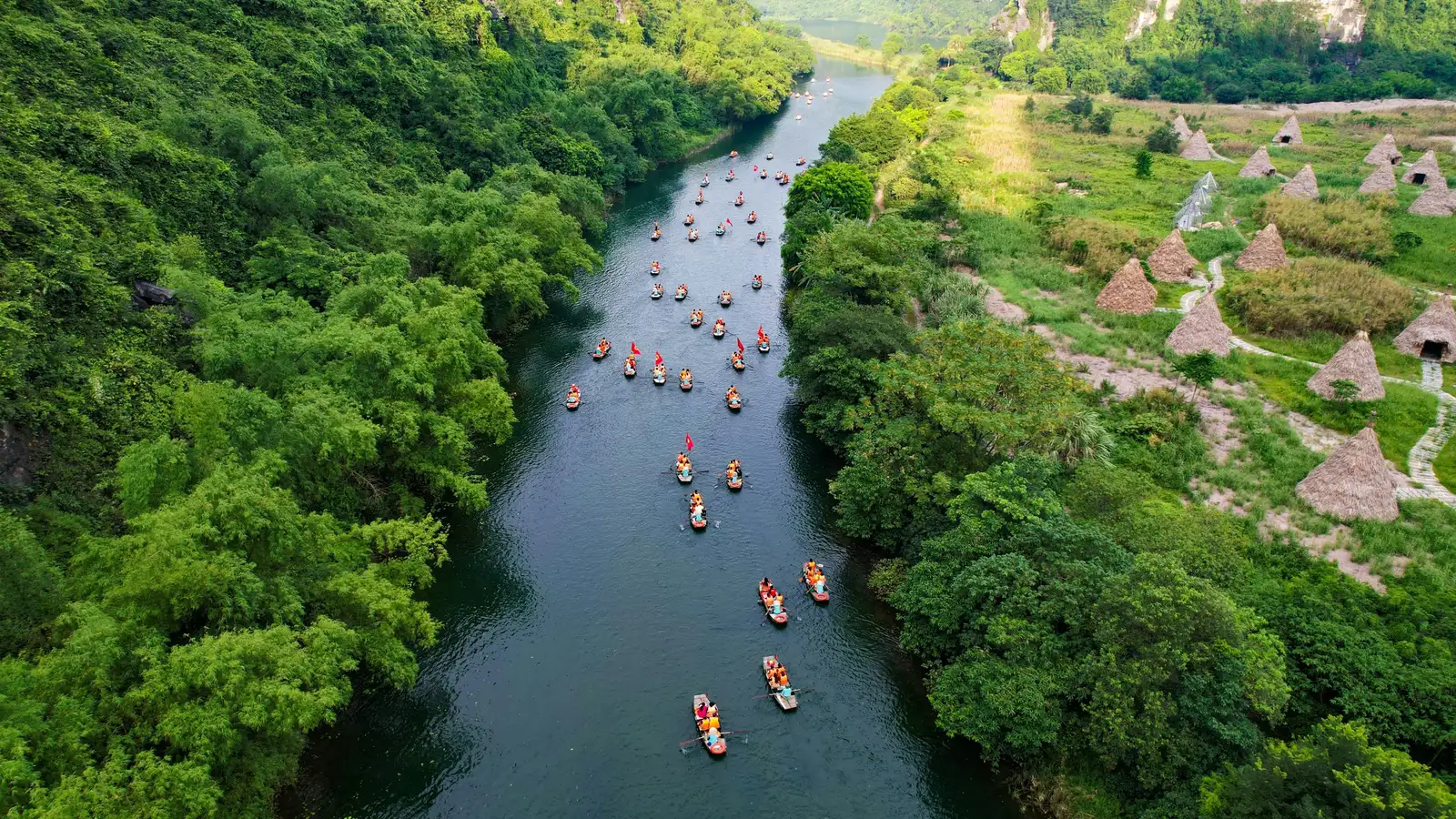
River Travel Routes Around the World
Explore the world by river: Mekong slow boats, Amazon tributaries, Nile feluccas, and European ferries. Booking tips, costs, and what to bring for river travel.
Read article →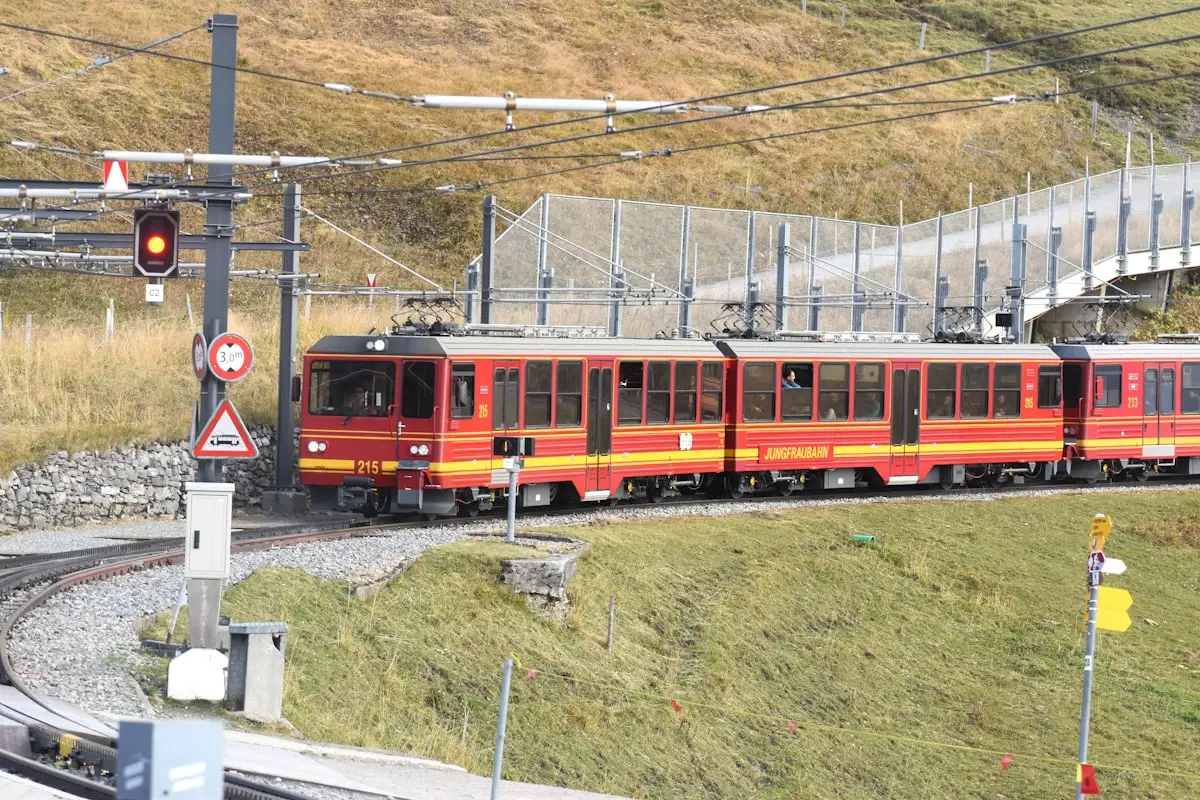
Train Passes: Europe, Japan, and Beyond
Do the math on Eurail passes, Japan Rail Passes, and India train classes — with booking windows, seat reservations, and when point-to-point is cheaper.
Read article →Heading to Trolltunga?
Find hiking partners, share transport to Odda, and conquer Trolltunga together with fellow adventurers on roammate.


To customise this itinerary to your travel style, pace, and budget — download the roammate app to tailor it to your preferences.
Find travel companions in Trolltunga →