Torres del Paine
Patagonia's crown jewel — three granite towers, the Grey Glacier, and the W Trek through some of the most dramatic mountain scenery in the southern hemisphere.
1 day in Torres del Paine
Only got 24 hours? Here's how to experience the best of Torres del Paine in a single action-packed day.
Torres del Paine Highlights
Exploring Torres del Paine
Begin your day at Torres del Paine early to beat the crowds and catch the best light. The trail is most atmospheric in the morning when the air is cool and the landscape catches the first golden rays. Take time to explore the main highlights and capture photographs in the soft morning light. This is the most rewarding time to visit.
The Trail Continues
Spend the afternoon exploring further afield. Follow the trails deeper into the landscape for more secluded viewpoints and quieter corners. Grab lunch at a local eatery for authentic flavours and budget-friendly prices.
Mountain Sunset
End the day watching the alpenglow light up the peaks. The evening light at Torres del Paine is spectacular and worth waiting for. Find a local restaurant for dinner — local specialties at honest prices.
3 days in Torres del Paine
A carefully curated route mixing iconic landmarks, hidden gems, street food, culture, and adventure — designed for younger travelers.
Mirador Las Torres — The Classic Summit
Las Torres Base at Sunrise
Start the Las Torres trail from Refugio Las Torres at 6am to reach the glacial lake at the base of the three granite towers at sunrise — the single most iconic viewpoint in South America. The 19km return hike gains 900m of elevation through lenga beech forest and then a brutal boulder field scramble to the milky turquoise lake. At dawn the towers glow pink and orange in alpenglow before the sun clears the ridge. Allow 8–10 hours total for the round trip.
Refugio Rest & Guanacos
Return to Refugio Las Torres in the afternoon and rest sore legs. The meadows around the refugio are prime guanaco territory — herds of these wild South American camelids graze within metres of the path, entirely habituated to trekkers. Andean condors ride the thermals above the towers throughout the day, their 3-metre wingspans unmistakeable. The refugio serves hot soup, empanadas, and local wine — a genuine treat after the climb.
Lago Nordenskjöld at Dusk
Drive or walk to the shores of Lago Nordenskjöld as the light turns the Cuernos del Paine — the jagged horn peaks of black and grey granite capped with blonde sedimentary rock — into shades of amber and copper. This lake view is one of the W Trek's most celebrated sights. Pumas occasionally emerge at dusk to hunt guanacos; early evening is peak sighting time. Camp at Camping Italiano or stay at Posada Río Serrano for the night.
Grey Glacier & Valle del Francés
Grey Glacier Trek
Take the catamaran across Lago Grey or hike the 11km trail from Refugio Grey to the face of Glaciar Grey — a vast river of ice calving icebergs into the steel-blue lake below. Blue ice pinnacles drift slowly across the lake surface, occasionally cracking with thunderous booms. The glacier extends 28km back into the Southern Patagonian Ice Field, the world's third-largest freshwater reserve. Ice trekking on the glacier with crampons can be booked at Refugio Grey.
Valle del Francés
Hike into the Valle del Francés — the W Trek's most dramatic valley, a steep-sided corridor of hanging glaciers, waterfalls, and avalanche debris. The trail climbs through lenga beech forest into an open bowl where ice chunks calve from the Francés and Bader glaciers above. The upper mirador, a 2-hour ascent from the valley floor, frames the entire Cuernos massif and looks across to the Paine Grande massif. Condors circle the thermals overhead.
Paine Grande Camp at Sunset
Reach Refugio Paine Grande on the shores of Lago Pehoé as the sun sets behind the Paine Grande massif — the reflections of the dark pyramidal peak in the turquoise lake are unforgettable. Ferries cross Lago Pehoé twice daily connecting to the park's administrative centre; the sunset crossing, with the towers behind you and the open steppe ahead, is the best possible final act for the day. Warm up with Carménère wine and a bowl of cazuela stew.
Lago Sarmiento & Puerto Natales
Lago Sarmiento & Stromatolites
Before leaving the park, visit the quieter eastern sector around Lago Sarmiento — a turquoise lake fringed by white calcite formations and stromatolites, among the rarest and oldest life forms on Earth. The trail along the lakeshore is almost entirely deserted compared to the W Trek, offering solitude and extraordinary light on the Cuernos rising behind the water. This is the Torres del Paine that few trekkers take the time to find.
Puerto Natales — Recovery & Gear
Drive the 112km back to Puerto Natales — the gateway town for Torres del Paine, with a genuine frontier charm of wooden cafés, trekking gear shops, and smoky parillas. Wash your clothes, charge your devices, and recover at one of the town's excellent hostel common rooms where trekkers from around the world swap route reports. Browse the dried food stalls in the municipal market and pick up locally smoked lamb or Magallanes salami for the journey home.
Patagonian Lamb & Farewell Dinner
Patagonia's gastronomic speciality is cordero al palo — whole lamb slow-roasted on a cross-shaped spit over an open wood fire for 6 hours. El Asador Patagónico in Puerto Natales is the best place to eat it, with half portions available for solo travellers. Order a bottle of Chilean Carménère and raise a glass to the mountains. The bus to Punta Arenas for your flight departs early — pack your gear the night before and sleep with the window cracked for one last Patagonian dawn.
Budget tips
Book ahead online
Tickets and tours booked online are often 10-30% cheaper than walk-in prices. Many attractions sell out in peak season — advance booking guarantees entry and saves money.
Visit in shoulder season
Shoulder months (just before or after peak season) offer better prices on accommodation and flights with similar weather and fewer crowds. Oct – Apr is peak.
Stay nearby, not at the gate
Accommodation directly at the attraction charges a premium. Staying 10-20 minutes away can save 30-50% on nightly rates. Use public transport or a rental car to bridge the gap.
Pack your own lunch
Tourist-area restaurants charge inflated prices. Pack sandwiches, snacks, and a refillable water bottle to save $15-30 per day on food. Buy supplies at local supermarkets or markets.
Free walking tours & guides
Many areas offer free or tip-based guided walks that are better than paid tours. Local guides provide insider knowledge and support the community. Check online for options.
Use local transport
Taxis and private transfers are the most expensive option. Local buses, shared minivans, or ride-sharing are 50-80% cheaper and give you a more authentic experience.
Budget breakdown
Daily costs per person in US dollars. Torres del Paine trekking costs vary widely depending on whether you hire a guide, porter, and which route you choose — these ranges cover the spectrum from budget backpacker to comfortable mid-range.
| 🎒 Budget | ✨ Mid-Range | 💎 Splurge | |
|---|---|---|---|
| Accommodation Hostels → guesthouses → boutique lodges | $25–60 | $70–150 | $200+ |
| Food Street food → local restaurants → fine dining | $15–30 | $30–60 | $70+ |
| Transport Public buses → shared transfers → private car | $5–15 | $15–40 | $50+ |
| Activities Self-guided → group tours → private guides | $5–20 | $20–60 | $80+ |
| Entry Fees Combined tickets save money | $5–15 | $15–30 | $30–50 |
| Daily Total Budget backpacker → comfortable mid → luxury | $75–190 | $165–370 | $430+ |
Practical info
Entry & Visas
- Visa-free 90 days
- Keep a digital and physical copy of your passport, visa, and travel insurance at all times
- Entry fees for Torres del Paine should be paid in CLP — exchange money before arriving
Health & Safety
- Travel insurance with medical evacuation coverage is essential
- Bring a basic first aid kit with blister plasters, antiseptic, painkillers, and any personal medication
- Altitude sickness is a risk above 2,500m — acclimatise slowly and stay hydrated
Getting Around
- Shared transport or guided tours are the most practical options
- Download offline maps before arriving — mobile data coverage can be patchy in remote areas
- Trails are usually well-marked but a local guide adds safety and insider knowledge
Connectivity
- Buy a local SIM card at the airport on arrival for affordable data — much cheaper than international roaming
- WiFi is available at most accommodation but signal quality varies. Download offline maps and guides before heading to remote areas
- Share your itinerary with someone at home and check in daily, especially for remote treks or island visits
Money
- Currency: CLP (Peso). Cards accepted in tourist areas, but carry cash for local vendors
- ATMs are available in towns and cities. Visa and Mastercard are most widely accepted
- Tip 10-15% at restaurants. Guides and porters appreciate tips — budget $5-10 per day per person
Packing Tips
- Sturdy hiking boots (broken in), moisture-wicking layers, and a quality rain jacket are essential
- A reusable water bottle, headlamp, and portable phone charger are essential for any outdoor adventure
- Quick-dry clothing is ideal — you can wash and wear repeatedly, reducing pack weight
Cultural tips
Torres del Paine is wild terrain that demands respect — approach with curiosity and respect, and you will be rewarded with one of the most memorable experiences of your travels.
Respect Local Customs
Be mindful of local customs and traditions. Ask before photographing people. Learn basic greetings in the local language — even a simple hello earns goodwill.
Leave No Trace
Pack out all rubbish. Stay on marked trails and paths. Do not touch, feed, or disturb wildlife. The natural beauty of Torres del Paine depends on every visitor treating it with respect. Take only photos, leave only footprints.
Photography Etiquette
Ask permission before photographing locals, especially in indigenous or traditional communities. Many religious sites have photography restrictions — check signage and respect these rules. Drone regulations vary — check local laws before flying.
Language & Communication
Learn a few words in Spanish — greetings, please, thank you, and numbers go a long way. English is limited outside tourist areas but a translation app helps bridge gaps.
Support Local Communities
Choose locally-owned guesthouses, restaurants, and guides over international chains. Buy handicrafts directly from artisans. Your spending has the most impact when it goes directly into the local economy rather than through large tour operators.
Pace & Patience
Allow more time than you think — rushing through natural and cultural sites misses the point. The best experiences come from slowing down and being present.
Torres del Paine is on these routes
Reading for Torres del Paine
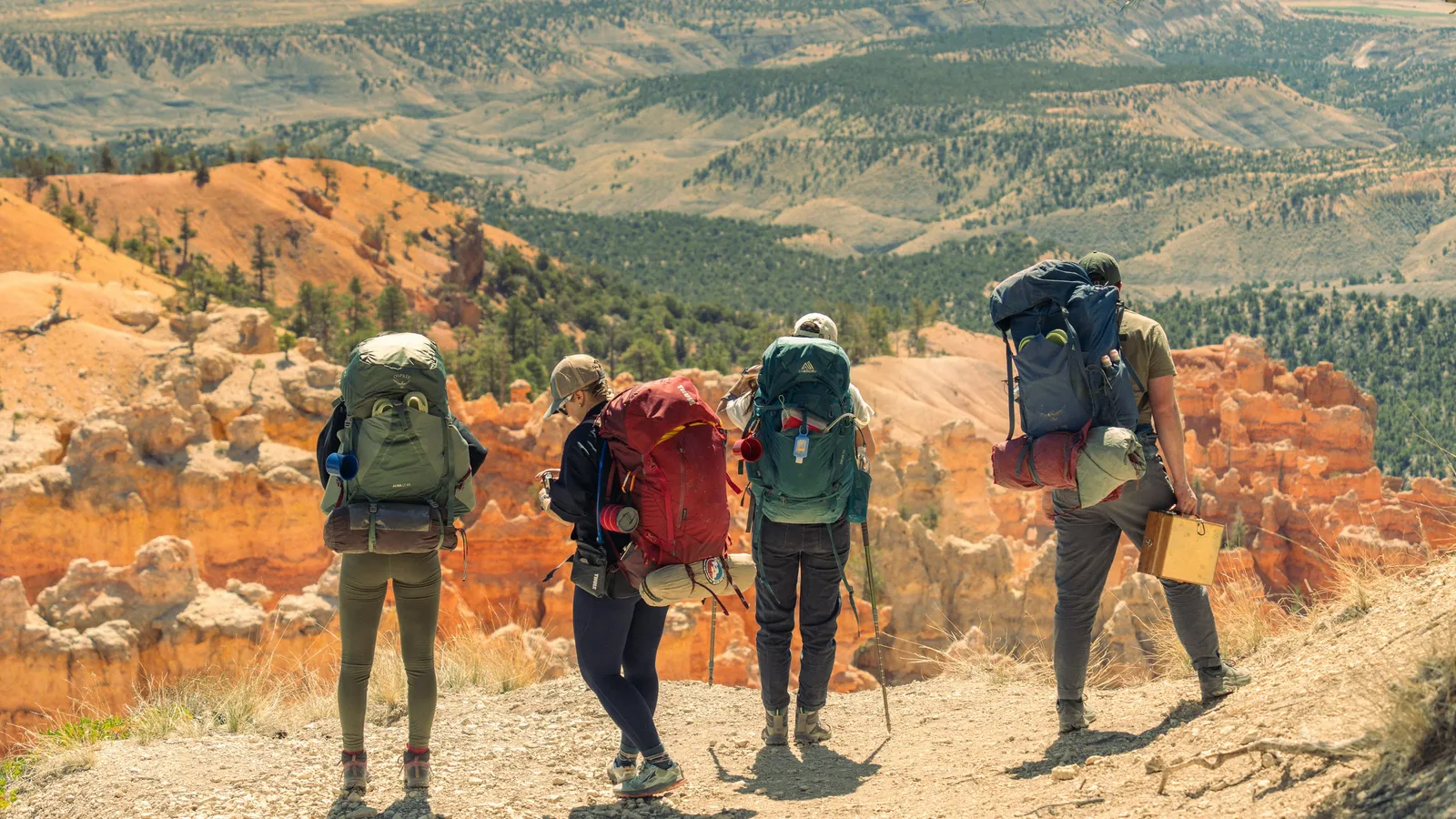
Hiking Rotation for Multi-Country Trips
Build a hiking rotation across multiple countries that balances intensity, recovery, and the best trails without burning out your knees.
Read article →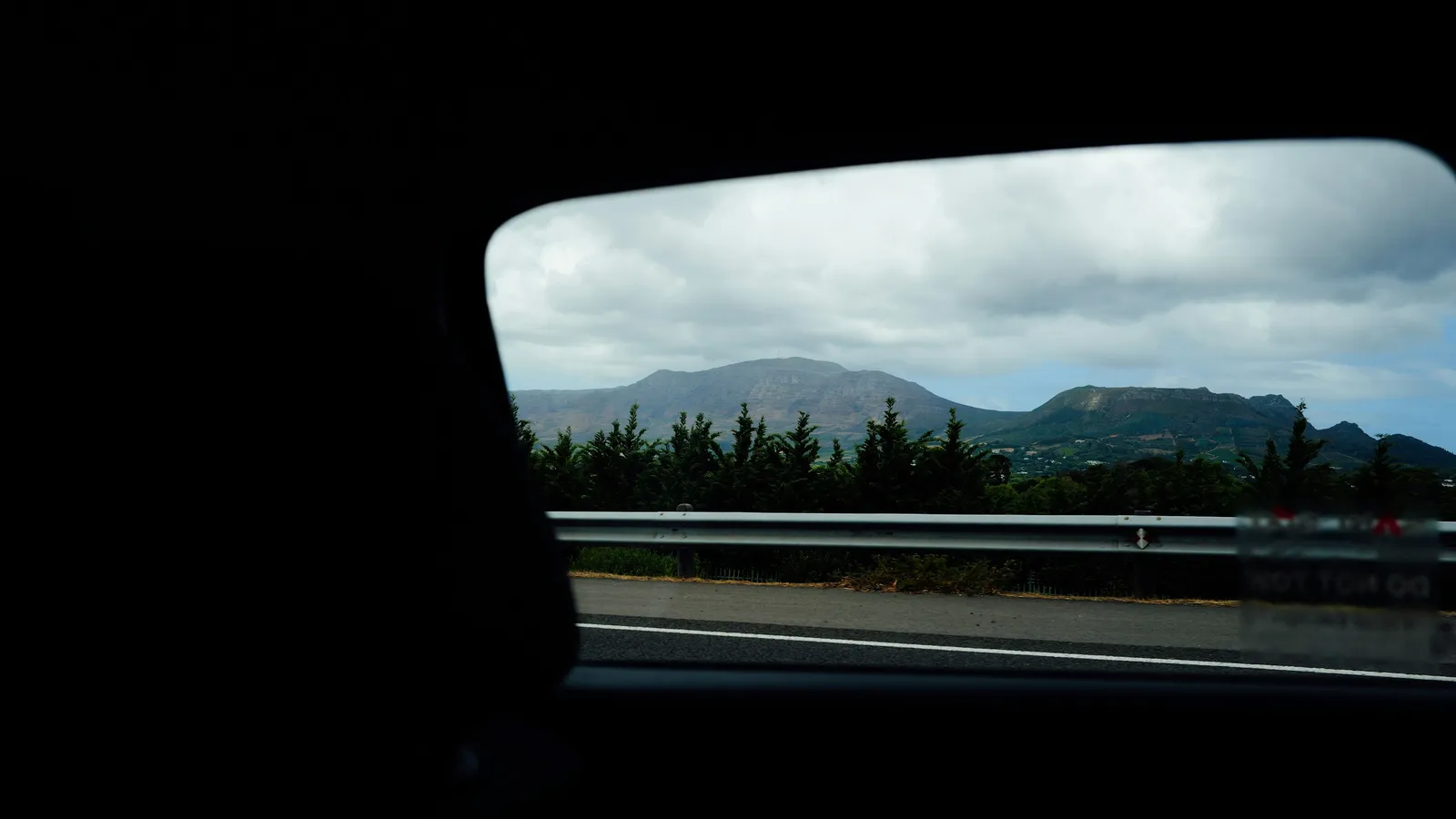
Mountain Route Weather Windows
Time your mountain travel routes using weather windows, altitude forecasts, and the seasonal patterns that keep you safe and scenery-filled.
Read article →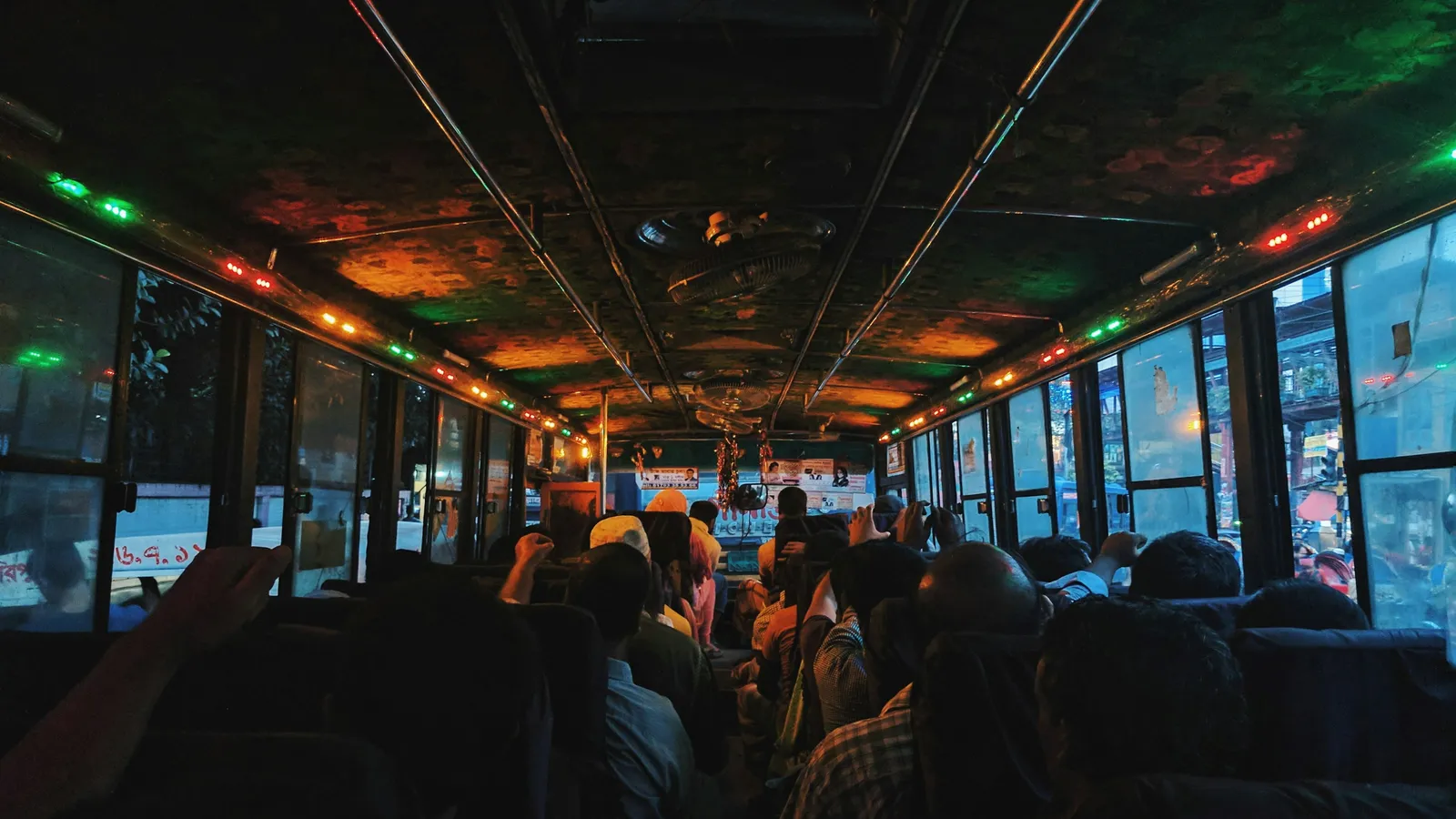
Night Bus Survival Guide
Survive overnight buses across Southeast Asia and South America with tested strategies for sleep, security, and arriving functional.
Read article →Heading to Torres del Paine?
Find travel companions to explore Torres del Paine together on roammate — split costs, share adventures, and make lifelong friends.


To customise this itinerary to your travel style, pace, and budget — download the roammate app to tailor it to your preferences.
Find travel companions in Torres del Paine →