Seoul
Ancient palaces, sizzling BBQ smoke, neon-soaked nightlife, and a cafe culture so intense it borders on art form.
1 day in Seoul
Only got 24 hours? Here's how to experience the best of Seoul in a single action-packed day.
The Best of Seoul in 24 Hours
Gyeongbokgung Palace & Bukchon
Start at Gyeongbokgung Palace (₩3,000, free in hanbok) for the 10am Royal Guard Changing Ceremony — a colorful, drum-heavy spectacle. The palace grounds are vast and photogenic. Exit through the north gate and walk into Bukchon Hanok Village, a hillside neighborhood of 600-year-old traditional Korean houses still inhabited today. The narrow lanes between Gye-dong and Samcheong-dong offer stunning Seoul panoramas.
Insadong, Ikseon-dong & Street Food
Walk to Insadong for traditional crafts, tea houses, and galleries. Duck into Ssamziegil — a spiraling open-air mall of artisan shops. Then explore Ikseon-dong, Seoul's trendiest hanok alley district, where century-old houses have been converted into hip cafes and restaurants. Lunch at a local Korean BBQ spot — samgyeopsal (pork belly) sets from ₩12,000 with unlimited banchan side dishes.
Myeongdong & Namsan Tower
Metro to Myeongdong for Seoul's best street food — tteokbokki (spicy rice cakes, ₩3,000), hotteok (sweet pancakes, ₩1,500), and Korean fried chicken skewers. The cosmetic shops lining the streets offer free samples aggressively. Then hike or cable car (₩12,000 round trip) up Namsan Mountain to N Seoul Tower for the city lit up at 360 degrees. The love lock fence is a Seoul icon.
3 days in Seoul
A carefully curated route mixing iconic landmarks, hidden gems, street food, culture, and adventure — designed for younger travelers.
Royal Seoul — Palaces, Hanok & Tradition
Gyeongbokgung Palace & Guard Ceremony
Arrive at Gyeongbokgung Palace by 9am (₩3,000, free in hanbok). The grounds are immense — throne hall, royal quarters, and the serene Gyeonghoeru Pavilion reflected in its lotus pond. Stay for the 10am Royal Guard Changing Ceremony at the main gate. The ceremony features traditional instruments, colorful uniforms, and is one of Seoul's most photogenic free events.
Bukchon Hanok Village & Samcheong-dong
Walk uphill into Bukchon Hanok Village — 600 years of Korean residential architecture on winding hillside lanes. The viewpoint between Gye-dong 31 and 33 frames traditional rooftops against the modern skyline. Continue to Samcheong-dong for artisan cafes and galleries. Lunch at a local bibimbap restaurant — dolsot bibimbap (stone pot) with all the banchan for ₩9,000–12,000.
Gwangjang Market & Cheonggyecheon
Head to Gwangjang Market — Seoul's oldest and most atmospheric food market. Sit at a pojangmacha (covered stall) and order bindaetteok (mung bean pancake, ₩5,000), mayak gimbap (mini seaweed rice rolls, ₩3,000), and yukhoe (Korean beef tartare, ₩15,000). The atmosphere is electric and locals outnumber tourists. Then walk the Cheonggyecheon Stream, a beautifully lit urban park running through central Seoul.
K-Culture — Gangnam, Hongdae & Nightlife
Gangnam & COEX
Metro to Gangnam — yes, that Gangnam. The Starfield COEX Library is a stunning two-story open library inside a mall, perfect for photos. Walk along Gangnam-daero for the K-pop vibe — idol merchandise shops, entertainment company buildings, and the Apgujeong Rodeo Street for Seoul's fashion-forward crowd. Breakfast at a Paris Baguette or local cafe — Americano culture runs deep here.
War Memorial & Itaewon Eats
Visit the War Memorial of Korea (free) — a moving and comprehensive museum covering Korea's military history from ancient to modern. The outdoor exhibits of tanks and aircraft are impressive. Then walk to Itaewon for lunch — this international neighborhood has incredible global food. Try Linus' BBQ for American-style smoked meats or line up at Churros 101. Haebangchon (HBC) uphill has indie cafes.
Hongdae — Live Music & Nightlife
Hongdae is Seoul's university nightlife district and it's legendary. Start with street food along Hongdae Walking Street — live buskers, dance crews, and artists perform every evening. Dinner at a Korean fried chicken and beer (chimaek) restaurant — Kyochon or BBQ Chicken with pitchers of Cass beer. Then hit the clubs — NB2 and Cocoon are institutions, and many venues have no cover before midnight.
Markets, Mountains & Hidden Seoul
Namsan Tower Sunrise & Myeongdong
Early risers can hike Namsan Mountain (30 minutes) for sunrise views over Seoul. The trail starts near Chungmuro Station and winds through pine forest. N Seoul Tower at the top (₩16,000 observatory) offers 360-degree views, but the free outdoor viewing platform is equally impressive. Descend toward Myeongdong for coffee and the city's most famous street food strip.
Dongdaemun & Vintage Shopping
Dongdaemun Design Plaza (DDP) is Zaha Hadid's futuristic landmark — the building itself is art. Inside, rotating exhibitions and design markets. Walk to Dongdaemun Market — a sprawling complex of fabric, fashion, and vintage markets that runs 24 hours. For vintage clothing, Gwanghui-dong has secondhand shops with gems from ₩3,000. Lunch at a nearby kalguksu (knife-cut noodle) restaurant for ₩7,000–9,000.
Jjimjilbang & Farewell Dinner
Experience a jjimjilbang (Korean spa/bathhouse) — Dragon Hill Spa in Yongsan is foreigner-friendly with hot pools, saunas, nap rooms, and a rooftop pool (₩15,000 for full-day access). The Korean scrub (seshin, ₩20,000 extra) is intense but incredible. For your farewell dinner, go all-in on Korean BBQ — Maple Tree House in Itaewon or Galmaegisal (pork skirt meat) in Mapo.
7 days in Seoul
A full week to go deep — from famous landmarks to local neighbourhoods, day trips, hidden gems, and proper local immersion.
Royal Seoul — Palaces, Hanok & Tradition
Gyeongbokgung Palace & Guard Ceremony
Arrive at Gyeongbokgung Palace by 9am (₩3,000, free in hanbok). The grounds are immense — throne hall, royal quarters, and the serene Gyeonghoeru Pavilion reflected in its lotus pond. Stay for the 10am Royal Guard Changing Ceremony at the main gate. The ceremony features traditional instruments, colorful uniforms, and is one of Seoul's most photogenic free events.
Bukchon Hanok Village & Samcheong-dong
Walk uphill into Bukchon Hanok Village — 600 years of Korean residential architecture on winding hillside lanes. The viewpoint between Gye-dong 31 and 33 frames traditional rooftops against the modern skyline. Continue to Samcheong-dong for artisan cafes and galleries. Lunch at a local bibimbap restaurant — dolsot bibimbap (stone pot) with all the banchan for ₩9,000–12,000.
Gwangjang Market & Cheonggyecheon
Head to Gwangjang Market — Seoul's oldest and most atmospheric food market. Sit at a pojangmacha and order bindaetteok (₩5,000), mayak gimbap (₩3,000), and yukhoe (₩15,000). The atmosphere is electric and locals outnumber tourists. Then walk the Cheonggyecheon Stream, a beautifully lit urban park running through central Seoul.
K-Culture — Gangnam & Modern Seoul
Gangnam & COEX Library
Metro to Gangnam — the Starfield COEX Library is a stunning two-story open library inside a mall, perfect for photos. Walk along Gangnam-daero for the K-pop vibe — idol merchandise shops, entertainment company buildings, and Apgujeong Rodeo Street for Seoul's fashion-forward crowd. Breakfast at a Paris Baguette or local cafe — Korea's Americano culture runs deep.
War Memorial & Itaewon
Visit the War Memorial of Korea (free) — a moving and comprehensive museum. The outdoor exhibits of tanks and aircraft are impressive. Walk to Itaewon for lunch — this international neighborhood has incredible global food. Try Linus' BBQ for smoked meats or explore Haebangchon (HBC) uphill for indie cafes and craft beer at Magpie Brewing.
Hongdae Nightlife
Hongdae is Seoul's university nightlife district and it's legendary. Street food along Hongdae Walking Street — live buskers, dance crews, and artists perform every evening. Korean fried chicken and beer (chimaek) at Kyochon, then clubs — NB2 and Cocoon are institutions. Many venues have no cover before midnight. The energy peaks after 11pm and runs until dawn.
Namsan, Myeongdong & Markets
Namsan Mountain & Tower
Hike Namsan Mountain (30 minutes from Chungmuro Station) through pine forest for panoramic Seoul views. N Seoul Tower at the top has a free outdoor platform — no need to pay ₩16,000 for the observatory. The love lock fence is a Seoul icon. Descend toward Myeongdong for coffee and Korean street food — egg bread (gyeran-bbang, ₩2,000) and fish-shaped pastry (bungeoppang, ₩1,000).
Dongdaemun Design Plaza & Markets
DDP is Zaha Hadid's futuristic landmark — the building itself is art. Walk through rotating exhibitions and design markets inside. Dongdaemun Market is a sprawling complex — vintage shops in Gwanghui-dong have secondhand clothing from ₩3,000. Lunch at a nearby kalguksu (knife-cut noodle) restaurant for ₩7,000. This area runs 24 hours and is particularly atmospheric at night.
Namdaemun Market & Night Food
Namdaemun Market is Seoul's largest traditional market — a labyrinth of 10,000+ stalls selling everything from ginseng to handmade jewelry. The food alleys are exceptional — galchi jorim (braised hairtail fish, ₩10,000), kalguksu, and fresh hotteok. The market stays open late and the atmosphere after dark, when the crowds thin and neon flickers, is quintessential Seoul.
DMZ Day Trip
DMZ Tour — Joint Security Area
Book a guided DMZ tour (₩80,000–130,000 including transport) departing from central Seoul at 7am. The Demilitarized Zone is one of the most surreal places on earth — the tension between the two Koreas is palpable. If JSA tours are running, you'll stand inside the blue UN buildings that straddle the border, technically stepping into North Korea. The Third Tunnel of Aggression is an eerie underground passage.
Imjingak & Dorasan Station
The tour continues to Imjingak Peace Park, where thousands of prayer ribbons flutter on the Freedom Bridge. Dorasan Station is the last train station before North Korea — built for a reunification that hasn't come. The Dora Observatory lets you peer into North Korean territory through binoculars. The entire experience is sobering, fascinating, and unlike anywhere else on the planet.
Korean BBQ & Soju Night
After the intensity of the DMZ, decompress with Seoul's ultimate comfort food — Korean BBQ. Head to Mapo-gu for the best galbi (ribs) and samgyeopsal (pork belly). Maple Tree House or Yeontabal are excellent. Grill your own meat, wrap it in lettuce with ssamjang and garlic, and wash it down with soju (₩4,000–5,000 per bottle at restaurants). The ritual of Korean BBQ is communal and joyful.
Art, Cafes & Yeonnam-dong
Leeum Museum & Art Scene
Start at the Leeum Museum of Art in Hannam-dong (₩15,000) — a world-class collection of Korean traditional and contemporary art in three stunning buildings by different architects. Then walk through Hannam-dong's tree-lined streets — Seoul's most tasteful neighborhood with indie bookshops, galleries, and minimalist cafes. The Blue Square area nearby has rotating exhibitions.
Yeonnam-dong & Gyeongui Line Forest
Take Line 2 to Hongik University station and walk to Yeonnam-dong — a former residential area turned creative district. Walk the Gyeongui Line Forest Park, a converted railway that's now a linear garden lined with cafes. Lunch at one of the many brunch spots or try dak-galbi (spicy stir-fried chicken, ₩11,000). The neighborhood has a European village feel unique in Seoul.
Mangwon Market & Han River
Walk to Mangwon Market — a local market that's become foodie-famous for its tteokbokki, dumplings (mandu, ₩3,000), and fresh fruit juice. Then head to Mangwon Hangang Park along the Han River. Buy convenience store snacks and drinks and join the locals sitting along the riverbank. Seoul's delivery apps (Baemin) will deliver fried chicken directly to your spot by the river.
Jjimjilbang, Shopping & Vintage Finds
Jjimjilbang Experience
Spend a leisurely morning at Dragon Hill Spa in Yongsan (₩15,000 full-day access) — Korea's most famous jjimjilbang. Hot pools, cold pools, charcoal saunas, salt rooms, a rooftop outdoor pool, and a food court. The Korean scrub (seshin, ₩20,000) is aggressive but leaves your skin impossibly smooth. Locals spend entire days here — it's wellness and socializing combined.
Euljiro & Seoul's Hidden Alleys
Euljiro is Seoul's most exciting neighborhood right now — a grid of industrial alleys and workshops hiding speakeasy bars and third-wave coffee shops behind unmarked doors. Explore the Euljiro 3-ga area where metalworking shops sit next to hip cafes like Coffee Hanyakbang (inside a converted pharmacy). Lunch at Eulji OB Bear — a retro beer hall that's been open since the 1980s.
Sinchon & University Nightlife
Sinchon is another university district with cheaper eats and drinks than Hongdae. Student-friendly Korean BBQ (₩10,000 all-you-can-eat at some spots), ₩3,000 draft beers, and noraebang (karaoke rooms, ₩15,000–20,000/hour per room). Singing with friends in a private room while ordering delivery chicken is the ultimate Korean night. Coin karaoke in Hongdae costs just ₩500 per song.
Relaxation, Souvenirs & Farewell
Changdeokgung & Secret Garden
Visit Changdeokgung Palace (₩3,000), the best-preserved of Seoul's five grand palaces. The real treasure is the Huwon (Secret Garden) — a 78-acre woodland garden with pavilions, ponds, and ancient trees accessible only by guided tour (₩5,000 extra, tours in English at 10:30am and 2:30pm). In autumn, the garden's foliage is arguably the most beautiful sight in Seoul.
Insadong Souvenirs & Tea
Insadong is the best neighborhood for traditional Korean souvenirs — handmade hanji (paper) crafts, celadon ceramics, tea sets, and calligraphy brushes. Ssamziegil's spiral mall has artisan shops with unique finds. For a break, duck into a traditional tea house — Shin Old Tea House serves medicinal teas like ssanghwa-tang (₩8,000) in a beautiful hanok setting.
Farewell BBQ & Banpo Bridge
Final dinner at a premium Korean BBQ — try Wangbijib in Mapo for their marinated galbi, or go all-out at a Hanwoo (Korean beef) restaurant for the best beef you'll ever eat (₩40,000–60,000 per person, worth every won). After dinner, walk to Banpo Bridge for the Rainbow Fountain show — the world's longest bridge fountain, illuminated in colors (Apr–Oct, evenings).
Budget tips
T-money card
Get a T-money card (₩2,500) at any convenience store — works on all buses, metro, and even taxis. ₩100 discount per ride vs cash. Refill at any CU or GS25.
Eat Korean
Kimbap Cheonguk and Hansot are Korean fast food chains with full meals from ₩4,000. Gimbap rolls: ₩2,500. University districts (Hongdae, Sinchon) have the cheapest eats.
Free palaces
Wear a hanbok (₩10,000 rental) for free entry to all five grand palaces. Gyeongbokgung, Changdeokgung, and Deoksugung are all included.
Convenience stores
CU and GS25 have surprisingly good ready meals — triangle gimbap (₩1,200), cup ramyeon (₩1,500), and meal kits (₩3,000–5,000). Seating and microwaves available.
Soju economics
Soju is ₩1,800 at a store, ₩4,000–5,000 at a restaurant. Pre-game at convenience stores like locals do. Cass beer: ₩1,800 at CU vs ₩5,000+ at bars.
Airport transit
AREX airport express from Incheon to Seoul Station: ₩9,500 (43 min) vs taxi ₩65,000+. Regular all-stop AREX: ₩4,150 (66 min).
Budget breakdown
Daily costs per person in KRW. Seoul is remarkably affordable for a world-class capital — street food and transit keep costs low.
| 🎒 Budget | ✨ Mid-Range | 💎 Splurge | |
|---|---|---|---|
| Accommodation Hostel/guesthouse → hotel → hanok stay/luxury | ₩20,000–35,000 | ₩60,000–120,000 | ₩200,000+ |
| Food Street food & chains → BBQ & cafes → Hanwoo beef & fine dining | ₩15,000–25,000 | ₩35,000–60,000 | ₩100,000+ |
| Transport Metro & bus → taxi/ride-share → private driver | ₩3,000–6,000 | ₩8,000–15,000 | ₩30,000+ |
| Activities Free palaces & parks → museums & DMZ → private tours | ₩5,000–15,000 | ₩20,000–50,000 | ₩100,000+ |
| Drinks Convenience store soju → chimaek → craft cocktail bars | ₩3,000–8,000 | ₩15,000–30,000 | ₩50,000+ |
| Daily Total $34–66 → $102–204 → $356+ | ₩46,000–89,000 | ₩138,000–275,000 | ₩480,000+ |
Practical info
Getting Around
- Get a T-money card at any convenience store (₩2,500 + top-up). Works on metro, buses, and even taxis. ₩100 discount per ride
- Seoul Metro is extensive, clean, and has English signage. Google Maps and Naver Map both work — Naver is more accurate for walking directions
- Kakao Taxi app for rides when metro stops (midnight). Base fare ₩4,800. Much cheaper than flagging cabs on the street
Connectivity
- Pick up a tourist SIM at Incheon Airport arrivals — KT or SK Telecom, ₩22,000–55,000 for 5–30 days with unlimited data
- eSIMs from Airalo or Klook work on most modern phones. Download Naver Map (better than Google Maps in Korea) and Papago (translator)
- Free WiFi is excellent in Seoul — metro stations, cafes, and public areas all have fast connections
Money
- Cards accepted almost everywhere including street food stalls. Samsung Pay and contactless widely accepted
- ATMs at convenience stores (CU, GS25) accept foreign cards. Avoid standalone ATMs that charge high fees
- No tipping culture in Korea — it's not expected and can cause confusion. Service charge is included in prices
Visa & Entry
- Most nationalities need K-ETA (Korea Electronic Travel Authorization) — apply online 72+ hours before travel (₩10,000)
- Visa-free entry for 90 days with K-ETA approval. Some nationalities are exempt — check before applying
- Passport must be valid for 6+ months from entry date
Health & Safety
- Seoul is extremely safe — violent crime is rare, solo travel is comfortable even late at night
- No vaccinations required. Tap water is safe but most Koreans drink filtered or bottled water
- Pharmacies are widespread. Bring specific medications — Korean equivalents may require a prescription
Packing Tips
- Seoul has four distinct seasons — check weather before packing. Winters (Dec–Feb) are brutal (-10°C). Summer (Jul–Aug) is hot and humid
- Comfortable walking shoes essential — Seoul is hilly with lots of stairs. Slip-on shoes help for temple and restaurant visits
- Bring or buy skincare products — Korea is the world capital of skincare and prices are 30–50% cheaper than abroad
Cultural tips
Korean culture blends deep Confucian traditions with hyper-modern energy. Showing respect, especially to elders, opens doors everywhere.
Drinking Etiquette
Pour drinks for others, never for yourself. When someone older pours for you, hold your glass with both hands. Turn away from elders when drinking. These rules are taken seriously.
Age & Respect
Korean culture is hierarchical by age. Use two hands when giving or receiving items from elders. "Annyeonghaseyo" (formal hello) is always appropriate.
Shoes Off
Remove shoes in homes, many traditional restaurants (raised floor seating), temples, and guesthouses. Socks are essential — barefoot is awkward.
Table Manners
Don't lift rice bowls off the table (unlike Japan/China). Use a spoon for rice and soup, chopsticks for side dishes. Don't start eating before the eldest person at the table.
Photography
Always ask before photographing people, especially in traditional neighborhoods like Bukchon where residents live. Military installations are strict no-photo zones.
Public Manners
Keep quiet on public transit. Don't sit in priority seats unless elderly/pregnant. Queue orderly for buses and trains. Avoid loud phone calls in enclosed spaces.
Seoul is on these routes
Reading for Seoul
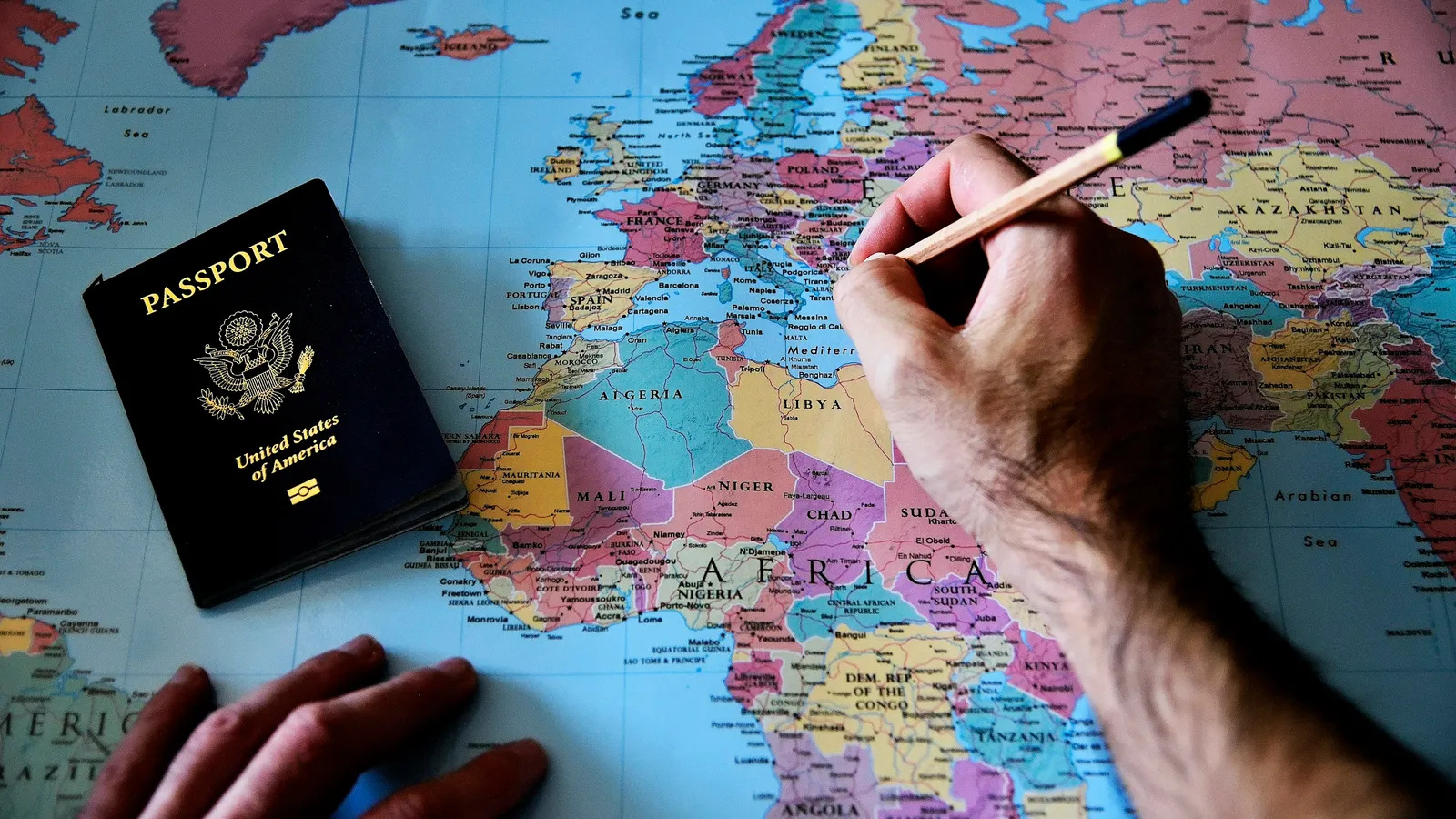
Teaching English Abroad: Getting Started
How to start teaching English abroad with TEFL certification, top-paying countries, hiring timelines, contract tips, and realistic saving potential.
Read article →
Working Holiday Visa Playbook
Complete guide to working holiday visas in Australia, New Zealand, Canada, Japan, and South Korea with age limits, timelines, and job strategies.
Read article →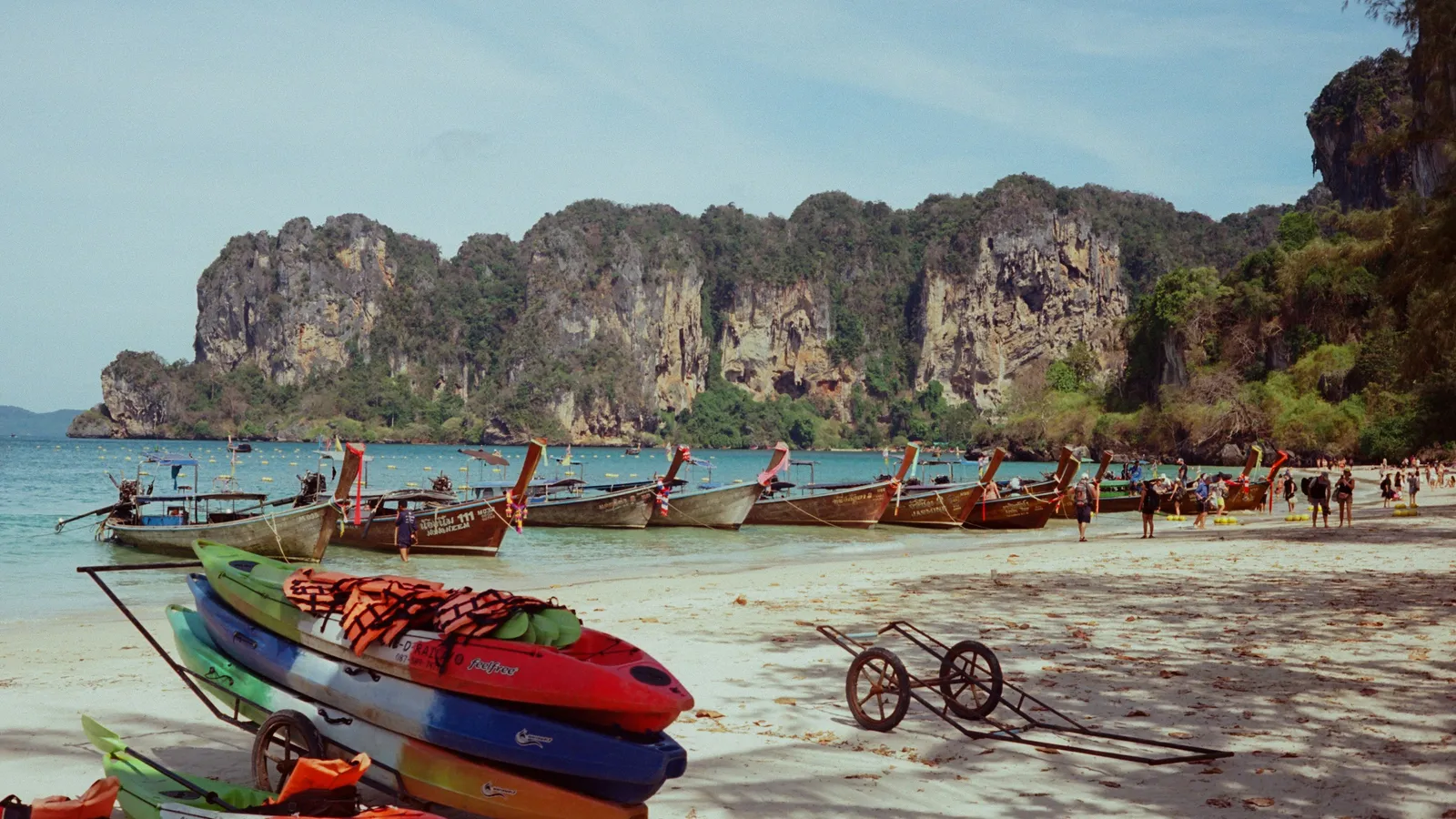
Your First Month in Southeast Asia
Plan your first 30 days in Southeast Asia with a tested itinerary covering Thailand, Cambodia, and Vietnam without rushing or overspending.
Read article →Heading to Seoul?
Find travel companions for DMZ tours, Korean BBQ groups, and Hongdae nightlife adventures on roammate.


To customise this itinerary to your travel style, pace, and budget — download the roammate app to tailor it to your preferences.
Find travel companions in Seoul →