Santorini
Blue-domed churches and whitewashed villages perched on volcanic caldera cliffs — the Aegean's most iconic island with legendary sunsets.
1 day in Santorini
Only got 24 hours? Here's how to experience the best of Santorini in a single action-packed day.
Santorini Highlights
Exploring Santorini
Begin your day at Santorini early to beat the crowds and catch the best light. The area is most atmospheric in the morning when the air is cool and the landscape catches the first golden rays. Take time to explore the main highlights and capture photographs in the soft morning light. This is the most rewarding time to visit.
Coastal Exploration
Spend the afternoon exploring further afield. Wander beyond the main areas to discover hidden gems and local spots. Grab lunch at a local eatery for authentic flavours and budget-friendly prices.
Sunset by the Water
End the day watching the sun sink into the sea. The evening light at Santorini is spectacular and worth waiting for. Find a local restaurant for dinner — European cuisine with local wine.
3 days in Santorini
A carefully curated route mixing iconic landmarks, hidden gems, street food, culture, and adventure — designed for younger travelers.
Fira, Caldera Walk & Oia Sunset
Fira Caldera Walk at Sunrise
Walk the cliffside path from Fira north towards Imerovigli while the caldera is still quiet. The 10km trail follows the rim of the ancient volcanic crater, passing the clifftop villages of Firostefani and Imerovigli with sheer drops to the deep blue caldera and the volcanic islands of Nea Kameni below. The whitewashed domed churches and blue-painted bell towers are most photogenic in the angled morning light before the cruise-ship crowds arrive. Skaros Rock — a ruined Venetian fortification — juts from the caldera rim at Imerovigli.
Oia Village & Byzantine Castle Ruin
Take a bus or ATV 12km to Oia, Santorini's most iconic village. The blue-domed Church of the Dormition, the Naval Maritime Museum, and the warren of cave houses and boutique galleries are best explored in the afternoon once the morning cruise groups have thinned out. Climb to the ruins of the Byzantine castle (Oia kasteli) on the north cliff for a 360-degree view — north to the outer island of Thirassia and south back along the entire caldera wall towards Fira and the volcanic islands.
Oia Sunset & Late Dinner
Oia's sunset is Santorini's defining experience — the sun sets directly over the caldera and the castle ruins fill with hundreds of spectators. Position yourself on the kasteli walls or the terrace steps north of the main viewing point at least 45 minutes early. After the sun drops, the village empties quickly and the lane restaurants become dramatically quieter. This is the best time to eat: fresh octopus, tomatokeftedes (tomato fritters), and fava (split pea puree) with a glass of local Assyrtiko white wine.
Akrotiri Ruins, Winery & Black Sand Beaches
Akrotiri — Minoan Pompeii
Take a bus or hire an ATV to Akrotiri on the southwest tip of the island — a Minoan Bronze Age city buried by the same volcanic eruption that created the caldera around 1600 BCE. The excavated site is covered by a protective roof and remarkably well preserved: multi-storey buildings, frescoed interiors, clay pots still in situ, and a drainage system of remarkable sophistication for 3,600-year-old urban planning. This is the real reason many historians link Santorini to the myth of Atlantis.
Perissa & Kamari Black Sand Beaches
Drive east to Perissa — Santorini's longest black sand beach, formed from crushed volcanic lava. The dark sand absorbs heat intensely, so beach shoes are essential. Swim in the remarkably clear Aegean from a beach sun-lounger, then eat grilled fish at a beachside taverna. Afterwards, drive or walk over the Mesa Vouno mountain footpath (40 minutes) to Kamari beach on the north side — a wider stretch of black pebble and sand with good snorkelling around the rock formations at the south end.
Santorini Winery & Assyrtiko Tasting
Santorini's volcanic soil produces some of Greece's most distinctive wines — particularly the indigenous Assyrtiko grape, which grows in basket-shaped kouloura vines trained close to the ground to protect against the meltemi winds. Visit Santo Wines or Domaine Sigalas near Oia for an early evening tasting: the minerality and saline finish of Nykteri (barrel-aged Assyrtiko) and the Vinsanto dessert wine made from sun-dried grapes are both exceptional expressions of volcanic terroir. Book a tasting in advance.
Volcano Boat Trip, Pyrgos & Departure
Caldera Boat Trip — Nea Kameni Volcano
Join a morning boat tour from the Old Port below Fira down to the active volcanic island of Nea Kameni in the middle of the caldera. Walk to the crater rim (30-minute hike on solidified black lava) and look into the still-steaming sulphurous vent — the island last erupted in 1950. The boat continues to the hot springs of Palea Kameni where natural volcanic warm water (30°C, heavily sulphur-scented) bubbles from the seabed — swim in the orange-brown water for a surreal Aegean experience.
Pyrgos — Medieval Village & Island Views
Drive inland to Pyrgos, Santorini's highest village (566m) and former island capital. Unlike the caldera-facing tourist villages, Pyrgos faces inward over the entire island — a 360-degree panorama from the Profitis Ilias monastery ruins at the very top. The village's medieval Kasteli quarter has original Cycladic architecture without the blue-dome tourist infrastructure: windmills, stone stairways, small churches, and a local butcher and bakery that have operated unchanged for generations. Lunch at Franco's or Selene restaurant.
Thirassia Island & Final Ferry
For a final afternoon alternative, take the small ferry from Oia's Ammoudi Bay to the island of Thirassia — Santorini's quieter sister island visible across the northern caldera. It has just 300 permanent residents, no tourist development, and a small fishing port at Korfos where a single taverna serves the catch of the day directly from the boats. Walk up the 300 steps to the clifftop village of Manolas for the best unphotographed view of the Santorini caldera from the outside. Last ferries return to Oia by early evening.
Budget tips
Book ahead online
Tickets and tours booked online are often 10-30% cheaper than walk-in prices. Many attractions sell out in peak season — advance booking guarantees entry and saves money.
Visit in shoulder season
Shoulder months (just before or after peak season) offer better prices on accommodation and flights with similar weather and fewer crowds. May – Jun is peak.
Stay nearby, not at the gate
Accommodation directly at the attraction charges a premium. Staying 10-20 minutes away can save 30-50% on nightly rates. Use public transport or a rental car to bridge the gap.
Pack your own lunch
Tourist-area restaurants charge inflated prices. Pack sandwiches, snacks, and a refillable water bottle to save $15-30 per day on food. Buy supplies at local supermarkets or markets.
Free walking tours & guides
Many areas offer free or tip-based guided walks that are better than paid tours. Local guides provide insider knowledge and support the community. Check online for options.
Use local transport
Taxis and private transfers are the most expensive option. Local buses, shared minivans, or ride-sharing are 50-80% cheaper and give you a more authentic experience.
Budget breakdown
Daily costs per person in US dollars. Santorini costs depend on season, accommodation style, and activity choices — these ranges cover the spectrum from budget backpacker to comfortable mid-range.
| 🎒 Budget | ✨ Mid-Range | 💎 Splurge | |
|---|---|---|---|
| Accommodation Hostels → guesthouses → boutique lodges | $25–60 | $70–150 | $200+ |
| Food Street food → local restaurants → fine dining | $15–30 | $30–60 | $70+ |
| Transport Public buses → shared transfers → private car | $5–15 | $15–40 | $50+ |
| Activities Self-guided → group tours → private guides | $5–20 | $20–60 | $80+ |
| Entry Fees Combined tickets save money | $5–15 | $15–30 | $30–50 |
| Daily Total Budget backpacker → comfortable mid → luxury | $75–190 | $165–370 | $430+ |
Practical info
Entry & Visas
- Schengen Zone
- Keep a digital and physical copy of your passport, visa, and travel insurance at all times
- Entry fees for Santorini should be paid in EUR — exchange money before arriving
Health & Safety
- Travel insurance with medical evacuation coverage is essential
- Bring a basic first aid kit with blister plasters, antiseptic, painkillers, and any personal medication
- Sun protection is essential — apply SPF 50+ and reapply every 2 hours
Getting Around
- Excellent public transport — trains, buses, and ferries connect major points
- Download offline maps before arriving — mobile data coverage can be patchy in remote areas
- Negotiate transport prices before departure or use metered taxis and ride-hailing apps
Connectivity
- Buy a local SIM card at the airport or any phone shop for affordable data — much cheaper than international roaming
- WiFi is available at most accommodation but signal quality varies. Download offline maps and guides before heading to remote areas
- Share your itinerary with someone at home and check in daily, especially for remote treks or island visits
Money
- Currency: EUR (Euro). Cards accepted in tourist areas, but carry cash for local vendors
- ATMs are available in towns and cities. Visa and Mastercard are most widely accepted
- Tip 5-10% or round up at restaurants. Guides and porters appreciate tips — budget $5-10 per day per person
Packing Tips
- Comfortable walking shoes, layers for temperature changes, and a packable rain jacket
- A reusable water bottle, headlamp, and portable phone charger are essential for any outdoor adventure
- Quick-dry clothing is ideal — you can wash and wear repeatedly, reducing pack weight
Cultural tips
Santorini is a natural wonder — approach with curiosity and respect, and you will be rewarded with one of the most memorable experiences of your travels.
Respect Local Customs
Be mindful of local customs and traditions. Ask before photographing people. Learn basic greetings in the local language — even a simple hello earns goodwill.
Leave No Trace
Pack out all rubbish. Stay on marked trails and paths. Do not touch, feed, or disturb wildlife. The natural beauty of Santorini depends on every visitor treating it with respect. Take only photos, leave only footprints.
Photography Etiquette
Ask permission before photographing locals, especially in indigenous or traditional communities. Many religious sites have photography restrictions — check signage and respect these rules. Drone regulations vary — check local laws before flying.
Language & Communication
Learn a few words in Greek — greetings, please, thank you, and numbers go a long way. English is widely spoken in tourist areas but a translation app helps bridge gaps.
Support Local Communities
Choose locally-owned guesthouses, restaurants, and guides over international chains. Buy handicrafts directly from artisans. Your spending has the most impact when it goes directly into the local economy rather than through large tour operators.
Pace & Patience
Allow more time than you think — rushing through natural and cultural sites misses the point. The best experiences come from slowing down and being present.
Santorini is on these routes
Reading for Santorini
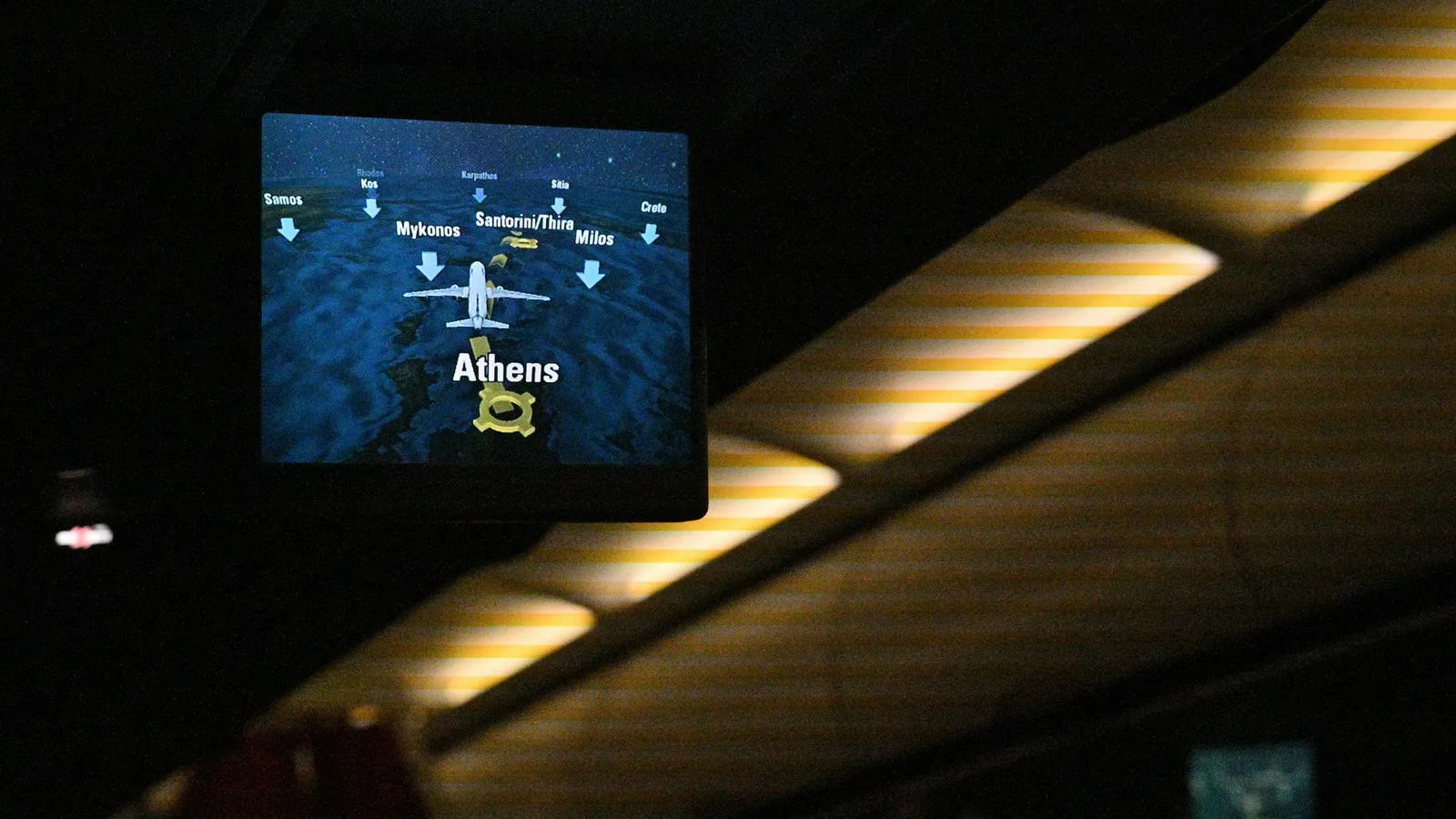
Island Hopping Route Planning
Plan efficient island-hopping routes across Thailand, Philippines, Indonesia, and Greece with ferry schedules, monsoon timing, and per-island budgets.
Read article →
Sunrise and Sunset Shooting Workflow
Nail sunrise and sunset photography while traveling with a workflow covering location scouting, camera settings, and the 20-minute golden window.
Read article →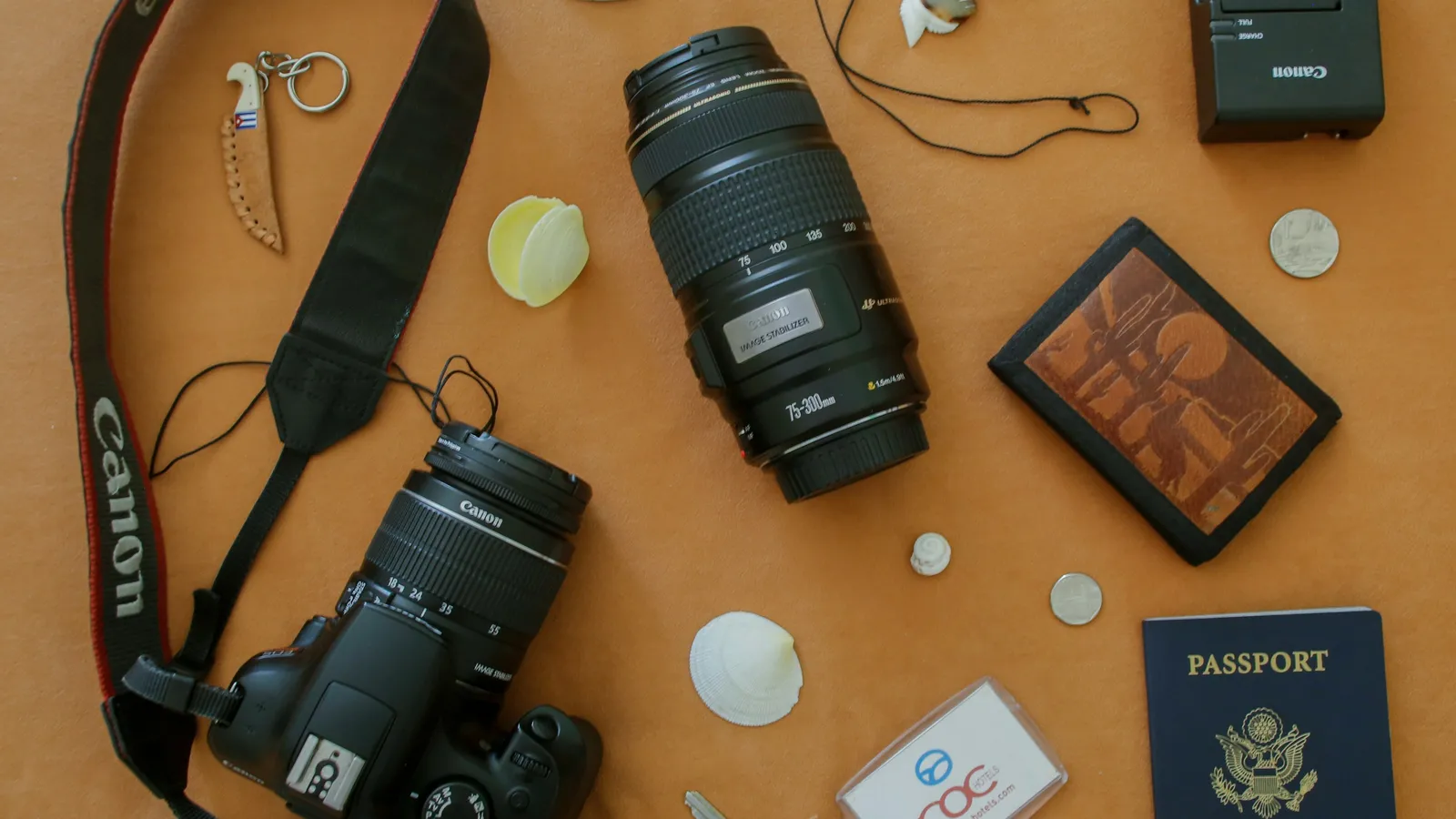
Travel Camera and Phone Photography Setup
Decide between phone, mirrorless, and action cam for travel photography, plus compact tripods, storage solutions, and mobile editing workflows.
Read article →Heading to Santorini?
Find travel companions to explore Santorini together on roammate — split costs, share adventures, and make lifelong friends.


To customise this itinerary to your travel style, pace, and budget — download the roammate app to tailor it to your preferences.
Find travel companions in Santorini →