San Pedro de Atacama
An adobe oasis in the world's driest desert, where geysers erupt at dawn and the Milky Way blazes like nowhere else on Earth.
1 day in San Pedro de Atacama
Only got 24 hours? Here's how to experience the best of San Pedro de Atacama in a single action-packed day.
Desert Highlights in One Day
Valle de la Luna
Start early with a bike ride or tour to Valle de la Luna (CLP 3,000 entry) — an otherworldly landscape of wind-carved salt formations, sand dunes, and canyons 13km west of town. The Tres Marías rock formations and the Great Dune offer panoramic views across the Atacama salt flat to distant volcanoes. Rent bikes in town (CLP 5,000–8,000 for a half day) or join a guided tour (CLP 15,000–20,000).
Town & Atacama Salt Flat
Return to town for lunch at Adobe (CLP 6,000–10,000 for llama steak or quinoa dishes) on the main Caracoles street. Browse the artisan market for Atacameño textiles and lapis lazuli jewellery. In the afternoon, drive or tour to the Salar de Atacama — South America's largest salt flat — to see the flamingo-filled Laguna Chaxa (CLP 2,500 entry). Three species of flamingo feed in the shallow saline lagoons against a backdrop of the Andes.
Stargazing in the Desert
San Pedro sits at 2,400m in the driest desert on Earth — the night sky here is among the clearest on the planet. Book a stargazing tour (CLP 20,000–30,000) with SPACE or similar operators for telescope viewing of nebulae, star clusters, and the Milky Way. Dinner beforehand at Baltinache (CLP 7,000–12,000) for Atacameño-inspired cuisine with pisco sours (CLP 4,000–5,000).
3 days in San Pedro de Atacama
A carefully curated route mixing iconic landmarks, hidden gems, street food, culture, and adventure — designed for younger travelers.
Geysers & Altiplano
El Tatio Geysers at Dawn
Wake at 4am for the iconic Geysers del Tatio tour (CLP 25,000–35,000 including breakfast). At 4,320m altitude, over 80 geysers erupt at sunrise when the freezing air meets boiling steam — columns of vapour rise against the pink dawn sky. The geyser field is the third largest in the world. Most tours include a stop to soak in a thermal pool (bring swimwear) surrounded by high-altitude desert.
Machuca Village & Rest
Tours stop at Machuca — a tiny Atacameño hamlet where villagers sell empanadas de queso (CLP 1,000–2,000) grilled over charcoal, served with fresh pebre sauce. Back in San Pedro, rest from the early start. Walk to the R.P. Gustavo Le Paige Archaeological Museum (CLP 5,000) for pre-Columbian artifacts from the Atacama region — ceramics, textiles, and mummies from the Atacameño civilization.
Caracoles Street & Dinner
Stroll Calle Caracoles — San Pedro's main drag of restaurants, bars, and agencies. Dinner at La Casona (CLP 6,000–11,000) for traditional Chilean dishes with altiplano ingredients, or Café Export for pizza and beer (CLP 5,000–8,000). Try a Terremoto — Chile's sweet white wine and pineapple ice cream cocktail (CLP 3,000–4,000). Browse the evening artisan stalls for hand-woven textiles.
Salt Flats & Flamingos
Laguna Cejar & Tebinquinche
Tour to the hidden lagoons of the Salar de Atacama. Laguna Cejar (CLP 15,000 entry) is a turquoise lake with salt concentration higher than the Dead Sea — you float effortlessly. Laguna Tebinquinche mirrors the surrounding volcanoes perfectly on still mornings. The landscape is stark white salt crust against deep blue water and brown volcanic peaks.
Salar de Atacama & Flamingos
Continue to Laguna Chaxa (CLP 2,500) inside the Salar de Atacama — South America's largest salt flat stretching to the horizon. Three species of flamingo — Andean, Chilean, and James's — feed in the shallow lagoons. The reflected salt flat at sunset is one of the most photographed scenes in Chile. Return via Toconao village — an oasis with a 1745 bell tower and artisan stalls selling carved volcanic stone.
Pisco & Stars
Dinner at CkunA (CLP 7,000–13,000) — one of San Pedro's best restaurants with Atacameño-fusion cuisine using quinoa, llama, and local herbs. Try cactus fruit pisco sour (CLP 4,500). Afterward, walk 10 minutes out of town where the streetlights fade — the Milky Way arches overhead in one of the darkest skies on Earth. No telescope needed to see thousands of stars.
Valle de la Luna & Farewell
Valle de la Muerte by Bike
Rent a bike (CLP 5,000–8,000) and ride to Valle de la Muerte (Death Valley) — 3km from town through a canyon of sculpted red rock and golden sand dunes. The landscape looks genuinely Martian. Walk the canyon floor between towering rock walls, then climb the sand dunes for views over the entire valley. Less visited than Valle de la Luna and equally stunning.
Valle de la Luna Sunset
The essential Atacama experience. Enter Valle de la Luna (CLP 3,000) for a loop through salt caves, wind-carved amphitheatres, and the Tres Marías rock pillars. Time your visit to summit the Great Dune for sunset — the valley below turns from orange to red to purple as the sun drops behind the cordillera. The Licancabur volcano glows pink on the horizon.
Farewell Dinner
Last dinner at Baltinache for Atacameño cuisine — try the llama loin with quinoa (CLP 9,000–12,000) and a pisco sour. Walk through the quiet adobe streets one last time. The sky above San Pedro is so clear you can see the Magellanic Clouds (dwarf galaxies) with the naked eye — a fitting farewell to one of Earth's most extraordinary landscapes.
7 days in San Pedro de Atacama
A full week to go deep — from famous landmarks to local neighbourhoods, day trips, hidden gems, and proper local immersion.
Arrival & First Desert Taste
Arrive & Acclimatize
Fly into Calama airport (CJC) and transfer to San Pedro de Atacama (1.5 hours, CLP 12,000–15,000 shared shuttle or CLP 40,000 private). Check into your hostel — Hostal Campo Base (CLP 12,000–18,000 dorm) or Hostal Mamatierra (CLP 25,000–35,000 private) are backpacker favorites. Walk the dusty adobe streets. San Pedro sits at 2,400m — take it slow today to acclimatize before high-altitude tours.
Town & Museum
Explore San Pedro's compact center — adobe buildings, the 1577 Iglesia de San Pedro (one of Chile's oldest churches) with a cactus-wood roof, and Calle Caracoles lined with restaurants and tour agencies. Visit the R.P. Gustavo Le Paige Archaeological Museum (CLP 5,000) for Atacameño ceramics, textiles, and pre-Columbian artifacts. Compare tour prices at 3–4 agencies — prices vary significantly.
First Desert Dinner
Dinner on Caracoles — Adobe (CLP 6,000–10,000) for llama steak and Atacameño dishes, or La Casona for Chilean comfort food. Try your first pisco sour (CLP 3,500–5,000) — Chile and Peru both claim it, and the Atacama version is dry and crisp. Walk to the edge of town after dinner — even with San Pedro's modest lights, the Milky Way is already spectacular.
El Tatio Geysers
Geysers del Tatio at Sunrise
The alarm rings at 4am. The 1.5-hour drive climbs to 4,320m through the dark altiplano. At dawn, over 80 geysers erupt — columns of steam rise 10m into the freezing air against the pink sunrise sky. The geyser field is the highest and third largest in the world. Walk the boardwalks between fumaroles, boiling mud pools, and bubbling craters. Most tours include a thermal pool stop — bring swimwear to soak in warm water at 4,000m.
Machuca & Recovery
Stop at Machuca village — a hamlet of 20 adobe houses where Atacameño families sell empanadas de queso (CLP 1,000–2,000) grilled over fire. The landscape around Machuca features vicuñas (wild relatives of llamas) grazing on the altiplano. Back in San Pedro by noon — rest, rehydrate, and recover from the 4am start. Lunch at Franchuteria for crêpes (CLP 3,500–6,000) or Roots for healthy bowls.
Stargazing Tour
Book a professional stargazing tour (CLP 20,000–30,000 with SPACE, Alarkapin, or similar). Astronomers guide you through the southern sky — the Southern Cross, Magellanic Clouds, Carina Nebula, and Omega Centauri star cluster through powerful telescopes. The Atacama is home to the world's most advanced observatories (ALMA, VLT) for a reason — this sky is extraordinary.
Salt Flat & Flamingos
Laguna Cejar Float
Morning tour to the hidden lagoons. Laguna Cejar (CLP 15,000 entry) has salt concentration so high you float like a cork — the water is vivid turquoise against white salt crusts and brown volcanoes. Float weightlessly in silence. Continue to Laguna Tebinquinche, whose mirror surface reflects the Andes perfectly. The Ojos del Salar (Eyes of the Salt Flat) are two perfectly circular sinkholes of deep blue water.
Salar de Atacama & Toconao
Drive to Laguna Chaxa (CLP 2,500) inside the vast Salar de Atacama. Three flamingo species — Andean, Chilean, and James's — feed in the shallow brine. The salt flat stretches to the horizon, white and cracked, with volcanoes rising behind. Stop at Toconao — a charming oasis village with a white volcanic stone church (1745), an ancient bell tower, and artisans carving liparite stone.
Altiplano Dinner
Dinner at CkunA — San Pedro's finest restaurant (CLP 8,000–14,000). Atacameño-fusion menu uses local quinoa, llama, river shrimp, and cactus fruits. The cactus fruit pisco sour (CLP 4,500) is outstanding. Or try Pueblo Viejo for Chilean classics at lower prices (CLP 5,000–9,000). The unpaved streets glow under string lights — San Pedro is atmospheric even after a long day.
Valle de la Luna & Muerte
Valle de la Muerte by Bike
Rent bikes (CLP 5,000–8,000 half day) and ride 3km to Valle de la Muerte — a canyon of sculpted red rock and towering sand dunes. The original name was "Valle de Marte" (Mars Valley) but a Belgian priest's accent turned it into "Muerte" (Death). Walk the canyon floor between sheer walls, then climb the main dune for panoramic desert views. Sandboarding down the steep face is a popular option (board rental CLP 3,000).
Valle de la Luna Exploration
Enter Valle de la Luna (CLP 3,000) for the full circuit. Explore the salt caves — caverns with walls encrusted in salt crystals. Walk through the Amphitheatre — a natural circular canyon with incredible acoustics. See the Tres Marías — three sentinel rock pillars eroded into human-like forms. The landscape is genuinely alien — NASA has tested Mars rovers here because of its similarity to the Red Planet.
Great Dune Sunset
Time the Valle de la Luna visit to reach the Great Dune by 5pm (summer) or 4pm (winter). The sunset here is legendary — the valley floor turns from gold to deep orange to violet, while Volcán Licancabur glows pink on the eastern horizon. Hundreds gather but the atmosphere is reverent. Return to town for dinner at Baltinache (CLP 7,000–12,000) and a well-earned pisco sour.
High Altiplano Lagoons
Lagunas Altiplánicas
Full-day tour to the high-altitude lagoons (CLP 30,000–45,000). Drive through the altiplano climbing to 4,200m to reach Lagunas Miscanti and Miñiques — twin volcanic lakes of impossible blue-green colour ringed by snow-capped peaks. Vicuñas graze on the ichu grass. The air is thin and cold but the scenery is among the most spectacular in South America.
Socaire & Atacameño Culture
Stop in Socaire — an Atacameño village at 3,500m where the community maintains traditional terraced agriculture dating back centuries. Some tours include lunch here (CLP 5,000–8,000) with local dishes like cazuela de llama. The pre-Inca irrigation channels still function. Continue through landscapes of volcanic cones, salt deposits, and empty desert that seems to stretch to infinity.
Rest & Recharge
Return to San Pedro tired from altitude. Light dinner at Roots for quinoa bowls and fresh juice (CLP 4,000–7,000) or grab empanadas from street vendors (CLP 1,500–2,500). The town plaza comes alive in the evening — locals and travelers mix under the desert sky. An early night prepares you for another early morning tomorrow.
Rainbow Valley & Hot Springs
Valle del Arcoíris
Tour to Valle del Arcoíris (Rainbow Valley, CLP 20,000–25,000) — 90km northwest of San Pedro. Mineral deposits paint the landscape in stripes of red, green, yellow, purple, and white. Walk through the Yerbas Buenas petroglyphs — pre-Columbian rock art depicting llamas, humans, and hunting scenes carved over 10,000 years ago. Less touristy than the big-name sites.
Puritama Hot Springs
Soak in the Puritama Hot Springs (CLP 15,000) — eight terraced thermal pools of 28–35°C water cascading through a narrow desert canyon. The setting is extraordinary — red rock walls rising above warm turquoise pools connected by wooden walkways. Located 30km from San Pedro, easily reached by bike (ambitious but doable) or colectivo. Bring a towel and swimwear.
Last Desert Night
Farewell dinner at Adobe for one last llama steak and pisco sour under the stars. Walk to the outskirts where the town lights fade — the Southern Cross hangs low on the horizon while the Milky Way blazes overhead. San Pedro is one of those rare places where you feel genuinely small under the universe. Soak it in before tomorrow's departure.
Departure Day
Sunrise Walk & Markets
Wake early for a last desert sunrise — walk east along the dirt roads where the volcanoes turn pink with first light. Breakfast at Franchuteria for crepes and coffee (CLP 3,500–5,500). Browse the morning artisan market for last-minute souvenirs — lapis lazuli jewellery (CLP 5,000–15,000), hand-woven textiles (CLP 8,000–25,000), and Atacameño ceramics.
Transfer to Calama
Shared transfer to Calama airport (CLP 12,000–15,000, 1.5 hours) or bus station. If heading to Bolivia, the border crossing at Hito Cajón leads to the Uyuni salt flats — many agencies run 3-day tours from San Pedro to Uyuni through some of the most extraordinary landscapes on the planet (CLP 100,000–150,000).
Onward Journey
Flights from Calama connect to Santiago (2 hours) and other Chilean cities. If continuing south, overnight buses to Santiago (22 hours, CLP 30,000–45,000 semi-cama) or to La Serena (12 hours) depart from Calama. The Atacama Desert stays with you — the silence, the stars, and the vast emptiness are hard to forget.
Budget tips
Bike Valle de la Luna
Rent a bike for CLP 5,000–8,000 (half day) and ride to Valle de la Luna and Valle de la Muerte yourself instead of paying CLP 15,000–20,000 for a tour. The roads are flat and well-marked.
Self-cater basics
San Pedro restaurants are pricey. Buy bread, cheese, and fruit from the small supermarkets (CLP 3,000–5,000 per day). Cook at hostel kitchens. Save restaurant budgets for one special dinner at CkunA or Baltinache.
Compare agency prices
Tour prices vary 20–40% between agencies on Caracoles. Walk into 3–4 and compare. Last-minute deals appear for next-morning tours when vans have empty seats.
Free stargazing
Walk 10 minutes out of town and the sky is world-class for free. Download Stellarium app to identify constellations. Professional tours are great but not essential for the Atacama night sky.
Multi-tour discounts
Book 3+ tours with the same agency and negotiate 10–15% off. Bundle El Tatio, salt flat, and lagoon tours together. Pay in cash for an additional small discount at some agencies.
Bring supplies from Calama
Everything in San Pedro costs 30–50% more than in Calama. Stock up on water, snacks, sunscreen, and toiletries before the bus to San Pedro. The savings add up fast.
Budget breakdown
Daily costs in Chilean pesos. San Pedro is pricey for Chile — a remote desert town where everything is trucked in. Self-catering and biking save significantly.
| 🎒 Budget | ✨ Mid-Range | 💎 Splurge | |
|---|---|---|---|
| Accommodation Hostel dorm → private room → boutique hotel | CLP 12,000–20,000 | CLP 35,000–70,000 | CLP 120,000+ |
| Food Self-catering & empanadas → restaurants → CkunA | CLP 8,000–15,000 | CLP 20,000–35,000 | CLP 50,000+ |
| Transport Bike rental → shared shuttle → private transfer | CLP 5,000–8,000 | CLP 12,000–15,000 | CLP 40,000+ |
| Activities Self-guided + entry fees → group tours → private tours | CLP 3,000–15,000 | CLP 25,000–45,000 | CLP 80,000+ |
| Daily Total $30–61 → $97–174 → $305+ | CLP 28,000–58,000 | CLP 92,000–165,000 | CLP 290,000+ |
Practical info
Getting There
- Fly to Calama (CJC) from Santiago (2 hours). Transfer to San Pedro by shared shuttle (CLP 12,000–15,000, 1.5 hours) or private transfer
- Overnight buses from Santiago (22 hours, CLP 30,000–45,000) arrive in Calama. Some direct services to San Pedro exist
- From Bolivia: cross at Hito Cajón from Uyuni. From Argentina: bus from Salta via Paso de Jama (12 hours)
Health & Altitude
- San Pedro sits at 2,400m — mild altitude effects possible. Tours reach 4,300m+ where altitude sickness is common. Acclimatize 1–2 days before high tours
- Coca tea helps with altitude. Drink 3+ litres of water daily. The desert air is extremely dry — lips crack and skin dries fast. Bring lip balm and moisturizer
- Nearest hospital is in Calama (1.5 hours). San Pedro has a basic clinic. Travel insurance with evacuation coverage is essential
Getting Around
- San Pedro is walkable in 15 minutes end to end. Bikes are the best local transport (CLP 5,000–8,000 half day)
- All attractions require tours or rented vehicles. No public transport to geysers, lagoons, or valleys
- Most tour agencies include hotel pickup. Group tours run 10–15 people in minibuses. Private tours cost 2–3x but offer flexibility
Connectivity
- WiFi at hostels and cafes is slow and unreliable — this is a remote desert town. Do not depend on internet here
- Entel has the best mobile coverage. Buy a SIM in Calama (CLP 5,000–10,000 for 5GB). Signal drops at high-altitude sites
- Download offline maps (Google Maps or Maps.me) and any stargazing apps before arriving. Cash is more reliable than card machines
Money
- One ATM in town (BancoEstado) — it frequently runs out of cash. Bring enough from Calama or Santiago. Cards accepted at restaurants and agencies
- Tour agencies often give 5% discount for cash payment. Market vendors are cash only
- Budget CLP 50,000–100,000 per day depending on tours. Multi-day visitors spend most on tours (CLP 25,000–45,000 each)
Packing Essentials
- Sunscreen SPF 50+ and wide-brim hat — UV at 2,400m+ is brutal. Sunglasses essential on the salt flats (snow blindness risk)
- Layers: thermal base for El Tatio pre-dawn (-15°C), T-shirt for midday (+25°C). The temperature swing is 30–40°C in a day
- Swimwear for Puritama hot springs and Laguna Cejar. A headlamp for stargazing walks. Water bottle (refill at hostels)
Cultural tips
San Pedro de Atacama sits on 10,000 years of Atacameño heritage in the driest desert on Earth. Respect the water, the dark skies, and the ancient culture that thrives here.
Atacameño Heritage
San Pedro is on ancestral Atacameño (Lickan Antay) land — one of the oldest cultures in the Americas with 10,000+ years of history. The museum, villages like Socaire and Machuca, and the adobe architecture reflect a living indigenous culture.
Coca Leaf Tradition
Coca tea (mate de coca) is legal and widely offered at hostels. It is a mild stimulant that helps with altitude. Chewing coca leaves is traditional across the Andes. Not related to cocaine in any practical sense.
Water Respect
Water is precious in the driest desert on Earth. The Atacameño people have managed scarce water for millennia. Conserve water at hostels. Some tours visit traditional irrigation systems still in use.
Dark Sky Etiquette
San Pedro has invested in reducing light pollution to protect its world-class night sky. Use red-light mode on phones when stargazing. The community takes dark sky preservation seriously — respect it.
Wildlife Distance
Flamingos, vicuñas, and viscachas are wild and sensitive to disturbance. Keep distance at lagoons and altiplano sites. Do not feed animals. The ecosystem is fragile and slow to recover at these altitudes.
Reading for San Pedro de Atacama
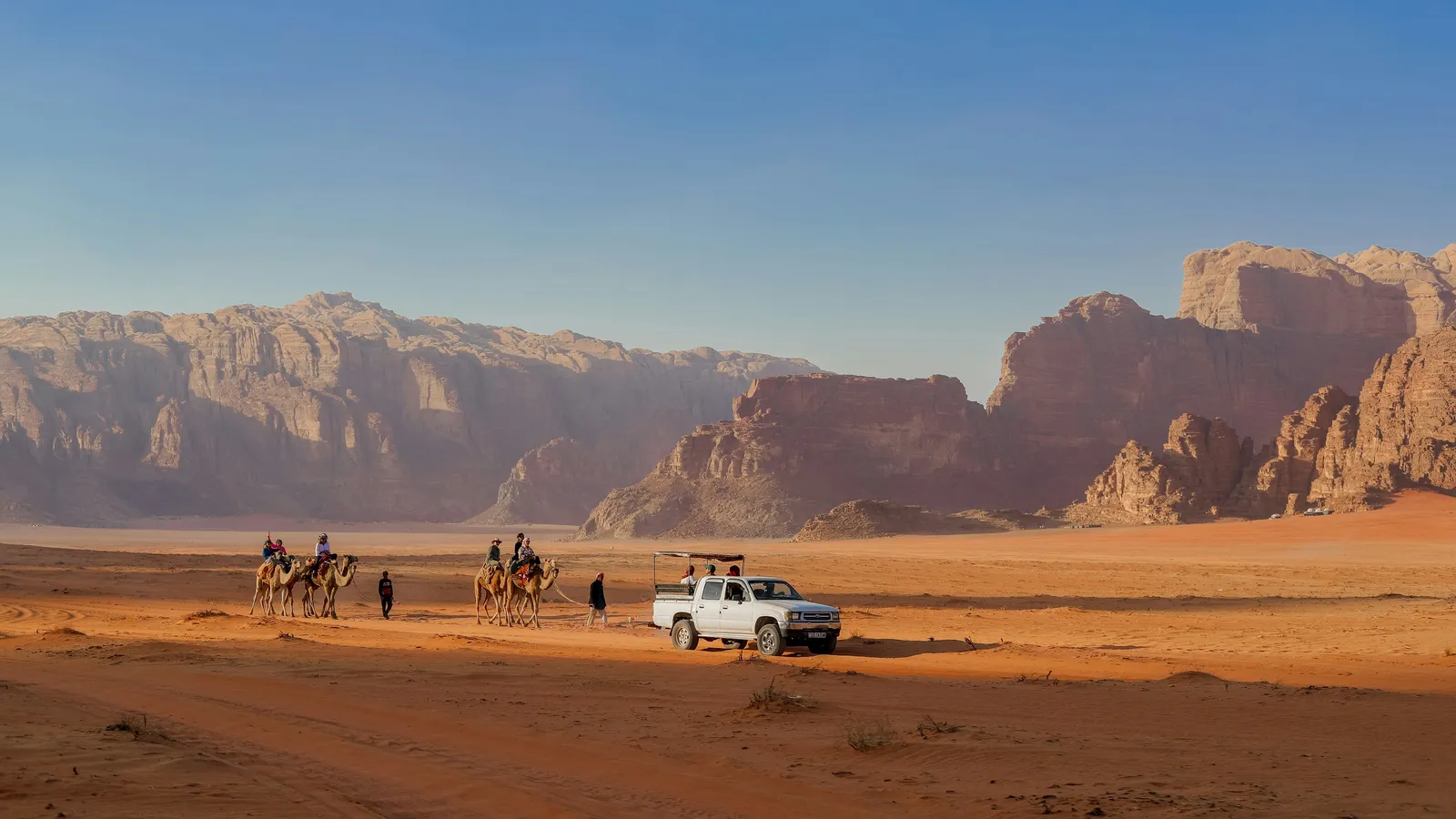
Desert Travel Preparation and Survival
Essential preparation for desert travel in the Sahara, Atacama, Wadi Rum, and Thar including water needs, sun protection, and sandstorm safety.
Read article →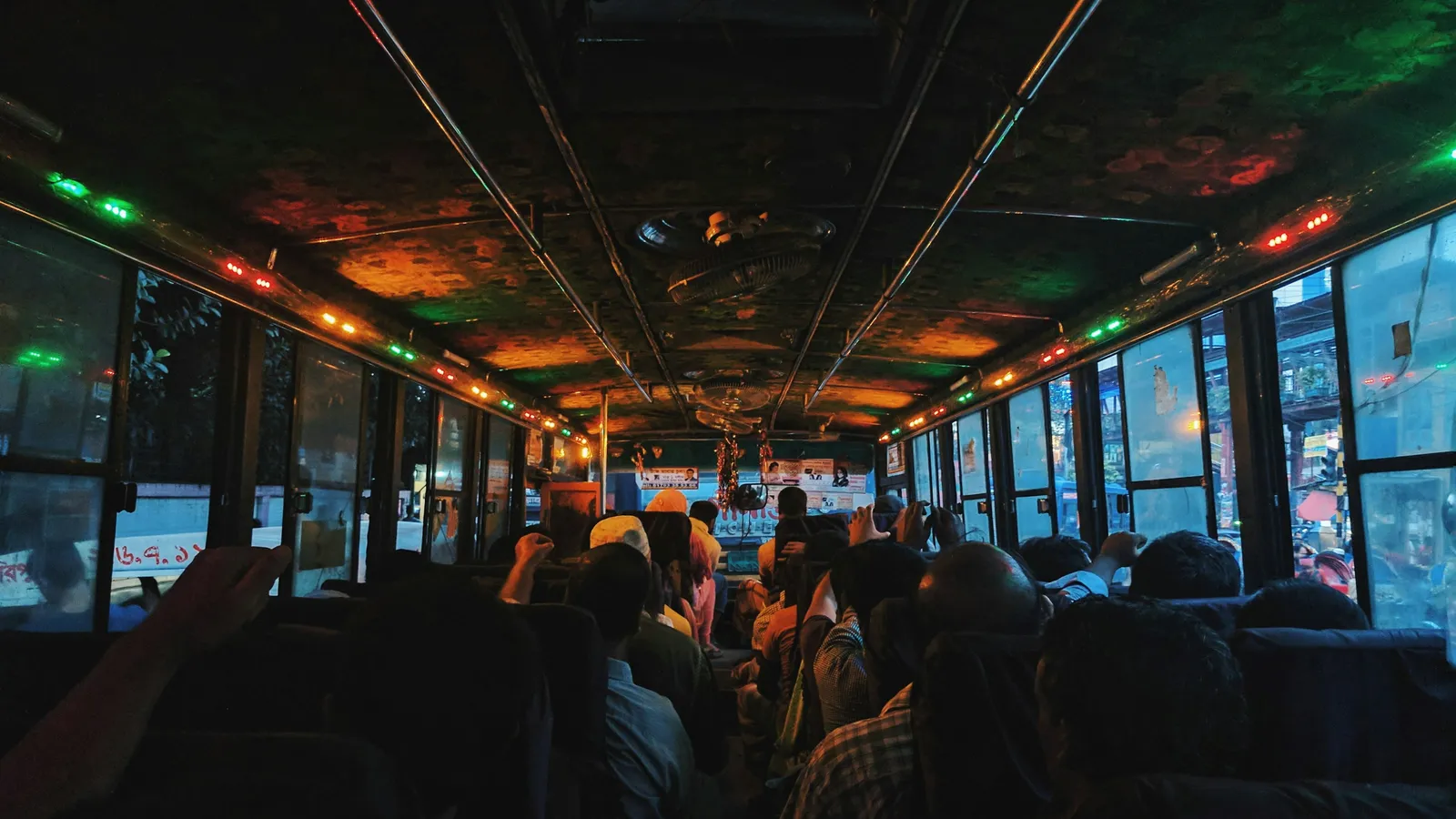
Night Bus Survival Guide
Survive overnight buses across Southeast Asia and South America with tested strategies for sleep, security, and arriving functional.
Read article →Heading to San Pedro de Atacama?
Find travel companions to share geysers at dawn, flamingo lagoons, and stargazing in the Atacama on roammate.


To customise this itinerary to your travel style, pace, and budget — download the roammate app.
Find travel companions in San Pedro de Atacama →