Sagrada Família
Gaudí's unfinished masterpiece — a basilica 140 years in the making where organic stone columns branch like trees and stained glass paints the interior in rainbows.
1 day in Sagrada Família
Only got 24 hours? Here's how to experience the best of Sagrada Família in a single action-packed day.
Sagrada Família Highlights
Exploring Sagrada Família
Begin your day at Sagrada Família early to beat the crowds and catch the best light. The main site is most atmospheric in the morning when the air is cool and the landscape catches the first golden rays. Take time to explore the main highlights and capture photographs in the soft morning light. This is the most rewarding time to visit.
Deeper Exploration
Spend the afternoon exploring further afield. Explore the surrounding areas, museums, or lesser-known sections that most visitors miss. Grab lunch at a local eatery for authentic flavours and budget-friendly prices.
Golden Hour & Farewell
End the day watching the golden hour transform the landscape. The evening light at Sagrada Família is spectacular and worth waiting for. Find a local restaurant for dinner — European cuisine with local wine.
3 days in Sagrada Família
A carefully curated route mixing iconic landmarks, hidden gems, street food, culture, and adventure — designed for younger travelers.
Sagrada Família — Facades, Towers & Interior
Nativity Facade & Tower Ascent
Book the first entry slot (9am) to enter the Sagrada Família before crowds peak. Begin on the Nativity facade facing east — Gaudí's only completed facade, encrusted with stone flora, fauna, and nativity figures carved in exquisite naturalistic detail. Then take the lift up the Nativity towers for views over the Eixample grid and down into the basilica's nave from above. The narrow spiral staircases descend through the tower interiors — genuinely vertiginous and unlike anything else in European architecture.
Passion Facade, Crypt & Museum
The Passion facade (west-facing) is Gaudí's counterpoint to the Nativity — angular, skeletal, deliberately harrowing. The sculptures by Josep Maria Subirachs depict the crucifixion in a stark cubist style that divides opinion. Descend to the crypt to see Gaudí's tomb — he is buried beneath the basilica he devoted the last 43 years of his life to. The basement museum displays original plaster models, drawings, and the catenary arch models Gaudí used to calculate structural loads upside-down using hanging chains.
Eixample Evening Walk & Vermouth Hour
Gaudí's basilica sits at the centre of the Eixample district — Barcelona's 19th-century grid neighbourhood with chamfered corners at every block intersection. Walk the Manzana de la Discordia on Passeig de Gràcia to see three rival Modernista buildings: Gaudí's Casa Batlló, Domènech i Montaner's Casa Lleó Morera, and Puig i Cadafalch's Casa Amatller. End the evening at a vermouth bar on Carrer del Consell de Cent — vermouth with anchovies and olives is Barcelona's classic pre-dinner ritual.
Gaudí's Barcelona — Park Güell & Casa Milà
Park Güell at Opening
Book the earliest available slot at Park Güell — the Monumental Zone (with the famous mosaic terrace and dragon staircase) has timed entry. Arrive at 8am when the park is quietest and morning light is warm. The terrace's broken-tile mosaic bench, designed to fit the human body, curves around the entire esplanade. Below it, the Doric colonnade of the Sala Hipostila (Hypostyle Hall) has 86 columns and a mosaic ceiling of recycled ceramic. The rest of the park is free to walk and has better city views.
Casa Milà (La Pedrera) Rooftop
Walk or take the metro down Passeig de Gràcia to Casa Milà — nicknamed La Pedrera (the quarry) for its undulating stone facade. The rooftop is Gaudí's most surreal creation: warrior-like chimneys in twisted tile, spiralling ventilation towers, and a stairwell exit shaped like a medieval helmet. The apartment interior shows the original Modernista furnishings, and the attic below the roof has an exhibition on Gaudí's structural methods. The rooftop is the highlight — spend the most time there.
El Born & Santa Maria del Mar
Head east to the El Born neighbourhood — medieval Barcelona at its most intact. The Santa Maria del Mar basilica, built by the people of the Ribera quarter between 1329 and 1383, is widely considered the finest Gothic church in Spain: pure, austere, and perfectly proportioned. Visit at dusk when evening light falls through the stained glass onto the stone interior. The streets surrounding El Born have Barcelona's best pintxos bars — line up small plates of jamón, gildas, and croquetas washed down with cava.
Gothic Quarter, Montjuïc & Local Farewell
Gothic Quarter — Roman Ruins & Cathedral
Barcelona's Gothic Quarter preserves the Roman city of Barcino beneath its medieval streets. Follow the signage through the Plaça del Rei to the Museu d'Història de Barcelona (MUHBA), where an underground walkway passes through 2,000-year-old Roman laundries, wine stores, and a salted fish factory. Above ground, the Barcelona Cathedral has a 14th-century cloister with 13 white geese (one for each year of Saint Eulàlia's life) — the courtyard is free to visit. Morning light makes the cloister garden exceptionally peaceful.
Montjuïc — Fundació Miró & Castle
Take the cable car or Funicular de Montjuïc up to the hill overlooking the port. The Fundació Joan Miró holds the world's finest collection of Miró's paintings, sculptures, and tapestries in a building designed by his friend Josep Lluís Sert — the white walls, skylights, and Mediterranean terraces are as good as the art. Walk further up to the Montjuïc Castle for panoramic views from the ramparts across the city, port, and out to the sea. The views back to the Sagrada Família towers from here are exceptional.
La Barceloneta & Farewell Seafood
Walk down from Montjuïc through the old port to La Barceloneta — the fishermen's neighbourhood with a sandy beach and the city's best seafood restaurants. Eat a final dinner of fideuà (vermicelli paella with seafood), grilled gambas al ajillo, and pan con tomate at a restaurant on Carrer de la Maquinista rather than the tourist-priced beachfront terrace. Walk the beach path at dusk watching locals playing paddle tennis, then stroll back along the Rambla del Mar for a final look at the illuminated old port.
Budget tips
Book ahead online
Tickets and tours booked online are often 10-30% cheaper than walk-in prices. Many attractions sell out in peak season — advance booking guarantees entry and saves money.
Visit in shoulder season
Shoulder months (just before or after peak season) offer better prices on accommodation and flights with similar weather and fewer crowds. Mar – Jun is peak.
Stay nearby, not at the gate
Accommodation directly at the attraction charges a premium. Staying 10-20 minutes away can save 30-50% on nightly rates. Use public transport or a rental car to bridge the gap.
Pack your own lunch
Tourist-area restaurants charge inflated prices. Pack sandwiches, snacks, and a refillable water bottle to save $15-30 per day on food. Buy supplies at local supermarkets or markets.
Free walking tours & guides
Many areas offer free or tip-based guided walks that are better than paid tours. Local guides provide insider knowledge and support the community. Check online for options.
Use local transport
Taxis and private transfers are the most expensive option. Local buses, shared minivans, or ride-sharing are 50-80% cheaper and give you a more authentic experience.
Budget breakdown
Daily costs per person in US dollars. Sagrada Família costs depend on season, accommodation style, and activity choices — these ranges cover the spectrum from budget backpacker to comfortable mid-range.
| 🎒 Budget | ✨ Mid-Range | 💎 Splurge | |
|---|---|---|---|
| Accommodation Hostels → guesthouses → boutique lodges | $25–60 | $70–150 | $200+ |
| Food Street food → local restaurants → fine dining | $15–30 | $30–60 | $70+ |
| Transport Public buses → shared transfers → private car | $5–15 | $15–40 | $50+ |
| Activities Self-guided → group tours → private guides | $5–20 | $20–60 | $80+ |
| Entry Fees Combined tickets save money | $5–15 | $15–30 | $30–50 |
| Daily Total Budget backpacker → comfortable mid → luxury | $75–190 | $165–370 | $430+ |
Practical info
Entry & Visas
- Schengen Zone
- Keep a digital and physical copy of your passport, visa, and travel insurance at all times
- Entry fees for Sagrada Família should be paid in EUR — exchange money before arriving
Health & Safety
- Travel insurance with medical evacuation coverage is essential
- Bring a basic first aid kit with blister plasters, antiseptic, painkillers, and any personal medication
- Sun protection is essential — apply SPF 50+ and reapply every 2 hours
Getting Around
- Excellent public transport — trains, buses, and ferries connect major points
- Download offline maps before arriving — mobile data coverage can be patchy in remote areas
- Negotiate transport prices before departure or use metered taxis and ride-hailing apps
Connectivity
- Buy a local SIM card at the airport or any phone shop for affordable data — much cheaper than international roaming
- WiFi is available at most accommodation but signal quality varies. Download offline maps and guides before heading to remote areas
- Share your itinerary with someone at home and check in daily, especially for remote treks or island visits
Money
- Currency: EUR (Euro). Cards accepted in tourist areas, but carry cash for local vendors
- ATMs are available in towns and cities. Visa and Mastercard are most widely accepted
- Tip 5-10% or round up at restaurants. Guides and porters appreciate tips — budget $5-10 per day per person
Packing Tips
- Comfortable walking shoes, layers for temperature changes, and a packable rain jacket
- A reusable water bottle, headlamp, and portable phone charger are essential for any outdoor adventure
- Quick-dry clothing is ideal — you can wash and wear repeatedly, reducing pack weight
Cultural tips
Sagrada Família is a place of deep cultural significance — approach with curiosity and respect, and you will be rewarded with one of the most memorable experiences of your travels.
Respect Local Customs
Be mindful of local customs and traditions. Ask before photographing people. Learn basic greetings in the local language — even a simple hello earns goodwill.
Leave No Trace
Pack out all rubbish. Stay on marked trails and paths. Do not touch, feed, or disturb wildlife. The natural beauty of Sagrada Família depends on every visitor treating it with respect. Take only photos, leave only footprints.
Photography Etiquette
Ask permission before photographing locals, especially in indigenous or traditional communities. Many religious sites have photography restrictions — check signage and respect these rules. Drone regulations vary — check local laws before flying.
Language & Communication
Learn a few words in Spanish — greetings, please, thank you, and numbers go a long way. English is widely spoken in tourist areas but a translation app helps bridge gaps.
Support Local Communities
Choose locally-owned guesthouses, restaurants, and guides over international chains. Buy handicrafts directly from artisans. Your spending has the most impact when it goes directly into the local economy rather than through large tour operators.
Pace & Patience
Allow more time than you think — rushing through natural and cultural sites misses the point. The best experiences come from slowing down and being present.
Reading for Sagrada Família
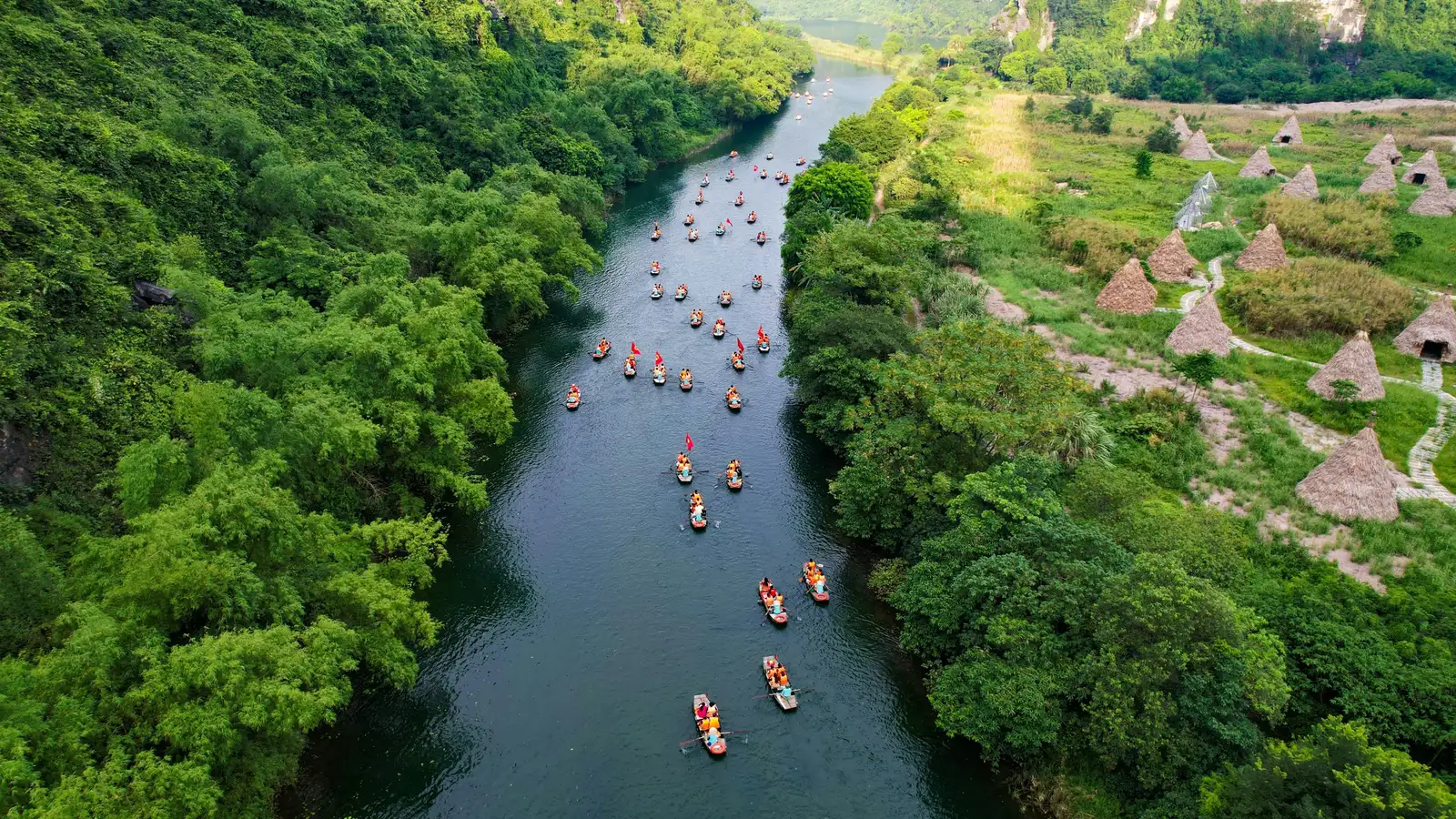
River Travel Routes Around the World
Explore the world by river: Mekong slow boats, Amazon tributaries, Nile feluccas, and European ferries. Booking tips, costs, and what to bring for river travel.
Read article →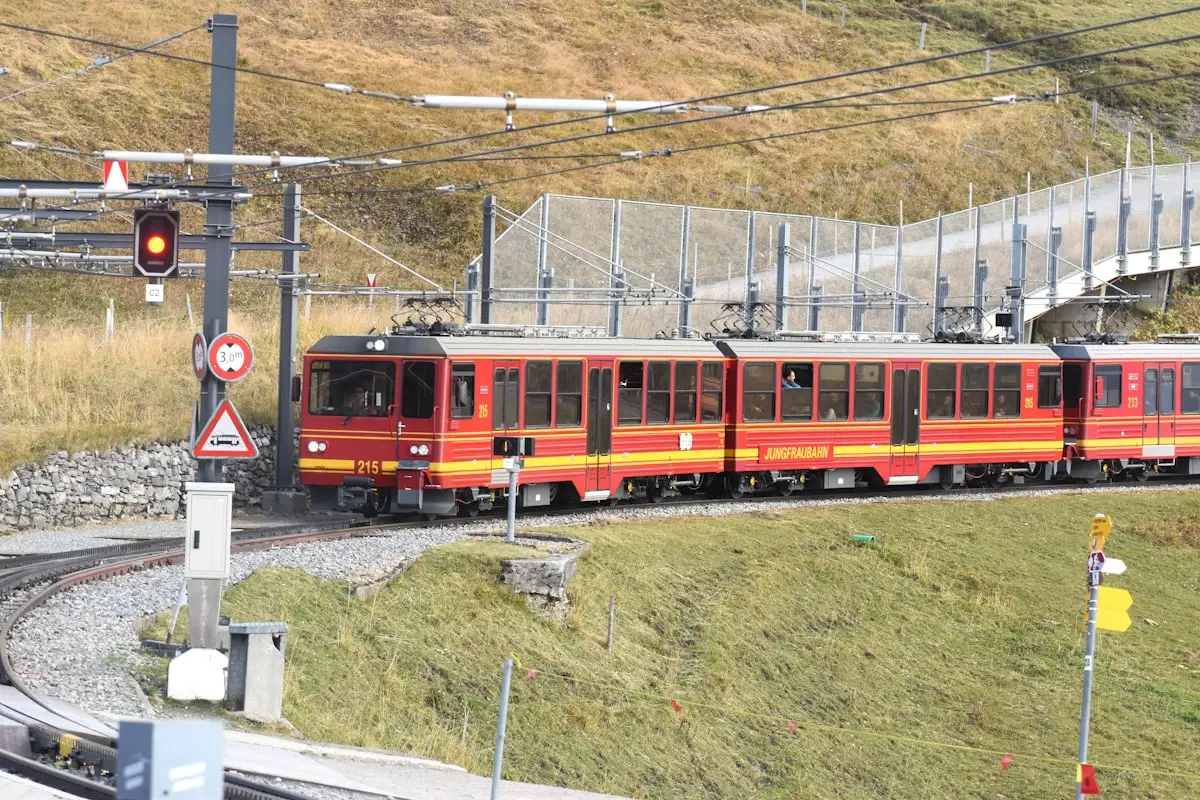
Train Passes: Europe, Japan, and Beyond
Do the math on Eurail passes, Japan Rail Passes, and India train classes — with booking windows, seat reservations, and when point-to-point is cheaper.
Read article →Heading to Sagrada Família?
Find travel companions to explore Sagrada Família together on roammate — split costs, share adventures, and make lifelong friends.


To customise this itinerary to your travel style, pace, and budget — download the roammate app to tailor it to your preferences.
Find travel companions in Sagrada Família →