Osaka
Japan's kitchen, where every alley sizzles with takoyaki smoke and the locals insist you eat until you physically cannot continue.
1 day in Osaka
Only got 24 hours? Here's how to experience the best of Osaka in a single action-packed day.
The Best of Osaka in 24 Hours
Osaka Castle & Kuromon Market
Start at Osaka Castle — the iconic white-and-gold keep surrounded by moats and cherry trees. The main tower (¥600) offers panoramic city views and samurai history exhibits. Then walk south to Kuromon Market, Osaka's 190-year-old kitchen. Graze on grilled wagyu skewers (¥500–1,000), fresh uni (sea urchin, ¥500), tamago on a stick, and seasonal fruit. This is Osaka's food soul.
Shinsekai & Tsutenkaku Tower
Metro to Shinsekai — Osaka's retro entertainment district built in 1912 to look like a blend of Paris and New York. Now it's a neon jungle of kushikatsu (deep-fried skewer) restaurants, old-school game arcades, and Tsutenkaku Tower (¥900). The neighborhood is rough around the edges and unapologetically Osaka. Lunch at Daruma Kushikatsu — skewers from ¥100 each, never double-dip in the shared sauce.
Dotonbori — Neon, Nightlife & Street Food
Dotonbori is Osaka at its most electric — the canal reflects neon signs, the Glico Running Man waves, and the streets overflow with takoyaki (octopus balls, ¥500), okonomiyaki (savory pancakes, ¥800), and gyoza. Walk the full length of the canal, try at least two takoyaki vendors (Wanaka and Kukuru are legendary), then drink in the side streets of Hozenji Yokocho, a cobblestone alley of intimate bars.
3 days in Osaka
A carefully curated route mixing iconic landmarks, hidden gems, street food, culture, and adventure — designed for younger travelers.
Classic Osaka — Castle, Markets & Dotonbori
Osaka Castle Park
Take the Chuo Line to Osakajokoen Station and walk through the expansive castle grounds. Osaka Castle's main tower rises from enormous stone walls and water-filled moats — the engineering is staggering. The keep (¥600) houses a museum of Toyotomi Hideyoshi's 16th-century unification of Japan. The surrounding park is perfect for morning strolls, with plum blossoms in February and cherry blossoms in April.
Kuromon Market — Osaka's Kitchen
Walk south to Kuromon Ichiba Market, operating since 1822. This 580-meter covered market has 170+ stalls selling the freshest seafood, produce, and street food in the city. Try grilled king crab legs (¥1,500–2,000), fresh sea urchin (¥500), tamagoyaki, and mochi. Each stall has its specialty. The fishmongers will prepare sashimi to order that melts on your tongue.
Dotonbori & Namba Night Food
Dotonbori after dark is Osaka's beating heart. The neon-lit canal, the Glico Running Man, and the smell of sizzling batter everywhere. Start with takoyaki at Wanaka (¥500 for 8 crispy-outside, molten-inside octopus balls), then okonomiyaki at Mizuno (queue-worthy, ¥1,200). Walk the Shinsaibashi covered arcade for shopping, then duck into the backstreet bars of Hozenji Yokocho.
Retro Osaka — Shinsekai, Tennoji & Local Culture
Tennoji & Sumiyoshi Taisha
Start at Sumiyoshi Taisha, one of Japan's oldest and most important Shinto shrines (founded 211 AD). The distinctive straight-lined architecture predates Chinese Buddhist influence and is uniquely Japanese. The arched Sorihashi bridge over the pond is stunning. Then walk to Tennoji Park and the Osaka City Museum of Fine Arts (¥300) for Japanese and East Asian art in a beautiful setting.
Shinsekai & Kushikatsu
Shinsekai feels frozen in the 1960s — a retro entertainment district with gaudy neon signs, shogi (Japanese chess) parlors, and kushikatsu shops on every corner. Climb Tsutenkaku Tower (¥900) for nostalgic city views. Lunch at Daruma — the original kushikatsu chain since 1929. Skewers cost ¥100–200 each, and you order round by round. Pork, shrimp, lotus root, quail egg — try them all.
Tennoji Zoo Area & Craft Beer
The streets around Tennoji come alive at night. Jan-Jan Yokocho is a covered shopping street with local eateries and a wonderfully scruffy vibe. For something different, Osaka's craft beer scene is thriving — Marca in Namba serves excellent local brews (¥700–900 per pint) alongside izakaya food. Or head to Ura-Namba (behind Namba) for a maze of tiny standing bars and restaurants.
Day Trip & Farewell — Nara or Universal Studios
Option A: Nara's Sacred Deer & Temples
Train from Namba to Nara (Kintetsu Limited Express, ¥580, 35 minutes). Over 1,200 sacred deer roam freely through Nara Park and bow when offered shika-senbei crackers (¥200 per bundle). Visit Todai-ji temple (¥600) housing a 15-meter bronze Great Buddha in the world's largest wooden building. The scale is jaw-dropping. Kasuga Taisha's thousands of stone and bronze lanterns are equally mesmerizing.
Option A: Naramachi & Return / Option B: Universal Studios
In Nara, explore Naramachi — a beautifully preserved Edo-period merchant district with machiya (wooden townhouses), sake breweries, and tea houses. Try kuzu mochi (arrowroot starch dessert) and Nara-zuke pickles. Return to Osaka by mid-afternoon. If choosing Universal Studios Japan instead (¥8,600), the Wizarding World of Harry Potter and the new Donkey Kong area are the highlights.
Farewell Osaka — Namba & One Last Takoyaki
Your final evening deserves the full Osaka treatment. Start at Creo-Ru in Namba for the best kare raisu (Japanese curry, ¥780) in the city. Walk through the Doguyasuji kitchen street (plastic food samples make brilliant souvenirs, from ¥800). End at a standing bar in Ura-Namba with highballs (¥300–400) and yakitori. One last takoyaki from Dotonbori as a midnight snack.
7 days in Osaka
A full week to go deep — from famous landmarks to local neighbourhoods, day trips, hidden gems, and proper local immersion.
Classic Osaka — Castle, Markets & Dotonbori
Osaka Castle Park
Take the Chuo Line to Osakajokoen Station and walk through the expansive castle grounds. Osaka Castle's main tower rises from enormous stone walls and water-filled moats. The keep (¥600) houses a museum of Toyotomi Hideyoshi's 16th-century unification of Japan. The park is perfect for morning strolls, with plum blossoms in February and cherry blossoms in April.
Kuromon Market — Osaka's Kitchen
Walk south to Kuromon Ichiba Market, operating since 1822. This 580-meter covered market has 170+ stalls selling the freshest seafood and street food. Try grilled king crab legs (¥1,500–2,000), fresh sea urchin (¥500), tamagoyaki, and mochi. Each stall has its specialty. The fishmongers will prepare sashimi to order that melts on your tongue.
Dotonbori Night Food Walk
Dotonbori after dark is Osaka's beating heart. The neon-lit canal, the Glico Running Man, and the smell of sizzling batter everywhere. Start with takoyaki at Wanaka (¥500), then okonomiyaki at Mizuno (¥1,200). Walk the Shinsaibashi covered arcade, then duck into the backstreet bars of Hozenji Yokocho — a cobblestone alley of intimate bars beside a moss-covered Buddhist statue.
Retro Osaka — Shinsekai & Tennoji
Sumiyoshi Taisha Shrine
Start at Sumiyoshi Taisha, one of Japan's oldest Shinto shrines (founded 211 AD). The distinctive straight-lined architecture predates Chinese Buddhist influence and is uniquely Japanese. The arched Sorihashi bridge over the pond is stunning. Walk the grounds in peaceful morning quiet — this is how shrine visits are meant to feel, without Kyoto's overwhelming crowds.
Shinsekai & Kushikatsu
Shinsekai feels frozen in the 1960s — gaudy neon signs, shogi parlors, and kushikatsu shops on every corner. Climb Tsutenkaku Tower (¥900) for nostalgic views. Lunch at Daruma — the original kushikatsu chain since 1929. Skewers cost ¥100–200 each. Pork, shrimp, lotus root, quail egg — order round by round. The game arcades have retro machines from the '80s.
Ura-Namba & Standing Bars
Ura-Namba (literally "behind Namba") is where Osaka's food-obsessed locals eat. Tiny standing bars (tachinomi), charcoal-grilled yakitori joints, and hole-in-the-wall ramen shops fill narrow alleys with no English signage. Highballs cost ¥300–400, beer ¥400–500. Toyo in Shinsekai is famous for whale meat and tuna sashimi at standing-bar prices. The vibe is pure, unfiltered Osaka.
Day Trip to Nara
Nara Park & Todai-ji
Train from Namba to Nara (Kintetsu, ¥580, 35 minutes). Over 1,200 sacred deer roam freely and bow when offered shika-senbei crackers (¥200). Todai-ji temple (¥600) houses a 15-meter bronze Great Buddha in the world's largest wooden building. The scale is jaw-dropping. Try squeezing through the pillar hole at the back — legend says it guarantees enlightenment.
Kasuga Taisha & Naramachi
Walk through the forest path to Kasuga Taisha — 3,000 stone and bronze lanterns line the approach, creating an ethereal atmosphere. The shrine itself is painted brilliant vermillion and sits in a primeval forest. Then explore Naramachi — a preserved Edo-period merchant district with machiya townhouses, sake breweries, and tea rooms. Try kuzu mochi and local craft beer.
Return to Osaka & Namba Night
Train back to Osaka by late afternoon. Dinner in the Namba area — try the thick, fluffy Osaka-style okonomiyaki at Chibo near Dotonbori (¥1,000–1,500 per pancake). Walk off dinner along the Dotonbori canal with illuminated neon reflections. For nightlife, head to Americamura (Ame-Mura) — Osaka's youth culture district with live music venues, bars, and vintage shops.
Day Trip to Kyoto
Fushimi Inari & Kiyomizu-dera
Shinkansen or JR train to Kyoto (¥580 local, 30 minutes). Start at Fushimi Inari Taisha — the iconic tunnel of 10,000 vermillion torii gates winding up Mount Inari. Most tourists stop at the first viewpoint, but the full hike (2 hours) rewards with empty trails and mountaintop shrines. Then bus to Kiyomizu-dera (¥400) for its famous wooden terrace overlooking the city.
Arashiyama Bamboo Grove
Train to Arashiyama for the famous bamboo grove — towering green stalks creating a natural cathedral. Walk through to Tenryu-ji temple's garden (¥500). Cross the Togetsukyo Bridge for views of the Arashiyama mountains. Lunch at a local udon shop near the station — handmade Kyoto-style noodles in a delicate dashi broth for ¥800–1,200. Matcha soft-serve from any of the tea shops (¥400).
Gion & Return to Osaka
Walk through Gion, Kyoto's famous geisha district. The wooden machiya buildings along Hanamikoji Street glow in the evening light, and if you're lucky, you'll spot a maiko (apprentice geisha) heading to an appointment. Cross to Pontocho alley — a narrow lane of restaurants perched above the Kamo River. Return to Osaka for a late-night ramen at Kamukura in Dotonbori (open late, ¥850).
Universal Studios Japan
Universal Studios — Wizarding World
JR train to Universal City Station (20 minutes from Osaka Station). Arrive at park opening (usually 9am, check schedule). Head straight to the Wizarding World of Harry Potter — the recreation of Hogsmeade village and Hogwarts castle is astonishingly detailed. Ride Harry Potter and the Forbidden Journey first (queue builds to 2+ hours). Try a Butterbeer (¥650) in the snow-covered village.
Nintendo World & Rides
Super Nintendo World is the other must-do — a full-scale recreation of the Mushroom Kingdom. The Mario Kart ride uses AR goggles and is genuinely thrilling. Buy a Power-Up Band (¥3,800) to interact with the world — punch blocks, collect coins, and battle Koopa Troopas. For thrill rides, Hollywood Dream (forwards and backwards) and The Flying Dinosaur are world-class coasters.
Park Evening & City Walk
Stay for the evening parade and nighttime shows if running. Universal CityWalk outside the park has restaurants and shops open late — takoyaki museum with stalls from across Japan is a fun stop. Return to central Osaka and end the day at a ramen chain like Ichiran (¥890, solo booth dining) or splurge on yakiniku in Tsuruhashi's Korea Town.
Local Osaka — Neighborhoods & Hidden Gems
Nakazakicho — Osaka's Brooklyn
Nakazakicho is a former residential neighborhood where old wooden houses have been converted into cafes, galleries, and vintage shops. The DIY aesthetic is endearing — hand-painted signs, mismatched furniture, and genuinely good coffee. Start at Salon de AManTo for organic breakfast (¥700–900) in a converted machiya. Browse the tiny independent bookshops and record stores.
Tsuruhashi & Korea Town
Metro to Tsuruhashi for Osaka's Korean quarter — a covered market bursting with kimchi vendors, Korean BBQ restaurants, and K-pop shops. The grilled meat smell hits you at the station exit. Lunch at one of the old-school yakiniku joints — thick-cut beef tongue, kalbi, and harami with rice, all for ¥1,500–2,500 per person. This area has been Korean since the 1920s and the food is the real deal.
Tenjinbashi-suji & Night Walk
Tenjinbashi-suji is Japan's longest covered shopping street at 2.6km. Walk its entire length past local shops, ¥300 takoyaki stalls, and family-run restaurants that have been open for generations. Visit Osaka Tenmangu shrine at the south end. End the evening at a neighborhood izakaya — kushikatsu and draft beer in a tiny joint where the owner remembers every regular's name.
Relaxation, Shopping & Farewell
Spa World — Hot Spring Theme Park
Spa World in Shinsekai (¥1,500) is a massive hot spring theme park with two floors of international-themed baths — European-style on one floor, Asian-style on the other (floors swap monthly by gender). Outdoor pools, saunas, and a rooftop jacuzzi with city views. It's gloriously excessive and peak Osaka entertainment. Bring your own towel or rent one for ¥200.
Last-Minute Shopping & Souvenirs
Hit the basement food floors (depachika) of Daimaru or Hanshin department stores near Umeda Station — beautifully packaged sweets, regional specialties, and free samples everywhere. For unique Osaka souvenirs, grab plastic food replicas from Doguyasuji near Namba, takoyaki-flavored snacks from Don Quijote, and matcha Kit Kats. Tax-free shopping for purchases over ¥5,000.
Farewell Dinner & Dotonbori
Your last Osaka meal should be a proper send-off. Splurge on A5 wagyu yakiniku at Matsusaka-gyu Yakiniku M in Namba (¥5,000–8,000 per person) — marbled beef that dissolves on contact. Or keep it classic with one final round of takoyaki, okonomiyaki, and a ¥300 Asahi Super Dry by the Dotonbori canal. Osaka doesn't do subtle goodbyes — it feeds you until you surrender.
Budget tips
Kuidaore culture
Osaka's motto is "eat until you drop." Street food meals cost ¥500–1,000. Takoyaki (¥500/8 pcs), kushikatsu (¥100–200/skewer), and okonomiyaki (¥800–1,200) are all filling and cheap.
Osaka Metro Pass
Osaka Metro 1-day pass (¥820 weekdays, ¥620 weekends/holidays) — unlimited rides on all metro lines. Covers most tourist areas. Weekend price is a steal.
Free attractions
Osaka Castle park grounds, Dotonbori canal walk, Sumiyoshi Taisha shrine, Tennoji Park, Tenjinbashi-suji shopping street, and many neighborhood walks are all free.
Day trip savings
Nara is only ¥580 by Kintetsu train from Namba (35 min). Kyoto is ¥580 by JR (30 min). Both are easy half-day trips without expensive shinkansen tickets.
Standing bars
Tachinomi (standing bars) in Ura-Namba and Tennoji serve highballs from ¥300 and yakitori from ¥100/skewer. No cover charges, no table charges — just cheap drinks and good vibes.
Conbini meals
FamilyMart and Lawson onigiri (¥120–180), bento boxes (¥400–600), and hot snacks are reliably good. Osaka's konbini quality is excellent — no shame in eating this way daily.
Budget breakdown
Daily costs per person in JPY. Osaka is one of Japan's most affordable major cities — street food culture means world-class eating at backpacker prices.
| 🎒 Budget | ✨ Mid-Range | 💎 Splurge | |
|---|---|---|---|
| Accommodation Hostel/capsule → business hotel → boutique/ryokan | ¥2,000–4,000 | ¥6,000–12,000 | ¥20,000+ |
| Food Street food & conbini → restaurants → wagyu & sushi | ¥2,000–3,500 | ¥4,000–7,000 | ¥12,000+ |
| Transport Day pass & walking → IC card → taxi | ¥500–820 | ¥1,000–2,000 | ¥4,000+ |
| Activities Free temples & markets → museums & towers → USJ & tours | ¥500–1,000 | ¥2,000–5,000 | ¥10,000+ |
| Drinks Conbini & standing bars → izakaya → cocktail bars | ¥300–600 | ¥1,000–2,500 | ¥5,000+ |
| Daily Total $35–66 → $93–190 → $340+ | ¥5,300–9,920 | ¥14,000–28,500 | ¥51,000+ |
Practical info
Getting Around
- Get an ICOCA card at any station — works on all trains, buses, and vending machines. Same as Suica/Pasmo but Kansai-branded
- Osaka Metro covers the city well. JR Loop Line connects major hubs. Google Maps is accurate for all transit planning
- Walking between Namba, Dotonbori, Shinsaibashi, and Americamura takes 10–15 minutes — no train needed for this cluster
Connectivity
- Rent pocket WiFi at Kansai Airport (KIX) arrivals — ¥500–900/day. Multiple counters in the arrivals hall
- eSIMs from Ubigi or Airalo work well. Physical SIMs from Bic Camera near Namba (¥3,000–5,000 for 30 days)
- Free WiFi available at stations and convenience stores but unreliable. Pocket WiFi is the best investment for Osaka
Money
- Cash is king in Osaka — many small restaurants, market stalls, and bars are cash-only. Carry ¥10,000–20,000
- 7-Eleven and Japan Post ATMs accept foreign cards. Avoid other bank ATMs which often reject overseas cards
- No tipping in Japan. Tax is included in most displayed prices (look for 税込 or zeikomi). Service is impeccable regardless
Visa & Entry
- Most Western nationalities get 90-day visa-free entry. Visit Japan Web speeds up immigration at KIX
- Kansai Airport (KIX) is Osaka's main airport. Nankai Rapi:t to Namba (¥1,450, 34 min) or JR Haruka to Tennoji (¥1,740, 35 min)
- If arriving at Itami Airport (domestic flights), limousine bus to Namba or Umeda is ¥660, 25–50 minutes
Health & Safety
- Osaka is very safe. The Shinsekai and Tobita areas can feel rougher at night but pose minimal actual danger
- No vaccinations required. Tap water is safe throughout Japan. Pharmacies (drug stores) are widespread
- Summer (Jul–Aug) is extremely hot and humid — 35°C+ with high humidity. Carry water, use sunscreen, and take breaks
Packing Tips
- Comfortable walking shoes — Osaka is flat and walkable but you'll cover 15,000+ steps daily
- Coin lockers at major stations (¥300–700) — leave bags while exploring. Luggage forwarding (takkyubin) between cities is ¥2,000
- A small towel is essential — most Japanese restrooms don't provide paper towels or hand dryers
Cultural tips
Osaka has its own culture within Japan — louder, funnier, and more food-obsessed than anywhere else. Embrace the kuidaore spirit.
Kuidaore Spirit
Osaka's food culture is a point of pride. Locals will passionately debate the best takoyaki vendor. Eating while walking is less frowned upon here than in other Japanese cities — Dotonbori is basically designed for it.
Osaka Directness
Osakans are famously more direct and humorous than other Japanese. Don't be surprised by friendly banter from shop owners and strangers. "Ookini" means thank you in Osaka dialect.
Chopstick Rules
Never stick chopsticks upright in rice (funeral association). Don't pass food chopstick-to-chopstick. Don't point with chopsticks. Rest them on the hashioki between bites.
Shoes Off
Remove shoes in homes, traditional restaurants with tatami seating, temples, and ryokans. Slippers provided. Never wear toilet slippers outside the bathroom area.
Escalator Etiquette
In Osaka, stand on the RIGHT side of escalators (opposite to Tokyo). This confuses even Japanese visitors from other regions. Watch the locals and follow their lead.
Trash Etiquette
Osaka has few public trash cans like all of Japan. Carry a small bag for rubbish. Convenience stores will usually let you dispose of garbage if you've bought something.
Osaka is on these routes
Reading for Osaka
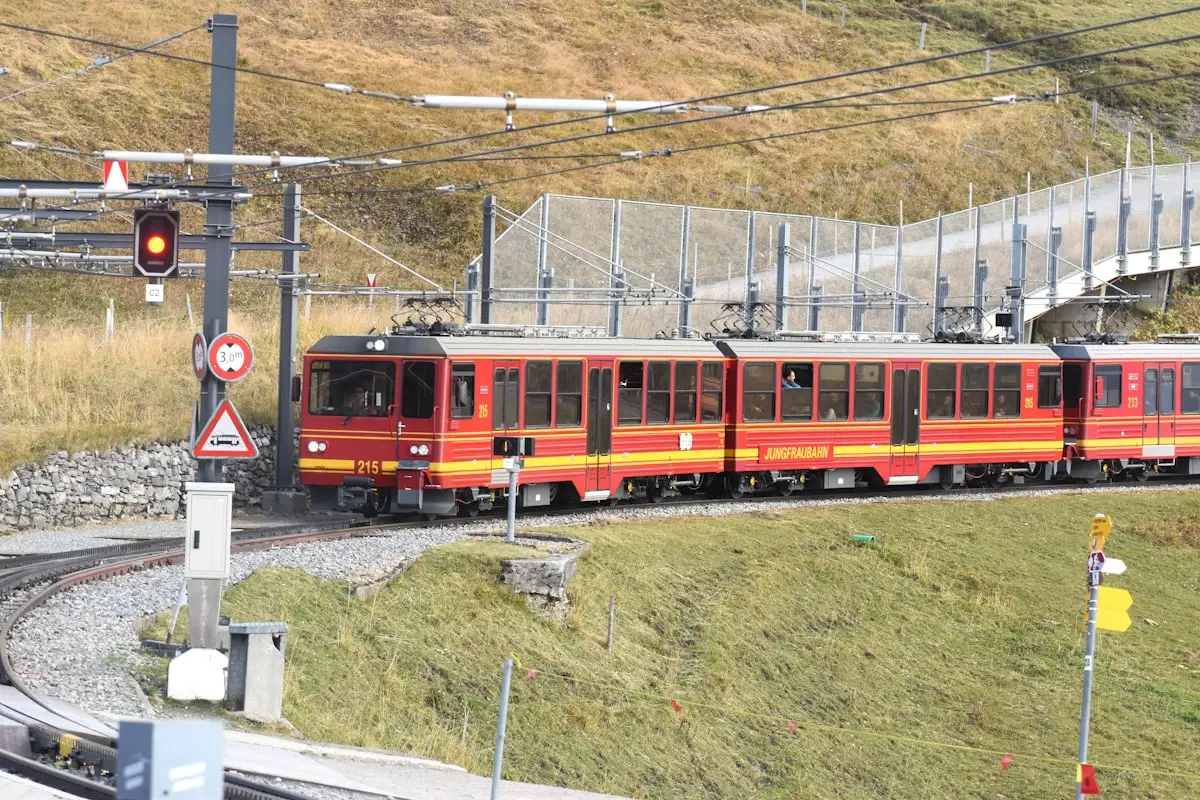
Train Passes: Europe, Japan, and Beyond
Do the math on Eurail passes, Japan Rail Passes, and India train classes — with booking windows, seat reservations, and when point-to-point is cheaper.
Read article →
Working Holiday Visa Playbook
Complete guide to working holiday visas in Australia, New Zealand, Canada, Japan, and South Korea with age limits, timelines, and job strategies.
Read article →
Your First Month in Southeast Asia
Plan your first 30 days in Southeast Asia with a tested itinerary covering Thailand, Cambodia, and Vietnam without rushing or overspending.
Read article →Heading to Osaka?
Find travel companions for Nara day trips, Universal Studios groups, and late-night Dotonbori food crawls on roammate.


To customise this itinerary to your travel style, pace, and budget — download the roammate app to tailor it to your preferences.
Find travel companions in Osaka →