Oaxaca
Ancient Zapotec ruins, world-class mezcal, seven legendary moles, and indigenous textile villages in Mexico's cultural heartland.
1 day in Oaxaca
Only got 24 hours? Here's how to experience the best of Oaxaca in a single action-packed day.
Oaxaca City Highlights
Benito Juárez Market & Centro Histórico
Start early at Mercado Benito Juárez in the heart of the centro histórico, where vendors have been selling Oaxacan produce, mole pastes, chapulines (toasted grasshoppers), mezcal, and handmade chocolate since the colonial era. Walk the aisles slowly and sample freely — this is the best introduction to the flavours that define Oaxacan cuisine. From the market, walk north through the pedestrianised streets to the Zócalo, the tree-lined central plaza surrounded by arcaded restaurants and the imposing 16th-century Cathedral of Our Lady of the Assumption. The morning light is ideal for photographing the green cantera stone facades.
Santo Domingo Church & Ethnobotanical Garden
Walk north on Alcalá — Oaxaca's main pedestrian street lined with galleries and mezcalerías — to the Templo de Santo Domingo de Guzmán, one of Mexico's most ornate baroque churches with a gilded interior that took 200 years to complete. Adjacent is the Centro Cultural Santo Domingo housing the Museum of Oaxacan Cultures and the extraordinary Ethnobotanical Garden, which showcases the region's native plants including agave, cactus, and the trees that produce copal incense used in Zapotec ceremonies. Continue to the textile museum and street art murals in the Jalatlaco neighbourhood.
Mezcal Tasting & Tlayudas
Oaxaca is the heartland of mezcal, and the best way to understand this smoky agave spirit is at one of the city's mezcalerías. In Situ or Mezcaloteca both offer guided flights with explanation of the agave varieties — espadín, tobalá, madrecuixe — and the artisanal distillation process. For dinner, find a street-side tlayuda vendor near the 20 de Noviembre market: these enormous crispy tortillas spread with black bean paste, asiento (unrefined pork lard), Oaxacan string cheese, and topped with tasajo (dried beef) are the city's signature street food and best eaten standing at a plastic table under fluorescent lights.
3 days in Oaxaca
A carefully curated route mixing iconic landmarks, hidden gems, street food, culture, and adventure — designed for younger travelers.
Monte Albán & Centro Histórico
Monte Albán Archaeological Site
Take a colectivo or taxi 9km west of the city to Monte Albán, the ancient Zapotec capital built on a flattened mountaintop around 500 BCE. The grand plaza — one of the earliest planned cities in Mesoamerica — stretches 300 metres between the North and South platforms with pyramids, an observatory, and the Gallery of the Danzantes (carved stone reliefs of contorted figures that remain one of pre-Columbian Mexico's great mysteries). The 360-degree views over the Oaxacan valleys below are staggering. This is a UNESCO World Heritage Site and Oaxaca's most important archaeological attraction.
Mercado 20 de Noviembre & Street Art Walk
Return to the city centre and head to Mercado 20 de Noviembre, the food market adjacent to Benito Juárez market. The Pasillo de Humo (Smoke Alley) is a row of open-grill stalls where huge cuts of tasajo, chorizo, and cecina (salt-cured pork) are grilled over charcoal — choose your meat at one stall and sit at another for sides of tortillas, guacamole, nopales, and salsa. After lunch, walk through the Jalatlaco barrio — Oaxaca's most photogenic neighbourhood — where colonial houses painted in terracotta, turquoise, and mustard yellow are covered in large-scale murals and street art reflecting Zapotec mythology and social themes.
Mezcal Bars & Live Music
Oaxaca's nightlife centres on mezcal and live music. Start at the Zócalo where marimba bands play under the Indian laurel trees most evenings, then move to one of the city's mezcalerías — In Situ on Reforma is intimate with an exceptional selection of small-batch producers, while Mezcaloteca on Flores Magón offers structured tastings by appointment. For dinner, try mole negro — the most complex of Oaxaca's seven moles, made with over 30 ingredients including chocolate, chillies, and charred tortilla — at a traditional restaurant like La Biznaga or Casa Oaxaca.
Hierve el Agua & Textile Villages
Hierve el Agua Petrified Waterfalls
Depart early for Hierve el Agua, a set of petrified mineral waterfalls 70km east of the city in the Sierra Madre mountains. The calcium carbonate formations cascade down the clifface like frozen waterfalls, formed over millennia by mineral-rich spring water. At the top are two natural infinity pools filled with the same mineral water, perched on the cliff edge with a view over the entire valley — swim in the shallow turquoise pools while looking out across mountains and agave fields. A short trail leads to the base of the main formation for a dramatic upward perspective.
Teotitlán del Valle Weaving Village
On the return from Hierve el Agua, stop at Teotitlán del Valle — a Zapotec village where families have been weaving wool tapetes (rugs) on backstrap and pedal looms for over 2,000 years. Visit a family workshop to see the full process: shearing sheep, spinning wool by hand, dyeing with natural pigments (cochineal insects for red, indigo for blue, pomegranate for yellow), and weaving intricate geometric patterns passed down through generations. The quality of Teotitlán textiles rivals any artisan tradition on earth. Buying directly from the weaver ensures fair prices for both parties.
Chocolate Workshops & Oaxacan Hot Chocolate
Return to Oaxaca city for an evening chocolate experience. Oaxaca has produced cacao-based drinks since the Zapotec era, and the city's chocolate culture is unique in Mexico — the Mayordomo and La Soledad chocolate shops grind cacao beans with sugar, cinnamon, and almonds to order in vintage machines. Watch your custom blend being made, then take it to be frothed into hot chocolate at a nearby café. Several workshops offer hands-on chocolate-making classes in the evening where you grind cacao on a metate (stone grinding slab) the traditional way.
El Tule, Mezcal Distillery & Mitla
Árbol del Tule — World's Widest Tree
Drive 14km east to Santa María del Tule to see El Árbol del Tule — a Montezuma cypress with the widest trunk of any tree on earth at 14.05 metres in diameter. The tree is estimated to be 1,400–3,000 years old and its gnarled trunk is so massive that locals have identified shapes of animals, faces, and figures in its bark formations. The tree stands in the churchyard of a small colonial church and the entire village exists around it. Continue east through the Tlacolula Valley, the agricultural heart of Oaxaca.
Mezcal Distillery & Mitla Ruins
Stop at a palenque (traditional mezcal distillery) along the road to Mitla — dozens of small family operations produce artisanal mezcal using underground pit ovens, horse-drawn stone mills, and copper pot stills unchanged for centuries. Watch the full process from roasting agave hearts (piñas) to fermentation in open-air wooden vats. Continue to Mitla, the most important Zapotec religious site after Monte Albán — the Palace of Columns features intricate geometric stone mosaic fretwork that was assembled without mortar, a technique unique in Mesoamerica and representing the finest stone craftsmanship of the pre-Columbian Americas.
Farewell Dinner in the Zócalo
Return to Oaxaca city for a final evening in the Zócalo. Sit under the arcades at one of the plaza restaurants and order a Oaxacan tasting menu — memela (thick corn tortilla with black beans), empanadas de amarillo (yellow mole empanadas), chiles rellenos, and a glass of mezcal to close. The Zócalo comes alive at night with street performers, balloon vendors, and families taking their evening paseo (stroll). This is the heart of one of Mexico's most culturally rich cities.
7 days in Oaxaca
A full week to go deep — from famous landmarks to local neighbourhoods, day trips, hidden gems, and proper local immersion.
Arrival & Centro Histórico
Zócalo & Cathedral
Arrive in Oaxaca and orient yourself around the Zócalo, the shaded central plaza where daily life unfolds beneath Indian laurel trees. Walk to the Cathedral of Our Lady of the Assumption on the north side — its green cantera stone facade took over 200 years to complete. Stroll the pedestrianised Andador Macedonio Alcalá northward, passing galleries, jewellery shops, and mezcalerías housed in restored colonial buildings.
Mercado Benito Juárez & 20 de Noviembre
Dive into Oaxaca's culinary heart at the twin markets south of the Zócalo. Mercado Benito Juárez is the place for mole pastes, chapulines, chocolate, cheese, and mezcal — sample everything offered. Cross the street to Mercado 20 de Noviembre and walk the Pasillo de Humo for grilled tasajo and chorizo served with handmade tortillas and salsas. This is the best-value lunch in the city and a sensory overload of smoke, colour, and flavour.
Jalatlaco Neighbourhood Walk
Walk east to the Jalatlaco barrio, Oaxaca's most photogenic neighbourhood. Colonial houses in bright pastels are covered with street art murals depicting Zapotec mythology and social commentary. Small mezcal bars and coffee shops line the cobbled streets. Find a rooftop restaurant for sunset views over the city towards the Sierra Norte mountains.
Monte Albán Full Day
Monte Albán Grand Plaza
Take an early colectivo to Monte Albán and spend the full morning exploring the grand plaza of this ancient Zapotec capital. Walk the North Platform for the best overview, examine the Gallery of the Danzantes carved reliefs, and climb the South Platform for panoramic views of the valley. Hire a guide at the entrance to understand the astronomical alignments and political significance of this 2,500-year-old city.
Monte Albán Tombs & Museum
Explore the tombs on the eastern side of the site — Tomb 104 retains original painted murals depicting Zapotec deities, and the small on-site museum displays jade jewellery and ceramic urns recovered from the burials. The archaeological richness here rivals anything in the Maya world. Return to the city for a late lunch.
Cooking Class — Mole & Tlayudas
Join an evening cooking class to learn Oaxacan cuisine hands-on. Several schools in the centro histórico teach mole preparation, tortilla making on a comal, and tlayuda assembly. You shop for ingredients at the market, grind chillies on a metate, and sit down to eat what you cooked. This is one of the most rewarding experiences in Oaxaca.
Hierve el Agua & Mitla
Hierve el Agua Petrified Falls
Depart early for Hierve el Agua in the Sierra Madre foothills. Swim in the natural mineral infinity pools perched on the cliff edge with views over the valley, then hike the trail to the base of the petrified waterfall formations — calcium carbonate deposits that have built up over millennia into frozen cascades down the cliffface.
Mitla Archaeological Site
On the return, stop at Mitla — the Zapotec city of the dead, where the Palace of Columns features the most intricate stone mosaic fretwork in the Americas. Each panel is assembled from thousands of individually carved stone pieces fitted together without mortar. The geometric designs represent the sky, earth, and underworld in Zapotec cosmology. The adjacent church was built directly atop a Zapotec temple, a stark colonial statement.
Tlacolula Market Town Dinner
If visiting on a Sunday, detour through Tlacolula for its massive weekly market — one of the largest indigenous markets in the Americas with sections for produce, livestock, textiles, and prepared food. Otherwise, return to Oaxaca city for dinner at a traditional comedor serving mole coloradito, chiles rellenos, and agua de horchata.
Mezcal Route & Textile Villages
Mezcal Palenque Tour
Drive the Mezcal Route through the Tlacolula Valley, stopping at family-run palenques where artisanal mezcal is produced using methods unchanged for centuries. Watch agave piñas roast in underground pit ovens for days, the cooked hearts crushed by a horse-drawn stone wheel, fermented in open wooden vats, and double-distilled in copper or clay pot stills. Taste espadín, tobalá, cuishe, and wild agave varieties straight from the production floor.
Teotitlán del Valle Weaving
Continue to Teotitlán del Valle where Zapotec families have woven wool tapetes on backstrap looms for over two millennia. Visit a workshop to see the full process from shearing to natural dyeing — cochineal insects crushed for crimson, indigo for deep blue, pomegranate for yellow — and weaving on pedal looms. The geometric patterns carry symbolic meaning passed through generations. Buy directly from the weaver for fair prices and authentic quality.
Santo Domingo at Night
Return to the city and visit the Templo de Santo Domingo de Guzmán at dusk when the exterior is illuminated and the gilded baroque interior glows in candlelight. Walk the surrounding streets where galleries host openings and mezcal bars fill with locals. Dinner in the Reforma neighbourhood at a contemporary Oaxacan restaurant fusing traditional ingredients with modern technique.
Sierra Norte Pueblos Mancomunados
Mountain Village Hike
Take a colectivo 60km north into the Sierra Norte to the Pueblos Mancomunados — a network of Zapotec mountain villages that operate community-based ecotourism. Hike between villages on trails through cloud forest and pine-oak woodland at 3,000m elevation, passing through terrain that shifts from temperate forest to misty highland meadows. The villages of Benito Juárez and Cuajimoloyas offer cabañas, guides, and meals prepared by community cooperatives.
Cloud Forest & Birdwatching
The cloud forests of the Sierra Norte are among Oaxaca's richest ecosystems — over 400 bird species have been recorded including resplendent quetzals, mountain trogons, and hummingbirds. Community guides lead birdwatching and nature walks through the forest canopy. The trails also pass ancient Zapotec sites and mountain springs. Lunch is served in the community comedor — simple, hearty food cooked on wood-fired stoves.
Mountain Village Night Sky
Spend the night in a community cabaña in Benito Juárez or Cuajimoloyas. At 3,000m with no light pollution, the night sky is extraordinary — the Milky Way is clearly visible and the silence of the mountain forest is profound. Dinner is served communally and the village cooperative shares the economics equally among families. This is authentic community tourism at its best.
Árbol del Tule & Alebrijes Workshop
El Árbol del Tule
Return from the Sierra Norte and drive east to Santa María del Tule to see the world's widest tree — a Montezuma cypress 14 metres in diameter and estimated to be up to 3,000 years old. The gnarled trunk contains shapes that locals point out as jaguars, elephants, and human faces. The tree dwarfs the adjacent colonial church and the small village plaza exists entirely in its shade.
San Martín Tilcajete Alebrijes
Continue south to San Martín Tilcajete, the village famous for producing alebrijes — the fantastical carved wooden creatures painted in psychedelic colours that have become Oaxaca's most iconic craft. Visit family workshops where artisans carve copal wood into dragons, jaguars, and mythical creatures, then hand-paint them with intricate dot patterns using natural pigments. The best workshops explain the Zapotec spiritual symbolism behind each creature design.
Oaxacan Chocolate & Night Market
Return to the city for an evening at the chocolate mills. Mayordomo on Mina street grinds cacao with sugar, cinnamon, and almonds to your specification — watch the vintage machines produce your custom blend. Take it to a nearby café to be frothed into hot chocolate. Walk through the evening street food scene around the Zócalo — tamales, elotes (grilled corn), and champurrado (thick chocolate atole) from vendors setting up as night falls.
San Bartolo Coyotepec & Departure
Black Pottery of San Bartolo Coyotepec
Drive 25 minutes south to San Bartolo Coyotepec, where artisans produce Oaxaca's distinctive barro negro (black pottery) using techniques dating to the pre-Columbian era. The clay is hand-shaped without a potter's wheel, burnished to a mirror-like sheen, and fired in underground pit kilns where the oxygen-deprived atmosphere turns the clay jet black. Visit the workshop of Doña Rosa's family, who refined the technique in the 1950s, and watch demonstrations of the hand-building and burnishing process.
Final Market Run & Souvenirs
Return to the centro histórico for a final visit to the markets. Stock up on mole paste (vacuum-sealed for travel), mezcal (buy at a mezcalería with denomination of origin certification), chocolate paste, and chapulines. The shops along Alcalá sell curated Oaxacan crafts — embroidered blouses, tin ornaments, and woven bags — at higher prices but with quality assurance. A final lunch of enfrijoladas (tortillas in black bean sauce) at a comedor near the market.
Farewell Mezcal & Zócalo
End your week in Oaxaca where it began — at the Zócalo, watching the evening paseo unfold beneath the trees. Order a final mezcal at an arcade restaurant and reflect on one of Mexico's most culturally dense and rewarding cities. The brass bands strike up, balloon vendors work the crowds, and families take their evening stroll. Oaxaca is a city that stays with you long after departure.
Budget tips
Eat at the markets
Mercado 20 de Noviembre and Benito Juárez serve full meals for 60–100 MXN ($3–5 USD). Street tlayudas and tamales cost even less. Tourist restaurants on the Zócalo charge 3–5x market prices for similar food.
Use colectivos
Shared taxis and minivans to Monte Albán, Hierve el Agua, and the valley towns cost a fraction of private taxis. Depart from the second-class bus station or specific pickup points in the centro.
Stay in the centro
Hostels in the centro histórico and Jalatlaco start at 200–350 MXN ($10–18 USD) per night for dorms. Walking distance to everything saves on transport costs.
Buy mezcal at source
Mezcal purchased directly at palenques or at Oaxacan mezcalerías is 30–50% cheaper than tourist shops or airport prices. Ask for recommendations from locals.
Free walking tours
Several companies offer free (tip-based) walking tours of the centro histórico daily. These are an excellent introduction to the city's history and culture on your first day.
Combine day trips
The Tlacolula Valley route (Tule, Teotitlán, Mitla, Hierve el Agua) can be done in one long day by colectivo, saving on multiple separate trip costs.
Budget breakdown
Daily costs per person in US dollars. Oaxaca is one of Mexico's best-value destinations — these ranges cover the spectrum from budget backpacker to comfortable mid-range.
| 🎒 Budget | ✨ Mid-Range | 💎 Splurge | |
|---|---|---|---|
| Accommodation Hostel dorms → guesthouses → boutique hotels | $8–18 | $25–60 | $80+ |
| Food Market food → local restaurants → fine dining | $5–12 | $15–30 | $40+ |
| Transport Colectivos → shared taxis → private car | $2–8 | $10–25 | $40+ |
| Activities Self-guided → group tours → private guides | $3–10 | $15–35 | $50+ |
| Entry Fees Monte Albán 90 MXN, Mitla 75 MXN | $2–5 | $5–15 | $15–30 |
| Daily Total Budget backpacker → comfortable mid → luxury | $25–55 | $70–165 | $225+ |
Practical info
Entry & Visas
- Most nationalities receive a 180-day FMM tourist permit on arrival — no visa required
- Keep your FMM form safe — you need it to exit Mexico and replacement involves bureaucracy
- Entry fees for archaeological sites are paid in MXN — bring cash
Health & Safety
- Drink bottled or purified water — tap water in Oaxaca is not safe to drink
- Travel insurance with medical coverage is essential — private clinics in the city are good but costly
- Sun protection is critical, especially at Monte Albán and Hierve el Agua where shade is minimal
Getting Around
- Colectivos (shared taxis/minivans) connect all major destinations in the valley for 20–80 MXN
- The centro histórico is entirely walkable — most attractions are within a 15-minute walk of the Zócalo
- For Hierve el Agua and Sierra Norte, arrange transport the day before at the bus station or your hostel
Connectivity
- Buy a Telcel SIM card at any OXXO convenience store for affordable data — coverage is good in the city and spotty in the mountains
- WiFi is available at most hostels and cafés but can be slow. Download offline maps before heading to the valley or sierra
- WhatsApp is the primary communication app in Mexico — use it to book tours, taxis, and restaurants
Money
- Currency: MXN (Mexican Peso). Markets and street vendors are cash-only — carry small bills
- ATMs are plentiful in the centro — use bank-attached ATMs to avoid skimming. Visa and Mastercard widely accepted at restaurants and shops
- Tipping 10–15% at restaurants is standard. Round up for taxis. Tip guides 100–200 MXN per tour
Packing Tips
- Comfortable walking shoes for cobblestone streets and archaeological sites. Hiking boots for Sierra Norte
- Light layers — Oaxaca days are warm (25–30°C) but evenings cool, especially in the mountains
- A reusable water bottle, sun hat, and SPF 50+ are essential for any day trip outside the city
Cultural tips
Oaxaca is one of Mexico's most culturally rich states — approach its indigenous traditions, artisan heritage, and culinary culture with curiosity and deep respect.
Respect Indigenous Culture
Oaxaca is home to 16 indigenous groups — Zapotec, Mixtec, and others — each with distinct languages, customs, and traditions. Ask before photographing people, especially at markets and ceremonies. Show genuine interest and respect for indigenous heritage.
Support Artisan Communities
Buy crafts directly from artisans in their villages — textiles in Teotitlán, alebrijes in San Martín Tilcajete, black pottery in San Bartolo Coyotepec. Your purchase directly supports families and preserves centuries-old traditions.
Photography Etiquette
Always ask before photographing people, especially indigenous women and children at markets. Some ceremonial spaces prohibit photography entirely — respect these boundaries. The church at San Juan Chamula (if visiting from Chiapas) strictly forbids all photography.
Language & Communication
Learn basic Spanish greetings — "buenos días", "por favor", "gracias" go a long way. Many indigenous communities speak Zapotec as their first language. A phrasebook or translation app helps bridge communication gaps.
Mezcal Etiquette
Mezcal is deeply cultural in Oaxaca — always sip, never shoot. When offered mezcal, it is customary to pour a small amount on the ground as an offering to the earth before drinking. Respect the craft and the producers behind each bottle.
Embrace the Pace
Oaxaca runs on its own clock — meals are long, afternoons are slow, and evenings stretch late. Fighting this rhythm will frustrate you. Surrendering to it will reward you with deeper connections and richer experiences.
Oaxaca is on these routes
Reading for Oaxaca
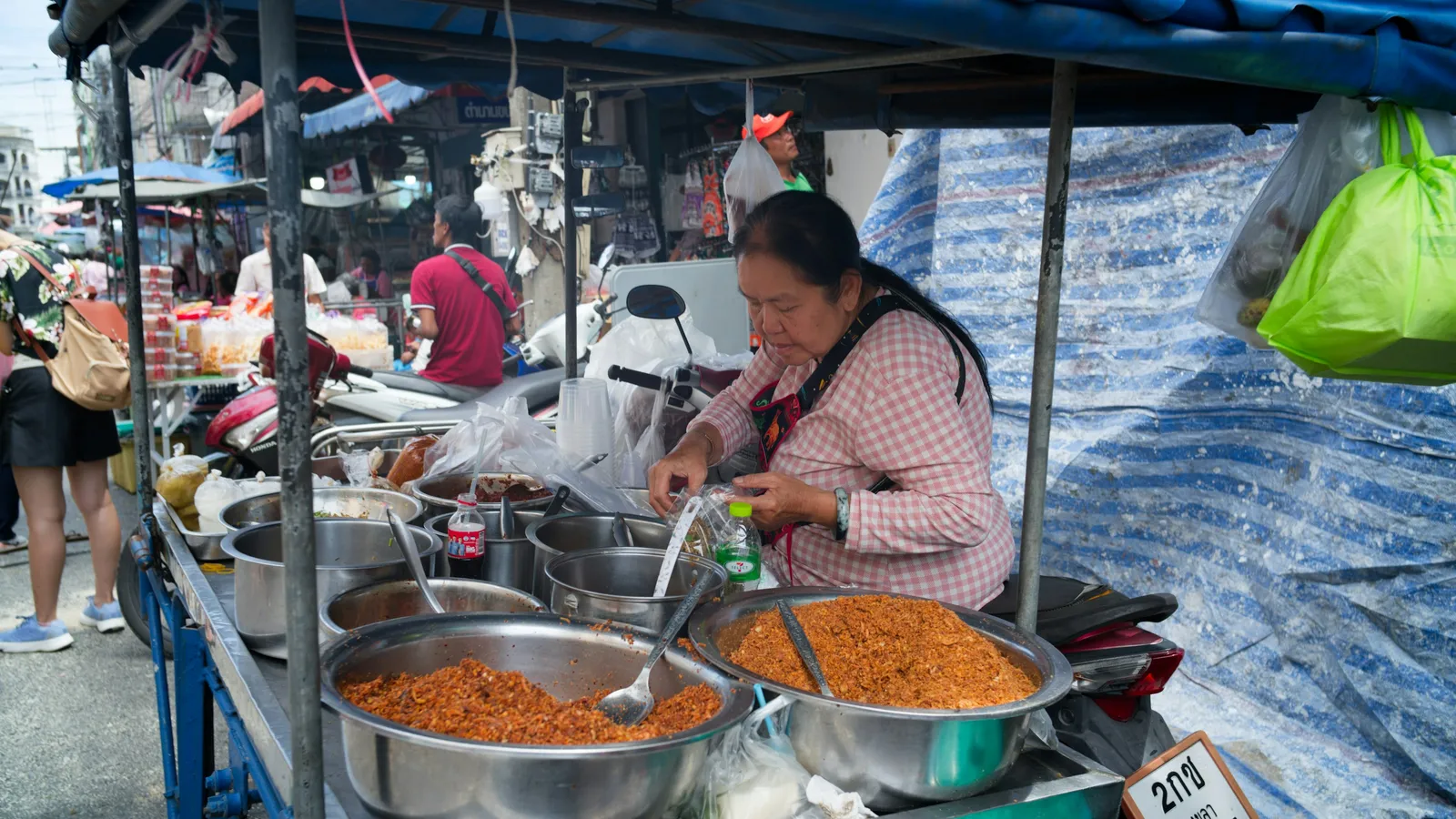
Cooking from Local Markets While Traveling
Save money and eat better by cooking from local markets abroad. How to find markets, communicate without language, and prepare meals in hostel kitchens worldwide.
Read article →
A Language Learning Routine That Travels
Build a language learning routine that fits travel life, using daily micro-sessions, real conversations, and destination-specific vocabulary.
Read article →
The Slow Travel Momentum System
Build slow travel momentum with a system for choosing when to stay, when to move, and how to avoid the stagnation trap in long-term trips.
Read article →Heading to Oaxaca?
Find travel companions to explore Oaxaca together on roammate — split costs, share adventures, and make lifelong friends.


To customise this itinerary to your travel style, pace, and budget — download the roammate app to tailor it to your preferences.
Find travel companions in Oaxaca →