Nairobi
The world's only capital city with a national park — lions roam with skyscrapers behind them in Africa's most dynamic urban wildlife destination.
1 day in Nairobi
Only got 24 hours? Here's how to experience the best of Nairobi in a single action-packed day.
Nairobi Wildlife & City Highlights
David Sheldrick Elephant Orphanage
Start your day at the David Sheldrick Wildlife Trust in the Nairobi National Park area. The orphanage opens for public visits at 11am for exactly one hour, during which baby elephants are brought out for their mud bath and bottle feeding. Watching these rescued calves — many orphaned by poaching or drought — tumble over each other in the red mud is one of Nairobi's most moving wildlife encounters. The keepers explain each elephant's rescue story and the long process of rehabilitation before release into Tsavo. Arrive by 10:30am to secure a good viewing spot.
Giraffe Centre & Karen Blixen Museum
Head to the Giraffe Centre in the Langata suburb, a 10-minute drive from Sheldrick. The centre breeds endangered Rothschild's giraffes and you can hand-feed them from a raised platform — the experience of a giraffe's long blue tongue wrapping around food pellets in your hand is unforgettable. Afterwards, drive 5 minutes to the Karen Blixen Museum, the colonial farmhouse where the Danish author of Out of Africa lived from 1917 to 1931. The house is preserved with period furniture and the gardens offer views across to the Ngong Hills that Blixen wrote about so vividly.
Nyama Choma & Nairobi Nightlife
Experience Nairobi's legendary nyama choma (grilled meat) culture at Carnivore restaurant or a local joint in Westlands. Carnivore is famous for its all-you-can-eat roast meat experience served on Maasai swords — beef, lamb, chicken, and sometimes ostrich or crocodile rotate on a giant open-pit charcoal grill. For a more local vibe, head to Kenyatta Market or a neighbourhood nyama choma spot where goat ribs are slow-grilled over charcoal and served with ugali (maize meal) and kachumbari (fresh tomato and onion salsa). Wash it down with a cold Tusker beer.
3 days in Nairobi
A carefully curated route mixing iconic landmarks, hidden gems, street food, culture, and adventure — designed for younger travelers.
Nairobi National Park & Sheldrick Trust
Nairobi National Park — Safari in the City
Begin with an early morning game drive in Nairobi National Park — the only national park in the world set within a capital city. Enter through the main gate at 6am when the animals are most active. Lions, leopards, buffaloes, rhinos, giraffes, zebras, and over 400 bird species roam across 117 square kilometres of open grassland, with Nairobi's skyline rising behind them. The juxtaposition of a black rhino grazing with glass skyscrapers in the background is one of Africa's most surreal sights. The park's ivory burning site — where Kenya torched 105 tonnes of confiscated ivory in 2016 — is a powerful monument to conservation.
David Sheldrick Elephant Orphanage
Exit the park and head to the David Sheldrick Wildlife Trust, located just outside the park boundary. The public visiting hour runs from 11am to 12pm, during which orphaned baby elephants are brought out for mud baths and bottle feeding. The keepers share each elephant's rescue story — many were found beside their poached mothers or stranded during droughts. The trust has successfully raised and reintroduced over 300 elephants back to the wild. After Sheldrick, have lunch at the nearby Tamambo Karen Blixen restaurant for excellent Kenyan-Mediterranean fusion food in a garden setting.
Kazuri Beads Factory & Langata Evening
Visit the Kazuri Beads factory in Karen, founded in 1977 to provide employment for single mothers. Watch artisans hand-roll and paint ceramic beads — each one unique — before browsing the shop for jewellery and pottery. The beads make excellent gifts and directly support local women. Afterwards, head to a local restaurant in Karen or Langata for your first taste of nyama choma — Kenyan grilled meat served with ugali and sukuma wiki (braised collard greens). Try Mama Oliech's on Marcus Garvey Road for legendary fried tilapia.
Giraffe Centre, Karen Blixen & Karura Forest
Giraffe Centre — Rothschild's Giraffes
Spend the morning at the African Fund for Endangered Wildlife's Giraffe Centre in Langata. The centre was established to protect the Rothschild's giraffe — one of the most endangered giraffe subspecies with fewer than 2,500 remaining in the wild. From the raised wooden platform, you can hand-feed the giraffes specially prepared pellets and even receive a "giraffe kiss" by holding a pellet between your lips. The centre also has a nature trail through a patch of indigenous forest where you might spot warthogs, dik-dik antelopes, and over 180 bird species.
Karen Blixen Museum & Karura Forest
Walk or drive 5 minutes to the Karen Blixen Museum — the preserved farmhouse where the Danish author lived during her years in Kenya. The museum captures colonial-era East Africa with original furniture, photographs, and farm equipment. After Karen Blixen, drive 30 minutes north to Karura Forest — 1,000 hectares of indigenous forest in the heart of Nairobi. The forest has well-marked trails for walking, running, and cycling through stands of croton and Cape chestnut trees. The forest hides caves, a waterfall, and a river — it feels impossibly wild for a forest surrounded by a city of 5 million people.
Westlands Food Scene & Rooftop Bars
Head to Nairobi's Westlands district for the city's best dining and nightlife. The neighbourhood has exploded with restaurants, craft cocktail bars, and rooftop lounges in recent years. Try Mama Oliech's for legendary fried tilapia and ugali, or Brew Bistro for craft beer brewed on-site with views over the city. For a more upscale evening, The Alchemist compound hosts food trucks, live music, and art installations in an industrial-chic setting popular with Nairobi's young creative class. Nairobi's nightlife runs late — most venues don't fill up until after 10pm.
Bomas of Kenya, Markets & Departure
Bomas of Kenya — Cultural Village
Visit the Bomas of Kenya in Langata, a cultural centre showcasing the traditional homesteads and dances of Kenya's 42+ ethnic groups. The open-air museum features reconstructed villages — Maasai manyattas, Kikuyu huts, Luo fishing communities, and Swahili stone houses — each built using authentic techniques and materials. The highlight is the daily traditional dance performance in the large open-air arena, where performers from different communities demonstrate their distinct musical styles, from the Maasai jumping dance (adumu) to the Luo ohangla drum rhythms. It is the best single introduction to Kenya's extraordinary cultural diversity.
Maasai Market & City Centre
Head to the Maasai Market — a rotating open-air market that moves between different locations on different days of the week (check locally for the current schedule). The market sells Maasai beadwork, soapstone carvings, batik fabrics, sisal baskets, and recycled metal sculptures. Bargaining is expected and part of the experience — start at 40-50% of the asking price and negotiate from there. Afterwards, walk through the city centre to see the Kenya National Archives, Kenyatta International Convention Centre (ride the lift to the rooftop helipad for 360-degree city views), and the August 7th Memorial Park commemorating the 1998 US Embassy bombing.
Carnivore Restaurant & Farewell Dinner
End your Nairobi stay with a meal at Carnivore — the city's most famous restaurant and a rite of passage for visitors. The concept is simple: an enormous open-pit charcoal grill in the centre of the restaurant roasts different meats on Maasai swords, and waiters circulate the room offering slices of beef, lamb, pork sausage, chicken, and sometimes game meats like ostrich and crocodile. You eat until you physically surrender by lowering a small paper flag on your table. It is theatrical, delicious, and quintessentially Nairobi. Pair it with Tusker Malt lager or a Kenyan Dawa cocktail (vodka, honey, and lime).
7 days in Nairobi
A full week to go deep — from famous landmarks to local neighbourhoods, day trips, hidden gems, and proper local immersion.
Nairobi National Park Full-Day Safari
Dawn Game Drive in Nairobi National Park
Enter Nairobi National Park at 6am for a full morning game drive. The park is home to over 100 mammal species including lions, leopards, cheetahs, hyenas, buffaloes, and both black and white rhinos. The early morning hours are when predators hunt and the light is best for photography. Follow the southern circuit towards the Athi Basin where large herbivore herds gather — zebras, wildebeest, elands, and hartebeest. Keep your eyes on the acacia treeline for leopards resting in the branches. The park's hippo pools along the Athi River are a guaranteed sighting.
Safari Walk & Animal Orphanage
After the game drive, visit the Nairobi Safari Walk and Animal Orphanage adjacent to the main gate. The Safari Walk is an elevated wooden boardwalk through a landscaped habitat area housing animals that cannot be released into the wild — albino zebras, bongos, and colobus monkeys. The Animal Orphanage cares for rescued and injured wildlife. While these are not substitutes for wild encounters, they offer close-up views of species that are extremely difficult to see on a normal game drive, particularly the shy bongo antelope. Have lunch at the Ranger's Restaurant overlooking the park.
Welcome Dinner at Mama Oliech's
Begin your week-long Nairobi adventure with dinner at Mama Oliech's — a legendary Nairobi institution on Marcus Garvey Road. The restaurant is famous for its fried whole tilapia, served golden and crispy with a side of ugali and sukuma wiki. The late Mama Oliech herself built the restaurant from a roadside stall into one of Nairobi's most loved eateries, frequented by politicians, celebrities, and everyday Nairobians alike. Order the tilapia, a side of traditional vegetables, and a cold Tusker to settle into the Nairobi rhythm.
David Sheldrick Trust & Langata
David Sheldrick Elephant Orphanage
Arrive at the David Sheldrick Wildlife Trust by 10:30am for the 11am public viewing. Baby elephants stumble out in a chaotic line for their mud bath and bottle feeding. The youngest calves — sometimes just weeks old — are blanketed and hand-fed by dedicated keepers who sleep in the stalls with them. The trust was founded by Dame Daphne Sheldrick and has raised over 300 orphaned elephants. After the public hour, browse the gift shop where proceeds fund the trust's anti-poaching operations across Kenya.
Kazuri Beads & Langata Exploration
Drive to the Kazuri Beads factory in Karen to watch single mothers hand-roll and paint ceramic beads in a workshop that has employed over 340 women since 1977. Each bead is individually shaped and painted — the geometric patterns draw from traditional Kenyan designs. The factory shop sells necklaces, earrings, and pottery at fair prices. Afterwards, explore the leafy Karen and Langata suburbs on foot or by bike — the area is full of art galleries, craft workshops, and coffee gardens set among jacaranda and bougainvillea-lined avenues.
Karen Blixen Coffee Garden
Spend the evening at the Karen Blixen Coffee Garden and Cottages — a restaurant set in landscaped gardens near the museum. The menu combines Kenyan and international cuisine with dishes like Kenyan beef fillet, coconut fish curry, and passion fruit cheesecake. The garden setting is peaceful and atmospheric, with fairy lights strung through the trees. This is Karen at its best — relaxed, green, and miles away from the energy of central Nairobi, despite being only 20 minutes from the city centre.
Giraffe Centre & Karen Blixen Museum
Giraffe Centre Hand-Feeding
Spend a relaxed morning at the Giraffe Centre feeding Rothschild's giraffes from the elevated platform. These gentle giants are surprisingly delicate feeders — their 45cm-long prehensile tongues wrap carefully around each pellet. The centre's breeding programme has been instrumental in bringing the Rothschild's giraffe back from the brink, with the wild population recovering from fewer than 670 to over 2,500 through captive breeding and reintroduction. Walk the nature trail after feeding for a chance to spot wild warthogs, bushbuck, and endemic bird species.
Karen Blixen Museum
Walk from the Giraffe Centre to the Karen Blixen Museum — the preserved colonial farmhouse at the foot of the Ngong Hills. The museum displays original furniture, photographs, and farming equipment from Blixen's years in Kenya (1917-1931). The coffee plantation she managed is long gone, but the views from the garden across to the Ngong Hills remain exactly as she described them. The museum grounds include manicured lawns, indigenous trees, and a small agricultural display showing the crops that defined colonial-era Kenya.
Nyama Choma at Kenyatta Market
For authentic Nairobi street food, head to Kenyatta Market in Langata where rows of open-air butchers and grill stalls serve the city's best nyama choma. Choose your cut of goat, beef, or chicken directly from the butcher's hook, specify how much you want by weight, and watch it grilled over charcoal on a wire mesh. It arrives with a side of ugali, kachumbari, and optional mutura (Kenyan blood sausage — an acquired taste but a local favourite). The market is loud, smoky, and thoroughly local — this is how Nairobians eat.
Karura Forest & Nairobi City Centre
Karura Forest Nature Walk
Spend the morning in Karura Forest — 1,000 hectares of indigenous forest in the middle of Nairobi. The forest was saved from developers by the Nobel Peace Prize-winning activist Wangari Maathai and the Green Belt Movement in the 1990s. Today it offers 50km of well-maintained trails through dense canopy forest, past waterfalls, caves used by Mau Mau freedom fighters during the independence struggle, and a river that attracts sykes monkeys, bushbuck, and over 200 bird species. Rent a mountain bike at the gate for a faster exploration.
Nairobi City Centre & National Museum
Head to central Nairobi to visit the Nairobi National Museum on Museum Hill — a comprehensive introduction to Kenya's natural and cultural history. The museum houses a complete collection of early human fossils including casts of Homo erectus and Homo habilis finds from Lake Turkana, taxidermied wildlife, traditional cultural displays from Kenya's 42+ ethnic groups, and a contemporary East African art gallery. The adjacent botanical garden — the Nairobi Arboretum — is a quiet green space for a post-museum walk.
Brew Bistro & Rooftop Craft Beer
Head to Brew Bistro in Westlands — Nairobi's first craft brewery and rooftop bar. The brewery produces a rotating selection of ales, lagers, and stouts on-site, with the brewing tanks visible from the bar. The rooftop terrace has views across the Westlands skyline and fills up after 8pm with Nairobi's young professional crowd. The food menu features burgers, ribs, and pizza alongside Kenyan-inspired dishes. Pair a flight of four beers with sharing plates for a social evening.
Bomas of Kenya & Cultural Day
Bomas of Kenya Cultural Village
Spend the morning at Bomas of Kenya, an open-air cultural centre in Langata showcasing the homesteads, crafts, and traditions of Kenya's diverse ethnic communities. Walk through reconstructed villages — Maasai manyattas built from cattle dung and sticks, Kikuyu round huts with thatched roofs, Luo fishing homesteads, and Swahili coral-stone houses from the coast. Each village is staffed by guides from that community who explain building techniques, social structures, and daily life. The centre represents Kenya's 42+ recognised ethnic groups.
Traditional Dance Performance & Workshops
At 2:30pm (weekdays) or 3:30pm (weekends), the Bomas arena hosts a spectacular traditional dance performance featuring artists from multiple Kenyan communities. The Maasai adumu (jumping dance) is mesmerising — young warriors compete to jump the highest from a standing position, reaching remarkable heights. Kikuyu harvest dances, coastal Taraab music, and Luo ohangla drum performances follow. After the show, some artists offer informal workshops where visitors can try basic dance steps and rhythms.
Alchemist Compound — Food & Art
Head to The Alchemist compound in Westlands — an industrial-chic venue built from shipping containers that hosts food trucks, art installations, live music, and pop-up markets. The compound represents the best of Nairobi's young creative scene — graffiti murals, local DJs, craft gin bars, and Ethiopian injera alongside Korean barbecue food trucks. The atmosphere is lively and social, making it easy to meet other travellers and young Nairobians. Events run throughout the week but weekends are the busiest.
Ngong Hills Hike & Village Markets
Ngong Hills Ridge Walk
Take a matatu or taxi 25km southwest to the Ngong Hills for a ridge walk along the seven peaks that form the distinctive profile visible from Karen. The 15km out-and-back trail follows the grassy ridge at 2,460m elevation with views east across the Rift Valley floor and west over the Nairobi suburbs and beyond to Mount Kenya on clear days. The hills are where Denys Finch Hatton — the character from Out of Africa — is buried, and the landscape feels timeless. An armed KWS ranger accompanies all hikers for wildlife safety.
Maasai Market Shopping
After the hike, head to whichever Maasai Market location is active that day — these rotating open-air craft markets are the best place to buy authentic Kenyan souvenirs. Maasai beadwork, soapstone chess sets, carved wooden animals, sisal baskets, kikoy wraps, and recycled flip-flop art are all available at bargain prices. The Saturday market at Village Market and Tuesday market in the city centre are the largest. Bargaining is expected — start at half the asking price and settle around 60-70%.
Talisman Restaurant Garden Dinner
Dine at Talisman in Karen — consistently rated one of Nairobi's best restaurants. The setting is a beautifully restored colonial house with a lush tropical garden, fairy lights, and an eclectic interior filled with African art and antiques. The menu is Pan-African fusion — think grilled Kilifi octopus, Ethiopian-spiced lamb shank, Swahili coconut fish, and South African bobotie — with excellent cocktails and an impressive wine list. The garden tables are the most sought-after, especially on warm evenings.
Nairobi Railway Museum & Departure
Nairobi Railway Museum
Visit the Nairobi Railway Museum near the central railway station — a small but fascinating collection documenting the construction of the Uganda Railway from Mombasa to Lake Victoria between 1896 and 1901. The museum displays original locomotives, rolling stock, and photographs from the line's construction, including the famous saga of the Tsavo man-eaters — two lions that killed an estimated 35 railway workers and halted construction for months in 1898. You can climb aboard historic engines and carriages in the outdoor yard. The museum captures the period that fundamentally shaped modern East Africa.
August 7th Memorial & KICC Rooftop
Walk through central Nairobi to the August 7th Memorial Park — a peaceful garden commemorating the 218 people killed in the 1998 US Embassy bombing. The memorial wall lists every victim's name and the reflecting pool offers a quiet space for contemplation in the middle of the busy city. From there, walk to the Kenyatta International Convention Centre (KICC) and take the lift to the rooftop helipad for a 360-degree panoramic view of Nairobi — from the park and business district to the distant Ngong Hills. It is the best vantage point in the city.
Final Tusker & Departure
Spend your last evening at a rooftop bar in the city centre — the Sarova Stanley's Thorn Tree Cafe is a Nairobi institution dating to the 1920s, historically used as a message board by travellers crossing Africa. Have a final cold Tusker, reflect on the week, and plan your next East African adventure — whether that is the Maasai Mara, the Kenyan coast, or crossing the border into Tanzania. Nairobi is not just a stopover city — it rewards those who spend time here with a depth of culture, wildlife, and energy that few African capitals can match.
Budget tips
Use M-Pesa for everything
Kenya runs on M-Pesa mobile money. Register a SIM card and M-Pesa account at the airport — you can pay for taxis, food, and market purchases without carrying large amounts of cash. Most small vendors prefer M-Pesa to card or cash.
Matatus are dirt cheap
Nairobi's matatu minibuses cost 30-100 KES ($0.20-0.70) per ride and cover the entire city. They are chaotic but effective. For longer distances, use the Nairobi Commuter Rail or BRT buses for a more structured experience.
Eat where locals eat
A full plate of ugali, nyama choma, and vegetables at a local joint costs 300-500 KES ($2-4). Tourist restaurants charge 5-10x more for the same food. Follow the Nairobians to roadside grills and market stalls.
Book safaris from Nairobi
Booking safari tours directly in Nairobi through local operators is 30-50% cheaper than booking from abroad. Compare at least 3 operators and negotiate — competition is fierce and prices are flexible, especially in low season.
Carry small notes
Many smaller vendors and matatu conductors cannot break large notes. Keep a supply of 50, 100, and 200 KES notes for everyday purchases. ATMs in shopping malls dispense a mix of denominations.
Free and low-cost attractions
Karura Forest, city markets, and many museums are free or under $5. Combine the Sheldrick Trust (donation), Giraffe Centre, and Karen Blixen Museum in a single Langata day trip to save on transport costs.
Budget breakdown
Daily costs per person in US dollars. Nairobi is excellent value for budget travellers — local food, matatu transport, and many attractions are remarkably affordable. Safari costs are the biggest variable.
| 🎒 Budget | ✨ Mid-Range | 💎 Splurge | |
|---|---|---|---|
| Accommodation Hostels → guesthouses → safari lodges | $8–20 | $30–70 | $100+ |
| Food Street food → local restaurants → fine dining | $5–15 | $15–35 | $50+ |
| Transport Matatus → Bolt/Uber → private hire | $2–8 | $10–25 | $40+ |
| Activities Self-guided → group tours → private guides | $5–15 | $20–50 | $80+ |
| Entry Fees National park fees are the largest cost | $5–15 | $15–40 | $50+ |
| Daily Total Budget backpacker → comfortable mid → luxury | $25–73 | $90–220 | $320+ |
Practical info
Entry & Visas
- Electronic Travel Authorisation (eTA) required for most nationalities — apply online at etakenya.go.ke before departure
- Keep a digital and physical copy of your passport, eTA, and travel insurance at all times
- Yellow fever vaccination certificate required if arriving from an endemic country
Health & Safety
- Travel insurance with medical evacuation coverage is essential — Nairobi has good private hospitals but costs are high
- Malaria risk is low in Nairobi city but present in surrounding areas — consult your doctor about prophylaxis
- Drink bottled or filtered water only. Street food is generally safe at busy, high-turnover stalls
Getting Around
- Bolt and Uber are reliable, safe, and affordable — use them over street taxis, especially at night
- Matatu minibuses cover the city cheaply but routes can be confusing for newcomers — ask locals for help
- Traffic in Nairobi is severe during rush hours (7-9am, 5-8pm) — plan journeys to avoid peak times
Connectivity
- Buy a Safaricom SIM card at the airport for affordable data and M-Pesa access — it is the most widely used network
- WiFi is available at most accommodation and restaurants. 4G coverage is excellent across the city
- Share your itinerary with someone at home and check in daily, especially if doing solo day trips outside the city
Money
- Currency: KES (Kenyan Shilling). M-Pesa mobile money is king — register at any Safaricom shop
- ATMs are widely available in malls and commercial areas. Visa and Mastercard are accepted at larger establishments
- Tip 10% at restaurants. Safari guides appreciate tips of $10-20 per day per group
Packing Tips
- Layers are essential — Nairobi sits at 1,795m elevation and evenings can be surprisingly cool (10-15°C)
- Neutral-coloured clothing for safari visits. Binoculars dramatically improve wildlife viewing
- A reusable water bottle, sunscreen, and insect repellent are daily essentials
Cultural tips
Nairobi is a vibrant, multicultural city with deep traditions of hospitality. Approach with curiosity, respect, and an open mind — Kenya rewards travellers who engage with its people and wildlife responsibly.
Greetings Matter
Kenyans value polite greetings. Learn "Jambo" (hello), "Habari?" (how are you?), and "Asante sana" (thank you very much). A warm greeting before any transaction — even buying water — shows respect and opens doors.
Respect Wildlife
Never feed, touch, or approach wild animals — even in parks where they seem habituated. Keep a safe distance, stay in your vehicle during game drives, and follow your guide's instructions. Kenya's wildlife conservation depends on responsible tourism.
Photography Etiquette
Always ask before photographing people, especially Maasai or other traditional communities. Some may request a small fee — this is normal and should be respected. Never photograph military installations or government buildings.
Language & Communication
Swahili and English are both official languages. Most Nairobians speak excellent English but learning basic Swahili phrases earns enormous goodwill. "Pole pole" (slowly slowly) is the local philosophy — embrace it.
Support Local Communities
Choose locally-owned guesthouses, restaurants, and guides over international chains. Buy handicrafts directly from artisans at Maasai markets and community cooperatives. Your spending has the most impact when it reaches local hands.
Safety Awareness
Nairobi is generally safe for tourists but exercise normal city precautions. Avoid walking alone at night, keep valuables out of sight, and use ride-hailing apps rather than hailing taxis on the street. Ask your accommodation for current safety advice.
Nairobi is on these routes
Reading for Nairobi
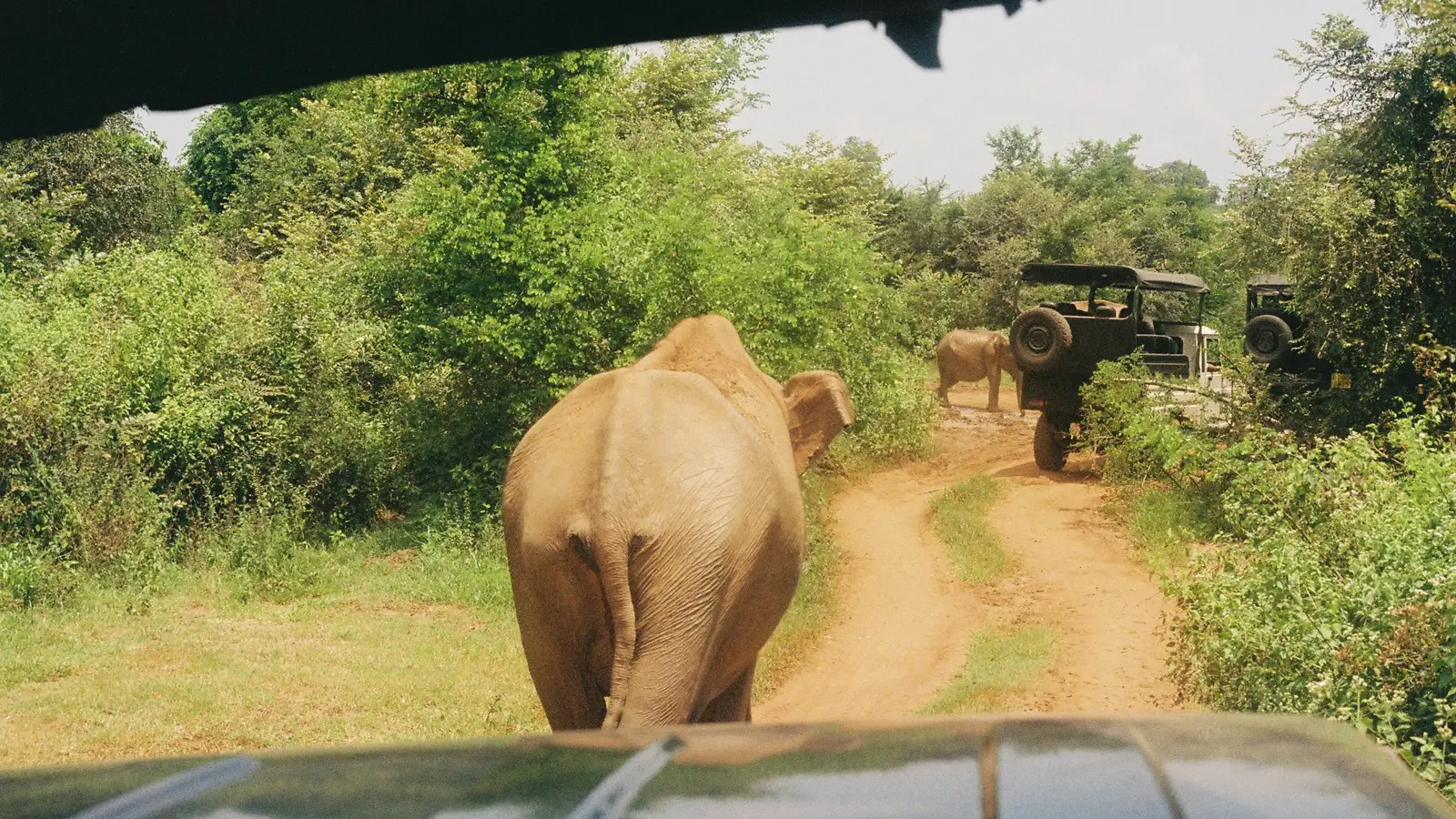
Ethical Wildlife Encounters
Identify ethical wildlife experiences and avoid exploitative ones. Red flags to watch for, certified sanctuaries, responsible safari tips, and marine wildlife guidelines.
Read article →
Tropical Disease Prevention for Travelers
Practical prevention strategies for malaria, dengue, typhoid, and other tropical diseases including prophylaxis options and pre-travel medication timelines.
Read article →
Volunteer Travel: Ethics and Impact
Navigate volunteer travel ethically by spotting red flags in voluntourism, choosing skills-based programs, and ensuring your help actually helps.
Read article →Heading to Nairobi?
Find travel companions to explore Nairobi together on roammate — split safari costs, share adventures, and make lifelong friends.


To customise this itinerary to your travel style, pace, and budget — download the roammate app to tailor it to your preferences.
Find travel companions in Nairobi →