Marseille
France's oldest city — a sun-drenched Mediterranean port with turquoise calanques, world-class seafood, and multicultural soul.
1 day in Marseille
Only got 24 hours? Here's how to experience the best of Marseille in a single action-packed day.
Marseille Highlights
Vieux-Port & Le Panier
Start at the Vieux-Port, the beating heart of Marseille for 2,600 years. Watch the fishermen sell the morning catch at the Quai des Belges fish market, then walk north into Le Panier, the city's oldest neighbourhood. Narrow lanes climb steeply past pastel-painted facades, street art murals, artisan soap shops, and the Vieille Charité — a stunning 17th-century almshouse now housing two museums. Le Panier feels more like a Mediterranean village than a district of France's second city.
Notre-Dame de la Garde
Climb or take the bus up to Notre-Dame de la Garde, the Romano-Byzantine basilica perched at the highest point in Marseille (154m). The golden Virgin Mary statue on the bell tower is visible from almost everywhere in the city. Inside, the walls are covered with votive offerings — model ships, paintings, and plaques from sailors, fishermen, and travellers giving thanks for safe passage. The 360-degree panorama from the terrace covers the entire city, the Vieux-Port, the Frioul Islands, and the Calanques coastline stretching east.
Bouillabaisse & Waterfront Sunset
End the day with Marseille's signature dish — bouillabaisse, a saffron-scented fish stew with rouille (garlic-chilli mayonnaise) and croutons. The authentic version uses at least four types of local rockfish and is served in two courses: the broth first, then the fish. Eat at a Vieux-Port restaurant as the sun sets over the harbour entrance and the Fort Saint-Jean silhouettes against the orange sky.
3 days in Marseille
A carefully curated route mixing iconic landmarks, hidden gems, street food, culture, and adventure — designed for younger travelers.
Vieux-Port, Le Panier & Notre-Dame
Vieux-Port & Fish Market
Begin at the Vieux-Port early to catch the fish market in full swing — local fishermen selling the morning's Mediterranean catch from their boats at the Quai des Belges. Walk along the harbour past the cafés and the Norman Foster mirrored pavilion that reflects the port upside down. Cross to the Mucem side for the view back across the entire harbour to the Pharo palace and the hills beyond. This port has been the centre of Marseille life since the Greeks founded the city as Massalia around 600 BCE.
Le Panier & Notre-Dame de la Garde
Walk into Le Panier, the oldest quarter of Marseille. Steep lanes wind past street art, soap shops, cafés, and the magnificent Vieille Charité. After exploring, climb (or bus) to Notre-Dame de la Garde — the golden-Virgin-topped basilica at 154m that dominates the city skyline. The Byzantine interior is richly decorated with mosaics and maritime votive offerings. The terrace panorama encompasses the city, harbour, islands, and Calanques coast.
Cours Julien & Nightlife
Head to the Cours Julien neighbourhood — Marseille's bohemian quarter of street art, vintage shops, independent restaurants, and live music bars. The main square is lined with terraces perfect for people-watching over a pastis (the anise-flavoured spirit that is Marseille's drink of choice). Eat at one of the multicultural restaurants — Marseille's North African, Armenian, and Comoran communities give the city one of France's most diverse food scenes.
Calanques National Park
Hiking the Calanques
Take the bus to the Luminy campus and hike into the Calanques National Park — a series of spectacular limestone fjord-like inlets with turquoise water, white cliffs, and Mediterranean pine forests. The trail to Calanque de Sugiton (45 minutes) is the most accessible; from there continue to Calanque de Morgiou (another 90 minutes) for a more remote experience. The contrast between the white rock, deep blue sea, and green pines is extraordinary — this is one of the most beautiful coastal landscapes in Europe.
Swimming & Cliff Jumping
The reward for the hike is swimming in the calanques — the water is crystal-clear, deep blue, and refreshingly cold. Sugiton has natural rock platforms for sunbathing and a small pebble beach. The more adventurous can cliff-jump from the lower rocks (check depth first and never jump alone). Pack a picnic lunch — there are no facilities in the park and carrying out all rubbish is mandatory.
Vallon des Auffes & Bouillabaisse
Return to the city and walk along the Corniche Kennedy coastal road to the Vallon des Auffes, a tiny fishing port hidden beneath a road bridge. This miniature harbour with its colourful pointu fishing boats and waterfront restaurants is the most charming spot in Marseille. This is the place for bouillabaisse — the saffron fish stew that is Marseille's culinary identity. Chez Fonfon on the harbour serves one of the city's best.
MuCEM, Château d'If & Islands
MuCEM & Fort Saint-Jean
Visit the MuCEM (Museum of European and Mediterranean Civilisations), housed in a striking contemporary building wrapped in a lattice concrete shell at the harbour entrance. The permanent and temporary exhibitions explore Mediterranean cultures with thoughtful, modern curation. Cross the elevated walkway to Fort Saint-Jean — a 12th-century fortress with gardens, ramparts, and views across the Vieux-Port and out to the islands. The architecture alone — old fortress meeting contemporary museum via a suspended bridge — is worth the visit.
Château d'If & Frioul Islands
Take the ferry (20 minutes) from the Vieux-Port to the Château d'If — the island fortress made famous as the prison in Alexandre Dumas's The Count of Monte Cristo. The small fortress on its rocky island is atmospheric and the views back to Marseille are excellent. Continue by ferry to the Frioul Islands — a car-free archipelago with rocky coves, clear swimming water, and a quiet village with a few restaurants. The Calanque de Saint-Estève on Ratonneau island has some of the best swimming near the city.
La Plaine Market Quarter & Farewell Dinner
Return to the city and explore the La Plaine neighbourhood — a lively local quarter with a daily market (mornings), diverse restaurants, and a less touristy atmosphere than the Vieux-Port. For a final Marseille dinner, try navettes (orange-blossom boat-shaped biscuits from Four des Navettes, the city's oldest bakery) and panisse (chickpea fritters) alongside a glass of Cassis white wine from the neighbouring appellation.
7 days in Marseille
A full week to go deep — from famous landmarks to local neighbourhoods, day trips, hidden gems, and proper local immersion.
Vieux-Port, Le Panier & Notre-Dame
Vieux-Port & Fish Market
Start at the Vieux-Port early to see the fish market — fishermen selling the morning's catch from boats at the Quai des Belges. Walk the harbour perimeter past the mirrored Foster pavilion, cafés, and Fort Saint-Nicolas. This port has anchored Marseille life since the Greeks arrived around 600 BCE.
Le Panier Quarter
Explore Le Panier, the oldest neighbourhood. Steep lanes pass street art murals, artisan Marseille soap shops, hidden squares, and the Vieille Charité — a beautiful 17th-century almshouse with a chapel and two museums. This quartier has the feel of a Mediterranean village within a major city.
Notre-Dame de la Garde & Sunset
Take bus 60 up to Notre-Dame de la Garde for the sunset panorama. The golden Virgin atop the basilica catches the last light while the city, harbour, and islands spread below. The interior mosaics and votive offerings are best seen in the warm evening light. Walk or bus back down for dinner at the port.
MuCEM, Fort Saint-Jean & Cours Julien
MuCEM & Fort Saint-Jean
Visit the MuCEM — its lattice-shell architecture and Mediterranean-focused exhibitions are excellent. Cross the suspended walkway to Fort Saint-Jean for gardens, ramparts, and harbour views. The rooftop terrace of the MuCEM is free and has one of the best perspectives of the port entrance.
Cours Julien & Street Art
Walk to the Cours Julien neighbourhood — Marseille's bohemian quarter. The main square is surrounded by terraces, vintage shops, record stores, and some of the city's best street art. Eat lunch at one of the multicultural restaurants reflecting Marseille's diverse communities.
Pastis & Live Music
Stay in Cours Julien for the evening — the bars here have live music most nights, from jazz to North African fusion. Order a pastis (the anise spirit that defines Marseille drinking culture) with cold water and settle into the neighbourhood's relaxed, creative atmosphere.
Calanques National Park
Hiking to Sugiton & Morgiou
Take the bus to Luminy and hike into the Calanques — limestone fjords with turquoise water, white cliffs, and pine forests. The trail to Sugiton (45 minutes) is the most popular; continue to Morgiou (another 90 minutes) for a wilder, more remote calanque with a small fishing village at the bottom.
Swimming in the Calanques
Swim in the crystal-clear, deep blue water of the calanques. Sugiton has rock platforms and a pebble beach; Morgiou has calmer water in its sheltered harbour. Pack a picnic — there are no facilities in the national park and all rubbish must be carried out.
Vallon des Auffes Dinner
Walk the Corniche Kennedy to the Vallon des Auffes — a tiny fishing port hidden beneath a bridge, lined with colourful boats and waterfront restaurants. This is the most atmospheric place in Marseille for dinner. Try bouillabaisse at Chez Fonfon or fresh grilled fish at a simpler spot.
Château d'If & Frioul Islands
Ferry to Château d'If
Take the ferry (20 minutes) to the Château d'If — the island fortress made famous as the prison in The Count of Monte Cristo. The fortress tour includes the cells, ramparts, and views back to Marseille. The island is tiny and atmospheric, surrounded by deep Mediterranean water.
Frioul Islands Swimming
Continue to the Frioul archipelago — car-free islands with rocky coves, clear water, and a quiet village. The Calanque de Saint-Estève on Ratonneau has excellent swimming. Walk the island trails for views of the open Mediterranean and the Marseille skyline across the water.
Vieux-Port Aperitif
Return by ferry and settle into a Vieux-Port terrace for an aperitif as the harbour lights come on. Try a kir (white wine with blackcurrant liqueur) or a chilled rosé from Provence — the region produces more rosé than any other in France. Watch the fishing boats come in and the city transition into its evening rhythm.
Cassis & Calanque de Port-Miou
Train to Cassis
Take the train (25 minutes) or bus to Cassis, a postcard-perfect fishing village east of Marseille. The pastel-painted harbour, limestone cliffs, and crystal-clear water make it one of the most beautiful villages on the French Mediterranean coast. Walk the harbour, browse the morning market, and taste the local white and rosé wines from the Cassis AOC appellation — one of France's oldest wine regions.
Calanque de Port-Miou & En-Vau
Walk from Cassis harbour to the Calanque de Port-Miou (20 minutes), a long narrow inlet lined with sailing boats. Continue to Port-Pin (another 30 minutes) and then the spectacular Calanque d'En-Vau (45 minutes more) — the most dramatic calanque on the coast, with towering white cliffs plunging into emerald water. Swim in the calanque and eat a packed lunch on the rocks before returning the same way.
Cassis Harbour Dinner
Return to Cassis for a harbour-side dinner of grilled fish, ratatouille, and the local white wine — the Cassis whites are the perfect pairing for Mediterranean seafood. The village is magical in the evening light, quieter after the day-trippers leave. Take the last train or bus back to Marseille.
Aix-en-Provence Day Trip
Bus to Aix-en-Provence
Take the bus (35 minutes) to Aix-en-Provence, a refined university city of fountains, plane-tree boulevards, and honey-coloured stone buildings. Walk the Cours Mirabeau — the grand central avenue lined with 17th-century mansions and café terraces. Visit the daily market at Place Richelme for Provençal produce: olives, lavender, goat cheese, and calissons (Aix's signature almond-icing confection).
Cézanne's Aix & Mont Sainte-Victoire
Follow the Cézanne trail through Aix — markers on the pavement guide you to the artist's studio (preserved as he left it) and viewpoints of Mont Sainte-Victoire, the mountain he painted obsessively. The Granet Museum has an excellent fine art collection. If you have time, drive or taxi to the Bibémus quarries for the exact vantage point of some of Cézanne's most famous compositions.
Return to Marseille
Take the bus back to Marseille and spend your final evening in the La Plaine neighbourhood — a local quarter with a diverse food scene and less tourist traffic than the port. Try panisse (chickpea fritters) and navettes (orange-blossom biscuits) alongside Provençal rosé.
Markets, Soap & Departure
Noailles Market & Marseille Soap
Visit the Marché de Noailles — a vibrant, multicultural street market south of the Canebière with spices, fresh produce, and North African pastries at local prices. This market reflects the real Marseille more than any tourist sight. Buy traditional savon de Marseille (olive oil soap) from a producer like La Maison du Savon — look for the 72% olive oil stamp that certifies authenticity.
Corniche Kennedy & Plage des Catalans
Walk the Corniche Kennedy — Marseille's coastal road with views of the islands and dramatic cliff-side architecture. Stop at the Plage des Catalans, the city's most central beach, for a final swim in the Mediterranean. The beach is small and pebbled but the water is clean and the setting — framed by the city — is unique.
Farewell Bouillabaisse & Departure
End your week in Marseille as it began — at the Vieux-Port. If you haven't tried bouillabaisse yet, this is the moment. Otherwise, a simple platter of grilled sardines, a glass of Cassis rosé, and the view of the boats and the Fort Saint-Jean will send you off with the taste and light of the Mediterranean.
Budget tips
Free city attractions
Notre-Dame de la Garde, Fort Saint-Jean, MuCEM terrace, and Le Panier are all free. The Calanques National Park has no entrance fee. Marseille offers more free experiences than most French cities.
Eat at Noailles market
The Noailles market south of the Canebière has the cheapest and most diverse food in the city — North African pastries, fresh fruit, and street food at local prices.
Use the RTM transit pass
A 24-hour or 72-hour RTM pass covers metro, buses, and trams for unlimited rides — much cheaper than individual tickets if you are using transport more than twice a day.
Shoulder season savings
May–June and September–October offer warm weather and lower accommodation prices. July and August are peak season with higher costs and the Calanques often closed for fire risk.
Picnic in the Calanques
Pack lunch from a supermarket or market before hiking the Calanques — there are no shops or restaurants in the national park. A baguette, cheese, and fruit makes a perfect trail lunch.
Drink pastis, not cocktails
A pastis at a bar costs 2–4 euros — far cheaper than cocktails and the most authentically Marseillais thing you can order.
Budget breakdown
Daily costs per person in US dollars. Marseille is more affordable than Paris or the Riviera — the Calanques are free and market food is excellent value.
| 🎒 Budget | ✨ Mid-Range | 💎 Splurge | |
|---|---|---|---|
| Accommodation Hostels → guesthouses → boutique hotels | $20–40 | $50–100 | $120+ |
| Food Market food → bistros → bouillabaisse | $10–25 | $25–50 | $60+ |
| Transport Metro/bus → ferry tickets → private boat | $3–10 | $10–25 | $40+ |
| Activities Free hikes → museums → boat tours | $0–15 | $15–40 | $60+ |
| Entry Fees Many free attractions | $0–10 | $10–25 | $30+ |
| Daily Total Budget backpacker → comfortable mid → luxury | $40–80 | $110–240 | $310+ |
Practical info
Entry & Visas
- Schengen Zone — EU/EEA citizens enter freely; others may need a visa or ETIAS
- Keep digital and physical copies of your passport and travel insurance
- Calanques National Park may require online registration in peak summer — check before going
Health & Safety
- Tap water is safe throughout Marseille — refill bottles at public fountains
- Sun protection is essential in the Calanques — no shade on trails, bring 2+ litres of water per person
- Be aware of pickpockets at crowded markets and on public transport — use a money belt or front pocket
Getting Around
- Metro, buses, and trams cover the city well — RTM passes are good value for multi-day stays
- Ferries to Château d'If and Frioul Islands depart from the Vieux-Port every 45 minutes
- Intercity buses to Cassis and Aix-en-Provence are frequent and cheap — faster than trains for both
Connectivity
- Free WiFi at most cafés and accommodation. Coverage is reliable throughout the city
- EU roaming rules mean European SIMs work at no extra cost. Non-EU visitors can buy a SIM at the airport
- Download offline maps for the Calanques — mobile signal is patchy in the national park
Money
- Currency: EUR (Euro). Cards accepted almost everywhere; carry cash for markets and small bars
- ATMs are plentiful in the city centre. Avoid airport exchange bureaus with poor rates
- Tipping is not expected but rounding up is appreciated. Service is included in French restaurant bills (service compris)
Packing Tips
- Sturdy walking shoes for the Calanques trails — the terrain is rocky limestone
- Swimsuit and water shoes — the Calanques and Frioul have rocky entries with no sandy beaches
- Light layers — the Mistral wind can make evenings cool even in summer
Cultural tips
Marseille is raw, diverse, and authentic — France's most multicultural city rewards those who explore beyond the tourist highlights.
Respect the Calanques
The Calanques are a fragile national park. Stay on marked trails, carry out all rubbish, do not pick plants or disturb wildlife, and check fire-risk closures before setting out.
Embrace Diversity
Marseille is France's most multicultural city — North African, Comoran, Armenian, and Vietnamese communities have shaped the food, music, and character of the city for generations. Explore beyond French cuisine.
Photography Etiquette
Ask permission before photographing people, especially at markets. Le Panier street art is fair game but be respectful of residents in this living neighbourhood.
Learn Basic French
Bonjour, s'il vous plaît, merci, and l'addition (the bill) will carry you through Marseille. Starting any interaction with "bonjour" is considered basic politeness in France.
Support Local Producers
Buy authentic savon de Marseille (72% olive oil), Cassis wines, and calissons from Aix. Avoid mass-produced imitations — the real products support traditional artisans and taste noticeably better.
French Meal Times
Lunch is 12–2pm, dinner from 7:30pm. Many restaurants close between meal services. Boulangeries (bakeries) are your best friend for snacks outside these hours.
Marseille is on these routes
Reading for Marseille
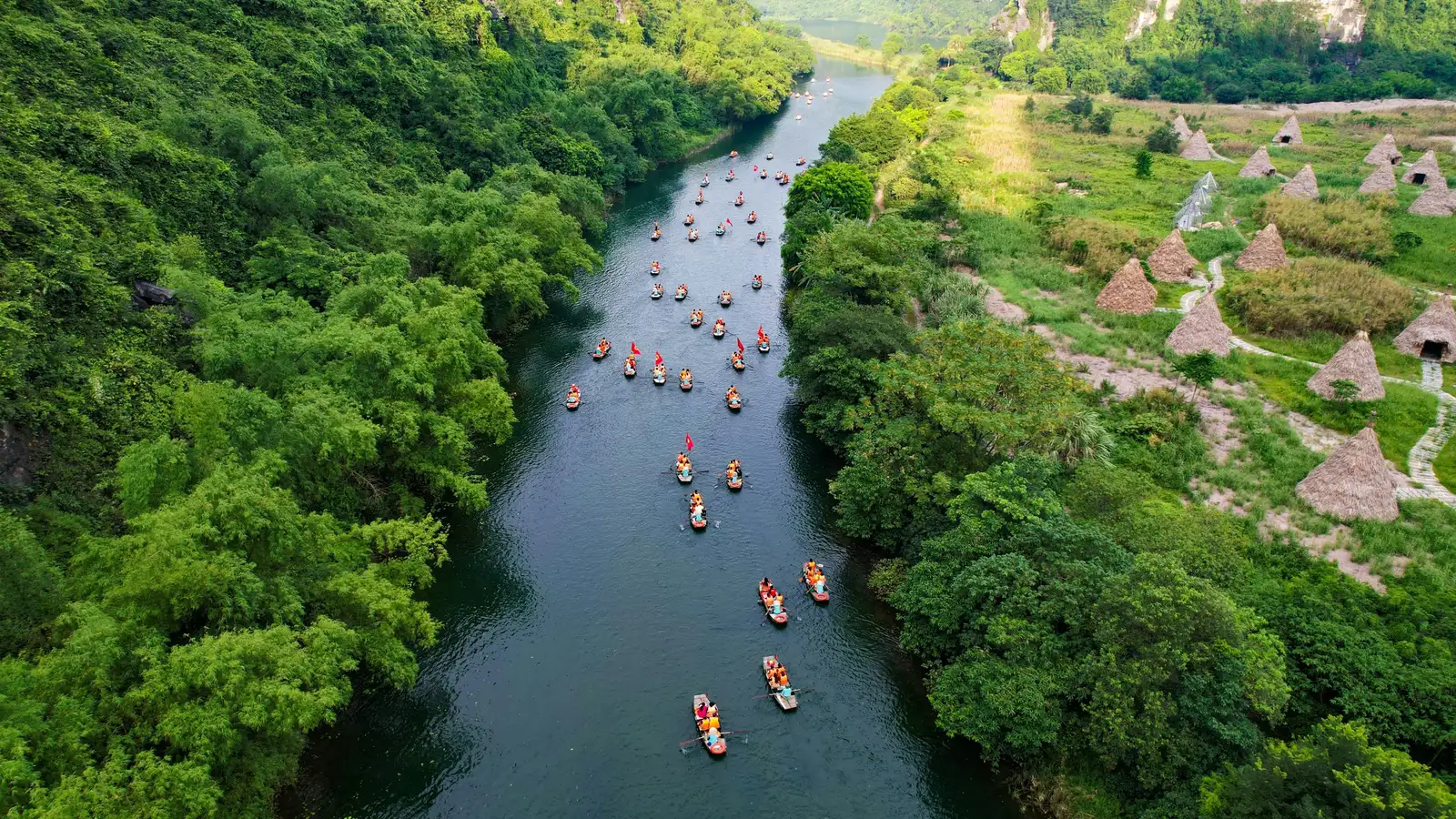
River Travel Routes Around the World
Explore the world by river: Mekong slow boats, Amazon tributaries, Nile feluccas, and European ferries. Booking tips, costs, and what to bring for river travel.
Read article →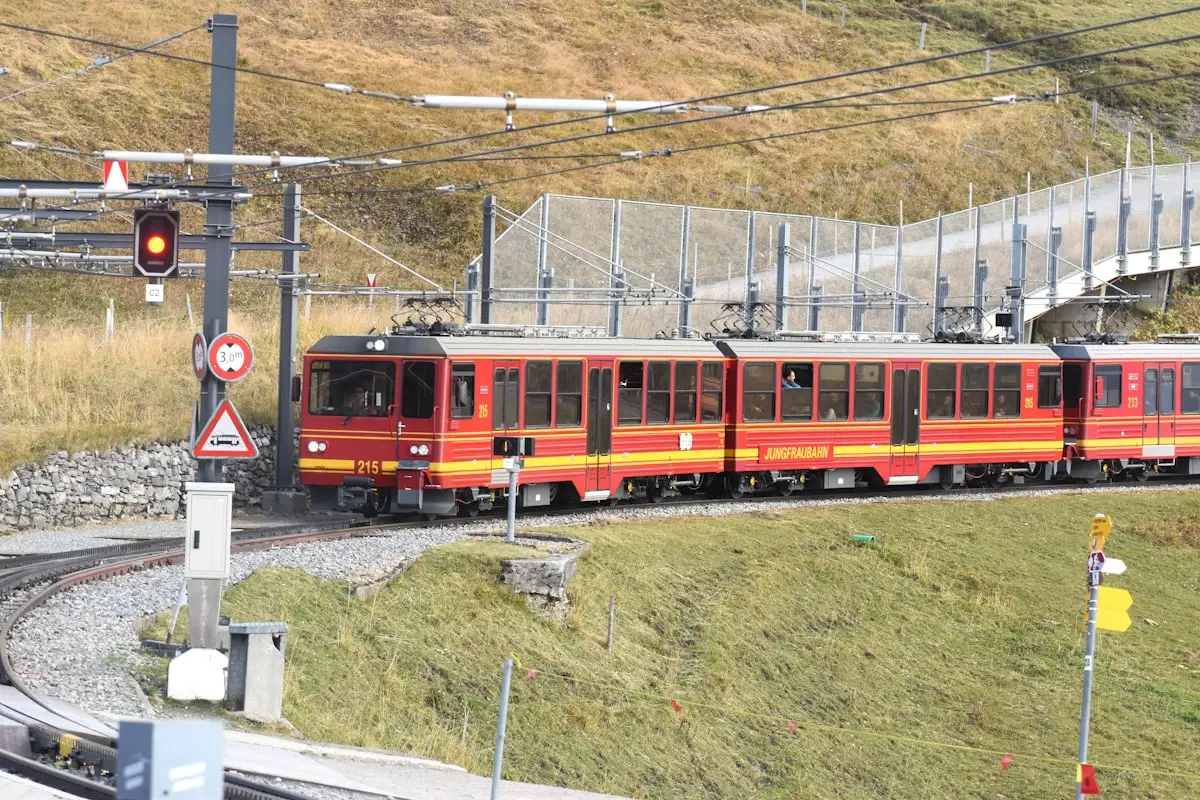
Train Passes: Europe, Japan, and Beyond
Do the math on Eurail passes, Japan Rail Passes, and India train classes — with booking windows, seat reservations, and when point-to-point is cheaper.
Read article →Heading to Marseille?
Find travel companions to explore Marseille together on roammate — split costs, share adventures, and make lifelong friends.


To customise this itinerary to your travel style, pace, and budget — download the roammate app to tailor it to your preferences.
Find travel companions in Marseille →