La Paz
The world's highest capital city fills a dramatic canyon at 3,640m — indigenous markets, Death Road descents, and cholita wrestlers beneath the gaze of Illimani.
1 day in La Paz
Only got 24 hours? Here's how to experience the best of La Paz in a single action-packed day.
La Paz City Highlights
Witches' Market & Colonial Centre
Start at the Mercado de las Brujas (Witches' Market) on Calle Linares, where indigenous Aymara women sell dried llama foetuses, medicinal herbs, love potions, and ritual items for Pachamama (Mother Earth) offerings. The market is a window into Bolivia's living indigenous spiritual traditions. Walk downhill through the colonial streets to Plaza Murillo, flanked by the Presidential Palace and the Cathedral. The colonial centre is compact and the steep streets offer glimpses of Illimani (6,438m) towering over the city at every turn.
Mi Teleférico Cable Car Network
Ride the Mi Teleférico, the world's longest and highest urban cable car network. The system connects La Paz's steep neighbourhoods with colour-coded lines — take the Red Line from the centre up to El Alto at 4,100m for the most dramatic views of the city filling the canyon below with Illimani behind. The Yellow and Green lines traverse the length of the city. At 3 bolivianos per ride ($0.45), it is the cheapest scenic transport in South America. Each line offers a different perspective of this extraordinary vertical city.
Sopocachi Dinner & Nightlife
Head to Sopocachi, La Paz's most cosmopolitan neighbourhood with restaurants, bars, and cafes catering to both locals and visitors. Try salteñas — Bolivia's answer to empanadas, filled with a spiced meat and potato stew sealed in a sweet pastry. The craft beer scene in Sopocachi is growing, with local breweries producing excellent ales. After dinner, walk to the Mirador Killi Killi for a nighttime view of the city lights filling the canyon — one of the most dramatic urban panoramas in the world.
3 days in La Paz
A carefully curated route mixing iconic landmarks, hidden gems, street food, culture, and adventure — designed for younger travelers.
Witches' Market, Teleférico & Cholita Wrestling
Witches' Market & Colonial La Paz
Begin at the Mercado de las Brujas on Calle Linares and Sagárnaga, where cholita vendors sell dried llama foetuses, miniature houses, love potions, and ritual items for traditional Aymara ceremonies. This is not a tourist show — these are genuine spiritual goods used in Pachamama offerings. Walk downhill through the steep cobblestone streets to Plaza Murillo and the colonial core with the Presidential Palace, Cathedral, and Congress building. La Paz sits in a deep canyon at 3,640m and every street offers vertiginous views.
Mi Teleférico Network
Spend the afternoon riding the Mi Teleférico cable car system — 11 colour-coded lines spanning 33km across the city. The Red Line from the centre to El Alto is the most spectacular, lifting you from the canyon floor to the Altiplano rim at 4,100m with panoramic views. The Blue and Yellow lines traverse the southern zone. At 3 bolivianos per ride, it is absurdly cheap for what is essentially the most dramatic urban transport system ever built. Each cabin holds 10 passengers and the system moves 300,000 people daily.
Cholita Wrestling
On Thursday and Sunday evenings, head to the El Alto multifunctional centre for cholita wrestling — an extraordinary spectacle where indigenous Aymara women in traditional pollera skirts and bowler hats body-slam opponents in a wrestling ring. The event is theatrical, hilarious, and deeply empowering — cholita wrestlers are celebrities in Bolivia and the show mixes genuine athletic skill with scripted entertainment. The crowd of locals and tourists creates an electric atmosphere. Tours from central La Paz include transport and entry.
Death Road Cycling
Departure for Death Road
Depart La Paz at 7am for the 1-hour drive to La Cumbre pass at 4,650m — the starting point of the North Yungas Road, known worldwide as "Death Road." Before the new highway was built in 2006, this narrow gravel road clinging to the mountainside was the only route from La Paz to the Yungas lowlands, and hundreds of vehicles plummeted off the cliff each year. Today, with virtually no traffic, it is one of the world's most famous mountain bike descents — a 64km, 3,600m drop from freezing Altiplano to tropical jungle.
The Descent — 4,650m to 1,100m
The ride begins on paved road at 4,650m before switching to the infamous single-lane gravel track carved into the cliff face. The road is barely 3 metres wide with sheer drops of 600+ metres and no guardrails. The scenery transforms from barren Altiplano to cloud forest to lush subtropical jungle as you descend. Waterfalls cascade across the road, mist drifts through the trees, and the temperature rises from near-freezing to 25°C. The ride takes 4-5 hours with photo stops and the sense of achievement at the bottom is immense.
Celebration & Return to La Paz
Arrive at the bottom in Yolosa at 1,100m — warm, humid, and tropical. Tour operators provide a celebratory lunch and access to a pool or shower. The temperature difference from the morning's freezing start is extraordinary. The return drive to La Paz takes 3 hours up the new highway, arriving in the evening. You will be physically tired but buzzing with adrenaline. Celebrate with a steak dinner and Bolivia's excellent Huari beer in the Sopocachi neighbourhood.
Valle de la Luna & Museums
Valle de la Luna
Take a micro bus or taxi 10km south to Valle de la Luna (Moon Valley), a surreal landscape of eroded clay pinnacles and canyons created by centuries of wind and rain on the soft sedimentary formations. Walking paths weave through the spires, bridges, and crevasses — the formations are genuinely otherworldly and the scale is impressive. The site sits at 3,300m in the Mallasa neighbourhood, which is warmer and drier than central La Paz. The morning light creates the most dramatic shadows in the rock formations.
Museo Nacional de Etnografía & Markets
Return to central La Paz and visit the Museo Nacional de Etnografía y Folklore on Calle Ingavi, housed in a colonial mansion. The museum covers Bolivia's extraordinary cultural diversity — from Aymara and Quechua highland cultures to the Guaraní and Mojeño lowland peoples. The textile and mask collections are outstanding. Afterwards, explore the sprawling Mercado Rodriguez for local food — api con pastel (hot purple corn drink with fried cheese pastry), tucumanas (fried meat turnovers), and fresh fruit from the Yungas lowlands.
Mirador Killi Killi & Farewell
Walk to Mirador Killi Killi for the finest sunset panorama in La Paz. The viewpoint looks across the entire canyon city — thousands of brick buildings cascading down the hillsides with Illimani's snow-capped summit (6,438m) glowing pink behind. As darkness falls, the city lights up from bottom to top and the scale of this impossible vertical metropolis becomes apparent. Return downhill for a farewell dinner of pique macho — a Bolivian sharing plate of chopped steak, sausage, potatoes, eggs, and hot peppers.
7 days in La Paz
A full week to go deep — from famous landmarks to local neighbourhoods, day trips, hidden gems, and proper local immersion.
Arrival & Acclimatisation
Arrival & Rest
Arrive in La Paz — either at El Alto airport (4,061m, one of the highest commercial airports in the world) or by bus. The altitude is immediately noticeable. Check into accommodation in the tourist area around Sagárnaga or Sopocachi and rest. Drink coca tea, eat lightly, and walk very slowly. La Paz sits in a deep canyon between 3,200m and 4,100m, and the mere act of climbing a flight of stairs will leave you breathless. Do not underestimate the altitude on arrival day.
Gentle Walk & Sagárnaga Street
Take a gentle walk along Calle Sagárnaga, the main tourist and artisan street in La Paz. The steep road is lined with hostels, tour agencies, craft shops, and restaurants. Browse the textiles, silver jewellery, and alpaca clothing. The street connects to the Witches' Market above and Plaza San Francisco below — a natural corridor through the tourist heart of the city. Walk slowly and stop frequently. The colonial churches and narrow side streets offer glimpses of daily life in this extraordinary vertical city.
Coca Tea & Light Dinner
Keep the first evening gentle. Find a restaurant near your hotel for sopa de maní (peanut soup), Bolivia's comfort food staple — a rich, warming broth that is gentle on an altitude-stressed stomach. Continue drinking coca tea throughout the evening. The streets around Sagárnaga are lively but La Paz shuts down early by South American standards — most restaurants close by 10pm. An early night is the best investment in tomorrow's energy levels.
Witches' Market & Teleférico
Mercado de las Brujas & Old Town
Explore the Witches' Market on Calle Linares, where cholita vendors sell dried llama foetuses, miniature houses, love potions, and ritual items for Aymara ceremonies. These are not souvenirs — they are genuine spiritual goods used in Pachamama offerings. Walk downhill to Plaza Murillo, flanked by the Presidential Palace, Cathedral, and Congress. The colonial centre has a faded grandeur and the steep streets constantly reveal Illimani's snow-capped summit between the buildings.
Mi Teleférico Exploration
Ride the Mi Teleférico cable car system across La Paz. Take the Red Line to El Alto for the most dramatic views — the cable car lifts you from the canyon floor to the Altiplano rim at 4,100m and the panorama of La Paz below is staggering. El Alto is a vast, sprawling Aymara city of over a million people on the plateau above La Paz — a completely different world from the canyon below. Ride back down and connect to the Green and Yellow lines for perspectives across the southern zone.
Salteñas & Sopocachi Evening
Explore the Sopocachi neighbourhood for dinner — La Paz's most cosmopolitan area with craft breweries, international restaurants, and a growing café culture. Try pique macho (chopped steak, sausage, potatoes, and chillies) or silpancho (breaded beef on rice with fried egg). The local craft beer scene is excellent — Saya Beer and Kholita are both worth trying. Walk to Mirador Killi Killi for the nighttime city view before heading back to your accommodation.
Death Road Cycling
Drive to La Cumbre Pass
Depart at 7am for the drive to La Cumbre pass at 4,650m. The tour operator provides mountain bikes, helmets, gloves, and full-face visors. The air at the pass is freezing and the landscape is barren Altiplano. After a safety briefing, the first section is a 22km descent on paved road to warm up your braking and balance. The scenery transitions from high-altitude grassland to the beginning of cloud forest as the road winds down towards the famous single-track section.
Death Road Descent
The gravel section begins — the original North Yungas Road carved into the cliff face. The road is 3 metres wide with sheer 600m drops and no guardrails. This was once the most dangerous road in the world, killing 200-300 travellers per year before the new highway diverted traffic. Now it is virtually traffic-free and one of the world's great cycling descents. The temperature rises from near-freezing to 25°C, the vegetation shifts from sparse to lush jungle, and waterfalls cascade across the road surface.
Celebration in Yolosa & Return
Arrive at Yolosa (1,100m) — warm, tropical, and 3,500m below where you started. Lunch, a pool swim, and group celebrations are included. The sense of achievement is enormous — you have descended from Altiplano to jungle in a single ride. The return drive to La Paz takes 3 hours up the new highway. Arrive back exhausted but elated. A hot shower, steak dinner, and a Huari beer in Sopocachi is the perfect end to the day.
Valle de la Luna & Museums
Valle de la Luna
Take a micro or taxi to Valle de la Luna in the Mallasa neighbourhood, 10km south of the centre. The eroded clay pinnacles and canyons resemble a lunar landscape — centuries of wind and rain have sculpted the soft sedimentary rock into spires, bridges, and crevasses. The walking circuit takes 45 minutes and weaves through the most dramatic formations. Morning light creates the strongest shadows and the most photogenic conditions. The site is at 3,300m — warmer and more comfortable than central La Paz.
Museums & Jaén Street
Visit the colonial Calle Jaén, a beautifully preserved cobblestone street housing four small museums in colonial mansions — the Museo del Litoral (Bolivia's lost coast), Museo de Metales Preciosos (gold and silver), Museo del Folklore (masks and costumes), and Casa de Murillo (independence history). A combined ticket covers all four. The ethnography museum on Calle Ingavi is also excellent, covering Bolivia's cultural diversity from highland Aymara to lowland Guaraní. La Paz has surprisingly rich museums that most tourists overlook.
Mercado Rodriguez & Street Food
Explore Mercado Rodriguez, La Paz's largest and most chaotic market. The sprawling stalls sell everything from fresh meat and vegetables to electronics and clothing. The food section is where you eat like a Paceño — api con pastel (hot purple corn drink with fried cheese pastry), tucumanas (deep-fried turnovers), and anticuchos (grilled beef heart skewers). The market is authentic, affordable, and overwhelming in the best possible way. End the evening at a craft brewery in Sopocachi.
Tiwanaku Archaeological Site
Drive to Tiwanaku
Take a tour or public bus from La Paz (1.5 hours) to Tiwanaku, the ruins of a pre-Inca civilisation that dominated the Altiplano from 400-1000 CE. The city once held 20,000-40,000 people and its influence extended across modern Bolivia, Peru, and Chile. The Akapana pyramid, the largest structure, is partially excavated and the scale of the stone engineering is impressive. The Kalasasaya temple compound contains the famous Gateway of the Sun — a massive carved stone archway with the image of the Staff God, a central deity of Andean cosmology.
Puma Punku & Museum
Walk to the separate Puma Punku complex, 1km from the main Tiwanaku site. The stone blocks here feature impossibly precise cuts, right angles, and interlocking joints that have fuelled centuries of speculation about how a pre-wheel civilisation achieved such engineering. The blocks weigh up to 130 tonnes and were transported from quarries 10km away. Visit the site museum, which houses the Bennett Monolith replica and excellent exhibits on Tiwanaku agriculture, urban planning, and collapse — possibly caused by prolonged drought.
Return to La Paz
Return to La Paz in the late afternoon. The drive back passes through the open Altiplano with views of Lake Titicaca in the distance on clear days. The landscape is stark and beautiful — brown grassland stretching to snow-capped peaks on the horizon. Back in La Paz, have dinner at a restaurant in the Rosario area. Try sajta de pollo (chicken in a spicy peanut and chilli sauce) or charque de llama (dried llama jerky) — both are distinctly Bolivian dishes you will not find elsewhere.
Cholita Wrestling & El Alto
El Alto Market (Feria 16 de Julio)
Take the teleférico to El Alto and explore the massive Feria 16 de Julio (Thursday and Sunday only), one of the largest open-air markets in South America. The market sprawls across dozens of blocks and sells everything imaginable — second-hand clothing, car parts, electronics, food, and household goods. The scale is overwhelming and the atmosphere is pure Bolivian Altiplano — Aymara women in bowler hats and pollera skirts haggling over goods, brass bands playing in the streets, and the smell of frying api and anticuchos.
Cholet Architecture
Explore El Alto's extraordinary "cholet" architecture — neo-Andean buildings designed by architect Freddy Mamani that combine traditional Aymara geometric patterns with bold colours and futuristic shapes. The buildings house ballrooms and event spaces on upper floors with commercial space below, and their façades are covered in vivid geometric patterns in electric blues, greens, yellows, and pinks. Mamani's work has become internationally celebrated and El Alto is now an architectural destination in its own right.
Cholita Wrestling
Attend cholita wrestling at the El Alto multifunctional centre (Thursdays and Sundays from 5pm). Indigenous Aymara women in traditional pollera skirts and bowler hats body-slam, pile-drive, and pin opponents in a wrestling ring while the crowd roars. The show combines genuine athletic skill with theatrical entertainment and deep cultural significance — cholita wrestlers are empowerment icons in Bolivia. The atmosphere is electric, the crowd is mixed local and tourist, and the experience is utterly unique to La Paz.
Chacaltaya & Departure
Chacaltaya — Former World's Highest Ski Slope
Join a morning tour to Chacaltaya, the former site of the world's highest ski slope at 5,300m. The glacier that supported the ski area has melted entirely — a powerful visual lesson in climate change — but the mountain remains accessible and the views from the summit are extraordinary. On clear days you can see Lake Titicaca, Huayna Potosí (6,088m), and across the Altiplano to the Cordillera Real. The thin air at 5,300m makes breathing difficult and every step is laboured, but the panorama is worth the effort.
Last Shopping & Souvenir Hunting
Return to La Paz for final shopping on Sagárnaga street and the artisan market. Bolivian textiles, silver jewellery, and alpaca clothing offer excellent value — significantly cheaper than Peru or Ecuador for comparable quality. The Witches' Market sells miniature replica items as souvenirs — tiny houses, cars, and money bundles that are traditionally purchased and blessed for good fortune. Bolivian chocolate from the Yungas region is also excellent and makes a unique gift.
Farewell Dinner & Departure
End your La Paz week with a farewell dinner overlooking the city lights. La Paz is one of the most extraordinary cities in the world — a million people living in a canyon at the roof of the Andes, where indigenous traditions, colonial history, and modern ambition collide. The El Alto airport is 30 minutes from the centre by taxi or teleférico plus taxi. Alternatively, night buses to Uyuni (10 hours), Sucre (12 hours), and Copacabana (4 hours) depart from the main terminal.
Budget tips
Bolivia is South America's cheapest
La Paz is remarkably affordable — full meals cost $1.50-3, local transport is under $0.50, and dorm beds are $5-8. Your daily budget here stretches further than almost anywhere else on the continent.
Ride the teleférico everywhere
At 3 bolivianos ($0.45) per ride, the Mi Teleférico is the cheapest and most scenic urban transport in South America. Use it instead of taxis to cross the city — the views are a bonus.
Eat at markets
Mercado Rodriguez and Mercado Lanza serve almuerzo set lunches for 10-15 bolivianos ($1.50-2). Api con pastel (corn drink with cheese pastry) costs 5 bolivianos. Market food is the most authentic and cheapest eating in La Paz.
Compare Death Road operators
Death Road tours range from $30-80. The cheapest operators use old bikes and cut safety corners. Gravity Bolivia ($60-75) is the most reputable. Read recent reviews and check bike condition before committing.
Public buses to Tiwanaku
Public buses from Cementerio General to Tiwanaku cost 15 bolivianos each way versus $15-25 for a tour. If you are happy exploring independently (hire a guide at the gate), the public bus saves significant money.
Cash is king
Card acceptance is limited outside tourist restaurants. Withdraw cash from ATMs in La Paz (Banco Mercantil has the lowest fees) and carry small bills. Many vendors cannot change 100-boliviano notes.
Budget breakdown
Daily costs per person in US dollars. La Paz is the cheapest major city in South America — your budget stretches remarkably far here, with market meals under $2 and transport under $1.
| 🎒 Budget | ✨ Mid-Range | 💎 Splurge | |
|---|---|---|---|
| Accommodation Dorm beds → private rooms → boutique hotels | $5–10 | $15–35 | $50+ |
| Food Market meals → restaurants → fine dining | $5–10 | $10–25 | $30+ |
| Transport Teleférico/micros → taxis → private transfers | $1–5 | $5–15 | $20+ |
| Activities Self-guided → group tours → private guides | $5–15 | $20–60 | $80+ |
| Entry Fees Museums and sites are very affordable | $1–5 | $5–10 | $10–15 |
| Daily Total Budget backpacker → comfortable mid → luxury | $20–45 | $55–145 | $190+ |
Practical info
Entry & Visas
- Some nationalities need a visa for Bolivia — US citizens pay $160 at the border or airport. Check requirements well in advance
- Bring passport photos and cash in USD for visa on arrival. The process can take 30-60 minutes at busy borders
- Keep passport copies and travel insurance accessible — police occasionally check documents
Health & Safety
- Altitude at 3,640m (El Alto 4,100m) is severe — acclimatise for 24-48 hours before Death Road or Chacaltaya
- Coca tea and leaves help with altitude. Tap water is not safe — drink bottled or filtered water only
- Travel insurance with altitude and evacuation coverage is essential. Medical facilities are basic outside private clinics
Getting Around
- Mi Teleférico cable cars (3 BOB/ride) are the best way to cross the city. Micro buses cost 2 BOB for any route
- Taxis do not use meters — agree the price before getting in. Cross-city trips cost 10-20 bolivianos
- The main bus terminal connects La Paz to all major Bolivian cities. Book Cruz del Sur or Todo Turismo for comfort
Connectivity
- Buy an Entel or Tigo SIM card for 10-20 bolivianos with data. Coverage is good in La Paz but patchy outside cities
- WiFi is available in most hostels and cafes but speeds are slow compared to neighbouring countries
- Download offline maps before day trips — coverage on the Altiplano and Death Road is minimal
Money
- Currency: BOB (Boliviano). ATMs in the centre; Visa most widely accepted. Cash is essential for markets and transport
- Carry small bills — vendors rarely have change for 100 or 200 boliviano notes
- Tipping: 5-10% at restaurants. Tour guides and drivers appreciate tips of 20-30 bolivianos per day
Packing Tips
- Warm layers are essential — temperatures swing from 20°C at noon to below freezing at night
- A down jacket for Chacaltaya and evening walks, rain jacket for wet season (November-March)
- Comfortable walking shoes with grip for steep cobblestone streets, sunscreen, and a reusable water bottle
Cultural tips
La Paz is where indigenous Aymara culture meets colonial history in the most dramatic urban setting imaginable — approach with respect and you will discover one of South America's most extraordinary cities.
Respect Aymara Culture
Bolivia has the largest indigenous population in South America proportionally. Aymara traditions — from the Witches' Market to cholita dress — are living cultural practices, not performances for tourists. Approach with genuine respect and curiosity. Ask before photographing and show interest in the meaning behind what you see.
Environmental Awareness
Bolivia faces serious environmental challenges from mining, deforestation, and climate change (Chacaltaya's melted glacier is a visible example). Minimise your impact — carry out all rubbish, use reusable bottles, and support eco-conscious operators. The Altiplano ecosystem is fragile and recovery is slow at high altitude.
Photography Etiquette
Always ask permission before photographing cholitas, market vendors, and indigenous people. Many are happy to pose; some are not. At cholita wrestling and festivals, photography is generally welcome but respect any restrictions. Never photograph people without their knowledge or consent.
Language
Spanish is essential in La Paz — English is very limited even in tourist areas. Learn basic Spanish greetings, numbers, and food words. Aymara is the first language for many Paceños — "Kamisaraki" (hello) and "Waliki" (thank you) in Aymara will earn warm smiles.
Support Local Economy
Bolivia is one of the poorest countries in South America. Your tourism spending has real impact when directed to locally-owned businesses. Eat at markets, buy from artisans, and choose local tour operators. Avoid international chains that extract profits from the country.
Bolivian Time
Bolivia operates on "hora boliviana" — a flexible approach to punctuality. Buses may leave late, restaurants may open late, and scheduled events may start late. Bring patience and a book. The teleférico, however, runs like clockwork.
La Paz is on these routes
Reading for La Paz
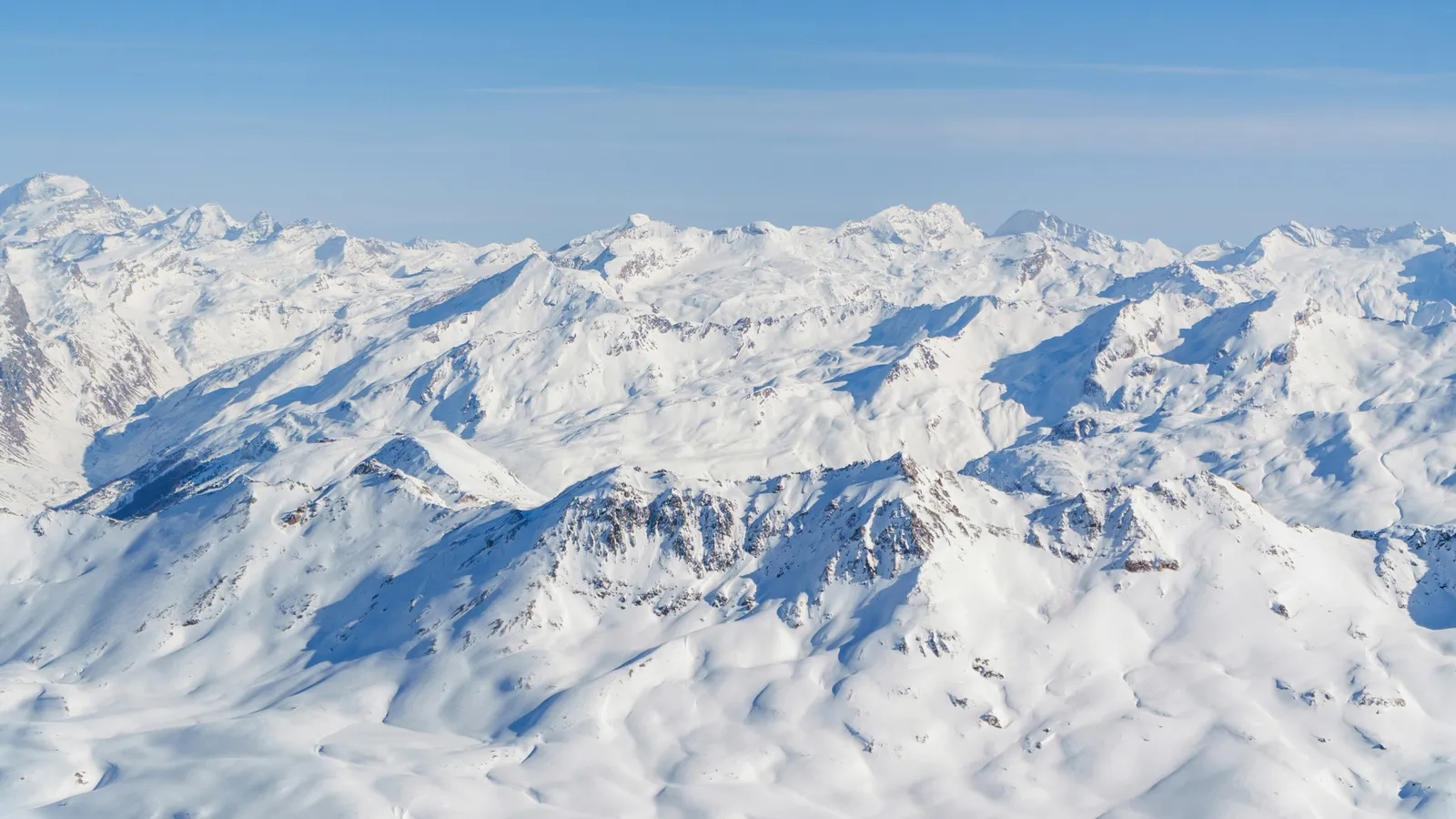
Altitude Acclimatization Itinerary That Works
Acclimatize to altitude safely with a step-by-step itinerary covering elevation gain limits, hydration, and the signs to descend immediately.
Read article →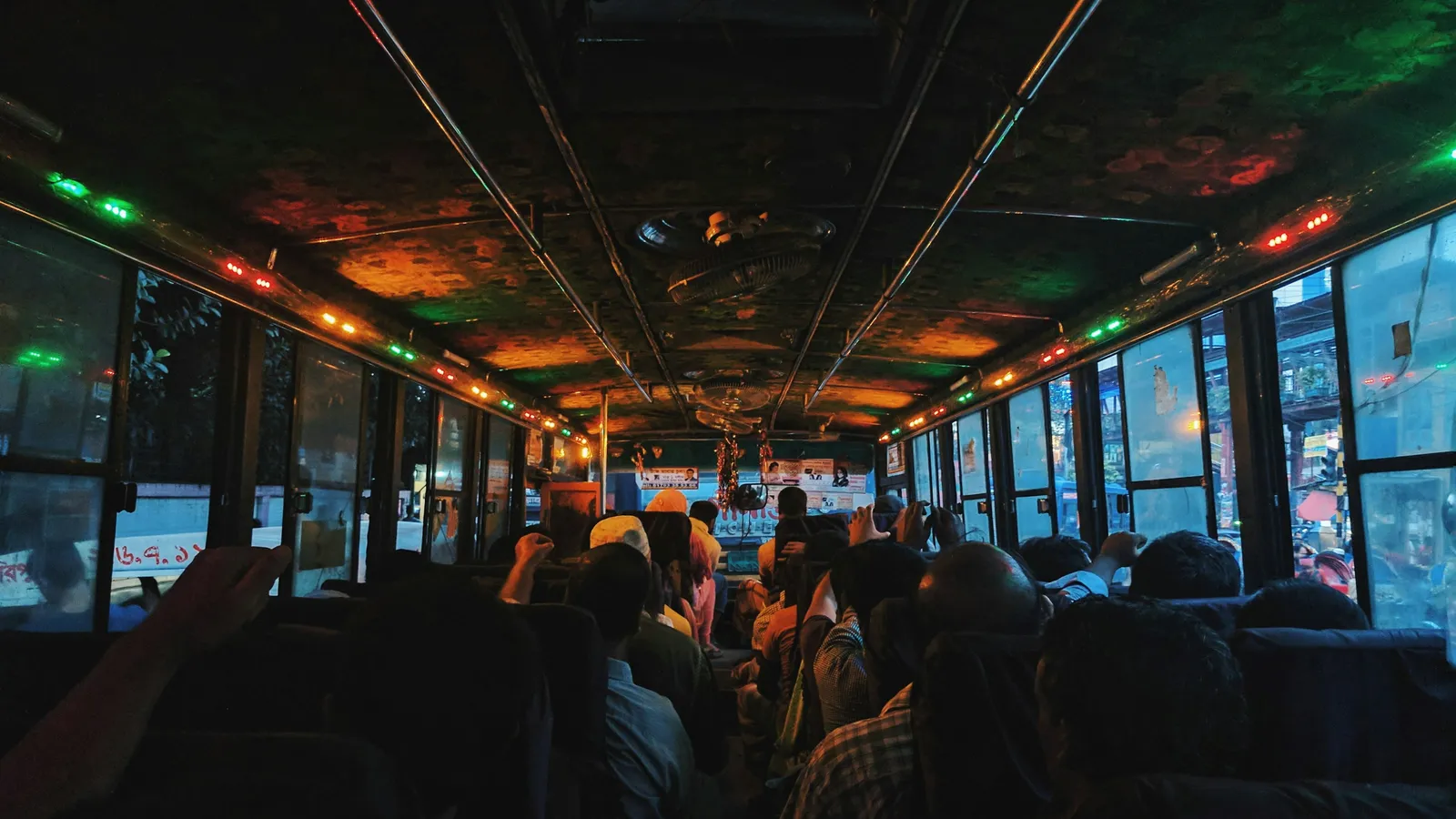
Night Bus Survival Guide
Survive overnight buses across Southeast Asia and South America with tested strategies for sleep, security, and arriving functional.
Read article →Heading to La Paz?
Find travel companions to explore La Paz together on roammate — split costs, share adventures, and make lifelong friends.


To customise this itinerary to your travel style, pace, and budget — download the roammate app to tailor it to your preferences.
Find travel companions in La Paz →