Jaipur
The Pink City of Rajasthan — a riot of colour where ancient forts crown desert hills, bazaars overflow with gemstones and textiles, and royal palaces tell tales of Rajput grandeur.
1 day in Jaipur
Only got 24 hours? Here's how to experience the best of Jaipur in a single action-packed day.
Pink City Highlights
Amber Fort at Sunrise
Begin at Amber Fort, 11km north of Jaipur, arriving as it opens to experience the massive honey-coloured sandstone and marble fortress before the tour groups arrive. The Sheesh Mahal (Mirror Palace) inside is extraordinary — thousands of convex mirror fragments set into the walls and ceiling that were designed to illuminate the chamber from a single candle flame. The Diwan-i-Khas, the Ganesh Pol gateway with its painted frescoes, and the Sukh Niwas with its ingenious wind-cooled water channels are highlights of Rajput-Mughal architecture at its finest.
Hawa Mahal, City Palace & Jantar Mantar
Return to the walled Pink City and visit the Hawa Mahal (Palace of the Winds) — Jaipur's iconic honeycomb facade of 953 small windows designed so royal women could observe street festivals without being seen. Walk to the City Palace complex, still the residence of the Jaipur royal family, where the Mubarak Mahal textile museum and the Diwan-i-Khas with its enormous silver water vessels tell the story of Rajput royalty. Next door, Jantar Mantar houses the world's largest stone sundial and a collection of astronomical instruments built by Maharaja Jai Singh II in 1734 that are still accurate today.
Nahargarh Fort Sunset & Bazaar
Drive or take an auto-rickshaw up the winding road to Nahargarh Fort on the Aravalli Hills for the best sunset panorama over Jaipur. The entire Pink City spreads below in a terracotta grid, with the forts and palaces catching the last golden light. After sunset, descend into the old city bazaars — Johari Bazaar for jewellery and gemstones, Bapu Bazaar for textiles and mojari shoes, and the lane stalls for dal baati churma (baked wheat balls with lentil curry and sweet crumble), Jaipur's signature Rajasthani dish.
3 days in Jaipur
A carefully curated route mixing iconic landmarks, hidden gems, street food, culture, and adventure — designed for younger travelers.
Amber Fort & Pink City Heritage
Amber Fort — Rajput Grandeur
Arrive at Amber Fort at opening time to explore the sprawling hilltop fortress that was the seat of Rajput power for centuries before Jaipur was founded. The complex cascades down the hillside in four levels of courtyards, each more ornate than the last. The Sheesh Mahal (Hall of Mirrors) is mesmerising — thousands of tiny convex mirrors set into the plaster walls and ceiling create a shimmering constellation when lit by even a single flame. The Ganesh Pol gateway features painted frescoes of such delicacy they resemble miniature paintings enlarged to architectural scale. The views from the ramparts over Maota Lake and the surrounding Aravalli Hills are spectacular.
Hawa Mahal & City Palace
Head to the heart of the Pink City to see the Hawa Mahal, Jaipur's most recognisable landmark — a five-storey sandstone screen of 953 ornate windows built in 1799 so the women of the royal household could observe the street below without being seen. Enter from the side and climb to the upper floors for views through the window lattices over the bustling Sireh Deori Bazaar. Walk five minutes to the City Palace, where the Mubarak Mahal courtyard displays royal Rajasthani textiles and the Diwan-i-Khas houses two enormous silver urns — the world's largest silver objects — that Maharaja Madho Singh II used to carry Ganges water to England in 1902.
Nahargarh Fort Sunset
Climb or drive to Nahargarh Fort as the sun begins to drop, timing your arrival for the golden hour over Jaipur. The fort's terrace offers a sweeping 180-degree panorama of the Pink City below — the grid pattern of the old walled city, the lake palaces, and the distant Amber Fort catching the last light on the opposite ridge. The fort itself contains the Madhavendra Bhawan, a connected suite of identical apartments built for the king's twelve queens. Stay until the city lights begin to flicker on for a magical transition from day to night. Descend to the old city for dinner at a rooftop restaurant.
Jantar Mantar, Bazaars & Block Printing
Jantar Mantar — Stone Observatory
Visit Jantar Mantar, the extraordinary open-air astronomical observatory built by Maharaja Jai Singh II in 1734. The collection of 19 massive stone instruments includes the Samrat Yantra — the world's largest stone sundial at 27 metres tall, accurate to within two seconds. The Jai Prakash Yantra uses concave marble hemispheres to map star positions, and the Ram Yantra cylindrical structures measure altitude and azimuth. What makes this UNESCO site remarkable is that every instrument still works — they are not relics but functional scientific tools built at a scale that makes their precision visible to the naked eye.
Block Printing Workshop & Bazaars
Take an auto-rickshaw to Sanganer or a workshop in the old city for a hands-on block printing session — Jaipur is India's capital of hand block-printed textiles and the tradition stretches back centuries. Watch artisans carve intricate patterns into teak wood blocks and stamp them onto cotton fabric using natural dyes in precise repeating patterns. Many workshops offer 2-3 hour classes where you print your own fabric to take home. Afterwards, explore Johari Bazaar for gemstones and traditional Kundan jewellery, and Tripolia Bazaar for lacquer bangles — the clatter of thousands of bangles being sorted and sold is one of Jaipur's signature sounds.
Rajasthani Feast — Dal Baati Churma
Seek out an authentic Rajasthani dinner featuring dal baati churma — the region's signature dish of hard-baked wheat balls (baati) served with five-lentil dal, churma (sweet crushed wheat with ghee and sugar), and an array of vegetable curries. Chokhi Dhani, a cultural village resort 20km south of Jaipur, offers the full immersive experience with folk dancers, puppet shows, camel rides, and an unlimited Rajasthani thali served on leaf plates while sitting cross-legged on the floor. For a more local experience, the restaurants in the old city near Chandpole Gate serve excellent thalis at a fraction of the price.
Jal Mahal, Stepwells & Departure
Jal Mahal & Galtaji Temple
Start with a photo stop at Jal Mahal, the hauntingly beautiful Water Palace sitting in the middle of Man Sagar Lake — its four lower floors are submerged and only the rooftop level is visible above the water, creating a dreamlike image against the Nahargarh Hills backdrop. Continue 10km east to Galtaji (Monkey Temple), a complex of ancient Hindu temples built into a narrow crevice in the Aravalli Hills. Natural springs feed sacred kunds (water tanks) where pilgrims bathe, and hundreds of resident langur and macaque monkeys inhabit the temple complex. The walk through the gorge to the hilltop Sun Temple offers panoramic views over the plains.
Chand Baori & Abhaneri Stepwell
If time allows, take a half-day trip 95km east to Abhaneri to see Chand Baori, one of the deepest and most visually stunning stepwells in India. Built in the 9th century, the well drops 13 storeys into the earth with 3,500 perfectly symmetrical steps arranged in a mesmerising geometric pattern that looks almost computer-generated. The scale and precision of the engineering is staggering — the steps create a dizzying optical illusion when viewed from the top. Adjacent to the stepwell, the partly ruined Harshat Mata Temple features fine carved panels of dancing figures and celestial beings.
Pink City Evening & Farewell Lassi
Spend your final evening soaking in the atmosphere of the Pink City at dusk when the terracotta-painted buildings glow in the warm light and the bazaars reach their evening peak. Walk down Bapu Bazaar for mojari (embroidered leather shoes), bandhani (tie-dye) fabrics, and blue pottery — Jaipur's distinctive cobalt-on-white ceramic tradition. End at Lassiwala on MI Road, a legendary no-frills stall that has served thick, creamy saffron and rose lassi in clay cups since 1944. The lassi is topped with a thick layer of malai (clotted cream) and is widely considered the best in India.
7 days in Jaipur
A full week to go deep — from famous landmarks to local neighbourhoods, day trips, hidden gems, and proper local immersion.
Amber Fort & Jaigarh
Amber Fort Deep Exploration
Arrive at Amber Fort at opening to explore the four courtyards and palace chambers in depth. Begin at the Jaleb Chowk (main courtyard), ascend through the ornate Ganesh Pol gateway to the private palaces, and spend time in the Sheesh Mahal watching how the mirror fragments catch light from every angle. The Sukh Niwas (Hall of Pleasure) features an ingenious cooling system — water cascaded over carved channels in the marble, and wind blowing through the water-cooled the rooms naturally. Walk the rampart walls for views over Maota Lake, the town below, and the fortified walls snaking across the surrounding hills.
Jaigarh Fort & the World's Largest Cannon
Walk or drive 1km uphill from Amber to Jaigarh Fort, a military fortress connected to Amber by underground passages. Jaigarh was never conquered and its centrepiece is Jaivana, the world's largest cannon on wheels — an 18th-century behemoth weighing 50 tonnes with a barrel over 6 metres long. The fort also houses an armoury museum, a foundry where cannons were cast, and extensive rainwater harvesting tanks that could sustain a garrison through long sieges. The rampart walk offers arguably the best hilltop panorama in the Jaipur area — the Amber Fort complex, the lake, and the walled city spreading south.
Amer Town & Lakeside Dinner
Descend from the forts to explore Amer (Amber) town, the original capital before Jaipur was built. The narrow lanes around the Jagat Shiromani Temple hold traditional sweet shops, textile vendors, and chai stalls frequented by locals rather than tourists. Walk along the shore of Maota Lake as the Amber Fort above is illuminated in the evening — the reflection of the lit fortress in the still lake water is spectacular. Dine at 1135 AD restaurant inside the fort complex or at a lakeside cafe in town for fresh Rajasthani cuisine with the illuminated fort as your backdrop.
Pink City: Hawa Mahal, City Palace & Bazaars
Hawa Mahal at First Light
Photograph the Hawa Mahal from the street when the morning sun illuminates the pink sandstone facade — this eastern-facing building is designed to catch the first light, and the 953 windows glow warmly before 9am. Enter from the side and climb the narrow ramps (there are no stairs — the incline was designed for royal women in long skirts) to the upper galleries for views through the honeycomb lattice windows over the Sireh Deori bazaar below. The wind that gives the palace its name (Palace of the Winds) channels through the windows and creates a natural cooling effect even on hot days.
City Palace & Royal Heritage
Spend the afternoon at the City Palace, a magnificent complex that blends Rajasthani and Mughal architecture and remains the residence of the Jaipur royal family. The Mubarak Mahal courtyard displays royal costumes including a giant outfit belonging to the famously large Maharaja Madho Singh I. The Diwan-i-Khas (Sarvato Bhadra) houses the two massive silver urns — each 1.6 metres tall and holding 4,000 litres — that transported Ganges water to London. The Chandra Mahal, the seven-storey tower still occupied by the royal family, is partially open to visitors for an additional fee and offers stunning views from its upper terrace.
Old City Bazaars & Street Food
Plunge into the old city bazaars as they come alive in the evening. Johari Bazaar is Jaipur's jewellery quarter — centuries-old shops sell everything from uncut emeralds to elaborate Kundan and Meenakari pieces. Tripolia Bazaar specialises in lacquer bangles — watch them being turned on hand-operated lathes. Bapu Bazaar is the textile street for block prints, bandhani tie-dye, and Rajasthani quilts. For food, find the pyaaz kachori (onion-stuffed fried bread) stalls near Johari Bazaar, and try mirchi vada (chilli fritters) and mawa kachori (sweet pastry) from the street vendors.
Jantar Mantar & Block Printing
Jantar Mantar Observatory
Explore Jantar Mantar, the UNESCO-listed stone observatory that represents the pinnacle of pre-telescope astronomical science. The Samrat Yantra, the world's largest sundial at 27 metres, tracks the sun's shadow across a marble scale with two-second accuracy. The Jai Prakash Yantra uses inverted marble hemispheres to map celestial positions, and the twelve Rashivalaya instruments are each calibrated to a different zodiac sign for measuring star coordinates. Maharaja Jai Singh II built five such observatories across India, but Jaipur's is the largest and best preserved.
Block Printing Workshop
Join a hands-on block printing workshop at one of Jaipur's traditional printing houses. Jaipur is the centre of India's hand block-printing tradition, and workshops in Sanganer (15km south) and in the old city offer 2-4 hour sessions where you learn to carve teak wood blocks and stamp patterns onto cotton using natural vegetable dyes. The precision required to align repeating patterns across fabric by hand — without any guides or registration marks — is remarkable. You create your own printed fabric to take home, and the experience permanently changes how you see printed textiles.
Chokhi Dhani Cultural Village
Drive 20km south to Chokhi Dhani, a recreated Rajasthani village that offers an immersive evening of folk culture, entertainment, and feasting. Camel and elephant rides, puppet shows, folk music and dance performances, acrobat shows, and henna painting fill the evening before an unlimited Rajasthani thali served on leaf plates while sitting cross-legged on the floor. The meal includes dal baati churma, gatte ki sabzi (gram flour dumplings in curry), ker sangri (desert beans), and dozens of accompaniments finished with ghewar (honeycomb-shaped sweet). It is unashamedly touristy but genuinely fun.
Nahargarh, Jal Mahal & Galtaji
Nahargarh Fort Morning Walk
Drive or hike up to Nahargarh Fort in the cool morning for a thorough exploration of the Madhavendra Bhawan — a connected suite of identical apartments built by Maharaja Sawai Madho Singh for his nine queens in 1868. Each apartment has an identical layout with bedrooms, bathrooms, kitchens, and corridors connecting them through a central garden. The fort's rampart walk extends for kilometres along the Aravalli ridge with views over the pink-painted city below, Jal Mahal lake, and the forts of Amber and Jaigarh on the northern hills. The morning light and clean air make this walk one of Jaipur's best.
Jal Mahal & Galtaji Monkey Temple
Stop at Jal Mahal on Man Sagar Lake for the iconic photo of the Water Palace seemingly floating in the lake with the Nahargarh Hills as backdrop. The palace is not open to visitors but the causeway and lakeside offer excellent views. Continue 10km east to Galtaji, a temple complex wedged into a narrow gorge in the Aravalli Hills. Natural springs feed seven sacred kunds (tanks) where pilgrims bathe, and hundreds of macaque and langur monkeys inhabit the complex. The walk up through the gorge to the Surya Temple (Sun Temple) at the top reveals increasingly expansive views over the Jaipur plain.
Albert Hall Museum & Night Markets
Visit the Albert Hall Museum (Government Central Museum) in Ram Niwas Garden, Jaipur's oldest museum housed in a stunning Indo-Saracenic building designed by Samuel Swinton Jacob in 1876. The eclectic collection includes an Egyptian mummy, Mughal miniature paintings, traditional Rajasthani costumes, and a carpet gallery. In the evening the building is illuminated and becomes Jaipur's most beautiful night photograph. Walk through the nearby Chaura Rasta evening market for street food — dahi vada, aloo tikki, and freshly pressed sugarcane juice from hand-cranked machines.
Stepwell Day Trip & Artisan Crafts
Chand Baori Stepwell Excursion
Take a half-day trip 95km east to Abhaneri to see Chand Baori, one of India's most remarkable architectural wonders. This 9th-century stepwell plunges 13 storeys into the earth with 3,500 perfectly symmetrical steps creating a mesmerising geometric pattern that seems to defy physics. The scale is overwhelming — standing at the top and looking down into the dark water at the bottom creates genuine vertigo. The engineering served a practical purpose: the depth reaches the water table, and the steps allowed access as water levels changed seasonally. The adjacent Harshat Mata Temple has beautifully carved panels depicting celestial beings.
Blue Pottery & Gem Cutting Workshops
Return to Jaipur and visit a blue pottery workshop — Jaipur's distinctive cobalt-on-white ceramic tradition uses a Turko-Persian technique brought to India by Mughal artisans. Watch craftsmen shape the quartz-based clay (not regular potter's clay), paint intricate floral patterns freehand, and fire the pieces in kilns. The Kripal Kumbh workshop near the old city is run by descendants of the artisan who revived the dying craft. Nearby, the gem-cutting workshops of the Johari Bazaar area offer demonstrations of the stone cutting and polishing that has made Jaipur the world's largest centre for emerald and coloured gemstone processing.
Johri Bazaar Gemstone Walk
Explore Johari Bazaar in the evening when the jewellery shops are illuminated and gemstones sparkle under display lights. Jaipur processes and trades more coloured gemstones than anywhere else in the world — emeralds, rubies, sapphires, and semi-precious stones arrive raw from mines across Asia and Africa and are cut, polished, and set here. The traditional Kundan and Meenakari jewellery styles are unique to Rajasthan — Kundan sets uncut gemstones in gold foil, while Meenakari enamels the reverse side in vivid colours. Even if you are not buying, the concentrated display of craftsmanship is extraordinary.
Samode, Cooking Class & Heritage Walk
Samode Palace Excursion
Drive 40km north to Samode Palace, a stunning 475-year-old Rajput palace converted into a heritage hotel. Even non-guests can visit the Diwan-i-Khas (Sultan Mahal) — a jaw-dropping hall entirely covered in original mirror work and hand-painted frescoes that rivals or exceeds anything at Amber Fort. The palace rises in tiers up a hillside, with courtyards, gardens, and terraces offering views over the village of Samode and the surrounding Aravalli countryside. The village itself is worth walking through — traditional Rajasthani houses with painted facades and a timeless rural atmosphere.
Rajasthani Cooking Class
Join an afternoon cooking class to learn the secrets of Rajasthani cuisine — a culinary tradition shaped by desert scarcity that transformed humble ingredients into extraordinary dishes. Learn to make dal baati churma from scratch — kneading and baking the hard wheat baati, slow-cooking the five-lentil dal, and preparing the sweet churma. Other dishes typically include gatte ki sabzi (gram flour dumplings in yoghurt gravy), laal maas (fiery red mutton curry), and besan ladoo sweets. Understanding the spice combinations — dried red chilli, cumin, coriander, asafoetida, dried mango powder — unlocks the logic of North Indian cooking.
Old City Heritage Walk
Take an evening heritage walk through the Pink City's walled old town, ideally with a local guide from Virasat Foundation or a similar cultural organisation. The walk reveals architectural details invisible to the casual visitor — carved wooden jharokha balconies, hidden Jain temples behind plain doorways, traditional havelis with painted courtyards, and the precise urban planning of Maharaja Jai Singh II who designed the city on a grid system based on ancient Hindu architectural principles. The walk typically ends at a local home or rooftop for chai and conversation about Jaipur's evolving culture.
Gaitor Cenotaphs, Shopping & Farewell
Gaitor Ki Chhatriyan — Royal Cenotaphs
Visit Gaitor Ki Chhatriyan, the royal cremation ground at the base of Nahargarh Fort where elaborate marble cenotaphs honour the Kachhwaha rulers of Jaipur. The cenotaph of Maharaja Jai Singh II — the astronomer-king who built the city — features intricate marble carvings of exceptional quality. Unlike the crowded forts and palaces, Gaitor is peaceful and barely visited, offering a reflective final morning in Jaipur. The carved pavilions against the backdrop of the Aravalli Hills and the surrounding gardens create a serene atmosphere that contrasts with the bustle of the old city.
Final Shopping & MI Road
Use your final afternoon for serious shopping on MI Road and in the old city bazaars. MI Road has Jaipur's best fixed-price emporiums — Rajasthali (government-run) for reliable quality textiles, blue pottery, and handicrafts at marked prices that serve as a benchmark for bazaar bargaining. Anokhi on Prithviraj Road sells contemporary block-printed clothing and homewares at international quality. For traditional purchases, return to Johari Bazaar for last-minute gemstone or silver jewellery, and Nehru Bazaar for mojari shoes and embroidered bags. Pack your textiles and pottery carefully — Jaipur post offices offer reliable international shipping.
Farewell Lassi & Rooftop Dinner
End your Jaipur week with a farewell lassi at Lassiwala on MI Road — the legendary stall serving thick, creamy saffron and rose-flavoured lassi in clay cups since 1944. The lassi is topped with a centimetre-thick layer of malai (clotted cream) and is universally considered the best in Rajasthan. For your final dinner, find a rooftop restaurant in the old city — the terrace at Hotel Pearl Palace or the Wind View Cafe near Hawa Mahal offer views over the illuminated Pink City. Order a final Rajasthani thali and reflect on a week spent in one of India's most colourful, historic, and hospitable cities.
Budget tips
Composite ticket saves big
The Jaipur composite ticket covers Amber Fort, Nahargarh Fort, Hawa Mahal, Jantar Mantar, City Palace surrounds, and more. Valid for two days, it saves significantly over buying individual tickets at each site.
Auto-rickshaws are cheapest
Auto-rickshaws are the most economical way around Jaipur. Insist on the meter or negotiate before getting in. For a full day of sightseeing, hire an auto for 800-1200 INR to cover all major sites.
Eat where locals eat
Old city dhabas and street food stalls serve authentic Rajasthani food at local prices. A thali costs 100-200 INR at a bazaar restaurant versus 500-1000 INR at a tourist restaurant near the forts.
Stay in the old city
Guesthouses and hostels in the walled Pink City are the cheapest and most atmospheric accommodation. Walking distance to most sites saves on transport costs.
Free heritage walks
Several organisations offer free or tip-based heritage walks through the old city. These walks provide deeper insight than self-guided visits and support local guides.
Train from Delhi is best value
Jaipur is 5-6 hours by train from Delhi on comfortable express services for as little as 500 INR. Faster Vande Bharat trains cover it in 2 hours for 1500 INR.
Budget breakdown
Daily costs per person in US dollars. Jaipur offers exceptional value — world-class heritage, vibrant bazaars, and legendary cuisine at prices that suit every budget level.
| 🎒 Budget | ✨ Mid-Range | 💎 Splurge | |
|---|---|---|---|
| Accommodation Hostels/guesthouses → heritage hotels → palace stays | $5–15 | $25–60 | $100+ |
| Food Street food/dhabas → restaurants → rooftop fine dining | $3–8 | $10–20 | $30+ |
| Transport Auto-rickshaws → taxis → private car with driver | $2–5 | $8–20 | $30+ |
| Activities Self-guided → workshops → private guided tours | $3–10 | $10–30 | $50+ |
| Entry Fees Composite tickets offer best value | $5–12 | $12–20 | $20–35 |
| Daily Total Budget backpacker → comfortable mid → heritage luxury | $15–40 | $55–140 | $200+ |
Practical info
Entry & Visas
- e-Visa available for most nationalities — apply online before arrival
- Keep a digital and physical copy of your passport, visa, and travel insurance at all times
- Foreign tourist prices at monuments are higher than Indian citizen prices — the composite ticket offers the best value
Health & Safety
- Drink only bottled or filtered water — avoid ice at street stalls unless visibly machine-made
- Travel insurance with medical coverage is essential for India
- Sun protection is critical — Jaipur temperatures can exceed 45°C in summer. Oct–Mar is comfortable for sightseeing
Getting Around
- Auto-rickshaws and cycle-rickshaws are the main local transport — negotiate or insist on meters
- Jaipur Metro connects key points in the city and is clean and reliable
- For day trips to Chand Baori or Samode, hire a car with driver through your hotel — typically 2000-3500 INR per day
Connectivity
- Buy a local SIM (Airtel or Jio) at the airport — passport photo and biometric verification required
- WiFi available at most hotels but 4G data via local SIM is more reliable for navigation
- Download offline maps before heading to day-trip destinations outside the city
Money
- Currency: INR (Indian Rupee). ATMs widely available. Carry cash for auto-rickshaws, street food, and small bazaar purchases
- UPI digital payments (Google Pay, PhonePe) are widely accepted even at small shops
- Tipping 10% at restaurants is standard. Guides and drivers appreciate 200-500 INR per day
Packing Tips
- Comfortable walking shoes — Jaipur's forts involve steep climbs on uneven stone surfaces
- Modest clothing covering shoulders and knees for temple and mosque visits
- A scarf or shawl is essential — for sun protection, temple visits, and cool desert evenings
Cultural tips
Jaipur is one of India's most welcoming cities — approach its people, traditions, and heritage with curiosity and respect, and you will be rewarded with warmth, colour, and unforgettable experiences.
Respect Local Customs
Remove shoes before entering temples and homes. Dress modestly at religious sites. The greeting "Namaste" with palms together is universal. Rajasthan has strong traditional values — be respectful and courteous, especially in rural areas and smaller towns.
Protect Heritage Sites
Do not touch, climb on, or deface the monuments. Flash photography is prohibited in many palace interiors. These sites are centuries old and every careless touch contributes to their degradation. Treat them as the irreplaceable treasures they are.
Photography Etiquette
Always ask permission before photographing people, especially women in traditional dress and at religious sites. Some areas of the City Palace restrict photography. Drone flying is prohibited at all ASI monuments and in city airspace without specific permits.
Language & Communication
Learn basic Hindi — Namaste (hello), Dhanyavaad (thank you), Kitna (how much), Accha (good/okay). Rajasthanis are famously hospitable — a few words in Hindi open doors and earn genuine warmth and assistance.
Support Local Artisans
Buy block-printed textiles, blue pottery, and gemstones directly from artisan workshops rather than middlemen. Eat at family-run dhabas. Hire local guides. Jaipur's craft traditions survive because travellers value and purchase handmade goods — your spending directly sustains centuries-old skills.
Pace & Patience
Bargaining is expected in bazaars — it is a social ritual, not a confrontation. Start at 50% and negotiate with humour. Touts near tourist sites can be persistent — a firm "no thank you" and keeping walking works. Allow extra time for everything — India rewards patience.
Jaipur is on these routes
Reading for Jaipur
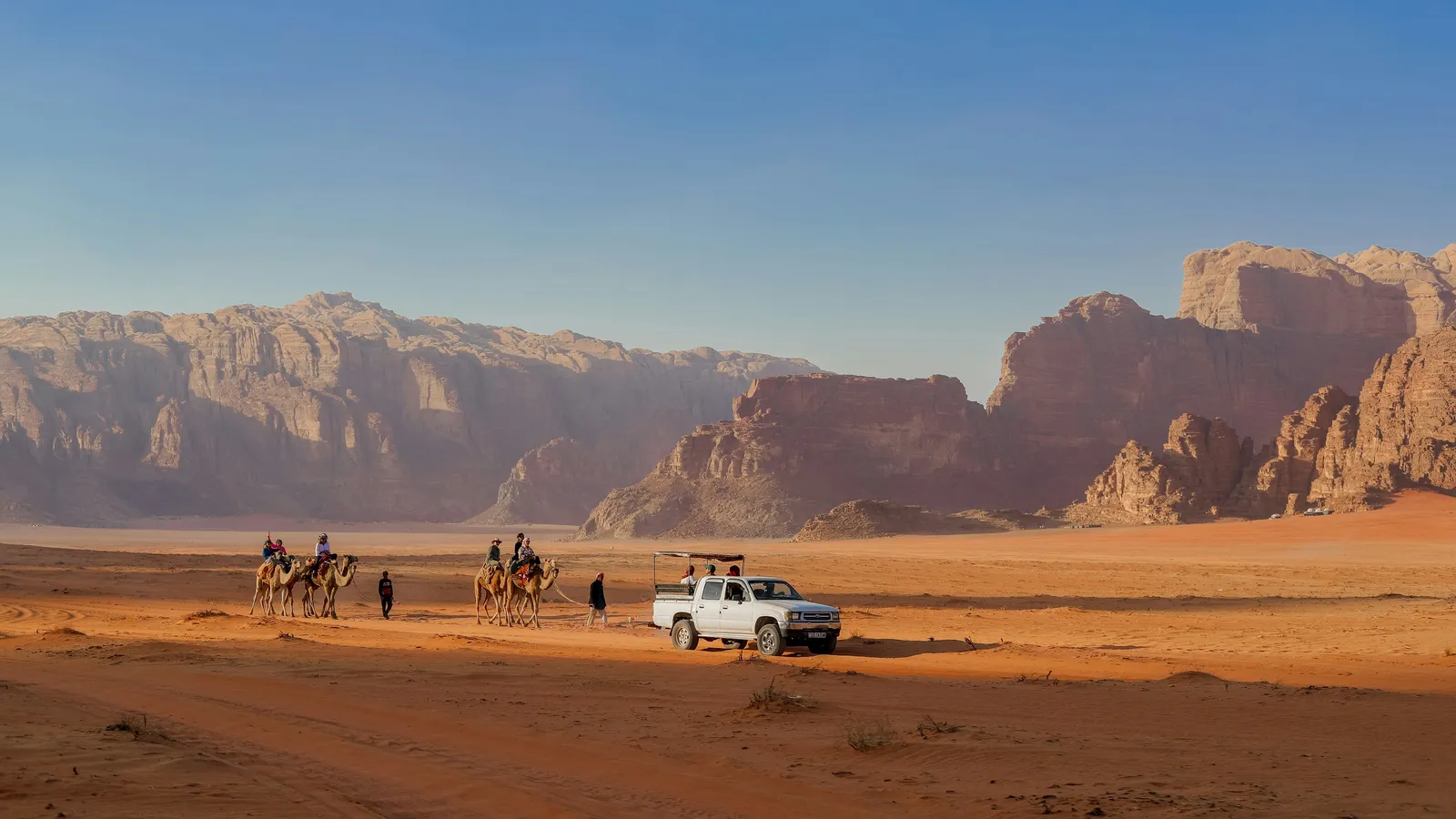
Desert Travel Preparation and Survival
Essential preparation for desert travel in the Sahara, Atacama, Wadi Rum, and Thar including water needs, sun protection, and sandstorm safety.
Read article →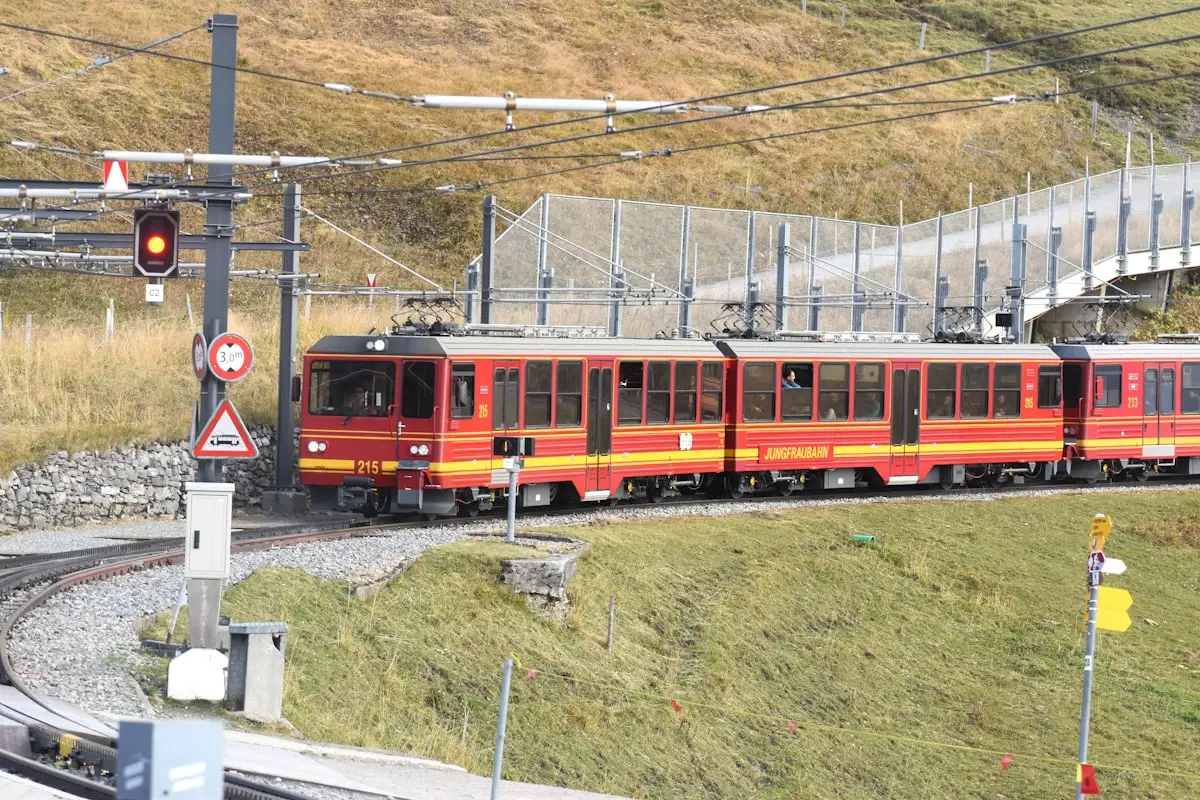
Train Passes: Europe, Japan, and Beyond
Do the math on Eurail passes, Japan Rail Passes, and India train classes — with booking windows, seat reservations, and when point-to-point is cheaper.
Read article →Heading to Jaipur?
Find travel companions to explore Jaipur together on roammate — split costs, share adventures, and make lifelong friends.


To customise this itinerary to your travel style, pace, and budget — download the roammate app to tailor it to your preferences.
Find travel companions in Jaipur →