Icefields Parkway
The most scenic drive in the Canadian Rockies — 232km connecting Banff to Jasper past glaciers, waterfalls, turquoise lakes, and soaring peaks.
1 day in Icefields Parkway
Only got 24 hours? Here's how to experience the best of Icefields Parkway in a single action-packed day.
Icefields Parkway Highlights
Exploring Icefields Parkway
Begin your day at Icefields Parkway early to beat the crowds and catch the best light. The area is most atmospheric in the morning when the air is cool and the landscape catches the first golden rays. Take time to explore the main highlights and capture photographs in the soft morning light. This is the most rewarding time to visit.
Deeper Exploration
Spend the afternoon exploring further afield. Follow the trails deeper into the landscape for more secluded viewpoints and quieter corners. Grab lunch at a local eatery for authentic flavours and budget-friendly prices.
Campfire or Town Dinner
There are no towns or restaurants along the 230km Parkway itself — head to Jasper at the north end or Lake Louise at the south for dinner. If you're camping at one of the roadside campgrounds, cook at your site and store all food in the bear-proof lockers provided. Wildlife-proof storage is mandatory in the Canadian Rockies — bears and elk roam the campgrounds after dark.
3 days in Icefields Parkway
A carefully curated route mixing iconic landmarks, hidden gems, street food, culture, and adventure — designed for younger travelers.
Banff to Lake Louise — Turquoise Lakes & Mountain Hikes
Lake Louise at Dawn — Mirror Reflections
Drive from Banff (45 minutes north on the Parkway) to Lake Louise and arrive before 7am. The famous turquoise lake — coloured by glacial rock flour suspended in meltwater from the Victoria Glacier above — is glass-calm at dawn before afternoon winds arrive. The Chateau Lake Louise hotel sits at the lakeside; wander its public areas for free. Hike the Lake Louise Lakeshore Trail (5.4km return, flat) along the north shore with the Victoria Glacier framed directly ahead. Parks Canada day pass required: CAD $11 per adult.
Plain of Six Glaciers Tea House Hike
Continue past the Lake Louise shoreline trail on the Plain of Six Glaciers Trail (14km return, moderate) to reach the historic Plain of Six Glaciers Tea House — a rustic hut at 2,135m altitude run by alpine guides since 1927, serving soup, sandwiches, and cinnamon buns for CAD $12–18, no credit cards accepted. The trail passes under the face of the Victoria Glacier and across glacier-carved moraines with views of six named glaciers. Allow 5–6 hours including lunch at the tea house.
Moraine Lake at Sunset
Drive 15 minutes from Lake Louise to Moraine Lake — the legendary "Twenty Dollar View" that graced the 1969 Canadian banknote. The lake's intense turquoise is deeper than Lake Louise and the Rockpile viewpoint (10-minute scramble from the car park) frames ten dramatic peaks directly above it. Sunset light turns the peaks salmon-pink while the lake below stays vivid blue. The valley road closes to private vehicles in peak season — the free Parks Canada shuttle runs hourly from Lake Louise Village.
The Parkway Drive — Columbia Icefield & Waterfalls
Bow Lake, Peyto Lake & Crowfoot Glacier
Start the full Icefields Parkway drive north from Lake Louise, stopping at the three most spectacular early viewpoints. Bow Lake (37km north) is the largest lake on the Parkway with Crowfoot Glacier dramatically above it — walk the 3km flat trail to the lake edge. Continue 8km to the Bow Summit pullout (2,088m, the highest point on the Parkway) and hike the 1.6km boardwalk to the Peyto Lake viewpoint — an absurdly turquoise wolf-shaped lake far below, arguably the most photographed lake in Canada. Arrive before 9am.
Columbia Icefield & Athabasca Glacier Walk
Continue 130km north to the Columbia Icefield, the largest icefield in the Canadian Rockies at 325 square kilometres. The Athabasca Glacier flows directly to a viewpoint accessible from the road — park and walk the free public access trail to the glacier's toe (1.5km return). The ice is visibly marked with historic retreat positions: the glacier has retreated over 1.5km since 1890. The Icefield Skywalk (CAD $32) extends glass-floored platform 280m over the Sunwapta Valley. Note: you cannot walk on the glacier without a guided tour (CAD $55).
Sunwapta Falls & Athabasca Falls
The final stretch of the Parkway to Jasper passes two outstanding waterfalls. Sunwapta Falls (185km north of Lake Louise) drops through a narrow canyon in twin channels — a short 500m walk from the car park. Athabasca Falls (23km south of Jasper) is the most powerful waterfall in the Canadian Rockies — the Athabasca River compresses through a 23-metre gorge with extraordinary force even in late summer. Arrive at golden hour for the mist-filled canyon light. Stay in Jasper town for the night — hostels from CAD $40/night.
Jasper National Park — Wildlife, Maligne Lake & Stargazing
Wildlife Drive on the Parkway at Dawn
Jasper National Park has the highest density of large mammals in the Canadian Rockies — the Parkway between Jasper town and the Columbia Icefield is prime wildlife-watching territory at dawn. Elk, mule deer, black bears, and occasionally grizzly bears and wolves are seen from the road in the early morning. Drive slowly between 6–9am with the windows down; pull over well clear of the road if you spot anything. Bighorn sheep regularly appear on the rocky slopes near the Jasper townsite and at the Disaster Point pullout.
Maligne Lake & Spirit Island Boat Tour
Drive 48km east of Jasper town to Maligne Lake, the second-largest glacially-fed lake in the world at 22km long. The famous Spirit Island boat tour (CAD $79, 90 minutes) winds down the lake to the tiny Spirit Island — a spruce-covered islet with Samson Peak reflected perfectly in the surrounding turquoise water. The image is one of Canada's most reproduced photographs. Alternatively, kayak the lake independently (rentals from CAD $60/hour) and paddle as far as the first narrows for similarly dramatic scenery without the tour crowds.
Jasper Dark Sky Preserve — Stargazing
Jasper is the world's second-largest Dark Sky Preserve (11,000 square kilometres) — the milky arc of the galaxy is visible with the naked eye on clear autumn nights. The best stargazing sites near town are Pyramid Lake (8km north, with the mountain's reflection adding foreground interest) and the Athabasca River flats south of town. The Jasper Planetarium runs guided dark sky tours from October to April (CAD $40–70) using portable telescopes. Jupiter's moons, nebulae, and star clusters are visible. Bring every warm layer you own — it drops below zero quickly.
Budget tips
Book ahead online
Tickets and tours booked online are often 10-30% cheaper than walk-in prices. Many attractions sell out in peak season — advance booking guarantees entry and saves money.
Visit in shoulder season
Shoulder months (just before or after peak season) offer better prices on accommodation and flights with similar weather and fewer crowds. Jun – Sep is peak.
Stay nearby, not at the gate
Accommodation directly at the attraction charges a premium. Staying 10-20 minutes away can save 30-50% on nightly rates. Use public transport or a rental car to bridge the gap.
Pack your own lunch
Tourist-area restaurants charge inflated prices. Pack sandwiches, snacks, and a refillable water bottle to save $15-30 per day on food. Buy supplies at local supermarkets or markets.
Free walking tours & guides
Many areas offer free or tip-based guided walks that are better than paid tours. Local guides provide insider knowledge and support the community. Check online for options.
Use local transport
Taxis and private transfers are the most expensive option. Local buses, shared minivans, or ride-sharing are 50-80% cheaper and give you a more authentic experience.
Budget breakdown
Daily costs per person in US dollars. Icefields Parkway costs depend on season, accommodation style, and activity choices — these ranges cover the spectrum from budget backpacker to comfortable mid-range.
| 🎒 Budget | ✨ Mid-Range | 💎 Splurge | |
|---|---|---|---|
| Accommodation Hostels → guesthouses → boutique lodges | $25–60 | $70–150 | $200+ |
| Food Street food → local restaurants → fine dining | $15–30 | $30–60 | $70+ |
| Transport Public buses → shared transfers → private car | $5–15 | $15–40 | $50+ |
| Activities Self-guided → group tours → private guides | $5–20 | $20–60 | $80+ |
| Entry Fees Combined tickets save money | $5–15 | $15–30 | $30–50 |
| Daily Total Budget backpacker → comfortable mid → luxury | $75–190 | $165–370 | $430+ |
Practical info
Entry & Visas
- ETA required
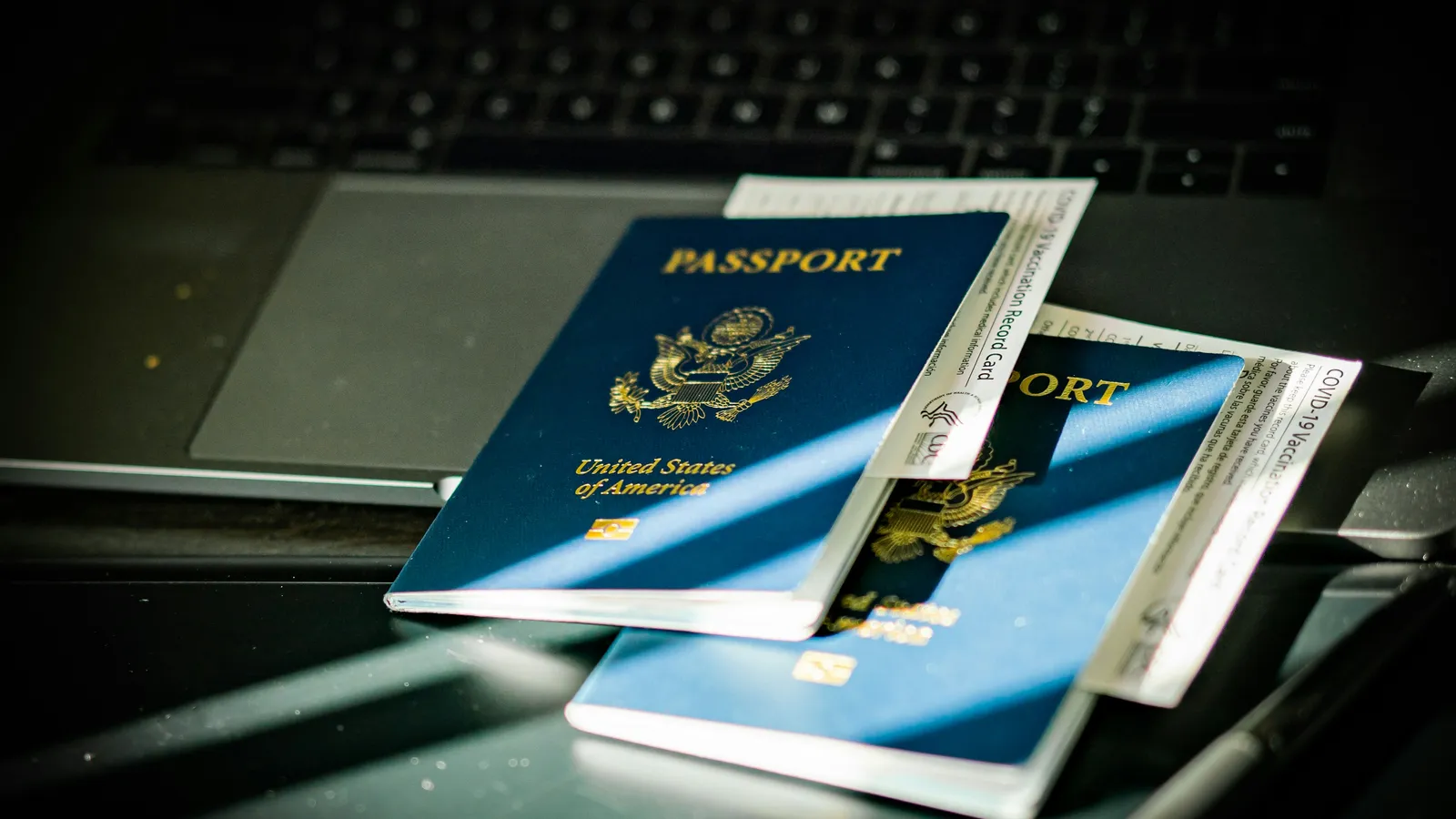
- Keep a digital and physical copy of your passport, visa, and travel insurance at all times
- Entry fees for Icefields Parkway should be paid in CAD — exchange money before arriving
Health & Safety
- Travel insurance with medical evacuation coverage is essential
- Bring a basic first aid kit with blister plasters, antiseptic, painkillers, and any personal medication
- Sun protection is essential — apply SPF 50+ and reapply every 2 hours
Getting Around
- Shared transport or guided tours are the most practical options
- Download offline maps before arriving — mobile data coverage can be patchy in remote areas
- Negotiate transport prices before departure or use metered taxis and ride-hailing apps
Connectivity
- Buy a local SIM card at the airport on arrival for affordable data — much cheaper than international roaming
- WiFi is available at most accommodation but signal quality varies. Download offline maps and guides before heading to remote areas
- Share your itinerary with someone at home and check in daily, especially for remote treks or island visits
Money
- Currency: CAD (Dollar). Cards accepted in tourist areas, but carry cash for local vendors
- ATMs are available in towns and cities. Visa and Mastercard are most widely accepted
- Tip 15-20% at restaurants. Guides and porters appreciate tips — budget $5-10 per day per person
Packing Tips
- Comfortable walking shoes, layers for temperature changes, and a packable rain jacket
- A reusable water bottle, headlamp, and portable phone charger are essential for any outdoor adventure
- Quick-dry clothing is ideal — you can wash and wear repeatedly, reducing pack weight
Cultural tips
Icefields Parkway is a natural wonder — approach with curiosity and respect, and you will be rewarded with one of the most memorable experiences of your travels.
Respect Local Customs
Be mindful of local customs and traditions. Ask before photographing people. Learn basic greetings in the local language — even a simple hello earns goodwill.
Leave No Trace
Pack out all rubbish. Stay on marked trails and paths. Do not touch, feed, or disturb wildlife. The natural beauty of Icefields Parkway depends on every visitor treating it with respect. Take only photos, leave only footprints.
Photography Etiquette
Ask permission before photographing locals, especially in indigenous or traditional communities. Many religious sites have photography restrictions — check signage and respect these rules. Drone regulations vary — check local laws before flying.
Language & Communication
Learn a few words in English — greetings, please, thank you, and numbers go a long way. English is widely spoken in tourist areas but a translation app helps bridge gaps.
Support Local Communities
Choose locally-owned guesthouses, restaurants, and guides over international chains. Buy handicrafts directly from artisans. Your spending has the most impact when it goes directly into the local economy rather than through large tour operators.
Pace & Patience
Allow more time than you think — rushing through natural and cultural sites misses the point. The best experiences come from slowing down and being present.
Reading for Icefields Parkway
Heading to Icefields Parkway?
Find travel companions to explore Icefields Parkway together on roammate — split costs, share adventures, and make lifelong friends.


To customise this itinerary to your travel style, pace, and budget — download the roammate app to tailor it to your preferences.
Find travel companions in Icefields Parkway →