Hiroshima
From atomic devastation to vibrant renewal — a city that turned unimaginable tragedy into the world's most powerful message of peace.
1 day in Hiroshima
Only got 24 hours? Here's how to experience the best of Hiroshima in a single action-packed day.
Hiroshima Highlights
Peace Memorial Park & A-Bomb Dome
Begin at the A-Bomb Dome — the skeletal ruins of the former Hiroshima Prefectural Industrial Promotion Hall, the only structure left standing near the bomb's hypocenter on 6 August 1945. The exposed steel frame and crumbling walls are left exactly as they were after the blast, preserved as a UNESCO World Heritage Site. Walk south through Peace Memorial Park past the Children's Peace Monument draped with thousands of colourful paper cranes, the Flame of Peace (which will burn until all nuclear weapons are eliminated), and the cenotaph that frames the Dome at the end of a long axis of remembrance.
Hiroshima Peace Memorial Museum
Spend the afternoon at the Hiroshima Peace Memorial Museum, extensively renovated and reopened with powerful personal accounts, survivor testimonies, and artefacts from the bombing. The museum does not flinch from the horror — melted watches stopped at 8:15am, scorched clothing, and handwritten accounts from hibakusha (survivors) — but it focuses equally on the message of peace and nuclear abolition. Audio guides are available in multiple languages. Allow at least 2 hours; many visitors spend longer. The experience is harrowing but essential.
Okonomiyaki Dinner & River Walk
Hiroshima's signature dish is Hiroshima-style okonomiyaki — layers of thin crepe, cabbage, bean sprouts, pork, noodles, and egg stacked and cooked on a flat griddle, finished with sweet-savoury sauce. Head to Okonomimura — a multi-storey building near the Hondori shopping arcade with over 20 okonomiyaki stalls, each with counter seating where you watch the chef build your meal on the hot plate in front of you. Afterwards, walk along the Motoyasu River past the illuminated A-Bomb Dome — the ruins are hauntingly beautiful at night, reflected in the dark water.
3 days in Hiroshima
A carefully curated route mixing iconic landmarks, hidden gems, street food, culture, and adventure — designed for younger travelers.
Peace Memorial Park & Hiroshima Castle
A-Bomb Dome & Peace Memorial Park
Start at the A-Bomb Dome at first light. The ruined building stands on the bank of the Motoyasu River exactly as it was left after the atomic bomb detonated 600 metres above on 6 August 1945. Walk south through Peace Memorial Park — a 12-hectare green space built on what was once Hiroshima's busiest commercial district, entirely destroyed in the blast. Pass the Children's Peace Monument (inspired by Sadako Sasaki and her thousand paper cranes), the Memorial Cenotaph containing the names of all known victims, and the Flame of Peace. The park's design — open, green, and quiet — is deliberately hopeful.
Peace Memorial Museum & Orizuru Tower
The Peace Memorial Museum tells the story of the bombing through survivor testimonies, personal belongings, and scientific explanation of the blast's effects. The renovated East Building focuses on individual stories — the lunch box of a schoolchild, a charred tricycle, letters written by mothers searching for children. It is devastating and necessary. After the museum, walk to Orizuru Tower — a modern observation deck overlooking the city and the A-Bomb Dome from above. A paper crane folding station lets you fold your own orizuru and drop it down a glass shaft to join thousands of others.
Hiroshima Castle & Okonomiyaki District
Walk north to Hiroshima Castle — originally built in 1589 by the feudal lord Mori Terumoto, destroyed by the atomic bomb, and faithfully reconstructed in 1958. The five-storey keep houses a museum of Hiroshima's pre-war history and samurai culture, and the top floor offers panoramic city views. The surrounding moat and grounds are pleasant for an evening walk, especially during cherry blossom season. For dinner, head to the Hondori-Nagarekawa district and eat Hiroshima-style okonomiyaki at a local teppan counter — the layered pancake is the city's culinary soul.
Miyajima Island Day Trip
Ferry to Miyajima & Itsukushima Shrine
Take the train and ferry from Hiroshima to Miyajima Island (about 1 hour total) — home to the iconic floating torii gate of Itsukushima Shrine, one of Japan's three most celebrated views. The great vermillion torii appears to float on the sea at high tide and stands on exposed sand flats at low tide when you can walk out to its base. The shrine itself, built on stilts over the water, dates to the 6th century and is a masterpiece of Heian-period architecture with its orange corridors, theatrical stages, and mountain backdrop. Friendly deer roam the island freely.
Mount Misen Hike & Island Exploration
Ride the Miyajima Ropeway or hike the Momijidani trail (90 minutes) to the summit of Mount Misen (535m) — the sacred peak where Kobo Daishi meditated in 806 CE. A flame he lit has allegedly burned continuously for over 1,200 years in the Reikado Hall near the summit. The panoramic views from the observation deck span the Seto Inland Sea, its scattered islands, and the distant Hiroshima coastline. Descend through the primeval forest — designated a UNESCO natural heritage site — where ancient camphor trees and unique rock formations line the path.
Miyajima Street Food & Evening Torii
Explore the Omotesando shopping street before the day-trippers depart. Miyajima is famous for momiji manju (maple-leaf shaped cakes filled with red bean, custard, or chocolate) — watch them being stamped out fresh at the street-front bakeries. Try grilled oysters (Miyajima's waters produce some of Japan's finest), anago-meshi (conger eel on rice), and freshly fried momiji tempura. As evening falls and the crowds thin, the illuminated torii gate reflecting in the dark water with the shrine lights behind it is breathtaking. Take the last ferry back to Hiroshima.
Shukkeien Garden, Local Culture & Departure
Shukkeien Garden & Art Museum
Visit Shukkeien Garden — a miniature landscape garden built in 1620 that compresses mountains, valleys, forests, and a tea house into a compact, exquisitely designed space on the banks of the Kyobashi River. The garden was destroyed by the atomic bomb and painstakingly restored — its survival and renewal mirrors the city's own story. Walk the circuit path around the central pond, crossing arched bridges and passing through groves of plum and cherry trees. Next door, the Hiroshima Prefectural Art Museum houses a strong collection of Japanese and European art, including works by Dalí and Picasso.
Hondori Shopping & Local Hiroshima Life
Explore the Hondori covered shopping arcade — Hiroshima's main pedestrian street stretching for nearly a kilometre through the city centre. The arcade buzzes with local life: department stores, independent boutiques, bookshops, and countless food options. Stop at Tokosan for tsukemen (dipping ramen) — a Hiroshima favourite — or try the local craft beer scene at a taproom. Visit the Hiroshima Manga Library if you have time — a unique free public library dedicated entirely to manga with over 100,000 volumes. The afternoon is for experiencing Hiroshima as a living, vibrant city beyond the peace memorials.
Riverbank Walk & Final Reflections
Hiroshima is built across six rivers on a delta, and the riverside paths are the city's most pleasant walking routes. Take a final walk along the Motoyasu and Honkawa rivers as the city lights reflect on the water. The A-Bomb Dome is illuminated every night and its skeletal silhouette against the dark sky is a sight that stays with you. Cross the T-shaped Aioi Bridge — the bomb's original aiming point — and reflect on how completely this city has rebuilt itself into a thriving, forward-looking metropolis. Depart from Hiroshima Station by Shinkansen — Kyoto is 90 minutes away, Tokyo under 4 hours.
Budget tips
Japan Rail Pass for Shinkansen
If travelling between cities, the JR Pass covers the Shinkansen to and from Hiroshima plus the JR ferry to Miyajima. A single Hiroshima–Tokyo round trip nearly pays for a 7-day pass.
Free Peace Park & memorials
Peace Memorial Park, the A-Bomb Dome, and the Cenotaph are all free to visit. The Peace Museum charges only 200 yen (about $1.50 USD) — one of Japan's best cultural experiences for almost nothing.
Okonomiyaki over restaurants
Hiroshima-style okonomiyaki at local counters costs 800–1,200 yen for a filling meal. Okonomimura and local neighbourhood teppan shops are always cheaper than sit-down restaurants for the same quality.
Ferry to Miyajima with JR Pass
The JR Miyajima ferry is covered by the Japan Rail Pass, saving the 360-yen round trip. The competing Matsudai ferry is not covered — check which pier you're departing from.
Convenience store breakfasts
Japanese convenience stores serve excellent coffee, onigiri, and pastries from 100–300 yen each. A full breakfast for under 500 yen is easy and genuinely good quality.
Walk the compact centre
Hiroshima's main attractions — Peace Park, Castle, Shukkeien, and Hondori — are all within walking distance. The streetcar (tram) costs 220 yen flat fare if your legs need a rest.
Budget breakdown
Daily costs per person in US dollars. Hiroshima is one of Japan's most affordable cities for travellers — the Peace Museum costs just 200 yen and many key sites are free.
| 🎒 Budget | ✨ Mid-Range | 💎 Splurge | |
|---|---|---|---|
| Accommodation Hostels → business hotels → boutique hotels | $25–50 | $60–130 | $160+ |
| Food Okonomiyaki counters → local restaurants → kaiseki | $10–20 | $25–50 | $60+ |
| Transport Walking & streetcar → JR trains → Shinkansen & taxi | $5–10 | $10–25 | $40+ |
| Activities Peace Park free → museums → guided tours | $2–10 | $15–40 | $50+ |
| Entry Fees Most sites are free or very cheap | $2–5 | $10–20 | $25–40 |
| Daily Total Budget backpacker → comfortable mid → luxury | $44–95 | $120–265 | $335+ |
Practical info
Entry & Visas
- Visa-free entry for most Western nationalities (up to 90 days)
- Japan requires completing a Visit Japan Web form before arrival for immigration and customs
- Carry your passport at all times — it is a legal requirement for foreign visitors in Japan
Health & Safety
- Hiroshima is extremely safe with very low crime rates — comfortable for solo travellers at all hours
- The Peace Museum content is emotionally intense — take breaks and walk along the river if you need to decompress
- Summer heat and humidity (July–August) are extreme — stay hydrated and use the shaded arcades for relief
Getting Around
- Hiroshima's streetcar (tram) network covers the entire city centre — flat fare of 220 yen per ride
- Shinkansen from Osaka (80 min), Kyoto (90 min), or Tokyo (4 hours) — covered by Japan Rail Pass (Sakura/Hikari)
- Miyajima Island: JR train to Miyajimaguchi (25 min) then JR ferry (10 min) — both covered by JR Pass
Connectivity
- Rent a pocket WiFi or buy an eSIM at the airport — essential for maps, translation, and tide times for Miyajima
- Free WiFi is available on the streetcar, at JR stations, and in most cafés and accommodation
- Download Google Translate's Japanese language pack and offline maps before arriving in Hiroshima
Money
- Currency: JPY (Yen). Cash is essential for okonomiyaki stalls, streetcars, and small shops
- 7-Eleven and Post Office ATMs accept international cards. Carry at least 5,000 yen in cash at all times
- Tipping is not practised in Japan — it can cause confusion. A sincere thank you is always appropriate
Packing Tips
- Comfortable walking shoes — you will cover significant distance across Peace Park, Miyajima, and the city centre
- A compact umbrella is essential year-round — Hiroshima receives heavy rain, especially during the June tsuyu season
- Bring tissues and a handkerchief — public restrooms may not have paper, and the museum can be emotional
Cultural tips
Hiroshima carries a profound weight of history — approach its memorials with quiet respect, but also embrace the vibrant, forward-looking city that rose from the ashes.
Respect at Peace Park
Peace Memorial Park is a place of remembrance for over 140,000 people. Speak quietly, do not pose casually for photos at the memorials, and approach the cenotaph and Dome with the solemnity they deserve.
Fold a Paper Crane
The paper crane (orizuru) is Hiroshima's symbol of peace, inspired by Sadako Sasaki. Fold one at Orizuru Tower or bring your own to leave at the Children's Peace Monument — it is a meaningful gesture recognised by the city.
Photography Etiquette
Photography is allowed in Peace Park and at the Dome. Inside the museum, check each gallery — some restrict photography. On Miyajima, photograph the torii and shrine freely but respect worshippers at active prayer areas.
Language & Communication
Learn basic Japanese: sumimasen (excuse me), arigatou gozaimasu (thank you), oishii (delicious — useful at okonomiyaki counters). Peace Park has excellent English signage; elsewhere, a translation app helps.
Support Local Recovery
Hiroshima rebuilt itself from total destruction through community resilience. Support local businesses — eat at family-run okonomiyaki counters, buy from local craft shops, and spend time understanding the city beyond the memorials.
Allow Time to Process
The Peace Museum and memorials are emotionally heavy. Do not rush through — sit by the river, walk slowly, and give yourself space to absorb what you learn. Hiroshima asks you to witness and remember.
Hiroshima is on these routes
Reading for Hiroshima
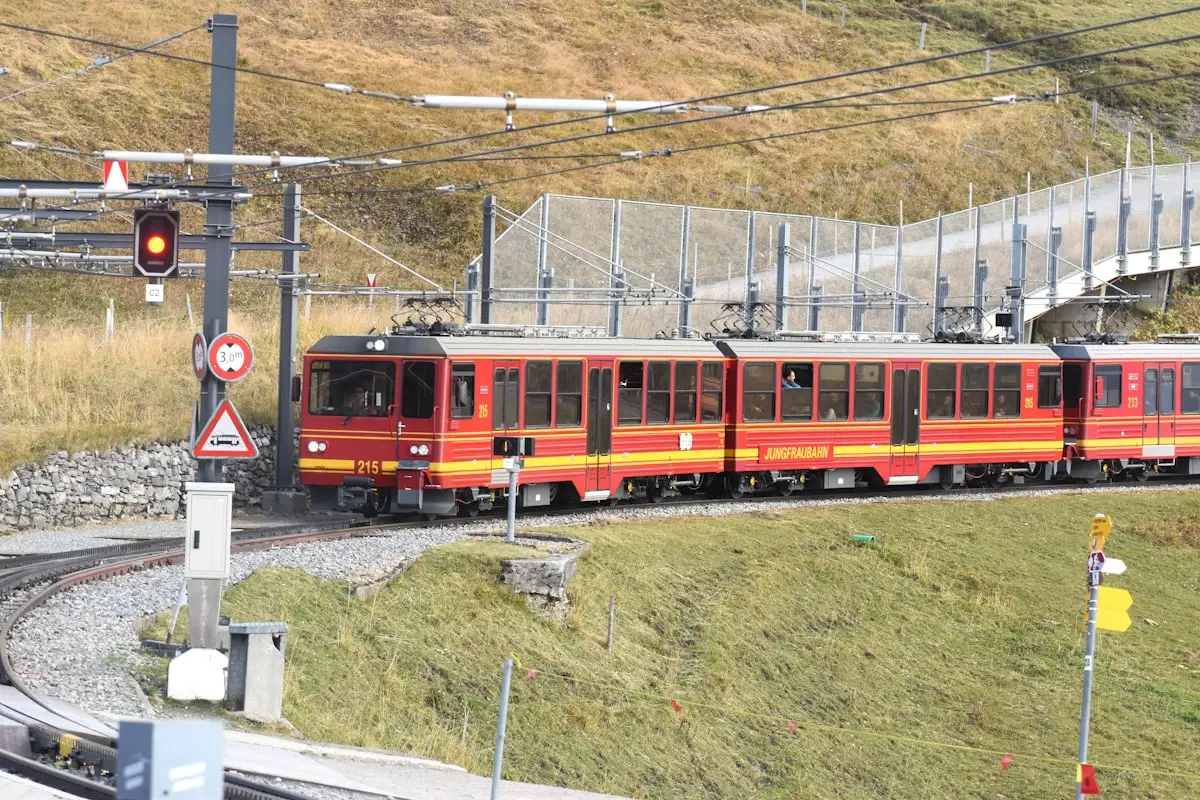
Train Passes: Europe, Japan, and Beyond
Do the math on Eurail passes, Japan Rail Passes, and India train classes — with booking windows, seat reservations, and when point-to-point is cheaper.
Read article →
Working Holiday Visa Playbook
Complete guide to working holiday visas in Australia, New Zealand, Canada, Japan, and South Korea with age limits, timelines, and job strategies.
Read article →
Your First Month in Southeast Asia
Plan your first 30 days in Southeast Asia with a tested itinerary covering Thailand, Cambodia, and Vietnam without rushing or overspending.
Read article →Heading to Hiroshima?
Find travel companions to explore Hiroshima together on roammate — share this powerful experience, split costs, and make lifelong friends.


To customise this itinerary to your travel style, pace, and budget — download the roammate app to tailor it to your preferences.
Find travel companions in Hiroshima →