Great Wall
The greatest construction project in human history — 21,000km of fortifications snaking across mountain ridges, best experienced at the wilder unrestored sections near Beijing.
1 day in Great Wall
Only got 24 hours? Here's how to experience the best of Great Wall in a single action-packed day.
Great Wall Highlights
Exploring Great Wall
Begin your day at Great Wall early to beat the crowds and catch the best light. The main site is most atmospheric in the morning when the air is cool and the landscape catches the first golden rays. Take time to explore the main highlights and capture photographs in the soft morning light. This is the most rewarding time to visit.
Deeper Exploration
Spend the afternoon exploring further afield. Explore the surrounding areas, museums, or lesser-known sections that most visitors miss. Grab lunch at a local eatery for authentic flavours and budget-friendly prices.
Golden Hour & Farewell
End the day watching the golden hour transform the landscape. The evening light at Great Wall is spectacular and worth waiting for. Find a local restaurant for dinner — local specialties at honest prices.
3 days in Great Wall
A carefully curated route mixing iconic landmarks, hidden gems, street food, culture, and adventure — designed for younger travelers.
Mutianyu — Restored Wall & Toboggan Descent
Mutianyu Section at Opening Time
Take a tourist bus or hired car from Beijing (90 minutes, ¥80–100 via shared bus from Dongzhimen) to Mutianyu, the best-preserved and most accessible section of the Wall for independent visitors. Open from 7:30am, the first hour is peaceful — mist often hangs between the mountain ridges while the brick watchtowers emerge from it. The Wall here runs 2.2km with 22 watchtowers and dates to the Ming Dynasty (1368–1644). Cable car up costs ¥50; admission ¥65. The eastern end has steeper, less-visited sections.
Toboggan Descent & Mutianyu Village
Descend from the Wall via the toboggan slide (¥65) — a 1,580-metre stainless steel luge that snakes down the mountainside through pine forest. It's genuinely fast and brilliant fun — control your speed with a hand brake. Back in Mutianyu village, the restaurants and family guesthouses along the main street offer excellent lunch: hand-pulled noodles, stir-fried mountain vegetables, and free-range chicken from ¥40–80 per dish. The village is far more atmospheric than the souvenir stalls at the ticket gate.
Return to Beijing — Hutong Night Walk
Return to Beijing by late afternoon and spend the evening in the Nanluoguxiang hutong neighbourhood — a network of preserved Ming-era alleyways in central Beijing filled with local restaurants, craft beer bars, and dumpling shops. The hutongs are most alive after dark when residents sit outside and neon-lit street food stalls set up. Try Jianbing (Beijing street crêpe) for ¥10, cold Yanjing beer for ¥5, and a plate of Peking duck from Da Dong restaurant (¥150–200 half duck) if budget allows.
Jinshanling — Unrestored Wild Wall
Jinshanling Section — Ming Dynasty Wilderness
Take a morning bus or hired car 140km northeast of Beijing to Jinshanling (2.5 hours), the most photogenic section of the Wall and the starting point for the legendary Jinshanling-to-Simatai trek. Unlike the restored Mutianyu, Jinshanling has sections of crumbling original Ming brick where weeds grow between the battlements and towers stand in various states of decay. The Wall here undulates dramatically over steep ridgelines — photographically extraordinary, physically demanding. Entry ¥65; open from 7am.
Jinshanling–Simatai Trek (10km)
The 10km ridge walk from Jinshanling east to Simatai takes 4–5 hours and passes through 67 watchtowers across increasingly dramatic terrain. The Wall narrows to single-file in places, drops sharply down granite ridges, and gives views north into Hebei Province and south toward the Beijing plain. Simatai is unique in opening for night visits (¥130 including cable car) — bring a torch and arrive by 4pm to complete the trek in daylight then watch dusk from the highest tower.
Gubeikou Village & Overnight Stay
Stay overnight in Gubeikou village between Jinshanling and Simatai — a preserved Ming-era garrison town where locals still live in traditional courtyard houses beneath a crumbling, unrestored section of Wall. Brickyard Retreat is a boutique eco-lodge built into the hillside with rooms facing the Wall — doubles from ¥600–1,000. The village restaurant serves Beijing-style home cooking: sour cabbage pork, steamed buns, and millet porridge. At dusk, walk to the village edge and watch the Wall turn copper-red as the sun drops behind the western ridgeline.
Badaling & Beijing Old City — History & Departure
Badaling — The Original Restored Wall
Visit Badaling — the most famous and most-visited section of the Wall, 80km northwest of Beijing — early on your final morning before the crowds arrive. Despite its reputation for crowds, the section north of the ticket gate is significantly less visited and offers genuinely dramatic walking with wide battlements, original Ming watchtowers, and mountain panoramas. Admission ¥40 (winter) to ¥65 (summer); accessible via direct train from Beijing Qinghe station in 35 minutes for ¥30 — far faster and cheaper than the tourist buses.
Ming Tombs & Sacred Way
On the route back to Beijing, stop at the Ming Tombs (Shisanling) — the burial complex of 13 Ming Dynasty emperors 10km south of Badaling. The Sacred Way entrance is lined with 36 pairs of stone animals and officials — military figures, scholars, lions, camels, and mythical qilin — that once guided imperial funeral processions. The Dingling Underground Palace (burial vault of Emperor Wanli, excavated 1956) can be entered for ¥65. The complex is half-deserted compared to Badaling and equally historic.
Forbidden City Evening Walk & Final Peking Duck
Return to Beijing for a final evening walk around Tiananmen Square and the Forbidden City's outer walls — magnificent at dusk when the red walls and golden rooftops catch the last light. The Forbidden City itself (¥60, closed Mondays) closes by 5pm but the surrounding moat and gate towers are accessible and free. For a farewell dinner, Quanjude on Qianmen Street is Beijing's oldest Peking Duck restaurant (established 1864) — a whole duck costs ¥250–350 and the tableside carving ceremony makes it a worthy final meal.
Budget tips
Book ahead online
Tickets and tours booked online are often 10-30% cheaper than walk-in prices. Many attractions sell out in peak season — advance booking guarantees entry and saves money.
Visit in shoulder season
Shoulder months (just before or after peak season) offer better prices on accommodation and flights with similar weather and fewer crowds. Apr – Jun is peak.
Stay nearby, not at the gate
Accommodation directly at the attraction charges a premium. Staying 10-20 minutes away can save 30-50% on nightly rates. Use public transport or a rental car to bridge the gap.
Pack your own lunch
Tourist-area restaurants charge inflated prices. Pack sandwiches, snacks, and a refillable water bottle to save $15-30 per day on food. Buy supplies at local supermarkets or markets.
Free walking tours & guides
Many areas offer free or tip-based guided walks that are better than paid tours. Local guides provide insider knowledge and support the community. Check online for options.
Use local transport
Taxis and private transfers are the most expensive option. Local buses, shared minivans, or ride-sharing are 50-80% cheaper and give you a more authentic experience.
Budget breakdown
Daily costs per person in US dollars. Great Wall costs depend on season, accommodation style, and activity choices — these ranges cover the spectrum from budget backpacker to comfortable mid-range.
| 🎒 Budget | ✨ Mid-Range | 💎 Splurge | |
|---|---|---|---|
| Accommodation Hostels → guesthouses → boutique lodges | $25–60 | $70–150 | $200+ |
| Food Street food → local restaurants → fine dining | $15–30 | $30–60 | $70+ |
| Transport Public buses → shared transfers → private car | $5–15 | $15–40 | $50+ |
| Activities Self-guided → group tours → private guides | $5–20 | $20–60 | $80+ |
| Entry Fees Combined tickets save money | $5–15 | $15–30 | $30–50 |
| Daily Total Budget backpacker → comfortable mid → luxury | $75–190 | $165–370 | $430+ |
Practical info
Entry & Visas
- Transit visa-free 144h
- Keep a digital and physical copy of your passport, visa, and travel insurance at all times
- Entry fees for Great Wall should be paid in CNY — exchange money before arriving
Health & Safety
- Travel insurance with medical evacuation coverage is essential
- Bring a basic first aid kit with blister plasters, antiseptic, painkillers, and any personal medication
- Sun protection is essential — apply SPF 50+ and reapply every 2 hours
Getting Around
- Shared transport or guided tours are the most practical options
- Download offline maps before arriving — mobile data coverage can be patchy in remote areas
- Negotiate transport prices before departure or use metered taxis and ride-hailing apps
Connectivity
- Buy a local SIM card at the airport on arrival for affordable data — much cheaper than international roaming
- WiFi is available at most accommodation but signal quality varies. Download offline maps and guides before heading to remote areas
- Share your itinerary with someone at home and check in daily, especially for remote treks or island visits
Money
- Currency: CNY (Yuan). Cards accepted in tourist areas, but carry cash for local vendors
- ATMs are available in towns and cities. Visa and Mastercard are most widely accepted
- Tip 10-15% at restaurants. Guides and porters appreciate tips — budget $5-10 per day per person
Packing Tips
- Comfortable walking shoes, layers for temperature changes, and a packable rain jacket
- A reusable water bottle, headlamp, and portable phone charger are essential for any outdoor adventure
- Quick-dry clothing is ideal — you can wash and wear repeatedly, reducing pack weight
Cultural tips
Great Wall is a place of deep cultural significance — approach with curiosity and respect, and you will be rewarded with one of the most memorable experiences of your travels.
Respect Local Customs
Be mindful of local customs and traditions. Ask before photographing people. Learn basic greetings in the local language — even a simple hello earns goodwill.
Leave No Trace
Pack out all rubbish. Stay on marked trails and paths. Do not touch, feed, or disturb wildlife. The natural beauty of Great Wall depends on every visitor treating it with respect. Take only photos, leave only footprints.
Photography Etiquette
Ask permission before photographing locals, especially in indigenous or traditional communities. Many religious sites have photography restrictions — check signage and respect these rules. Drone regulations vary — check local laws before flying.
Language & Communication
Learn a few words in Mandarin — greetings, please, thank you, and numbers go a long way. English is limited outside tourist areas but a translation app helps bridge gaps.
Support Local Communities
Choose locally-owned guesthouses, restaurants, and guides over international chains. Buy handicrafts directly from artisans. Your spending has the most impact when it goes directly into the local economy rather than through large tour operators.
Pace & Patience
Allow more time than you think — rushing through natural and cultural sites misses the point. The best experiences come from slowing down and being present.
Reading for Great Wall
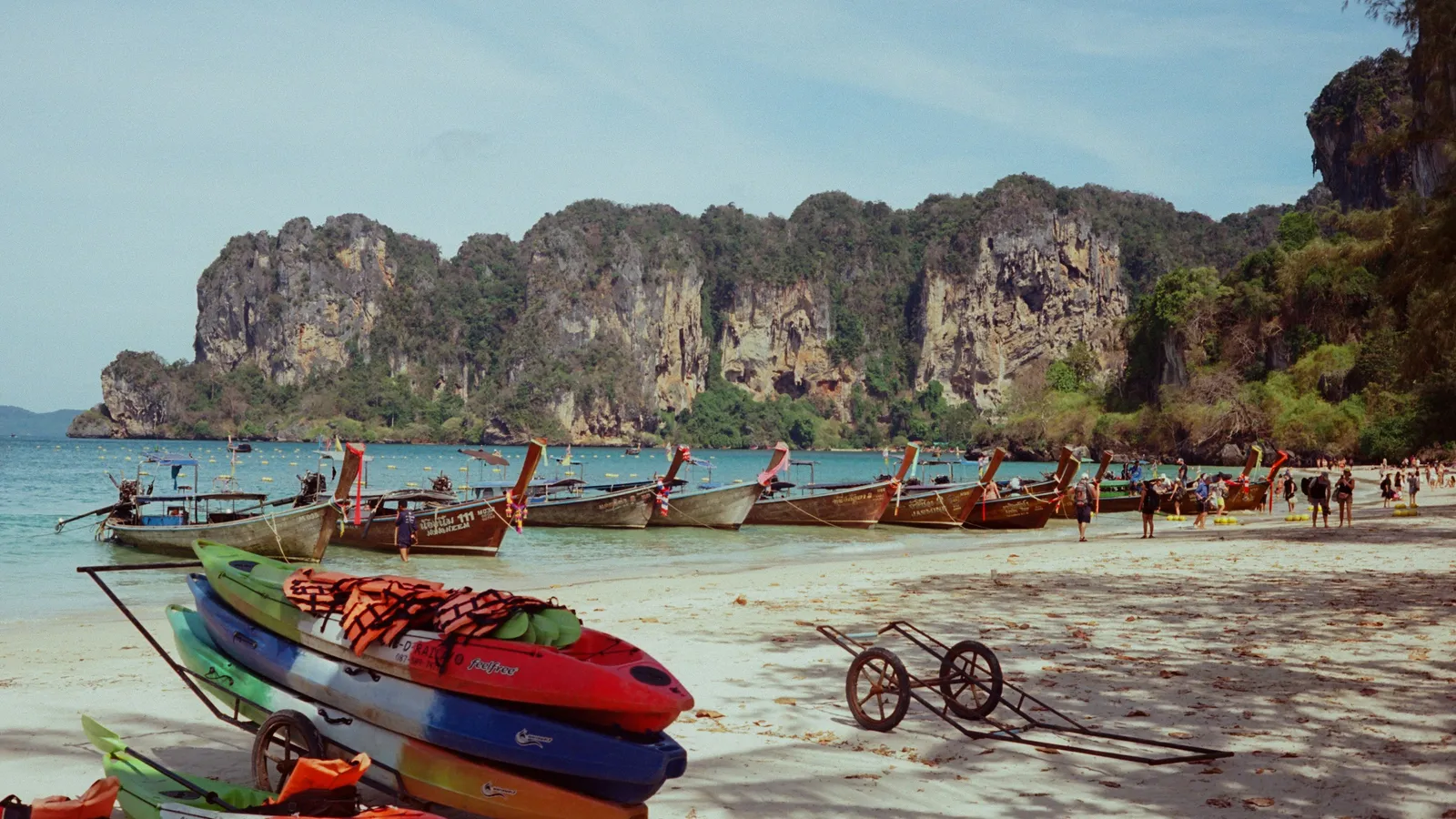
Your First Month in Southeast Asia
Plan your first 30 days in Southeast Asia with a tested itinerary covering Thailand, Cambodia, and Vietnam without rushing or overspending.
Read article →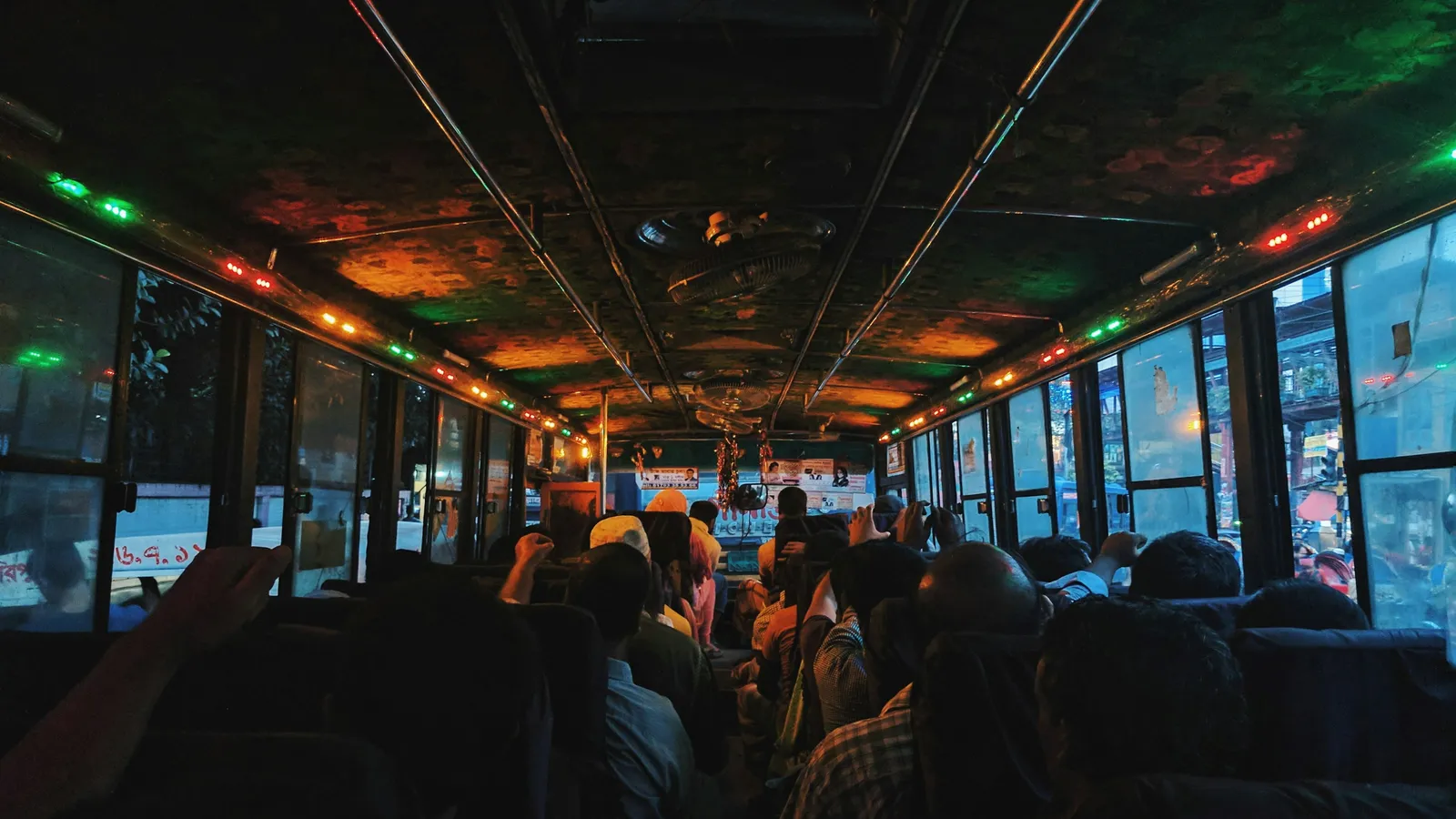
Night Bus Survival Guide
Survive overnight buses across Southeast Asia and South America with tested strategies for sleep, security, and arriving functional.
Read article →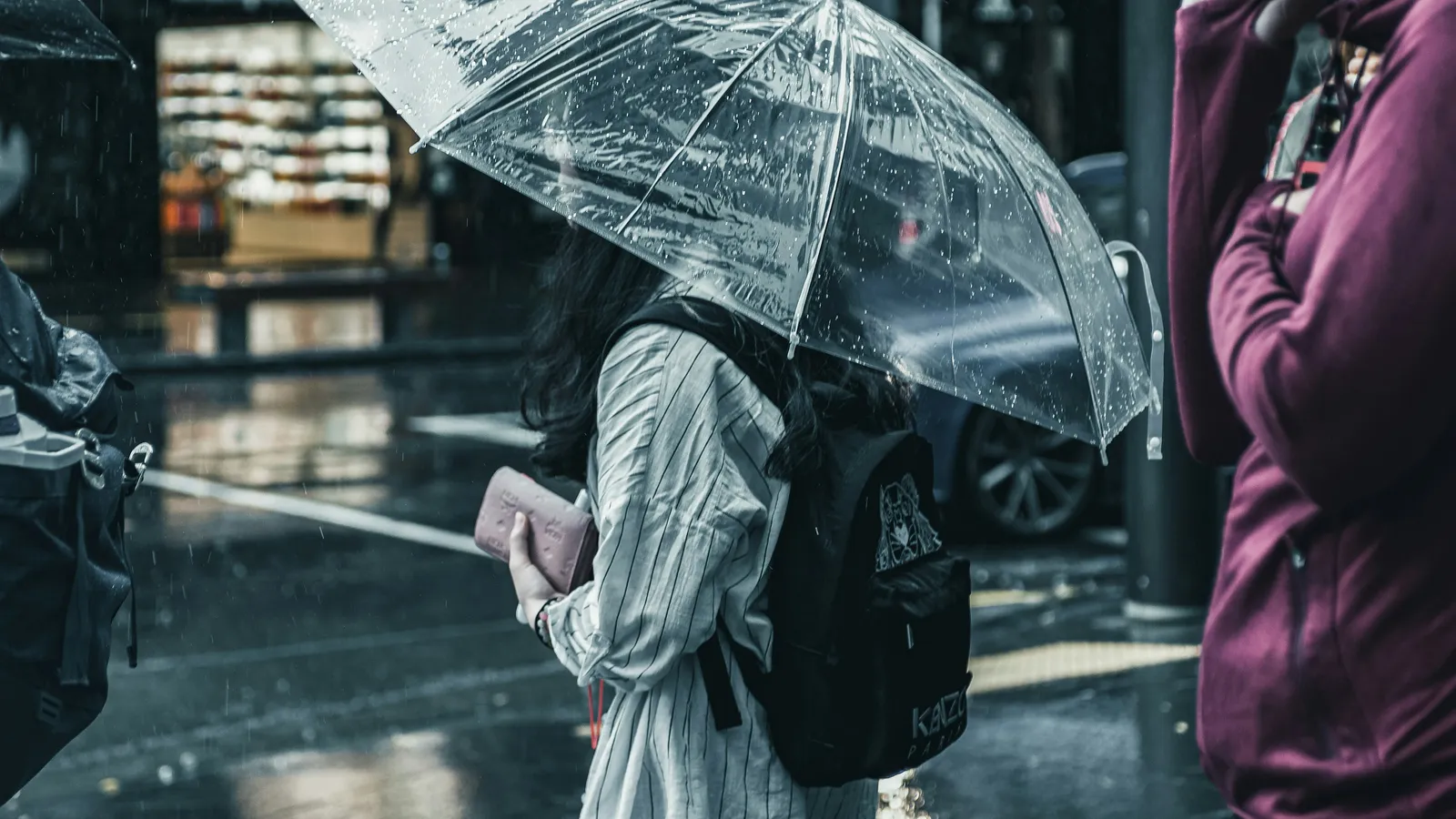
Why Rainy Season Is Your Secret Advantage
Turn rainy season into a travel advantage with lower prices, fewer crowds, and lush landscapes across Southeast Asia and Central America.
Read article →Heading to Great Wall?
Find travel companions to explore Great Wall together on roammate — split costs, share adventures, and make lifelong friends.


To customise this itinerary to your travel style, pace, and budget — download the roammate app to tailor it to your preferences.
Find travel companions in Great Wall →