Granada
Moorish palaces, cave flamenco, and free tapas — where the Alhambra glows against snow-capped Sierra Nevada peaks.
1 day in Granada
Only got 24 hours? Here's how to experience the best of Granada in a single action-packed day.
Granada Highlights
The Alhambra & Generalife Gardens
Spend your morning at the Alhambra, one of the greatest examples of Islamic architecture in the world. The Nasrid Palaces are the centrepiece — intricate carved stucco, geometric tilework, and the legendary Court of the Lions with its marble fountain surrounded by 124 white marble columns. The Generalife summer palace gardens above are a peaceful counterpoint: water channels, cypress groves, and framed views over the Darro valley. Arrive when the gates open to enjoy the Nasrid Palaces before the day-tour crowds fill the narrow corridors.
Albaicín & Mirador San Nicolás
Walk downhill from the Alhambra and cross the Darro river into the Albaicín, Granada's ancient Moorish quarter and a UNESCO World Heritage Site. The narrow cobblestone lanes wind steeply uphill past whitewashed houses with hidden carmen gardens, tea shops serving Moroccan mint tea, and small plazas with orange trees. Climb to the Mirador de San Nicolás for the most famous view in Spain — the entire Alhambra palace complex framed against the snow-capped Sierra Nevada mountains. Grab a late lunch at one of the tapas bars on Calle Calderería Nueva.
Sacromonte Flamenco & Cave Bars
Head to Sacromonte, the Roma neighbourhood built into the hillside caves above the Albaicín. This is the birthplace of Granada's zambra flamenco tradition — a raw, intimate style performed in whitewashed cave venues where the performers are arm's length away and the sound reverberates off the rock walls. Book a cave flamenco show (typically 60–90 minutes with a drink included) for an unforgettable evening. After the show, walk the Camino del Sacromonte to see the lit-up Alhambra from the east side.
3 days in Granada
A carefully curated route mixing iconic landmarks, hidden gems, street food, culture, and adventure — designed for younger travelers.
Alhambra, Albaicín & Flamenco
The Alhambra — Nasrid Palaces & Alcazaba
Begin at the Alhambra, entering through the Gate of Justice and heading straight to the Nasrid Palaces during your allocated time slot. The Hall of the Ambassadors has the most complex wooden ceiling in Islamic art — 8,017 individual pieces of cedar arranged in a star pattern representing the seven heavens. The Court of the Myrtles reflects the entire south facade in its still pool. After the palaces, walk up to the Alcazaba fortress — the oldest part of the complex — and climb the Torre de la Vela for panoramic views across Granada, the Albaicín, and the Sierra Nevada. Finish with the Generalife gardens and their gravity-fed water channels.
Albaicín & Carrera del Darro
Descend from the Alhambra via the Cuesta de los Chinos path through the woods to the Carrera del Darro, one of Spain's most beautiful streets. It follows the river beneath the Alhambra walls, passing the 11th-century Arab baths (Bañuelos) and Renaissance palaces. Cross into the Albaicín and wind through the Moorish quarter — look for carmen houses with walled gardens, the Placeta de San Miguel Bajo for a quiet beer, and the spice shops on Calderería Nueva. End at the Mirador de San Nicolás as the afternoon light turns golden on the Alhambra.
Sacromonte Cave Flamenco
Walk from the Albaicín into Sacromonte, the hillside cave neighbourhood that gave birth to Granada's zambra flamenco. Book an intimate cave show — 30 to 40 seats in a whitewashed cave where the guitar, singing, and dance reverberate off the stone walls at arm's length. The emotional intensity is unlike anything you will see in a theatre. After the show, walk back along the Camino del Sacromonte with views of the illuminated Alhambra glowing above the valley.
Cathedral Quarter, Hammam & Tapas Trail
Granada Cathedral & Royal Chapel
Start at the Granada Cathedral, a massive Renaissance structure built on the site of the former Great Mosque after the Reconquista. The interior is surprisingly luminous — white stone columns soaring to a 30-metre vaulted ceiling. Next door, the Capilla Real (Royal Chapel) houses the tombs of Ferdinand and Isabella, the Catholic Monarchs who completed the Reconquista and funded Columbus's voyage. Their marble effigies and the small museum of Flemish paintings and Isabella's personal art collection are highlights.
Arab Baths & Realejo Quarter
Book an afternoon session at Hammam Al Ándalus, a restored Arab bathhouse in the Albaicín with hot, warm, and cold pools beneath brick arches and star-shaped skylights — an extraordinarily relaxing experience. Afterwards, explore the Realejo quarter, Granada's former Jewish neighbourhood. Look for the street art by El Niño de las Pinturas, wander through the Campo del Príncipe plaza, and visit the Casa de los Tiros museum (free entry) for insights into Granada's multicultural history.
Free Tapas Bar Crawl
Granada's free tapas tradition is legendary — every drink order comes with a complimentary tapa that increases in quality and size with each round at the same bar. Start on Calle Navas near Plaza del Carmen for the classic tourist-friendly crawl, then head to the more local bars around Plaza de Gracia and Calle Elvira. Order a tinto de verano (red wine with lemon soda) or a caña and let the kitchen decide your food. Three or four stops and you will have eaten a full dinner for the price of drinks.
Sierra Nevada & Sunset Viewpoints
Sierra Nevada Day Trip
Take the bus (45 minutes) or drive up to the Sierra Nevada, the highest mountain range in mainland Spain. In winter the ski resort is Europe's southernmost; in summer and shoulder season the high-altitude hiking trails above 2,500m offer spectacular alpine landscapes just 30km from the city. The Hoya de la Mora area at 2,500m is accessible by road and gives immediate access to high mountain trails with views stretching to the Mediterranean on clear days. Even a short walk at altitude is exhilarating.
Monasterio de la Cartuja & Local Life
Return to Granada and visit the Monasterio de la Cartuja, a Carthusian monastery on the north side of the city. The sacristy is considered one of the finest examples of Spanish Baroque architecture — a riot of marble, stucco, and gold that contrasts sharply with the austere monastic exterior. Afterwards, wander the university quarter around Calle Pedro Antonio de Alarcón — this is where Granada's students eat, drink, and socialise, giving you a taste of the city beyond the tourist trail.
Sunset from Mirador San Miguel Alto
For your final evening, climb to the Mirador de San Miguel Alto — higher and quieter than the famous San Nicolás viewpoint. The panorama is extraordinary: the entire Alhambra and Generalife framed against the Sierra Nevada, with the city of Granada spreading below and the Vega plain stretching to the horizon. Bring a bottle of local wine and some olives from the market and watch the sun set behind the mountains. Walk back down through the Albaicín for a final tapas dinner in the lanes you have come to know.
7 days in Granada
A full week to go deep — from famous landmarks to local neighbourhoods, day trips, hidden gems, and proper local immersion.
Alhambra, Albaicín & Flamenco
The Alhambra — Full Exploration
Dedicate your entire morning to the Alhambra complex. Enter through the Gate of Justice and visit the Alcazaba fortress first — climb the Torre de la Vela for a panoramic view over Granada. Then proceed to the Nasrid Palaces during your time slot: the Mexuar council chamber, the Court of the Myrtles, the Hall of the Ambassadors with its cedar ceiling of 8,017 pieces, and the Court of the Lions. Take your time — there are details in the carved stucco and tilework that reveal themselves only on slow, close inspection. Finish in the Generalife summer palace gardens above.
Albaicín Quarter & Tea Houses
Descend via the Cuesta de los Chinos forest path to the Carrera del Darro. Cross into the Albaicín and lose yourself in the Moorish lanes — whitewashed houses, hidden carmen gardens, spice shops on Calderería Nueva, and small plazas with orange trees. Stop at a tetería (Moroccan tea house) for mint tea and pastries. Climb to the Mirador de San Nicolás for the iconic view of the Alhambra against the Sierra Nevada.
Sacromonte Cave Flamenco
Walk into Sacromonte for an intimate cave zambra flamenco show. The sound in these small whitewashed caves — 30 seats, stone walls, the guitar and palmas reverberating at arm's length — is entirely different from a theatre performance. The emotional intensity is extraordinary. Book a small venue for the best experience. After the show, walk back along the Camino del Sacromonte with the illuminated Alhambra above.
Cathedral, Royal Chapel & Hammam
Granada Cathedral & Royal Chapel
Visit the Renaissance Cathedral with its soaring 30-metre white stone vaults, then the adjacent Royal Chapel housing the tombs of Ferdinand and Isabella. The monarchs' marble effigies and Isabella's personal Flemish painting collection are remarkable. Walk around the nearby Alcaicería, the reconstructed Moorish silk market, now filled with souvenir shops but retaining the narrow covered lane structure of the original bazaar.
Hammam Al Ándalus
Book a session at Hammam Al Ándalus in the Albaicín — hot, warm, and cold pools beneath brick arches and star-shaped skylights. The 90-minute bath-and-massage package is deeply relaxing after a morning of sightseeing. The building itself is beautiful, restored in the style of the original Arab baths that once served this neighbourhood.
Free Tapas Bar Crawl
Start your tapas education on Calle Navas, then move to the more local bars around Plaza de Gracia and Calle Elvira. Every drink comes with a free tapa — the portions and quality increase with each round at the same bar. Order cañas, tintos de verano, or local wine and let the kitchen surprise you. Three or four stops makes a full dinner.
Sierra Nevada & Realejo Quarter
Sierra Nevada High Altitude
Take the bus (45 minutes) up to the Sierra Nevada — mainland Spain's highest mountains. The Hoya de la Mora area at 2,500m is road-accessible and offers immediate high-altitude hiking with views to the Mediterranean. In winter it is a ski resort; in spring and autumn the trails above the treeline are spectacular. Even a two-hour walk at altitude refreshes the senses after city exploration.
Realejo Quarter & Street Art
Return to the city and explore the Realejo, Granada's former Jewish quarter. Hunt for the large-scale murals by El Niño de las Pinturas, relax in the Campo del Príncipe plaza, and visit the Casa de los Tiros museum. This neighbourhood has a more local, student-driven atmosphere than the Albaicín.
Sunset at Mirador San Miguel Alto
Climb to Mirador de San Miguel Alto — higher and much quieter than San Nicolás. The panorama takes in the Alhambra, Sierra Nevada, and the Vega plain. Bring wine and olives from the market and watch the sun set. Descend through the Albaicín for dinner.
Cartuja Monastery & University Quarter
Monasterio de la Cartuja
Visit the Carthusian monastery on the north side of the city. The sacristy is one of Spain's most extraordinary Baroque interiors — marble, stucco, and gold in dizzying profusion, a dramatic contrast to the austere monastic exterior. The cloister and church are equally impressive, with paintings by Sánchez Cotán.
University Quarter & Science Park
Explore the student quarter around Pedro Antonio de Alarcón — cheap tapas bars, bookshops, and the Parque de las Ciencias, an interactive science museum with a planetarium, butterfly house, and observation tower. The museum is excellent for a change of pace from historical sites.
Albaicín Night Walk
Return to the Albaicín after dark when the narrow lanes are quiet and atmospheric. The Mirador de San Nicolás at night offers a completely different Alhambra experience — the fortress is illuminated and glows against the dark Sierra Nevada backdrop. Find a carmen restaurant with a terrace view for a special dinner.
Alpujarras White Villages Day Trip
Drive to the Alpujarras
Rent a car or take the bus south into the Alpujarras, a series of whitewashed villages clinging to the southern slopes of the Sierra Nevada. The villages of Pampaneira, Bubión, and Capileira in the Poqueira gorge are the most accessible — flat-roofed Berber-style houses with chimneys and terraces, narrow lanes, and craft shops selling local textiles, pottery, and jamón serrano from the mountain pigs. The drive itself is spectacular, winding through terraced valleys.
Hiking Between Villages
Walk between the three Poqueira gorge villages on well-marked paths through chestnut and walnut groves with views down to the Mediterranean coast. The trail from Capileira to Bubión (45 minutes) and on to Pampaneira (another 30 minutes) descends through the gorge with river crossings and wildflower meadows. Lunch in any village on local mountain ham, migas (fried breadcrumbs), and plato alpujarreño (a combination plate with eggs, ham, sausage, and potatoes).
Mountain Village Dinner
If you have a car, drive to Trevélez — Spain's highest village and the home of the famous air-cured jamón de Trevélez. Eat in a village restaurant with mountain views and try the local ham at its source. Return to Granada via the winding mountain road as the sun sets over the Sierra Nevada.
Córdoba Day Trip
Train to Córdoba & Mezquita
Take the morning train (1.5 hours) to Córdoba and head straight to the Mezquita-Catedral, one of the most extraordinary buildings in the world. The forest of 856 double-arched columns in red and white stone stretches in every direction — a 10th-century mosque of hypnotic scale and beauty with a Renaissance cathedral inserted into its centre. The mihrab with its Byzantine gold mosaics is the highlight. Walk through the Orange Tree Courtyard afterwards.
Jewish Quarter & Roman Bridge
Explore Córdoba's Judería (Jewish Quarter) — narrow flower-lined lanes, the 14th-century synagogue (one of only three remaining in Spain), and the Calleja de las Flores, a tiny alley framed with flower pots with the Mezquita bell tower visible at the end. Cross the Roman Bridge over the Guadalquivir for the best photo of the Mezquita from the south bank. Visit the Alcázar de los Reyes Cristianos if time allows.
Return to Granada
Take the evening train back to Granada. Use the journey to rest before a final evening of tapas in the Albaicín or Realejo quarter. If you have energy, try a different set of tapas bars from your earlier crawl — each bar has its own speciality and the variety across Granada is remarkable.
Markets, Souvenirs & Departure
Mercado San Agustín & Shopping
Visit the Mercado San Agustín for a final browse through local produce — olives, cheeses, dried fruits, and spices. Walk through the Alcaicería for souvenirs: hand-painted ceramics (fajalauza, Granada's distinctive blue-and-green pottery), marquetry boxes, and leather goods. The craft tradition here is centuries old and the quality of handmade items far exceeds tourist-shop trinkets.
Carmen de los Mártires Gardens
Spend a quiet afternoon in the Carmen de los Mártires, a free garden on the Alhambra hill with terraces, fountains, peacocks, and views over the Vega plain. This is one of Granada's most peaceful spots and rarely crowded — a perfect final contemplation before departure. Walk through the Alhambra woods one last time.
Farewell Sunset & Departure
For your final evening, return to the Mirador de San Nicolás or climb to San Miguel Alto one last time. The Alhambra at sunset — golden stone against purple mountains — is an image that stays with every visitor. Have a farewell tapa and caña at your favourite bar, then head to the bus station or airport for your onward journey.
Budget tips
Free tapas with every drink
Granada is one of the last Spanish cities where every drink order comes with a free tapa. Bar-hop ordering one caña at each stop and you will eat a full dinner for the price of 3–4 beers.
Book Alhambra early
Alhambra tickets sell out weeks ahead and are cheaper online than through tour agencies. Book directly at the official site the day they become available.
Visit in shoulder season
March to May and September to October offer the best weather, lower accommodation prices, and fewer crowds than the scorching summer peak.
Stay in the Realejo or Centre
Albaicín accommodation is atmospheric but pricey. The Realejo quarter and city centre offer better value and are still walkable to everything.
Use the city bus
The C1 and C2 micro-buses loop through the Albaicín and Sacromonte — saves exhausting hill climbs for just over 1 euro per ride.
Free museum days
Many museums and monuments are free on Sundays or at specific hours. The Cathedral is free 30 minutes before closing. Check schedules to save on entrance fees.
Budget breakdown
Daily costs per person in US dollars. Granada is one of Spain's most affordable cities — free tapas and reasonable accommodation make it exceptional value.
| 🎒 Budget | ✨ Mid-Range | 💎 Splurge | |
|---|---|---|---|
| Accommodation Hostels → guesthouses → boutique hotels | $15–35 | $40–80 | $100+ |
| Food Free tapas → restaurants → fine dining | $5–15 | $15–35 | $40+ |
| Transport City bus → intercity bus → rental car | $2–8 | $10–25 | $30+ |
| Activities Free walks → Alhambra → private tours | $5–15 | $20–45 | $60+ |
| Entry Fees Alhambra is the major expense | $5–15 | $15–25 | $30+ |
| Daily Total Budget backpacker → comfortable mid → luxury | $35–70 | $100–210 | $260+ |
Practical info
Entry & Visas
- Schengen Zone — EU/EEA citizens enter freely; others may need a visa or ETIAS
- Keep a digital and physical copy of your passport, visa, and travel insurance
- Alhambra tickets must be booked online in advance — they sell out weeks ahead
Health & Safety
- Tap water is safe to drink throughout Granada — refill bottles freely
- Sun protection is essential May–September — apply SPF 50+ and carry water
- Petty theft can occur in crowded tourist areas — use a money belt or front pocket for valuables
Getting Around
- Granada is compact and walkable — most sights are within 20 minutes on foot
- C1 and C2 micro-buses loop through the Albaicín and Sacromonte for steep hills
- Intercity buses (ALSA) connect to Málaga (2h), Seville (3h), and Córdoba (2.5h)
Connectivity
- Free WiFi at most cafés and accommodation — coverage is reliable throughout the city
- EU roaming rules mean European SIMs work at no extra cost. Non-EU visitors can buy a local SIM at any phone shop
- Download offline maps of the Albaicín — GPS can struggle in the narrow lanes
Money
- Currency: EUR (Euro). Cards accepted almost everywhere; carry some cash for small tapas bars
- ATMs are plentiful — avoid airport exchange bureaus with poor rates
- Tipping is not expected but rounding up the bill is appreciated. Leave 1–2 euros for good service
Packing Tips
- Comfortable walking shoes with grip — the Albaicín and Sacromonte are steep and cobblestoned
- Layers for temperature swings — Granada is hot by day and cool at night due to altitude (738m)
- A light scarf is useful for entering churches and for sun protection
Cultural tips
Granada is a city where Islamic, Jewish, and Christian heritage coexist in every street — approach with curiosity and respect for its layered history.
Respect Sacred Spaces
Cover shoulders and knees when entering the Cathedral and churches. The Alhambra has specific rules about touching surfaces — the stucco and tilework are fragile and irreplaceable.
Embrace the Spanish Schedule
Lunch is 2–4pm, dinner after 9pm. Shops close for siesta. Adapting to the local rhythm rather than fighting it makes the experience far more enjoyable and authentic.
Photography Etiquette
No flash photography in the Alhambra Nasrid Palaces. Ask permission before photographing flamenco performers — some venues prohibit it to preserve the intimate atmosphere.
Learn Basic Spanish
Hola, por favor, gracias, and una caña por favor will carry you through Granada. Locals deeply appreciate any effort with Spanish, even imperfect attempts.
Support Local Artisans
Buy fajalauza pottery, marquetry boxes, and leather goods from artisan workshops rather than souvenir shops. The Albaicín has working craftspeople whose traditions span centuries.
Slow Down
Granada rewards lingering — a second coffee at a plaza, an extra hour in the Alhambra gardens, an unplanned wander through the Albaicín. The best moments come from not rushing.
Granada is on these routes
Reading for Granada
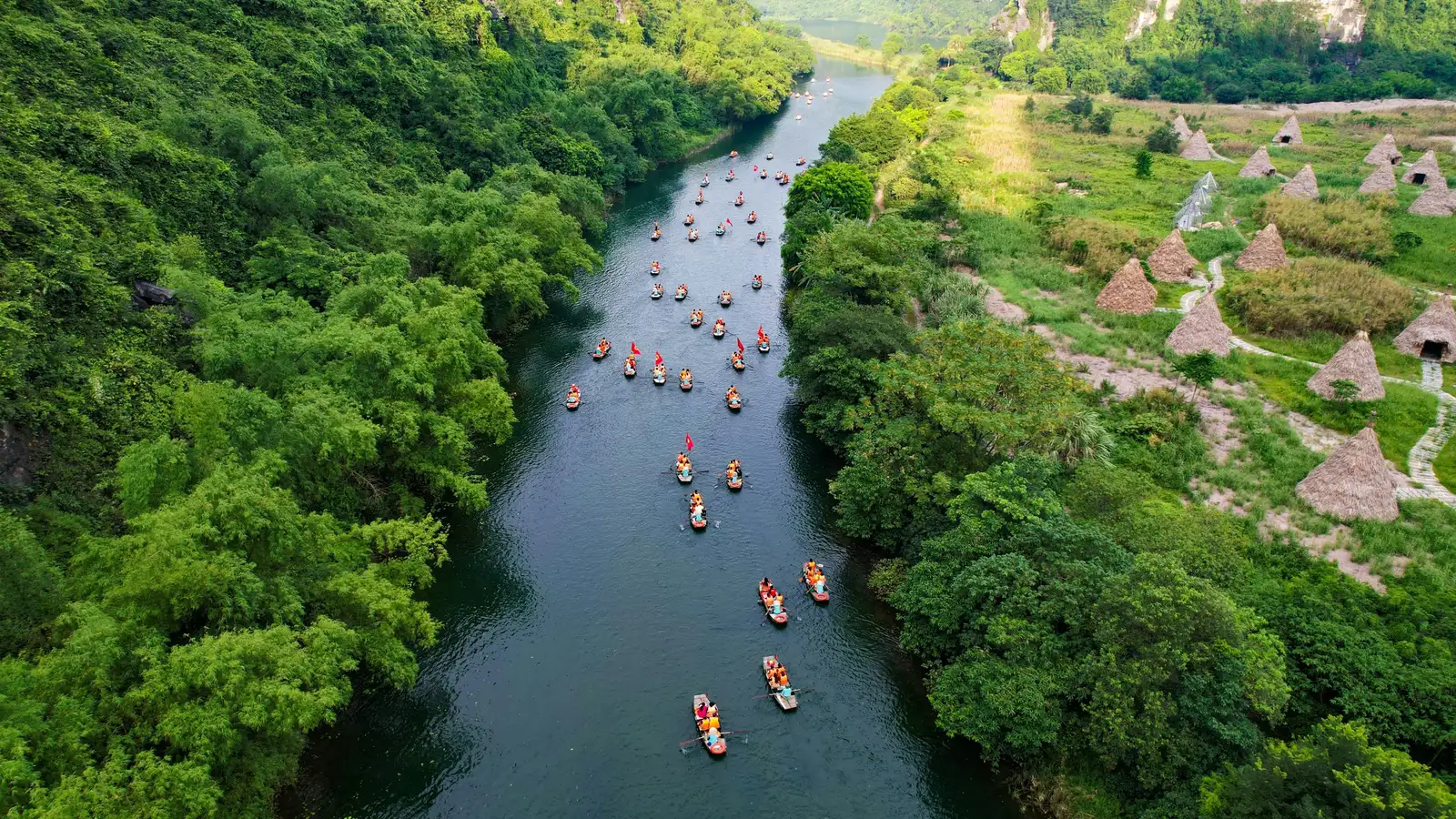
River Travel Routes Around the World
Explore the world by river: Mekong slow boats, Amazon tributaries, Nile feluccas, and European ferries. Booking tips, costs, and what to bring for river travel.
Read article →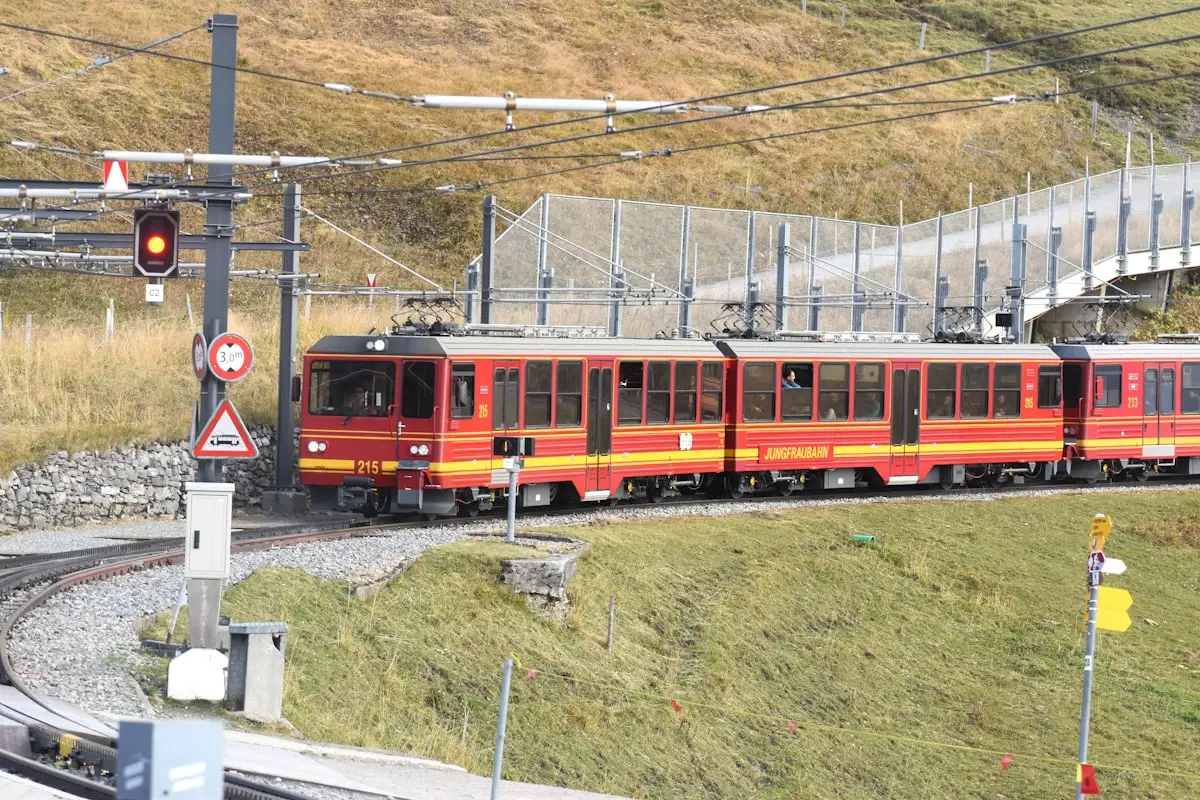
Train Passes: Europe, Japan, and Beyond
Do the math on Eurail passes, Japan Rail Passes, and India train classes — with booking windows, seat reservations, and when point-to-point is cheaper.
Read article →Heading to Granada?
Find travel companions to explore Granada together on roammate — split costs, share adventures, and make lifelong friends.


To customise this itinerary to your travel style, pace, and budget — download the roammate app to tailor it to your preferences.
Find travel companions in Granada →