Golden Circle
Tectonic rifts, erupting geysers, and thundering waterfalls — Iceland's most iconic route packs geological wonder into every kilometre.
1 day in Golden Circle
Only got 24 hours? Here's how to experience the best of Golden Circle in a single action-packed day.
The Golden Circle in a Day
Þingvellir National Park
Start early from Reykjavík and drive 45 minutes to Þingvellir National Park — a UNESCO World Heritage Site where the North American and Eurasian tectonic plates visibly drift apart. Walk the Almannagjá gorge trail along the rift valley, passing the site of the world's oldest parliament (Alþingi, founded 930 AD). The Öxarárfoss waterfall drops into the rift and is stunning in morning light.
Geysir & Gullfoss
Drive 50 minutes east to the Geysir Geothermal Area. The original Geysir is mostly dormant, but Strokkur erupts every 5–8 minutes, blasting boiling water 20–30 metres into the air. Free entry. Continue 10 minutes to Gullfoss — Iceland's most famous waterfall, a two-tiered cascade plunging 32 metres into a canyon. Walk both viewing platforms for different angles of the thundering falls.
Kerið Crater & Return
On the way back, stop at Kerið — a 3,000-year-old volcanic crater lake with vivid red walls and aquamarine water (400 ISK entry). The 270-metre-wide crater takes 15 minutes to walk around the rim. Head back to Reykjavík and warm up at the Sky Lagoon (6,990 ISK) with its infinity-edge pool overlooking the Atlantic, or hit Laugavegur for dinner at Bæjarins Beztu hot dog stand.
3 days in Golden Circle
A carefully curated route mixing iconic landmarks, hidden gems, street food, culture, and adventure — designed for younger travelers.
The Classic Golden Circle
Þingvellir National Park
Drive from Reykjavík to Þingvellir National Park (45 minutes). Walk the Almannagjá rift gorge where the tectonic plates meet, past the Lögberg (Law Rock) where Viking-age parliaments gathered. Follow the path to Öxarárfoss waterfall tumbling into the rift. For an unforgettable experience, book a Silfra snorkelling tour (14,990 ISK) — you'll float between the continental plates in crystal-clear glacial water with 100-metre visibility.
Geysir Geothermal Area
Continue to the Haukadalur geothermal valley (50 minutes). Watch Strokkur erupt every 5–8 minutes, sending a column of boiling water 20–30 metres high. Explore the surrounding hot springs, mud pots, and fumaroles — the ground literally steams beneath your feet. The Geysir Center has a decent café for lamb soup (2,200 ISK) and the gift shop is one of Iceland's better ones for wool and design.
Gullfoss & Secret Lagoon
Drive 10 minutes to Gullfoss — the "Golden Falls" that give the route its name. The two-tiered waterfall drops 32 metres into a narrow canyon, creating a permanent rainbow on sunny days. On your way back, detour to Flúðir and the Secret Lagoon (3,000 ISK) — Iceland's oldest natural geothermal pool, far less crowded and more authentic than the Blue Lagoon. Soak in 38–40°C water surrounded by steam.
South Coast Adventures
Seljalandsfoss & Gljúfrabúi
Drive the Ring Road east to Seljalandsfoss (90 minutes from Reykjavík) — a 60-metre waterfall you can walk behind on a path carved into the cliff. Get thoroughly soaked by the spray but the view through the curtain of water is magical. Then walk 500 metres left to find Gljúfrabúi — a hidden waterfall inside a narrow canyon that most tourists miss. Wade through ankle-deep water to enter the cave.
Skógafoss & Plane Wreck
Continue 30 minutes to Skógafoss — a 60-metre-wide curtain of water that's one of Iceland's most powerful waterfalls. Climb the 527 steps up the east side for a jaw-dropping view from the top where the Fimmvörðuháls trail begins. Then drive 15 minutes to the Sólheimasandur black sand beach to walk the 4km round trip to the famous DC-3 plane wreck, a US Navy transport that crash-landed in 1973.
Reynisfjara Black Sand Beach
End at Reynisfjara — the dramatic black sand beach near Vík with towering basalt columns, the Reynisdrangar sea stacks, and Hálsanefshellir cave. The pounding Atlantic surf and jet-black sand create an otherworldly atmosphere. Have dinner in Vík at Strondin Bistro (fish of the day 3,900 ISK) or Suður-Vík for pizza and burgers overlooking the sea stacks.
Reykjavík & Geothermal Relaxation
Reykjavík Old Town
Explore Reykjavík on foot. Start at Hallgrímskirkja church — climb the 74.5-metre tower (1,000 ISK) for panoramic views over the colourful tin rooftops. Walk down Skólavörðustígur, lined with design shops and galleries, to Laugavegur — the main shopping street. Visit the Harpa Concert Hall on the harbourfront, with its kaleidoscopic glass façade designed by Ólafur Elíasson reflecting the harbour light.
Whale Watching & Old Harbour
Join a whale watching tour from the Old Harbour (12,990 ISK, 3 hours). Minke whales, humpbacks, dolphins, and porpoises are regularly spotted in Faxaflói Bay. Back on land, explore the Old Harbour area — visit the Saga Museum (2,600 ISK) for Viking history, FlyOver Iceland (4,990 ISK) for a virtual flight across the country, or browse the Kolaportið flea market on weekends for dried fish and vintage wool.
Hot Pots & Reykjavík Nightlife
Swim at a Reykjavík geothermal pool — Vesturbæjarlaug (1,150 ISK) is a local favourite with hot pots and a steam room, or Laugardalslaug is the biggest. In the evening, Reykjavík's bar scene packs Laugavegur and Hverfisgata. Start at Skúli Craft Bar for Icelandic microbrews, move to Kaffibarinn for a buzzy crowd, and end at Prikið which turns into a dance club after midnight.
Budget tips
Self-cater religiously
Restaurants average 3,000–5,500 ISK per meal. Bónus, Krónan, and Nettó supermarkets sell decent food at half the price. Cook at your hostel and pack lunches for day trips.
Campsite savings
Camping (1,500–2,500 ISK per night) is vastly cheaper than any accommodation. Buy a Camping Card (19,900 ISK) for 28 nights at participating campsites across Iceland.
Free attractions everywhere
Most waterfalls, geothermal areas, and natural wonders are free. Geysir, Gullfoss, Seljalandsfoss, Skógafoss, Reynisfjara, and Diamond Beach all have no entry fee.
Fuel strategy
Rental cars consume your budget fast. Choose a fuel-efficient car, use the Orkan discount fuel card, and always fill up at the cheapest station — the N1 app shows real-time fuel prices.
Drink from the tap
Iceland's tap water is pure glacial water — never buy bottled. Bring a refillable bottle and fill up anywhere. The cold tap water is some of the best drinking water in the world.
Skip the Blue Lagoon
At 7,990+ ISK, the Blue Lagoon is Iceland's priciest soak. Local geothermal pools like Vesturbæjarlaug (1,150 ISK) or the Secret Lagoon (3,000 ISK) are cheaper and more authentic.
Budget breakdown
Daily costs per person in Icelandic króna. Iceland is one of the world's most expensive countries, but free natural attractions and self-catering keep adventure accessible.
| 🎒 Budget | ✨ Mid-Range | 💎 Splurge | |
|---|---|---|---|
| Accommodation Campsites → guesthouses → boutique hotels | 1,500–5,500 ISK | 12,000–25,000 ISK | 40,000+ ISK |
| Food Self-catering → casual dining → fine dining | 2,500–4,000 ISK | 6,000–10,000 ISK | 15,000+ ISK |
| Transport Fuel share → rental car → 4WD rental | 3,000–5,000 ISK | 8,000–12,000 ISK | 20,000+ ISK |
| Activities Free nature → lagoons/tours → glacier/whale | 0–3,000 ISK | 7,000–15,000 ISK | 25,000+ ISK |
| Drinks Supermarket beer → pub pints → cocktail bars | 1,000–2,000 ISK | 3,000–5,000 ISK | 8,000+ ISK |
| Daily Total $58–142 → $262–488 → $787+ | 8,000–19,500 ISK | 36,000–67,000 ISK | 108,000+ ISK |
Practical info
Visa & Entry
- Iceland is in the Schengen Area — EU/EEA citizens need only an ID card. US, Canadian, and Australian citizens get 90 days visa-free
- No border controls from other Schengen countries. Direct flights from Keflavík (KEF) to Europe and North America
- Keflavík Airport is 45 minutes from Reykjavík — Flybus (3,499 ISK) or Airport Direct (2,990 ISK) run every 30 minutes
Getting Around
- A rental car is essential for the Golden Circle and beyond. Book early in summer — prices start from 8,000 ISK/day for economy
- Route 1 (Ring Road) is paved and manageable in a 2WD. F-roads (highland) require a 4WD and are only open June–September
- No trains in Iceland. Strætó buses connect Reykjavík to some towns but are slow and infrequent for tourists
Connectivity
- Síminn and Vodafone offer tourist SIMs from 2,000 ISK at the airport with 5–10GB data. Coverage is good along Route 1
- Free WiFi at most accommodations, N1 fuel stations, and in Reykjavík. Signal disappears in highlands and remote fjords
- Download offline maps (Google Maps or Maps.me) before leaving Reykjavík — signal drops are frequent outside towns
Money
- Card payment everywhere — even hot dog stands and rural farms accept contactless. You rarely need cash in Iceland
- ATMs are available at all banks. Avoid currency exchange at the airport — the rate is poor. Use a no-fee travel card instead
- Tipping is not expected in Iceland. Service charge is included in all prices. Only tip for exceptional guided tours if you wish
Weather & Packing
- Iceland weather changes every 15 minutes. Summer: 8–15°C. Winter: -5–3°C. Pack for all four seasons in one day
- Essential: waterproof outer layer, warm fleece mid-layer, thermal base layer, waterproof hiking boots, hat, and gloves
- Check vedur.is (Icelandic Met Office) and safetravel.is daily for weather warnings, road conditions, and volcanic alerts
Health & Safety
- Tap water is excellent and safe — the hot water smells of sulphur (geothermal heating) but the cold tap is pure glacier water
- Register your travel plan at safetravel.is before any backcountry trips. Mountain rescue is free but prevention is better
- Emergency number: 112. Landspítali hospital in Reykjavík. Travel insurance covering rescue and medical evacuation is essential
Cultural tips
Iceland is relaxed and egalitarian, but a few cultural norms around nature, bathing, and naming conventions are worth knowing.
Pool Etiquette
Shower naked before entering any Icelandic pool — this is non-negotiable and enforced. Use soap, shampoo everywhere, no swimsuit. It's completely normal and nobody looks twice.
Respect the Nature
Stay on marked paths, never drive off-road, don't stack rocks (cairns), and never step on moss — it takes decades to recover. Iceland's landscapes are fragile despite looking rugged.
Hidden People (Huldufólk)
Many Icelanders believe in elves and hidden people. Roads have been rerouted to avoid disturbing elf rocks. Don't mock this — it's a genuine cultural tradition tied to the landscape.
Icelandic Names
Icelanders use patronymic names — first names are used for everyone, even the president. There is no "Mr" or "Mrs." Phone books are sorted by first name.
Lamb & Skyr
Icelandic lamb is free-range and wild-roaming. Skyr is a thick dairy product (like Greek yogurt but technically cheese). Both are national staples — try them everywhere.
Volcanic Awareness
Iceland sits on an active volcanic zone. Check safetravel.is for eruption alerts. Recent eruptions near Grindavík closed the Blue Lagoon temporarily. Stay informed and follow all safety closures.
Reading for Golden Circle
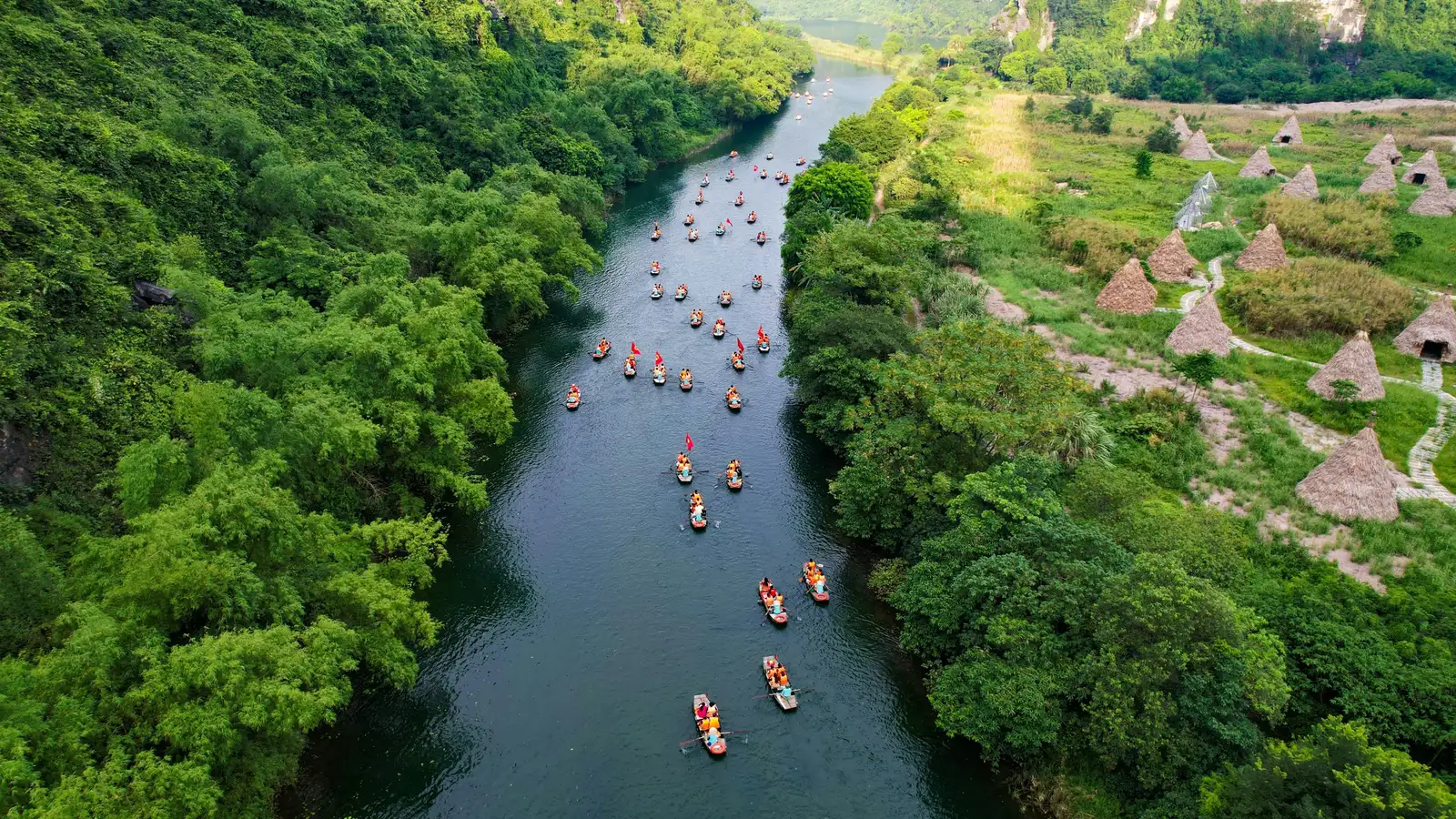
River Travel Routes Around the World
Explore the world by river: Mekong slow boats, Amazon tributaries, Nile feluccas, and European ferries. Booking tips, costs, and what to bring for river travel.
Read article →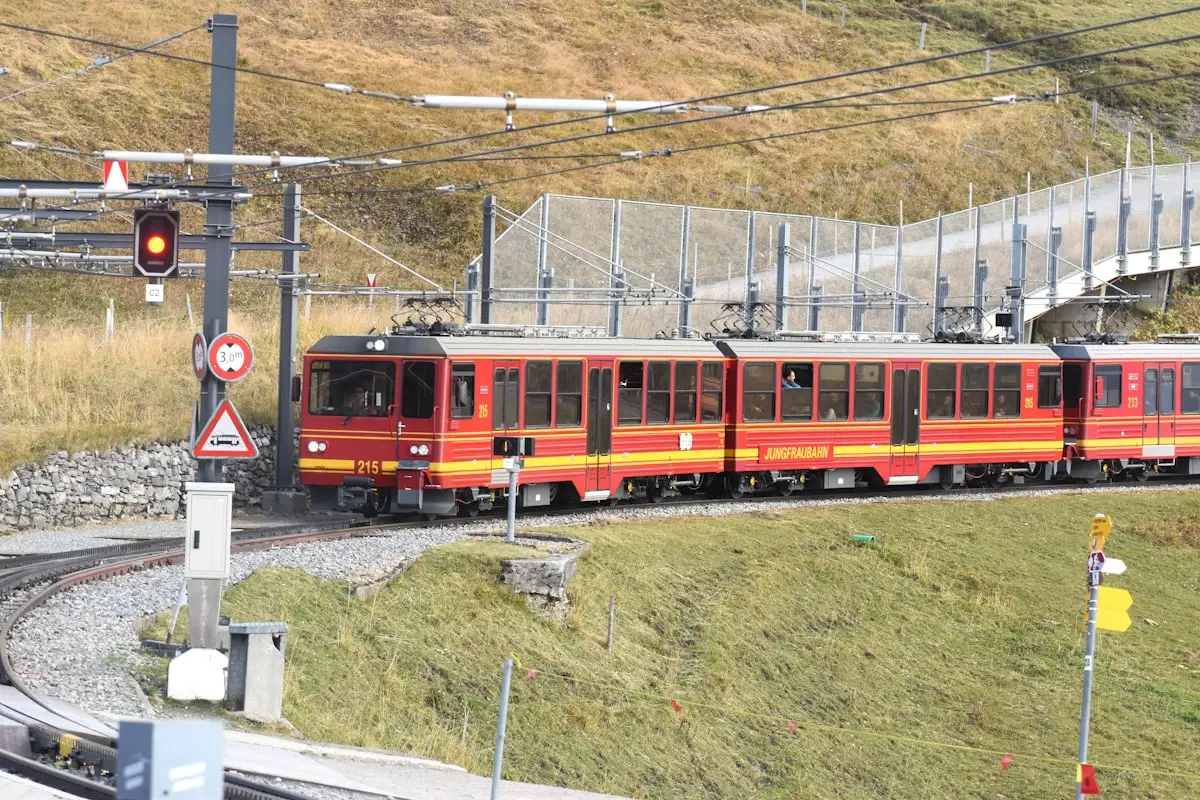
Train Passes: Europe, Japan, and Beyond
Do the math on Eurail passes, Japan Rail Passes, and India train classes — with booking windows, seat reservations, and when point-to-point is cheaper.
Read article →Heading to Golden Circle?
Find travel companions for glacier hikes, road trip splits, and midnight sun adventures in Iceland on roammate.


To customise this itinerary to your travel style, pace, and budget — download the roammate app to tailor it to your preferences.
Find travel companions in Golden Circle →