Gjirokaster
UNESCO stone city of fortified tower houses beneath a colossal hilltop castle — Albania's most atmospheric historic town.
1 day in Gjirokaster
Only got 24 hours? Here's how to experience the best of Gjirokaster in a single action-packed day.
Gjirokaster Highlights
Gjirokaster Castle & Cold War Tunnel
Start your day at the imposing Gjirokaster Castle, one of the largest in the Balkans, dominating the hillside above the stone city. The fortress dates back to the 12th century and houses a military museum with captured artillery, a recovered US Air Force jet from the Cold War era, and sweeping views across the Drinos Valley to the Nemercka and Mali i Gjerë mountain ranges. Beneath the castle, explore the Cold War tunnel — a secret underground bunker built during Enver Hoxha's paranoid regime, designed to shelter the city's leadership during a nuclear attack. The tunnel was only opened to visitors in recent years.
Ottoman Bazaar & Stone Houses
Descend into the Old Bazaar, a cobblestoned Ottoman marketplace restored and recognised by UNESCO. The lanes are lined with artisan workshops selling hand-carved wood, woven textiles, and silver filigree. Walk through the residential streets to admire Gjirokaster's signature tower houses — fortified stone mansions with slate roofs, narrow windows on the lower floors for defence, and large ornate windows above. Visit the Skenduli House, a restored 17th-century tower house open to the public, to understand the distinctive architecture from inside.
Sunset Views & Albanian Cuisine
Climb to the viewpoint near the castle entrance for sunset — the stone rooftops of the old town catch the golden light and the Drinos Valley turns purple as the sun drops behind the mountains. Gjirokaster's restaurants serve some of the best traditional Albanian food in the country: try qifqi (fried rice balls with herbs and egg — a local specialty found nowhere else), tavë dheu (earthenware-baked meat and vegetables), and stuffed peppers with walnuts. Pair with local raki and enjoy the cool mountain evening air.
3 days in Gjirokaster
A carefully curated route mixing iconic landmarks, hidden gems, street food, culture, and adventure — designed for younger travelers.
Castle, Tunnels & Old Town
Gjirokaster Castle & Military Museum
Begin with a thorough exploration of Gjirokaster Castle — the fortress has been expanded by every civilisation that controlled the city, from Byzantine to Ottoman to Italian to Communist. The citadel's inner keep contains the military museum with its eclectic collection: Ottoman cannons, Italian WWII armaments, and the fuselage of a USAF reconnaissance plane forced to land in Albania in 1957. Walk the full perimeter of the castle walls for views in every direction — north to the Drinos gorge, south towards the Greek border, east to the Nemercka Mountains, and west across the fertile Drinos Valley.
Cold War Tunnel & Zekate House
Explore the Cold War tunnel beneath the castle — the eerie underground complex includes gas-proof doors, communication rooms, and dormitories designed to house officials during nuclear war. Hoxha's Albania built over 170,000 bunkers across the country and this tunnel was a key command centre. After emerging, walk to Zekate House — the grandest surviving tower house in Gjirokaster, with twin towers framing a panoramic balcony. The family who owns it offers tours of the elaborately painted interiors, carved wooden ceilings, and the defensive architecture that defined life in these fortified mountain homes.
Bazaar Quarter & Local Dinner
Wander the Old Bazaar as shopkeepers close up and the cobblestoned square fills with locals drinking macchiato and raki. The 17th-century Bazaar Mosque anchors the lower end of the market. Find a traditional restaurant in the bazaar lanes for dinner: Gjirokaster's cuisine reflects its mountain location with hearty lamb dishes, pite (layered filo pastry with cheese or greens), and the unique qifqi rice balls. The stone buildings retain the day's heat and the evening atmosphere in the old town is magical — candle-lit tables, mountain air, and the castle illuminated above.
Blue Eye Spring & Antigonea Ruins
Blue Eye Spring (Syri i Kaltër)
Drive 25km south to the Blue Eye (Syri i Kaltër), one of Albania's most extraordinary natural phenomena. A karst spring bubbles up from a depth of over 50 metres, creating a mesmerising deep blue circle surrounded by an electric turquoise rim — the "eye" effect. The water temperature is a constant 10°C year-round, flowing at 6,000 litres per second into a crystal-clear river shaded by ancient oak and sycamore trees. The short walk from the car park through the forest to the spring takes 15 minutes. Swimming is officially restricted to protect the site but the surrounding river pools are accessible.
Antigonea Archaeological Site
Drive northeast into the mountains to Antigonea, the ruined Hellenistic city founded by King Pyrrhus of Epirus in 295 BCE and named after his first wife. The site sits on a mountain plateau at 600 metres with panoramic views across the Drinos Valley towards Gjirokaster. The excavated ruins include city walls, a stoa (covered colonnade), residential foundations, and a small museum displaying coins, pottery, and jewellery from the ancient settlement. Antigonea is rarely visited — you may have the entire site to yourself, with wildflowers growing through the ancient stones and eagles overhead.
Gjirokaster by Night
Return to Gjirokaster for an evening exploring the atmospheric upper lanes of the old town. The stone houses are dramatically lit after dark and the narrow alleys feel like stepping back centuries. Walk up to the castle approach road for the best night view of the city cascading down the hillside in warm lamplight. Dinner in the upper old town: try lamb slow-cooked in a clay pot with local mountain herbs, grilled vegetables from the Drinos Valley, and thick Albanian coffee to finish.
Drinos Valley, Libohova & Departure
Drinos Valley Villages & Monastery
Explore the Drinos Valley south of Gjirokaster — a fertile agricultural corridor lined with small villages, olive groves, and walnut orchards. Visit the village of Labova e Kryqit to see the Church of the Dormition of the Theotokos, one of the oldest churches in Albania dating to the 6th century, with fragments of original Byzantine floor mosaics. The valley is dotted with Hoxha-era concrete bunkers — now a surreal part of the pastoral landscape. Stop at a roadside stall for fresh honey, mountain tea, and handmade cheese from the local farms.
Libohova Fortress & Ali Pasha's Legacy
Drive 20km south to the hilltop town of Libohova, crowned by a fortress built by Ali Pasha of Ioannina in the early 19th century. The castle ruins sit on a dramatic crag overlooking the confluence of the Drinos and Bistrica rivers. Ali Pasha — the legendary "Lion of Ioannina" — controlled much of southern Albania and northern Greece from his power base in this region. The small town below the castle preserves Ottoman-era houses and a peaceful atmosphere far removed from any tourist trail. Lunch in Libohova at a simple local restaurant.
Farewell Dinner in the Stone City
Return to Gjirokaster for a final evening in the UNESCO stone city. Browse the bazaar for souvenirs — hand-carved wooden items, embroidered textiles, and local honey make authentic gifts. Walk the old town lanes one last time as the evening call to prayer echoes off the stone walls and the castle glows above. A farewell dinner of pispili (cornbread with greens and feta), grilled lamb chops, and Permite wine — from one of Albania's best wine regions just 30km east — completes your Gjirokaster experience.
Budget tips
One of Europe's cheapest cities
Gjirokaster is remarkably affordable even by Albanian standards. Accommodation, food, and entry fees are a fraction of Western European prices — your daily budget stretches incredibly far here.
Carry cash in Lek
Most restaurants, guesthouses, and shops in Gjirokaster only accept cash in Albanian Lek. There are ATMs in the new town but none in the old town or at rural sites. Withdraw enough for each day.
Stay in a tower house guesthouse
Several of Gjirokaster's historic tower houses have been converted to guesthouses — sleeping in a 300-year-old stone mansion costs $15–35 per night with breakfast included. Far more memorable than a hotel.
Combine with Berat
Gjirokaster and Berat are both UNESCO cities connected by a direct bus (3 hours, ~$6). Visiting both gives you Albania's two greatest historic towns in a single budget-friendly trip.
Walk the old town on foot
Everything in Gjirokaster's historic centre is walkable. The castle, bazaar, tower houses, and restaurants are all within 15 minutes on foot. Budget transport costs only for day trips to the Blue Eye and Antigonea.
Eat local, eat cheap
The best food is in small family restaurants in the old town and bazaar. A complete meal with drinks costs $5–10 per person. Street byrek from bakeries costs under $1 and makes an excellent breakfast or snack.
Budget breakdown
Daily costs per person in US dollars. Gjirokaster is one of Europe's most affordable destinations — these ranges cover the spectrum from budget backpacker to comfortable mid-range.
| 🎒 Budget | ✨ Mid-Range | 💎 Splurge | |
|---|---|---|---|
| Accommodation Hostels → guesthouses → boutique stone hotels | $10–25 | $30–60 | $80+ |
| Food Street byrek → local restaurants → fine dining | $8–15 | $15–30 | $40+ |
| Transport Public buses → shared furgon → private car | $2–8 | $10–25 | $40+ |
| Activities Self-guided → group tours → private guides | $3–10 | $15–35 | $50+ |
| Entry Fees Castle, tunnel, and house museums all affordable | $2–5 | $5–10 | $10–20 |
| Daily Total Budget backpacker → comfortable mid → luxury | $25–65 | $75–160 | $220+ |
Practical info
Entry & Visas
- EU, US, UK, Canadian, and Australian citizens can enter Albania visa-free for up to 90 days
- Gjirokaster is 30km from the Greek border at Kakavia — a common overland crossing point
- Keep a passport copy accessible — guesthouses are required to register foreign guests
Health & Safety
- Gjirokaster is very safe for tourists — violent crime is extremely rare and locals are welcoming
- Tap water quality varies — bottled water is recommended. Pharmacies stock basic medicines in the new town
- The old town cobblestones are steep and uneven — ankle-supporting shoes reduce the risk of injury
Getting Around
- Buses run from Tirana (5 hours, ~$8), Berat (3 hours, ~$6), and Saranda (1.5 hours, ~$4)
- Furgon minibuses are the main local transport — they leave when full from the new town bus station
- Rent a car for day trips to Blue Eye and Antigonea — roads are paved but winding mountain routes
Connectivity
- Buy an Albanian SIM card (Vodafone or ONE) at any phone shop for affordable data
- WiFi is available at guesthouses and cafes but can be slow — download offline maps before arriving
- Mobile coverage is good in town but drops in the mountains and at some rural sites
Money
- Currency: ALL (Albanian Lek). Euros are sometimes accepted at hotels but at poor exchange rates
- ATMs in the new town centre accept Visa and Mastercard. No ATMs in the old town or at day-trip sites
- Tipping is not expected but rounding up the bill or leaving 5–10% is a generous gesture
Packing Tips
- Sturdy shoes with good grip are essential — the cobblestones and castle paths are steep and slippery
- Bring layers for cool evenings — Gjirokaster sits at 300m elevation and mountain air cools quickly after sunset
- A reusable water bottle, sun hat, and portable charger cover the daily essentials
Cultural tips
Gjirokaster is a living stone city with centuries of layered history — approach with curiosity and respect, and its people and architecture will leave a lasting impression.
Respect Religious Harmony
Albania is one of the most religiously tolerant countries in Europe — mosques, churches, and Bektashi shrines coexist peacefully. Dress modestly when visiting any place of worship and ask before photographing interiors.
Protect the UNESCO Site
Gjirokaster's stone architecture is irreplaceable. Do not climb on ruins, touch frescoes, or remove stones. Stay on marked paths at archaeological sites. The preservation of this city depends on every visitor treating it respectfully.
Photography Etiquette
The stone city is extraordinarily photogenic. Locals are generally happy to be photographed but always ask first. Some tower houses are private residences — photograph from the street but do not enter gardens without invitation.
Learn Basic Albanian
A few words go a long way: "Mirëdita" (good day), "Faleminderit" (thank you), "Ju lutem" (please). Greek is also spoken by some residents in southern Albania due to proximity to the border.
Support Local Families
Gjirokaster's economy depends on tourism reaching its historic core. Stay in family-run guesthouses, eat at local restaurants, and buy directly from bazaar artisans. Your spending has the most impact when it goes to local families.
Slow Down & Listen
Gjirokaster rewards patience. The old town's atmosphere — the echo of footsteps on stone, the call to prayer, the clinking of coffee cups in the bazaar — is as much the experience as any monument. Do not rush through it.
Gjirokaster is on these routes
Reading for Gjirokaster
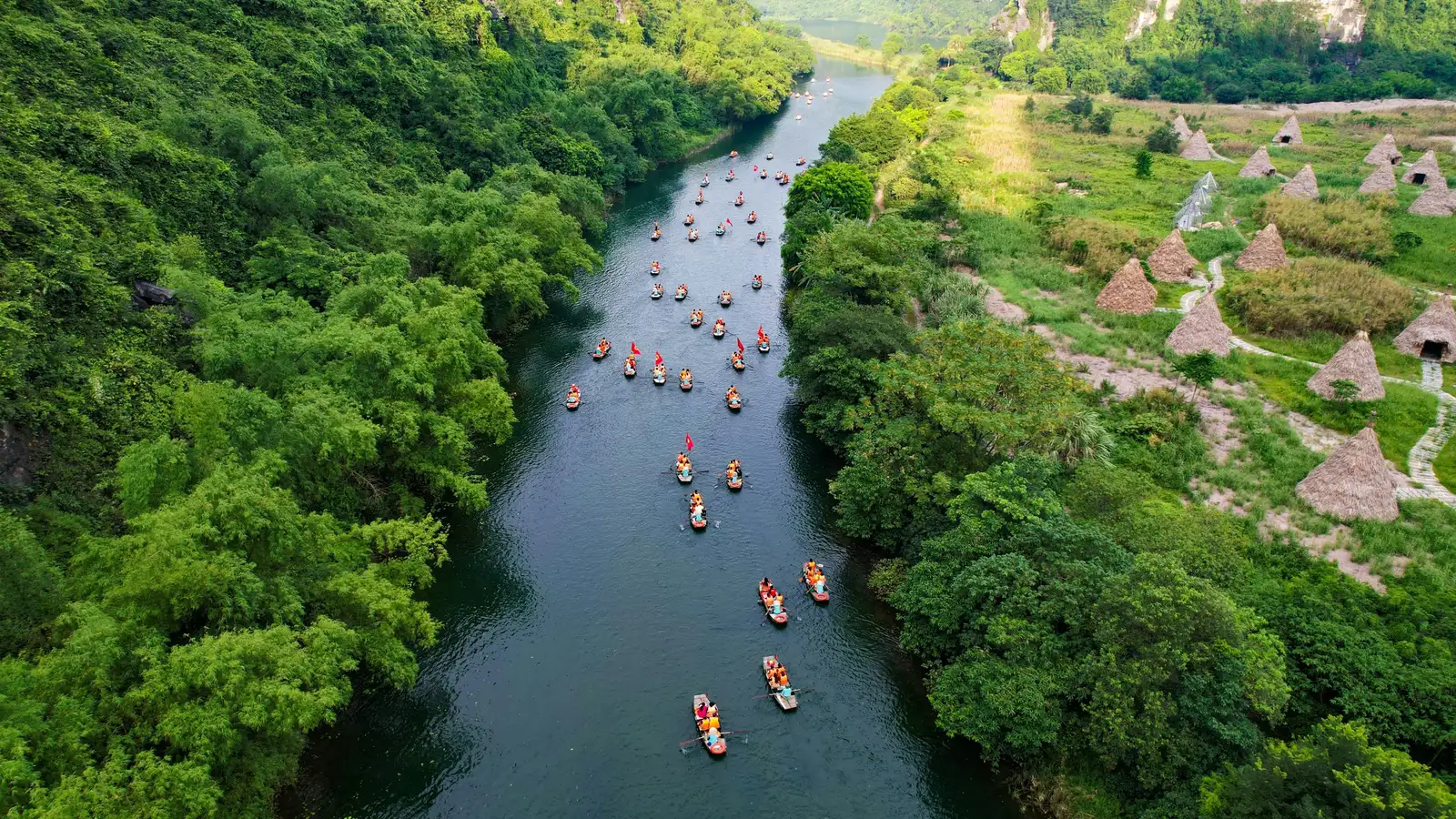
River Travel Routes Around the World
Explore the world by river: Mekong slow boats, Amazon tributaries, Nile feluccas, and European ferries. Booking tips, costs, and what to bring for river travel.
Read article →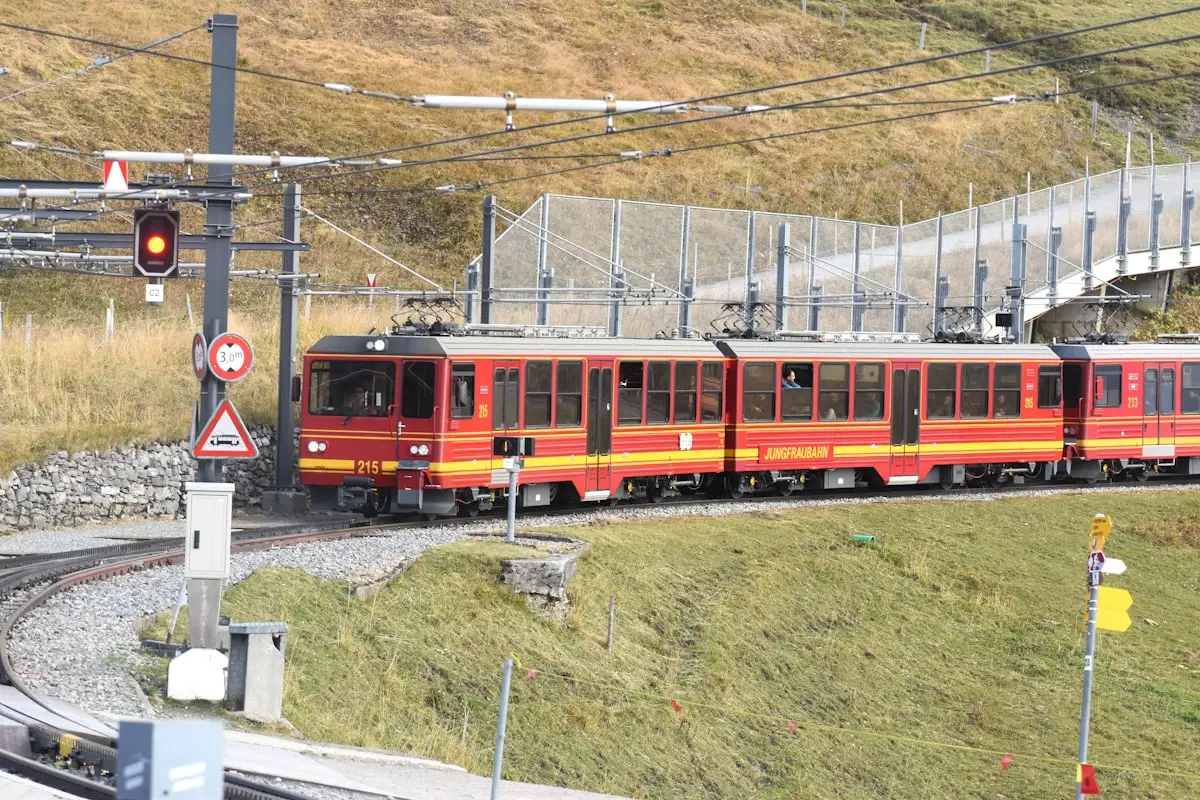
Train Passes: Europe, Japan, and Beyond
Do the math on Eurail passes, Japan Rail Passes, and India train classes — with booking windows, seat reservations, and when point-to-point is cheaper.
Read article →Heading to Gjirokaster?
Find travel companions to explore Gjirokaster together on roammate — split costs, share adventures, and make lifelong friends.


To customise this itinerary to your travel style, pace, and budget — download the roammate app to tailor it to your preferences.
Find travel companions in Gjirokaster →