Geirangerfjord
Emerald water, vertical cliffs, cascading waterfalls, and abandoned mountain farms — Norway's most dramatic fjord is nature at its most theatrical.
1 day in Geirangerfjord
Only got 24 hours? Here's how to experience the best of Geirangerfjord in a single action-packed day.
Geirangerfjord Highlights
Fjord Sightseeing Cruise
Board the Geiranger fjord sightseeing boat (from 350 NOK, 1.5 hours) from Geiranger village dock. Cruise past the Seven Sisters waterfall — seven separate streams cascading 250 metres down the cliff face — and the Suitor waterfall on the opposite side, plus the abandoned Skageflå mountain farm clinging to a cliff ledge 250 metres above the water. The fjord narrows dramatically with near-vertical walls rising from emerald water.
Flydalsjuvet & Ørnesvingen Viewpoints
Drive or hike up to Flydalsjuvet viewpoint — the classic postcard angle looking down into Geirangerfjord with cruise ships dwarfed below. The iconic rock ledge juts over the edge for a vertigo-inducing photo. Continue up Eagle Road (Ørnevegen) with its 11 hairpin bends to the Ørnesvingen viewing platform — a cantilevered deck offering a bird's-eye panorama of the entire fjord.
Geiranger Village & Sunset
Explore tiny Geiranger village — the Norwegian Fjord Centre (150 NOK) explains the UNESCO fjord landscape and geological history. Walk along the waterfront promenade. Dinner at Brasserie Posten (fish soup 179 NOK, mains from 249 NOK) or grab a kebab at one of the village takeaways. Watch the sun sink behind the fjord walls from the harbour — in midsummer the light lingers past 11pm.
3 days in Geirangerfjord
A carefully curated route mixing iconic landmarks, hidden gems, street food, culture, and adventure — designed for younger travelers.
Geirangerfjord by Water & Road
Fjord Sightseeing Cruise
Take the classic Geirangerfjord cruise (350 NOK, 1.5 hours) past the Seven Sisters waterfall, the Suitor, and the Bridal Veil. The emerald-green water reflects near-vertical mountain walls rising 1,400 metres. Abandoned mountain farms cling to impossible cliff ledges — the Skageflå farm, reachable only by ladder until recently, sits 250 metres above the fjord. Seals and porpoises are occasionally spotted.
Eagle Road & Ørnesvingen
Drive the famous Eagle Road (Ørnevegen) — 11 hairpin bends climbing from the fjord to 620 metres with each turn revealing a more spectacular view. Stop at the Ørnesvingen viewing platform — a cantilevered glass-and-steel deck hanging over the void with the entire fjord spread below. Continue to Flydalsjuvet viewpoint for the classic photo with the overhanging rock ledge above Geiranger.
Geiranger Village Stroll
Walk the waterfront promenade and visit the Norwegian Fjord Centre (150 NOK) to understand the geology that created these UNESCO-listed fjords. Dinner at Brasserie Posten — locally sourced fish and lamb with fjord views (mains from 249 NOK). For budget food, the SPAR supermarket near the dock sells sandwiches and supplies. The midnight sun in June and July keeps the fjord illuminated until nearly midnight.
Hikes & Abandoned Farms
Skageflå Farm Hike
Hike to Skageflå — an abandoned mountain farm perched on a cliff ledge 250 metres above the fjord. The trail starts from the Geiranger waterfront and climbs steeply through forest for 2.5km (1.5 hours up). The reward is standing on a grassy plateau with dizzying views straight down to the emerald water and cruise ships below. The farm buildings have been preserved and the sense of isolation is profound.
Storsæterfossen Waterfall
Drive or take the local bus to Geiranger Fjordservice and hike to Storsæterfossen — a waterfall you can walk behind on a path carved into the rock. The 4km round trip is well-marked and takes about 90 minutes. Standing behind the curtain of water with the fjord valley stretching below is an incredible experience. Less famous than its Icelandic counterparts but equally dramatic and far less crowded.
Kayaking on the Fjord
Join an evening kayak tour on Geirangerfjord (from 790 NOK, 3 hours). Paddle beneath the Seven Sisters waterfall and along the cliff faces in the golden evening light. The silence at water level — broken only by cascading waterfalls and your paddle — is a world apart from the cruise ship experience. You'll pass beneath waterfalls, explore hidden coves, and see the fjord from its most intimate perspective.
Dalsnibba & Trollstigen
Dalsnibba Mountain Summit
Drive the Nibbevegen toll road (150 NOK per car) to Dalsnibba — at 1,476 metres, the highest viewpoint accessible by car in the region. The panoramic view encompasses the entire Geirangerfjord, surrounding peaks still capped with snow in summer, and on clear days, the Atlantic Ocean. The Geiranger Skywalk viewing platform juts out over the void for an exhilarating vantage point.
Trollstigen Mountain Road
Drive to Trollstigen (90 minutes from Geiranger via the Eidsdal-Linge ferry, 139 NOK per car). This legendary mountain road zigzags up 11 hairpin bends through a near-vertical mountainside with the Stigfossen waterfall crashing 320 metres beside the road. The viewing platform at the top hangs over the precipice. It's one of Norway's most iconic driving experiences and engineering marvels.
Åndalsnes & Romsdalsfjord
Continue to Åndalsnes — the "Alpine Capital" of Norway at the foot of the Romsdal Alps. The town sits on Romsdalsfjord with towering peaks rising directly from sea level. Dinner at Sødahl Huset (mains from 229 NOK) or the Åndalsnes Camping restaurant. Check into accommodation here or camp at the riverside campsite (240 NOK per tent) with views of the famous Trollveggen — Europe's tallest vertical rock face.
Budget tips
Self-cater everything
Norwegian restaurants are eye-wateringly expensive (200–350 NOK for a main). Shop at REMA 1000, Kiwi, or Coop and cook at campsites. Bring a portable stove if camping.
Camp to save hundreds
Campsites cost 200–300 NOK per night versus 1,000+ NOK for budget hotels. Norway's allemannsretten (right to roam) legally allows free wild camping 150m+ from any building.
Free viewpoints & hikes
Every viewpoint, trail, and natural attraction around Geirangerfjord is free (except Dalsnibba road toll). The best experiences — hikes, viewpoints, fjord views — cost nothing.
Ferry passes
Fjord ferries add up quickly at 139+ NOK per crossing. If you're driving extensively, check Norway's AutoPASS ferry system for potential discounts on repeat crossings.
Bring gear from home
Outdoor gear in Norway is expensive. Bring your own hiking boots, waterproof jacket, and camping equipment. The money saved covers several days of food.
Fill water bottles everywhere
Norwegian tap water is pristine glacier and mountain water — among the best in the world. Never buy bottled water. Rivers and streams above farmland are also safe to drink from.
Budget breakdown
Daily costs per person in Norwegian kroner. Norway is famously expensive, but free camping, self-catering, and free hiking keep fjord adventures accessible.
| 🎒 Budget | ✨ Mid-Range | 💎 Splurge | |
|---|---|---|---|
| Accommodation Wild camping → campsites/hostels → fjord hotels | 0–300 NOK | 800–1,400 NOK | 2,500+ NOK |
| Food Self-catering → café lunches → restaurant dinners | 150–300 NOK | 400–700 NOK | 1,000+ NOK |
| Transport Fuel share → rental car + ferries → guided tours | 200–400 NOK | 500–800 NOK | 1,200+ NOK |
| Activities Free hikes → fjord cruise → kayak + guided tours | 0–350 NOK | 500–900 NOK | 1,500+ NOK |
| Drinks Supermarket drinks → café coffee → bar beers | 50–100 NOK | 150–300 NOK | 500+ NOK |
| Daily Total $38–138 → $224–390 → $638+ | 400–1,450 NOK | 2,350–4,100 NOK | 6,700+ NOK |
Practical info
Visa & Entry
- Norway is in the Schengen Area. EU/EEA citizens need only an ID card. US, Canadian, and Australian citizens get 90 days visa-free
- Fly into Ålesund (AES) or Oslo (OSL) and drive. The nearest major airport is Ålesund, 110km from Geiranger
- Hurtigruten coastal ferry connects Bergen, Ålesund, and other ports — a scenic but slower alternative to flying
Getting Around
- A rental car is essential — public transport to Geiranger is limited to a few seasonal buses. Mountain roads require careful driving
- Fjord ferries are part of the road network — no booking needed, just drive on. Pay by card on board or use AutoPASS
- Trollstigen and mountain roads close October–May due to snow. Check vegvesen.no for real-time road conditions
Connectivity
- Telia and Telenor offer tourist SIMs from 200 NOK at airports and convenience stores. 4G coverage is good along main roads
- WiFi at hotels and campsites. Signal can drop in deep fjord valleys and mountain passes — download offline maps
- EU roaming works with EU SIMs (Norway is in the EEA). Non-EU visitors should buy a local SIM or check roaming costs
Money
- Norway is nearly cashless — even mountain cafés and campsite showers accept card. Apple Pay and Google Pay work everywhere
- ATMs available in Ålesund, Åndalsnes, and larger towns. Geiranger has one ATM at the SPAR but card is always accepted
- No tipping culture. Service is included in all prices. Rounding up at restaurants is appreciated but never expected
Weather & Packing
- Fjord weather is unpredictable. Summer: 12–20°C in valleys, 5–10°C on mountain tops. Rain is frequent — layers are essential
- Pack: waterproof jacket and trousers, warm fleece, hiking boots, hat, gloves, and sun protection. Temperature swings of 15°C in a day are normal
- Check yr.no (Norwegian weather service) — it's the most accurate weather app for Norway and free to use
Health & Safety
- Norway is extremely safe. Mountain rescues are handled by Norsk Folkehjelp (Norwegian People's Aid) — call 112 in emergencies
- Tap water is safe and delicious everywhere. Pharmacies (Apotek) are in Ålesund and larger towns — bring basics for remote areas
- European Health Insurance Card (EHIC) covers EU citizens. All visitors should have travel insurance covering mountain rescue
Cultural tips
Norway's outdoor culture is deeply egalitarian — everyone has the right to roam, waffles are sacred, and nature is treated with quiet reverence.
Allemannsretten
Norway's "right to roam" lets you camp, hike, and forage on uncultivated land freely. Camp at least 150m from buildings, leave no trace, and stay a maximum of 2 nights in one spot.
Waffle Culture
Norwegians take waffles seriously — heart-shaped, served with brunost (brown cheese) and sour cream. Every mountain café, farm, and cabin serves them. Try them at Westerås Farm in Geiranger.
Hiking Etiquette
Say "hei" or "morn" when passing other hikers. Stay on marked trails in sensitive areas. Cairns mark the route — don't build new ones or knock them down. Close all farm gates behind you.
Norwegian Reserve
Norwegians are friendly but reserved with strangers. Don't sit next to someone on an empty bus. Small talk comes slowly but once the ice breaks, they're warm and generous.
Seafood Traditions
Norway's coastal cuisine revolves around fish. Try klippfisk (dried salt cod), rakfisk (fermented trout), and fresh fjord salmon. Supermarket fish counters are excellent and affordable.
Midnight Sun
In June and July, the sun barely sets this far north. Blackout curtains exist for a reason. Embrace it — midnight hikes and 11pm kayaking are uniquely Norwegian summer experiences.
Reading for Geirangerfjord
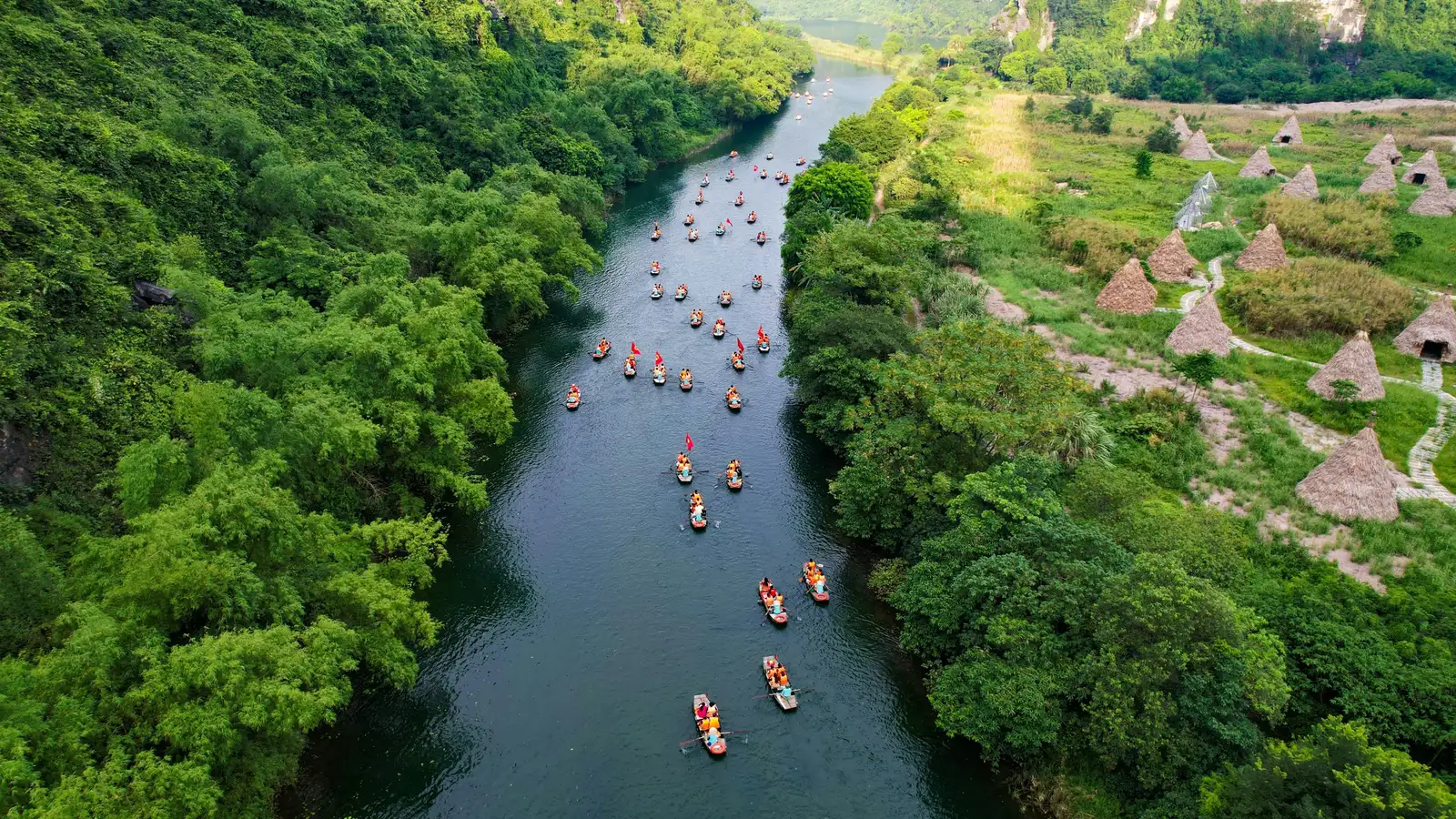
River Travel Routes Around the World
Explore the world by river: Mekong slow boats, Amazon tributaries, Nile feluccas, and European ferries. Booking tips, costs, and what to bring for river travel.
Read article →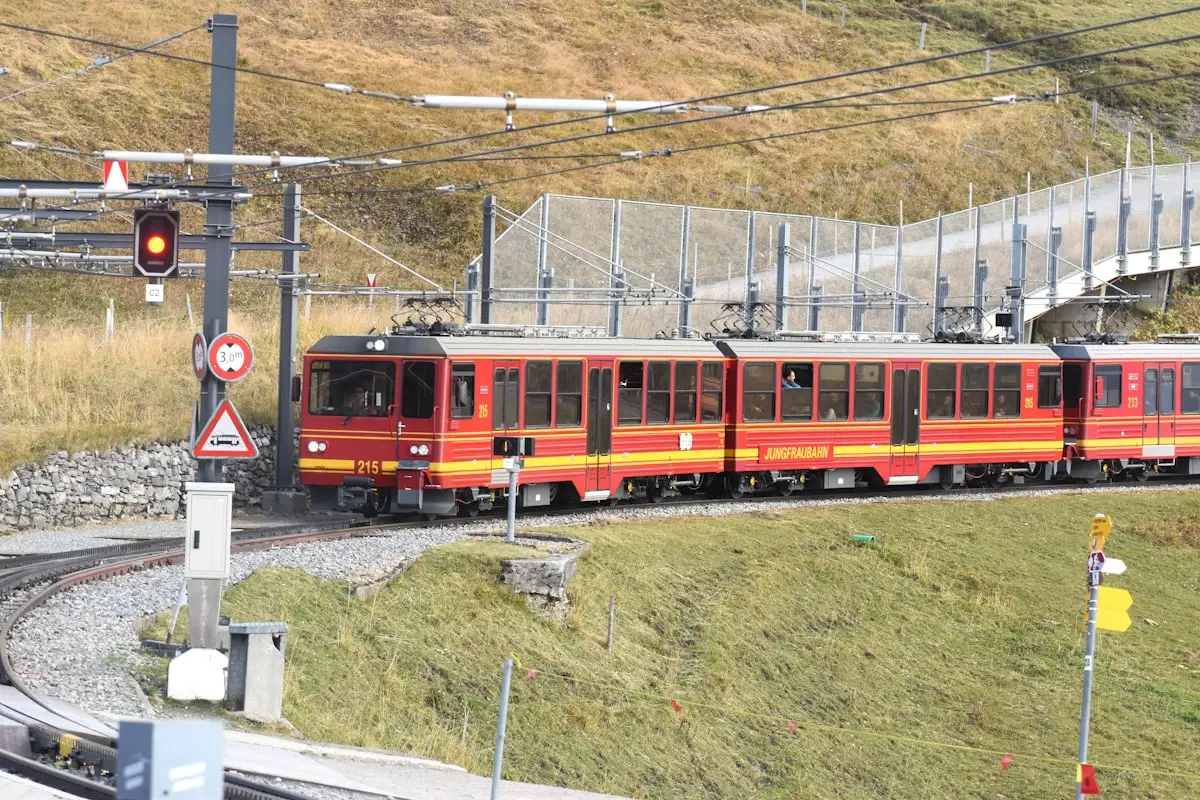
Train Passes: Europe, Japan, and Beyond
Do the math on Eurail passes, Japan Rail Passes, and India train classes — with booking windows, seat reservations, and when point-to-point is cheaper.
Read article →Heading to Geirangerfjord?
Find travel companions for fjord kayaking, mountain hikes, and road trip splits through Norway's fjord country on roammate.


To customise this itinerary to your travel style, pace, and budget — download the roammate app to tailor it to your preferences.
Find travel companions in Geirangerfjord →