Fushimi Inari
Ten thousand vermilion torii gates climbing Mount Inari behind Kyoto — a hypnotic tunnel of orange that is Japan's most photographed shrine.
1 day in Fushimi Inari
Only got 24 hours? Here's how to experience the best of Fushimi Inari in a single action-packed day.
Fushimi Inari Highlights
Exploring Fushimi Inari
Begin your day at Fushimi Inari early to beat the crowds and catch the best light. The main site is most atmospheric in the morning when the air is cool and the landscape catches the first golden rays. Take time to explore the main highlights and capture photographs in the soft morning light. This is the most rewarding time to visit.
Deeper Exploration
Spend the afternoon exploring further afield. Explore the surrounding areas, museums, or lesser-known sections that most visitors miss. Grab lunch at a local eatery for authentic flavours and budget-friendly prices.
Golden Hour & Farewell
End the day watching the golden hour transform the landscape. The evening light at Fushimi Inari is spectacular and worth waiting for. Find a local restaurant for dinner — local specialties at honest prices.
3 days in Fushimi Inari
A carefully curated route mixing iconic landmarks, hidden gems, street food, culture, and adventure — designed for younger travelers.
The Torii Gates, Main Shrine & Summit Hike
Dawn Walk Through the Senbon Torii
Arrive at Fushimi Inari-Taisha by 6am — the shrine is free and open 24 hours. The main entrance romon gate and the densely packed senbon torii (ten thousand torii) tunnel are at their most atmospheric in the early morning half-light before the tour groups from Kyoto arrive. Walk through the lower tunnel to the first major junction at Okusha Hohaisho, a small shrine about 20 minutes in where the path splits and crowds thin dramatically.
Hiking to Yotsutsuji & the Summit of Mount Inari
The full hike to the summit of Mount Inari (233m) and back takes 2–2.5 hours along paths lined continuously with torii gates of all sizes. Most visitors turn back at the Yotsutsuji intersection halfway up — push beyond to the true summit, Ichinomine, where small sub-shrines and stone fox statues sit in near silence. Each torii gate was donated by a Japanese business, with the donor's name and date inscribed on the back of each orange pillar.
Kitsune Udon & Fushimi District Exploration
Descend to the shrine's Omotesando (approach street) for lunch at one of the teahouses — try kitsune udon (thick wheat noodles in hot dashi broth topped with sweetened fried tofu), a dish whose name means "fox noodles" and which is the traditional offering at Inari shrines. The Fushimi district below the shrine is a sake-brewing area — the Gekkeikan Okura Sake Museum (¥300, includes a tasting) is 15 minutes by foot and offers good context on Japan's rice wine tradition.
Southern Kyoto Temples & Fushimi at Night
Tofuku-ji Temple — Zen Garden & Maple Groves
Take the 5-minute JR train to Tofuku-ji, one of Kyoto's five great Zen temples and one of the least crowded despite its scale. The 14th-century Sanmon gate is Japan's oldest surviving Zen gate, and the temple's celebrated checkered garden (hōjō garden, ¥600) uses a modernist pattern of moss and stone squares that contrasts with the wild maple forest ravine below. In autumn, the ravine bridge is one of Kyoto's great seasonal sights — arrive before 8am to see it without crowds.
Daigo-ji Temple & the Five-Storey Pagoda
Take a 20-minute subway and bus ride to Daigo-ji temple — a sprawling UNESCO-listed complex spread across a forested mountain with over 70 listed buildings including Kyoto's oldest five-storey pagoda (built 951 AD). The Upper Daigo section requires a 1.5-hour mountain hike to reach the original summit shrine buildings — far fewer tourists make this effort and the views of the southern Kyoto basin are excellent. Entry to the main compound is ¥1,500.
Fushimi Inari After Dark
Return to Fushimi Inari after 8pm when the day-trippers have gone and the lower torii tunnels are lit by stone lanterns — the orange gates glowing against the night sky are a completely different experience from the daytime crowds. Walk as far as Yotsutsuji in the dark (about 45 minutes up) and sit at the viewpoint over the lights of southern Kyoto and Osaka spreading to the horizon. The foxes carved in stone around the sub-shrines seem watchful and strange at night.
Nishiki Market, Philosopher's Path & Departure
Nishiki Market — Kyoto's Kitchen
Take the train to central Kyoto and walk Nishiki Market — a narrow 400-metre covered arcade with 130 vendors selling pickled vegetables (tsukemono), fresh tofu, grilled skewers, matcha sweets, and Kyoto-specific specialties like yudofu (silken tofu in hot broth) and tamago dashimaki (Japanese rolled omelette). This is the best morning food walk in Kyoto and costs almost nothing — vendors offer small samples and portions start at ¥100–200.
Philosopher's Path & Nanzen-ji
Walk the Philosopher's Path — a 2km canal-side stone pathway in northeastern Kyoto lined with cherry trees, connecting Ginkaku-ji (Silver Pavilion, ¥500) to Nanzen-ji. The path is named for the philosopher Nishida Kitaro who walked it daily during meditation. Nanzen-ji's 12th-century garden and the dramatic Roman-style aqueduct running through the temple grounds (a Meiji-era engineering feat) are both free to view. The temple's hojo garden (¥600) is one of Kyoto's finest dry landscapes.
Pontocho Alley & Farewell Kaiseki
Spend your final evening in Pontocho — a narrow lantern-lit alley running parallel to the Kamo River, lined with restaurants serving everything from gyoza and yakitori at street counters (¥500–800 per dish) to traditional kaiseki multi-course meals (from ¥8,000). Find a spot on one of the wooden decks (yuka) built over the river for outdoor dining from May to September. The geisha district of Gion is 5 minutes' walk east for a final evening stroll through the historic machiya townhouses.
Budget tips
Book ahead online
Tickets and tours booked online are often 10-30% cheaper than walk-in prices. Many attractions sell out in peak season — advance booking guarantees entry and saves money.
Visit in shoulder season
Shoulder months (just before or after peak season) offer better prices on accommodation and flights with similar weather and fewer crowds. Year-round is peak.
Stay nearby, not at the gate
Accommodation directly at the attraction charges a premium. Staying 10-20 minutes away can save 30-50% on nightly rates. Use public transport or a rental car to bridge the gap.
Pack your own lunch
Tourist-area restaurants charge inflated prices. Pack sandwiches, snacks, and a refillable water bottle to save $15-30 per day on food. Buy supplies at local supermarkets or markets.
Free walking tours & guides
Many areas offer free or tip-based guided walks that are better than paid tours. Local guides provide insider knowledge and support the community. Check online for options.
Use local transport
Taxis and private transfers are the most expensive option. Local buses, shared minivans, or ride-sharing are 50-80% cheaper and give you a more authentic experience.
Budget breakdown
Daily costs per person in US dollars. Fushimi Inari costs depend on season, accommodation style, and activity choices — these ranges cover the spectrum from budget backpacker to comfortable mid-range.
| 🎒 Budget | ✨ Mid-Range | 💎 Splurge | |
|---|---|---|---|
| Accommodation Hostels → guesthouses → boutique lodges | $25–60 | $70–150 | $200+ |
| Food Street food → local restaurants → fine dining | $15–30 | $30–60 | $70+ |
| Transport Public buses → shared transfers → private car | $5–15 | $15–40 | $50+ |
| Activities Self-guided → group tours → private guides | $5–20 | $20–60 | $80+ |
| Entry Fees Combined tickets save money | $5–15 | $15–30 | $30–50 |
| Daily Total Budget backpacker → comfortable mid → luxury | $75–190 | $165–370 | $430+ |
Practical info
Entry & Visas
- Visa-free 90 days
- Keep a digital and physical copy of your passport, visa, and travel insurance at all times
- Entry fees for Fushimi Inari should be paid in JPY — exchange money before arriving
Health & Safety
- Travel insurance with medical evacuation coverage is essential
- Bring a basic first aid kit with blister plasters, antiseptic, painkillers, and any personal medication
- Sun protection is essential — apply SPF 50+ and reapply every 2 hours
Getting Around
- Shared transport or guided tours are the most practical options
- Download offline maps before arriving — mobile data coverage can be patchy in remote areas
- Negotiate transport prices before departure or use metered taxis and ride-hailing apps
Connectivity
- Buy a local SIM card at the airport on arrival for affordable data — much cheaper than international roaming
- WiFi is available at most accommodation but signal quality varies. Download offline maps and guides before heading to remote areas
- Share your itinerary with someone at home and check in daily, especially for remote treks or island visits
Money
- Currency: JPY (Yen). Cards accepted in tourist areas, but carry cash for local vendors
- ATMs are available in towns and cities. Visa and Mastercard are most widely accepted
- Tip 10-15% at restaurants. Guides and porters appreciate tips — budget $5-10 per day per person
Packing Tips
- Comfortable walking shoes, layers for temperature changes, and a packable rain jacket
- A reusable water bottle, headlamp, and portable phone charger are essential for any outdoor adventure
- Quick-dry clothing is ideal — you can wash and wear repeatedly, reducing pack weight
Cultural tips
Fushimi Inari is a place of deep cultural significance — approach with curiosity and respect, and you will be rewarded with one of the most memorable experiences of your travels.
Respect Local Customs
Be mindful of local customs and traditions. Ask before photographing people. Learn basic greetings in the local language — even a simple hello earns goodwill.
Leave No Trace
Pack out all rubbish. Stay on marked trails and paths. Do not touch, feed, or disturb wildlife. The natural beauty of Fushimi Inari depends on every visitor treating it with respect. Take only photos, leave only footprints.
Photography Etiquette
Ask permission before photographing locals, especially in indigenous or traditional communities. Many religious sites have photography restrictions — check signage and respect these rules. Drone regulations vary — check local laws before flying.
Language & Communication
Learn a few words in Japanese — greetings, please, thank you, and numbers go a long way. English is limited outside tourist areas but a translation app helps bridge gaps.
Support Local Communities
Choose locally-owned guesthouses, restaurants, and guides over international chains. Buy handicrafts directly from artisans. Your spending has the most impact when it goes directly into the local economy rather than through large tour operators.
Pace & Patience
Allow more time than you think — rushing through natural and cultural sites misses the point. The best experiences come from slowing down and being present.
Fushimi Inari is on these routes
Reading for Fushimi Inari
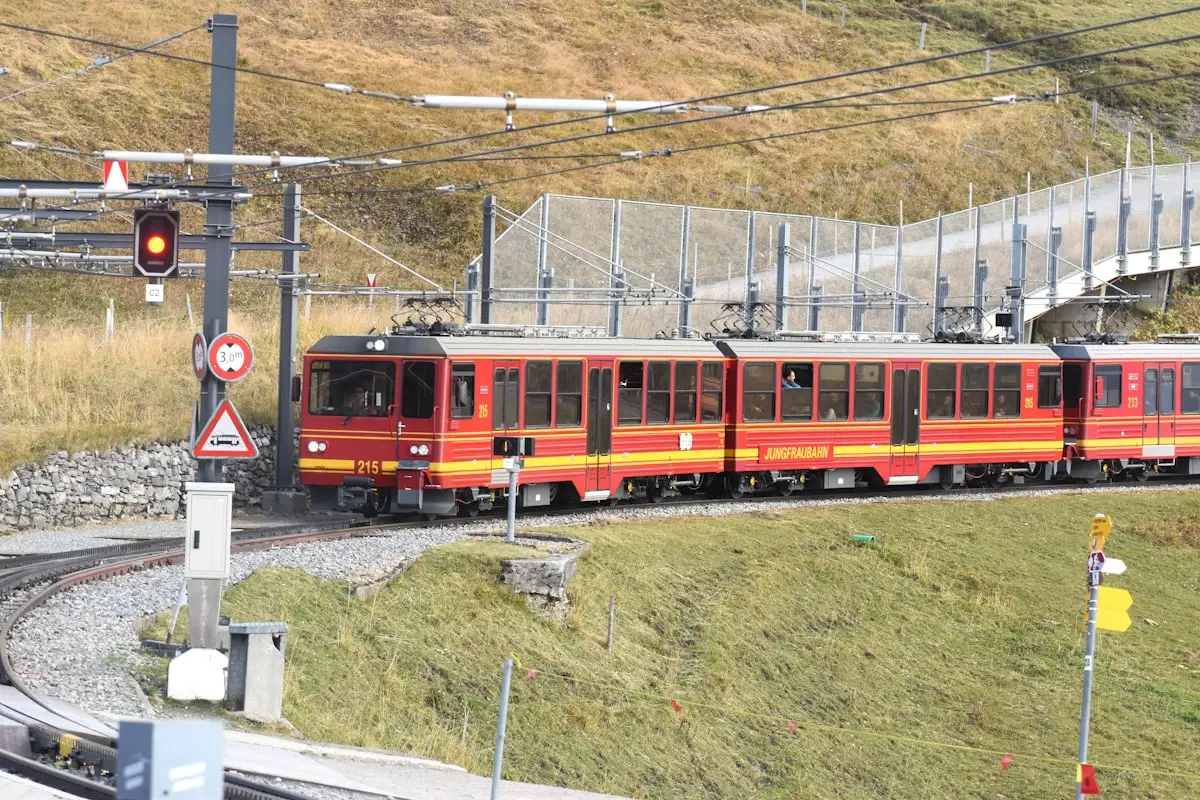
Train Passes: Europe, Japan, and Beyond
Do the math on Eurail passes, Japan Rail Passes, and India train classes — with booking windows, seat reservations, and when point-to-point is cheaper.
Read article →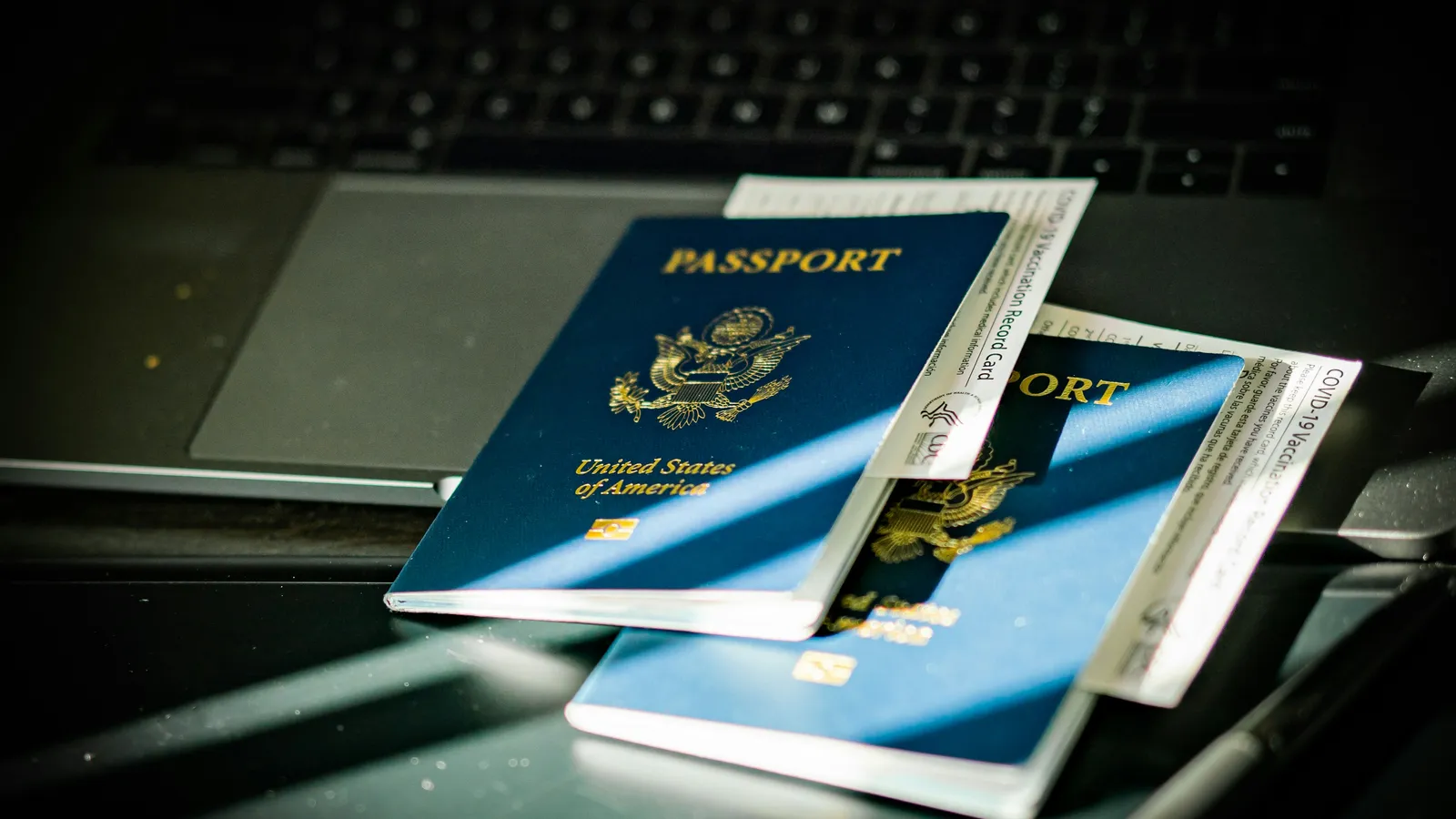
Working Holiday Visa Playbook
Complete guide to working holiday visas in Australia, New Zealand, Canada, Japan, and South Korea with age limits, timelines, and job strategies.
Read article →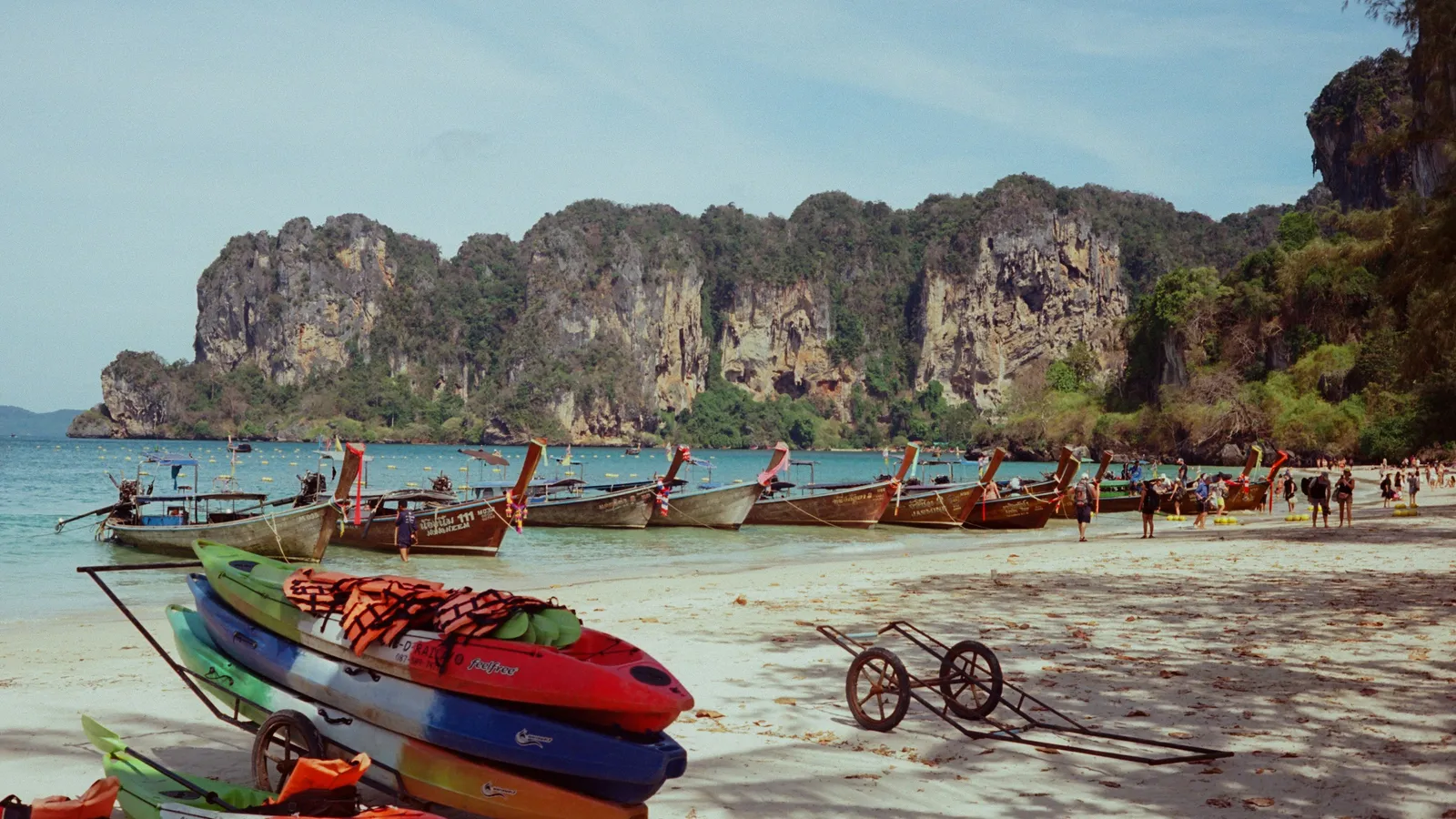
Your First Month in Southeast Asia
Plan your first 30 days in Southeast Asia with a tested itinerary covering Thailand, Cambodia, and Vietnam without rushing or overspending.
Read article →Heading to Fushimi Inari?
Find travel companions to explore Fushimi Inari together on roammate — split costs, share adventures, and make lifelong friends.


To customise this itinerary to your travel style, pace, and budget — download the roammate app to tailor it to your preferences.
Find travel companions in Fushimi Inari →