Fukuoka
Japan's most underrated city, where the ramen is richer, the pace is slower, and tiny riverside food stalls turn strangers into friends.
1 day in Fukuoka
Only got 24 hours? Here's how to experience the best of Fukuoka in a single action-packed day.
The Best of Fukuoka in 24 Hours
Ohori Park & Fukuoka Castle Ruins
Start with a morning walk around Ohori Park — a beautiful lake park modeled after West Lake in Hangzhou, with a jogging path, traditional Japanese garden (¥250), and coffee kiosks. Walk to the adjacent Fukuoka Castle ruins (free) in Maizuru Park — the stone walls offer panoramic views of the city and bay. In cherry blossom season (late March–early April), the castle grounds are Fukuoka's prime hanami (flower-viewing) spot.
Hakata Old Town & Canal City
Walk through Hakata's old town — the Kushida Shrine (free) has been Hakata's spiritual center for over 1,000 years and houses a stunning Hakata Gion Yamakasa festival float year-round. Explore the Kawabata Shotengai covered arcade — Fukuoka's oldest shopping street with traditional crafts and street snacks. Walk to Canal City Hakata, a massive shopping complex built around an artificial canal with a free fountain show every 30 minutes.
Yatai Street Stalls — Ramen & More
Fukuoka's yatai (open-air food stalls) are legendary — over 100 mobile stalls pop up at dusk along the Naka River and Tenjin area. Pull up a stool at a tiny counter (6–8 seats each) and order Hakata-style tonkotsu ramen (¥700–900) — milky pork bone broth, thin straight noodles, and chashu pork. Order kae-dama (extra noodles, ¥100–150) when your bowl is half-empty. Try multiple yatai — each has its own recipe.
3 days in Fukuoka
A carefully curated route mixing iconic landmarks, hidden gems, street food, culture, and adventure — designed for younger travelers.
Hakata Culture — Shrines, Markets & Ramen
Kushida Shrine & Hakata Machiya Museum
Start at Kushida Shrine (free), Hakata's most important shrine for over 1,200 years. The elaborate yamakasa festival float on permanent display stands 13 meters tall and is lavishly decorated. Walk to the Hakata Machiya Folk Museum (¥200) — a beautifully restored traditional merchant house showcasing Hakata's crafts including weaving and pottery. The surrounding old town streets feel pleasantly unhurried.
Kawabata Arcade & Yanagibashi Market
Walk the Kawabata Shotengai covered arcade — Fukuoka's oldest shopping street with traditional shops, manga cafes, and snack stands. Try mentaiko (spicy cod roe, ¥200–400 per piece) — Fukuoka's signature ingredient. Continue to Yanagibashi Market — a compact, authentic market where locals buy fish, vegetables, and pickles. Lunch at one of the market restaurants — chirashi-don (scattered sushi, ¥800–1,200) with fish cut minutes earlier.
Nakasu Yatai & River Walk
The yatai along the Naka River near Nakasu Island are Fukuoka at its most magical. These tiny mobile food stalls seat 6–8 people each and serve Hakata tonkotsu ramen (¥700–900), gyoza, yakitori, and oden. The atmosphere — sitting by the river, steam rising, strangers becoming friends over beer — is uniquely Fukuoka. Try 2–3 different yatai. Afterwards, walk along the illuminated Naka River.
Parks, Temples & Tenjin
Ohori Park & Castle Ruins
Morning walk around Ohori Park — the lake, bridges, and reflections are serene. The Japanese Garden (¥250) inside the park is a miniature masterpiece of traditional landscaping. Walk to Fukuoka Castle ruins in Maizuru Park (free) — the stone walls and elevated grounds offer city and bay views. The castle was once Kyushu's largest, and the scale of the remaining stonework is impressive.
Dazaifu Tenmangu Day Trip
Train from Tenjin to Dazaifu (Nishitetsu line, ¥410, 40 minutes). Dazaifu Tenmangu is one of Japan's most important Shinto shrines, dedicated to the god of learning. The approach street is lined with mochi shops — the famous umegae mochi (plum-stamped rice cake, ¥130) has been sold here for centuries. The shrine grounds include plum gardens, koi ponds, and the Kyushu National Museum (¥700) nearby.
Tenjin Underground & Izakaya Night
Tenjin is Fukuoka's main shopping and entertainment district. The Tenjin Underground City stretches 590 meters with shops and restaurants. For dinner, find a local izakaya in the Tenjin backstreets — order motsu nabe (tripe hot pot, ¥1,200–1,500 per person), Fukuoka's other signature dish. Rich, garlicky miso broth with beef intestines, cabbage, and chili flakes. Pair with shochu (Kyushu's native spirit, ¥400–600).
Seaside, Shopping & Farewell
Momochi Beach & Fukuoka Tower
Metro to Momochi for Fukuoka's urban beach — a man-made but pleasant sandy stretch with views across Hakata Bay. Walk to Fukuoka Tower (¥800) — at 234 meters, it's Japan's tallest seaside tower with panoramic views of the city, mountains, and ocean. The surrounding Momochi district is modern and spacious, a contrast to the compact old town. The Fukuoka City Museum (¥200) nearby has the famous gold seal given by a Chinese emperor in 57 AD.
Hakata Station & Deitos Shopping
Hakata Station's shopping complex (Hakata Deitos, Amu Plaza) has excellent souvenir shopping — mentaiko in decorative boxes (¥1,000–3,000), Hakata-ori textiles, Chidori manju sweet cakes, and region-exclusive Kit Kat flavors. The rooftop garden (free) has a miniature shrine and city views. For a final ramen, Shin-Shin near Tenjin serves an excellent tonkotsu with a slightly lighter broth than the heavy Nagahama style.
Final Yatai & Farewell
One last evening at the yatai — try the stalls along Watanabe-dori in Tenjin for a different selection from the Nakasu river stalls. Order ramen, gyoza, and a cold Asahi for the quintessential Fukuoka farewell. Hakata is the kind of city that quietly wins you over — the food, the warmth of the people, the easy pace. You'll already be planning your return before you've finished your last bowl.
7 days in Fukuoka
A full week to go deep — from famous landmarks to local neighbourhoods, day trips, hidden gems, and proper local immersion.
Hakata Culture — Shrines, Markets & Ramen
Kushida Shrine & Old Town
Start at Kushida Shrine (free) — Hakata's spiritual center for 1,200 years. The yamakasa festival float on display is 13 meters of elaborate decoration. Walk to the Hakata Machiya Folk Museum (¥200) for live textile weaving demonstrations. The surrounding old town has narrow lanes with traditional shophouses and a distinctly unhurried pace.
Kawabata & Yanagibashi Market
Walk Kawabata Shotengai arcade for traditional crafts and mentaiko shops. Continue to Yanagibashi Market for ultra-fresh sashimi and local pickles. Lunch at a market restaurant — chirashi-don with fish cut minutes ago (¥800–1,200). The market is small but authentic — this is where Fukuoka's chefs buy their ingredients.
Nakasu Yatai Night
The yatai along the Naka River are Fukuoka's soul. Tiny mobile stalls seat 6–8 people — Hakata tonkotsu ramen (¥700–900), gyoza, yakitori, and oden. The atmosphere of river, steam, and strangers is unique. Try 2–3 different stalls. Each yatai owner has their own recipe, their own personality, and their own regulars. This is street food at its finest.
Parks, Temples & Tenjin
Ohori Park & Japanese Garden
Morning walk around Ohori Park — the lake and bridges are serene. The Japanese Garden (¥250) is a miniature masterpiece. Walk to Fukuoka Castle ruins (free) for city and bay views from the elevated stone walls. In spring, 1,000+ cherry trees bloom here. The park is where Fukuoka jogs, picnics, and relaxes — join the morning rhythm.
Dazaifu Tenmangu
Train to Dazaifu (Nishitetsu, ¥410, 40 min). Dazaifu Tenmangu shrine is dedicated to learning — the approach street sells umegae mochi (¥130) made on the spot. The shrine has plum gardens, koi ponds, and an atmosphere of studious devotion. Kengo Kuma's Starbucks with its stunning wooden lattice is worth photographing. The Kyushu National Museum (¥700) nearby is excellent.
Motsu Nabe & Tenjin Night
Dinner is motsu nabe — Fukuoka's other signature dish. Rich miso broth with beef intestines, cabbage, garlic, and chili (¥1,200–1,500 per person). Ooyama in Tenjin is the most famous spot. Pair with Kyushu shochu — the local spirit, often made from sweet potato or barley. Walk the Tenjin backstreets for bars and the Tenjin Underground shopping city.
Day Trip — Nagasaki
Nagasaki Peace Park & Atomic Bomb Museum
Shinkansen or Kamome Express to Nagasaki (2 hours from Hakata). The Nagasaki Atomic Bomb Museum (¥200) is devastating and essential — artifacts, survivor testimonies, and a meticulous timeline of August 9, 1945. The Peace Park and its iconic statue are nearby. The Hypocenter Park marks the exact point of detonation. The experience is sobering and profoundly moving.
Glover Garden & Chinatown
Walk through Nagasaki's Dutch Slopes and Glover Garden (¥620) — a hilltop garden with Western-style mansions from the 1860s when Nagasaki was Japan's only port open to foreign trade. Views across the harbor are stunning. Lunch in Nagasaki Chinatown — the oldest in Japan — for champon (thick noodle soup with seafood and vegetables, ¥800–1,200), Nagasaki's signature dish. The pork buns (kakuni manju, ¥400) are also exceptional.
Mount Inasa Night View & Return
If time allows, ride the ropeway to Mount Inasa (¥1,250 round trip) for Nagasaki's famous night view — rated one of Japan's top three alongside Hakodate and Kobe. The harbor lights reflecting on the water create a stunning panorama. Return to Fukuoka on the last train. If short on time, catch an earlier train and end the evening at Fukuoka's yatai stalls.
Beaches, Islands & Nature
Nokonoshima Island
Ferry from Meinohama port to Nokonoshima Island (¥230, 10 minutes). This small island in Hakata Bay has flower gardens (¥1,200), hiking trails, beaches, and a tiny village with a pottery workshop. The Island Park has seasonal flowers — cosmos in autumn, rapeseed in spring, sunflowers in summer. The pace here is island-slow, with panoramic city views across the water.
Momochi Beach & Tower
Return and head to Momochi Beach — Fukuoka's urban beach with Hakata Bay views. Walk to Fukuoka Tower (¥800) for panoramic views from 234 meters — the city, mountains, and ocean stretch in every direction. The Fukuoka City Museum (¥200) displays the famous gold seal given by Chinese Emperor Guangwu in 57 AD — one of Japan's most important archaeological artifacts.
Nagahama Ramen District
Nagahama, near the fish market, is the birthplace of Hakata's tonkotsu ramen style. The ramen here is the most hardcore version — ultra-rich, ultra-porky broth with thin, hard noodles. Shin Shin and Nagahama Number One are the legendary shops (¥600–800). The area is rough around the edges but authentically Hakata. Order barikata (extra-firm) noodles and kae-dama (refill, ¥100) like a local.
Day Trip — Beppu Onsen
Beppu — Hell Tour
Limited express train from Hakata to Beppu (¥5,250 or JR Pass, 2 hours). Beppu is Japan's most famous hot spring city with more thermal water output than anywhere except Yellowstone. Start with the "Hells Tour" (Jigoku Meguri, ¥2,200 combined ticket) — seven dramatically colored hot springs including blood-red Chinoike Jigoku, cobalt-blue Umi Jigoku, and the boiling mud of Oniishibozu.
Sand Bath & Onsen
Try the famous sand bath at Beppu Beach Sand Bath (¥1,510) — attendants bury you in naturally heated black sand near the ocean. It's surreal, toasty, and deeply relaxing. Then soak in one of Beppu's hundreds of public onsen — Takegawara Onsen (¥300) is the most atmospheric, a wooden bathhouse dating to 1879 with sand baths in the basement. The mineral-rich water leaves your skin silky smooth.
Return & Fukuoka Night
Train back to Fukuoka. For a change from ramen, try Fukuoka's excellent Korean food in Tenjin — the city has a large Korean community and restaurants serving authentic bibimbap, tteokbokki, and Korean BBQ at prices rivaling Seoul. Or visit the Tenjin yatai stalls you haven't tried yet. Every stall owner has their own specialties — tempura yatai, oden yatai, and even French-influenced yatai exist.
Hidden Fukuoka — Craft & Cuisine
Tocho-ji Temple & Hakata Crafts
Visit Tocho-ji temple (free) for the Great Buddha of Hakata — a 10.8-meter seated wooden Buddha that's Kyushu's largest. The adjacent five-story pagoda is beautiful. Walk through the old Hakata craft district — the area around Reisen Park has pottery workshops and Hakata doll (Hakata ningyo) studios where you can watch artisans paint the famous clay figurines. Some offer ¥1,000–3,000 painting experiences.
Mentaiko Factory & Tasting
Visit the Fukuya mentaiko factory or shop in Nakasu — Fukuya invented mentaiko (spicy marinated cod roe) in 1949. Free tastings of different spice levels. Buy mentaiko to take home (vacuum-packed, ¥800–2,000). Then walk to the Hakata Riverain Mall for lunch — the area has excellent curry rice and katsu restaurants. The Fukuoka Asian Art Museum (¥200) in the same building has rotating Asian contemporary art.
Yakitori Alley & Local Nightlife
Fukuoka's yakitori (grilled chicken skewers) scene is underrated. Head to the small restaurants around Hakata Station's south side — each specializes in different cuts. Chicken skin (kawa), heart (hatsu), and tsukune (meatball) skewers cost ¥100–200 each. Pair with highballs (¥300–400). The intimate atmosphere of these tiny shops — charcoal smoke, counter seating, and friendly chefs — is quintessential Japanese hospitality.
Relaxation & Farewell
Morning Onsen & Slow Start
Start your final day at a sento (public bath) — Nami Kaze no Yu near Momochi offers ocean views from its baths (¥800). Or try Manyo Club in Canal City (¥2,000) for a full onsen experience with city views. The morning soak ritual is deeply Japanese — let the hot water prepare you for the day. Breakfast at a local kissaten (coffee shop) for thick toast, hard-boiled eggs, and drip coffee (¥500–800 for a set).
Final Shopping & Souvenirs
Hakata Station's Deitos shopping complex is the best souvenir spot — mentaiko, Hakata Torimon (custard-filled buns, ¥1,000 for 8), Chidori Manju, and regional Kit Kats. For Hakata crafts, Kawabata arcade has traditional textiles and pottery. The Amu Plaza rooftop garden (free) offers a final city view. Tax-free shopping applies for purchases over ¥5,000 at department stores.
One Last Ramen
Your farewell meal in Fukuoka can only be ramen. Return to your favorite yatai or try one you missed. Or go to Ichiran's headquarters in Hakata (their global fame started here) for their unique solo-booth dining experience — you order via sheet, the chef slides the bowl through a bamboo curtain, and you eat in focused, meditative silence. Fukuoka is a city that feeds your soul through your stomach.
Budget tips
Ramen capital
Fukuoka ramen is the cheapest in Japan — ¥600–900 per bowl at yatai and restaurants. Kae-dama (noodle refill) is ¥100–150. A full ramen dinner with beer runs under ¥1,500.
City transit
Fukuoka City Subway 1-day pass (¥640) covers all three lines. Individual rides ¥210–360. Walking between Hakata, Tenjin, and Nakasu takes 15–20 minutes — often faster than metro.
Free attractions
Kushida Shrine, Ohori Park, Fukuoka Castle ruins, Kawabata arcade, Tocho-ji temple, and the Naka River walk are all free. Yatai browsing is free entertainment until you sit down.
Airport proximity
Fukuoka Airport is 5 minutes from Hakata Station by subway (¥260). This saves a hotel night — you can sightsee until late and still catch an early flight.
Day trip savings
Dazaifu is only ¥410 by Nishitetsu train from Tenjin (40 min). Nagasaki and Beppu are 2 hours by train — perfect day trips without hotel changes.
Conbini strategy
Lawson and FamilyMart in Fukuoka have excellent mentaiko onigiri (¥150–200) and local bento (¥400–600). Quality rivals restaurant food at a fraction of the price.
Budget breakdown
Daily costs per person in JPY. Fukuoka is one of Japan's most affordable cities — ramen dinners under ¥1,000 and an airport 5 minutes from downtown.
| 🎒 Budget | ✨ Mid-Range | 💎 Splurge | |
|---|---|---|---|
| Accommodation Hostel/capsule → business hotel → ryokan/boutique | ¥2,000–3,500 | ¥5,000–10,000 | ¥15,000+ |
| Food Ramen & conbini → izakaya & motsu nabe → fine dining | ¥1,500–2,500 | ¥3,000–6,000 | ¥10,000+ |
| Transport Walking & day pass → IC card → taxi | ¥300–640 | ¥800–1,500 | ¥3,000+ |
| Activities Free shrines & parks → museums & tower → day trips | ¥200–500 | ¥1,000–3,000 | ¥6,000+ |
| Drinks Conbini beer → yatai & izakaya → shochu bars | ¥300–500 | ¥800–2,000 | ¥4,000+ |
| Daily Total $29–51 → $71–150 → $253+ | ¥4,300–7,640 | ¥10,600–22,500 | ¥38,000+ |
Practical info
Getting Around
- Fukuoka City Subway has 3 lines — Airport Line connects the airport to Hakata and Tenjin in 5–11 minutes. Get an ICOCA or Suica card
- The city is very walkable — Hakata, Nakasu, and Tenjin are within 20 minutes of each other on foot along the river
- Nishitetsu buses supplement the subway. For day trips, JR trains from Hakata Station connect to Nagasaki, Beppu, and Kumamoto
Connectivity
- Fukuoka Airport has pocket WiFi rental counters (¥500–900/day). eSIMs from Ubigi or Airalo work well
- Free WiFi at Fukuoka City WiFi hotspots — register once and connect at subway stations, tourist spots, and some cafes
- Google Maps is highly accurate for Fukuoka transit. Download offline maps as backup for areas with weak signal
Money
- Cash is essential for yatai (all cash-only), many small restaurants, and markets. Carry ¥10,000+ in cash at all times
- 7-Eleven and Japan Post ATMs accept foreign cards. Larger restaurants and shops accept cards
- No tipping in Japan. Yatai stall owners are grateful for a simple "gochisousama deshita" (thank you for the meal) when leaving
Getting to Fukuoka
- Fukuoka Airport (FUK) is Japan's most city-convenient airport — 5 minutes by subway to Hakata Station (¥260)
- Shinkansen from Tokyo: 5 hours (¥22,220). From Osaka: 2.5 hours (¥15,280). JR Pass covers these routes
- Ferries to Busan, South Korea depart from Hakata Port (from ¥9,000 one-way, 3 hours by jetfoil)
Health & Safety
- Fukuoka is very safe with negligible crime. The Nakasu entertainment district has some touts at night — just walk past
- No vaccinations required. Tap water is safe. Pharmacies (drugstores) are in every shopping area
- Summer (Jul–Aug) is hot and humid (33°C+). Typhoon season (Aug–Oct) can disrupt transport. Check forecasts
Packing Tips
- Comfortable walking shoes — Fukuoka is flat and walkable. Slip-on shoes for temple visits
- A small towel (tenugui) — Japanese restrooms rarely have paper towels. Useful at yatai for wiping ramen splashes too
- Rain gear for Fukuoka's rainy season (Jun–Jul). A light jacket for air-conditioned interiors in summer
Cultural tips
Fukuoka (Hakata) has a distinct food-first culture with a warmth that Tokyo can't match. The yatai tradition and Hakata dialect set it apart from the rest of Japan.
Ramen Etiquette
Slurp loudly — it cools the noodles and shows appreciation. Eat fast — Hakata ramen is designed to be consumed quickly. Order kae-dama (noodle refill) while broth remains. Finish the broth if you loved it.
Yatai Culture
Yatai are communal — you sit next to strangers and conversation flows naturally. Don't hog seats during busy times. Order within 5 minutes of sitting. Cash only. Say "gochisousama" when leaving.
Shochu Culture
Kyushu drinks shochu, not sake. Made from sweet potato (imo), barley (mugi), or rice (kome). Ask for it mixed with hot water (oyuwari) or on the rocks (rokku). It's smoother than you expect.
Shoes & Manners
Remove shoes at temples, traditional restaurants, and ryokans. Slippers provided. Never wear toilet slippers outside the bathroom. Carry clean socks — bare feet in shared spaces are awkward.
Hakata Dialect
Fukuoka people speak Hakata-ben dialect — "yokatai" (it's good), "bai" (ending particle), and "nantai" (what's that). Locals are proud of their dialect and warmer/friendlier than Tokyo stereotypes.
Festival Spirit
Hakata Gion Yamakasa (July 1–15) is the city's biggest festival — massive floats raced through the streets at dawn. Dontaku Festival (May 3–4) features 30,000 performers. If visiting during either, expect a wild time.
Fukuoka is on these routes
Reading for Fukuoka
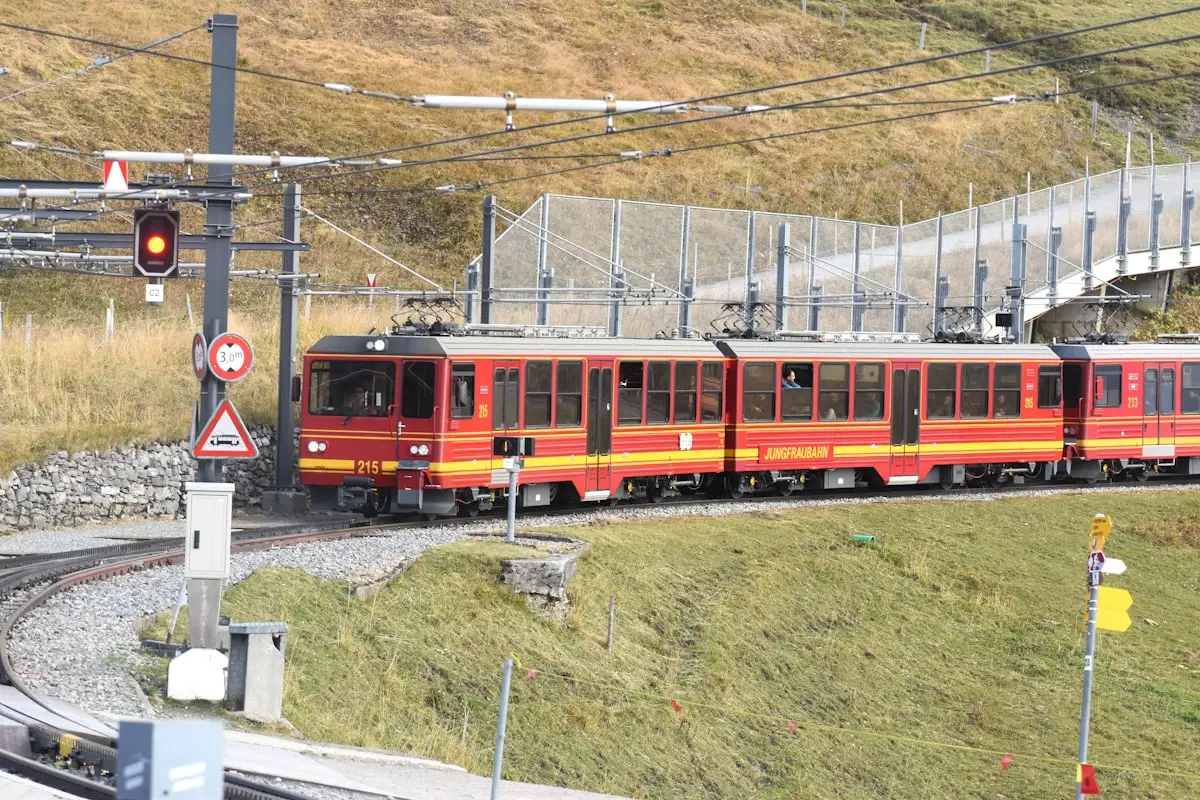
Train Passes: Europe, Japan, and Beyond
Do the math on Eurail passes, Japan Rail Passes, and India train classes — with booking windows, seat reservations, and when point-to-point is cheaper.
Read article →
Working Holiday Visa Playbook
Complete guide to working holiday visas in Australia, New Zealand, Canada, Japan, and South Korea with age limits, timelines, and job strategies.
Read article →
Your First Month in Southeast Asia
Plan your first 30 days in Southeast Asia with a tested itinerary covering Thailand, Cambodia, and Vietnam without rushing or overspending.
Read article →Heading to Fukuoka?
Find travel companions for yatai crawls, Nagasaki day trips, and Beppu onsen adventures on roammate.


To customise this itinerary to your travel style, pace, and budget — download the roammate app to tailor it to your preferences.
Find travel companions in Fukuoka →