Delhi
Seven cities layered on top of each other — where Mughal emperors, British colonists, and 22 million modern souls left their mark on every street corner.
1 day in Delhi
Only got 24 hours? Here's how to experience the best of Delhi in a single action-packed day.
The Best of Delhi in 24 Hours
Old Delhi — Jama Masjid & Chandni Chowk
Start at Jama Masjid — India's largest mosque, built by Mughal Emperor Shah Jahan in 1656. Climb the southern minaret (₹300) for panoramic views of Old Delhi's chaotic rooftops. Then dive into Chandni Chowk — one of the oldest and busiest markets in Asia. The narrow lanes are a sensory overload of spice stalls, silver shops, fabric dealers, and the best street food in India. Breakfast: chole bhature at Sita Ram for ₹80.
Red Fort & Humayun's Tomb
Walk to the Red Fort (₹600 foreigners) — the massive red sandstone Mughal palace complex that was the seat of power for 200 years. The main hall of audience (Diwan-i-Am) and marble private apartments are impressive. Then auto-rickshaw or metro to Humayun's Tomb (₹600) — the 1570 garden tomb that inspired the Taj Mahal. The symmetry, gardens, and red-and-white stone work are breathtaking.
India Gate & Connaught Place
Auto-rickshaw to India Gate — Delhi's iconic war memorial, beautifully lit at night. Walk the Rajpath (now Kartavya Path) promenade. Then head to Connaught Place — the colonial-era circular market with restaurants, bars, and rooftop terraces. Dinner at Saravana Bhavan for unlimited South Indian thali (₹250–350) or Karim's near Jama Masjid for legendary Mughlai kebabs and biryani (₹200–400).
3 days in Delhi
A carefully curated route mixing iconic landmarks, hidden gems, street food, culture, and adventure — designed for younger travelers.
Mughal Delhi & Street Food
Jama Masjid & Chandni Chowk
Start at Jama Masjid — India's largest mosque, built in 1656 with capacity for 25,000 worshippers. The courtyard is immense. Climb the southern minaret (₹300) for views of Old Delhi's rooftops stretching endlessly. Then plunge into Chandni Chowk — one of the oldest markets in Asia. Breakfast at Paranthe Wali Gali (Paratha Lane) — stuffed parathas fried in ghee from ₹60, a tradition since 1875.
Red Fort & Mughal Legacy
Walk to the Red Fort (₹600) — Shah Jahan's 1648 palace complex of red sandstone walls, marble apartments, and Mughal gardens. The Diwan-i-Khas (Hall of Private Audience) once held the legendary Peacock Throne. Audio guide recommended (₹150) for understanding the layers of Mughal, British, and Indian history. Then take a cycle rickshaw through the Old Delhi lanes — the controlled chaos is exhilarating.
Old Delhi Food Walk
Return to Old Delhi for a self-guided food walk — the greatest street food concentration in India. Try: nihari at Haji Shabrati (slow-cooked buffalo stew, ₹120), kebabs at Karim's (since 1913, ₹150–250), jalebi at Old Famous Jalebi Wala near Chandni Chowk metro (₹60/plate), and kulfi falooda at Giani's (₹80). Each lane specialises in a different food. The evening atmosphere is magical.
New Delhi & Monuments
Humayun's Tomb & Nizamuddin
Start at Humayun's Tomb (₹600) — the 1570 garden tomb that was the prototype for the Taj Mahal. The symmetrical red-and-white sandstone mausoleum set in Persian-style gardens is one of Delhi's most beautiful sights. Then walk to Nizamuddin Dargah — the Sufi shrine where qawwali (devotional music) is performed every Thursday evening. The surrounding lane has famous biryani stalls.
Qutub Minar & Hauz Khas
Metro to Qutub Minar (₹600) — a 73m victory tower from 1193, the tallest brick minaret in the world. The surrounding archaeological complex has the mysterious Iron Pillar (1,600 years rust-free) and ruins of India's first mosque. Then auto to Hauz Khas Village — Delhi's bohemian neighbourhood with art galleries, boutiques, and cafes surrounding a medieval lake and ruins. Lunch at a Hauz Khas cafe (₹300–500).
India Gate & Connaught Place
Visit India Gate at sunset — Delhi's iconic war memorial lit up against the twilight sky. Walk Kartavya Path (formerly Rajpath) for the grand vista of government buildings. Then metro to Connaught Place — the colonial circular market. Dinner at Saravana Bhavan for South Indian thali (₹250–350) or United Coffee House for colonial-era ambiance and North Indian cuisine (₹400–600). The Rajiv Chowk metro station here is Delhi's busiest.
Temples, Markets & Modern Delhi
Akshardham Temple & Lotus Temple
Visit Akshardham Temple (free, no phones/cameras allowed) — an extraordinary modern Hindu temple complex with 20,000 carved figures, a musical fountain show, and exhibitions on Hindu philosophy. Allow 2–3 hours. Then auto to Lotus Temple (free) — a Baha'i house of worship shaped like a lotus flower with 27 marble petals. The architecture is stunning regardless of your faith.
Lodhi Garden & Khan Market
Stroll through Lodhi Garden — a beautiful park containing 15th-century Mughal tombs scattered among manicured lawns and ancient trees. Free entry. Delhi's joggers, yoga practitioners, and couples make it feel alive. Walk to Khan Market — Delhi's upscale shopping area with bookshops (Full Circle, Bahrisons), boutiques, and the best contemporary restaurants. Lunch at Big Chill Cafe for Italian-Indian fusion (₹400–600).
Dilli Haat & Farewell Dinner
Visit Dilli Haat (₹30 entry) — a permanent open-air market showcasing handicrafts and food from every Indian state. Each stall represents a different region — buy Rajasthani textiles, Kashmiri shawls, or Kerala spices. The food stalls serve regional specialties from ₹100–200. For a farewell splurge, dinner at Indian Accent (reservations essential) — one of Asia's top restaurants, modern Indian tasting menu from ₹4,500.
7 days in Delhi
A full week to go deep — from famous landmarks to local neighbourhoods, day trips, hidden gems, and proper local immersion.
Mughal Delhi & Street Food
Jama Masjid & Chandni Chowk
Start at Jama Masjid — India's largest mosque from 1656, with capacity for 25,000. Climb the southern minaret (₹300) for Old Delhi rooftop views. Plunge into Chandni Chowk — one of Asia's oldest markets. Breakfast at Paranthe Wali Gali — stuffed parathas fried in ghee since 1875 (₹60). The narrow lanes are a sensory overload of spices, silver, fabric, and humanity.
Red Fort
Walk to the Red Fort (₹600) — Shah Jahan's 1648 palace of red sandstone walls, marble apartments, and Mughal gardens. The Diwan-i-Khas once held the Peacock Throne. Audio guide (₹150) brings the Mughal, British, and independence-era history to life. Then take a cycle rickshaw through Old Delhi's lanes for the controlled chaos that defines this city.
Old Delhi Food Walk
The greatest street food concentration in India. Try: nihari at Haji Shabrati (₹120), kebabs at Karim's (since 1913, ₹150–250), jalebi at Old Famous Jalebi Wala (₹60/plate), and kulfi falooda at Giani's (₹80). Each lane specialises in a different food perfected over generations. The evening atmosphere under naked light bulbs and neon is magical and overwhelming in equal measure.
Mughal Monuments & Sufi Delhi
Humayun's Tomb
Start early at Humayun's Tomb (₹600) — the 1570 garden tomb that inspired the Taj Mahal. The symmetrical red-and-white sandstone mausoleum in Persian-style gardens is Delhi's most beautiful monument. The reflecting pools at dawn mirror the dome perfectly. The recently restored gardens are immaculate. Allow 1.5–2 hours to explore the complex including the surrounding tombs.
Nizamuddin & Sufi Culture
Walk to Nizamuddin Dargah — the Sufi shrine of Hazrat Nizamuddin Auliya, one of Delhi's most spiritually charged sites. The marble courtyard, qawwali singers, and devotees creating an atmosphere of devotion that transcends religion. The surrounding lanes have famous biryani stalls — try Ghalib Kebab Corner (₹150–200). Visit the nearby tomb of Mughal poet Amir Khusro.
India Gate & Rajpath
Visit India Gate at sunset — Delhi's war memorial illuminated against the twilight. Walk Kartavya Path for the grand government vista. The evening ice cream vendors and families picnicking on the lawns make it festive. Dinner at Bengali Market nearby — the entire lane is devoted to chaat (Indian street snacks). Try golgappa (₹40), aloo tikki (₹50), and dahi bhalla (₹60). The flavour explosions are unmatched.
Temples & Modern Delhi
Akshardham & Lotus Temple
Visit Akshardham (free, no electronics allowed) — an extraordinary modern Hindu temple with 20,000 carved figures and exhibitions. Allow 2–3 hours. Then auto to the Lotus Temple (free) — a Baha'i worship house with 27 marble lotus petals. Both represent the spiritual architecture that India does like nowhere else. The scale and detail of Akshardham in particular will astound you.
Lodhi Garden & Khan Market
Stroll Lodhi Garden — a park with 15th-century Mughal tombs scattered among manicured lawns and ancient trees. Free and peaceful. Walk to Khan Market — Delhi's most upscale shopping area with bookshops (Bahrisons, Full Circle), boutiques, and contemporary restaurants. Lunch at Big Chill Cafe (₹400–600) or Andhra Bhawan canteen for an authentic unlimited Andhra thali (₹200).
Hauz Khas Village
Metro to Hauz Khas Village — Delhi's bohemian neighbourhood with art galleries, boutiques, and rooftop bars surrounding a medieval lake and 13th-century ruins. The contrast of ancient and modern is quintessentially Delhi. Watch the sunset from a lakeside cafe, then explore the nightlife — craft beer at Social Offline (₹300–400 for a pint), rooftop bars, and live music venues line the narrow lanes.
Agra Day Trip — Taj Mahal
Gatimaan Express to Agra
Take the Gatimaan Express from Hazrat Nizamuddin station — India's fastest semi-high-speed train reaching Agra in 1 hour 40 minutes (₹755 AC chair). Arrive and auto-rickshaw to the Taj Mahal (₹1,100 foreigners, includes water and shoe covers). Enter through the main gate — the first glimpse of the Taj through the gateway arch is the most awe-inspiring moment in all of travel. White marble, symmetry, and devotion made physical.
Agra Fort & Baby Taj
Walk to Agra Fort (₹600) — the Mughal red sandstone fortress with marble palaces inside. Shah Jahan was imprisoned here, gazing at the Taj Mahal he built for his wife — the view from the Musamman Burj window is heartbreaking and beautiful. Then auto to Itimad-ud-Daulah ("Baby Taj", ₹210) — a smaller tomb covered in marble inlay work that previews the Taj's techniques. Lunch at a rooftop restaurant with Taj views (₹200–400).
Mehtab Bagh & Return
Cross the river to Mehtab Bagh (₹300) — the Mughal garden with the most famous sunset view of the Taj Mahal across the Yamuna River. The marble dome turning pink and gold in the evening light is the photograph everyone travels to India for. Take the evening Gatimaan Express back to Delhi (departs 5:50pm). Dinner at Delhi station or your neighbourhood — you'll still be processing what you saw.
South Delhi & Cultural Immersion
Qutub Minar Complex
Metro to Qutub Minar (₹600) — a 73m victory tower from 1193, the world's tallest brick minaret. The surrounding complex has the mysterious Iron Pillar (1,600 years without rusting), ruins of India's first mosque, and the unfinished Alai Minar. The sandstone carvings on the tower are extraordinary — Quranic inscriptions mixed with Hindu decorative motifs reflecting Delhi's layered history.
Mehrauli Archaeological Park & Lunch
Walk through Mehrauli Archaeological Park (free) — a sprawling area adjacent to Qutub Minar with Mughal tombs, Sultanate ruins, and Balban's Tomb (India's first true arch). Few tourists venture here but the ruins are atmospheric and fascinating. Lunch at nearby Olive Bar & Kitchen (₹800–1,200) — a Mediterranean restaurant in a converted haveli with garden seating, popular with Delhi's creative crowd.
Dilli Haat & Sarojini Nagar
Visit Dilli Haat (₹30) — a permanent market with handicrafts and food from every Indian state. Each stall represents a region — Rajasthani textiles, Kashmiri shawls, Kerala spices. Food stalls serve regional dishes from ₹100–200. Then walk to Sarojini Nagar Market — Delhi's most famous street market for cheap fashion (export surplus from ₹100 per item). The haggling atmosphere is intense and fun.
Markets, Art & Nightlife
National Museum & Rajpath
Visit the National Museum (₹650 foreigners) — India's largest museum with collections spanning 5,000 years: Harappan civilisation artefacts, Mughal miniature paintings, Buddhist Gandhara sculptures, and tribal art. Allow 2–3 hours. Then walk the grand Rajpath/Kartavya Path — the ceremonial boulevard lined with government buildings, designed by Lutyens in the 1930s.
Art Galleries & Craft Villages
Explore the National Gallery of Modern Art (₹500 foreigners) for modern Indian art, or visit the Crafts Museum (₹200) — an open-air museum with full-scale village houses from across India and artisans demonstrating traditional crafts. Watch weavers, potters, and textile printers at work. Then browse the indie art galleries of Lodhi Art District — an entire neighbourhood with commissioned street murals.
Cyber Hub & Nightlife
For Delhi's modern nightlife, head to CyberHub in Gurugram (metro + shuttle) — a restaurant and bar complex popular with young professionals. Craft beer at Raasta (₹350/pint), cocktails at Farzi Cafe (₹500), or dinner at Dhaba by Claridges for elevated North Indian (₹600–800). Alternatively, stay central and explore Greater Kailash-2 (GK2) M Block Market for bars and restaurants.
Spice Market, Souvenirs & Farewell
Khari Baoli Spice Market
Visit Khari Baoli — Asia's largest wholesale spice market near Chandni Chowk. Mountains of turmeric, chilli, cardamom, saffron, and dried fruits fill the narrow lanes. The colours and aromas are overwhelming. Buy spice mixes, saffron (₹200–400/gram), and masala boxes as souvenirs. Also explore the adjoining dried fruit and nut market — almonds, pistachios, and cashews at wholesale prices.
Last Shopping & Packing
Final shopping at Janpath Market for souvenirs — brass ornaments, scarves, Rajasthani puppets, and jewellery. Haggling is essential; start at 30% of asking price. Or visit Fabindia (modern Indian fashion with traditional textiles) or Cottage Emporium on Janpath (government-run, fixed prices, every Indian craft). Pack your bags — everything is lighter and cheaper than you feared.
Farewell Feast
For a final Delhi dinner: if budget allows, Indian Accent in The Lodhi (tasting menu ₹4,500) is ranked among Asia's best restaurants — modern Indian cuisine that will redefine everything you thought about Indian food. For a humbler farewell, return to Old Delhi for one last kebab at Karim's and jalebi at Chandni Chowk. Delhi rewards those who embrace its chaos with food, history, and stories that last forever.
Budget tips
Street food paradise
Chole bhature ₹80, parathas ₹60, momos ₹40, golgappa ₹40, biryani ₹120. Old Delhi's food lanes serve the best food in India for under ₹200 per day on street food alone.
Metro saves everything
Delhi Metro covers the entire city — ₹10–60 per ride. Get a Smart Card (₹150 incl. ₹100 credit) at any station. Faster, cheaper, and air-conditioned compared to auto-rickshaws in traffic.
Negotiate auto-rickshaws
Always agree on price before boarding an auto. Use the Ola/Uber app for fair pricing (₹50–150 within central Delhi). Never accept a "tour" offered by a driver at the train station.
Monument pass
If visiting 3+ ASI monuments, consider the ₹1,880 Composite Ticket covering Red Fort, Humayun's Tomb, Qutub Minar, and Safdarjung's Tomb — saves ₹400+ over individual tickets.
Free attractions
Akshardham, Lotus Temple, Lodhi Garden, India Gate, Gurudwara Bangla Sahib (free langar meal), all mosques, and many museums on certain days are completely free.
Budget accommodation
Paharganj near New Delhi station has hostels from ₹500–800/night. Hauz Khas and Karol Bagh are safer budget areas from ₹1,000–2,000. Always book through apps, never at the door.
Budget breakdown
Daily costs per person in Indian Rupees (₹). Delhi is one of the world's cheapest capital cities — extraordinary food, history, and culture at prices that barely register.
| 🎒 Budget | ✨ Mid-Range | 💎 Splurge | |
|---|---|---|---|
| Accommodation Hostels → 3-star hotels → luxury hotels | ₹500–1,200 | ₹2,000–4,000 | ₹8,000+ |
| Food Street food → restaurants → fine dining | ₹200–400 | ₹600–1,200 | ₹2,500+ |
| Transport Metro & bus → auto/Ola → private car | ₹100–250 | ₹300–600 | ₹1,000+ |
| Activities Free sites + 1–2 monuments → full monument pass → private guides | ₹200–600 | ₹800–1,500 | ₹3,000+ |
| Drinks Chai & lassi → craft beer → cocktail bars | ₹50–150 | ₹300–500 | ₹800+ |
| Daily Total $13–31 → $48–93 → $182+ | ₹1,050–2,600 | ₹4,000–7,800 | ₹15,300+ |
Practical info
Visa & Entry
- Most nationalities need an e-Visa — apply online at indianvisaonline.gov.in at least 4 days before travel. Cost: $10–25 USD
- Indira Gandhi International Airport (DEL) connects to Delhi Metro via the Airport Express Line (20 min to New Delhi station, ₹60)
- Keep printouts of your e-Visa, hotel bookings, and travel insurance — immigration occasionally asks for them
Health & Safety
- Recommended: Hepatitis A, Typhoid, Tetanus. Tap water is NOT safe — always drink bottled (₹20) or filtered water
- Delhi is generally safe but be alert for tourist scams at train stations and popular monuments. Ignore unsolicited "guides"
- Air quality can be severe in winter (Nov–Jan) — check AQI daily. Carry an N95 mask. Summer (Apr–Jun) exceeds 45°C
Getting Around
- Delhi Metro: extensive network covering the entire city. Get a Smart Card (₹150 incl. ₹100 credit) at any station
- Auto-rickshaws: agree on price first or insist on meter. Ola and Uber apps give fair, fixed prices — essential for Delhi
- Cycle rickshaws in Old Delhi are the only way to navigate the narrow lanes — ₹30–80 per ride, negotiate beforehand
Connectivity
- Tourist SIM at the airport: Airtel or Jio, ₹500–700 for 28 days with data. Activation can take 24 hours — buy on arrival day
- Free WiFi in most cafes, malls, and hotels. Delhi Metro stations have free WiFi (with ads)
- All international apps work fine — no internet restrictions. WhatsApp, Google Maps, and Ola/Uber are essential
Money
- Cards accepted at restaurants, hotels, and shops. Cash needed for street food, autos, and markets. Carry ₹500–1,000 daily
- ATMs are plentiful — SBI, HDFC, and ICICI accept foreign cards. Withdraw in multiples of ₹500 for convenience
- Tipping: ₹50–100 at restaurants (if no service charge), ₹20–50 for autos/delivery. Round up small amounts
Packing Tips
- Modest clothing for temples and mosques — cover shoulders and knees. Women: carry a scarf for religious sites
- Comfortable closed shoes for Old Delhi's narrow lanes. Flip-flops for temple visits (shoes off). An N95 mask for air quality days
- Sunscreen, sunglasses, and a refillable water bottle with a filter. Hand sanitiser is essential for street food adventures
Cultural tips
Delhi is a deeply spiritual, multi-religious capital with complex social norms. A little awareness of temple etiquette, food customs, and common scams will transform your experience.
Religious Sites
Remove shoes at temples, mosques, and gurudwaras. Cover your head at Sikh gurudwaras (scarves provided free). Dress modestly at all religious sites. Don't point your feet toward altars or deities.
Greetings
Namaste (palms together) is the standard greeting. Physical contact between opposite genders is minimal — avoid handshakes with women unless they offer first. The head wobble means "yes" or "I understand."
Food Customs
Eat with your right hand if eating without cutlery — the left is considered unclean. Vegetarianism is very common; many restaurants are pure-veg. Don't offer beef to Hindus or pork to Muslims.
Tourist Scams
Ignore "closed today" claims about monuments from touts. Never accept free "tours." Agree on auto-rickshaw prices before boarding. Use app-based taxis. Don't share hotel details with strangers at train stations.
Photography
Always ask before photographing people, especially women. Some monuments charge camera fees. Don't photograph military installations or airports. Sadhus (holy men) may ask for money after photos.
Temple Etiquette
Walk clockwise around Hindu temples. Don't touch offerings or murtis (deity statues). Gurudwaras serve free langar (community meal) — accept it respectfully. It's one of India's most beautiful traditions.
Delhi is on these routes
Reading for Delhi
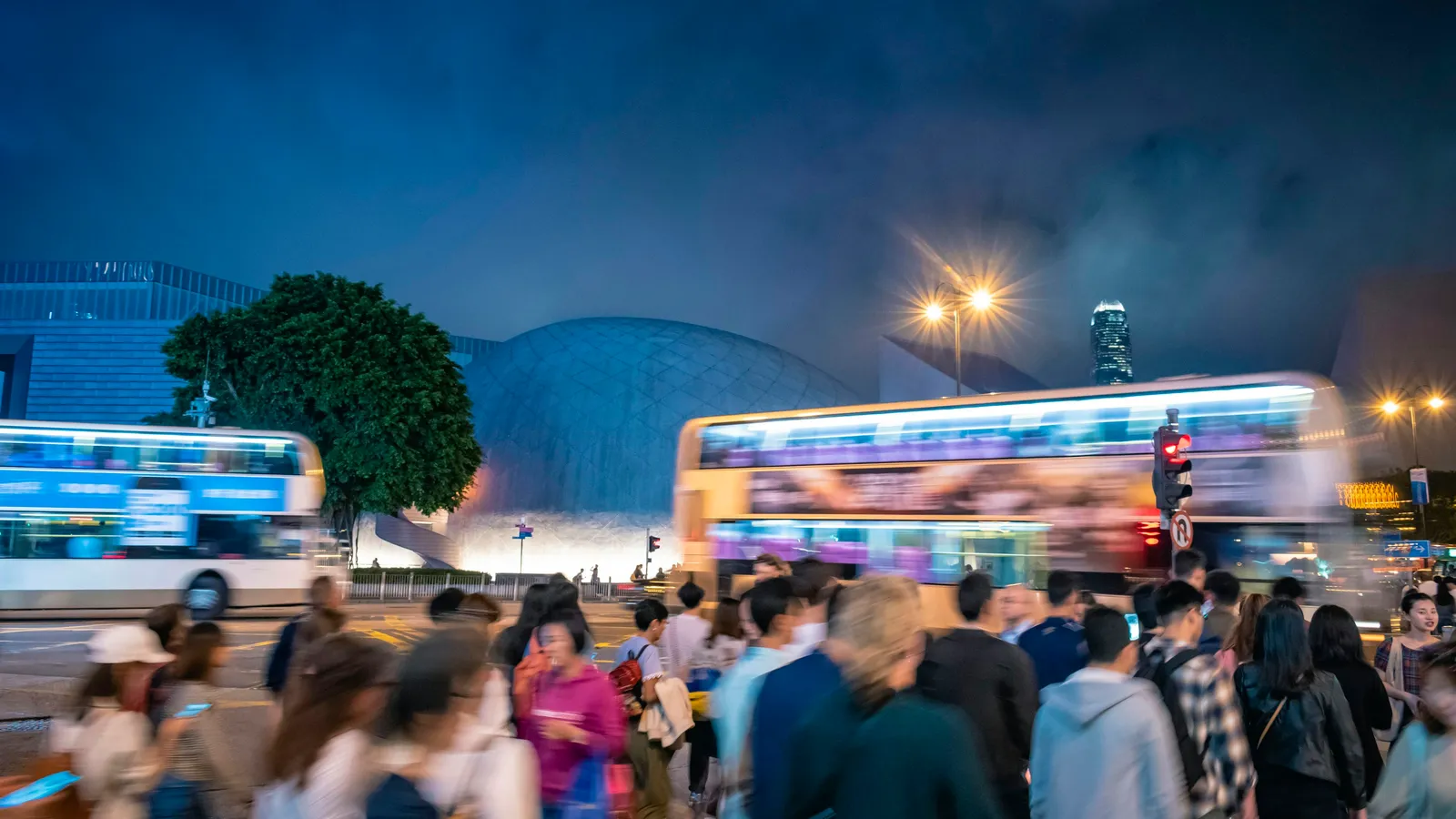
Festival Travel: Timing and Logistics
Plan travel around world festivals including Holi, Songkran, Carnival, and Lantern Festival with booking timelines, price surge data, and safety tips.
Read article →
Haggling and Negotiation Tips Abroad
Learn where haggling is expected, how to set your opening offer by region, and respectful negotiation techniques for markets, taxis, and tours.
Read article →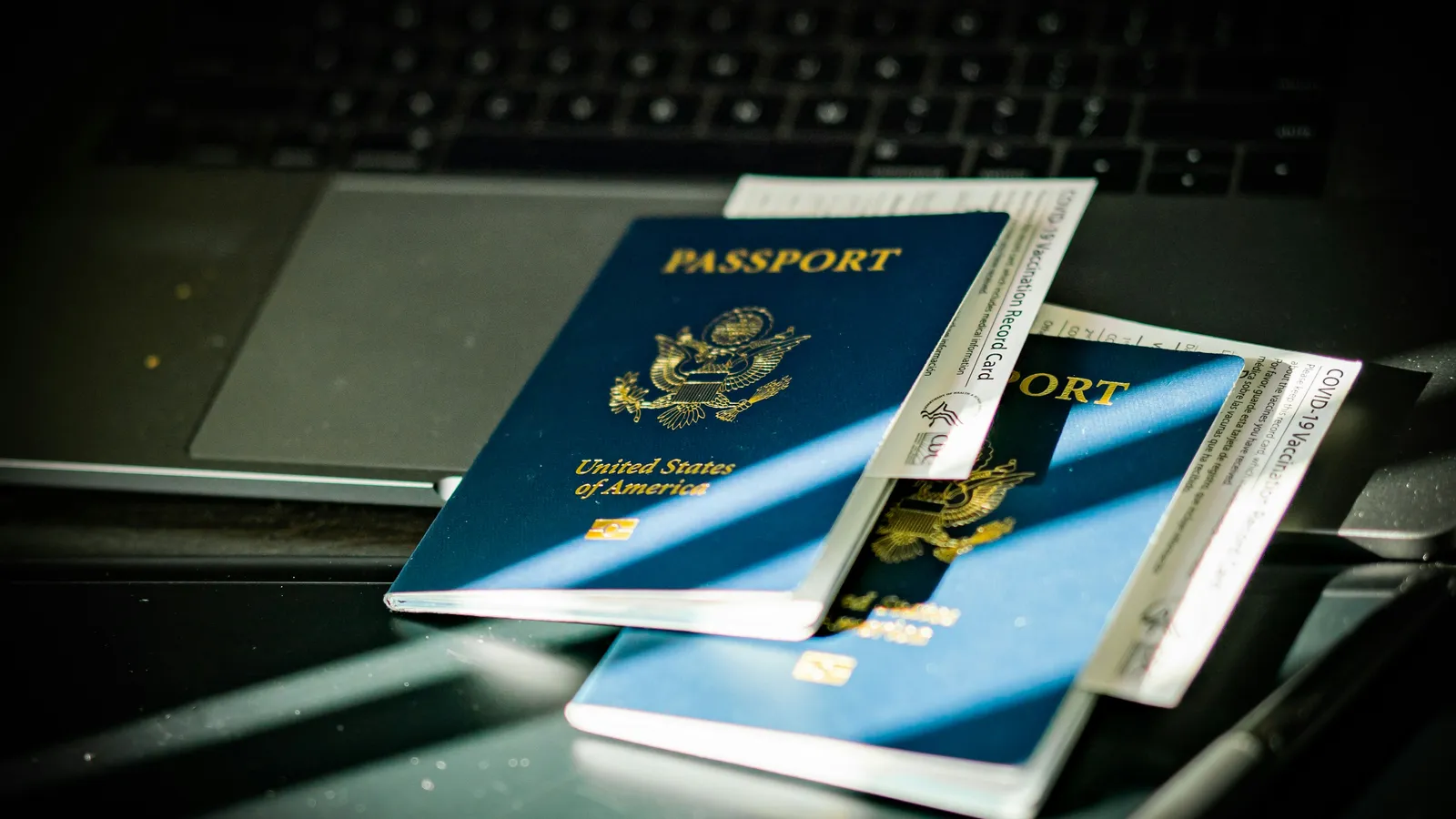
Lost Passport Emergency Plan
Step-by-step guide for handling a lost passport abroad including police reports, embassy contact, emergency travel documents, and prevention habits.
Read article →Heading to Delhi?
Find travel companions for Old Delhi food walks, monument visits, and Agra day trips with fellow travelers on roammate.


To customise this itinerary to your travel style, pace, and budget — download the roammate app to tailor it to your preferences.
Find travel companions in Delhi →