Cusco
The ancient capital of the Inca Empire at 3,400m — massive stone fortresses, colonial grandeur, and the gateway to Machu Picchu and the Sacred Valley.
1 day in Cusco
Only got 24 hours? Here's how to experience the best of Cusco in a single action-packed day.
Cusco City Highlights
Plaza de Armas & Cathedral
Begin at Plaza de Armas, the stunning central square flanked by colonial arcades, the Cathedral, and the Jesuit Church of La Compañía. The morning light catches the stone facades beautifully and the square is relatively quiet before the tour groups arrive. The Cathedral houses an impressive collection of Cusqueña School paintings and a silver-covered altar. Walk the surrounding streets to see the famous Inca stone walls — the 12-angled stone on Hatunrumiyoc street is the most celebrated example of precision Inca masonry.
San Pedro Market & San Blas
Head to Mercado San Pedro, a bustling covered market where locals shop for everything from fresh produce to medicinal herbs. Try a fresh juice for 3 soles and a bowl of caldo de gallina (chicken soup) for 8 soles. After lunch, climb the steep cobblestone streets to San Blas, Cusco's artisan quarter with galleries, ceramic workshops, and boutique cafes. The Plazoleta de San Blas offers views down over the terracotta rooftops and the church contains an extraordinary carved wooden pulpit.
Sacsayhuamán at Sunset
Walk or taxi uphill to Sacsayhuamán, the massive Inca fortress overlooking the city. The zigzag walls are built from limestone blocks weighing up to 200 tonnes, fitted without mortar with razor-thin precision. The site is spectacular at sunset when the golden light hits the stone and the city of Cusco spreads out below. The grassy terraces are perfect for sitting and watching the light change. After dark, walk back down to the plaza for dinner and a pisco sour at one of the balcony restaurants.
3 days in Cusco
A carefully curated route mixing iconic landmarks, hidden gems, street food, culture, and adventure — designed for younger travelers.
Plaza de Armas, San Pedro & San Blas
Plaza de Armas & Inca Walls
Start at Plaza de Armas where the colonial Cathedral and La Compañía church face each other across the square that was once the ceremonial heart of the Inca Empire. Explore the surrounding streets to find the famous Inca walls — massive stones fitted with millimetre precision, the foundations of colonial buildings built directly on top. The 12-angled stone on Hatunrumiyoc street is the most visited example. Cusco's stone streets and terracotta rooftops are beautiful in the early morning light before the crowds arrive.
San Pedro Market & Chocolate Museum
Explore Mercado San Pedro, the vibrant central market where Cusqueños shop for everything from fresh cheese and dried herbs to alpaca clothing and medicinal plants. Eat lunch at the market counters — caldo de gallina, lomo saltado, or ají de gallina for under 10 soles. After lunch, visit the ChocoMuseo near the plaza for a free chocolate-making workshop using Peruvian cacao. Browse the artisan shops along Cuesta San Blas as you climb towards the San Blas neighbourhood.
San Blas & Pisco Sour
Wander the steep cobblestone streets of San Blas, Cusco's artisan quarter with workshops, galleries, and intimate restaurants tucked into colonial courtyards. The Plazoleta de San Blas is a lovely square to sit and watch the evening light. End the day with a pisco sour at a balcony bar overlooking Plaza de Armas — the classic Peruvian cocktail made with pisco, lime, egg white, and bitters is the perfect sundowner. Museo del Pisco on the plaza offers excellent tastings.
Sacsayhuamán, Qenqo & Tambomachay
Sacsayhuamán Fortress
Walk or taxi uphill to Sacsayhuamán, the enormous Inca fortress complex overlooking Cusco. The zigzag walls stretch over 600 metres and are built from limestone blocks weighing up to 200 tonnes, fitted together without mortar so precisely that a sheet of paper cannot slide between them. The engineering feat remains unexplained — how the Inca moved and shaped these massive stones at 3,700m altitude without wheels or iron tools is one of archaeology's great mysteries. The panoramic view of Cusco from the fortress walls is stunning.
Qenqo, Puka Pukara & Tambomachay
Continue uphill to the trio of smaller Inca sites above Cusco. Qenqo is a carved limestone outcrop with an underground chamber used for ceremonial purposes — the zigzag channels carved into the rock were likely used for chicha (corn beer) offerings. Puka Pukara was a military checkpoint or rest stop on the road to the Sacred Valley. Tambomachay is a beautifully engineered water temple where natural springs still flow through carved stone channels exactly as the Inca designed them centuries ago. All three are covered by the Boleto Turístico.
Peruvian Dinner & Nightlife
Return to central Cusco for dinner at one of the city's excellent restaurants. Try cuy (roast guinea pig) — Cusco's signature dish and a pre-Inca delicacy — or alpaca steak, which is lean, tender, and surprisingly delicate. The restaurant scene in Cusco ranges from $3 market meals to world-class fine dining. After dinner, explore the nightlife on Calle Procuradores — known locally as "Gringo Alley" — where bars and clubs cater to the international backpacker crowd with salsa nights and live music.
Sacred Valley: Pisac & Ollantaytambo
Pisac Ruins & Market
Take a colectivo from Cusco to Pisac in the Sacred Valley (1.5 hours, 10 soles). The Inca ruins of Pisac sit high above the town — a vast complex of terraces, temples, and an Inca cemetery carved into the mountainside with over 1,000 tombs. The scale is breathtaking and the site receives a fraction of the visitors that Machu Picchu sees. On Sundays, the Pisac market fills the main square with textiles, ceramics, and produce from surrounding communities. The Sacred Valley sits at 2,900m — noticeably lower and warmer than Cusco.
Ollantaytambo Fortress
Continue by colectivo to Ollantaytambo, a living Inca town where the original stone channels still carry water through the narrow streets. Climb the steep terraces to the fortress at the top — an unfinished Inca temple complex where massive pink granite blocks were transported from a quarry 6km away on the opposite side of the valley. The Wall of Six Monoliths at the summit is extraordinary, and the views down over the valley and town are among the finest in the region. This was the site of the Inca's only military victory against the Spanish conquistadors.
Return to Cusco
Take a colectivo back to Cusco through the Sacred Valley as the late afternoon light turns the terraced hillsides golden. The journey passes through small Andean villages and agricultural communities where traditional farming methods persist unchanged. Arrive back in Cusco for a final evening exploring the city's restaurant scene. Try causa (layered potato and seafood terrine) or anticuchos (grilled beef heart skewers) — both are classic Peruvian dishes best eaten in Cusco's lively market and street food scene.
7 days in Cusco
A full week to go deep — from famous landmarks to local neighbourhoods, day trips, hidden gems, and proper local immersion.
Arrival & Plaza de Armas
Arrival & Acclimatisation
Arrive in Cusco and take it extremely easy. At 3,400m, altitude sickness affects most visitors in the first 24-48 hours. Check into your accommodation, drink coca tea, and walk slowly around the immediate area. The cobblestone streets and terracotta rooftops are beautiful even from a gentle stroll. Let your body adjust before attempting anything strenuous. Rest is more valuable than sightseeing on this first half-day.
Plaza de Armas & Gentle Walk
After resting, take a gentle walk to Plaza de Armas. The grand square was the ceremonial centre of the Inca Empire and is now flanked by colonial arcades, the Cathedral, and La Compañía church. Sit on a bench and take in the scene — llama herders pose for photos, vendors sell artisan crafts, and the surrounding mountains frame the colonial buildings. Walk the nearby streets to see the famous Inca stone walls, including the 12-angled stone on Hatunrumiyoc. Keep the pace very slow.
Coca Tea & Light Dinner
Keep your first evening mellow. Find a quiet restaurant near the plaza for a light dinner — caldo de gallina (chicken soup) is traditional and gentle on the stomach at altitude. Continue drinking coca tea throughout the evening. Many restaurants on the plaza have balcony seating with views over the illuminated Cathedral and the mountain skyline. Early to bed is the best strategy for your first night at altitude.
San Pedro Market & San Blas
Mercado San Pedro
Spend the morning exploring Mercado San Pedro, Cusco's central market. The market is a sensory overload of colour, smell, and sound — stalls sell everything from fresh tropical fruit and Andean grains to dried llama foetuses used in traditional rituals. Eat breakfast at the market: fresh juice (3 soles), bread with cheese, and caldo de gallina. The juice stalls blend any fruit you point at. The market is where Cusqueños shop and eat — the most authentic food experience in the city.
San Blas Artisan Quarter
Climb the steep cobblestone streets to San Blas, Cusco's bohemian artisan neighbourhood. The narrow lanes are lined with galleries, ceramic workshops, and boutique cafes converted from colonial houses. Visit the San Blas church to see the extraordinary carved wooden pulpit, believed to have been crafted from a single cedar trunk. The Plazoleta de San Blas is a charming square for people-watching and the surrounding streets have the best independent shops in Cusco for handmade ceramics, textiles, and silver jewellery.
Pisco Sour & Peruvian Cuisine
Return to the plaza area for dinner and a pisco sour at one of the balcony restaurants. Cusco's food scene is one of Peru's best — try lomo saltado (stir-fried beef with fries and rice), ají de gallina (creamy chicken in walnut sauce), or alpaca steak. The Museo del Pisco offers excellent tastings and cocktails. After dinner, stroll the illuminated streets around the plaza, which are safe and atmospheric in the evening.
Sacsayhuamán & Inca Sites
Sacsayhuamán Fortress
Walk uphill to Sacsayhuamán, the colossal Inca fortress above Cusco. The zigzag walls contain limestone blocks weighing up to 200 tonnes, fitted with impossible precision using no mortar. The scale is staggering — the walls stretch 600 metres and the engineering defies explanation given the tools available. The panoramic view of Cusco below is one of the finest vistas in Peru. Morning light is best for photographs and the site is quieter before the 10am tour group arrival.
Qenqo, Puka Pukara & Tambomachay
Continue to the trio of Inca sites above the city. Qenqo is a carved limestone outcrop with an underground ceremonial chamber and zigzag channels for chicha offerings. Puka Pukara served as a military checkpoint on the road to the Sacred Valley. Tambomachay is an elegant water temple where natural springs still flow through stone channels as the Inca engineers designed them. The walk between sites passes through eucalyptus forest and grassland with views across the valley.
Cuy & Cusqueña Nightlife
Tonight, try Cusco's most famous dish — cuy (roast guinea pig). It has been eaten in the Andes for thousands of years and is a genuine delicacy when well prepared, with crispy skin and tender meat. Several traditional restaurants in the centre specialise in cuy al horno. After dinner, explore the nightlife on Calle Procuradores where bars offer happy hour pisco sours, salsa nights, and live Andean music. The backpacker scene here is one of the most social in South America.
Sacred Valley: Pisac & Ollantaytambo
Pisac Ruins & Market
Take a colectivo to Pisac in the Sacred Valley (1.5 hours). The Inca ruins above the town are a vast complex of terraces, temples, and a mountainside cemetery with over 1,000 tombs — breathtaking in scale and far less crowded than Machu Picchu. The Sacred Valley sits at 2,900m, noticeably warmer and lower than Cusco. On Sundays, the Pisac market fills the square with textiles, ceramics, and highland produce. The ruins require a steep climb or a taxi to the top entrance.
Ollantaytambo Fortress & Town
Continue to Ollantaytambo, a living Inca town with original stone water channels running through narrow streets. Climb the fortress terraces to the unfinished Temple of the Sun at the summit — massive pink granite monoliths transported from a quarry 6km away across the valley. The Wall of Six Monoliths is an engineering marvel and the views down over the town and valley are magnificent. Ollantaytambo was the only place the Inca successfully defeated the Spanish in battle.
Sacred Valley Dinner & Return
Eat dinner in Ollantaytambo before catching a colectivo back to Cusco. The town has several good restaurants serving trout from the Urubamba River, quinoa salads, and traditional Andean dishes. The cobblestone streets are charming in the evening and the fortress walls glow in the last light. The drive back to Cusco through the valley as darkness falls passes through agricultural communities with terraced hillsides that have been farmed since Inca times.
Moray Terraces & Maras Salt Mines
Moray Agricultural Terraces
Take a tour or taxi to Moray, a remote Inca site with extraordinary concentric circular terraces carved into a natural depression. Archaeologists believe it functioned as an agricultural laboratory — each terrace level creates a different microclimate, allowing the Inca to experiment with crops at various temperature zones. The deepest level is 30 metres below the rim and the temperature difference from top to bottom can reach 15°C. The geometric perfection of the circles against the green highlands is mesmerising.
Maras Salt Mines (Salineras)
Drive 7km to the Salineras de Maras, a mountainside covered in over 5,000 salt evaporation ponds fed by a natural saltwater spring. The ponds have been harvested since Inca times and are still worked by local families — each family owns and maintains their own terraces. The cascading white, pink, and brown pools against the red-brown mountain create one of the most photographed landscapes in Peru. You can buy bags of mineral-rich pink salt directly from the workers.
Return to Cusco & Rest
Return to Cusco through the Sacred Valley, stopping for panoramic views of the Urubamba River winding between the mountains. By now you should be well acclimatised and ready for the more demanding activities ahead. Have a relaxed dinner in the San Blas neighbourhood at one of the quiet courtyard restaurants. Try rocoto relleno — a stuffed hot pepper filled with minced meat and topped with melted cheese — or a hearty sopa criolla (spicy noodle soup).
Rainbow Mountain (Vinicunca)
Pre-Dawn Drive to Vinicunca
Depart Cusco at 4am for the 3-hour drive south to the trailhead of Vinicunca (Rainbow Mountain). The road climbs through remote Andean communities and alpaca herding land before reaching the starting point at 4,600m. The trek to the summit covers 5km with a gain of 500 metres, reaching 5,100m — one of the highest points most travellers ever stand. The striped mineral layers of the mountain — red, turquoise, yellow, lavender, and gold — were revealed by melting glaciers and are genuinely breathtaking.
Summit Views & Descent
Reach the viewpoint at the summit and take in the surreal striped landscape stretching across the high Andes. On clear days, the Ausangate glacier (6,384m) looms behind — one of the most sacred mountains in Andean cosmology. Herds of llamas and alpacas graze the high plains below. The descent is easier but still demanding at altitude. Return to the bus for snacks and hot coca tea before the 3-hour drive back to Cusco, arriving in the late afternoon.
Recovery & Gentle Evening
After the physical demands of Rainbow Mountain, spend the evening recovering. Take a hot shower, eat a hearty dinner, and rest. Many restaurants near the plaza serve comfort food — pizza, pasta, and steak alongside Peruvian dishes. The body needs calories and hydration after a day at extreme altitude. This is a good night to skip the nightlife and get an early rest.
Qorikancha, Museums & Departure
Qorikancha — Temple of the Sun
Visit Qorikancha, the most important temple in the Inca Empire. Originally covered in gold sheets and filled with golden sculptures, it was stripped by the Spanish who built the Santo Domingo convent directly on top. The remaining Inca stone walls beneath the colonial structure are extraordinary — perfect coursework with no mortar, trapezoidal niches, and channels for gold offerings. The juxtaposition of Inca and colonial architecture in a single building is the most powerful symbol of the Spanish conquest in Peru.
Pre-Columbian Art Museum & Shopping
Visit the Museo de Arte Precolombino (MAP), housed in a colonial mansion on a quiet plaza. The collection spans 3,000 years of Peruvian art — ceramics, textiles, gold, and silver from the Nazca, Moche, Chimú, and Inca civilisations. The curation is world-class and the building itself is beautiful. Afterwards, browse the quality artisan shops around the plaza for alpaca scarves, silver jewellery, and ceramics to take home. The shops near MAP are generally better quality than the market stalls.
Farewell Pisco & Departure
End your Cusco week with a farewell dinner and pisco sour. By now you are acclimatised, well-fed, and carrying bags of alpaca clothing. The city rewards a slow approach — the deeper you go, the more layers of Inca, colonial, and contemporary culture reveal themselves. Cusco's airport is 15 minutes from the centre by taxi. If continuing overland, night buses to Puno (Lake Titicaca) and Lima depart from the Terminal Terrestre.
Budget tips
Eat at San Pedro Market
Mercado San Pedro serves full meals for 6-10 soles ($1.50-2.50) and fresh juices for 3 soles. The market food stalls are where locals eat — the food is fresh, filling, and the cheapest option in the city centre.
Buy the Boleto Turístico
The $40 tourist ticket covers 16 sites including Sacsayhuamán, Pisac, Ollantaytambo, and several museums. Individual entries to these sites cost more in total, so the combined ticket saves money if you visit 3+ sites.
Take colectivos not tours
Shared minivans (colectivos) to the Sacred Valley cost 10-15 soles versus $40-60 for a guided tour. They depart from Cusco when full and drop you at the sites — much cheaper if you are happy exploring independently.
Stay near San Pedro
Hostels around Mercado San Pedro and the lower streets offer dorm beds for 20-30 soles ($5-8). The plaza area charges 2-3x more for the same quality. A 5-minute walk saves significant money.
Free walking tours
Free (tip-based) walking tours of Cusco depart daily from the plaza. They cover the Historic Centre, Inca walls, and key churches with knowledgeable local guides. Budget $10-20 for a tip.
Cook at your hostel
Most Cusco hostels have kitchens. Buy ingredients at San Pedro Market — fresh bread, avocados, cheese, and fruit cost a fraction of restaurant prices. Cooking one meal a day saves $5-10.
Budget breakdown
Daily costs per person in US dollars. Cusco offers extraordinary value — world-class history and culture at backpacker-friendly prices, especially if you eat at markets and take colectivos.
| 🎒 Budget | ✨ Mid-Range | 💎 Splurge | |
|---|---|---|---|
| Accommodation Dorm beds → private rooms → boutique hotels | $5–12 | $20–50 | $80+ |
| Food Market meals → restaurants → fine dining | $6–12 | $15–30 | $40+ |
| Transport Colectivos → taxis → private transfers | $2–8 | $10–25 | $30+ |
| Activities Self-guided → group tours → private guides | $5–15 | $20–50 | $80+ |
| Entry Fees Boleto Turístico covers most sites | $5–15 | $15–40 | $40+ |
| Daily Total Budget backpacker → comfortable mid → luxury | $25–55 | $80–195 | $270+ |
Practical info
Entry & Visas
- Most nationalities receive 90-183 days visa-free on arrival in Peru
- Keep passport copies — police occasionally check documents in tourist areas
- Buy the Boleto Turístico ($40) for entry to 16 sites across Cusco and the Sacred Valley
Health & Safety
- Altitude sickness is very common at 3,400m — acclimatise for 24-48 hours before trekking
- Coca tea and coca leaves help with altitude symptoms and are legal in Peru
- Travel insurance with altitude and evacuation coverage is essential for treks above 4,000m
Getting Around
- The Historic Centre is compact and walkable — most sites are within 15 minutes of the plaza
- Colectivos to the Sacred Valley depart from Calle Pavitos when full (10-15 soles)
- Taxis within Cusco cost 5-10 soles — agree the price before getting in as there are no meters
Connectivity
- Buy a Claro or Movistar SIM at the airport — 10 soles for basic data
- WiFi is available in most hostels and cafes in the centre but often slow
- Download offline maps before Sacred Valley and Rainbow Mountain trips — coverage is nonexistent outside towns
Money
- Currency: PEN (Sol). ATMs widely available; Visa and Mastercard accepted in tourist areas
- Carry small bills — many colectivos, markets, and small shops cannot change 100-sol notes
- Tipping: 10% at restaurants, $5-10 per day for trek guides, $3-5 for porters
Packing Tips
- Layers are critical — temperatures swing 20°C between midday sun and evening frost
- Warm jacket, hat, and gloves for Sacsayhuamán, Rainbow Mountain, and evening walks
- Comfortable walking shoes with grip for cobblestones and Inca ruins; sunscreen and sunglasses for high UV
Cultural tips
Cusco is the living heart of Inca civilization — approach with reverence for the extraordinary culture that built these walls, and the Quechua communities that maintain the traditions today.
Respect Inca Heritage
Cusco was the capital of the Inca Empire and remains deeply important to Quechua communities. Do not climb on Inca walls or remove stones. Treat archaeological sites with the same reverence you would give a cathedral. The Inca legacy is a living culture, not just ruins.
Responsible Tourism
The tourism industry in Cusco has both benefits and costs. Choose locally-owned businesses, eat at the market, and hire local guides. Avoid "voluntourism" at orphanages. If trekking, ensure your operator pays porters fairly — the minimum porter wage is legally mandated.
Photography Etiquette
Ask permission before photographing locals in traditional dress — many will expect a tip of 1-2 soles if you photograph them. Drone use is prohibited at all archaeological sites. Church photography rules vary — check before shooting inside.
Language
Spanish is the primary language in tourist Cusco, but Quechua is still widely spoken. Learn basic Quechua greetings: "Allianchu" (hello/how are you) and "Sulpayki" (thank you). Even a few words earn enormous warmth from local people.
Support Local Communities
Buy directly from artisans, eat at family-run restaurants, and choose community-based tourism in the Sacred Valley. Your money has the most positive impact when it goes directly to Quechua families rather than through international tour operators.
Altitude & Pace
The altitude forces you to slow down — embrace it. Cusco rewards patience and presence. Rushing through the ruins misses the point entirely. Sit in the plaza, watch the light change on the stone walls, and let the history of this extraordinary city sink in gradually.
Cusco is on these routes
Reading for Cusco
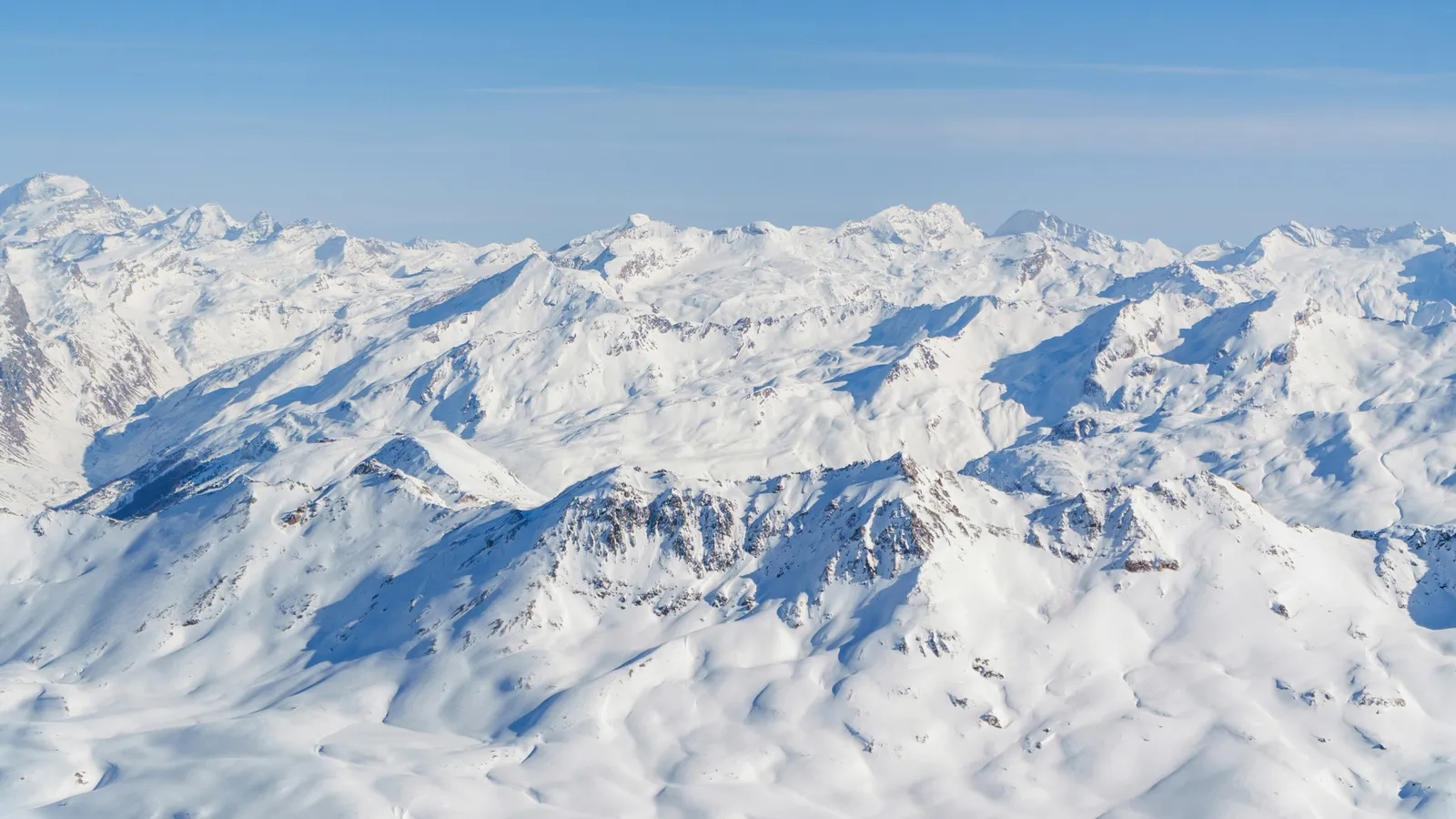
Altitude Acclimatization Itinerary That Works
Acclimatize to altitude safely with a step-by-step itinerary covering elevation gain limits, hydration, and the signs to descend immediately.
Read article →
The Adventure Day Risk Matrix
Assess adventure activity risks while traveling using a practical matrix that balances thrill-seeking with smart safety decisions abroad.
Read article →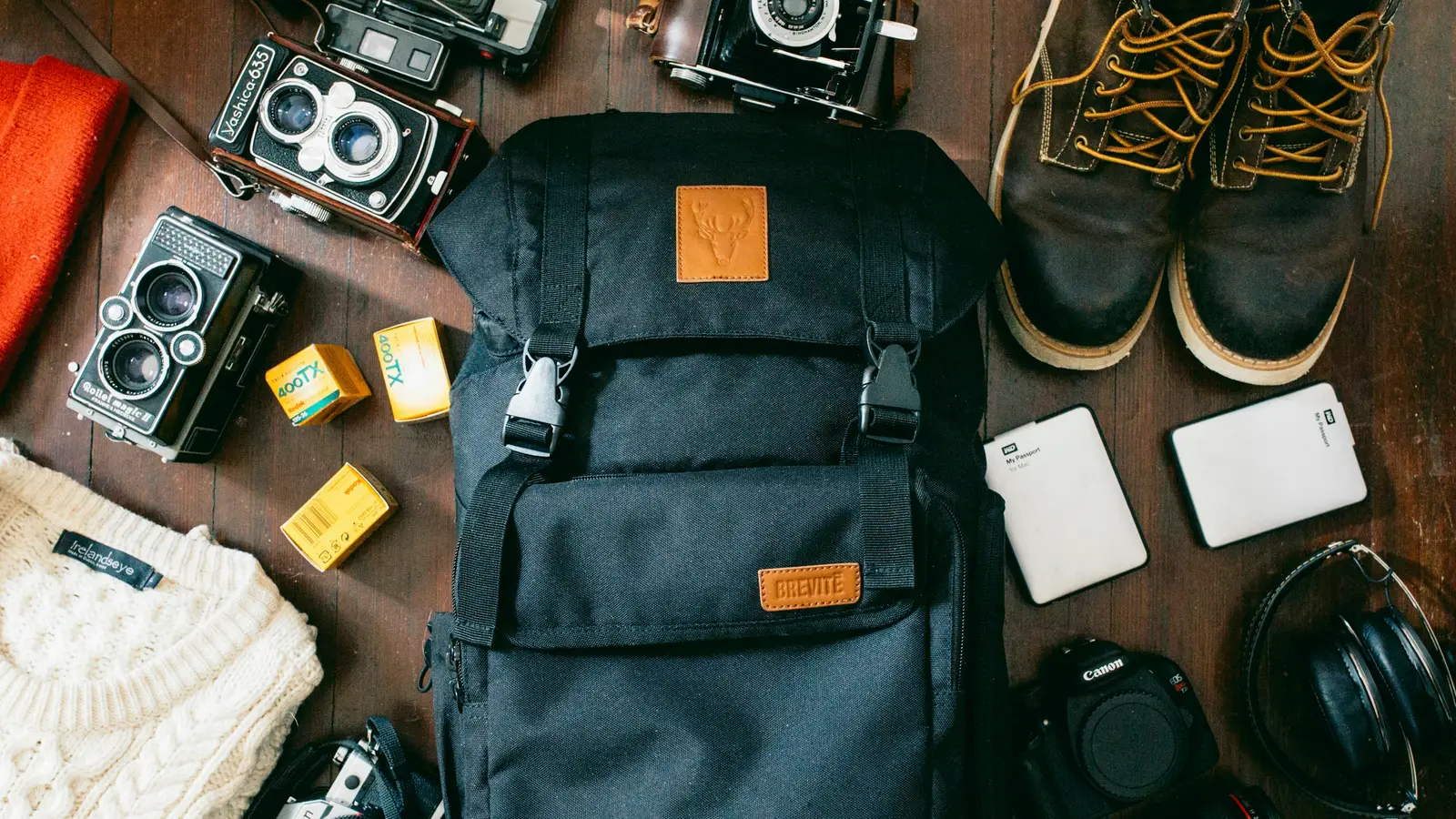
Best Backpack Sizes for Every Trip Length
Compare 20L, 40L, 55L, and 65L backpacks with real weight data, brand picks, and size recommendations for every trip length from weekends to gap years.
Read article →Heading to Cusco?
Find travel companions to explore Cusco together on roammate — split costs, share adventures, and make lifelong friends.


To customise this itinerary to your travel style, pace, and budget — download the roammate app to tailor it to your preferences.
Find travel companions in Cusco →