Auckland
City of Sails — where volcanic cones, harbour islands, and world-class wine meet Māori culture and Pacific Island soul on New Zealand's stunning waterfront.
1 day in Auckland
Only got 24 hours? Here's how to experience the best of Auckland in a single action-packed day.
Auckland Highlights
Sky Tower & Viaduct Harbour
Start at the Sky Tower — Auckland's most recognizable landmark and the tallest freestanding structure in the Southern Hemisphere at 328 metres. The observation deck provides 360-degree views over the city, the Hauraki Gulf islands, and the volcanic cones that dot the Auckland landscape. On a clear day, you can see 80km in every direction. Afterwards, walk down to the Viaduct Harbour — the waterfront precinct that was rebuilt for the America's Cup and is now Auckland's most vibrant dining and bar district, lined with superyachts and fishing boats.
Devonport Ferry & North Head
Catch the 12-minute ferry from the downtown ferry terminal to Devonport — a charming Victorian seaside village on the North Shore. Walk along the waterfront to North Head (Maungauika) — a volcanic cone fortified with tunnels and gun emplacements built to defend Auckland Harbour. The summit offers one of the best panoramic views in the city: the harbour, the Sky Tower, Rangitoto Island's perfect volcanic cone, and the Hauraki Gulf islands scattered across the blue water. Explore the tunnels and bunkers before descending to Cheltenham Beach for a swim.
Ponsonby Road & Dinner
Head to Ponsonby Road — Auckland's trendiest dining strip. The long road is lined with restaurants, bars, and boutiques that reflect Auckland's multicultural food scene: Japanese izakayas, Pacific Island fusion, craft beer bars, and fine dining. The atmosphere is cosmopolitan and walkable. For a more budget-friendly alternative, head to Karangahape Road (K' Road) — Auckland's bohemian quarter with cheaper eats, live music venues, and a vibrant arts community. Both streets are within walking distance of the city centre.
3 days in Auckland
A carefully curated route mixing iconic landmarks, hidden gems, street food, culture, and adventure — designed for younger travelers.
City Centre, Sky Tower & Viaduct
Sky Tower & Auckland Art Gallery
Start at the Sky Tower for morning views over Auckland — the City of Sails lives up to its name with hundreds of boats dotting the harbour below. After the observation deck, walk to the Auckland Art Gallery Toi o Tāmaki — New Zealand's largest art institution, housed in a beautiful heritage building with a modern glass and wood extension. The collection spans Māori taonga (treasured artworks), Pacific Island art, and international works. The gallery is free and the architecture alone is worth the visit.
Viaduct Harbour & Wynyard Quarter
Walk along the waterfront from the Viaduct Harbour to the Wynyard Quarter — Auckland's newest urban precinct built on the old wharf area. The Silo Park has regular markets and events, and the fish market at the Auckland Fish Market building serves the freshest seafood in the city. Continue along the Westhaven promenade past New Zealand's largest marina — over 1,500 yachts moored in rows that stretch into the harbour. The waterfront walk connects all the way to the Harbour Bridge.
Devonport Ferry & Sunset
Take the evening ferry to Devonport and climb North Head (Maungauika) for sunset views over Auckland Harbour. The volcanic cone is fortified with WWII tunnels and gun emplacements that you can explore on the way up. From the summit, the view encompasses the city skyline, the Sky Tower, Rangitoto Island's silhouette, and the harbour turning gold in the sunset light. Walk back down to Devonport village for dinner at one of the waterfront restaurants before catching the ferry back across.
Waiheke Island Wine & Beaches
Ferry to Waiheke Island
Catch the 40-minute Fullers ferry from downtown Auckland to Waiheke Island — a subtropical island in the Hauraki Gulf that combines world-class wineries, olive groves, and golden-sand beaches in a remarkably compact package. The island has a Mediterranean microclimate that produces excellent Bordeaux-style reds, particularly Syrah and Cabernet blends. Start at Onetangi Beach — a long, sweeping bay of golden sand with calm, warm water for swimming. The beach is backed by vineyards and pohutukawa trees.
Wine Tasting & Vineyards
Waiheke has over 30 vineyards, many with cellar doors offering tastings and vineyard lunches with harbour views. Mudbrick Vineyard, Cable Bay, and Stonyridge are among the most acclaimed — their tasting rooms sit among the vines with panoramic views over the water to Auckland. A tasting flight of 4-5 wines costs around $15-20 NZD. The wines here rival anything from established regions and the setting — vines rolling down to the sea — is unique. A hop-on hop-off wine bus connects the main vineyards.
Sunset & Return to Auckland
Watch the sunset from one of Waiheke's western-facing beaches or vineyard terraces. The light over the Hauraki Gulf in the late afternoon is extraordinary — warm, golden, and reflected off the water in every direction. Catch the evening ferry back to Auckland and watch the city skyline light up as you cross the harbour. The return crossing at dusk is one of Auckland's great small pleasures. Back in the city, dinner in the Viaduct or Ponsonby.
Rangitoto Island Volcano Hike
Ferry to Rangitoto & Summit Hike
Catch the morning ferry from downtown Auckland to Rangitoto Island — a symmetrical volcanic cone that erupted from the sea just 600 years ago, making it Auckland's youngest and most iconic volcano. The 1-hour hike to the 259-metre summit follows a boardwalk through the world's largest pohutukawa forest growing directly on black lava rock. The summit provides the definitive Auckland panorama: the city skyline to the west, the Hauraki Gulf islands to the east, Waiheke to the south, and the Coromandel Peninsula on the horizon.
Lava Caves & Coastal Walk
After the summit, explore the lava caves on the descent — a series of tunnels formed by flowing lava during the eruption. Bring a headlamp or phone torch to navigate the dark passages. The coastal boardwalk along the eastern shore passes through dense pohutukawa forest and offers views of the lava fields meeting the sea. The island is predator-free thanks to a successful eradication programme, and birdlife is abundant — fantails, tūī, and bellbirds are common along the boardwalk.
Mission Bay & Farewell Dinner
Back on the mainland, drive or bus to Mission Bay — Auckland's favourite urban beach, a sweeping crescent of sand on the Tamaki Drive waterfront. The promenade is lined with gelato shops, cafes, and restaurants with views across the harbour to Rangitoto Island. A final dinner here with the volcanic island you just climbed silhouetted against the sunset is a fitting end to your Auckland experience. The city has a remarkable relationship with its harbour and islands — you have only scratched the surface.
7 days in Auckland
A full week to go deep — from famous landmarks to local neighbourhoods, day trips, hidden gems, and proper local immersion.
City Centre & Harbour
Sky Tower & City Walk
Begin your Auckland week at the Sky Tower — 328 metres of glass and steel rising above the city centre. The observation deck rotates slowly and offers 360-degree views over the harbour, volcanic cones, and the Waitākere Ranges to the west. On a clear day, the panorama extends 80km to the Coromandel Peninsula. Walk down through the city centre to Albert Park — a Victorian-era garden surrounding the University of Auckland campus with mature trees, fountains, and views to the harbour.
Auckland Art Gallery & Domain
Visit the Auckland Art Gallery Toi o Tāmaki — free admission and an excellent collection of Māori, Pacific, and international art in a stunning heritage-meets-modern building. Walk through the Auckland Domain — the city's oldest park, built on an ancient volcanic explosion crater — to the Auckland War Memorial Museum. The museum's Māori gallery is one of the finest in New Zealand, with a full-size wharenui (meeting house), war canoes, and taonga (treasured objects). The daily Māori cultural performance brings the collection to life.
Viaduct Harbour & Waterfront
Spend the evening at the Viaduct Harbour — Auckland's premier waterfront precinct. The former America's Cup village is now a bustling collection of restaurants, bars, and public spaces overlooking rows of superyachts and harbour boats. Walk along the water's edge to the Wynyard Quarter for a more relaxed atmosphere with shipping container bars and a park. Auckland is called the City of Sails for good reason — even on a weekday evening, dozens of yachts are out on the harbour.
Devonport & North Shore
Devonport Village & North Head
Ferry across the harbour to Devonport — a charming Victorian seaside village with heritage buildings, independent bookshops, and waterfront cafes. Walk the main street before climbing North Head (Maungauika) — a volcanic cone fortified with tunnels, gun emplacements, and observation posts built to defend the harbour. The summit provides one of Auckland's finest views: the city skyline reflected in the harbour, Rangitoto Island's perfect cone, and the Hauraki Gulf islands stretching to the horizon.
Takapuna Beach & Milford
Walk or bus along the North Shore coast to Takapuna Beach — a wide stretch of golden sand popular with locals. The beachfront has excellent cafes and a Sunday market. Continue to Milford Beach and the Pupuke Walkway around Lake Pupuke — a crater lake formed by a volcanic explosion 140,000 years ago, now surrounded by residential suburbs. The juxtaposition of the volcanic geology with the suburban landscape is quintessentially Auckland — a city built on 53 volcanoes.
Ponsonby Road Dinner
Ferry back to the city and head to Ponsonby Road for dinner. Auckland's dining scene reflects its position as the world's most Polynesian city — Pacific Island flavours, Asian fusion, and traditional Māori ingredients like kumara, kawakawa, and horopito appear on menus alongside European and international cuisines. Ponsonby's restaurants range from cheap Malaysian hawker food to acclaimed fine dining. The strip is walkable and discovering what is on each block is part of the pleasure.
Waiheke Island
Ferry to Waiheke & Onetangi Beach
Catch the morning ferry to Waiheke Island — Auckland's subtropical island escape in the Hauraki Gulf. Waiheke has a Mediterranean microclimate that produces award-winning wines and supports olive groves alongside golden-sand beaches. Start at Onetangi Beach — the island's longest and most beautiful stretch of sand, backed by vineyards and pohutukawa trees. The water is warm, calm, and crystal clear — perfect for a morning swim before the wine tasting begins.
Vineyard Hopping
Waiheke's vineyards produce world-class Bordeaux-style reds, Syrah, and rosé. The hop-on hop-off wine bus connects the main cellar doors — Mudbrick, Cable Bay, Stonyridge, Tantalus, and Man O' War among the most acclaimed. Each offers tastings ($15-20 NZD for 4-5 wines) with views over the vineyards to the harbour. Lunch at a vineyard restaurant is one of Auckland's finest dining experiences — fresh New Zealand produce paired with the wines grown on the hillside in front of you.
Waiheke Sunset & Return
Watch the sunset from Cable Bay Vineyard's terrace or from the beach at Surfdale. The western sky over the Hauraki Gulf turns extraordinary colours as the sun drops behind the mainland. Catch the evening ferry back to Auckland — the city skyline gradually grows larger as you cross the harbour, lights twinkling against the darkening sky. The ferry crossing at dusk is a reminder of why Auckland's harbour is the heart of the city.
Rangitoto Volcano
Rangitoto Summit Hike
Ferry to Rangitoto Island for a morning hike up Auckland's youngest volcano. The island emerged from the sea just 600 years ago — the Tāmaki Māori witnessed the eruption — and the black basalt lava fields are still largely unvegetated except for the world's largest pohutukawa forest clinging to the rock. The summit walk takes about an hour each way on a well-maintained boardwalk. The 259-metre peak provides the definitive Auckland panorama — harbour, city, islands, and volcanoes in every direction.
Lava Caves & Return
Explore the lava caves on the summit track — tunnels formed by flowing lava during the eruption 600 years ago. A headlamp reveals the tube-like passages and hardened lava flows. On the descent, take the coastal track through dense pohutukawa forest to the wharf. The island is predator-free after a successful eradication programme, and birdlife is abundant: tūī, bellbirds, fantails, and kererū (wood pigeons) are common. Catch the afternoon ferry back to Auckland.
Mission Bay Sunset
Drive or bus along Tamaki Drive to Mission Bay — Auckland's favourite urban beach. The promenade is lined with gelato shops, cafes, and restaurants facing the harbour with Rangitoto Island silhouetted against the sunset. Swim in the calm bay, eat fish and chips on the beach, or have dinner at one of the waterfront restaurants with the island you climbed this morning as your backdrop. The Tamaki Drive waterfront is Auckland at its most relaxed and beautiful.
Piha Beach & West Coast
Piha Beach & Lion Rock
Drive 45 minutes west of Auckland through the Waitākere Ranges to Piha Beach — New Zealand's most famous surf beach. The wild black-sand beach is dominated by Lion Rock — a 101-metre volcanic monolith rising from the sand like a sentinel. Climb Lion Rock for views over the pounding surf and the rugged west coast stretching to the horizon. The beach is powerful and dramatic — this is the Tasman Sea, not the sheltered harbour, and the waves, rips, and undertow demand respect.
Waitākere Ranges Walks
The Waitākere Ranges are Auckland's western wilderness — dense native bush with kauri trees, waterfalls, and walking tracks within 45 minutes of the city centre. Walk to Kitekite Falls (a three-tiered waterfall in a bush-clad valley) or the Mercer Bay Loop Track for views over the wild west coast. The contrast between the urban east and the wild west is remarkable — Auckland is one of few cities where you can go from skyscrapers to primal rainforest in under an hour.
Titirangi Village
On the way back to Auckland, stop in Titirangi — a bohemian village on the edge of the Waitākere Ranges with art galleries, a cinema in a heritage church, and excellent cafes. The village has a creative, alternative atmosphere that feels more like a rainforest commune than a city suburb. Dinner at one of the Titirangi restaurants, surrounded by native bush, before the short drive back to central Auckland.
Volcanic Cones & Multicultural Auckland
Mount Eden & One Tree Hill
Auckland is built on a volcanic field of 53 volcanoes — and the best way to understand the city is from their summits. Start at Mount Eden (Maungawhau) — the highest natural point in Auckland at 196 metres with a perfectly preserved crater and 360-degree views. Drive to One Tree Hill (Maungakiekie) — a larger volcanic cone topped by an obelisk and surrounded by Cornwall Park, one of Auckland's finest green spaces. The summit terrace earthworks are remnants of the largest pā (Māori fortification) in the Auckland region.
K' Road & Karangahape Road
Walk along Karangahape Road (K' Road) — Auckland's most eclectic and historically vibrant street. The road has been a centre of Pacific Island community, counterculture, and creativity for decades. Browse vintage clothing stores, vinyl record shops, Pacific Island art galleries, and independent cafes. The street art and murals along K' Road are among the best in Auckland. Continue to the Otara Market (Saturday) or Avondale Sunday Market for authentic Polynesian and Asian food and culture.
Britomart & Night Out
Britomart is Auckland's revitalised waterfront precinct — heritage warehouse buildings now housing restaurants, cocktail bars, and boutiques. The area comes alive in the evening with a mix of after-work crowds and visitors. For live music, check what is on at the Powerstation on Mount Eden or the Portland Public House in Kingsland. Auckland's nightlife is spread across several neighbourhoods — Ponsonby, K' Road, Britomart, and Kingsland each have their own character.
Auckland Harbour & Departure
Harbour Bridge Walk or Kayak
Experience the Auckland Harbour Bridge from a perspective most visitors miss — walk across it on the AJ Hackett bridge walk or kayak underneath it on a guided harbour tour. The bridge walk takes you along the outer clip-on lane 67 metres above the water with views over the harbour, the North Shore, and the city. For the truly adventurous, the bungy jump from the bridge is Auckland's most famous adrenaline activity. Alternatively, a harbour kayak tour paddles beneath the bridge and along the waterfront.
Last Explorations
Spend your final afternoon revisiting your favourite Auckland spots or exploring areas you missed. The New Zealand Maritime Museum at the Viaduct tells the story of New Zealand's relationship with the sea. The Silo Park markets at Wynyard Quarter run on Friday evenings and Saturday mornings. Or simply sit at Mission Bay with a flat white — New Zealand's signature coffee contribution to the world — and watch the harbour boats sail past Rangitoto one last time.
Farewell Dinner & Departure
A final dinner in Auckland — whether at a waterfront restaurant in the Viaduct, a Pacific fusion spot on Ponsonby, or a cheap and cheerful Malaysian restaurant on K' Road — is a chance to reflect on a week in New Zealand's largest and most diverse city. Auckland Airport is 30 minutes south of the city centre by SkyBus or taxi. The city is a gateway to everything New Zealand has to offer — but Auckland itself, with its harbour, islands, and volcanic landscape, deserves far more attention than most travellers give it.
Budget tips
AT HOP card for transport
Buy an AT HOP card for discounted fares on all Auckland buses, trains, and ferries — it saves 20-30% compared to cash fares and is essential if you are using public transport regularly.
Free museums and galleries
The Auckland Art Gallery, many smaller galleries, and several museums offer free admission. The Auckland Museum charges international visitors but is worth the cost for the Māori collections.
Self-cater from supermarkets
Auckland dining is expensive. Buy supplies from Countdown or New World supermarkets and use your hostel kitchen. The farmers markets and Asian food courts are the best value eating-out options.
Ferry pass for islands
If visiting multiple islands, the Fullers day pass or multi-trip tickets are better value than individual fares. Book online for cheaper rates.
Visit in shoulder season
December to February is peak summer with highest prices. March to May and September to November offer pleasant weather and lower accommodation rates.
Free natural attractions
Volcanic cone walks, beaches, harbour boardwalks, and the Waitākere Ranges are all free. Auckland's best experiences do not require spending money.
Budget breakdown
Daily costs per person in US dollars. Auckland is New Zealand's most expensive city but offers excellent free natural attractions. These ranges cover budget backpacker to comfortable mid-range.
| 🎒 Budget | ✨ Mid-Range | 💎 Splurge | |
|---|---|---|---|
| Accommodation Hostels → boutique hotels → waterfront luxury | $25–50 | $70–140 | $200+ |
| Food Self-catering → casual dining → fine dining | $15–30 | $35–65 | $80+ |
| Transport AT HOP buses → ferries → private hire | $5–15 | $15–40 | $50+ |
| Activities Free walks → museum/ferry → bridge climb/wine | $0–20 | $25–70 | $100+ |
| Entry Fees Many attractions are free | $0–15 | $15–35 | $40+ |
| Daily Total Budget backpacker → comfortable mid → waterfront luxury | $50–130 | $160–350 | $470+ |
Practical info
Entry & Visas
- Most nationalities require an NZeTA (New Zealand Electronic Travel Authority) — apply online before arrival
- An International Visitor Conservation and Tourism Levy (IVL) of $35 NZD is payable with the NZeTA
- Biosecurity is strict — declare all food, plant material, outdoor equipment, and wooden items on arrival
Health & Safety
- New Zealand has no dangerous land animals. The main risks are sun exposure, drowning at surf beaches, and hypothermia in mountain areas
- The UV index is very high even on cloudy days due to the thinner ozone layer — wear SPF 50+ year-round
- Surf beaches on the west coast have powerful waves and rip currents — swim only between the flags at patrolled beaches
Getting Around
- Auckland public transport (AT) operates buses, trains, and ferries. The AT HOP card is essential for discounted fares
- The city centre is walkable but Auckland is spread out — a car is useful for day trips to the west coast and regional parks
- Driving is on the left. International driving permits are accepted with your home country licence
Connectivity
- Mobile coverage is excellent in Auckland and surroundings. Spark, Vodafone, and 2degrees offer prepaid SIM cards from $20 NZD
- Free WiFi available at most cafes, hostels, libraries, and public spaces
- Download offline maps for the Waitākere Ranges and island visits as coverage can be patchy
Money
- Currency: NZD (New Zealand Dollar). Contactless payment accepted almost everywhere — tap and go is universal
- ATMs are widespread. Visa and Mastercard are accepted everywhere. Amex less commonly
- Tipping is not expected in New Zealand. Service charges are not added to bills
Packing Tips
- Auckland weather is changeable — bring layers, a waterproof jacket, and sunscreen regardless of season
- Comfortable walking shoes for volcanic cone hikes and coastal trails
- A reusable water bottle and coffee cup — New Zealand tap water is excellent and the coffee culture is strong
Cultural tips
Auckland is the world's largest Polynesian city — a place where Māori, Pacific Island, Asian, and European cultures intersect on a volcanic harbour. Approach with openness and respect for a truly enriching experience.
Respect Māori Culture
Auckland sits on Tāmaki Makaurau — land of many lovers in te reo Māori. Learn basic Māori greetings: kia ora (hello), ka kite (goodbye), and whānau (family). Respect marae (meeting grounds) and sacred sites like volcanic craters, which were significant pā (fortified villages).
Environmental Awareness
New Zealand takes environmental protection seriously. Use reef-safe sunscreen, dispose of rubbish properly, and respect biosecurity rules designed to protect native species from introduced predators and diseases. Clean your shoes before entering native bush tracks.
Photography Etiquette
Ask permission before photographing Māori cultural performances or sacred sites. Some marae and cultural centres have photography restrictions. Drone regulations are strict in New Zealand — check CAA rules before flying, especially near airports and national parks.
Language & Communication
English and Māori are both official languages. Māori place names are used alongside English throughout Auckland. Learn to pronounce them respectfully — most New Zealanders appreciate the effort. The macron (line above vowels) indicates a long vowel sound.
Support Local Communities
New Zealand has a strong locally-owned business culture. Choose independent cafes, restaurants, and tour operators over international chains. The Pacific Island communities in South Auckland and the Māori cultural experiences offer authentic perspectives on the city.
Kiwi Pace
New Zealanders are friendly, relaxed, and approachable. The culture is egalitarian and unpretentious — casual dress, first names, and an easy-going attitude are the norm. Embrace the Kiwi way and you will make friends quickly.
Auckland is on these routes
Reading for Auckland
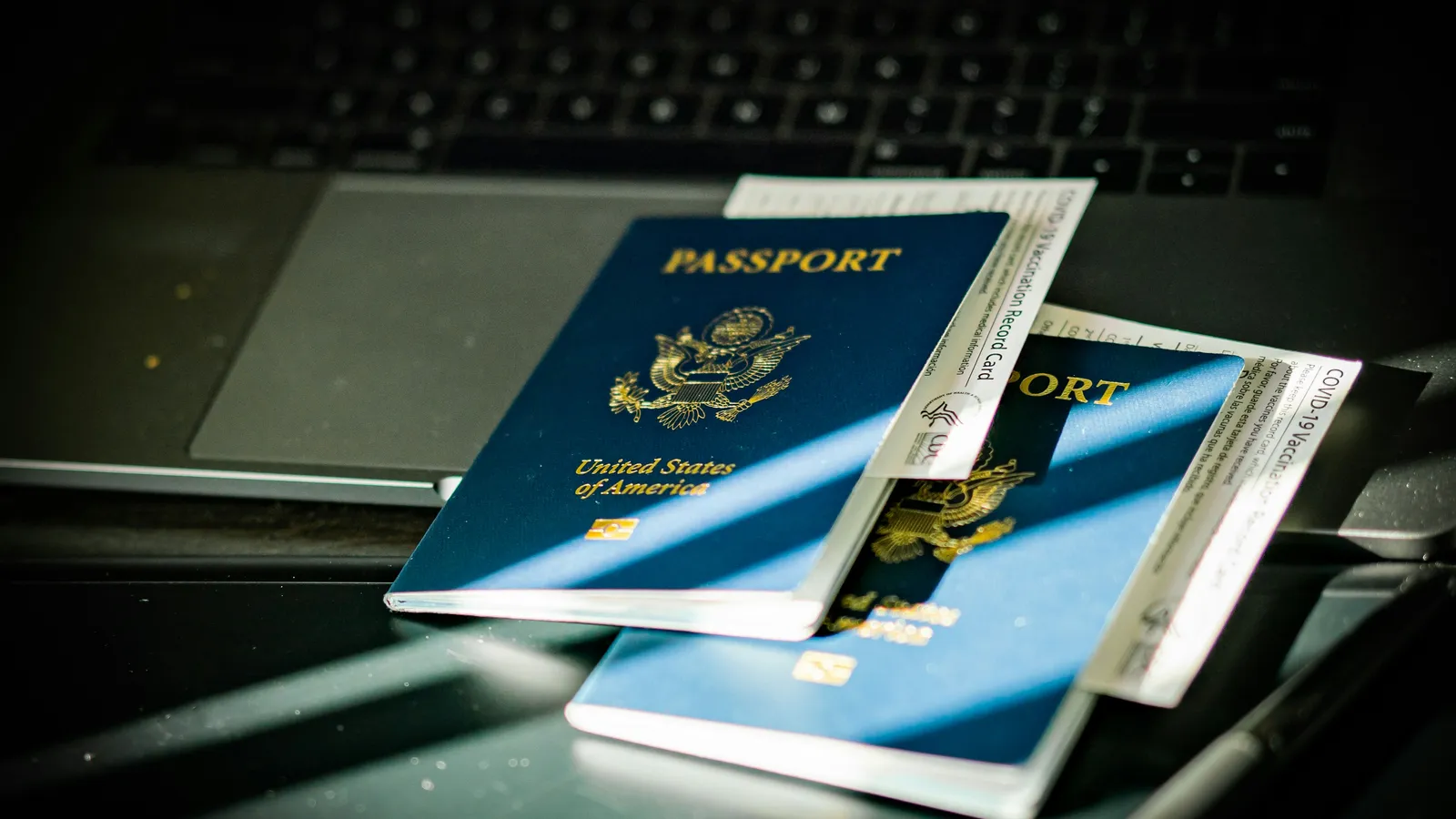
Heading to Auckland?
Find travel companions to explore Auckland together on roammate — share Waiheke wine tours, split island ferry costs, and make lifelong friends.


To customise this itinerary to your travel style, pace, and budget — download the roammate app to tailor it to your preferences.
Find travel companions in Auckland →