Annapurna Circuit
One of the world's greatest treks — a 160–230km loop around the Annapurna massif crossing the 5,416m Thorong La pass through forests, rice paddies, and high desert.
1 day in Annapurna Circuit
Only got 24 hours? Here's how to experience the best of Annapurna Circuit in a single action-packed day.
Annapurna Circuit Highlights
Exploring Annapurna Circuit
Begin your day at Annapurna Circuit early to beat the crowds and catch the best light. The trail is most atmospheric in the morning when the air is cool and the landscape catches the first golden rays. Take time to explore the main highlights and capture photographs in the soft morning light. This is the most rewarding time to visit.
The Trail Continues
Spend the afternoon exploring further afield. Follow the trails deeper into the landscape for more secluded viewpoints and quieter corners. Grab lunch at a local eatery for authentic flavours and budget-friendly prices.
Mountain Sunset
End the day watching the alpenglow light up the peaks. The evening light at Annapurna Circuit is spectacular and worth waiting for. Find a local restaurant for dinner — aromatic local curries and fresh bread.
3 days in Annapurna Circuit
A carefully curated route mixing iconic landmarks, hidden gems, street food, culture, and adventure — designed for younger travelers.
Besisahar to Chame — Entering the Gorge
Bus to Besisahar & Trail Begins
Take the early bus from Pokhara to Besisahar (3–4 hours, ~350 NPR), the official start of the Annapurna Circuit. Collect your TIMS card and Annapurna Conservation Area permit (ACAP) at the checkpoint — budget around $30 USD total. The first section follows the Marsyangdi River upstream through terraced rice paddies and rhododendron forest. Aim to reach Bahundanda (1,310m) by late morning for views across the valley.
Jagat to Chamje Gorge
The trail narrows dramatically past Jagat into the Marsyangdi gorge — sheer rock walls, suspension bridges, and thundering waterfalls mark the transition from subtropical lowlands to Himalayan terrain. The path crosses the river multiple times on swaying metal bridges. Stop for daal bhat at a teahouse in Tal (1,700m) — the wide flat valley with its sandy riverbed was once a glacial lake. Continue to Dharapani for the night.
First Night in Chame
Push on to Chame (2,670m), the administrative capital of Manang district and the first town with reliable electricity and ATMs — withdraw enough cash to last several days as machines become scarcer higher up. Settle into a teahouse (300–600 NPR per room) and warm up with a pot of ginger-lemon-honey tea — a circuit staple. The first Himalayan peaks are visible above the pine forest: Annapurna II (7,937m) looms to the south.
Chame to Manang — The High Country
Pisang & the Upper Valley
Leave Chame at dawn to catch Annapurna II in morning alpenglow. The trail passes a dramatic curved rock face — over 1,500m of sheer cliff rising straight from the valley floor — before opening into the wide Paungda Danda plateau. Take the high route through Upper Pisang (3,300m) rather than the low valley trail: the hilltop monastery, prayer walls, and panoramic views of Pisang Peak and Chulu East make the extra ascent entirely worthwhile.
Braga Monastery & Arrival in Manang
From Pisang descend to the valley and follow the trail west toward Manang (3,519m). Stop at Braga village's monastery — one of the oldest on the circuit, perched dramatically on the cliff above the village. The interior holds centuries-old thangka paintings, butter sculptures, and a library of Tibetan texts. The head lama sometimes welcomes trekkers. Arrive in Manang by mid-afternoon for a full acclimatisation rest — do not ascend further on Day 2.
Acclimatisation Walk to Ice Lake
Even on a rest day in Manang, altitude medicine recommends climbing high and sleeping low. Hike to Ice Lake (4,600m) — a 4-hour return trip from Manang with views of the Annapurna III, Gangapurna, and Tilicho massifs. The lake itself is a frozen turquoise disc surrounded by glacial moraines. Back in Manang, attend the free daily altitude sickness talk at the Himalayan Rescue Association clinic — genuinely useful and potentially life-saving.
Thorong La Pass & Muktinath Descent
Crossing Thorong La at Dawn
Wake at 4am and begin the ascent to Thorong La (5,416m) in darkness — this is the physical and emotional centrepiece of the entire circuit. The 1,800m climb from Thorong Phedi base camp takes 5–6 hours in thin air. Reach the highest point as dawn light hits the surrounding peaks: Dhaulagiri (8,167m) is visible to the west, Annapurna to the south. The pass prayer flags and cairns mark one of Asia's great trekking milestones.
Descent to Muktinath — the Sacred Temple
The descent from Thorong La to Muktinath (3,760m) drops 1,700m in roughly 3 hours — knees take a beating on the scree-covered path. Muktinath is one of the most sacred sites for both Hindus and Buddhists: 108 water spouts, a natural gas flame that burns beneath flowing water (the holy Jwala Mai shrine), and the Vishnu temple visited by pilgrims from across Nepal and India. Witness the ritual bathing at the spouts — deeply moving even for secular trekkers.
Muktinath to Jomsom — Mustang Plateau
Continue by jeep or on foot down the arid Mustang plateau to Jomsom (2,720m), where the landscape transforms completely: high-altitude desert, eroded ochre cliffs, and fierce Kali Gandaki winds that funnel through the world's deepest gorge. Jomsom has a domestic airport with daily flights to Pokhara (20 minutes, ~$100 USD) — a spectacular alternative to trekking back. Celebrate with an apple brandy, a local Mustang specialty, at any teahouse in town.
Budget tips
Book ahead online
Tickets and tours booked online are often 10-30% cheaper than walk-in prices. Many attractions sell out in peak season — advance booking guarantees entry and saves money.
Visit in shoulder season
Shoulder months (just before or after peak season) offer better prices on accommodation and flights with similar weather and fewer crowds. Oct – Nov is peak.
Stay nearby, not at the gate
Accommodation directly at the attraction charges a premium. Staying 10-20 minutes away can save 30-50% on nightly rates. Use public transport or a rental car to bridge the gap.
Pack your own lunch
Tourist-area restaurants charge inflated prices. Pack sandwiches, snacks, and a refillable water bottle to save $15-30 per day on food. Buy supplies at local supermarkets or markets.
Free walking tours & guides
Many areas offer free or tip-based guided walks that are better than paid tours. Local guides provide insider knowledge and support the community. Check online for options.
Use local transport
Taxis and private transfers are the most expensive option. Local buses, shared minivans, or ride-sharing are 50-80% cheaper and give you a more authentic experience.
Budget breakdown
Daily costs per person in US dollars. Annapurna Circuit trekking costs vary widely depending on whether you hire a guide, porter, and which route you choose — these ranges cover the spectrum from budget backpacker to comfortable mid-range.
| 🎒 Budget | ✨ Mid-Range | 💎 Splurge | |
|---|---|---|---|
| Accommodation Hostels → guesthouses → boutique lodges | $10–25 | $30–60 | $80+ |
| Food Street food → local restaurants → fine dining | $5–15 | $15–30 | $40+ |
| Transport Public buses → shared transfers → private car | $5–15 | $15–40 | $50+ |
| Activities Self-guided → group tours → private guides | $5–20 | $20–60 | $80+ |
| Entry Fees Combined tickets save money | $5–15 | $15–30 | $30–50 |
| Daily Total Budget backpacker → comfortable mid → luxury | $30–90 | $95–220 | $250+ |
Practical info
Entry & Visas
- Visa on arrival
- Keep a digital and physical copy of your passport, visa, and travel insurance at all times
- Entry fees for Annapurna Circuit should be paid in NPR — exchange money before arriving
Health & Safety
- Drink only bottled or purified water — avoid ice in drinks outside hotels
- Bring a basic first aid kit with blister plasters, antiseptic, painkillers, and any personal medication
- Altitude sickness is a risk above 2,500m — acclimatise slowly and stay hydrated
Getting Around
- Shared transport or guided tours are the most practical options
- Download offline maps before arriving — mobile data coverage can be patchy in remote areas
- Trails are usually well-marked but a local guide adds safety and insider knowledge
Connectivity
- Buy a local SIM card at the airport on arrival for affordable data — much cheaper than international roaming
- WiFi is available at most accommodation but signal quality varies. Download offline maps and guides before heading to remote areas
- Share your itinerary with someone at home and check in daily, especially for remote treks or island visits
Money
- Currency: NPR (Rupee). Cards accepted in tourist areas, but carry cash for local vendors
- ATMs are available in towns and cities. Visa and Mastercard are most widely accepted
- Tip 10-15% at restaurants. Guides and porters appreciate tips — budget $5-10 per day per person
Packing Tips
- Sturdy hiking boots (broken in), moisture-wicking layers, and a quality rain jacket are essential
- A reusable water bottle, headlamp, and portable phone charger are essential for any outdoor adventure
- Dress modestly at religious sites — cover shoulders and knees. Carry a scarf or sarong for quick coverage
Cultural tips
Annapurna Circuit is wild terrain that demands respect — approach with curiosity and respect, and you will be rewarded with one of the most memorable experiences of your travels.
Respect Local Customs
Remove shoes before entering temples, mosques, or homes. Dress modestly — cover shoulders and knees at religious sites. Ask permission before photographing people or ceremonies.
Leave No Trace
Pack out all rubbish. Stay on marked trails and paths. Do not touch, feed, or disturb wildlife. The natural beauty of Annapurna Circuit depends on every visitor treating it with respect. Take only photos, leave only footprints.
Photography Etiquette
Ask permission before photographing locals, especially in indigenous or traditional communities. Many religious sites have photography restrictions — check signage and respect these rules. Drone regulations vary — check local laws before flying.
Language & Communication
Learn a few words in Nepali — greetings, please, thank you, and numbers go a long way. English is limited outside tourist areas but a translation app helps bridge gaps.
Support Local Communities
Choose locally-owned guesthouses, restaurants, and guides over international chains. Buy handicrafts directly from artisans. Your spending has the most impact when it goes directly into the local economy rather than through large tour operators.
Pace & Patience
Things move at a different pace here — embrace it. Delays, diversions, and unexpected encounters are part of the adventure. Patience and flexibility will transform your experience.
Annapurna Circuit is on these routes
Reading for Annapurna Circuit
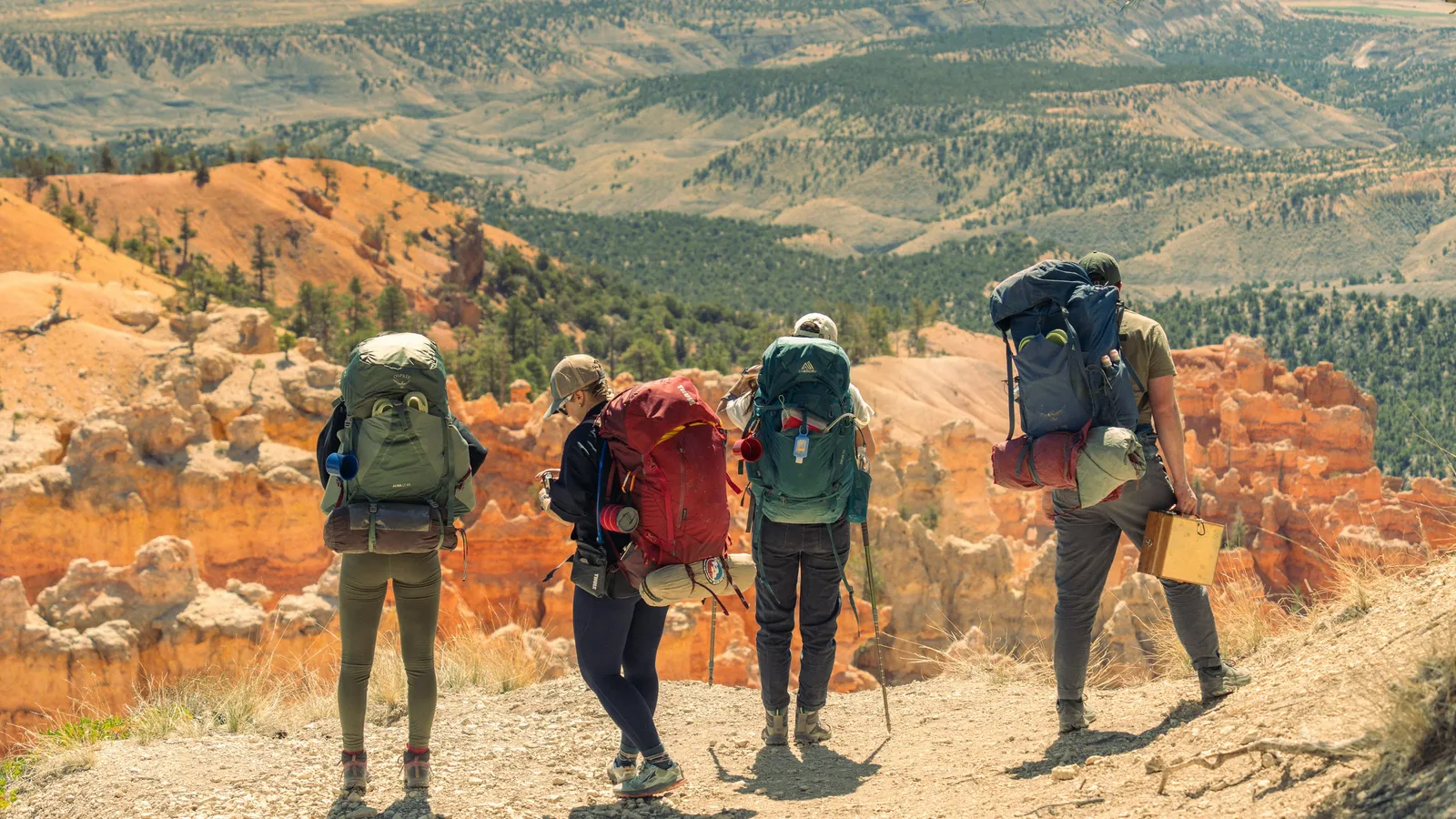
Hiking Rotation for Multi-Country Trips
Build a hiking rotation across multiple countries that balances intensity, recovery, and the best trails without burning out your knees.
Read article →
Mountain Route Weather Windows
Time your mountain travel routes using weather windows, altitude forecasts, and the seasonal patterns that keep you safe and scenery-filled.
Read article →Heading to Annapurna Circuit?
Find travel companions to explore Annapurna Circuit together on roammate — split costs, share adventures, and make lifelong friends.


To customise this itinerary to your travel style, pace, and budget — download the roammate app to tailor it to your preferences.
Find travel companions in Annapurna Circuit →