The best camera is the one you actually carry. That sounds like a cliche until you've lugged a 1.2kg mirrorless kit up 1,200 steps to Tiger's Nest Monastery in Bhutan and wished you'd left it at the hotel. Modern phone cameras have closed the gap dramatically, but there are still scenarios where dedicated gear makes a real difference. Here's how to build a kit that matches your actual photography habits.


Phone vs Mirrorless vs Action Cam: The Honest Trade-Offs
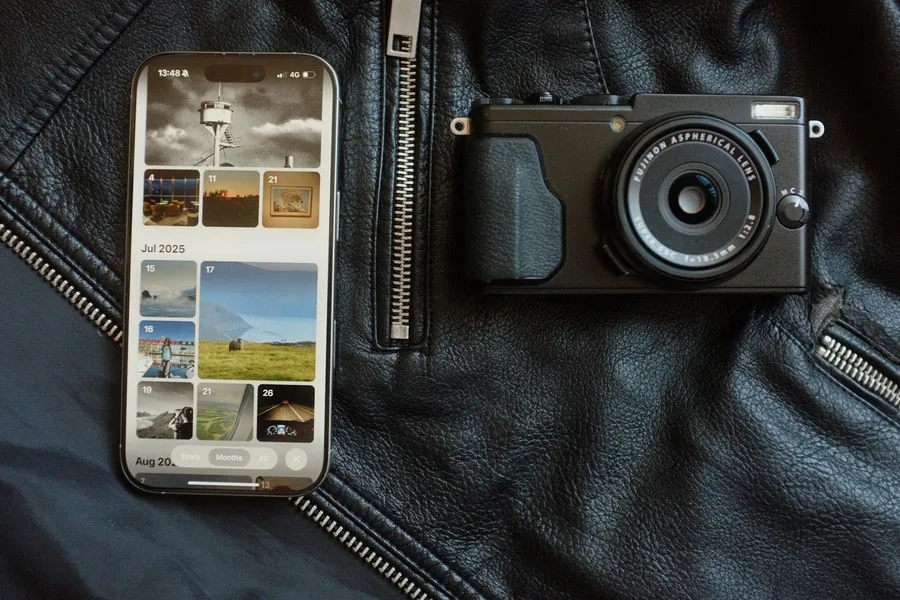
An iPhone 15 Pro or Samsung Galaxy S24 Ultra produces stunning 48-megapixel photos in good light, shoots 4K video, and weighs nothing extra because you're carrying it anyway. For 80% of travel photography — street scenes, food, architecture, sunset panoramas — your phone is genuinely enough. Where phones struggle: low light (interiors of temples, night markets), extreme zoom (wildlife on safari), and creative depth-of-field effects. A compact mirrorless like the Sony A6700 ($1,400, 493g body) or Fujifilm X-T5 ($1,700, 557g body) with a single 18-55mm kit lens bridges those gaps. The total kit adds about 900g and $1,500-2,000 to your setup. For adventure travel — snorkeling in Komodo, mountain biking in Moab, motorbiking in Vietnam — a GoPro Hero 12 ($350, 154g) is waterproof, shockproof, and captures stabilized footage that no phone can match in motion. Most long-term backpackers settle on phone plus action cam, saving the mirrorless for dedicated photography trips.
Find a travel companion who matches your style and budget
Download Roammate — FreeTripods, Storage, and Editing on the Go
A compact travel tripod transforms your photography options. The Peak Design Travel Tripod ($350, 1.27kg) is the premium pick, but the Joby GorillaPod 3K ($50, 390g) wraps around railings and branches for creative angles and weighs almost nothing. For phone photographers, the Joby GripTight ($25, 85g) clips your phone to any tripod mount and enables long-exposure night shots, time-lapses of Angkor Wat sunrises, and stable video calls from hostel rooms. Storage adds up fast when you're shooting 4K video: budget 128GB per month of active shooting. Carry two 256GB microSD cards (Samsung Pro Plus, about $25 each) rather than one large card — if one fails, you only lose half your memories. Back up weekly to a portable SSD like the Samsung T7 (58g, 1TB for $80) or upload to cloud storage from hostel WiFi overnight. For editing on the road, Lightroom Mobile (free tier handles basic edits, $10/month for the full toolkit) and CapCut (free) for video are all you need. Edit on the bus, post from the coffee shop, and keep your camera roll from becoming an unmanageable 40,000-photo archive.