The night before a big trip, your brain runs worst-case scenarios on repeat. What if the flight is cancelled. What if you get robbed. What if you hate it and want to come home. Pre-trip anxiety affects an estimated 60% of travelers according to travel psychology research, and it does not disappear once you land. On-the-road anxiety is different but equally real. Both are manageable with the right tools and neither means you should stop traveling.


Pre-Trip Anxiety and Grounding Techniques That Work Anywhere
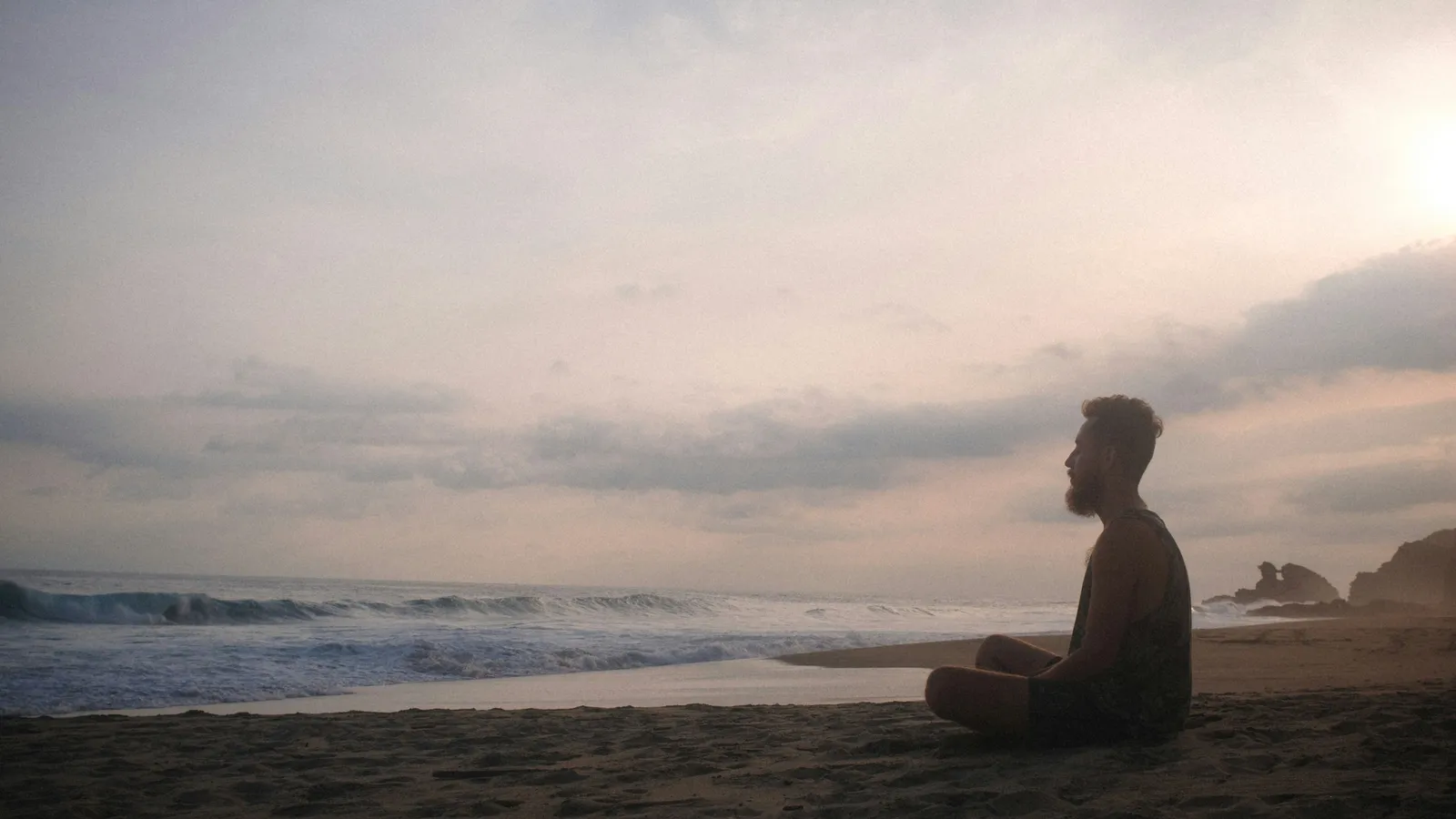
Pre-trip anxiety peaks 48-72 hours before departure and feeds on the unknown. Counter it with over-preparation on the three things that actually matter: your first night's accommodation (booked and confirmed with address saved offline), airport-to-hostel transport (route researched with backup option), and emergency contacts (embassy number, insurance hotline, one person at home who has your itinerary). Everything else can be figured out on the ground. For on-the-road anxiety spikes, the 5-4-3-2-1 grounding technique works in any language and any setting. Name five things you can see, four you can touch, three you can hear, two you can smell, and one you can taste. This pulls your nervous system out of fight-or-flight and into the present moment. It takes 90 seconds and works in a crowded Bangkok Skytrain, a chaotic Marrakech souk, or a quiet Ubud rice terrace where the stillness itself feels unsettling. Box breathing (inhale 4 counts, hold 4, exhale 4, hold 4) resets your parasympathetic nervous system in under two minutes. Practice it at home first so it becomes automatic under stress. Build one daily routine anchor in every new place: the same morning coffee ritual, a 20-minute walk before breakfast, or 10 minutes of journaling. This consistent thread across changing environments gives your brain a predictable reference point that reduces the cognitive load of constant novelty.
Find a travel companion who matches your style and budget
Download Roammate — FreeWhen Anxiety Is Useful and Professional Help on the Road
Not all travel anxiety is a problem to solve. The nervous feeling before walking through an unfamiliar neighborhood at night is your safety instinct working correctly. The discomfort of not understanding a language forces you to pay closer attention to body language and context. Distinguish between productive anxiety (heightened awareness that keeps you safe) and spiraling anxiety (repetitive catastrophic thoughts that prevent you from functioning). If anxiety is stopping you from leaving your hostel room, causing panic attacks, or making you consider ending your trip early, those are signals to seek professional support, not personal failures. BetterHelp and Talkspace offer therapy sessions via video call for USD 60-80 per week, accessible from anywhere with WiFi. Many therapists on these platforms have experience with travel-related anxiety specifically. For in-person options, International SOS and your travel insurance provider maintain directories of English-speaking mental health professionals in major cities worldwide. A session with a psychologist in Chiang Mai costs 1,500-2,500 baht (USD 45-75), in Mexico City around MXN 800-1,500 (USD 45-85), and in Bali 500,000-800,000 IDR (USD 32-52). If you take anxiety medication (SSRIs, benzodiazepines), carry a 90-day supply with your doctor's prescription letter. Some countries (Japan, UAE, Singapore) restrict certain medications, so check the INCB guidelines or your destination's embassy website before packing. Running low abroad is stressful and refills require a local doctor visit that can cost USD 30-100 depending on the country.