Getting turned away at the entrance to Bangkok's Grand Palace for wearing shorts, or being asked to leave a mosque in Istanbul for photographing during prayer — these are avoidable moments that sour otherwise incredible cultural experiences. Religious site etiquette varies significantly between faiths and regions, but the core principles are consistent: cover up, quiet down, and when in doubt, observe what locals do before you act.


Dress Codes and Shoe Rules by Religion and Region
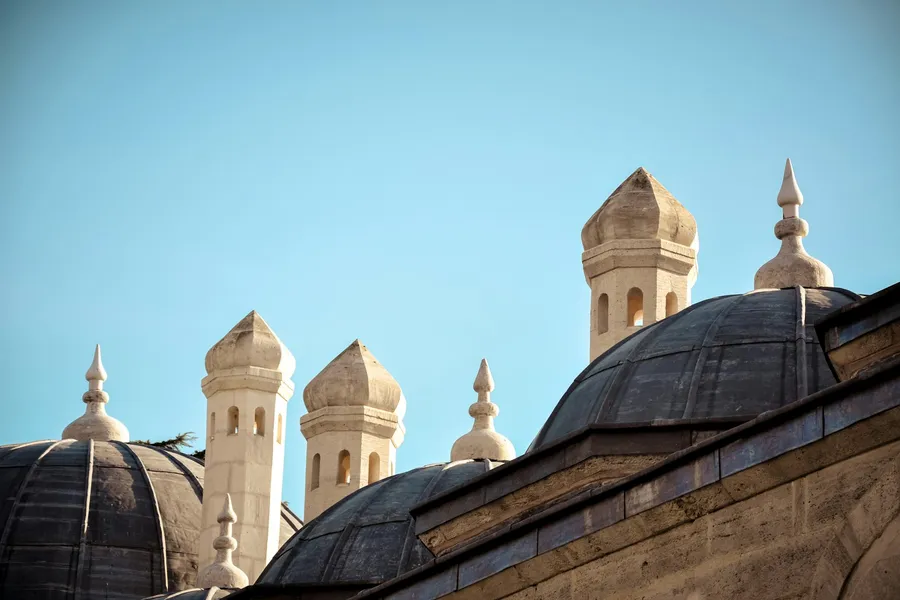
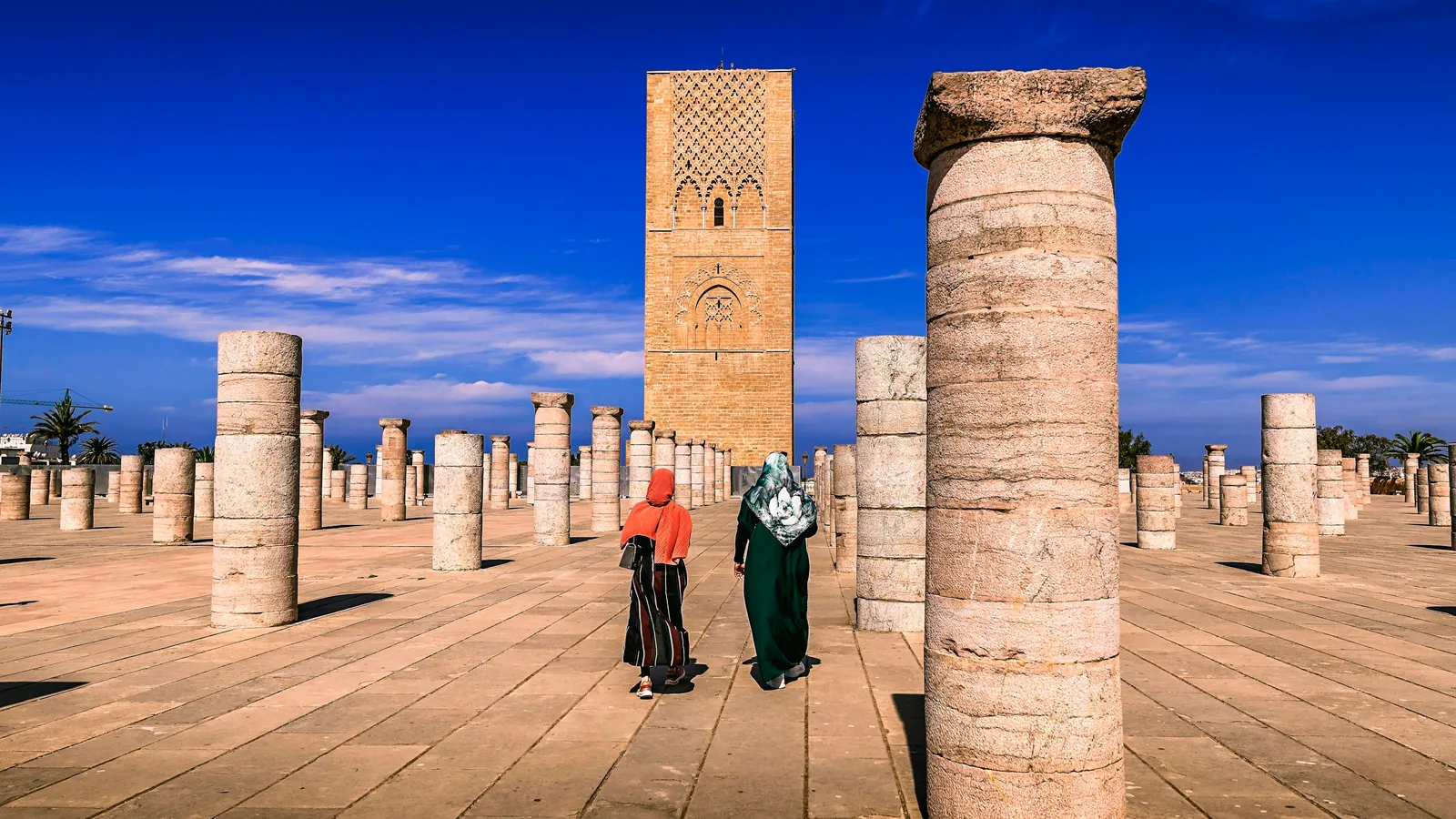
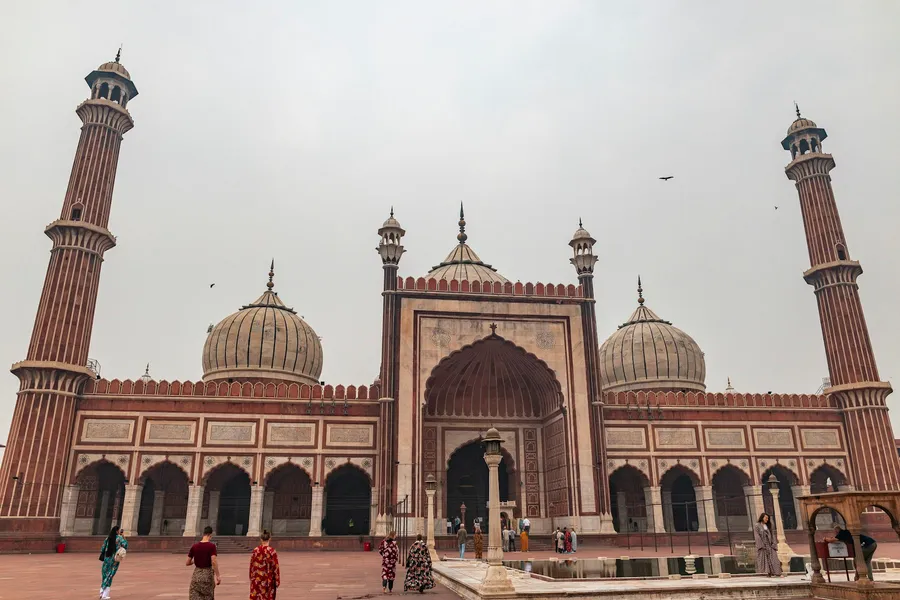
Buddhist temples across Thailand, Myanmar, Cambodia, and Laos require covered shoulders and knees for both men and women. Many major temples like Wat Phra Kaew in Bangkok enforce this strictly with guards checking at the entrance and lending sarongs for 200 baht deposit. In Myanmar, bare feet are mandatory inside all pagoda complexes — not just the main temple building but the entire compound, including outdoor walkways that can burn your feet on hot marble at midday. Carry a pair of thin socks. Hindu temples in India and Bali require similar coverage plus shoe removal. Some South Indian temples prohibit leather items entirely — leave your belt and leather wallet at the entrance. Mosques worldwide require women to cover their hair, arms, and legs; many provide headscarves and robes at the entrance, but carrying your own lightweight scarf saves awkward moments. Men need long pants and covered shoulders. The Blue Mosque in Istanbul and Sheikh Zayed Mosque in Abu Dhabi both provide free abayas and coverings, but the queue adds 20-30 minutes to your visit. Catholic churches in Rome and across Southern Europe require covered shoulders and knees — St. Peter's Basilica turns away visitors in tank tops and shorts daily despite the summer heat. Pack a lightweight long-sleeve shirt that rolls to nothing in your daypack and you'll never be caught out.
Find a travel companion who matches your style and budget
Download Roammate — FreePhotography, Donations, and Gender-Specific Rules
Photography rules range from freely allowed to strictly forbidden, often varying within a single complex. Most Buddhist temples permit exterior photography but prohibit flash and tripods near Buddha statues — some ban photography of the main Buddha image entirely, as at Wat Phra Kaew. Mosques generally allow photography outside prayer times (avoid Friday midday prayers especially), but never photograph people praying without explicit permission. Hindu temples in India often prohibit cameras inside the inner sanctum but allow them in courtyards. When a sign says no photography, respect it without exception — temple guardians have confiscated cameras from travelers who tried to sneak shots. Donations are expected but rarely mandatory. In Thai temples, a 20-50 baht offering at the donation box near the main Buddha is customary. In mosques, there is no entry fee and no expectation of donation for visitors. Hindu temples may have a donation box and a separate fee for specific puja (prayer) ceremonies if you wish to participate. Gender-specific rules are most prominent in mosques, where women and men pray in separate areas. Some mosques like the Hassan II in Casablanca allow mixed tourist groups outside prayer times, while others restrict women to designated viewing areas. In Orthodox Jewish synagogues, men must wear a kippah (often provided at the entrance) and women sit separately. At Shinto shrines in Japan, there are no gender restrictions but the ritual is specific: bow twice at the offering box, clap twice, bow once more, and leave without turning your back to the shrine.