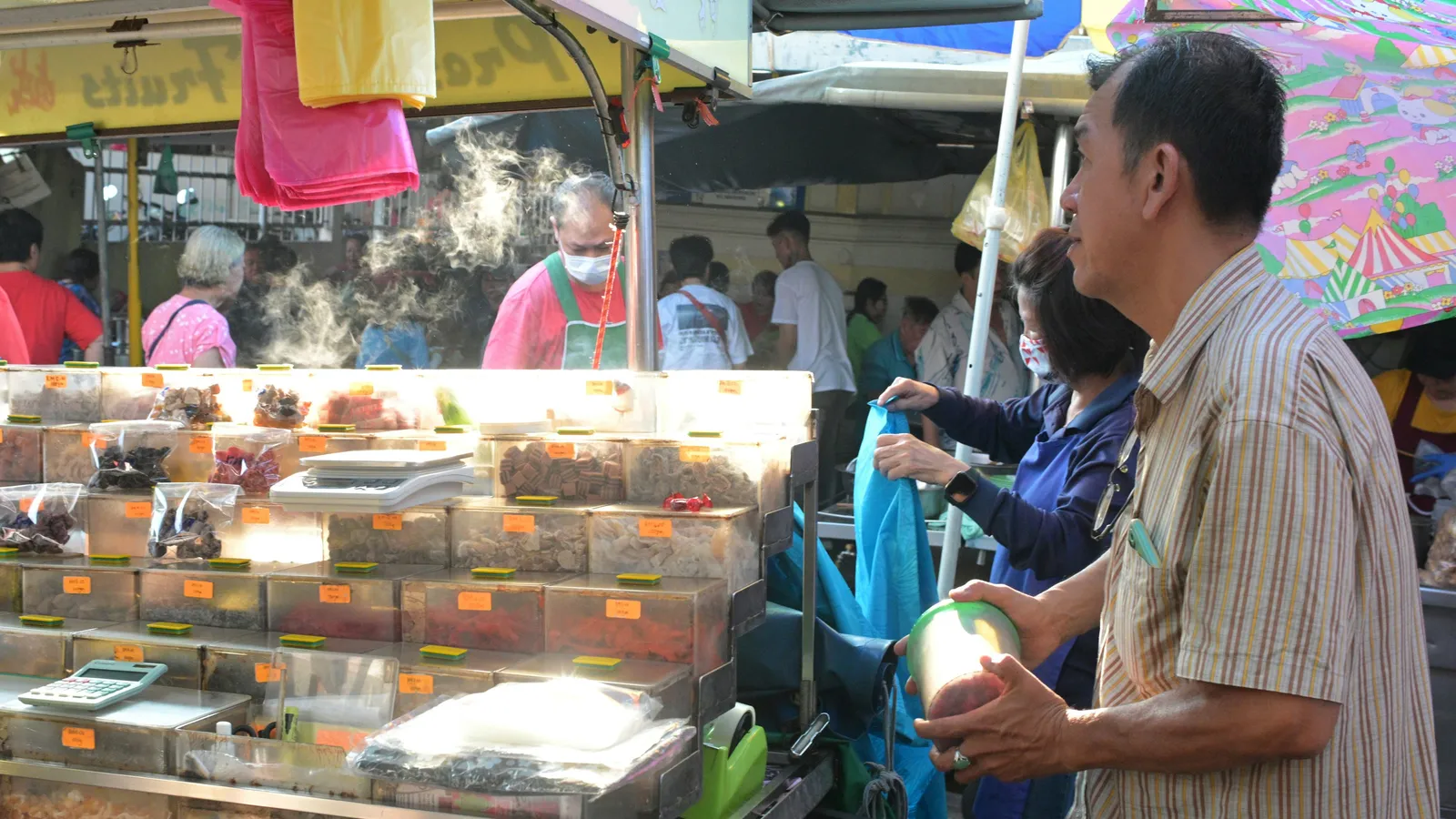
You point at a pair of elephant pants in Bangkok's Chatuchak market. The vendor says 400 baht. You know they cost 120 baht three stalls down but you feel awkward pushing back, so you pay 300 and walk away feeling vaguely ripped off. In Marrakech, you pay the first price for a leather bag and later learn you paid triple what locals pay. Haggling is not about winning — it is a social ritual that, done respectfully, both parties expect and enjoy. The discomfort comes from not knowing the rules.


Where to Haggle and Where Not To
Haggling is expected and welcomed in open-air markets across Southeast Asia, North Africa, the Middle East, India, and most of Latin America. In Thailand, Vietnam, and Cambodia, market stalls, tuk-tuk rides, and unmetered taxis are all negotiable. In Morocco and Egypt, the initial asking price in souks is typically three to five times the expected final price — vendors will be confused if you do not counter. In India, auto-rickshaw fares, market goods, and even some hotel rates are negotiable. Fixed-price environments where haggling is inappropriate: shopping malls, supermarkets, restaurants, metered taxis, and any shop with printed price tags in most of Asia and Latin America. In Japan, Singapore, and South Korea, haggling is culturally uncomfortable in almost all contexts. In Europe, prices are fixed everywhere except flea markets and some antique shops. The grey zone: guesthouses in low season across Southeast Asia often give 10-20% off if you ask at the front desk for a "best price" for stays of three nights or more. Tour operators in places like Sapa, Semuc Champey, and Ella will reduce group tour rates by 15-25% if you book directly rather than through a hostel.
Find a travel companion who matches your style and budget
Download Roammate — FreeThe Mechanics: Opening Offers, Walking Away, and Staying Respectful
The standard approach: start at 40-50% of the asking price in Southeast Asia, 25-33% in Morocco and Egypt, and 60-70% in Latin America. These are not hard rules but starting ranges — the final price usually lands around 50-70% of the initial ask in markets across all regions. State your price with a smile, not an apology. "How about 150?" works better than "Would you possibly consider 150? I do not want to offend you." Confidence signals that you know the local price range. The walk-away is the most powerful tool in any market. If you cannot reach agreement, say "thank you" warmly and start walking. In 80% of cases, the vendor will call you back with a lower number before you have taken ten steps. If they do not, the price was already close to their floor. For tuk-tuks and taxis, agree on the price before getting in — never after arrival when you have no leverage. In Bangkok, use the Grab app to check fair ride prices before negotiating with a street taxi. In Marrakech, ask your riad host what a fair taxi fare should be to your destination. The golden rule: never haggle over amounts that are insignificant to you but meaningful to the vendor. Arguing over 10 baht ($0.30) with a street food vendor in Chiang Mai is disrespectful. Save your negotiation energy for purchases over $10 where the markup is substantial.