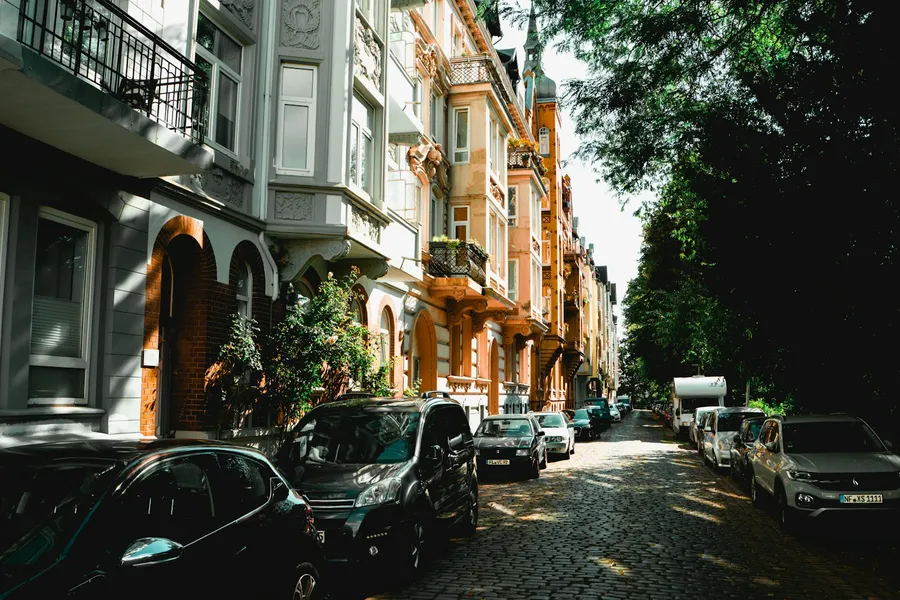
The restaurant next to your hostel in Bangkok charges 150 baht for pad thai. Walk eight blocks into the residential Ari neighborhood and the same dish costs 45 baht, tastes better, and comes with a free egg on top. Every city has concentric rings of food quality and value radiating outward from tourist centers, and the best eating requires nothing more than picking a neighborhood and walking until the menus stop being in English.


Mapping the Food Zones Before You Eat
Every city has three distinct food zones: the tourist center (highest prices, most familiar menus, decent-to-mediocre quality), the local commercial district (office worker lunch spots, moderate prices, excellent quality), and the residential neighborhoods (home-style cooking, lowest prices, limited hours). In Mexico City, the tourist zone is Centro Historico and Condesa. The local commercial zone is Roma Norte's side streets and the Mercado Medellin area. The residential gold is in Coyoacan's southern blocks and Narvarte's weekday lunch counters. In Hanoi, the tourist zone is the Old Quarter around Hoan Kiem Lake. The local zone is the streets west of the railway line in Ba Dinh District. The residential gems are in Tay Ho near West Lake where you'll find bun cha shops that have served the same recipe for 30 years to a clientele that doesn't include a single tourist. Use Google Maps to zoom in on each zone and look for clusters of unnamed food pins with high ratings — these indicate spots popular enough to earn reviews but not famous enough to appear in guidebooks.
Find a travel companion who matches your style and budget
Download Roammate — FreeThe Progressive Eating Walk That Covers Maximum Ground
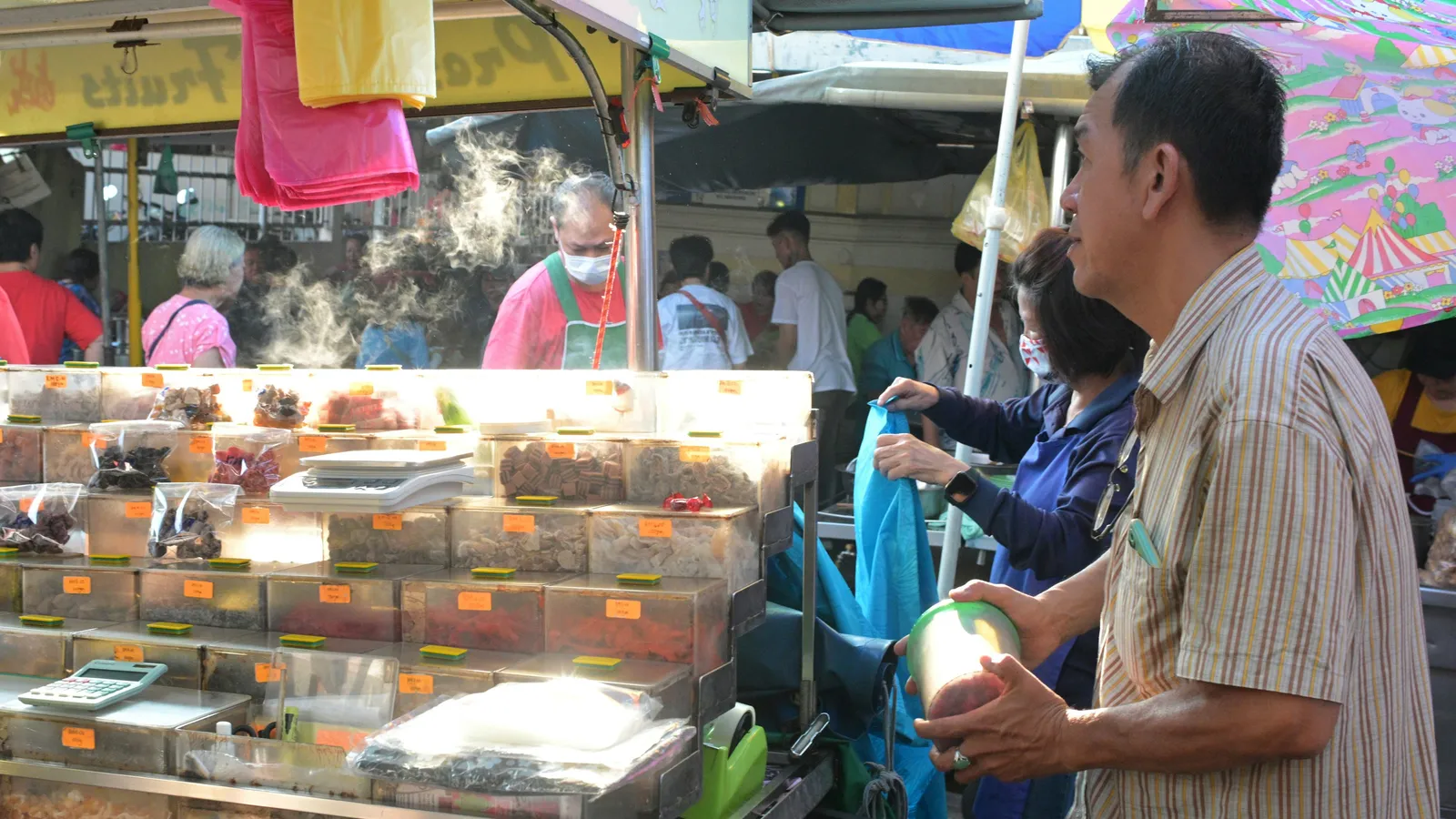
Design a 3-hour walking food trail that hits 4-5 spots across two adjacent neighborhoods, eating a small portion at each rather than a full meal at one. In Penang's George Town, start at the Kek Lok Si temple hawker stalls for char kway teow (5 ringgit), walk 15 minutes to Lebuh Kimberley for Hokkien mee (6 ringgit), continue to Lebuh Chulia for cendol dessert (3 ringgit), cross into Little India on Lebuh Pasar for a roti canai (2.50 ringgit), and finish at the New Lane hawker center for oyster omelette (8 ringgit). Total cost: roughly $6 for five dishes across five distinct culinary traditions. This progressive eating approach works because Southeast Asian portions are naturally small and designed for grazing. In Istanbul, start in Kadikoy's fish market for a balik ekmek (fish sandwich, 40 lira), walk through the produce market for fresh-squeezed pomegranate juice (15 lira), climb into Moda for a simit with cheese at a tea garden (20 lira), and end at a lokantasi for a small plate of yaprak sarma (vine leaves, 30 lira). You've eaten a complete meal's worth of food across four stops, experienced four neighborhoods, and spent less than a single restaurant dinner would cost.