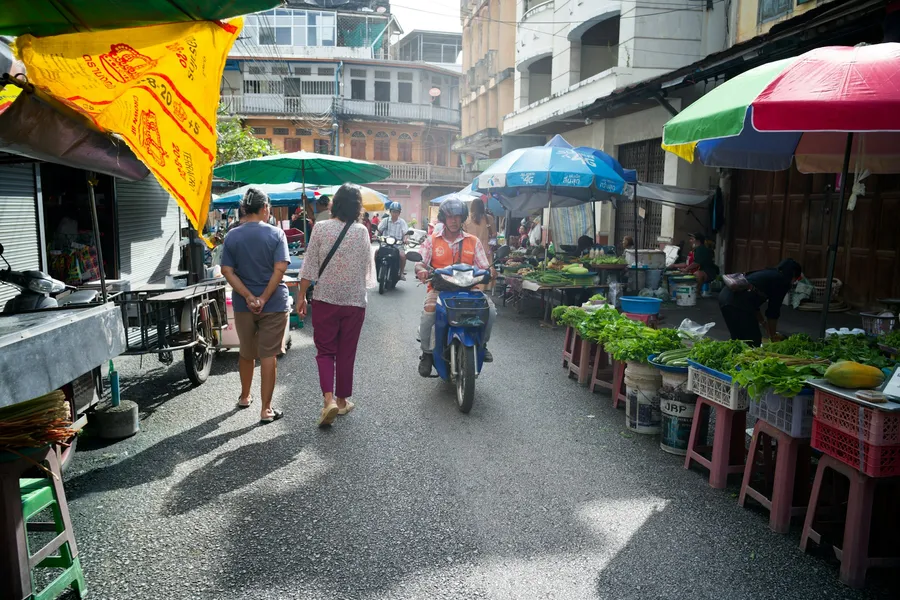
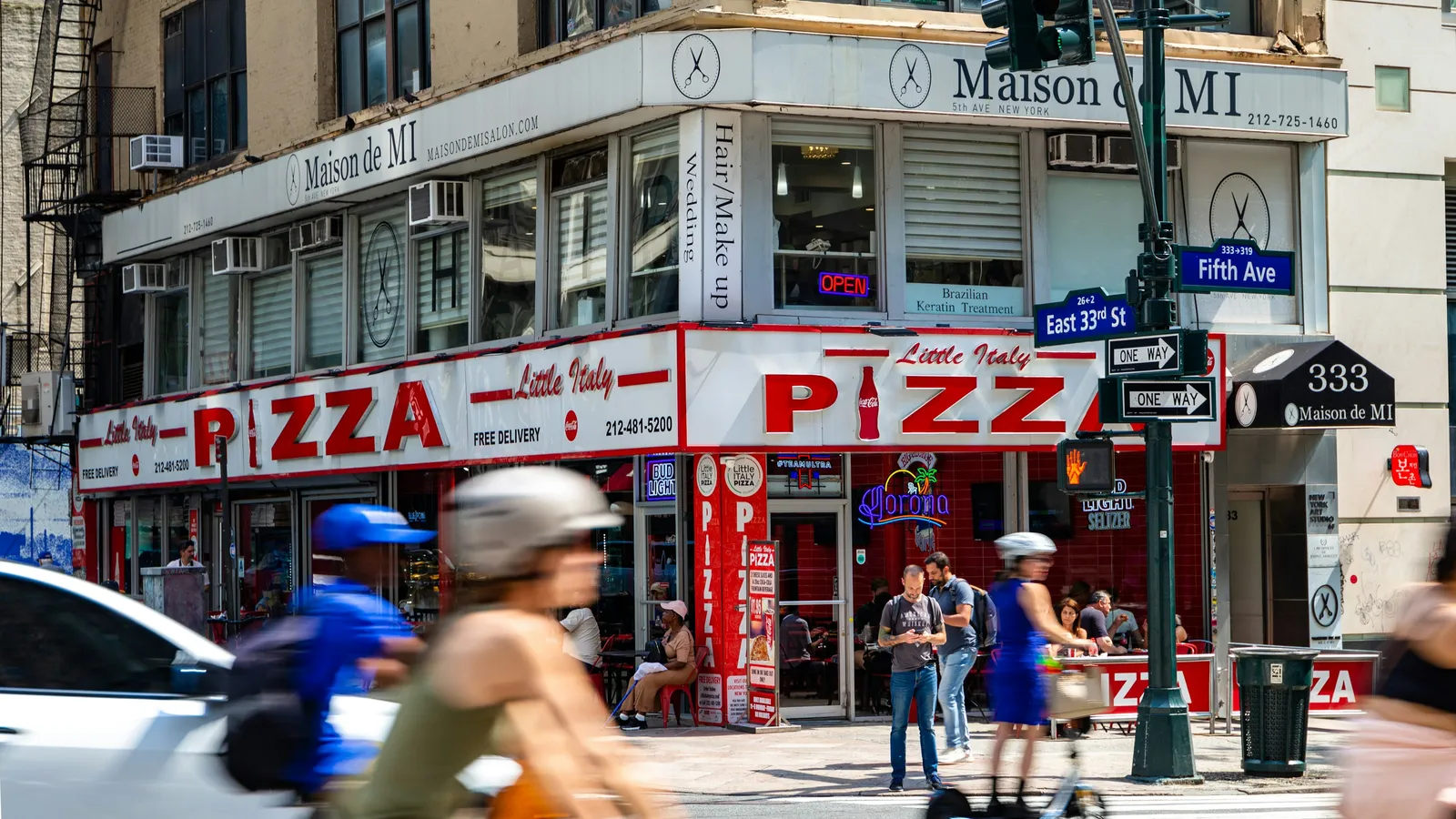
Your travel doctor said avoid street food. Your guidebook said be careful. Then you land in Bangkok and the pad kra pao from the cart outside your hostel smells incredible and costs 50 baht. Street food isn't inherently dangerous — it's the most-inspected food in many countries because it's cooked in public. The trick is knowing what to look for and what to avoid.


The Five-Second Safety Scan at Any Stall
Before ordering, check five things in five seconds. First, is there a queue of locals? A line of office workers at a Saigon banh mi stand at noon is the strongest safety signal that exists — those people eat here daily and can't afford to get sick. Second, is the food cooked to order in front of you? Fresh-fired wok dishes are safer than pre-made items sitting under heat lamps. Third, look at the cooking surface — is there active flame or heat? High heat kills bacteria more effectively than any refrigeration. Fourth, check the water situation: is the vendor using bottled or filtered water for drinks? If you see them pouring from a tap, skip the beverages and stick to sealed bottles. Fifth, observe the vendor's hands — are they using tongs, gloves, or at minimum separate hands for raw and cooked ingredients? At Bangkok's Yaowarat night market, the best stalls use long chopsticks to handle noodles and separate scoops for sauces, which signals ingrained hygiene habits.
Find a travel companion who matches your style and budget
Download Roammate — FreeThe Three Foods That Catch First-Timers Off Guard
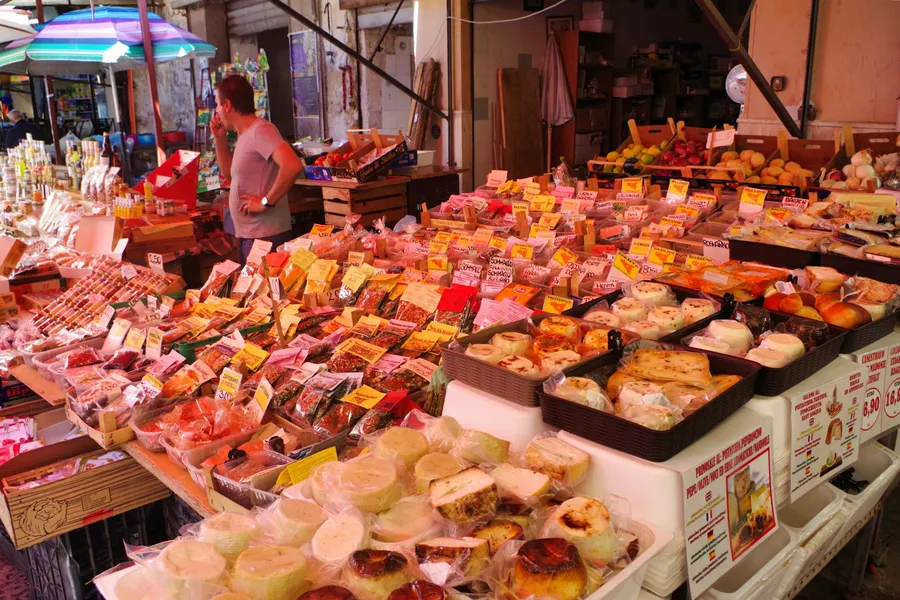
Raw salads in Southeast Asia trip up more travelers than anything deep-fried ever could. That papaya salad in Laos or gado-gado in Java often uses tap-washed vegetables that your untrained gut can't handle in the first week. Give your stomach 5-7 days eating only cooked food before introducing raw items. Ice is the second trap — in Thailand and Vietnam, cylindrical ice with holes (made in factories from filtered water) is safe, while crushed or irregularly shaped ice may come from tap water. The third surprise is fruit juice: fresh-squeezed orange juice from a street cart in Marrakech or Mexico City often includes tap water or is prepared with ice of unknown origin. Stick to whole fruits you peel yourself for the first week — bananas, mangosteens, rambutans, and dragon fruit are all self-contained and safe everywhere. After your gut adjusts around day seven to ten, you can gradually expand to raw items and local water ice without issues.