Wildlife encounters rank among the most powerful travel experiences, but the industry hides widespread animal suffering behind smiling tourist photos. Riding elephants, posing with sedated tigers, and swimming with captive dolphins cause direct harm. Learning to distinguish ethical operations from exploitative ones protects animals and gives you genuinely meaningful wildlife moments. The good experiences are out there, they just require knowing where to look.


Red Flags and Certifications to Know
Any facility that allows direct contact with wild animals is almost certainly exploitative. Elephant riding requires breaking the animal through a brutal process called phajaan. Tiger temples sedate animals with drugs for photo opportunities. Dolphin shows confine highly social, wide-ranging animals to concrete pools. Sea turtle hatcheries that charge tourists to release babies often over-harvest eggs and stage releases during dangerous daylight hours. Look instead for certifications from the Global Federation of Animal Sanctuaries (GFAS), the World Animal Protection organization, or the Born Free Foundation. Legitimate sanctuaries never allow riding, petting, or selfies with animals. They prioritize rescue and rehabilitation over entertainment. Elephant Nature Park in Chiang Mai (Thailand), the David Sheldrick Wildlife Trust in Nairobi (Kenya), and the Sepilok Orangutan Rehabilitation Centre in Borneo (Malaysia) are gold-standard examples. A $40 visit to Elephant Nature Park funds genuine rescue work, while a $30 elephant ride funds continued capture and abuse.
Find a travel companion who matches your style and budget
Download Roammate — FreeResponsible Safari and Marine Wildlife Guidelines
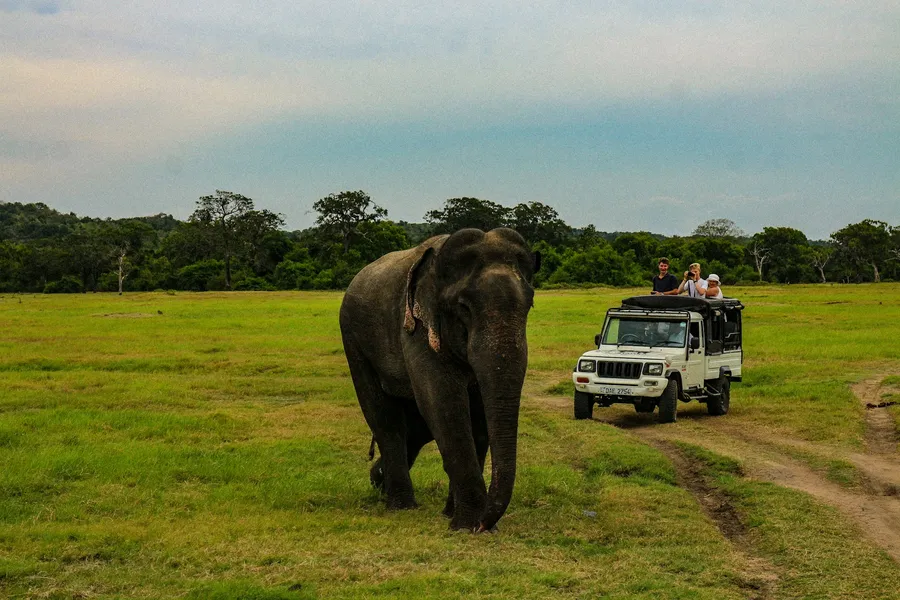
Safari ethics center on distance and disruption. Vehicles should stay on designated tracks and maintain at least 25 meters from animals. Reject any guide who drives off-road to get closer or who uses food to lure wildlife. In East Africa, choose conservancies over national parks when possible: Ol Pejeta (Kenya) and Grumeti (Tanzania) fund anti-poaching patrols directly from tourist fees ($80-120 per day). For marine wildlife, whale watching boats should maintain 100 meters distance and never chase or cut off whale paths. In Baja California, Magdalena Bay operators follow Mexican government regulations strictly. Snorkeling with wild sea turtles in the Gili Islands is ethical as long as you do not touch or chase them. Avoid any experience branded as "swimming with dolphins" in enclosed waters. Free-diving with wild dolphins in Kaikoura (New Zealand) or the Red Sea operates on the animals terms, they approach if they choose. Budget $50-150 per ethical encounter and factor this into your trip costs. The price reflects genuine conservation funding, not just entertainment markup.