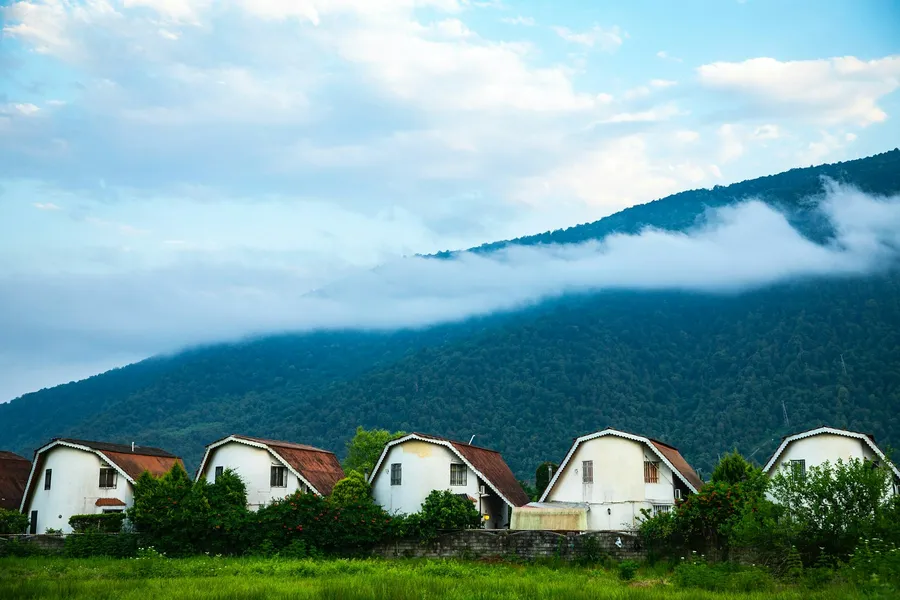
A hostel dorm in Seminyak costs USD 8-12 per night. An eco-lodge in Ubud's rice terraces costs USD 35-65. Triple the price does not automatically mean triple the sustainability. Some hostels run solar panels and composting programs while some "eco-lodges" just stuck bamboo on a concrete building and tripled their rates. Here is how to tell the difference and when each option genuinely makes sense.


Price Reality and When Eco-Lodges Are Worth the Premium
Across 30 countries, hostels average USD 8-20 per night in a dorm and USD 25-50 for a private room. Eco-lodges range from USD 30-80 for budget options to USD 150+ for premium properties. The sweet spot is budget eco-lodges in the USD 30-50 range that exist in Costa Rica's Osa Peninsula, Sri Lanka's hill country around Ella, Bali's Sidemen valley (away from Ubud tourist prices), and northern Laos near Luang Namtha. These properties typically include breakfast, have genuine off-grid power systems, and employ local staff from surrounding villages. The premium is worth paying when the location itself is the experience: a treehouse in Monteverde's cloud forest, a floating bungalow on Khao Sok Lake, or a community-run lodge in Peru's Sacred Valley where your USD 45 per night directly funds a local school. Check for third-party certifications like Green Globe, Rainforest Alliance, or GSTC (Global Sustainable Tourism Council). Properties displaying these logos have undergone actual audits. If the only "eco" credential is the owner's Instagram post about loving nature, that is not certification. Hostels with genuine sustainability programs include Selina (carbon offset program across 15 countries), Kex Hostel in Reykjavik (100% renewable energy), and Lub d in Bangkok (comprehensive recycling and water reclamation).
Find a travel companion who matches your style and budget
Download Roammate — FreeGreenwashing Red Flags and Community Impact Assessment
The biggest greenwashing tell: a property calls itself "eco" but has no visible waste management system. Real eco-lodges separate compost, recycling, and landfill waste in the kitchen. If you see one mixed bin behind the bar, the eco label is marketing. Other red flags include single-use plastic water bottles sold on-site (genuine eco-properties use filtered refill stations), no local staff in management positions (community benefit requires local employment beyond cleaning roles), and new construction in previously undeveloped natural areas marketed as "immersive nature experiences" when it is actually habitat destruction. Ask three questions before booking: where does your water come from, where does your waste go, and what percentage of staff are from the local community? Properties that answer confidently and specifically are legitimate. Those that deflect or give vague "we care about the environment" responses are performing sustainability theater. For community impact, homestays often outperform both hostels and eco-lodges because 100% of your payment goes to a local family. In Guatemala's Lake Atitlan villages, a homestay runs USD 12-18 per night with meals, compared to USD 8 for a hostel dorm without the cultural immersion or direct economic benefit.